
- Home
- »
- Clinical Diagnostics
- »
-
Human Papilloma Virus Testing Market Size Report, 2033GVR Report cover

Human Papilloma Virus Testing Market (2026 - 2033)
Size, Share & Trends Analysis Report By Application (Cervical Cancer Screening, Vaginal Cancer Screening), By Product (Instruments, Consumables, Services), By Technology (PCR, Immunodiagnostics), By End-use, By Region, And Segment Forecasts
Market Size, 2025
$2.0BMarket Estimate, 2026
$2.2BMarket Forecast, 2033
$5.7BCAGR, 2026–2033
14.4%Human Papilloma Virus Testing Market Summary
The global human papilloma virus (HPV) testing market size was valued at USD 2.0 billion in 2025 and is projected to grow from USD 2.2 billion in 2026 to USD 5.7 billion by 2033, growing at a CAGR of 14.4% from 2026 to 2033. North America dominated the market, accounting for the largest global share of 41.5% in 2025. The market is fueled by rising HPV-related cancer cases, with human papilloma virus (HPV) causing over 95% of cervical cancers.
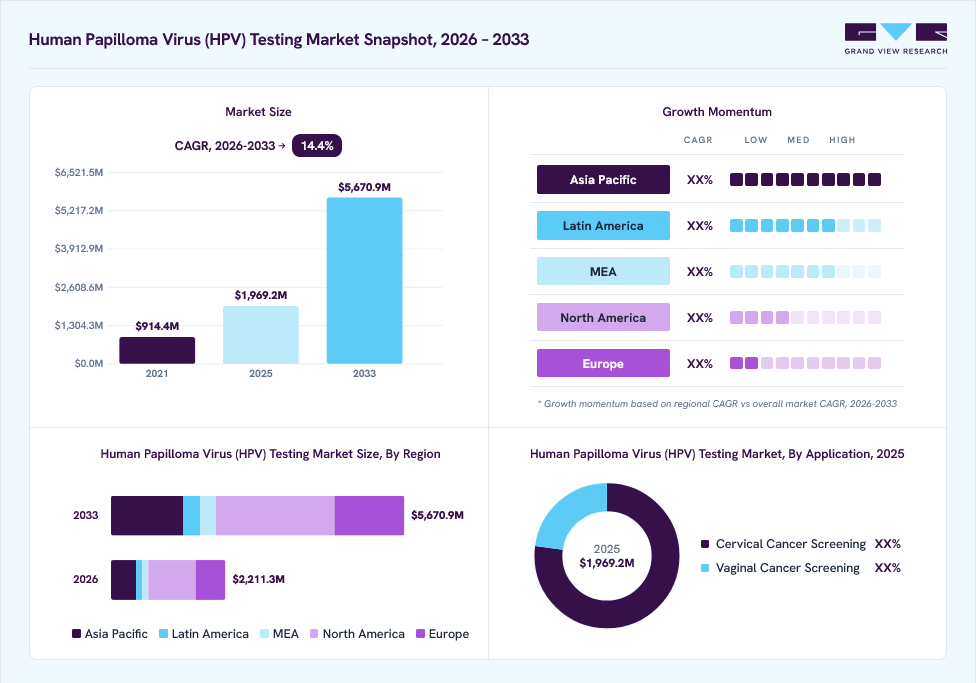 Source: Grand View Research, IR Documents, Primary Interviews, Paid DatabasesTo learn more about this report,
 Download Free Sample Report
 Key Market Trends & Insights
- By application: Cervical cancer screening segment led the market with the largest share of 77.1% in 2025.
- By product: Consumables segment led the market with the largest revenue share of 65.4% in 2025.
- By technology: Others segment led the market with the largest revenue share of 46.8% in 2025.
- By end-use: Hospitals & clinics segment led the market with the largest revenue share of 43.1% in 2025.
Regional Highlights
- Largest regional market: North America (41.5% revenue share, 2025)
- Fastest-growing regional market: Asia Pacific (highest CAGR, 2026-2033)
- By country: The U.S. held the largest share of North America in 2025.
Market Size & Forecast
- Market size in 2025: USD 2.0 Billion
- Estimated market size in 2026: USD 2.2 Billion
- Projected market size by 2033: USD 5.7 Billion
- CAGR (2026-2033): 14.4%
Three ways to get this report
Buy it, customize it, or ask a question.Ask an Analyst
Analyst response in 1 business day
- AccessReport author, directly
- Reply timeWithin 1 working day
- No sales callDirect answer only
- FormatEmail reply
- CostFree, no cost
Get the Full Report
What the study covers
- FormatsPDF · Excel · Dashboard
- Timeline2026–2033 annual, 2025 base
- Coverage20+ countries, 5 regions
- Companies10+ key players profiled
Customize the Report
20% free customization
- IncludeCountries, segments, points
- TailorTo your product definition
- ExtendDeeper competitor detail
- OrA fully bespoke study
- Turnaround5–10 working days
Countries like Australia have replaced Pap smears with HPV DNA testing for higher sensitivity. Self-sampling kits, such as those from BD and Hologic, are expanding access in underserved areas. WHO’s elimination strategy and NGO-backed programs in Africa and Asia drive adoption. Advances in molecular diagnostics, bundled women’s health panels, and improved lab infrastructure make testing more accessible and cost-effective globally. Cervical cancer is the fourth most common cancer among women worldwide and the second leading cause of female cancer-related mortality.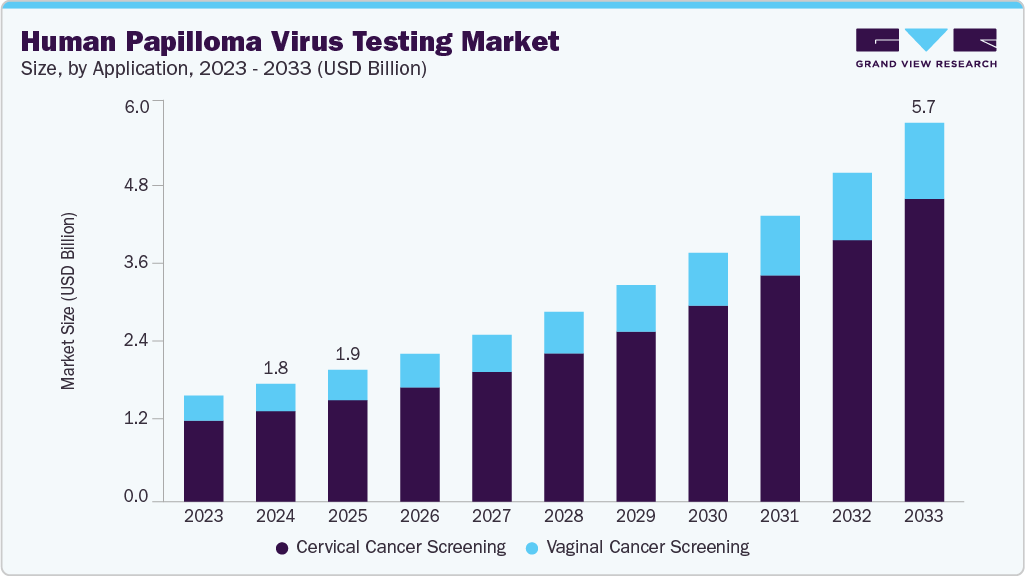 To learn more about this report, Download Free Sample Report
 In November 2020, the World Health Organization launched its Global Strategy to Eliminate Cervical Cancer, setting the 90-70-90 targets for 2030-vaccinate 90% of girls by age 15, screen 70% of women at ages 35 and 45, and treat 90% of women with identified disease. This initiative came against alarming statistics: in 2022, only 18% of countries had reached the recommended screening coverage of over 70%, and global coverage still stood at about 20%. HPV is the causative agent in 99.8% of cervical cancer cases, with genotypes 16 and 18 alone responsible for 70% of cases. Nineteen high-risk genotypes account for 90% of all HPV-related cancers. Given the asymptomatic nature of most HPV infections, molecular testing has become essential for early detection. Since 2017, countries such as Australia and the Netherlands have transitioned from Pap smears to primary HPV DNA testing, citing higher sensitivity and longer screening intervals.
In India, where one in five women with cervical cancer resides and 25% of global deaths occur, the government is moving aggressively toward mass screening. In April 2025, the Union Minister convened a joint meeting of the Department of Biotechnology, BIRAC, AIIMS, ICMR, IARC, and industry partners to review indigenously developed RT-PCR HPV test kits. Developed by repurposing COVID-19 PCR infrastructure, these kits focus on the most common cancer-causing genotypes and aim to deliver affordable, scalable screening. Calling the launch “a milestone in preventive healthcare”, Union Minister added, “it becomes a national responsibility to safeguard our youth and offer them timely prevention.”
The private sector is also driving innovation. At the July 2024 AOGIN conference in Seoul, Seegene Inc. presented its Allplex HPV HR Detection and Allplex HPV28 Detection assays, offering comprehensive genotyping of high- and low-risk HPV types using quantitative PCR, alongside its fully automated STARlet-AIOS workflow system. The company’s Executive Vice-President and Chief Global Sales and Marketing Officer noted, “We expect our HPV products to be adopted in cervical cancer screening programs in more countries, helping to realize a world free from all diseases.”
In November 2023, Abbott received U.S. FDA approval for its Alinity m HR HPV assay, designed for both primary screening and co-testing, with extended genotyping to improve patient risk stratification. Vice President of Abbott’s molecular business, remarked, “HPV testing is a powerful tool for detecting infections that can lead to certain cancers and illustrates the power of molecular diagnostics in infectious disease.”
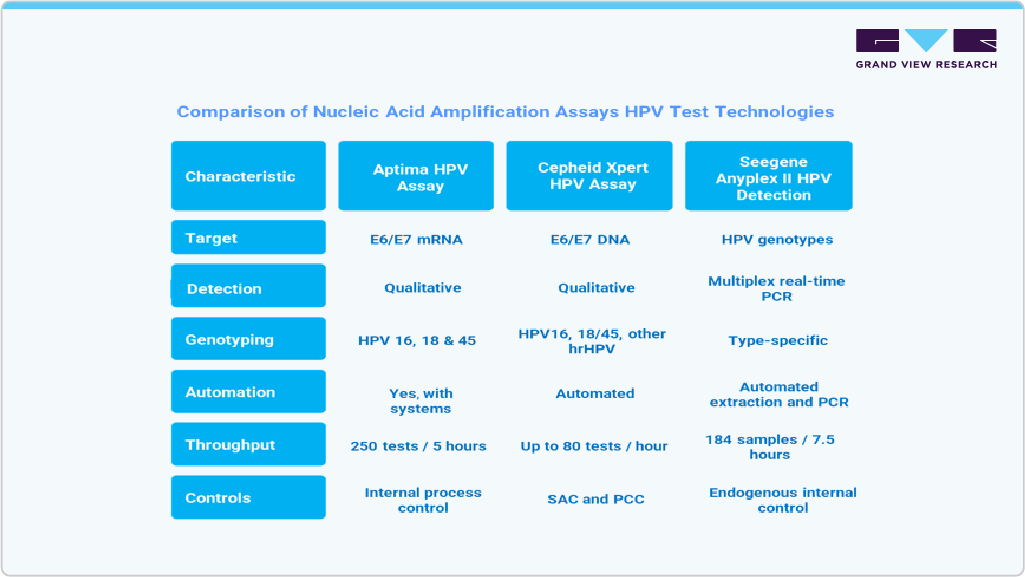
Moreover, Nucleic Acid Amplification Assays (NAATs) have become the gold standard for HPV detection due to their high analytical sensitivity, ability to detect low viral loads, and suitability for screening and diagnostic applications. Unlike traditional cytology, which relies on microscopic examination of cells, NAATs identify HPV-specific nucleic acid sequences, enabling earlier and more accurate detection of high-risk infections that may lead to cervical cancer. The most widely adopted NAAT platforms target the E6/E7 oncogenes-markers of viral activity strongly associated with oncogenic transformation-offering improved clinical specificity over assays targeting structural genes like L1.
Several advanced NAAT platforms have been developed and deployed in national screening programs, particularly in high-income countries such as Australia, which has integrated molecular HPV testing as the primary screening method since 2017. These platforms differ in their target (DNA vs mRNA), throughput, automation, and genotyping capabilities, allowing healthcare systems to select the technology best suited to their infrastructure and population needs.
 To learn more about this report, Download Free Sample Report
 These developments underscore a market undergoing rapid transformation, driven by global elimination goals, public-private collaboration, indigenous low-cost solutions for emerging markets, and advanced automation in molecular diagnostics. With increasing adoption of self-sampling and integration of HPV testing into comprehensive women’s health panels, the global HPV testing market is poised for robust growth, particularly in Asia-Pacific, Latin America, and the Middle East, where large underserved populations and expanding diagnostic infrastructure create strong demand momentum.
Market Dynamics
The Human Papillomavirus (HPV) Testing Market is witnessing significant growth, driven by increasing cervical cancer screening programs, rising HPV infection prevalence, and growing adoption of molecular diagnostics for early detection. Government-led awareness initiatives, HPV vaccination programs, and updated screening guidelines are accelerating the use of HPV DNA and mRNA testing across healthcare settings. However, limited screening access in low-resource regions, reimbursement disparities, and social stigma associated with sexually transmitted infections continue to restrain market growth. Advancements in self-sampling technologies, AI-enabled diagnostics, point-of-care testing, and expanded screening programs are expected to create substantial long-term growth opportunities.
The growing adoption of organized cervical cancer screening programs is a major driver of the HPV testing market. Persistent infection with high-risk HPV types is responsible for nearly all cervical cancer cases, making HPV DNA and mRNA testing the preferred primary screening method in many countries. Governments and healthcare organizations are increasingly replacing cytology-based screening with HPV molecular testing because of its higher sensitivity and ability to detect precancerous lesions earlier. The shift toward risk-based screening recommendations has significantly increased testing volumes in hospitals, diagnostic laboratories, and public health programs.
A recent example is the World Health Organization (WHO) continuing to support its Global Strategy to Accelerate the Elimination of Cervical Cancer, targeting 70% of women to be screened with a high-performance HPV test by ages 35 and 45. According to the WHO (2024), cervical cancer causes approximately 660,000 new cases and 350,000 deaths annually worldwide, with the majority occurring in low- and middle-income countries. In addition, the U.S. Preventive Services Task Force (USPSTF) continues to recommend primary HPV testing every five years for women aged 30-65 years, further supporting adoption of molecular HPV assays.
Despite strong clinical evidence supporting HPV testing, unequal access to screening services remains a major restraint. Many low- and middle-income countries lack sufficient laboratory infrastructure, trained personnel, molecular diagnostic equipment, and organized national screening programs. Even in developed markets, differences in reimbursement coverage and healthcare access can reduce participation in routine HPV screening, delaying diagnosis and treatment.
The challenge remains substantial globally. According to the WHO report in 2024, nearly 94% of cervical cancer deaths occur in low- and middle-income countries, largely because screening and early detection services remain inadequate. Similarly, the International Agency for Research on Cancer (IARC) continues to report significant disparities in HPV screening coverage between high-income and resource-limited regions, limiting the effectiveness of prevention programs despite the availability of highly accurate HPV molecular tests.HPV self-collection and decentralized molecular testing represent one of the largest opportunities for market expansion. Self-sampling improves screening participation among women who avoid conventional pelvic examinations because of geographic barriers, cultural concerns, or limited healthcare access. Advances in PCR-based assays, portable molecular platforms, and digital health integration are enabling accurate HPV testing outside traditional clinical settings while maintaining high diagnostic performance.
A major recent development occurred in May 2024, when the U.S. FDA approved the first HPV self-collection option that allows eligible individuals to collect vaginal samples within healthcare settings for laboratory analysis. This approval is expected to increase screening participation and improve access among underserved populations. Additionally, the National Cancer Institute (NCI) continues supporting the Last Mile Initiative, which aims to expand access to HPV self-collection technologies in underserved communities across the United States. These developments are expected to accelerate adoption of self-sampling and molecular HPV diagnostics globally.Market Concentration & Characteristics
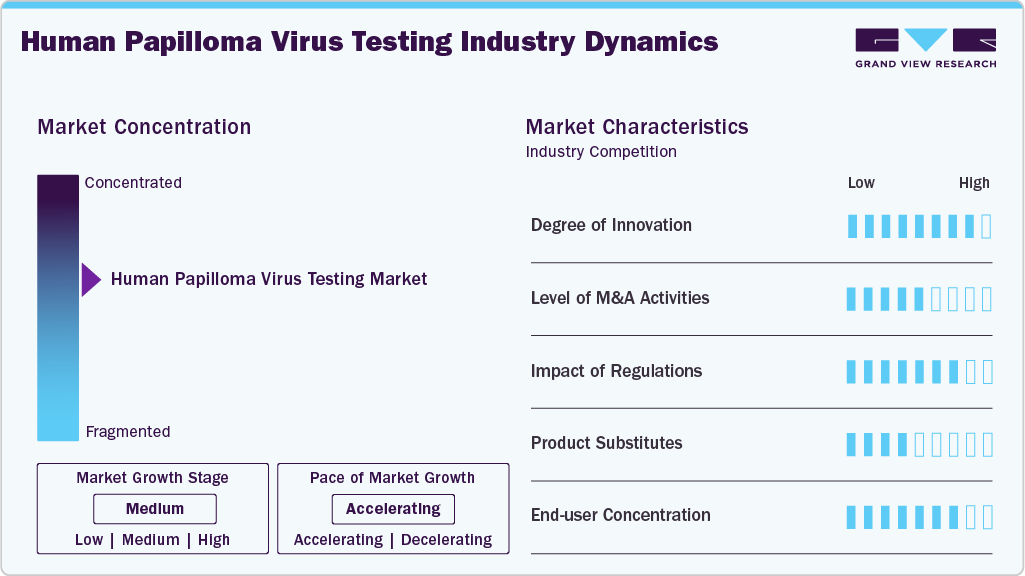
The degree of innovation in HPV NAATs is high, reflecting significant advancements in molecular diagnostics that have transformed cervical cancer screening. Platforms such as the Aptima HPV Assay introduced E6/E7 mRNA detection, improving specificity by targeting actively replicating virus rather than latent infections. Cepheid’s Xpert HPV brought true “near-patient” testing with rapid, cartridge-based E6/E7 DNA amplification on scalable GeneXpert modules, enabling on-demand results in under an hour. Seegene’s Anyplex II leverages proprietary TOCE™ technology to simultaneously genotype 14 to 28 HPV types with semi-quantitative viral load estimation in a single reaction. These innovations enhance accuracy, throughput, and clinical utility, supporting large-scale population screening and rapid diagnostic workflows.
In December 2024, H.U. Group Holdings, Inc. completed the acquisition of the HPV self-test service business of Hatch Healthcare K.K. The deal strengthens H.U. Group’s position in the growing self-sampling segment of HPV screening, aligning with global trends toward increasing accessibility and patient-driven testing. Self-test HPV services have been gaining momentum as a means to improve participation rates, especially in populations with historically low screening uptake. This acquisition enables H.U. Group to expand its molecular diagnostics portfolio, capture new market share in preventive women’s health, and leverage existing lab infrastructure to scale HPV self-collection solutions.
 To learn more about this report, Download Free Sample Report
 Regulatory frameworks play a critical role in shaping market access, adoption timelines, and competitive dynamics in HPV testing. In the U.S., the FDA’s approval process for HPV assays-such as Abbott’s Alinity m HR HPV assay (approved on November 2, 2023)-ensures compliance with stringent analytical and clinical validation requirements before commercial deployment. In the EU, CE-IVD marking under the In Vitro Diagnostic Regulation (IVDR), which came into effect in May 2022, mandates enhanced clinical evidence and post-market surveillance, impacting legacy and new assays. WHO’s 2030 elimination strategy and national screening guidelines further drive standardization, while in markets like India, government-backed validation of indigenous RT-PCR HPV kits in April 2025 demonstrates how local regulatory initiatives can accelerate cost-effective screening adoption in low- and middle-income countries. These evolving requirements incentivize innovation and extend development timelines, influencing product launch strategies globally.
Product expansion in the HPV testing market is increasingly focused on broadening assay menus, improving workflow efficiency, and enhancing patient access through innovative delivery models. Hologic has expanded its Panther System test menu beyond the Aptima HPV assay to include multiple women’s health and STI tests, enabling high-throughput, consolidated screening from a single platform. Roche has built on its cobas HPV test by integrating extended genotyping for more precise risk stratification, which is now offered alongside its CINtec PLUS Cytology for triage. Emerging players are introducing multiplex PCR panels that combine HPV detection with screening for other oncogenic viruses, while regional manufacturers in the Asia-Pacific are launching cost-optimized, portable HPV DNA platforms to reach rural clinics. This diversification strengthens competitive positioning and supports broader adoption in both developed and resource-limited healthcare settings.
Regional expansion strategies in the HPV testing market are driven by rising screening mandates, improved laboratory infrastructure, and targeted partnerships. BD (Becton, Dickinson and Company) has extended its BD Onclarity HPV assay into Latin America through collaborations with public health programs in Brazil and Mexico, aligning with government-led cervical cancer prevention initiatives. Qiagen has expanded its careHPV test distribution in sub-Saharan Africa and Southeast Asia via NGO and government procurement channels, focusing on low-resource settings. In the Middle East, private labs in the UAE and Saudi Arabia are adopting advanced genotyping assays from global suppliers to meet growing demand for preventive women’s health services. Such geographic diversification allows companies to capture high-growth markets, adapt pricing models to local economies, and contribute to the WHO’s 2030 screening coverage goals.
Analyst Perspective
The Human Papillomavirus (HPV) Testing Market is expected to witness strong growth, driven by expanding cervical cancer screening programs, increasing adoption of molecular diagnostics, and global initiatives to eliminate cervical cancer. Market participants should prioritize investments in high-risk HPV DNA and mRNA assays, automated PCR platforms, self-sampling technologies, and AI-enabled diagnostic workflows to improve screening accessibility and diagnostic accuracy. Strengthening collaborations with hospitals, diagnostic laboratories, public health agencies, and women's health clinics will be essential to expand screening coverage and improve early disease detection. Companies should also focus on obtaining regulatory approvals, strengthening reimbursement support, and aligning with evolving clinical screening guidelines. Expanding HPV testing in emerging markets through cost-effective molecular diagnostics, decentralized testing platforms, and organized national screening programs will create substantial long-term growth opportunities while reinforcing competitive positioning in women's health diagnostics.
Application Insights
Based on application, the cervical cancer screening segment led the market with the largest revenue share of 77.1% in 2025 due to the high prevalence of HPV-related cervical cancer worldwide. Early detection through HPV testing is essential for preventing the progression of cervical cancer, driving widespread adoption of screening programs. The availability of advanced, noninvasive testing methods, such as HPV DNA tests and liquid-based cytology, has contributed to the segment growth. In addition, increasing awareness of cervical cancer prevention and government initiatives supporting regular screenings further boost demand for HPV testing in cervical cancer detection.
The vaginal cancer screening segment is anticipated to grow at a significant CAGR of 12.5% over the forecast period, owing to the increasing recognition of HPV's role in vaginal cancer development. Rising awareness of HPV-related cancers and improving diagnostic technologies fuel the demand for effective screening methods. Early detection of HPV infections linked to vaginal cancer allows for timely treatment and prevention, reducing cancer risk. The expansion of healthcare infrastructure, particularly in developing regions, and the push for routine screenings are expected to further accelerate the growth of this segment.
Technology Insights
Based on technology, the others segment led the market with the largest revenue share of 46.8% in 2025 due to its high sensitivity and accuracy in detecting HPV DNA. Polymerase Chain Reaction (PCR) allows for the identification of specific viral strains, including high-risk types linked to cervical and other cancers. The technology’s ability to detect low viral loads and provide precise results at early stages of infection has made it the preferred method for HPV testing. Moreover, PCR’s scalability, ease of automation, and ability to test in diverse settings have further fueled its dominance in the human papilloma virus (HPV) testing industry.
The immunodiagnostics segment is projected to grow at a significant CAGR during the forecast period, propelled by the increasing demand for accurate, reliable, and cost-effective diagnostic solutions. Immunodiagnostic tests, which detect HPV-specific antibodies or antigens, offer advantages such as high sensitivity and faster results. The growing emphasis on preventive healthcare and early detection of HPV-related cancers fuels market growth. In addition, advancements in immunodiagnostic technologies and expanding testing infrastructure in emerging markets are expected to contribute significantly to segment expansion.
End Use Insights
Based on end-use, the hospitals & clinics segment led the market with the largest revenue share of 43.1% in 2025, owing to their central role in providing comprehensive healthcare services. These facilities offer reliable diagnostic testing and follow-up care, making them a primary choice for patients seeking HPV screening. The availability of advanced diagnostic equipment, skilled healthcare professionals, and integrated care systems in hospitals and clinics further contributes to their dominance in the market. Moreover, the increasing number of individuals seeking HPV testing in these settings, driven by awareness campaigns, supports their leading position in the market.
 To learn more about this report, Download Free Sample Report
 The laboratories segment is expected to experience a significant growth rate during the forecast period, fueled by the increasing demand for accurate, efficient, and reliable testing methods. Advancements in molecular diagnostics and the rising awareness of HPV-related health risks drive this growth. Laboratories are adopting cutting-edge technologies such as PCR and next-generation sequencing, which enhance the sensitivity and specificity of HPV detection. Furthermore, the growing prevalence of HPV infections and government initiatives promoting HPV testing contribute to the segment’s market potential.
Product Insights
Based on product, the consumables segment led the market with the largest revenue share of 65.4% in 2025, attributed to the increasing demand for efficient and cost-effective diagnostic solutions. These consumables, such as test kits, reagents, and cartridges, are essential for accurate HPV detection and screening, which is crucial for the prevention of cervical cancer. The growing adoption of HPV testing in routine healthcare and expanding testing programs worldwide have further boosted the segment’s growth. Furthermore, consumables' convenience and ease of use have contributed to their widespread adoption in clinical settings.
The services segment is expected to grow at the fastest CAGR during the forecast period, propelled by the increasing need for specialized testing and counseling services. Healthcare providers expand their offerings to include comprehensive HPV testing solutions, often involving laboratory services, result analysis, and patient education. The rising awareness about HPV-related cancers, along with government initiatives promoting regular screenings, fuels the demand for these services. Moreover, advancements in molecular diagnostics and personalized treatment options are expected to enhance the value and scope of services in HPV testing.
Regional Insights
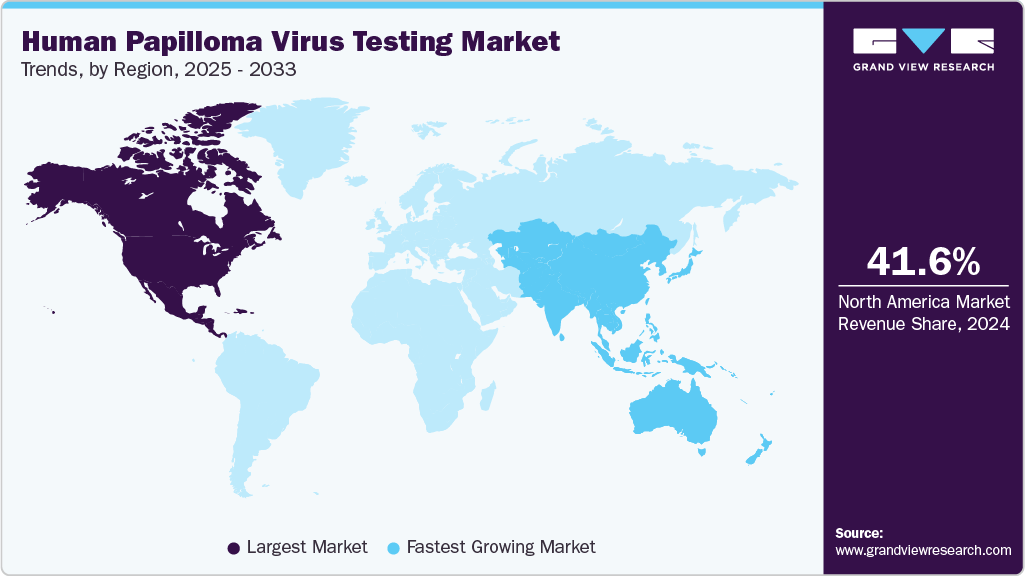
North America human papilloma virus (HPV) testing market accounted for the largest revenue share of 41.5% in 2025. The integration of HPV testing into routine checkups and the increase in preventive healthcare drive significant market growth. Routine screenings for HPV, especially in women, are becoming a standard part of preventive care, helping detect potential risks early. The rising focus on proactive healthcare and disease prevention, along with improved guidelines for cervical cancer screening, boosts the demand for HPV testing. Moreover, healthcare providers increasingly emphasize regular testing to identify high-risk strains, further expanding the market size.
 To learn more about this report, Download Free Sample Report
 U.S. HPV Testing Market Trends
The human papilloma virus (HPV) testing market, U.S. held the largest share in the North America region in 2025. The growing demand for home testing kits is expanding the U.S. market by providing individuals with convenient and private options for screening. These at-home kits offer users greater flexibility, leading to increased adoption. In addition, expanding HPV vaccination programs encourages more people to engage in preventive healthcare, further driving the market. Widespread vaccination efforts reduce the incidence of HPV-related cancers. Still, regular testing remains crucial for ensuring continued growth in demand for HPV diagnostic solutions nationwide.
Europe Human Papilloma Virus Testing Market Trends
The HPV testing market in Europe is anticipated to witness significant expansion over the forecast period, owing to increasing screening initiatives and the rising incidence of cervical cancer. Government-led programs and greater public awareness encourage regular screening, leading to higher demand for HPV tests. The rising number of cervical cancer cases across Europe underscores the importance of early detection, further boosting the market. These efforts foster widespread adoption of HPV testing as a preventive measure, helping reduce cancer risks and driving the overall human papilloma virus (HPV) testing industry expansion in the region.
Asia Pacific Human Papilloma Virus Testing Market Trends
The HPV testing market in the Asia Pacific is set to be the fastest-growing region with a CAGR of 16.4% over the forecast period. This growth can be attributed to the growing focus on women’s health and expanding healthcare access. An increase in awareness of HPV-related cancers and the importance of early detection encourages more women to seek regular screening. Governments and healthcare organizations are investing in awareness campaigns, improving healthcare infrastructure, and making HPV testing more accessible. This heightened emphasis on preventive care and the availability of affordable testing options are set to fuel the demand for HPV testing across the region, driving market growth.
China HPV testing market is projected to grow at the fastest CAGR during the forecast period, driven by the adoption of co-testing and technological advancements. The combination of Pap smear and HPV DNA testing, known as co-testing, is gaining popularity due to its enhanced accuracy in detecting cervical abnormalities and HPV infections. In addition, innovations such as self-collection kits and advanced molecular diagnostic technologies make HPV testing more accessible and efficient. These developments are improving the reliability of results and encouraging more people to undergo regular screening, expanding market size and adoption rates.
Key Human Papilloma Virus Testing Company Insights
Some key companies in the human papilloma virus testing industry include Abbott, bioMerieux, Bio-Rad Laboratories, Inc., F. Hoffmann-La Roche Ltd, and Siemens Healthineers AG.
-
Abbott offers innovative healthcare solutions, including diagnostic tools, medical devices, nutrition products, and branded generic medicines. The company focuses on improving health and enhancing lives through cutting-edge technology and scientifically backed solutions worldwide.
-
bioMérieux specializes in diagnostic solutions, offering a range of products and services for clinical microbiology, molecular biology, and immunoassays. Its solutions help detect infectious diseases, ensuring faster, more accurate diagnoses and better patient outcomes globally.
Key Human Papilloma Virus Testing Companies:
The following are the leading companies in the HPV testing market. These companies collectively hold the largest market share and dictate industry trends.
- Abbott
- Biomedical Diagnostics
- bioMerieux
- Bio-Rad Laboratories, Inc.
- Fujirebio
- Oncolab
- Hologic, Inc.
- Qiagen
- F. Hoffmann-La Roche Ltd
- Siemens Healthineers AG
Competitive Benchmarking
Category
Operating Strategies
Competitive Edge
Weakness
Well-Established Players (Roche Diagnostics, Hologic, QIAGEN, BD, Abbott, Thermo Fisher Scientific, Seegene)
- Focus on expanding HPV testing portfolios through high-risk HPV DNA and mRNA assays, real-time PCR platforms, automated molecular diagnostic systems, HPV genotyping, AI-enabled laboratory workflows, and integrated cervical cancer screening solutions. Emphasize collaborations with hospitals, diagnostic laboratories, public health agencies, cancer screening programs, and academic institutions while investing in assay development, clinical validation, regulatory approvals, and global commercialization through strategic partnerships, acquisitions, and continuous product innovation.
- Strong global commercial presence, established molecular diagnostics portfolios, extensive regulatory expertise, advanced PCR technologies, automated laboratory platforms, and significant R&D investments. Integrated offerings comprising HPV analyzers, assay kits, reagents, laboratory informatics, and screening solutions enable high diagnostic accuracy, operational efficiency, and widespread adoption across cervical cancer screening programs, hospitals, and reference laboratories.
- High R&D expenditure, increasing regulatory compliance costs, reimbursement variability across regions, dependence on national cervical cancer screening policies, and continuous investment required to maintain technological leadership. Large organizations may also experience longer product development timelines, pricing pressure from regional competitors, and complex global supply chain management.
Emerging & Regional Players (Sansure Biotech, Hybribio, GeneProof, Molbio Diagnostics, Fujirebio, regional molecular diagnostics manufacturers)
- Focus on affordable HPV molecular diagnostics, portable PCR platforms, multiplex HPV genotyping assays, self-sampling compatible testing solutions, and decentralized molecular diagnostics. Emphasize regional expansion, collaborations with hospitals, diagnostic laboratories, women's health clinics, public health agencies, and research institutions while strengthening localized manufacturing, customized testing solutions, and distributor partnerships to improve accessibility and affordability of HPV testing.
- High innovation capability, rapid commercialization of molecular diagnostic technologies, competitive pricing, specialized expertise in HPV detection, and agility in adopting emerging PCR and multiplex testing technologies. Cost-effective assays, portable diagnostic platforms, and customized HPV testing solutions enable faster adoption across public screening programs, decentralized healthcare settings, and emerging markets.
- Limited global commercial presence, smaller manufacturing capacity, lower brand recognition, dependence on regional distribution partnerships and reimbursement policies, and challenges in obtaining regulatory approvals across multiple countries. Emerging companies may also face scalability constraints, limited R&D resources, and intense competition from multinational diagnostics companies offering broader molecular diagnostics portfolios and integrated cervical cancer screening solutions.
Recent Developments
-
The FDA approval of Teal Wand, the first at-home cervical cancer screening test, marks a significant strategic milestone in women’s health. Targeting women aged 25-65, the test enables self-sampling at home with lab analysis and online results in under a week. Validated in a study of 600+ women, it demonstrated equivalent accuracy to clinician-collected samples, addressing barriers to clinic-based Pap smears. With a launch planned in California in June 2025, Teal Wand aims to expand screening access, improve early detection, and capture untapped market segments. This positions the company as an innovation leader while unlocking new revenue streams in preventive diagnostics.
-
In May 2024, Roche received FDA approval for one of the first HPV self-collection solutions in the U.S. This approval is expected to enhance access to screening and support efforts to eliminate cervical cancer. This solution allows for early detection of HPV, helping identify women at risk and enabling timely treatment to prevent cervical cancer development.
-
In February 2025, in collaboration with Roche Diagnostics, Metropolis Healthcare launched a self-sampling HPV DNA test for cervical cancer screening across India. The test, recognized by the WHO, detects 14 high-risk HPV types and aims to improve access and early detection, particularly in underserved areas.
Human Papilloma Virus (HPV) Testing Market Report Scope
Report Attribute
Details
Market size value in 2025
USD 2.0 billion
Market size value in 2026
USD 2.2 billion
Revenue forecast in 2033
USD 5.7 billion
Growth rate
CAGR of 14.4% from 2026 to 2033
Historical data
2021 - 2024
Forecast period
2026 - 2033
Quantitative units
Revenue in USD million/billion, and CAGR from 2026 to 2033
Report coverage
Revenue forecast, company ranking, competitive landscape, growth factors, and trends
Segments covered
Product, application, technology, end-use, regional
Regional scope
North America; Europe; Asia Pacific; Latin America; MEA
Country scope
U.S.; Canada; Mexico; Germany; UK; France; Italy; Spain; Denmark; Sweden; Norway; Japan; China; India; South Korea; Australia; Thailand; Brazil; Argentina; South Africa; Saudi Arabia; UAE; Kuwait
Key companies profiled
Abbott; Biomedical Diagnostics; bioMerieux; Bio-Rad Laboratories, Inc.; Fujirebio; Oncolab; Hologic, Inc.; Qiagen; F. Hoffmann-La Roche Ltd; Siemens Healthineers AG.
Customization scope
Free report customization (equivalent up to 8 analysts' working days) with purchase. Addition or alteration to country, regional & segment scope.
Pricing and purchase options
Avail customized purchase options to meet your exact research needs. Explore purchase options
Global Human Papilloma Virus Testing Market Report Segmentation
This report forecasts revenue growth at global, regional, and country levels and provides an analysis of the latest industry trends in each of the sub-segments from 2021 to 2033. For this study, Grand View Research has segmented the global human papilloma virus (HPV) testing market report based on application, product, technology, end use, and region:
-
Application Outlook (Revenue, USD Million, 2021 - 2033)
-
Cervical Cancer Screening
-
Vaginal Cancer Screening
-
-
Product Outlook (Revenue, USD Million, 2021 - 2033)
-
Instruments
-
Consumables
-
Services
-
-
Technology Outlook (Revenue, USD Million, 2021 - 2033)
-
PCR
-
Immunodiagnostics
-
Others
-
-
End Use Outlook (Revenue, USD Million, 2021 - 2033)
-
Hospitals & Clinics
-
Laboratories
-
Others
-
-
Regional Outlook (Revenue, USD Million, 2021 - 2033)
-
North America
-
U.S.
-
Canada
-
Mexico
-
-
Europe
-
Germany
-
UK
-
France
-
Italy
-
Spain
-
Denmark
-
Sweden
-
Norway
-
-
Asia Pacific
-
Japan
-
China
-
India
-
South Korea
-
Australia
-
Thailand
-
-
Latin America
-
Brazil
-
Argentina
-
-
Middle East & Africa
-
South Africa
-
Saudi Arabia
-
UAE
-
Kuwait
-
-
Research Methodology
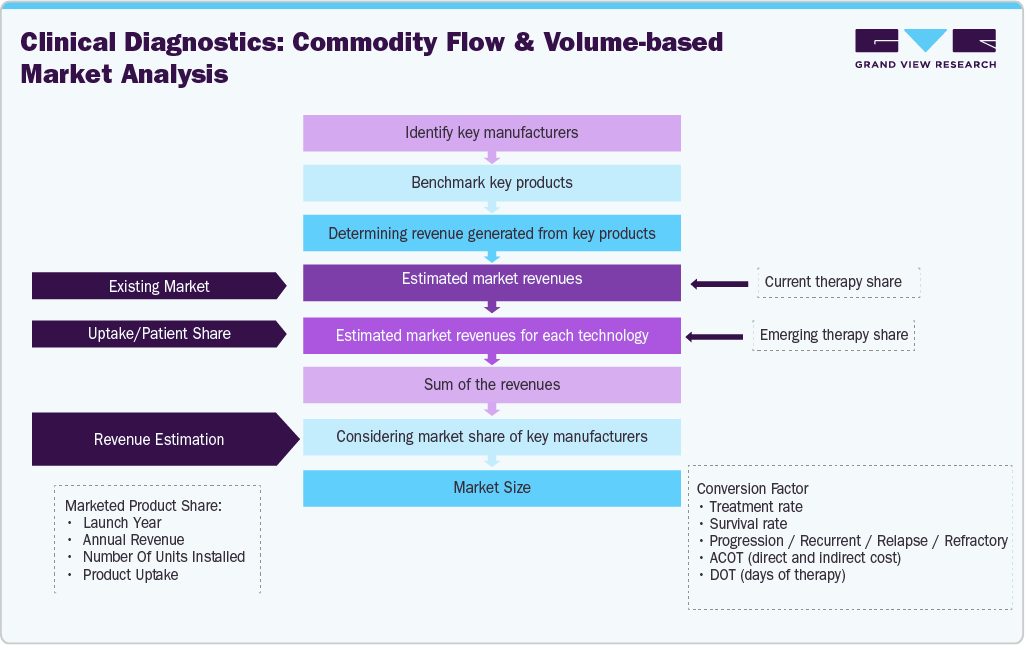
The human papilloma virus testing market figures in this report are based on a proven research process that combines executive interviews with secondary research from proprietary databases, company filings, and recognized regulatory and institutional sources. Market size is built through value-chain sizing - reconciling supply-side and demand-side estimates - and triangulated with bottom-up and top-down approaches. Every estimate passes multiple levels of expert validation before publication, with each human papilloma virus testing segment quantified using the revenue-capture definitions in the table below.
Segment Definition
Segment - Application
Revenue capture definition
Cervical Cancer Screening
Revenue generated from HPV tests used for primary cervical cancer screening, co-testing, triage, and routine population-based screening programs worldwide.
Vaginal Cancer Screening
Revenue generated from HPV testing supporting vaginal cancer detection, surveillance, follow-up screening, and management of high-risk patient populations.
Segment - Product
Revenue capture definition
Instruments
Revenue generated from molecular diagnostic analyzers, PCR systems, automated laboratory platforms, and HPV testing equipment used in diagnostic laboratories.
Consumables
Revenue generated from HPV assay kits, reagents, collection devices, cartridges, controls, calibration materials, and laboratory testing consumables.
Services
Revenue generated from laboratory testing services, contract diagnostics, instrument maintenance, software support, training, and quality assurance services.
Segment - Technology
Revenue capture definition
PCR
Revenue generated from polymerase chain reaction-based HPV testing platforms, including real-time PCR assays for high-risk HPV detection and genotyping.
Immunodiagnostics
Revenue generated from immunodiagnostic assays detecting HPV-related biomarkers, supporting screening, disease monitoring, and complementary diagnostic applications.
Others
Revenue generated from hybrid capture, DNA sequencing, isothermal amplification, and emerging molecular technologies for HPV detection and characterization.
Segment - End Use
Revenue capture definition
Hospitals & Clinics
Revenue generated from HPV testing performed in hospitals, gynecology clinics, outpatient centers, and women's healthcare facilities for patient management.
Laboratories
Revenue generated from HPV diagnostic testing conducted by clinical, reference, and independent laboratories using centralized molecular diagnostic platforms.
Others
Revenue generated from HPV testing in academic institutions, research organizations, public health agencies, community screening programs, and mobile healthcare settings.
Estimation Model
The Human Papillomavirus (HPV) Testing Market is estimated using a combination of top-down and bottom-up approaches. Market revenues are calculated by analyzing sales of HPV testing instruments, consumables, and laboratory services across major manufacturers, diagnostic laboratories, hospitals, and screening programs. Demand assessment incorporates cervical cancer screening volumes, HPV prevalence, screening guideline adoption, molecular diagnostic utilization, and healthcare expenditure across key regions. Primary interviews with diagnostic manufacturers, laboratory professionals, clinicians, and industry experts validate market assumptions, while secondary data from government health agencies, scientific publications, company annual reports, regulatory authorities, and international healthcare organizations are triangulated to generate reliable market size estimates and long-term forecasts.
 To learn more about this report, Download Free Sample Report
 Delivered Customizations
This report has been delivered with the following In-depth customizations
Client Request
Customization Delivered
Value Adds
Human Papillomavirus (HPV) Testing Competitive Landscape & Technology Assessment - Molecular Diagnostics, PCR & Cervical Cancer Screening
Assessed the global HPV testing ecosystem across diagnostic manufacturers, hospitals, gynecology clinics, diagnostic laboratories, public health agencies, cancer screening programs, academic research institutes, and women's healthcare providers. Evaluated leading developers of high-risk HPV DNA and mRNA assays, real-time PCR platforms, automated molecular diagnostic systems, HPV genotyping assays, self-sampling technologies, laboratory automation solutions, and AI-assisted diagnostic interpretation platforms.
Enabled benchmarking of leading HPV testing providers, identified innovation opportunities in automated molecular diagnostics, AI-assisted laboratory analytics, self-sampling technologies, HPV genotyping, and integrated cervical cancer screening solutions. Evaluated competitive differentiation across molecular diagnostics, population-based screening programs, decentralized testing platforms, and comprehensive women's health diagnostic portfolios.
Human Papillomavirus (HPV) Testing Regulatory, Clinical Guidelines & Reimbursement Assessment
Analyzed evolving regulatory frameworks governing HPV testing across major global markets, including IVD approvals, laboratory accreditation requirements, clinical validation standards, reimbursement policies, WHO cervical cancer elimination initiatives, and national cervical cancer screening guidelines. Assessed the impact of regulatory updates, reimbursement reforms, quality assurance requirements, and molecular diagnostic standards on commercialization, clinical adoption, patient access, and testing utilization.
Supported regulatory risk assessment, identified commercialization and reimbursement challenges, evaluated compliance readiness among diagnostic manufacturers and clinical laboratories, and highlighted the impact of evolving regulatory standards, reimbursement frameworks, and cervical cancer screening guidelines on market growth, technology adoption, and competitive positioning within HPV diagnostics.
Frequently Asked Questions About This Report
The global human papilloma virus testing market size was valued at USD 2.0 billion in 2025 and is expected to reach USD 2.2 billion in 2026.
The global human papilloma virus testing market is expected to grow at a compound annual growth rate of 14.4% from 2026 to 2033 to reach USD 5.7 billion by 2033.
North America dominated the market, accounting for a revenue share of 41.5% in 2025
Some key players operating in the human papilloma virus testing market include AAbbott; Biomedical Diagnostics; bioMerieux; Bio-Rad Laboratories, Inc.; Fujirebio; Oncolab; Hologic, Inc.; Qiagen; F. Hoffmann-La Roche Ltd; Siemens Healthineers AG.
The market is fueled by rising HPV-related cancer cases, with human papilloma virus (HPV) causing over 95% of cervical cancers.
The HPV testing market in the Asia Pacific is set to be the fastest-growing region with a CAGR from 2025 to 2033. This growth can be attributed to the growing focus on women’s health and expanding healthcare access.
Based on product, the consumables segment led the market with the largest revenue share of 65.4% in 2025.
Based on technology, the others segment led the market with the largest revenue share of 46.8% in 2025.
HPV self-collection and decentralized molecular testing represent one of the largest opportunities for market expansion. Self-sampling improves screening participation among women who avoid conventional pelvic examinations because of geographic barriers, cultural concerns, or limited healthcare access.
About the Author(s)
Clinical Diagnostics Research Team
Healthcare · Clinical DiagnosticsThis report was authored by the clinical diagnostics research team at Grand View Research - comprising two research analysts, one senior research analyst, and one industry expert - with specialized expertise in the clinical diagnostics segment of the healthcare industry. All findings are based on proprietary healthcare databases, executive interviews, and regulatory analysis, subject to internal peer review prior to publication.
Last Updated:
Speak to Analyst

Customize this report to your needs - add regions, segments, or data points, with 20% free customization.
Or view our licence options:


ISO 9001:2015 & 27001:2022 Certified
We are GDPR and CCPA compliant! Your transaction & personal information is safe and secure. For more details, please read our privacy policy.


