Peptide Therapeutics Market To Reach $294.58 Billion By 2033
Peptide Therapeutics Market Growth & Trends
The global peptide therapeutics market size is estimated to reach USD 294.58 billion by 2033, registering a CAGR of 8.73% from 2026 to 2033, according to a new report by Grand View Research, Inc. Increasing demand for efficient and rapid-acting therapeutics for the treatment of cancer and other lifestyle-associated disorders, which result in lesser adverse effects, is anticipated to propel market growth. The rising incidence of cancer calls for exploring and introducing other means of therapies and low-cost treatment alternatives is expected to drive the market. Moreover, the growing geriatric population is expected to widen the consumer base by triggering the incidence rate of target diseases such as cancer and diabetes, which is expected to drive the demand for peptide therapeutics.
As per the International Agency for Research on Cancer (GLOBOCAN 2020) report, there will be 19,292,789 new cancer cases diagnosed globally in 2020, with 9,958,133 cancer deaths. Furthermore, the five-year prevalence of cancer was projected to be 50,550,287 worldwide. The global number of new cases of cancer is projected to reach 28,887,940 by 2040. As a result, the higher incidence of cancers around the world is set to perform an important role in the development of peptide therapeutics over the forecast period. Besides that, increasing awareness among health care providers and patients about the negative effects of chemotherapy and/or radiation therapy is a primary factor influencing the increased emphasis on alternative therapeutics like peptide-based drugs.
Technological advancements in the peptide manufacturing process are driving the market during the forecast period. Manufacturers and suppliers are focusing on the adoption of novel technologies to manufacture efficient drug molecules with low time and capital investment. Improvement in purification and automation process and less generation of waste are additional factors contributing to the market growth. For instance, in March 2022, Amgen announced the official opening of its latest bio-manufacturing facility in Holly Springs, North Carolina. The facility, which is set to open in 2025, will help cope with the growth of Amgen's medicines, which treat serious diseases like cancer and heart disease.
The COVID-19 pandemic is anticipated to spur the spectrum of cancer care, which includes delayed diagnoses, therapeutic interventions, and the impeding of clinical trials focused on developing cost-effective therapeutics for cancer treatment, with peptide therapeutics for cancer treatment being no exception, as per a research article published in Nature Cancer, 2020. There have been 21 peptide drugs in therapies for the treatment of COVID-19 as of May 2020, such as 15 synthetic peptides for the therapies of acute respiratory distress syndrome (ARDS) as well as other respiratory illnesses induced by severe acute respiratory infection. However, current implementations of peptide therapeutics in oncological and metabolic disorders and other fields have been hampered by drug shortages, operational problems, and the slow progress of clinical trials involving non-COVID-19 therapeutics.
For instance, in May 2022, EVER Pharma announced that Bortezomib has received EU-wide approval for the treatment of individuals with symptomatic myeloma and mantle cell lymphoma1. In May 2022, The European Commission approved Novartis' Jakavi post-steroid therapy for acute and chronic graft-versus-host ailments. Jakavi will be the first JAK1/2 inhibitor widely available for patients in Europe with steroid-refractory graft-versus-host ailment. In September 2021, Nimble Therapeutics and Incyte entered into strategic collaborative research to discover additional new peptide therapies.
 Request a free sample copy or view report summary: Peptide Therapeutics Market Report
Peptide Therapeutics Market Report Highlights
-
Based on type, the innovative segment dominated the market with the largest revenue share of 80.08% in 2025, driven by rapid clinical advancement of next generation peptide candidates and broader integration across oncology, metabolic, and rare disease treatments.
-
Based on application, the metabolic disorders segment held the largest revenue share of 63.63% in 2025, driven by the increasing global prevalence of obesity and diabetes and the strong clinical adoption of peptide-based therapies such as GLP 1 receptor agonists.
-
Based on type of manufacturers, the in-house segment dominated the market with the largest revenue share of 64.86% in 2025, driven by expanding internal manufacturing investments and the need for tighter quality and supply chain control.
-
Based on route of administration, the parenteral route segment dominated the market with the largest revenue share of 83.99% in 2025, driven by the high clinical preference for injectable peptide therapies that deliver consistent systemic exposure and optimal therapeutic outcomes.
-
Based on synthesis technology, the recombinant DNA technology segment dominated the market with the largest revenue share of 80.18% in 2025, due to its widespread use in the large-scale production of complex therapeutic peptides with high purity, consistency, and scalability.
-
North America peptide therapeutics market held the largest global share of 61.99% in 2025, driven by advanced biopharmaceutical research infrastructure and strong commercialization capabilities.
Peptide Therapeutics Market Segmentation
Grand View Research has segmented the global peptide therapeutics market based on application, type, type of manufacturer, route of administration, synthesis technology, and region:
Peptide Therapeutics Type Outlook (Revenue, USD Million, 2021 - 2033)
-
Innovative
-
Generic
Peptide Therapeutics Application Outlook (Revenue, USD Million, 2021 - 2033)
-
Metabolic Disorders
-
Cancer
-
Neurological Disorders
-
Gastrointestinal Disorders
-
Cardiovascular Disorders
-
Pain
-
Infectious Disease
-
Renal Disorders
-
Dermatological Disorders
-
Respiratory Disorders
-
Others
Peptide Therapeutics Route of Administration Outlook (Revenue, USD Million, 2021 - 2033)
-
Parenteral Route
-
Oral Route
-
Mucosal
-
Pulmonary
-
Others
Peptide Therapeutics Synthesis Technology Outlook (Revenue, USD Million, 2021 - 2033)
-
Recombinant DNA Technology
-
Solid-Phase Peptide Synthesis (SPPS)
-
Hybrid
-
Liquid-Phase Peptide Synthesis (LPPS)
-
Others
Peptide Therapeutics Type of Manufacturers Outlook (Revenue, USD Million, 2021 - 2033)
-
Inhouse
-
Outsourced
Peptide Therapeutics Regional Outlook (Revenue, USD Million, 2021 - 2033)
-
North America
-
U.S.
-
Canada
-
Mexico
-
-
Europe
-
UK
-
Germany
-
France
-
Italy
-
Spain
-
Denmark
-
Sweden
-
Norway
-
-
Asia Pacific
-
China
-
Japan
-
India
-
Australia
-
Thailand
-
South Korea
-
-
Latin America
-
Brazil
-
Argentina
-
-
Middle East & Africa
-
South Africa
-
Saudi Arabia
-
UAE
-
Kuwait
-
List Of Key Players in the Peptide Therapeutics Market
-
Eli Lilly and Company
-
Pfizer Inc.
-
Amgen Inc.
-
Takeda Pharmaceutical Company Limited
-
AstraZeneca
-
Teva Pharmaceutical Industries Ltd.
-
Sanofi
-
F. Hoffmann-La Roche Ltd
-
Novartis AG
-
Novo Nordisk A/S
-
GSK plc
-
Ironwood Pharmaceuticals, Inc.
-
Radius Health, Inc.
-
Ipsen Pharma
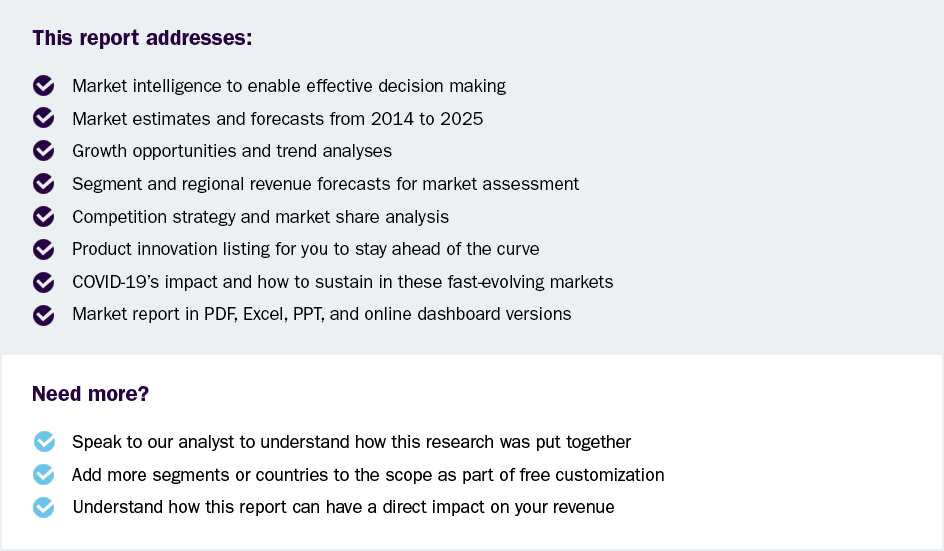

GET A FREE SAMPLE

This FREE sample includes market data points, ranging from trend analyses to market estimates & forecasts. See for yourself.

NEED A CUSTOM REPORT?
We offer custom report options, including stand-alone sections and country-level data. Special pricing is available for start-ups and universities.
Request Customization