Transforming Middle East Healthcare: MedTech and Digital Health Market Insights & Strategic Opportunities
The Middle East’s MedTech and digital health sector is undergoing a significant transformation, driven by rapid technological innovation and substantial government investment. Countries such as Saudi Arabia and the UAE are at the forefront of this shift, supported by targeted healthcare spending and a strong focus on advanced technologies. Diagnostic imaging, minimally invasive surgery, wearable devices, artificial intelligence (AI), and telemedicine are modernizing clinical workflows and reshaping care delivery across the region.
Despite this progress, the healthcare landscape continues to face significant structural challenges. Rising chronic disease prevalence, capacity constraints, clinician shortages, and an aging population place increasing pressure on traditional hospital-centric models and limit the ability to deliver timely, high-quality care. In addition, limited interoperability and uneven adoption of digital systems reduce the effectiveness and scalability of existing initiatives.
Growing healthcare expenditure and continued investment in advanced technologies are therefore positioned to play a pivotal role in strengthening GCC healthcare systems, enabling faster adoption of MedTech solutions and broader integration of digital health capabilities across the full continuum of care.
1. Spending trends: A Region Investing for Transformation
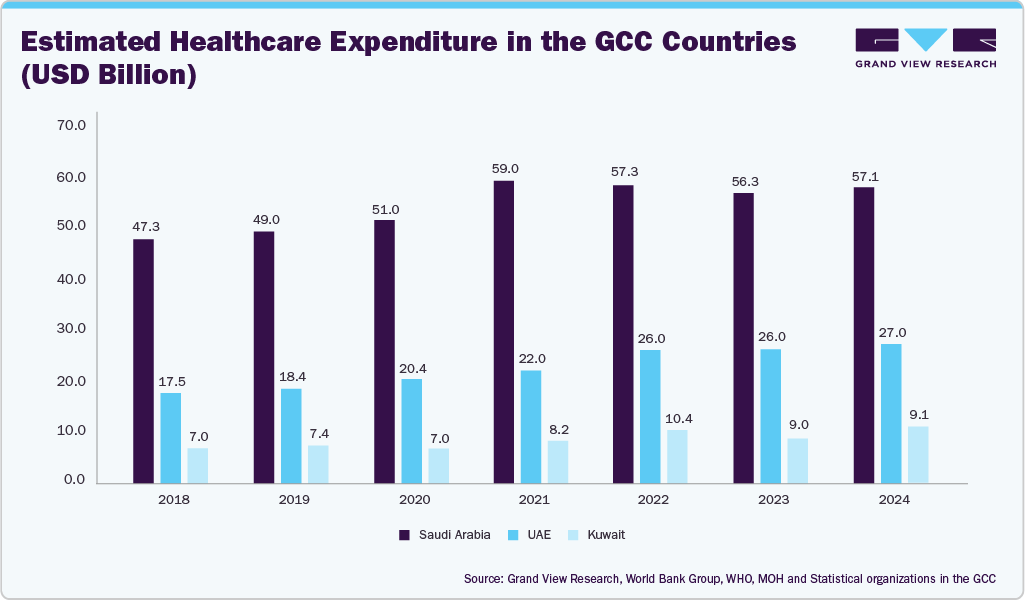
Healthcare expenditure across the GCC continues to rise, with Saudi Arabia, the UAE, and Kuwait collectively investing an estimated USD 93.2 billion in 2024. This reflects a strong government commitment to expanding hospital capacity, strengthening preventive health programs, and accelerating digital adoption. In Saudi Arabia alone, healthcare and social development spending reached SAR 214 billion (USD 57 billion) in 2024, up from SAR 167 billion in 2020, an impressive 6.4% CAGR.
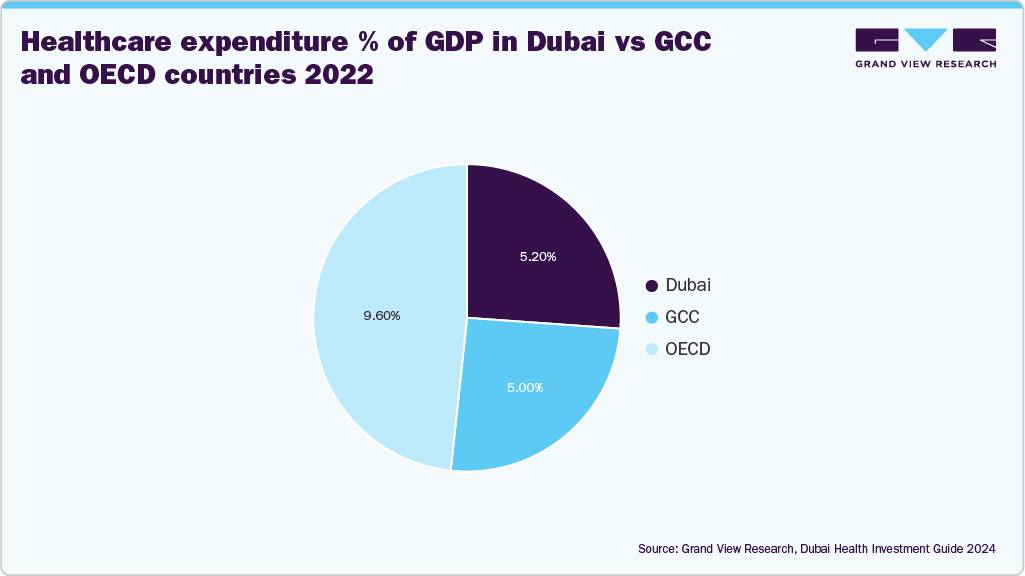
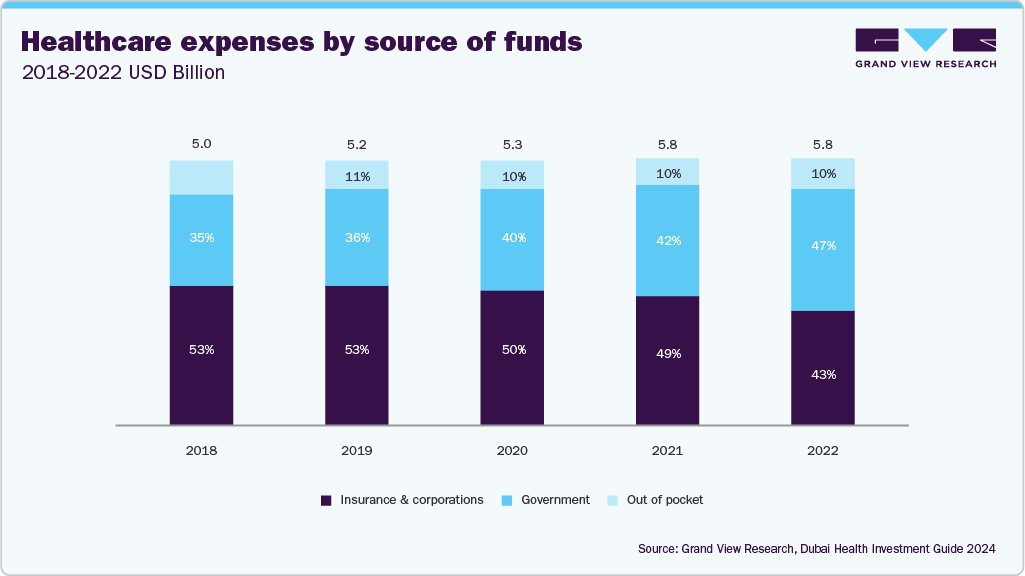
This sustained investment, supported by public-private partnerships and targeted subsidies, is enabling the rapid scale-up of digital health infrastructure. The middle east digital health market is expected to reach USD 7.06 billion by 2025, demonstrating a clear shift toward data-driven, technology-enabled care models. Such financial momentum is poised to transform the GCC healthcare landscape by improving system capacity, accelerating MedTech innovation, and laying the foundation for integrated, intelligent health ecosystems capable of delivering more accessible, efficient, and predictive care.
Drivers of demand:
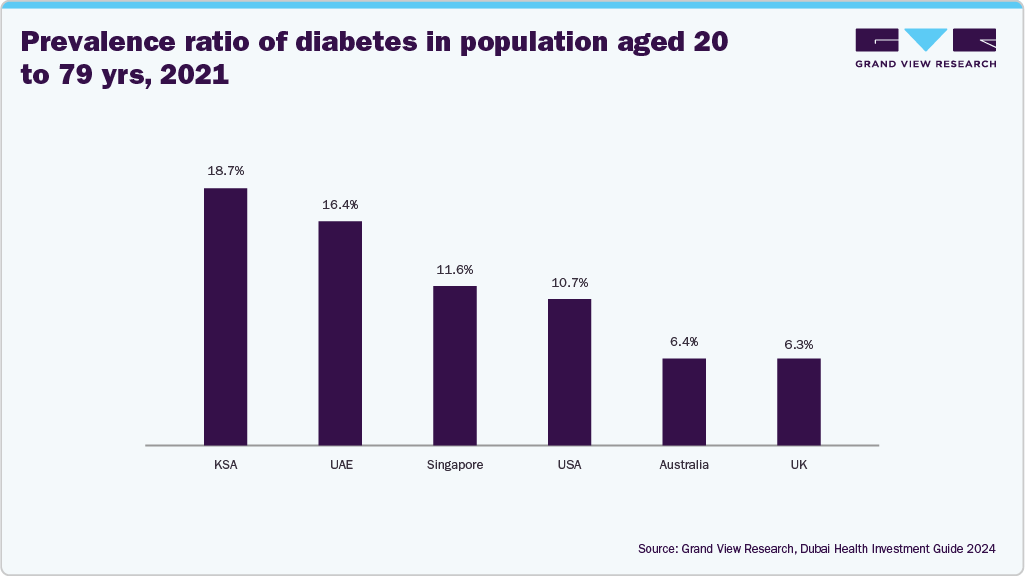
The high prevalence of chronic and non-communicable diseases across the GCC is accelerating demand for MedTech and digital health solutions. Diabetes affects approximately 23% of adults in Saudi Arabia and 20% in the UAE, increasing the need for continuous monitoring, early diagnosis, and personalized care enabled by wearable devices, AI-driven diagnostics, and telehealth platforms.
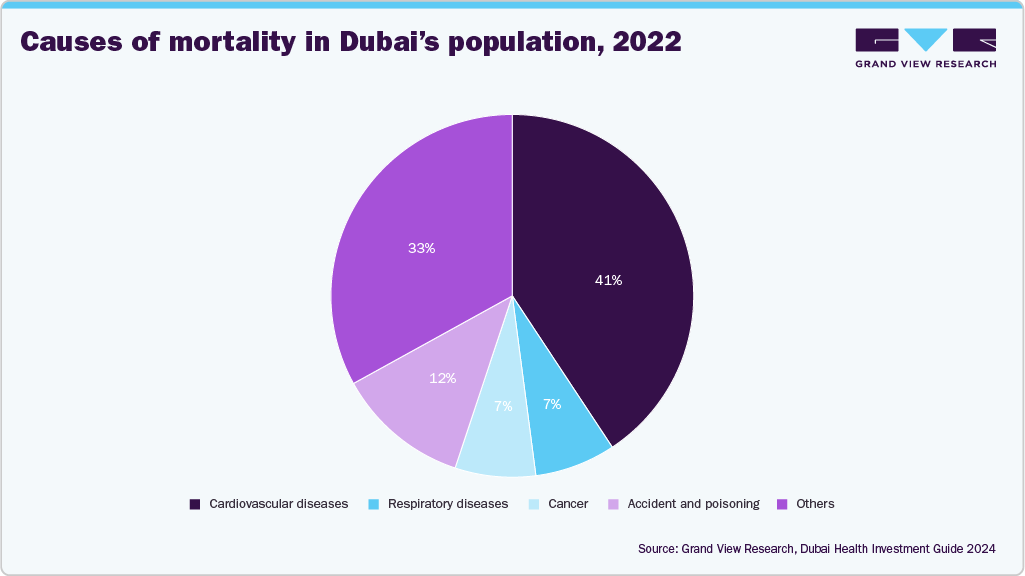
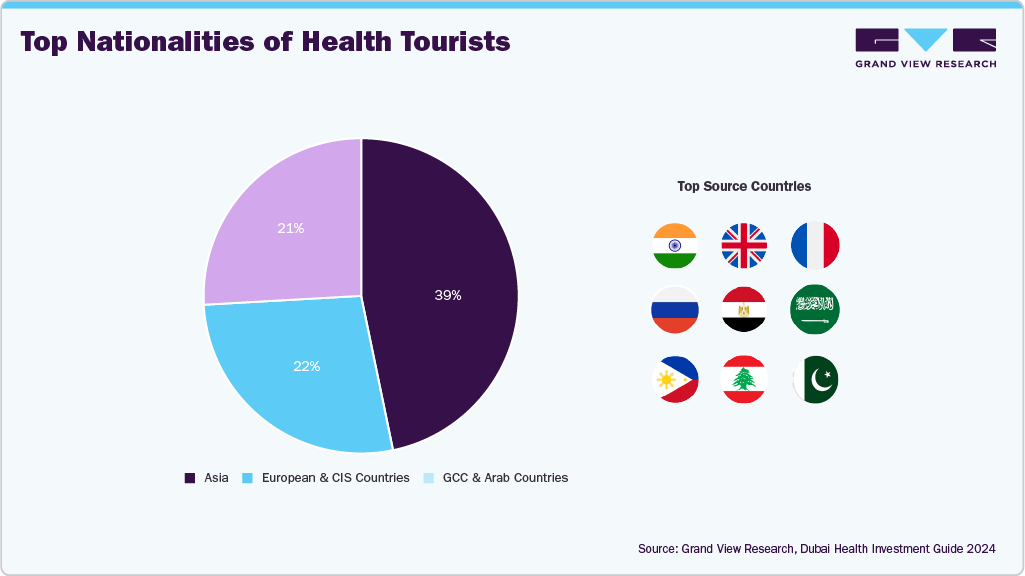
Medical tourism is an additional catalyst for market growth, particularly in the UAE. In 2022, Dubai welcomed 674,069 health tourists, generating over AED 992 million in healthcare revenue, with 39% of visitors originating from Asia and 21% from Arab and GCC countries. Managing international patient flows at this scale is driving healthcare providers to invest in advanced diagnostic imaging, minimally invasive technologies, digital patient engagement platforms, and remote consultation tools, thereby supporting continued expansion of the MedTech and digital health market across the GCC.
2. Government initiatives and infrastructure: Building the Region’s Digital Backbone
Unified electronic health records
GCC governments have prioritised interoperable health‑data platforms. The UAE’s Riayati platform (National Unified Medical Record programme) connects public and private providers and is being integrated with Malaffi and Nabidh systems.
-
1.9 billion medical records
-
9.5 million patients
-
90,000+ providers
-
3,057 facilities
Abu Dhabi’s Malaffi alone hosts 3.5 billion clinical records and 12.7 million unique patient profiles. These platforms underpin AI‑driven population‑health analytics and reduce redundant testing.
Saudi Arabia’s National Platform for Health and Insurance Exchange Services (NPHIES), launched in 2023, has processed over 350 million insurance transactions and serves 14 million beneficiaries. By automating eligibility verification and claims processing, NPHIES accelerates approvals and reduces administrative costs.
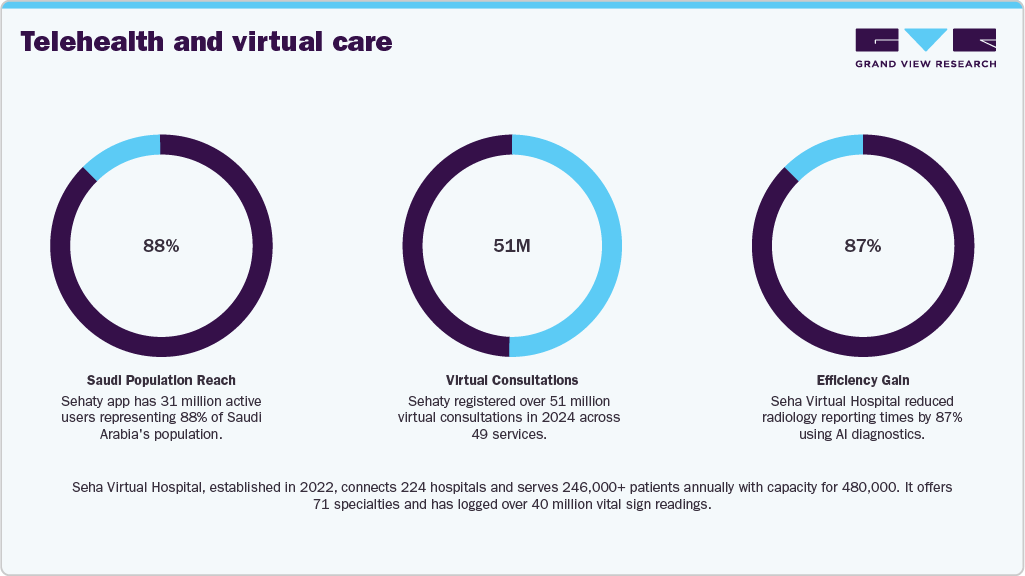
Other digital initiatives include Wasfaty, an e‑prescription service linked to 2,226 primary‑care centres, 340 hospitals and over 5,000 pharmacies. Since 2022, Wasfaty has processed more than 115 million online prescriptions, improving medication availability and reducing stock expirations. Saudi Arabia’s Tele‑ICU network covers 139 intensive‑care beds across six Ministry of Health hospitals and can remotely manage more than 1,000 beds.
3. MedTech adoption and innovation
Robotics and minimally invasive surgery
Robot‑assisted surgery is gaining momentum in Gulf hospitals. American Hospital Dubai has performed over 2,000 robot‑assisted surgeries since 2020, averaging about 500 procedures per year, and robots now account for up to 20% of all surgeries at the hospital. At Cleveland Clinic Abu Dhabi, surgeons performed more than 400 robotic cases in 2024, including the region’s first robotic kidney transplant and mastectomy. Burjeel Medical City launched its robotic programme in 2023; within a year it had over 15 surgeons certified and completed more than 470 robotic surgeries. The centre aims to surpass 1,000 cases by 2025. These instances illustrate how investment in advanced surgical systems can reduce recovery times and improve outcomes.
Artificial intelligence and diagnostics
The Gulf’s AI ecosystem is maturing. Abu Dhabi’s M42 developed AIRIS‑TB, an AI model for tuberculosis screening that achieved an area‑under‑the‑ROC curve of 0.985, reported zero false negatives and can automate up to 80% of routine chest‑X‑ray assessments, easing radiologist workloads. Furthermore, Cleveland Clinic Abu Dhabi installed the ARTIS Icono system for stroke care; by combining 2D/3D imaging and AI, clinicians can skip pre‑operative CT scans, deliver thrombolytic therapy faster and minimise radiation exposure.
Conclusion
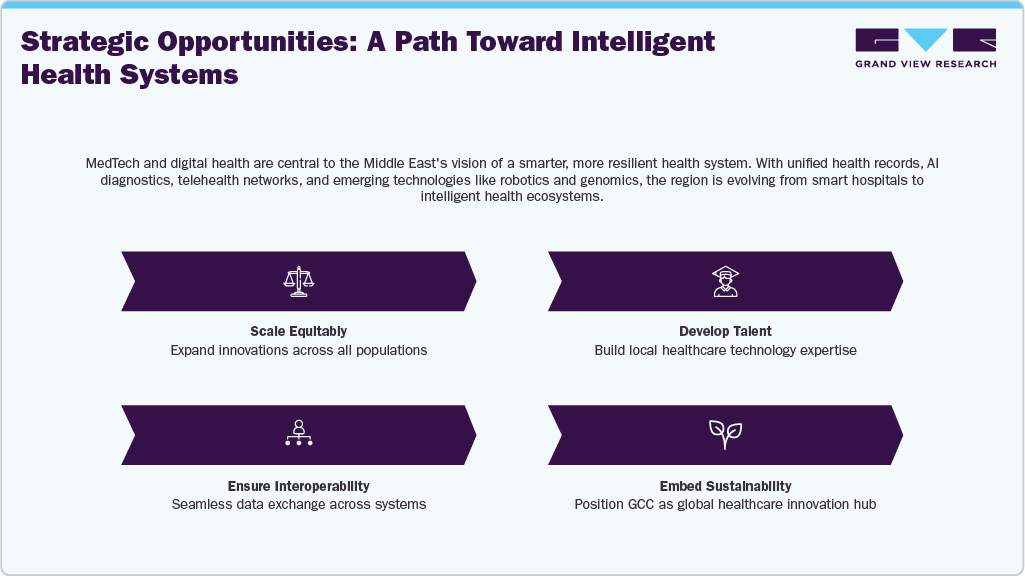
MedTech and digital health are central to the Middle East’s vision of a smarter, more resilient health system. With unified health‑record platforms, AI‑enabled diagnostics, telehealth networks and emerging technologies such as robotics, genomics and 3D printing, the region is moving from “smart hospitals” to intelligent health ecosystems. The challenge now is to scale these innovations equitably, develop local talent, ensure interoperability and embed sustainability. The transformation will not only improve patient outcomes but also position the GCC as a global hub for health‑care innovation.