Flavors Of The Future: How Spices And Seasonings Are Driving Food Innovation In The Middle East
Market Trends And Dynamics
The Middle East, a region known for its rich culinary heritage, is witnessing a revolution in the world of spices and seasonings. As consumers become increasingly discerning and adventurous in their food choices, the demand for innovative and exotic flavors is on the rise. Flavors of the future are being shaped by the region's unique cultural melting pot, where traditional spices and seasonings are being reimagined and reinterpreted to create exciting new taste experiences. From the aromatic warmth of sumac and cumin to the pungency of pomegranate molasses, the diversity of Middle Eastern spices and seasonings is inspiring a new wave of food innovation, as chefs, food manufacturers, and entrepreneurs experiment with novel combinations and applications.
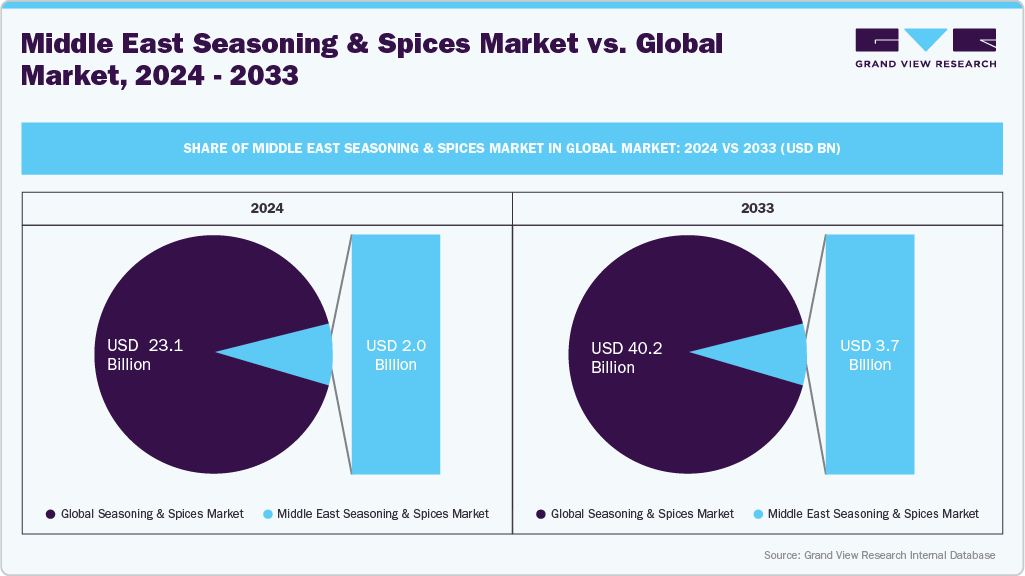
The Middle East is witnessing a significant surge in the demand for innovative and exotic flavors, driven by the increasing popularity of international cuisines and the growing interest in exploring new culinary experiences. According to Grand View Research, the Middle East seasoning & spices market is expected to reach USD 3.7 billion by 2033, indicating a substantial growth opportunity for players in the industry. This trend is largely attributed to the region's strategic location, which has historically served as a hub for spice trade, and its diverse cultural heritage, which has given rise to a unique blend of flavors and cuisines. As a result, spices and seasonings are playing a pivotal role in driving food innovation in the Middle East, with manufacturers and chefs continually experimenting with new and innovative flavor combinations to cater to the evolving tastes and preferences of consumers.
The Middle East's rich cultural diversity and history of spice trade have created a unique and dynamic market for seasonings and spices. The region is home to a wide range of traditional spices and seasonings, such as sumac, za'atar, and baharat, which are staples in Middle Eastern cuisine. However, with the increasing influence of international cuisines, such as Asian and Latin American, new and exotic spices and seasonings are gaining popularity, driving innovation in the food industry. For instance, the use of Korean chili flakes, Japanese miso paste, and Indian curry powder is becoming increasingly common in modern Middle Eastern cuisine, reflecting the region's willingness to experiment with new flavors and ingredients. This blending of traditional and modern flavors is expected to continue driving growth in the Middle East seasoning & spices market, as consumers increasingly seek out new and exciting culinary experiences.
Spices have long held a revered place in Middle Eastern culture, shaping culinary traditions, social customs, and even spiritual practices. Varieties like cumin, coriander, saffron, and cardamom are more than mere ingredients—they are symbols of heritage and identity, deeply woven into the region’s cultural fabric. These spices are central to iconic dishes such as biryani, kabsa, and falafel, providing the distinctive flavors that define Middle Eastern cuisine. Beyond their culinary role, spices play a significant part in religious celebrations, weddings, and traditional healing practices, where their aromatic qualities are believed to bring blessings and well-being. In Dubai, where tradition and modernity coexist, the enduring cultural significance of spices ensures a sustained demand, driving both local markets and international imports as the city continues to honor its rich gastronomic legacy.
Historically, the Middle East served as a crucial hub in the global spice trade, with ancient routes like the Silk Road and maritime networks funneling spices from Asia, Africa, and beyond. The Arabian Peninsula, and Dubai in particular, emerged as vital distribution centers, linking producers with markets across Europe, Asia, and Africa. This legacy of commerce has evolved into a modern economic strength, with Dubai’s strategic location, world-class logistics infrastructure, and free trade zones making it a leading importer and re-exporter of spices. The city’s spice trade not only supports local consumption but also fuels regional and global supply chains. As consumer interest in authentic, high-quality, and ethically sourced spices grows, Dubai is poised to strengthen its role as a gateway for premium spices, blending historical trade prowess with future-forward import practices that honor both cultural roots and economic innovation.
TABLE 1 Primary Spices in Middle Eastern Cuisine
|
Spice |
Description & Usage |
Unique Trait |
|
Saffron |
A luxurious, golden spice used in pilafs, stews, sweets like baklava, and rice puddings. |
Requires soaking in warm water to release its full flavor; potent in small quantities. |
|
Cumin |
A fragrant, spicy staple in Middle Eastern dishes like falafel and spice mixes. |
The most prevalent Middle Eastern spice globally; imparts a warm, earthy-aromatic taste. |
|
Turmeric |
Bright yellow spice with earthy, slightly bitter notes, used in soups, curries, and rice. |
Known for anti-inflammatory benefits; staining properties require careful handling. |
|
Sumac |
Tangy, reddish-purple spice used in salads, roasted meats, and dips like hummus. |
Pairs excellently with olive oil and sesame seeds; adds a citrusy brightness to dishes. |
|
Baharat Blend |
A warm spice mix of cinnamon, cloves, and pepper, used in stews, meat rubs, and soups. |
Regional variations offer diverse flavor profiles; embodies Middle Eastern culinary artistry. |
|
Za’atar |
A tangy-herbal blend of thyme, sesame seeds, and sumac; used as a dip, seasoning, or flatbread topping. |
Essential in Middle Eastern street food like manakish; enhances bread and vegetable dishes. |
The trend towards healthier eating and wellness is also driving the adoption of spices and seasonings as a key component of modern Middle Eastern cuisine. As consumers seek to reduce their reliance on salt, sugar, and unhealthy fats, spices and seasonings are being used to add depth and complexity to dishes without compromising on flavor. The region's traditional spice blends, such as ras el hanout and shawarma seasoning, are being reimagined with modern twists, incorporating ingredients like turmeric, ginger, and cinnamon to create bold, aromatic flavors. This shift towards healthier, more sustainable food options is not only transforming the way people eat but also creating new opportunities for food manufacturers and entrepreneurs to develop innovative products and services.
Moreover, one of the key drivers of food innovation in the Middle East is the growing demand for halal and vegan products. As consumers become more conscious of their dietary choices, the need for halal and vegan-friendly spices and seasonings is on the rise. Manufacturers are responding by developing new products that cater to these dietary requirements, such as halal-certified spice blends and vegan-friendly seasoning mixes. This trend is not only driving growth in the spice and seasoning market but also promoting greater diversity and inclusivity in the region's food culture. With the Middle East's large and growing population of young, health-conscious consumers, the demand for innovative, halal, and vegan-friendly food products is expected to continue driving growth in the spice and seasoning market.
Additionally, the rise of e-commerce and social media is also playing a significant role in shaping the future of spices and seasonings in the Middle East. Online platforms are providing a new channel for food manufacturers and entrepreneurs to reach consumers, showcase their products, and build brand awareness. Social media influencers and food bloggers are also helping to drive trends and create buzz around new and emerging flavors, with platforms like Instagram and YouTube becoming essential tools for food marketing and discovery. As the region's digital landscape continues to evolve, the opportunities for spice and seasoning manufacturers to connect with consumers, share their stories, and showcase their products will only continue to grow.
Consumer Patterns And Trends
The Middle East is witnessing a significant shift in consumer patterns and trends when it comes to food, with a growing emphasis on unique and exotic flavors. As the region's palate becomes increasingly adventurous, spices and seasonings are playing a vital role in driving food innovation. Consumers are seeking out bold and aromatic flavors that reflect the region's rich cultural heritage, such as sumac, za'atar, and pomegranate molasses. This trend is being driven by the growing influence of social media, where food bloggers and influencers are showcasing creative and mouth-watering dishes that showcase the diversity and complexity of Middle Eastern cuisine. As a result, food manufacturers and restaurants are responding by introducing new products and menu items that incorporate these exciting flavors, catering to the evolving tastes of the region's consumers.
The demand for international flavors is also on the rise in the Middle East, with consumers becoming more open to trying new and exotic spices and seasonings from around the world. This trend is being driven by the region's growing expat population, as well as the increasing popularity of international travel and social media. As a result, flavors such as Korean chili flakes, Indian curry powder, and Japanese matcha are becoming increasingly popular, and are being incorporated into traditional Middle Eastern dishes to create innovative fusion flavors. This blending of flavors is not only driving innovation in the food industry but also reflecting the region's growing cultural diversity and cosmopolitanism. Furthermore, the rise of e-commerce and online food delivery platforms is making it easier for consumers to access and explore new flavors, further fueling the trend towards culinary experimentation and discovery.
TABLE 2 Middle East Primary Spice Mixtures Imports by Country, 2024
|
Country |
Volume (Tons) |
Revenue (USD Million) |
|
Saudi Arabia |
7,885.6 |
50.5 |
|
Qatar |
1,949.3 |
8.8 |
|
Kuwait |
1,412.8 |
7.3 |
|
Bahrain |
549.9 |
2.4 |
|
Lebanon |
88.9 |
0.6 |
Source: World Trade Organization (WTO)
The role of spices and seasonings in driving food innovation in the Middle East extends beyond just flavor, with many consumers also seeking out products that offer health benefits and align with their values. For example, there is a growing demand for organic and sustainable spices and seasonings, as well as products that are free from artificial additives and preservatives. This trend is being driven by the region's growing health-conscious population, who are seeking out natural and wholesome ingredients that promote wellbeing and longevity. In response, food manufacturers are developing new products that not only taste great but also offer a range of health benefits, such as antioxidant-rich spices and probiotic-enhanced seasonings. Additionally, the use of spices and seasonings is also being influenced by the region's cultural and religious traditions, with many consumers seeking out products that are halal-certified or align with their dietary preferences.
The future of food in the Middle East is exciting and full of flavor, with spices and seasonings playing a vital role in driving innovation and trends. As consumers become increasingly adventurous and health-conscious, the demand for unique and exotic flavors is on the rise, and food manufacturers and restaurants are responding by introducing new and innovative products. Whether it's the blending of international flavors, the rise of organic and sustainable ingredients, or the importance of cultural and religious traditions, the use of spices and seasonings is at the heart of the region's culinary evolution. As the Middle East continues to grow and evolve as a culinary hub, one thing is certain - the flavors of the future will be bold, exciting, and full of spice. With the region's rich cultural heritage and its growing influence on the global food scene, the possibilities for innovation and experimentation are endless, and the future of food in the Middle East has never looked brighter.
The region's diverse culinary traditions, from Persian to Arabic, Turkish to Indian, are all reflected in the rich variety of spices and seasonings used in Middle Eastern cuisine. As consumers become more interested in exploring new flavors and culinary traditions, the spice and seasoning market is helping to facilitate cultural exchange and understanding, promoting a greater appreciation for the region's rich cultural heritage. Whether through traditional spice blends, modern fusion cuisine, or innovative new products, the spice and seasoning market is helping to bring people together, foster greater cultural awareness, and celebrate the diversity of Middle Eastern cuisine.
The Future Of Spices Importing In Dubai
The future of spices importing in Dubai is poised for significant growth and transformation, driven by shifting global demand, technological advancements, and evolving consumer preferences. As a major trade hub in the Middle East, Dubai has long played a vital role in the global spice trade, with its strategic location, excellent port infrastructure, and business-friendly environment making it an ideal entry point for spices into the broader GCC and African markets. The demand for high-quality spices is soaring, not only for home kitchens but also for restaurants, food manufacturers, and wellness industries, as consumers become increasingly health-conscious and seek out authentic, organic, and sustainably sourced products. This trend presents a significant opportunity for spices importers in Dubai to expand their sourcing networks and cater to the growing demand for premium-quality spices.
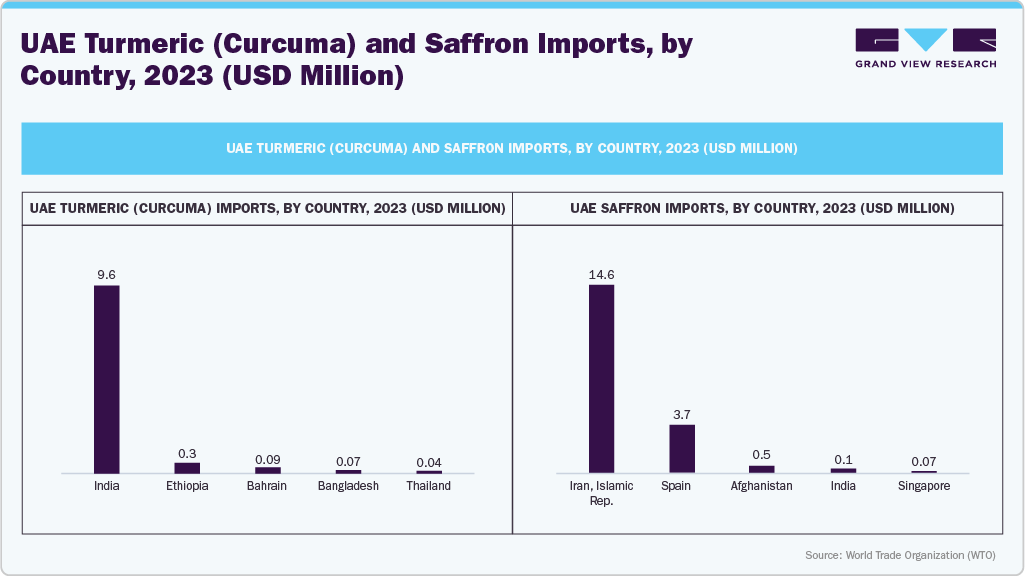
The adoption of technology is revolutionizing the spice import industry in Dubai, with blockchain, IoT sensors, and cloud-based inventory systems being used to enhance traceability, quality control, and transparency. The UAE government's initiatives to encourage smart logistics and digital customs clearance are also streamlining operations and reducing shipping delays and paperwork. Importers are now investing in supply chain automation, data analytics, and e-commerce platforms to stay ahead of the competition and cater to the changing needs of their customers. Moreover, the diversification of sourcing countries is gaining momentum, with importers exploring options in Ethiopia, Madagascar, Vietnam, and Mexico, reducing dependency on traditional sourcing countries and mitigating risks related to climate change, export restrictions, or geopolitical tensions.
Regulatory compliance is becoming increasingly important in the spice import industry, with importers needing to comply with stringent food safety standards set by Dubai Municipality and international bodies like the FDA and Codex Alimentarius. To stay competitive, importers are investing in third-party lab testing, quality assurance certifications, and advanced packaging solutions that preserve freshness and extend shelf life. Sustainability and ethical sourcing are also becoming key considerations, with consumers demanding more information about the origin and production of spices. Importers are responding by adopting sustainable practices, such as reducing carbon footprints during transport, working with farmers who use eco-friendly practices, and supporting smallholder farmers through direct trade models. By prioritizing sustainability and ethical sourcing, importers can enhance their brand credibility and contribute to a more responsible and environmentally-friendly spice trade.
As the spice import industry in Dubai continues to evolve, importers must remain agile and adaptable to changing consumer preferences and market trends. The rise of specialty food markets, gourmet home chefs, and vegan diets is expanding the spice landscape, with importers needing to cater to a wider range of customers and provide more customized and value-added services. By investing in technology, diversifying their sourcing networks, and prioritizing sustainability and regulatory compliance, importers can stay ahead of the competition and capitalize on the growing demand for high-quality spices. As Dubai continues to solidify its position as a culinary and trading powerhouse, the future of spices importing looks bright, with opportunities for growth, innovation, and expansion into new markets and segments. By embracing these trends and challenges, importers can contribute to the region's growing food ecosystem and establish themselves as leaders in the global spice trade.
Conclusion
In conclusion, the flavors of the future are being shaped by the Middle East's unique cultural melting pot, where traditional spices and seasonings are being reimagined and reinterpreted to create exciting new taste experiences. As consumers become increasingly discerning and adventurous in their food choices, the demand for innovative and exotic flavors is driving growth in the spice and seasoning market. With the trends towards healthier eating, halal and vegan products, e-commerce and social media, plant-based cuisine, and cultural exchange all contributing to the region's food innovation landscape, the opportunities for spice and seasoning manufacturers, food manufacturers, and entrepreneurs are vast and exciting. As the Middle East's food culture continues to evolve, one thing is certain - the region's rich tradition of spices and seasonings will remain at the heart of its culinary identity, driving innovation, creativity, and delicious flavors for generations to come.