Port Congestion and Container Equipment Imbalance: How It Inflates Your Import Costs
Over the past few fiscal quarters, procurement executives across the global manufacturing, retail, and wholesale distribution sectors have watched import costs climb to unsettling highs. Mainstream headlines routinely point a finger at macro-level demand drivers, such as importer panic buying, volatile energy markets, and front-loading tactics meant to stay ahead of impending tariff increases.
However, focusing solely on trade policy and consumer demand masks the underlying operational bottlenecks choking global commerce. The true engine driving mid-year spot rate volatility and unpredictable supply chains is a dual operational crisis: persistent port congestion at major Asian export gateways and a severe, structural container equipment imbalance.
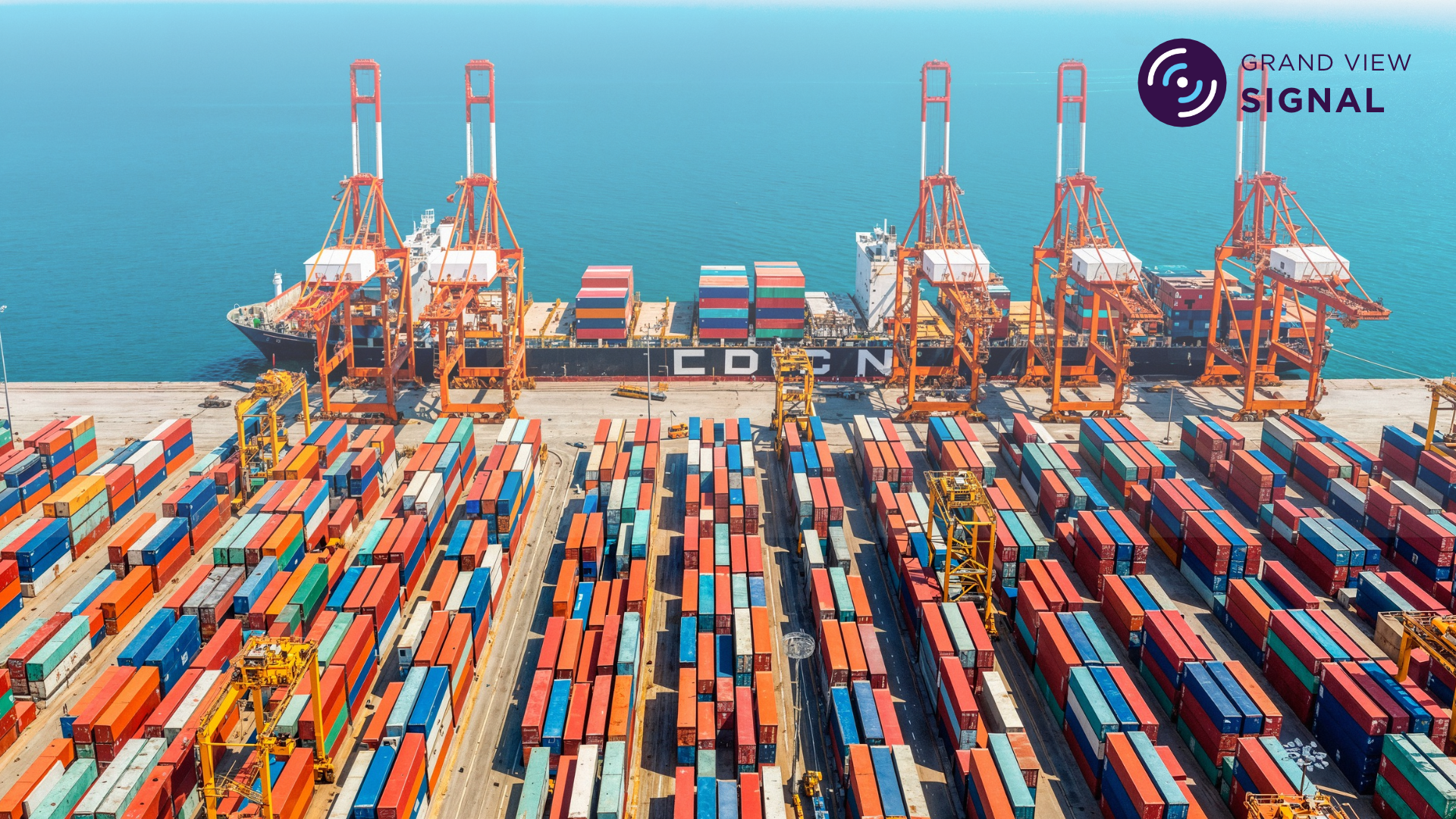
For procurement leaders seeking to control landed costs and safeguard margins, understanding these physical logistics constraints is essential to navigating the turbulent freight market.
The Core Operational Driver: Demystifying Container Equipment Imbalance
To understand why freight bills double or triple overnight, procurement specialists must look beyond vessel capacity and examine container availability. Ocean freight relies on a continuous, circular flow of intermodal equipment. For instance, standard 20-foot and 40-foot dry containers must be filled at origin ports in Asia, shipped across major ocean lanes, unloaded at destination ports in North America or Europe, and promptly repositioned back to Asia to be reloaded.
When this circulation loop breaks, a container equipment imbalance occurs. According to data tracked in the World Bank’s Container Port Performance Index (CPPI), when vessel turnaround times stretch and port gate clearance slows down, thousands of physical boxes become locked in unproductive standing time.
When empties fail to return to key origin points in time, local container shortages occur at major manufacturing hubs like Shanghai, Ningbo, and Busan. Even if ocean carriers have adequate ship space, goods cannot move without empty boxes. Ocean carriers respond to localized box shortages by levying steep Equipment Imbalance Surcharges (EIS) or requiring premium equipment guarantee fees, directly inflating landed import costs per unit.
Major Hotspots: The Congestion Cascade at Shanghai and Busan
The operational squeeze is most pronounced at primary East Asian gateways. Data from UN Trade and Development (UNCTAD) highlights that ports across developing Asian economies process roughly 60% of the world's total container port traffic. Because global shipping networks depend heavily on a few high-throughput megaports, even minor operational friction at these hubs creates massive supply chain ripples.
When volume surges collide with vessel rerouting or localized disruptions, ports in Shanghai and Busan experience severe vessel anchorage queues. Operational tracking by UNCTADstat indicates that vessel delays at major transshipment ports trigger a domino effect across the global fleet:
-
Schedule Disruptions: Ships idling outside Shanghai or Busan miss their designated berthing windows at downstream ports in Europe and North America.
-
Blank Sailings: To realign off-schedule vessels, carriers cancel planned voyages (blank sailings), artificially removing usable container capacity from the market.
-
Container Rollovers: Cargo ready for export gets rolled, pushed to subsequent sailings, forcing shippers to pay premium booking fees to ensure their containers actually board the vessel.
As UNCTAD notes, global port container throughput exceeded 920 million TEUs (twenty-foot equivalent units) in recent annual tracking. Handling this vast volume leaves virtually no operational buffer. When congestion ties up a significant slice of the world's container fleet, the effective supply of shipping capacity contracts sharply, driving up spot rates across the entire global freight market.
Access real-time impact analysis on commodity prices
Explore Grand View Signal
The Financial Breakdown: How Congestion Hits Your Line Items
For non-specialist procurement professionals, connecting high-level shipping disruptions to line-item invoice adjustments can be challenging. Port bottlenecks and equipment shortages manifest in several direct and indirect financial charges, each attacking your operating margins from a different angle.
Peak Season Surcharges (PSS) are levied directly by carriers when unplanned seasonal volume surges pair with reduced effective fleet capacity, adding fees that typically range from $500 per box during mild crunches to $4,000 or more per box on heavily disrupted corridors.
Compounding these direct rate adjustments are terminal-level operational penalties. Terminal gridlock prevents timely container pickups and delays empty returns, resulting in compounding daily Demurrage and Detention (D&D) charges from port operators and ocean lines.
The U.S. Bureau of Transportation Statistics (BTS) emphasizes in its Port Performance Freight Statistics reports that tracking throughput alongside port constraints, such as berth availability, container crane hours, and dwell times, is essential to evaluating total supply chain cost burdens. When ports operate near maximum capacity, inland transportation networks back up, expanding these accessorial fees and escalating total landed costs well beyond the baseline ocean freight agreement.
Strategic Playbook: How Procurement Teams Can Mitigate Cost Exposure
Procurement and supply chain executives cannot control global port operations or ocean carrier fleet deployment. However, structured strategies can protect landed cost budgets from operational volatility:
1. Diversify Port Entry and Carrier Networks
Relying on a single primary port of entry leaves supply chains vulnerable to localized bottlenecks. As recommended in supply chain planning frameworks published by transportation research groups, shippers should establish alternative routing options, such as secondary regional ports or multi-modal sea-rail combinations, to bypass severe gateway congestion.
2. Negotiate Extended Equipment Free-Time Allowances
When negotiating annual carrier or freight forwarder contracts, push for extended free-time allowances for detention and demurrage. Securing 10 to 14 days of free time (rather than standard 4 to 7 days) provides a critical financial cushion when terminal gridlock slows container pickups and empty returns.
3. Shift from Reactive Booking to Advanced Predictive Visibility
Relying solely on published carrier schedules creates blind spots, as these schedules slip during periods of congestion. Implementing real-time tracking tools and commodity pricing intelligence solutions, such as Signal by Grand View Research, allows procurement teams to monitor vessel delays, track container availability trends in East Asia, and make proactive booking decisions before spot rates spike.
Conclusion
While market commentary often blames rising freight bills on buyer front-loading and macro-trade policies, operational realities tell a different story. Port congestion at key gateways like Shanghai and Busan, coupled with severe container equipment imbalances, physically restricts available supply chain capacity.
By recognizing these operational drivers and taking proactive steps, including leveraging intelligence platforms like Grand View Signal to monitor market swings, procurement teams can protect their margins from unexpected cost surges.
Explore Grand View Signal
A SaaS based commodity pricing intelligence platform
Talk to an analyst
Tell us what you need. We reply within one working day.
Service Guarantee
-
Insured Buying
This report has a service guarantee. We stand by our report quality.
-
Confidentiality
Your transaction & personal information is safe and secure.
-
Custom research service
Design an exclusive study to serve your research needs.
-
24/5 Research support
Get your queries resolved from an industry expert.