UK Air Conditioner Consumer Insights - Usage, Attitudes, And Brand Performance Report
Introduction:
In the UK, air conditioners are becoming increasingly common due to rising temperatures and frequent heatwaves driven by climate change. Traditionally, air conditioning has not been widely used in homes because of the cooler climate, but demand is growing, especially in new buildings, offices, and some households. People are seeking ways to stay comfortable during the warmer months, and portable or split-unit air conditioners are a popular choice. However, energy costs and environmental concerns still make many people cautious about installing them. The government and manufacturers are also exploring more energy-efficient and eco-friendly cooling options. Here are the market trends:
-
Climate Change Impact: Intensified heatwaves and higher summer temperatures are prompting more households to consider air conditioning as a cooling solution. The UK, which traditionally relied on natural ventilation due to its temperate climate, is now experiencing record-breaking heat spells more frequently. As a result, many homes, especially older buildings with poor insulation, struggle to stay cool. This has led to a noticeable shift in consumer behavior, with people prioritizing indoor comfort and health during extreme heat. Public health concerns, particularly for the elderly and vulnerable populations, are also driving the demand for reliable cooling systems.
-
Integration with Heat Pumps: Air conditioning in the UK is rapidly growing due to more frequent heat waves linked to climate change. While traditionally uncommon in British homes, demand is rising, especially for systems that combine heating and cooling using energy-efficient heat pump technology. These dual-purpose units offer year-round climate control and align with government efforts to cut carbon emissions. Their compatibility with renewable energy sources, such as solar power, makes them an increasingly smart choice for both environmental and economic reasons.
-
Smart Technology Adoption: Smart technology in air conditioning units, such as smart thermostats and IoT-enabled features, allows users to control and monitor their systems remotely, improving convenience and energy efficiency. These systems learn user preferences, adjust automatically based on conditions, and provide real-time energy data. With mobile app and voice assistant compatibility, they offer hands-free operation and energy optimization, helping reduce electricity costs and improve system longevity. As energy costs rise, smart air conditioning is becoming a key part of sustainable living.
Methodology:
The insights covered in this report are drawn from GVR’s ‘Voice of Consumer Survey’ and its periodic updates. The latest survey represents 75,000+ consumer interviews conducted across 20 countries for 100+ product categories. These insights are specifically catered to the brands operating in the air conditioner industry to guide them in their strategic decision-making process. This report provides insights covering category usage & attitude, buying behavior, brand performance metrics, and brand health indicators of leading players in the UK air conditioner market.
Chapter 1: Usage and Attitude
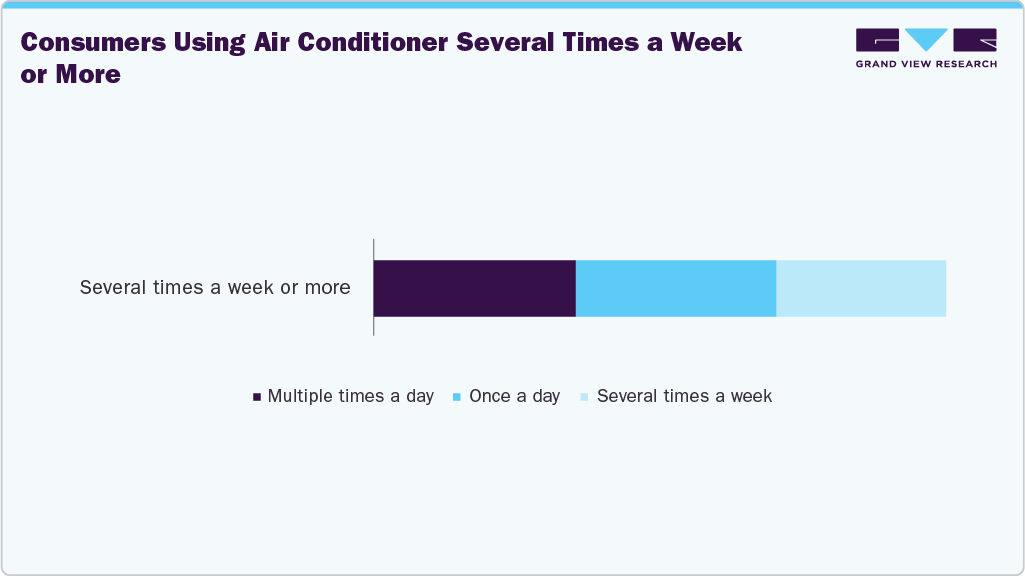
In the UK, air conditioner use is becoming more common, with 30% of people using it multiple times a day and another 30% turning it on at least once daily. Even more telling, 25% report using it several times a week. This growing reliance on air conditioning reflects how warmer weather and changing climate patterns are influencing daily routines, even in a country traditionally known for its mild summers.
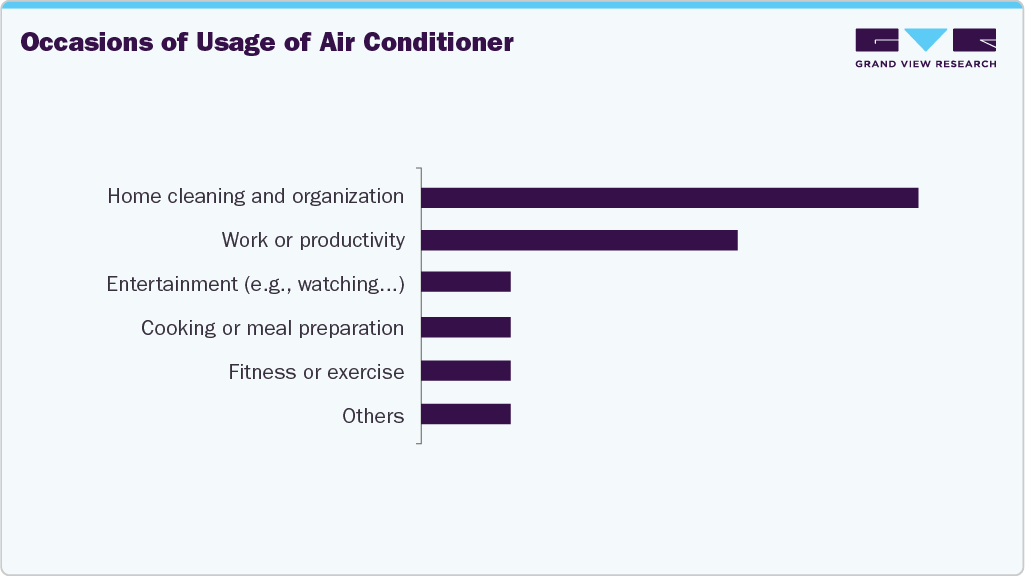
In the UK, air conditioning is most commonly used during home cleaning and organization, with 55% of people turning it on to stay comfortable while handling chores like vacuuming or decluttering. Another 35% use it during work or productivity tasks, reflecting the growing number of people working from home who rely on a cool environment to stay focused. Around 10% also use air conditioning while enjoying entertainment, such as watching movies or gaming, where comfort adds to the experience. Additionally, it is frequently used by others in the household, highlighting that AC is not just a personal preference but a shared comfort that benefits everyone at home.
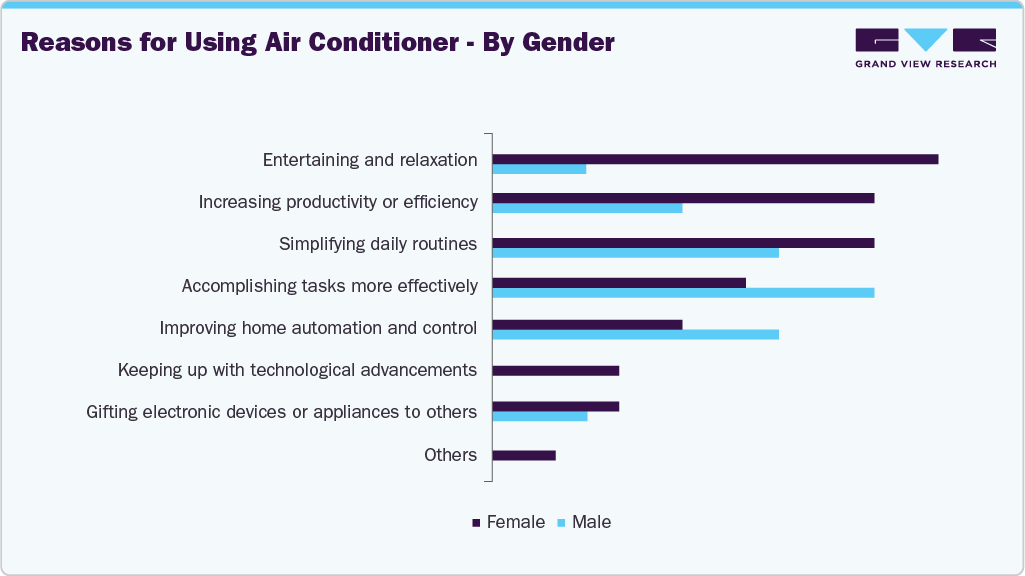
The primary reasons for using air conditioning reflect a strong desire for comfort and convenience at home. A significant 58% use it for entertaining and relaxation, with 13% also citing it as a key support during leisure activities—whether that is hosting friends on a warm evening or unwinding after a long day. Air conditioning also plays a role in boosting productivity: 50% use it to increase efficiency, with 25% noting it helps them stay focused during tasks like working from home or studying. Meanwhile, 50% say it simplifies daily routines, and 38% agree it supports smoother day-to-day living. These trends show that, beyond just cooling, air conditioning is positively associated with enhancing home comfort and automation, making homes more functional, enjoyable, and aligned with modern lifestyles.
Refrigerators are a staple in every household, but they are not without their drawbacks, especially in the UK, where many consumers associate the latest models with high upfront costs. While features like smart technology and sleek designs are appealing, their premium price often puts them out of reach for the average buyer. Additionally, a common source of disappointment is high power consumption, particularly with older or less efficient models. For instance, households aiming to cut down on energy bills may find their refrigerator significantly contributing to rising costs, leading to frustration despite the appliance’s everyday necessity.
Buying Behavior
When purchasing an air conditioner in the UK, buyers are especially careful, as it is typically a long-term investment made only every 6 to 10 years. This makes it even more important for them to get the decision right. Technological features and innovations, along with brand reputation and trustworthiness, are top priorities, each considered essential by 65% of consumers. People want smart controls, energy-efficient settings, and integration with home automation systems, but they also want the reassurance that comes with buying from a trusted brand. Additionally, 55% emphasize the importance of product performance and reliability, aiming for units that can handle varying UK weather conditions without frequent issues. For example, a family installing AC in their main living space will likely look for a quiet, durable model, knowing it is a purchase they won’t revisit for nearly a decade.
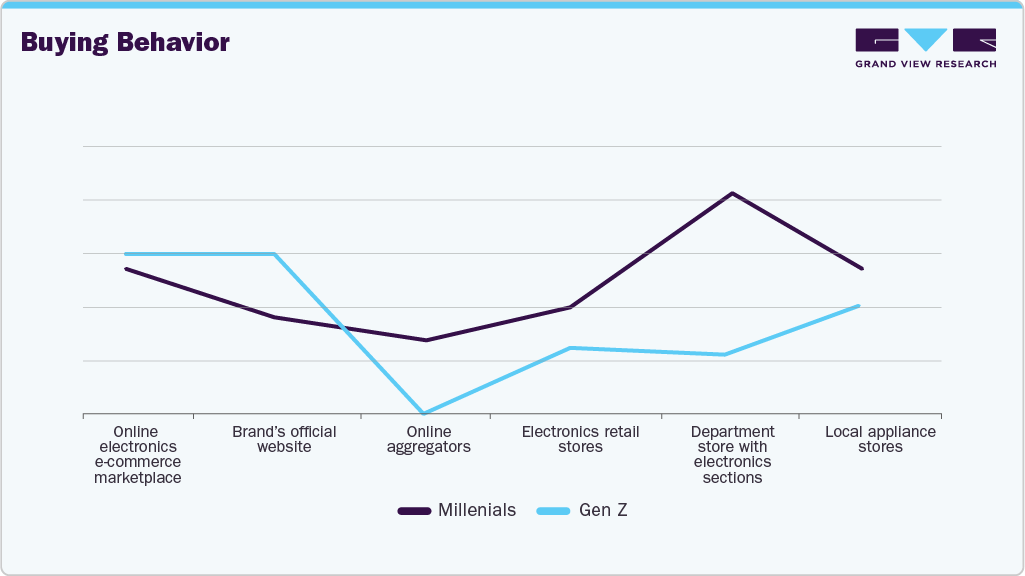
In the UK, the most common way millennials and Gen X consumers prefer to buy air conditioners is through online electronics e-commerce marketplaces, offering convenience, competitive pricing, and a wide range of options. However, upon closer inspection, shopping preferences differ slightly between the two groups. Millennials often turn to department stores with electronics sections, where they can see products in person, ask questions, and still benefit from seasonal deals or bundle offers—especially useful for those setting up a first home or upgrading a flat. Gen X, on the other hand, tends to prefer buying directly from the brand’s official website, valuing the trust, warranty assurances, and detailed product information provided by manufacturers. For instance, someone from Gen X investing in a long-term AC solution might feel more confident purchasing from a brand they know, with clear service and support options laid out.
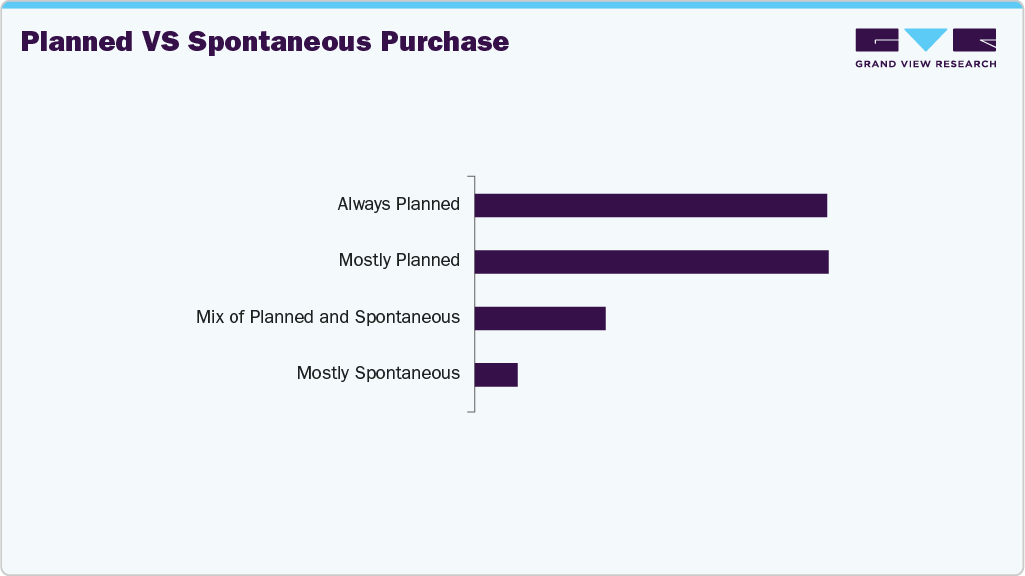
Buying an air conditioner is typically a carefully considered decision for most people, with 40% saying their purchase is always planned, and another 40% calling it mostly planned. Given the cost and the need to match the unit to a home’s size and needs, it is not surprising that buyers often spend time researching before committing. For instance, someone renovating their home or preparing for an unusually hot summer might compare models weeks in advance to find one that is energy-efficient and reliable. About 15% of purchases blend planning with a bit of spontaneity, like spotting a good deal during a seasonal sale, while only 5% are made on impulse. This shows that for most households, buying an air conditioner is less about heat-of-the-moment decisions and more about long-term comfort and practicality.
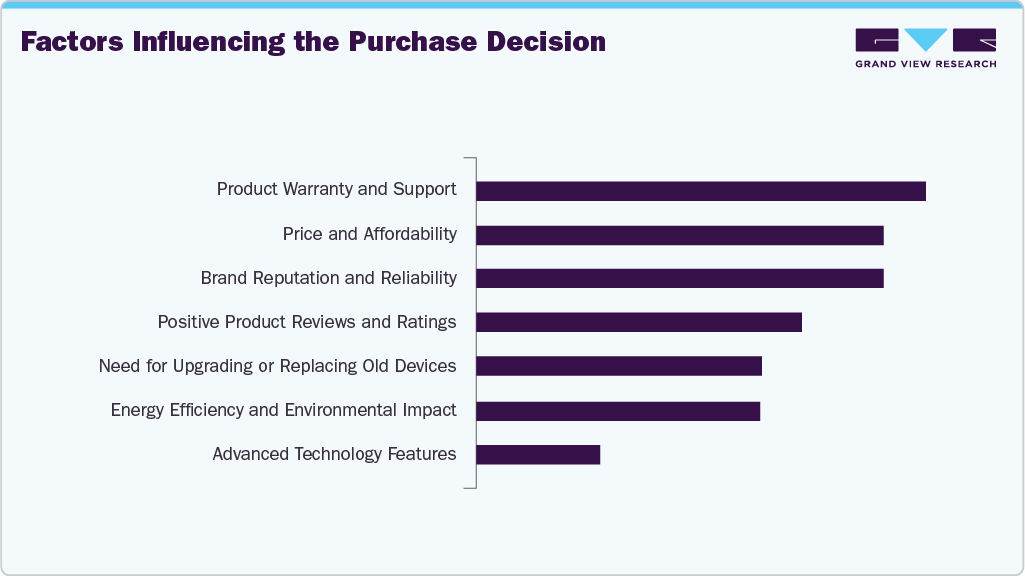
For many consumers in the UK, the decision to purchase an air conditioner is often driven by practical triggers, with brand reputation and reliability (50%), price and affordability (50%), and product warranty and support (55%) all playing crucial roles. Buyers want to feel confident that the brand they choose is trustworthy and that the unit will last, especially since it is a purchase made only once every several years. At the same time, affordability is key; even if a product performs well, it's unlikely to be considered if it falls outside the consumer's budget. A strong warranty and accessible support services also provide reassurance, especially in case of malfunctions during hot spells. However, a major challenge remains: the lack of affordable models that retain essential features such as energy efficiency and quiet operation. For example, a young couple setting up their first home might struggle to find a budget-friendly AC unit that does not compromise on performance or reliability, making the buying process more frustrating than it needs to be.
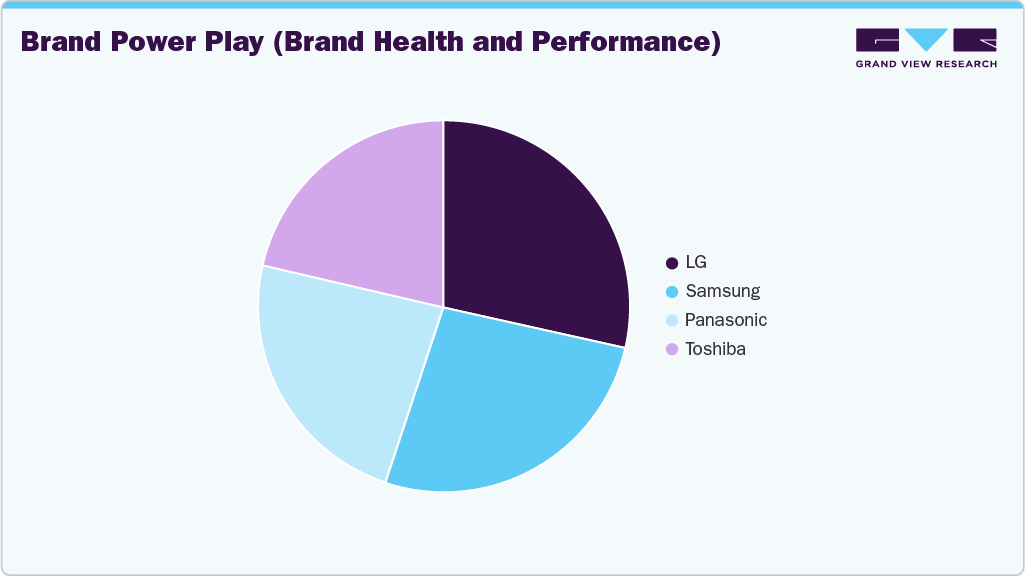
Brand Power Play (Brand Health and Performance)
Brand awareness plays a significant role in the UK air conditioner market, where a few major names dominate consumer recognition. LG leads the way with 60% awareness, likely due to its strong presence in home appliances and reputation for innovation and energy-efficient technology. Samsung follows closely at 55%, benefiting from its broad electronics footprint and smart home integration features that appeal to tech-savvy buyers. Panasonic, known for reliability and quiet performance, holds 50% awareness, while Toshiba, at 45%, maintains a solid position with its focus on value and practicality. For many, sticking with a familiar brand offers reassurance about quality, service, and long-term support.
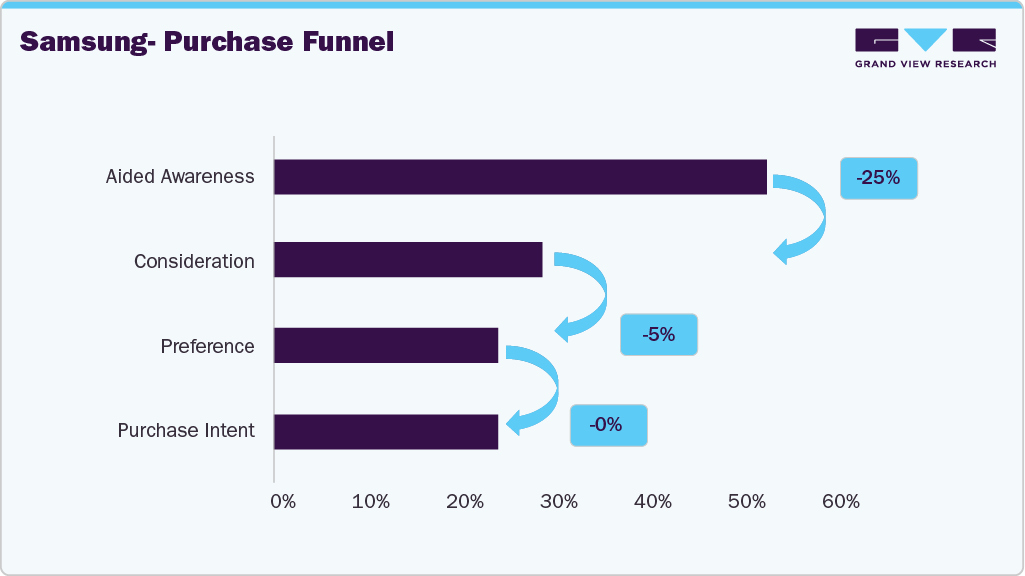
Purchase Funnel
Samsung has a strong purchase funnel for refrigerators in the UK, driven by high brand awareness and strong purchase intent, due to its reputation for sleek design, smart technology, and seamless integration with other home electronics. While Panasonic closely competes on consideration and next-purchase intent, valued for its reliability, energy efficiency, and quiet performance, Samsung ultimately has the edge in final purchase decisions. This is largely due to its stronger brand appeal, broader marketing presence, and modern product features that resonate with tech-savvy consumers. Despite Panasonic's solid performance and consumer trust, many in the UK choose Samsung for its perceived innovation, style, and easy availability across popular retail channels.
While the overall NPS score of the leading brands varies from 33 to 72, Samsung leads the air conditioner industry with the highest NPS score (72) compared to other brands in the market. Samsung has a strong NPS score for air conditioners in the UK, driven by consistent product quality and advanced cooling technology. Consumers appreciate its energy efficiency and smart features, which enhance the user experience. The brand also benefits from reliable after-sales service and widespread availability. Overall, Samsung delivers a well-rounded, trusted offering that earns customer loyalty.
