UK Cameras Consumer Insights - Usage, Attitudes, And Brand Performance Report
Introduction:
Digital cameras in the UK have seen significant price drops while technology advances rapidly. While most casual photos are now taken on smartphones, serious photographers still invest in dedicated camera equipment. The British market offers everything from simple point-and-shoots to professional-grade mirrorless systems and DSLRs, with major brands like Canon and Sony competing for consumer attention. Today's premium models boast impressive capabilities, including ultra-high-definition video recording, built-in stabilization technology, and smart focusing systems. Though sales suffered during lockdowns, the market has bounced back in recent years as more people create online content. To manage costs, many British photography enthusiasts now buy pre-owned equipment or rent specialized gear for specific projects. The photography community continues to navigate ethical considerations around public photography, and physical camera stores now emphasize education and personalized service to compete with internet retailers. Here are the market trends:
-
Creative Features Matter: Features like manual settings, RAW shooting, and interchangeable lenses attract hobbyists and professionals who want full control over their shots. These tools let users adjust exposure, focus, and color just the way they like-something smartphones still can’t match. Whether it’s experimenting with low-light portraits, capturing long-exposure night skies, or swapping lenses for different styles, these features give photographers the freedom to be truly creative and make their images stand out.
-
Rise of Mirrorless Cameras: Mirrorless interchangeable lens cameras (ILCs) are becoming more popular thanks to their small size, reduced weight, and impressive capabilities. They deliver image quality similar to DSLRs but in a more compact form, which makes them ideal for people on the go, like travelers, vloggers, and casual photographers. These cameras also come with useful features such as fast autofocus, quiet operation, and digital viewfinders that show real-time image previews. As a result, they’re quickly becoming the preferred option for those who want powerful photography tools in a lighter, more portable body.
-
AI and Image Processing: Digital cameras are increasingly using artificial intelligence to simplify photography. These smart systems can recognize different subjects, like people, animals, or moving objects, and keep them sharply focused without the user needing to adjust anything. It’s especially useful for those capturing action shots or everyday life, where timing is everything. By automatically adapting to the scene and optimizing settings, AI helps users of all skill levels take better photos while spending less time managing the camera.
Methodology:
The insights covered in this report are drawn from GVR’s ‘Voice of Consumer Survey’ and its periodic updates. The latest survey represents 75,000+ consumer interviews conducted across 20 countries for 100+ product categories. These insights are specifically catered to the brands operating in the Camera industry to guide them in their strategic decision-making process. This report provides insights covering category usage & attitude, buying behavior, brand performance metrics, and brand health indicators of leading players in the UK camera market.
Chapter 1: Usage and Attitude
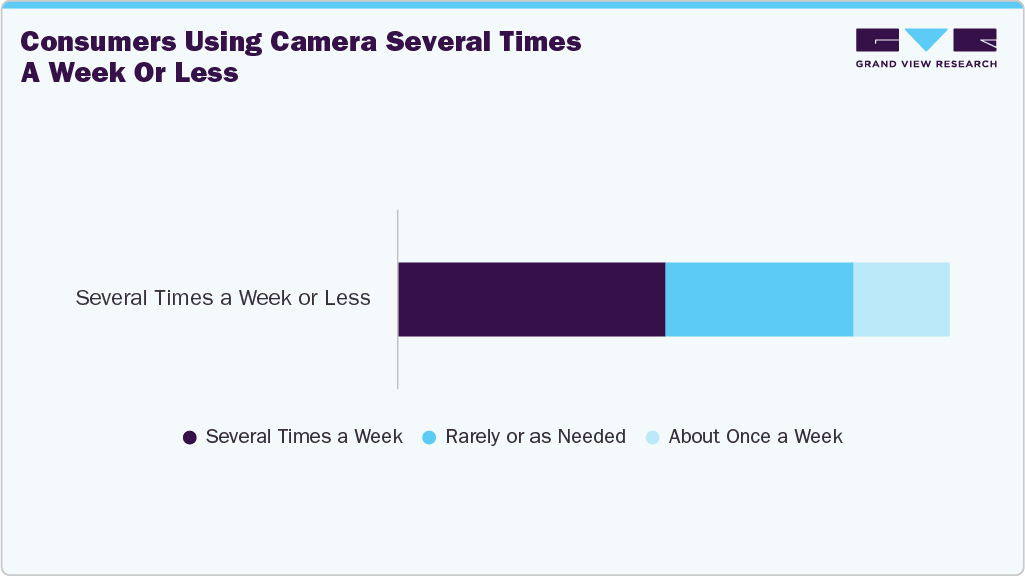
In the UK, digital camera usage shows significant variation, with only 25% of users using them several times a week, 8% using them about once a week, and 19% using them rarely or only when necessary. This reflects the growing dominance of smartphones for everyday photography, offering greater convenience, portability, and integrated sharing features. The decline in frequent digital camera use can also be attributed to their higher cost and learning curve than smartphone cameras. However, a dedicated segment continues to value digital cameras for their superior image quality and creative control, particularly for travel, professional use, or photography as a hobby.
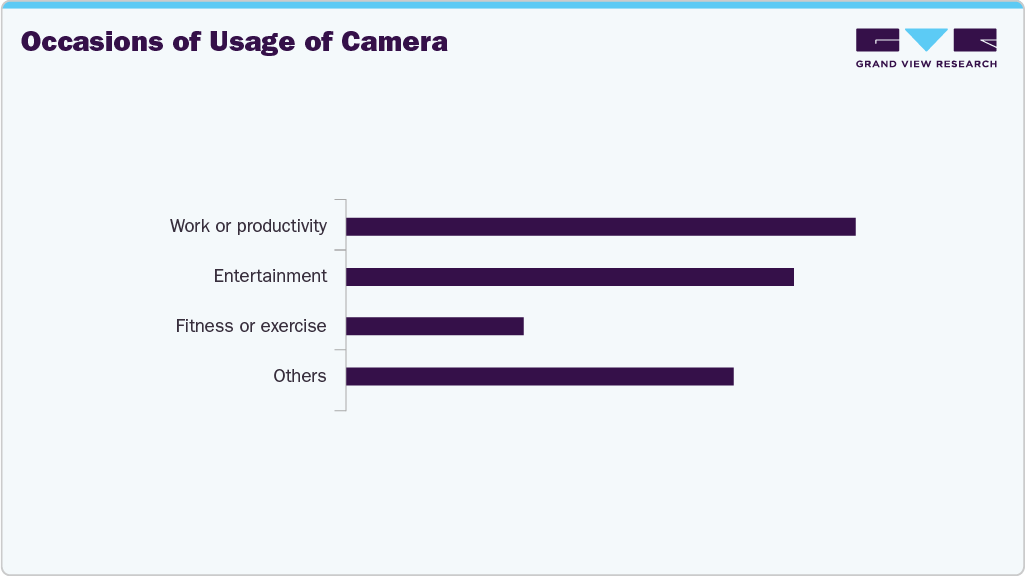
In the UK, digital cameras are most commonly used for work or productivity purposes, accounting for 38% of usage. This includes photography for professional content creation, business marketing, and freelance work. Entertainment follows closely at 33%, as many people use cameras to capture personal moments, events, and creative projects like vlogs or short films. Families are also increasingly buying Polaroid-style instant cameras to make memories more fun and tangible. Fitness or exercise-related use is lower at 13%, likely involving action shots or tracking progress during outdoor activities or sports. These trends highlight how digital cameras are valued more for purposeful or creative tasks rather than casual, everyday use. Many people also use digital cameras for personal purposes, such as capturing special moments, vacations, or creative hobbies.
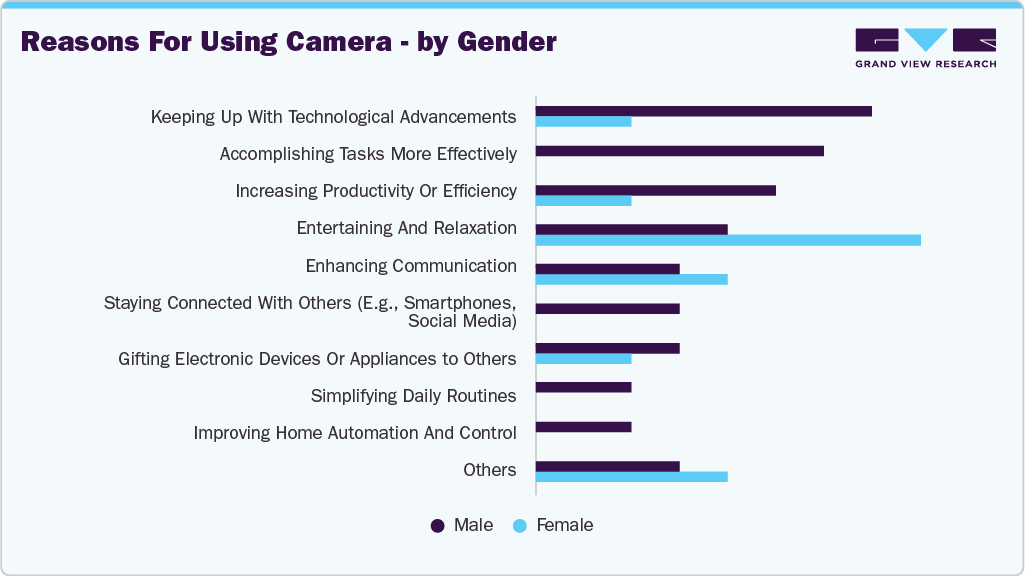
The primary reason males use digital cameras in the UK is to keep up with technological advancements. Many men, particularly in younger and middle-aged groups, are attracted to the latest camera innovations such as high-resolution sensors, AI-powered features, and manual settings, often viewing photography as both a tech hobby and a way to stay current with trends. For females, digital cameras are mainly used for entertainment and relaxation. Women, especially in the 25–44 age group, often see photography as a creative and enjoyable activity, whether it's capturing family moments, travel memories, or engaging in aesthetic hobbies like journaling or crafting. These trends suggest that both gender and age influence how digital cameras are used, reflecting a blend of personal interest, lifestyle, and technology engagement.
One of the primary drawbacks of digital cameras in the UK is their high price, particularly for high-end models with the newest technology. Since smartphones currently provide good photo quality for daily usage, many buyers find it difficult to justify the cost. Technical issues or malfunctions are another frequent cause of discontent and may bother people, particularly those who are not knowledgeable about technology. In addition to degrading the user experience, problems like hardware malfunctions, sluggish performance, or software flaws make the cameras seem unreliable, which deters casual consumers from purchasing them. These issues emphasize how crucial dependability and cost are to preserving customer interest.
Buying Behavior
When consumers consider buying a digital camera, product performance and reliability are the top priorities in the United Kingdom, with 71% of buyers identifying them as essential. This reflects a strong desire for dependable cameras that deliver high-quality results and can be trusted for important moments or professional use. Pricing and value for money follow closely, with 54% of consumers emphasizing the need for a fair balance between cost and features, especially in a market where smartphones offer strong alternatives. Additionally, 46% of buyers consider brand reputation and trustworthiness important, as established brands often signal quality, customer support, and long-term durability. Since many people purchase a digital camera only once every five years or more, they tend to carefully evaluate these key factors to ensure their investment is worthwhile and lasting.
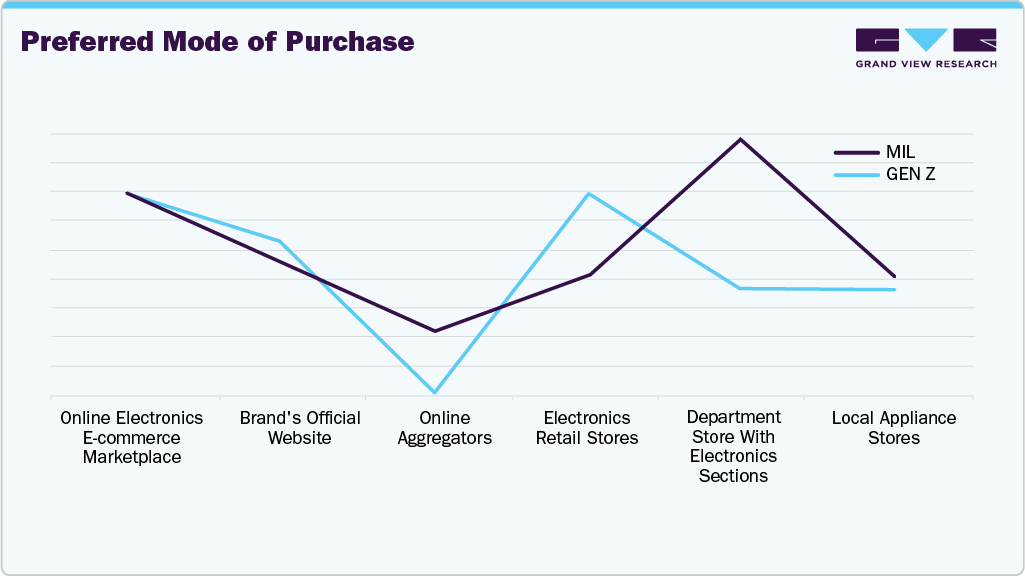
The most common way both millennials and Gen X purchase digital cameras is through online electronics e-commerce platforms, valued for their convenience, wide selection, and competitive pricing. However, preferences within these groups show slight differences. Millennials often prefer buying from department stores with dedicated electronics sections, as they enjoy the in-person experience of testing products and receiving immediate assistance. In contrast, Gen X consumers lean more toward online marketplaces, appreciating the ease of comparing models, reading reviews, and having products delivered directly to their homes. These purchasing habits reflect generational differences in shopping behavior, balancing the value of hands-on experience with the convenience of digital access.
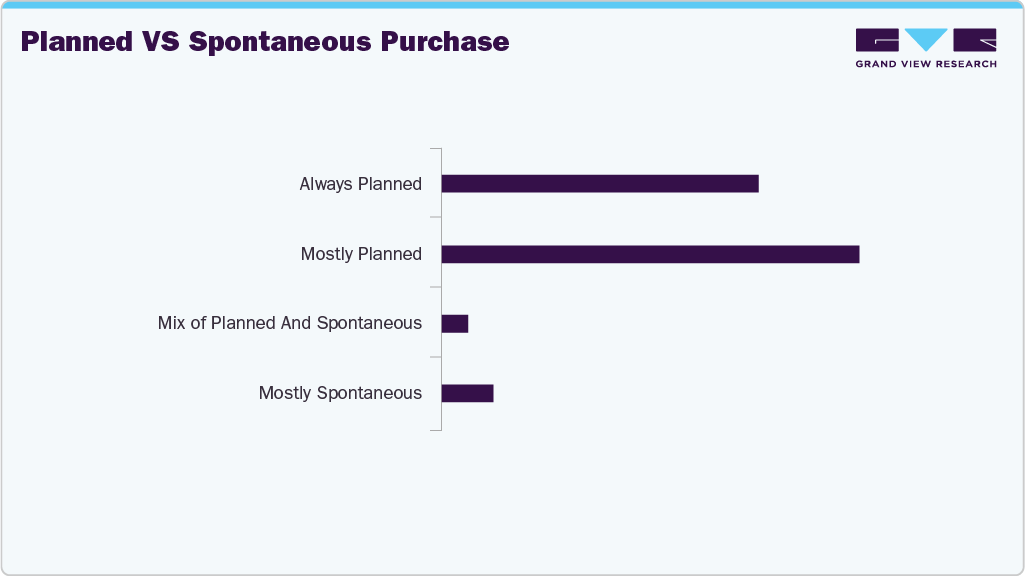
Purchasing a digital camera is largely a well-considered decision among consumers, with 38% reporting their purchase was always planned and 50% saying it was mostly planned. This shows that the majority of buyers take the time to research options, compare features, and evaluate prices before making a choice, understandable given that cameras are typically long-term investments. Only a small share, 4%, described their decision as a mix of planned and spontaneous, while 8% admitted to mostly spontaneous purchases. These figures reflect a cautious and informed approach, where practicality and value for money play a major role in the buying process.
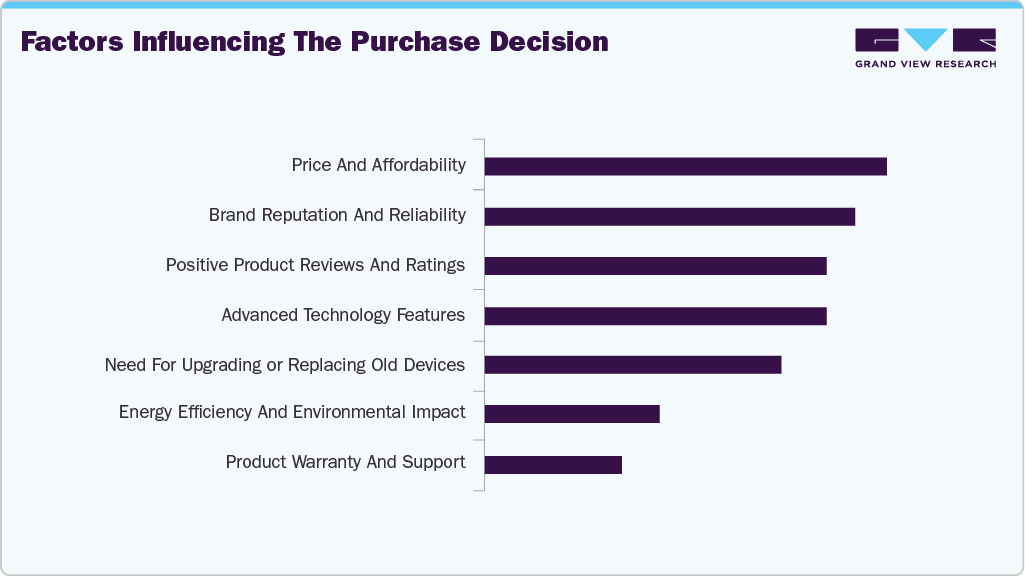
Price and affordability are the leading immediate triggers for purchasing a digital camera, influencing 50% of consumers, followed closely by brand reputation and reliability at 42%. This indicates that while buyers are highly price-conscious, they also place significant value on trusted brands that offer dependable performance. A well-timed discount or promotional offer from a reputable brand often serves as the final push for a purchase. However, one key challenge that affects consumer confidence is inadequate customer support or repair services. When technical issues arise, slow or unhelpful service can lead to frustration and discourage future purchases, especially for a product that many consider a long-term investment. Addressing post-sale support is crucial for maintaining brand loyalty and customer satisfaction.
Brand Power Play (Brand Health and Performance)
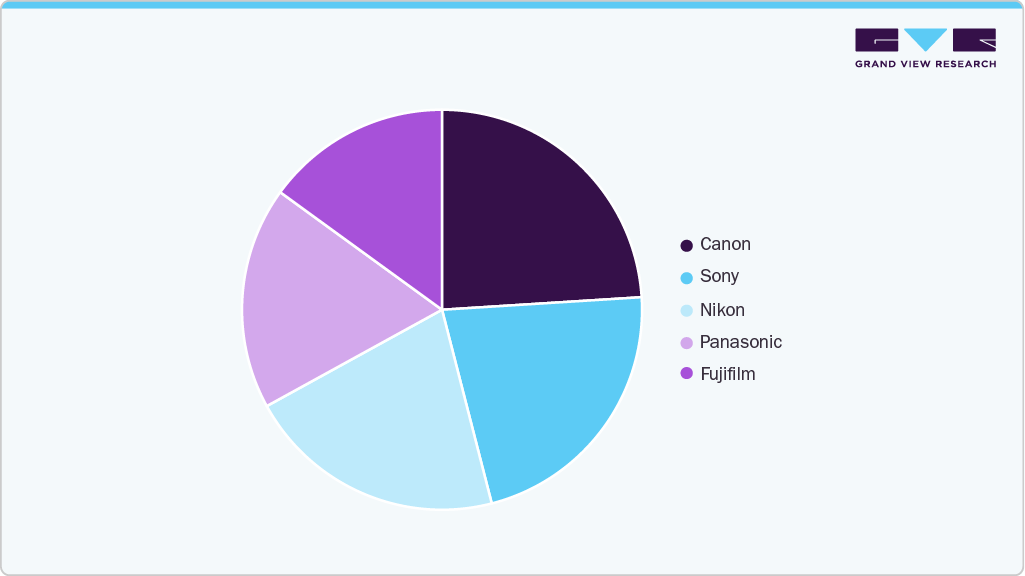
Some of the popular Camera brands in the UK include Canon, Sony, Nikon, Panasonic, and Fujifilm. Although the Camera industry is competitive, Canon dominates the market with a 75% market share (by awareness) because of its long-established reputation for high-quality, reliable products and extensive marketing campaigns. Canon's broad retail and distribution networks make its products more accessible. These factors contribute to its dominant presence compared to competitors like Nikon, Sony, Panasonic, and Fujifilm.
Purchase Funnel
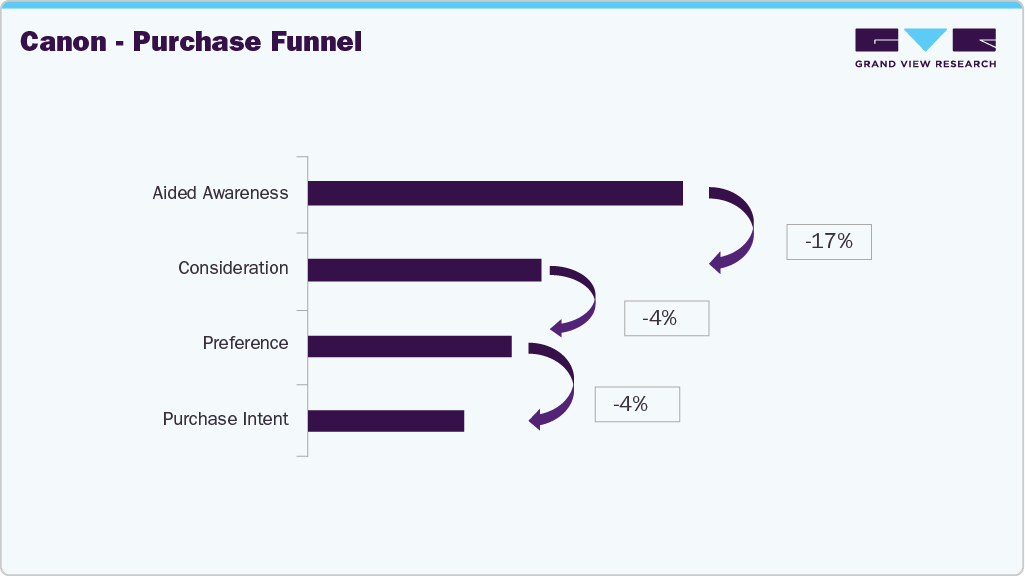
Canon has the best purchase funnel in the UK for cameras due to its well-structured and customer-centric approach, which effectively guides consumers through each stage of the buying journey. At the awareness stage, Canon benefits from its strong brand recognition, extensive advertising campaigns, and collaborations with influential photographers. During the consideration phase, the brand offers a wide range of cameras tailored to various skill levels and needs, supported by comprehensive product information, reviews, and expert recommendations. Canon’s user-friendly website, in-store experiences, and educational resources further build trust and help customers make informed decisions. Sony is giving tough competition to Canon in the UK’s camera purchase funnel with its innovative technology, particularly in mirrorless cameras and video features. The brand’s strong online presence, detailed product information, and attractive promotions effectively attract and convert customers. Sony’s focus on cutting-edge features and customer engagement positions it as a key competitor to Canon.
While the overall NPS score of the leading brands varies from -50 to 67, Nikon leads the Camera industry with the highest NPS scores (67) compared to other Camera brands in the market. People often recommend Nikon due to its reputation for exceptional image quality, reliability, and durability, which resonates strongly with both amateur and professional photographers. Canon, while strong in awareness and the purchase funnel, may lack in fostering long-term customer loyalty compared to Nikon. Some users may feel that Canon’s products are more mainstream, with less focus on specialized features or innovation for niche markets. Additionally, customer service and post-purchase experiences may not always match Nikon’s reputation for reliability and support.

Talk to an analyst
Tell us what you need. We reply within one working day.
Service Guarantee
-
Insured Buying
This report has a service guarantee. We stand by our report quality.
-
Confidentiality
Your transaction & personal information is safe and secure.
-
Custom research service
Design an exclusive study to serve your research needs.
-
24/5 Research support
Get your queries resolved from an industry expert.