UK Cosmetics Products Consumer Insights - Usage, Attitudes And Brand Performance Report
Introduction:
The UK cosmetics market is undergoing significant changes due to post-Brexit regulations, sustainability concerns, and the rise of digital-first firms. Companies are reformulating their products with natural ingredients and environmentally friendly packaging, while digital-first firms are increasing their market share. The increasing ethnic diversity of the UK population is also influencing the market, leading to more inclusive shade ranges and formulations tailored to different skin tones and cultural preferences. The market for men's cosmetics and gender-neutral beauty products is expanding rapidly, reflecting changing perceptions of gender and attractiveness. Economic pressures caused by inflation have further polarized the market, benefiting both luxury and budget segments while putting mid-tier brands at a competitive disadvantage. These are the key market trends shaping the UK cosmetics industry:
-
Minimalism: The minimalist cosmetics trend in the UK is gaining momentum as consumers opt for simpler, multi-purpose products. Focus is on fewer ingredients, with an emphasis on clean, effective formulas that reduce clutter in beauty routines. Brands are offering streamlined, multifunctional products, such as tinted moisturizers and 2-in-1 skincare-makeup items.
-
Clean Beauty & Sustainability: The UK cosmetics market is increasingly focused on clean beauty, with consumers seeking products free from harmful chemicals, parabens, and sulfates. Alongside this, sustainability is a major priority, driving demand for eco-friendly packaging and ethically sourced ingredients. Brands are responding by creating products that are both safe for the skin and environmentally responsible.
-
Personalized and Inclusive Beauty: In the UK cosmetics sector, inclusive and personalized beauty are emerging as major trends. While manufacturers are broadening their product lines to accommodate all skin tones and kinds, consumers are looking for skincare and makeup solutions that are specifically designed to meet their individual needs. This change is a result of consumers' increasing need for goods that provide both representation and originality. Personalized beauty enhances perceived effectiveness by better aligning with individual needs, while inclusive beauty guarantees that everyone can choose ones that suit them. When combined, these trends support a more varied, approachable, and customized beauty experience.
Methodology:
The insights covered in this report are drawn from GVR’s ‘Voice of Consumer Survey’ and its periodic updates. The latest survey represents 75,000+ consumer interviews conducted across 20 countries for 100+ product categories. These insights are specifically catered to the brands operating in the cosmetic industry in order to guide them in their strategic decision-making process. This report provides insights covering category usage & attitude, buying behavior, brand performance metrics, and brand health indicators of leading players in the UK cosmetic market.
Chapter 1: Usage and Attitude
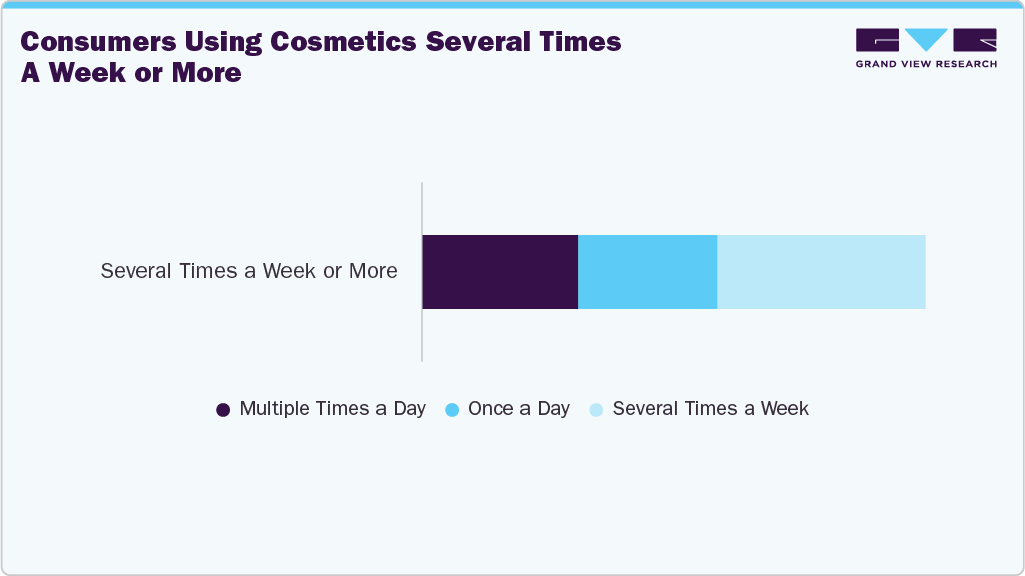
UK consumers are placing increasing importance on beauty enhancement products, with 61% using cosmetics at least once a week and 19% reporting daily usage. This reflects a growing integration of cosmetics into regular self-care and grooming routines.
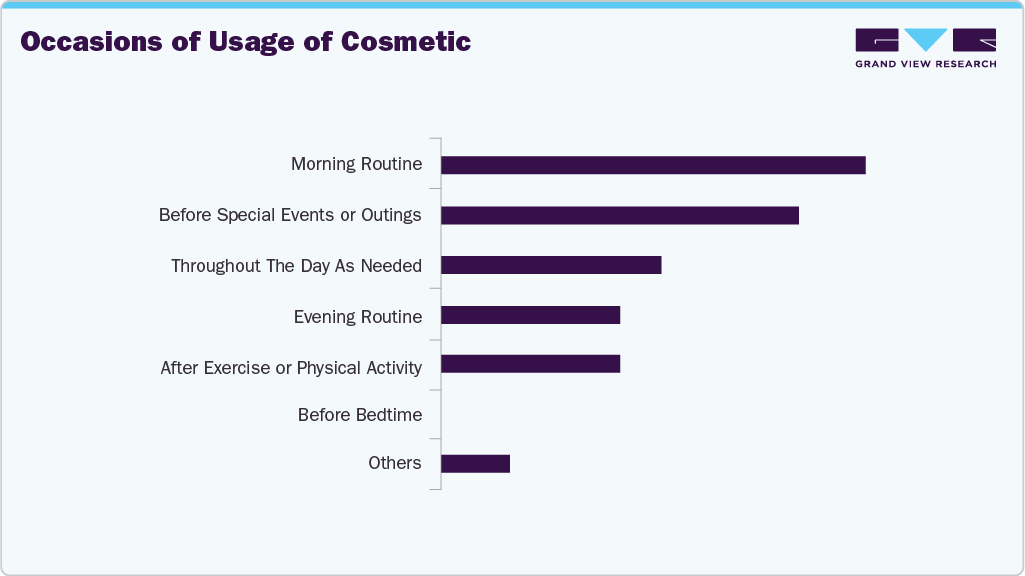
Cosmetics are primarily used as part of the morning routine, as noted by about 4 out of 10 consumers. Increasingly, people also apply them before special events and throughout the day as needed. Consumers mainly use cosmetics for personal purposes. However, they associate their use with boosting self-confidence and improving appearance. What tends to disappoint them, though, is high prices and affordability concerns.
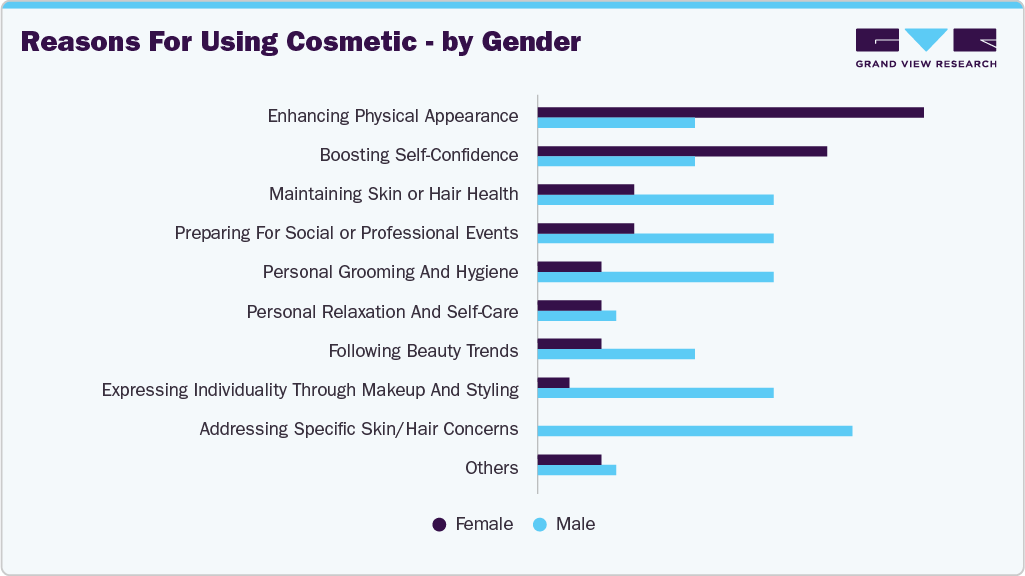
When it comes to reasons for using cosmetics, enhancing physical appearance is the primary motivator for females, while addressing specific skin or hair concerns is key for males. For females, boosting self-confidence is the second main reason, whereas for males, it’s personal grooming and hygiene. What makes cosmetics a satisfying purchase is the visible improvements and the ease of application. However, consumers remain dissatisfied with the high price point.
Buying Behavior
Before purchasing any cosmetic product, consumers primarily look for two key factors: effectiveness and quality. This indicates that brands emphasizing strong product performance are more likely to gain a competitive edge. The second major factor is pricing, since consumers span across both budget-conscious and luxury-seeking segments, brands must cater to a wide range of price points. Ingredient transparency and safety also play a critical role in purchasing decisions, as informed buyers seek products with clear, trustworthy formulations. Most consumers tend to buy cosmetics once a month due to daily use, with the product’s size significantly influencing purchase frequency.
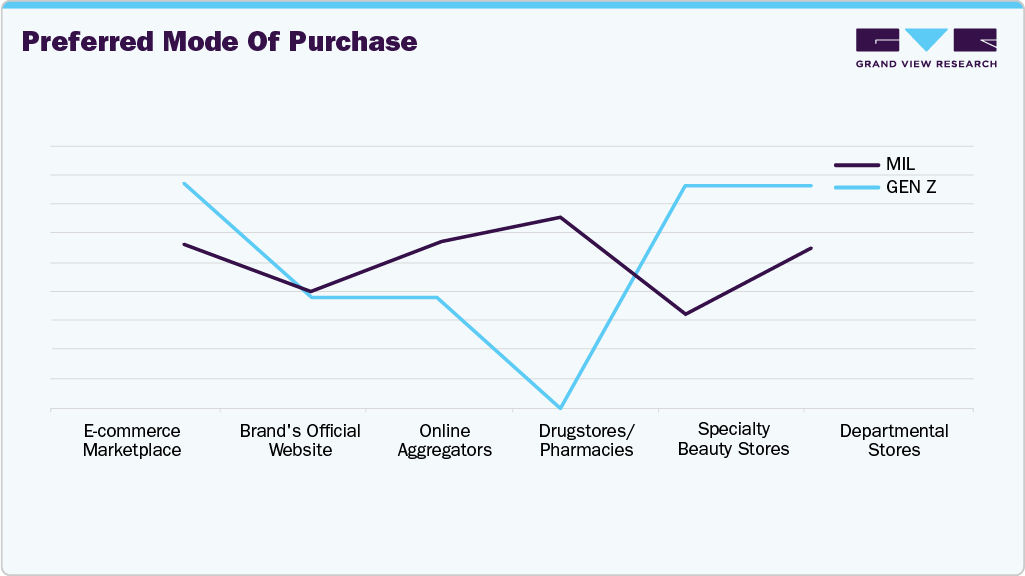
When it comes to the mode of purchase overall, e-commerce marketplaces are the most common mode. However, deep diving into Gen Z, they prefer Specialty beauty stores, whereas millennials go to drugstores/pharmacies to purchase cosmetics.
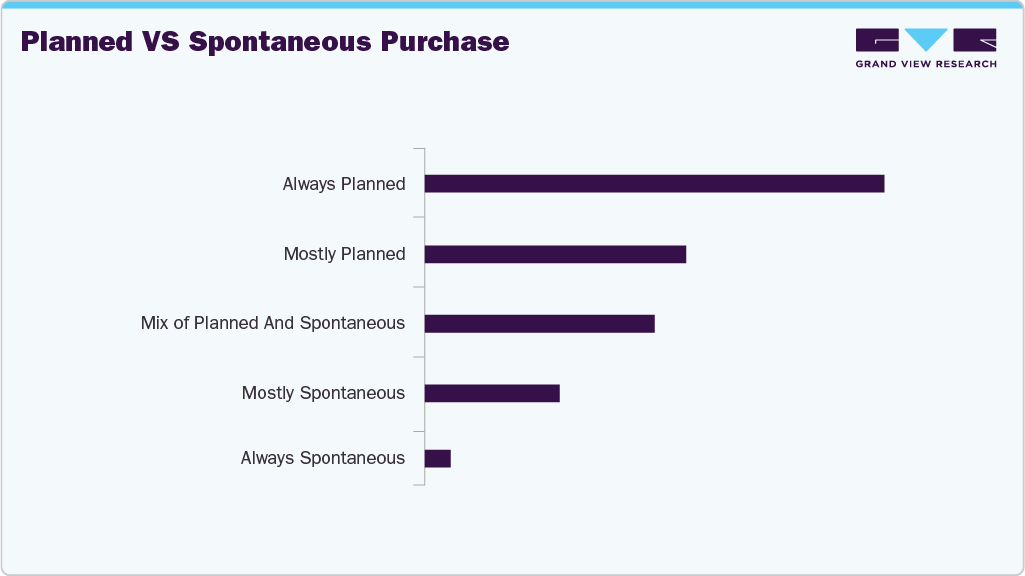
Cosmetics largely fall into the planned purchase category, with 7 out of 10 respondents stating their purchase was planned. Specifically, 45% reported their purchase was always planned, while 19% said it could be either planned or spontaneous depending on circumstances and offers. Only about 13% of consumers have made an impulsive purchase. Spontaneous buyers are typically drawn in by attractive pricing, discounts, or personalized product offerings, though most still prefer to research before making a decision.
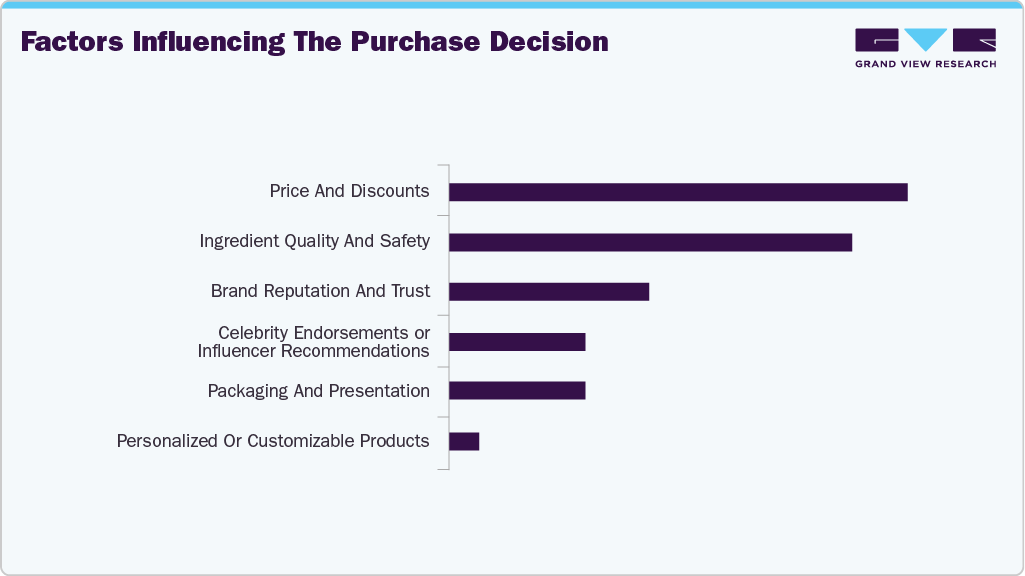
According to the survey, a significant percentage of participants stated that price and discounts are the primary factors that influence their decision to buy cosmetics, followed by ingredient quality and safety. Whereas celebrity endorsements raise brand awareness, they have less of an effect on actual product purchases. Notwithstanding the growing demand, several barriers to purchasing a product still exist, such as trouble selecting the ideal shade or hue, a lack of options for particular requirements, and products that irritate or cause allergies to the skin or hair. Additionally, eight out of ten consumers are moderately to extremely concerned about the brand of cosmetics they use as their awareness of beauty increases.
Brand Power Play (Brand Health and Performance)
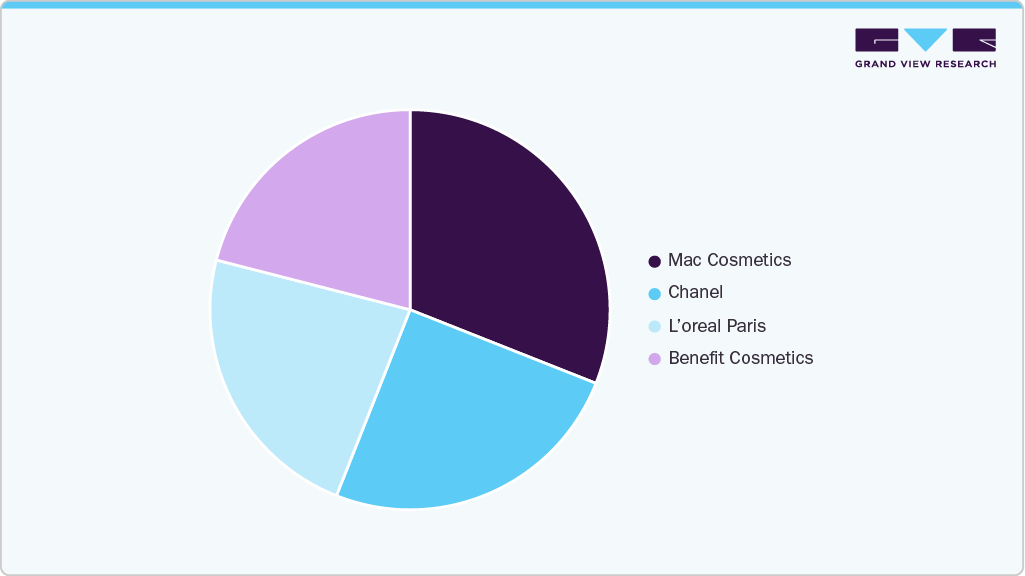
Some of the most popular cosmetic brands in the UK include MAC Cosmetics, Chanel, L'Oréal Paris, and Benefit Cosmetics. While the industry remains highly competitive, MAC Cosmetics leads in brand awareness with a 65% share, largely due to its strong regional presence in the UK and reputation for high-quality, professional-grade products.
Purchase Funnel
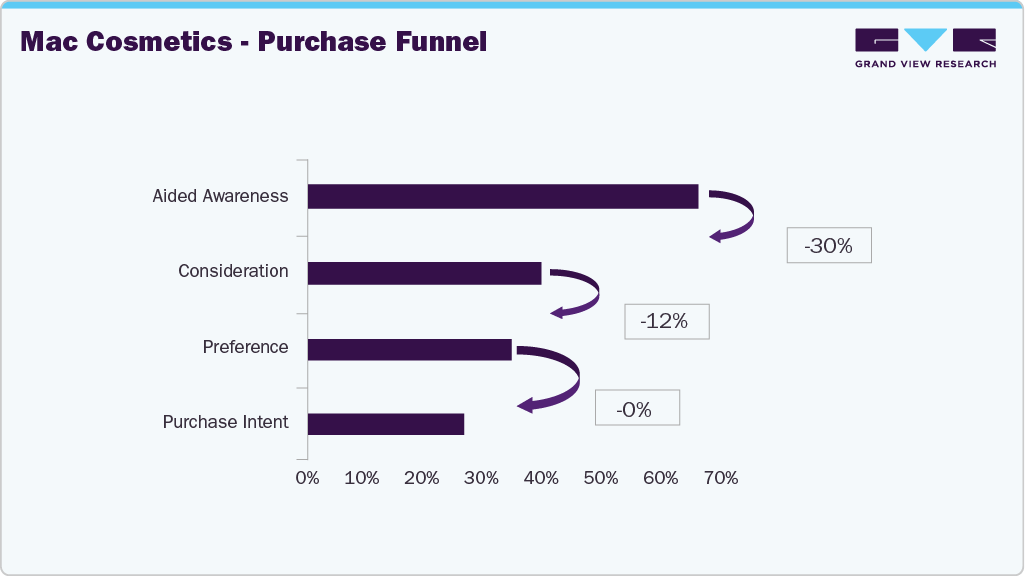
While most cosmetic brands in the UK enjoy high awareness, the path from consideration to usage varies greatly, with only a few brands emerging as clear leaders. MAC Cosmetics demonstrates a notable purchase funnel, even though it experiences significant drop-offs at each stage. Leading brands like L’Oréal and Chanel must focus on sustaining their market dominance through consistent product quality, competitive pricing, and effective marketing strategies. L’Oréal Paris, in particular, not only enjoys strong recognition but also sees strong conversion to purchase, making it a key player with solid satisfaction levels. MAC cosmetics also boasts high consumer satisfaction, driving strong repeat purchase behavior.
While the overall NPS score of the leading brands varies from -33 to 25, L'Oréal Paris leads the cosmetic industry with the highest NPS score (25) compared to other cosmetic brands in the market. People often recommend L'Oréal Paris for cosmetic products in the UK due to their strong scientific expertise, commitment to safety and quality, and their broad product range. The highest market holder (MAC Cosmetics) has an NPS score of 10, which indicates it is not highly recommended by consumers to their friends and family, considering a lack of innovation and relevance to current trends.
