UK Dishwasher Consumer Insights - Usage, Attitudes, And Brand Performance Report
Introduction:
A growing number of households nationwide are choosing dishwashers to save time and maintain kitchen cleanliness. They are increasingly viewed as practical appliances, particularly in homes with single occupants or busy professionals. Today’s dishwashers are built with energy efficiency in mind and often include smart technology such as Wi-Fi and voice activation. Still, some people don’t use them as effectively as they could, such as running partial loads or skipping eco-friendly settings. Experts recommend loading dishes properly and using energy-saving functions to get the best results. Manufacturers are also offering smaller models that fit well in compact kitchens. More consumers now realize that dishwashers can conserve more water than washing dishes manually. As a result, dishwashers are becoming a common fixture in modern households. Here are the market trends:
-
Growing Demand for Compact and Efficient Models: With the rise of single-person households and urban living, compact and energy-efficient dishwashers are becoming increasingly popular. Consumers are also prioritizing models that save water and electricity, especially as environmental awareness grows. These models are ideal for smaller kitchens and often come with quick-wash or eco modes for added convenience. Manufacturers are also responding with innovative designs tailored to meet the space and energy constraints of modern homes.
-
Smart Features and Integration: Dishwashers are becoming more advanced, featuring technologies such as Wi-Fi, voice commands, and compatibility with smart home systems to give users more control and convenience. Many models now allow remote operation via smartphone apps, send notifications for maintenance, and provide insights into energy usage. These innovations not only simplify operations but also improve efficiency and reduce resource consumption. Some units are equipped with sensors that assess how full the dishwasher is or how dirty the dishes are, then automatically adjust the cycle settings. With smart home technology becoming more widespread, these high-tech dishwashers are increasingly appealing to consumers who value automation and connectivity.
-
Aesthetic and Design Innovation: Manufacturers are focusing on modern designs that blend seamlessly with contemporary kitchens. Dishwashers now offer sleek, integrated looks and noise reduction features to enhance both functionality and user experience. Built-in and fully integrated models are becoming more popular, as they can be hidden behind cabinetry for a uniform appearance. Stainless steel finishes, touch controls, and minimalist panels are also gaining traction among style-conscious consumers. In addition to appearance, design improvements now prioritize ergonomic loading, flexible rack systems, and customizable interior layouts to suit different household needs. These enhancements make dishwashers not only efficient but also visually appealing and adaptable to diverse kitchen styles.
Methodology:
The insights covered in this report are drawn from GVR’s ‘Voice of Consumer Survey’ and its periodic updates. The latest survey represents 75,000+ consumer interviews conducted across 20 countries for 100+ product categories. These insights are specifically catered to the brands operating in the dishwasher industry in order to guide them in their strategic decision-making process. This report provides insights covering category usage & attitude, buying behavior, brand performance metrics, and brand health indicators of leading players in the UK dishwashers market.
Chapter 1: Usage and Attitude
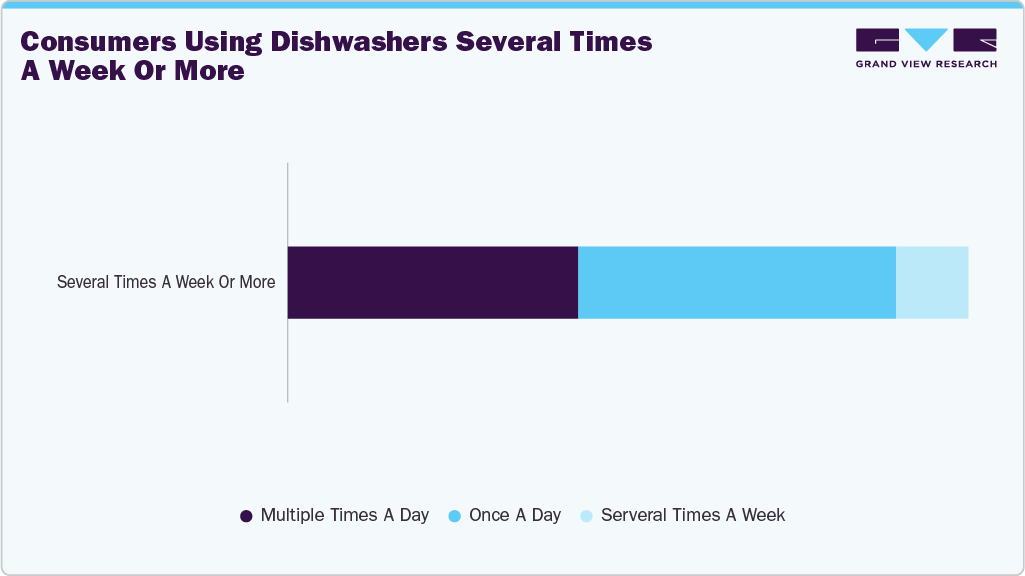
Dishwashers have become a daily essential for UK households that own and use them, reflecting the appliance’s strong integration into modern routines. Among active users, 41% run their dishwasher once a day, while 36% use it multiple times a day. Only 9% use it several times a week, showing that for most, dishwasher use is part of a consistent daily habit. These patterns underscore the importance of convenience and time-saving in today's fast-paced lifestyles, where efficient meal clean-up is a key part of household management.
Many households now use dishwashers around mealtimes, and 32% of people turn them on during cooking or meal preparation. This habit helps keep the kitchen clean and reduces the effort needed after eating. Another 23% prefer to run their dishwashers while working or engaging in productive tasks, making the most of their time by handling chores in the background. These trends show how dishwashers are being used more strategically to fit around busy daily schedules and make home life more efficient.
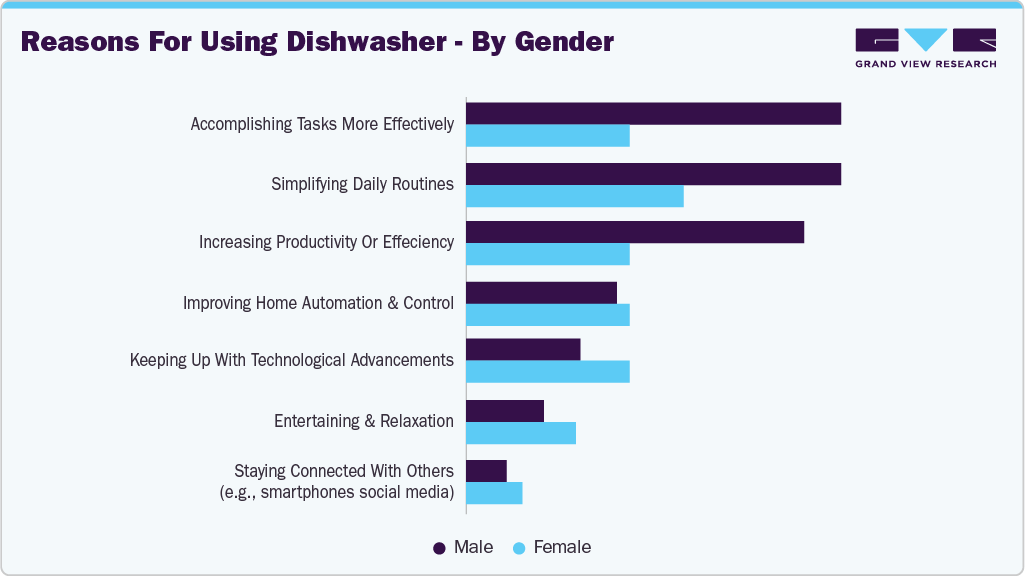
A large number of people choose to use dishwashers to make everyday life easier and more efficient. About 77% say they use them to accomplish tasks more effectively, while the same percentage also believes dishwashers simplify their daily routines. This could include saving time after meals, reducing the hassle of hand-washing, or keeping the kitchen clean with minimal effort. Additionally, 69% use dishwashers to boost overall productivity, such as running a load while working from home or doing other chores. These habits show that dishwashers are not just about cleaning dishes; they are tools that help people manage their time and responsibilities more efficiently.
While dishwashers are widely appreciated for their convenience, some consumers in the UK associate them with certain drawbacks. One common concern is the high cost of premium models or those with the latest smart features, which can make them feel out of reach for budget-conscious households. For example, someone setting up a new kitchen might hesitate to invest in a high-tech dishwasher when balancing other appliance expenses. Another frequent disappointment is related to energy consumption; some users find that certain models use more electricity than expected, especially if not used efficiently or run for small loads. These concerns highlight the importance of transparency in energy ratings and the need for affordable, eco-friendly options in the market.
Buying Behavior
When it comes to buying a dishwasher, an appliance that many UK consumers intend to purchase only once every 6 to 10 years, knowing the right information upfront is essential. For 64% of buyers, technological features and innovations are top priorities, as they want appliances that offer smart functions, energy efficiency, and time-saving options that match their modern lifestyles. Meanwhile, 59% focus on product performance and reliability, looking for machines that clean thoroughly, last long, and require minimal repairs, especially since it’s a long-term investment. Brand reputation and trustworthiness are equally important to 59% of consumers, as people often rely on reviews or experience with a brand to feel confident in their purchase. For example, a family replacing a decade-old dishwasher may spend weeks researching not just specs, but also user satisfaction and service reliability before committing to the new model.
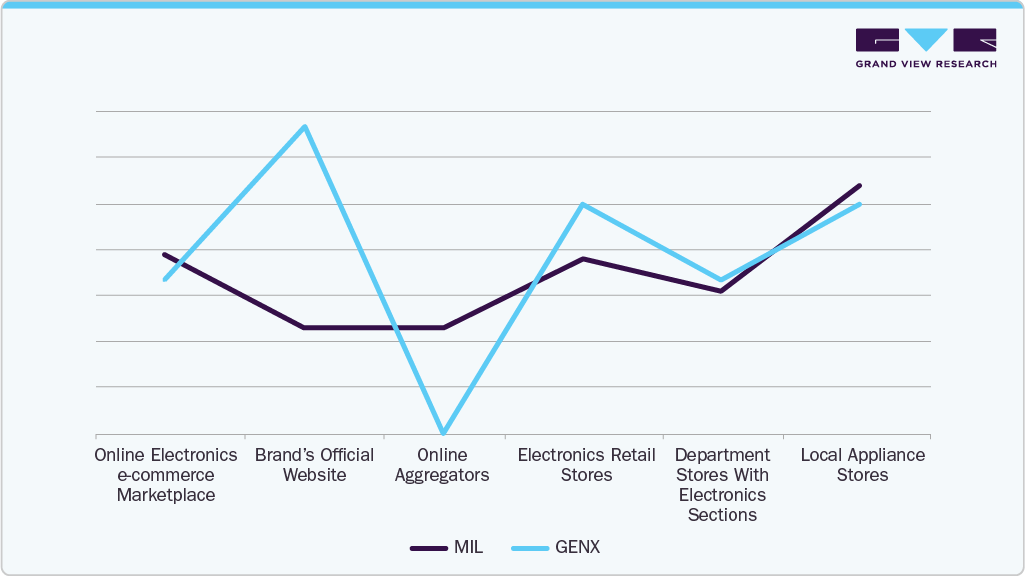
When it comes to buying dishwashers, preferences vary by generation, but electronics retail stores remain the most popular choice overall. These stores allow customers to see different models in person, compare features side-by-side, and get advice from in-store experts. Millennials, however, tend to prefer local appliance stores, likely valuing personalized service and the ability to support community businesses. For example, a millennial couple renovating their kitchen might choose a nearby shop where staff can guide them through options based on their space and budget. On the other hand, Gen X buyers are more likely to trust the brand's official website, where they can find detailed product specs, warranty information, and possibly exclusive deals. This generation often values transparency and brand reliability, making direct online purchases a practical and informed choice.
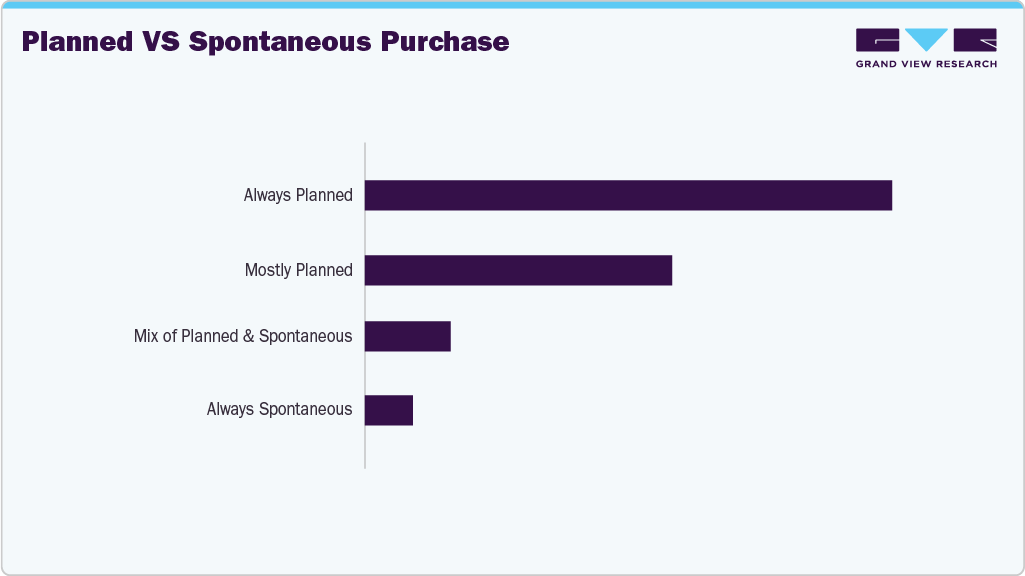
For most people in the UK, buying a dishwasher is a well-thought-out decision rather than a quick or impulsive one. According to recent data, 55% of consumers say their purchase was always planned, while another 32% describe it as mostly planned. This makes sense, as dishwashers are significant household investments typically bought only once every several years, often after researching features, prices, and brands. For instance, a family replacing an old, malfunctioning unit might spend weeks comparing energy ratings and reliability before making a choice. Only 5% of people buy dishwashers on a completely spontaneous whim, which is understandable given the cost and installation requirements. Even those with a mix of planned and spontaneous intent, just 9%, likely waited for a sale or specific reason, like a kitchen renovation or moving to a new home.
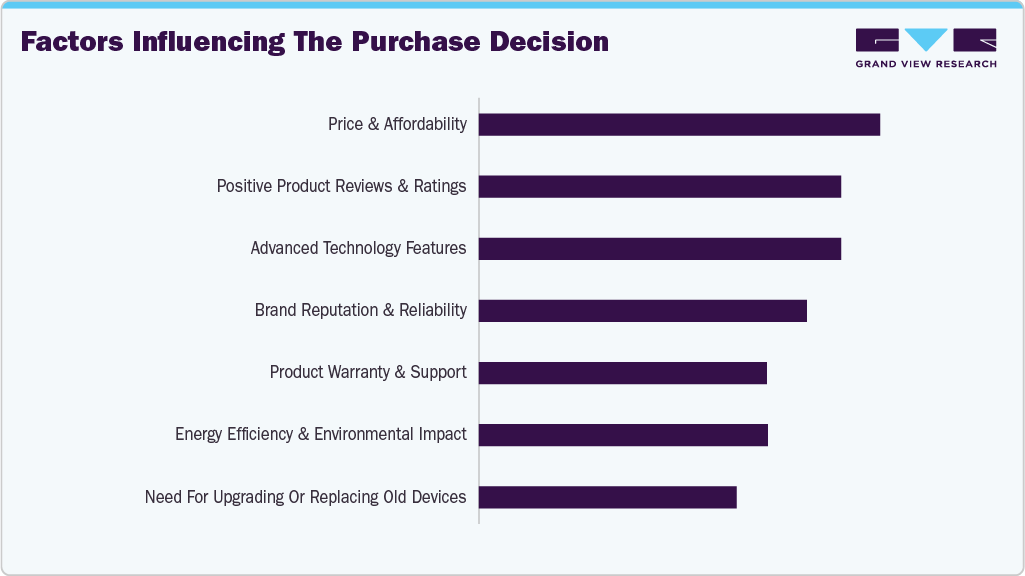
When purchasing a dishwasher, several key factors trigger immediate buying decisions. For half of consumers, price and affordability are the most important; many buyers look for sales or discounts that make a quality appliance more accessible within their budget. At the same time, 45% are drawn to advanced technology features, such as smart controls, energy-saving modes, or customizable wash cycles, as households become more tech-savvy. Positive product reviews and ratings also play a significant role, as they provide reassurance and help buyers feel confident in their choice. However, a major challenge that consumers face is unclear or insufficient product information. When details such as energy consumption, noise levels, or internal dimensions are not provided, potential buyers may hesitate or delay their decision. For example, someone comparing models online may abandon their purchase if they cannot easily understand how one dishwasher differs from another.
Brand Power Play (Brand Health and Performance)
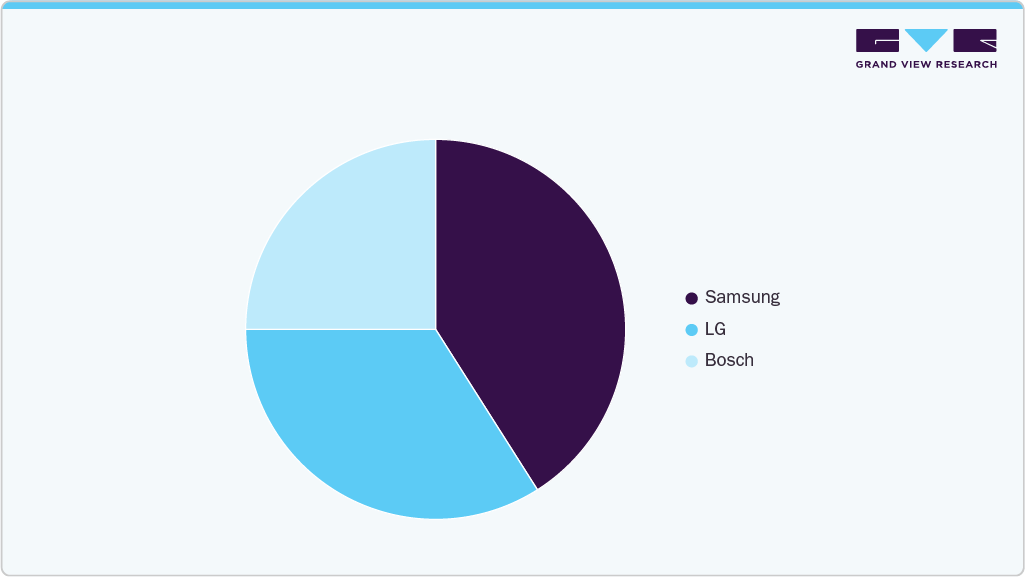
Some of the popular dishwasher brands in the UK include Samsung, LG, and Bosch. Although the dishwasher industry is stable, Samsung dominates the market with 68% market share (by awareness) due to its strong reputation for innovation and high-quality products. The brand consistently integrates advanced technology, such as smart features and energy efficiency, into its dishwashers. Additionally, effective marketing campaigns and wide retail availability have solidified Samsung's position as a trusted and recognizable name in the appliance market.
Purchase Funnel
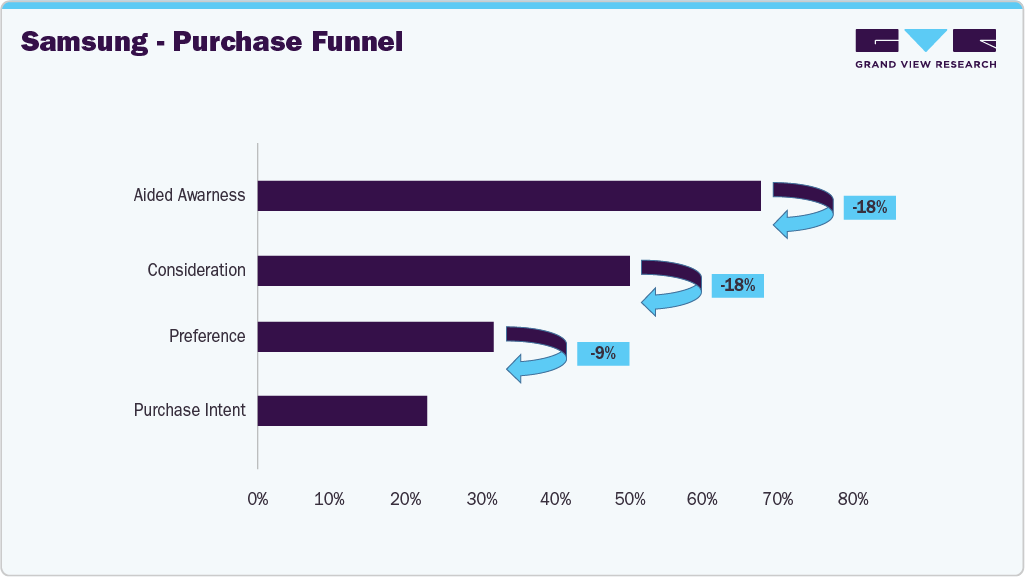
Samsung has the best purchase funnel for dishwashers in the UK due to several key factors that create a seamless and effective buying experience. Firstly, their strong brand recognition through targeted marketing campaigns, both online and offline, ensures high visibility and consumer awareness. This awareness then flows smoothly into the consideration stage, as Samsung’s dishwashers are readily available in major retail stores and on their user-friendly website, offering detailed product information, comparison tools, and reviews. At the purchase stage, Samsung provides attractive pricing options, seasonal promotions, and flexible financing plans, making it easier for consumers to commit. Furthermore, Samsung excels in post-purchase support, offering warranties, responsive customer service, and easy access to troubleshooting resources, which helps build long-term customer loyalty and positive brand perception.
While the overall NPS score of the leading brands varies from 33 to 43, Samsung leads the dishwashers industry with the highest NPS score (43) compared to other dishwashers brands in the market due to its reliable performance, innovative features, and sleek designs. Customers appreciate the energy efficiency, smart technology, and quiet operation of Samsung dishwashers. Exceptional customer service and easy warranty processes also contribute to high satisfaction. These factors lead to strong brand loyalty, with many customers recommending Samsung to others.
