UK Eyewear Consumer Insights - Usage, Attitudes, And Brand Performance Report
Introduction:
Despite economic constraints in 2025, the UK eyewear sector remains strong, driven by an aging population and growing eye health awareness campaigns. Advancements in lens technologies, including innovative anti-reflective and blue light filtering coatings alongside enhanced materials, have improved functionality and comfort while meeting the rising consumer demand for sustainable options such as biodegradable bio-acetates. Digital integration has transformed the shopping experience, with virtual try-on solutions now widely available across major retail channels. The market shows a clear trend toward products that combine fashion, comfort, and functionality, with consumers increasingly viewing high-end eyewear as investment pieces built for longevity. Direct-to-consumer strategies continue to gain traction by offering competitive pricing and convenience, while subscription-based business models are emerging as an innovative option, appealing to UK consumers who are becoming more selective and value-conscious amid ongoing cost-of-living pressures.
Here are some of the market trends dominating the UK eyewear market:
-
Eco-Tech Integration: Sustainability and digital technology have merged, with virtual try-on solutions now highlighting the eco-credentials of frames and materials. Consumers can digitally explore the sustainability journey of products before purchase, while at the same time, brands use AR to showcase their environmental impact reduction and material innovations, creating a transparent shopping experience that satisfies both tech-savvy and eco-conscious consumers.
-
Premium Health Investment: The convergence of luxury eyewear and health consciousness has created a premium segment focused on both style and superior eye protection. Aging consumers willingly pay premium prices for fashionable frames that incorporate advanced lens technologies and protective features, viewing these purchases as investments in both personal style and long-term eye health rather than purely functional necessities.
-
Subscription Disruption: Direct-to-consumer brands have revolutionized the market with subscription models that offer regular frame updates at predictable costs. These services appeal to fashion-forward consumers who want variety without commitment, while challenging traditional retail by offering competitive pricing, home try-on convenience, and personalized style recommendations through sophisticated algorithms and virtual consultations.
-
Specialized Independence: Independent opticians have found renewed success by focusing on advanced lens technologies and personalized service that addresses specific demographic needs. These retailers differentiate themselves by becoming experts in specialized solutions for aging eyes, digital strain protection, and custom-fitted frames, creating loyal customer bases through education, community connection, and attentive, individualized care.
Methodology:
The insights covered in this report are drawn from GVR’s ‘Voice of Consumer Survey’ and its periodic updates. The latest survey represents 75,000+ consumer interviews conducted across 20 countries for 100+ product categories. These insights are specifically catered to the brands operating in the eyewear industry to guide them in their strategic decision-making process. This report provides insights covering category usage & attitude, buying behavior, brand performance metrics, and brand health indicators of leading players in the UK eyewear market.
Chapter 1: Usage and Attitude
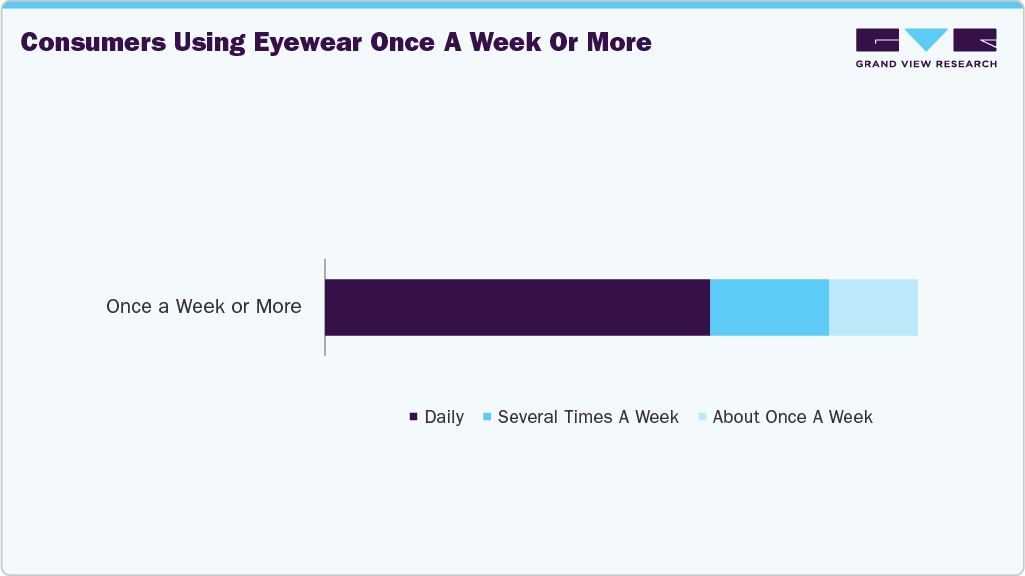
In the UK, 45% of eyewear users report wearing it daily, primarily for vision correction or as a consistent style accessory, such as pairing clear frames with professional attire. An additional 14% wear eyewear several times a week, often when reading, working on screens, or during specific activities requiring visual support. Beyond function, eyewear also serves as a fashion statement: it is occasionally used for themed events or special occasions, such as statement sunglasses at music festivals or vintage-inspired frames at parties. For many consumers, eyewear has become an integral part of their personal style and wardrobe rotation, while others adopt it selectively to enhance or elevate their look for particular moments.
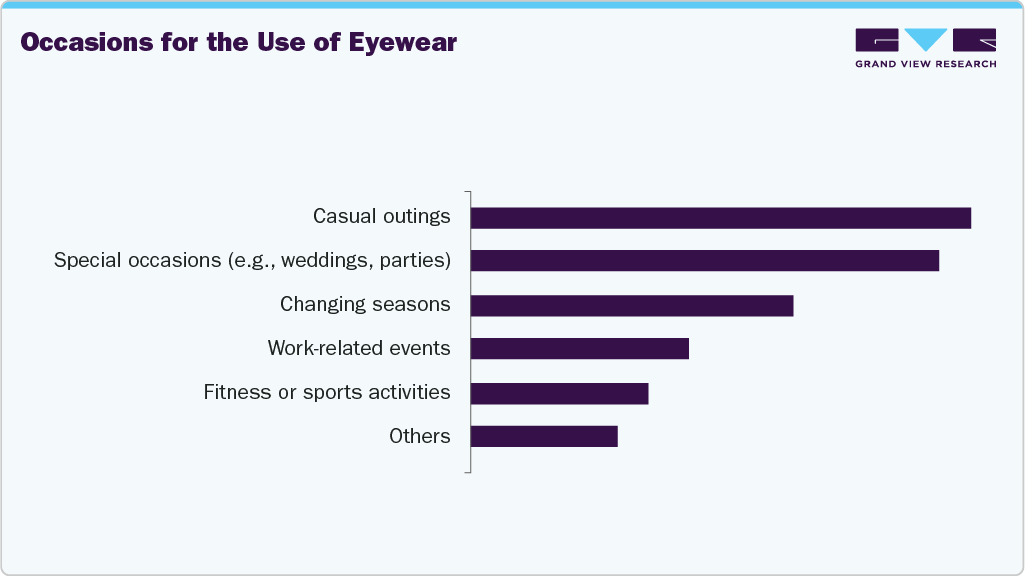
Eyewear is commonly used during casual outings, like meeting friends or shopping, often adding a stylish touch. For special occasions such as weddings or parties, people choose standout frames to complement formal attire. Seasonal changes also influence use, with tinted or protective lenses worn in sunny or windy weather. At work-related events, eyewear can convey professionalism, while sporty designs support fitness activities. Many feel comfortable and confident in eyewear, seeing it as a way to express fashion preferences. However, concerns about high costs for quality pieces and the environmental impact of fast fashion can create negative associations.
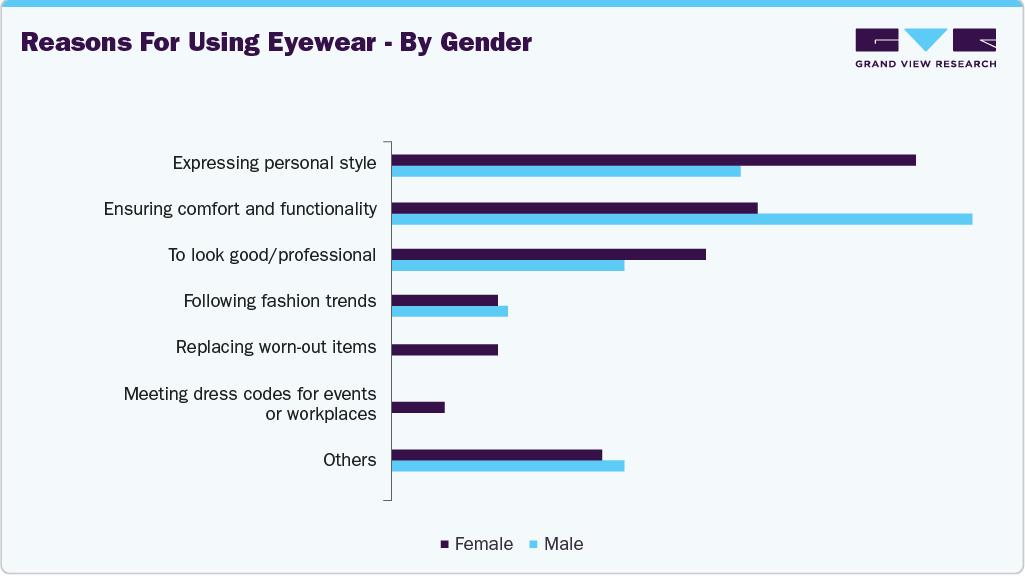
In the UK, women often choose eyewear to express their style or to look polished and professional; bold or designer frames are popular choices. Men, on the other hand, tend to prioritize comfort and practicality, opting for lightweight or durable designs suited for daily wear. Both genders also use eyewear to stay current with fashion trends. Women select frames to meet dress codes at work or to match specific events like weddings or corporate gatherings. Shoppers find eyewear especially appealing when it offers good value for money and features trendy, stylish designs that enhance their overall look. However, dissatisfaction can arise when the product feels overpriced or lacks the expected quality and craftsmanship.
Buying Behavior
Before purchasing eyewear in the UK, consumers place high importance on comfort and fit, as ill-fitting frames can impact daily use and overall satisfaction. Price and value for money are also crucial, with shoppers seeking stylish, functional eyewear without overspending. Material quality and durability are vital, since eyewear is often worn regularly and expected to last. Many also consider brand reputation, associating it with reliability and superior craftsmanship. Unique design and style matter, too, as consumers look for eyewear that reflects their personality and fashion sense. Most consumers buy eyewear once every two years, but are also open to buying within a quarter when new trends emerge.
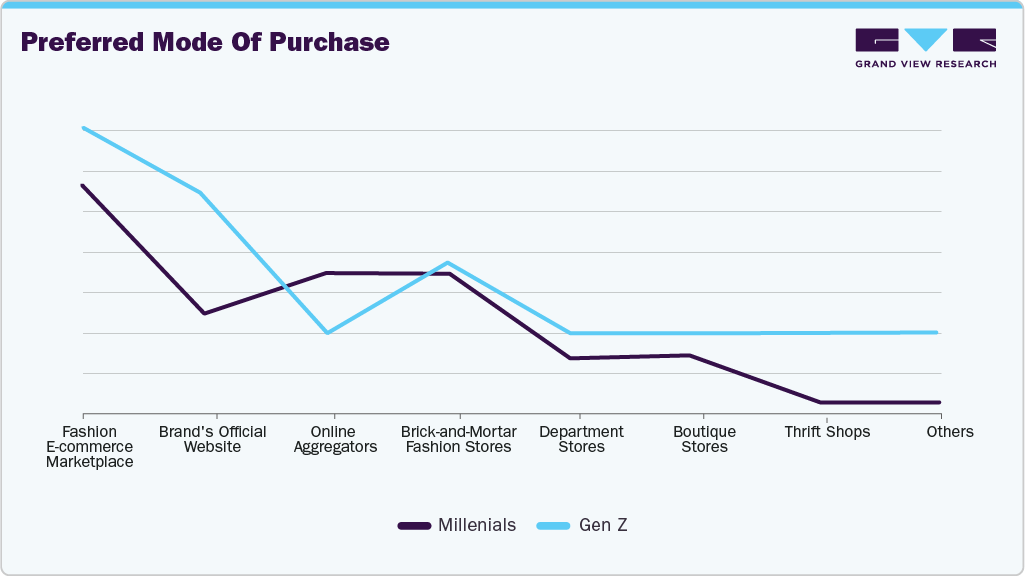
Online fashion e-commerce marketplaces are the preferred purchase mode due to variety, convenience, and competitive pricing. Gen Z favors fashion marketplaces and brand websites for their digital-first habits and trend focus, while Millennials also lean towards marketplaces and online aggregators for ease and brand comparison.
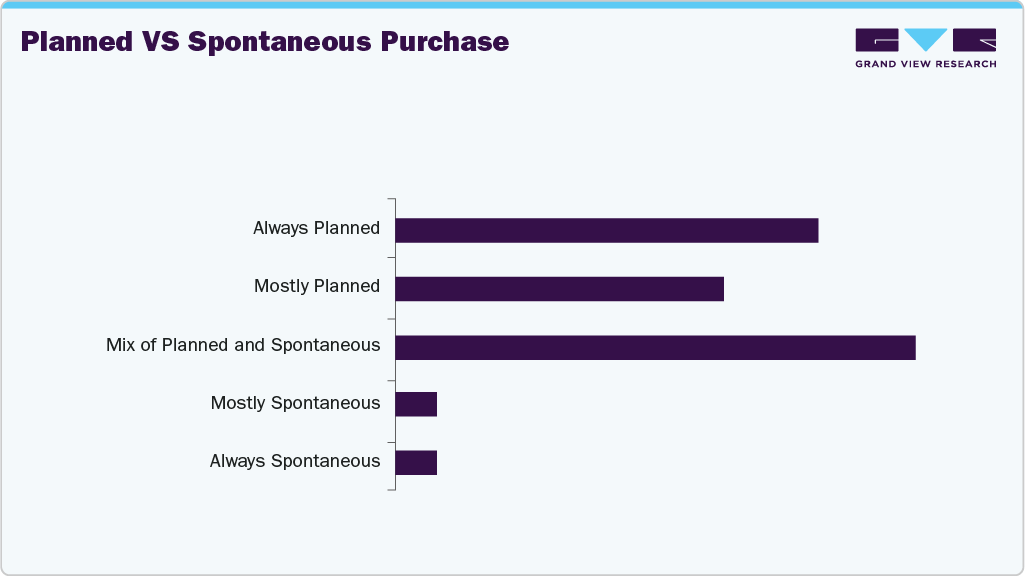
In the UK, eyewear purchases are largely planned, as 55% of consumers make planned purchases while considering comfort, fit, and value before buying. For some, it's a mix of planned and spontaneous decisions, planned for prescription needs but spontaneous when discovering trendy or discounted styles. This mix allows flexibility while ensuring thoughtful choices for long-term use. Consumers often research or wait for sales, showing a balance between practicality and style-driven impulse.
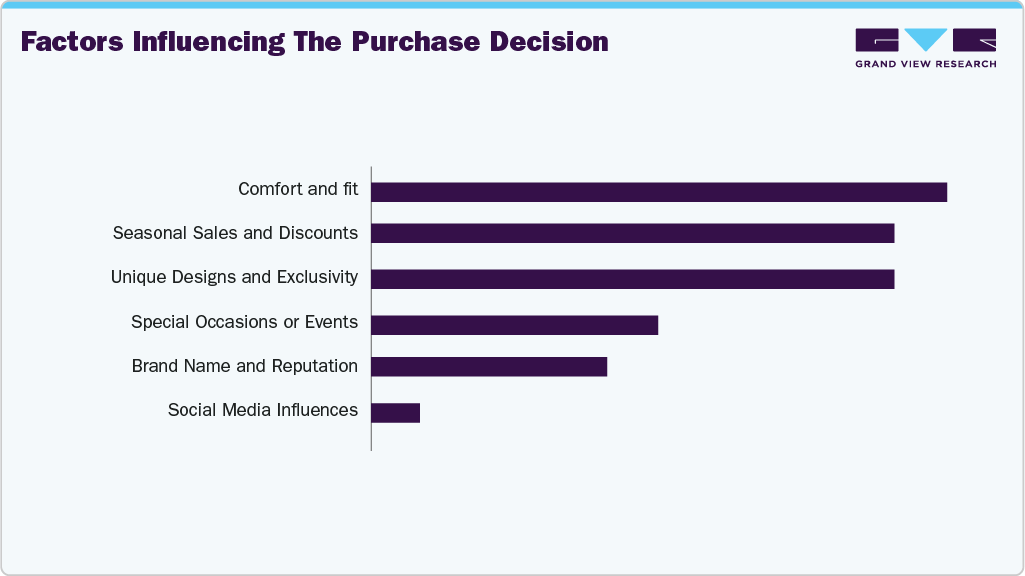
In the UK, immediate triggers for purchasing eyewear are often driven by practical and style-related needs. Comfort and fit remain top priorities, particularly for consumers seeking frames suitable for extended daily or work-related wear. Seasonal sales and discounts are a major motivator, prompting consumers to make quicker decisions when they see good deals on quality or designer items. Unique designs and exclusivity also encourage impulse buys, especially when consumers want to refresh their look or stand out. Special occasions like weddings, holidays, or parties often lead to last-minute purchases to match specific outfits or themes. Despite growing interest, affordability remains a significant barrier, especially for high-quality or branded options. Consumers heavily rely on online reviews, ratings, and promotional offers, which provide both reassurance and perceived value. With 79% of consumers being brand-conscious, brand reputation plays a vital role in their final choice.
Brand Power Play (Brand Health and Performance)
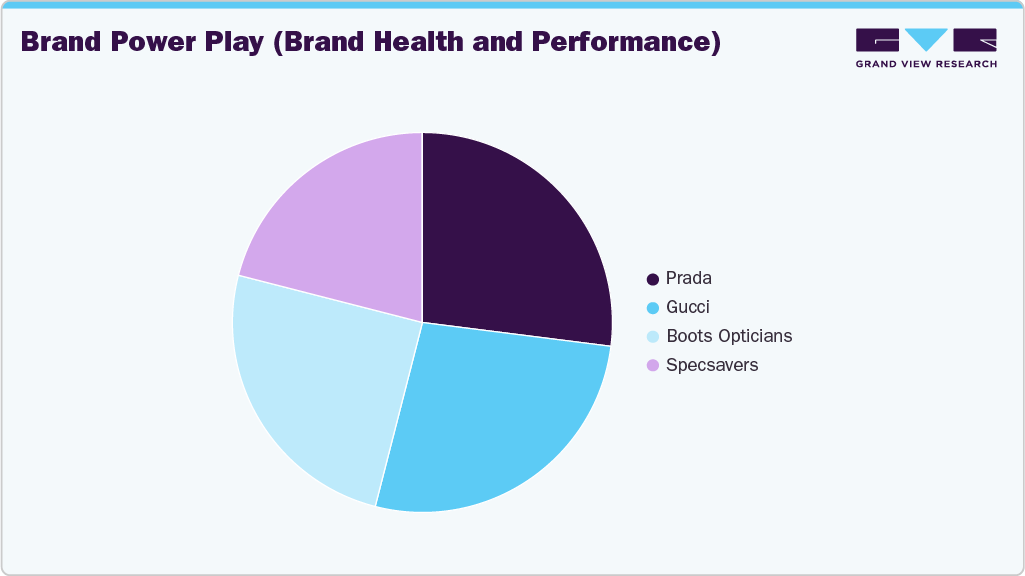
The eyewear market in the UK is highly competitive, with brands like Specsavers, Boots Opticians, Gucci, and Prada maintaining strong brand presence and awareness. Prada and Gucci equally lead the market, with a 52% share in aided brand awareness due to their global presence and strong association with luxury, fashion, and quality. Their iconic logos, sophisticated designs, and meticulous craftsmanship contribute to a reputation that resonates with UK consumers seeking premium eyewear.
Purchase Funnel
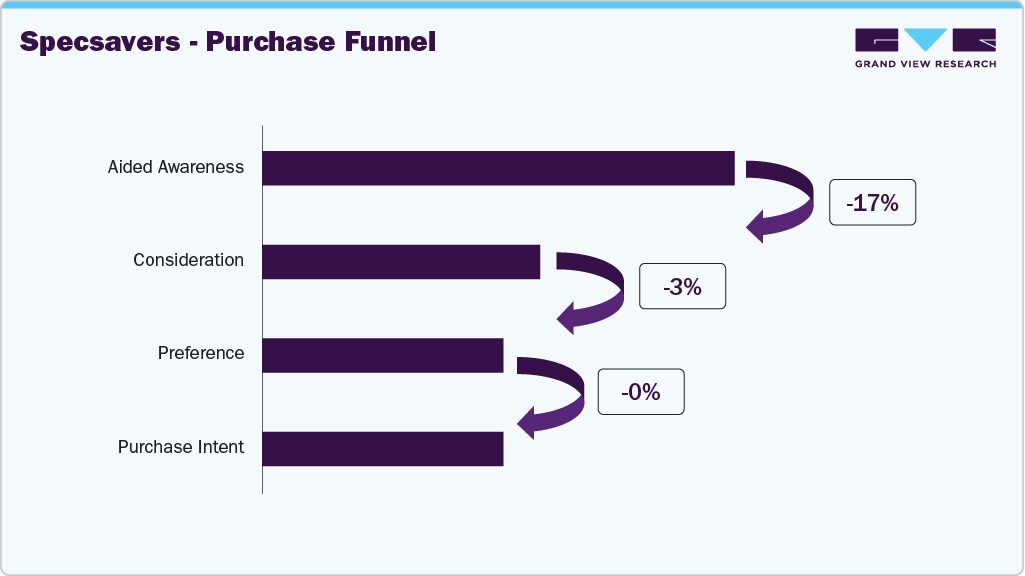
Although a lot of eyewear brands are well-known in the UK, only a few make it past the stage of being considered and preferred. And one of the biggest examples is Gucci, Prada, and Specsavers, which exhibit a neck-to-neck competition despite Gucci and Prada having similar awareness levels, while Specsavers has a good awareness. Specsavers demonstrates a commendable purchase funnel vs Gucci and Prada, despite having a big drop from awareness to consideration by leading after the consideration. This can be attributed to the brand offering a complete, accessible service, from eye tests to affordable frames, making the buying process seamless and convenient. Unlike Gucci and Prada, which focus mainly on high-end fashion, Specsavers appeals to a wider audience through local presence, regular promotions, and trust in healthcare expertise. However, UK consumers often balance luxury style with practical needs, making them popular choices across different preferences and budgets, thus considering these brands for their next purchase. The reasons for its commendable purchase funnel make it a highly preferred and intended-to-be-purchased brand among consumers. UK consumers choose Specsavers for its affordability, accessibility, and trusted optical care, while Prada appeals to those seeking luxury, premium design, and brand prestige as a fashion statement; thus, consumers are currently using and repurchasing eyewear from these brands and are highly satisfied.
The overall NPS score of the leading brands varies from 20 to 75, with Gucci having the highest NPS score (75) compared to other eyewear brands in the UK market. This is due to its strong brand loyalty, distinctive luxury designs, and association with high fashion and status. Consumers value the quality, exclusivity, and style that come with the Gucci name, leading to strong recommendations despite the premium pricing. Specsavers and Prada have slightly lower NPS than Gucci in the UK, despite similar consideration, because their customer experiences differ in emotional impact and brand perception. Specsavers is seen as practical and value-driven, but focuses less on the aspirational appeal that drives strong brand advocacy. Prada, while luxurious, may not consistently deliver standout customer service or emotional engagement like Gucci, which blends fashion prestige with a highly distinctive brand identity that inspires loyalty and word-of-mouth promotion.
