UK Gaming Console Consumer Insights - Usage, Attitudes, And Brand Performance Report
Introduction:
The UK gaming console landscape features three key competitors: PlayStation 5 from Sony, Xbox Series X/S from Microsoft, and Nintendo's Switch. PS5 remains highly sought-after among UK gamers who are drawn to its exclusive games and powerful performance capabilities. Xbox presents a strong competitor with its value-oriented Game Pass subscription, attracting many players. Despite its older hardware, Nintendo Switch continues to captivate British families and casual gamers through its portability, beloved game franchises, and more affordable pricing. At the same time, gaming on mobile devices keeps expanding in popularity, with cloud gaming technology increasingly connecting the console and smartphone gaming worlds for UK consumers. Here are the market trends:
-
Top-Selling Console: The PlayStation led sales in the UK, marking a significant increase compared to the previous years. This growth was fueled by improved supply chain conditions, increased availability during peak holiday seasons, and the release of several high-profile exclusive titles. Strong marketing campaigns and consumer loyalty to the PlayStation brand also contributed to its dominant market position.
-
Digital Game Sales: Digital game sales accounted for a large chunk of the UK gaming market in 2025, driven largely by the rising popularity of subscription services such as PlayStation Plus and Xbox Game Pass. The shift toward digital purchases reflects a broader consumer preference for convenience, instant access, and frequent content updates. Gamers increasingly favor cloud-based libraries and digital downloads over physical media, especially as storage capacities and broadband speeds improve. Seasonal digital sales, early access perks, and exclusive content have further encouraged this transition.
-
Integration of VR and AR: Gaming technology advancements in immersive systems and cutting-edge consoles transform player experiences, expand audiences, and deepen engagement. The latest PlayStation and Xbox models incorporate revolutionary elements such as advanced lighting physics, responsive controller sensations, and rapid storage solutions, creating more realistic visuals and fluid gaming sessions. Virtual reality equipment, including Sony's second-generation VR platform, has heightened interest in fully immersive gaming environments. These technological leaps collectively represent a significant evolution in how players interact with digital entertainment, making games more accessible and compelling for diverse audiences.
Methodology:
The insights covered in this report are drawn from GVR’s ‘Voice of Consumer Survey’ and its periodic updates. The latest survey represents 75,000+ consumer interviews conducted across 20 countries for 100+ product categories. These insights are specifically catered to the brands operating in the gaming console industry to guide them in their strategic decision-making process. This report provides insights covering category usage & attitude, buying behavior, brand performance metrics, and brand health indicators of leading players in the UK gaming console market.
Chapter 1: Usage and Attitude
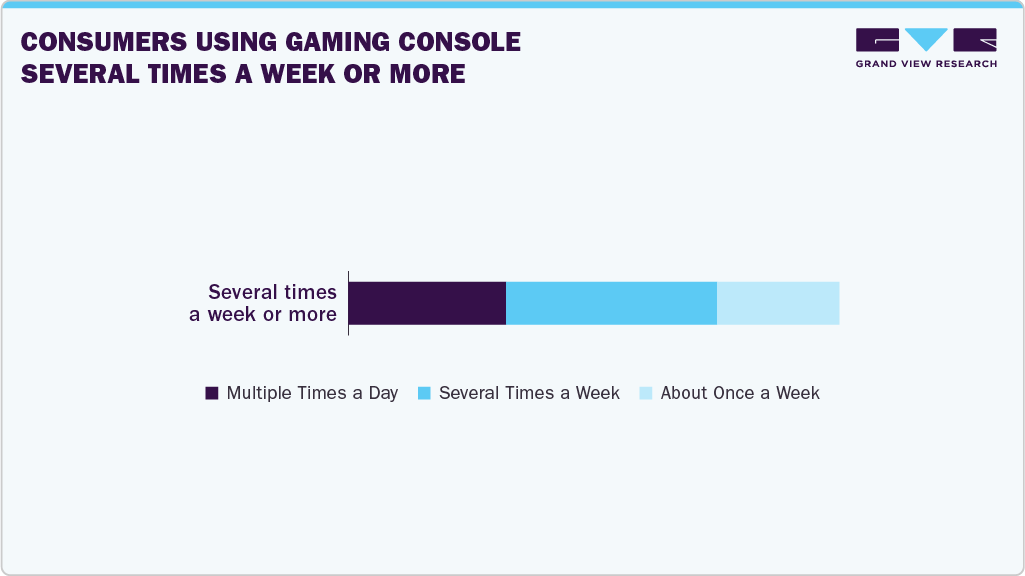
The data, focused solely on active console users, reveals a high level of engagement among UK gamers. Of these users, 14% play multiple times a day, 19% play several times a week, and 11% play about once a week. This highlights that a majority are highly engaged, dedicating consistent time to console gaming. The frequency of use underscores that consoles remain a central form of entertainment for many, reinforcing their sustained relevance and popularity in the UK gaming landscape.
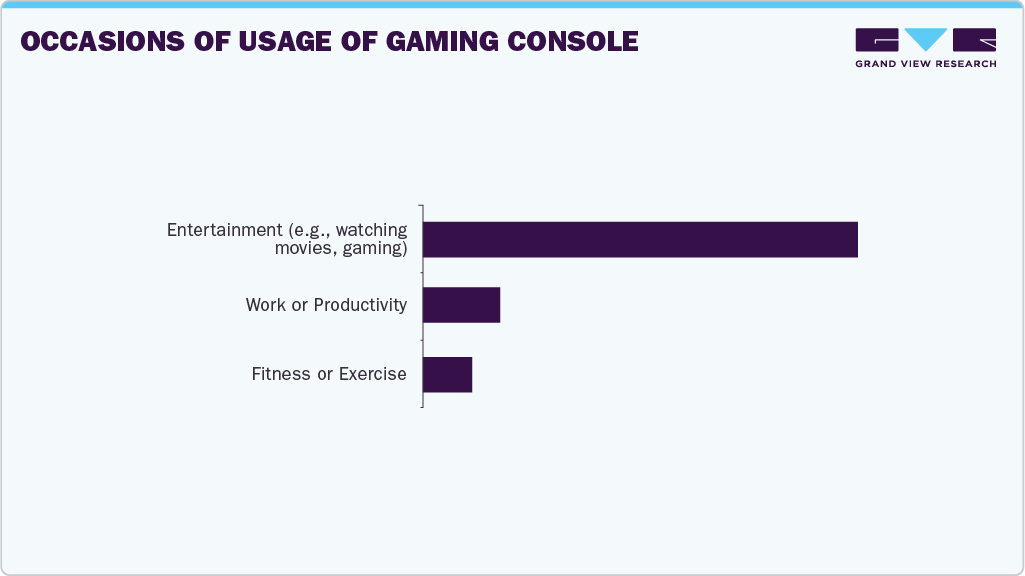
For gaming consoles, 77% of UK gamers use their consoles primarily for entertainment purposes, such as gaming and watching movies, while 14% use them for work or productivity. The high percentage of entertainment use can be attributed to the wide variety of gaming and streaming services available on modern consoles, offering a one-stop hub for immersive gaming experiences and on-demand media consumption. As consoles evolve, they not only provide cutting-edge gaming technology but also serve as entertainment systems, allowing users to stream movies, TV shows, and even music. Additionally, many users occasionally share their consoles with family or friends, highlighting the social aspect of gaming and media consumption. The 14% using consoles for work or productivity likely reflects the growing trend of integrating consoles with productivity tools or remote work setups, but the primary appeal remains entertainment, offering relaxation and social interaction through gaming and media.
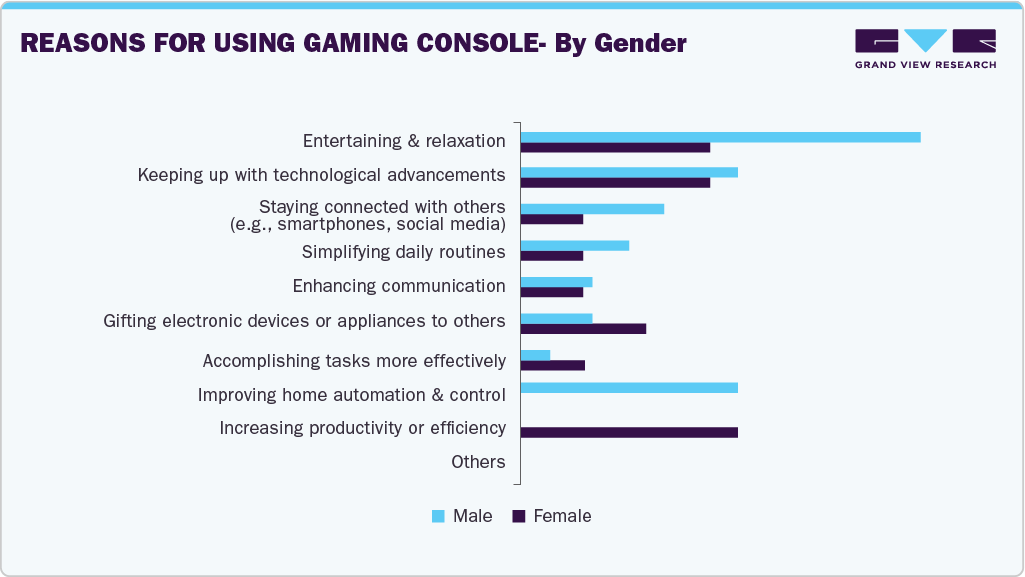
The data reveals notable gender differences in the primary reasons for using gaming consoles in the UK. For males, 79% use their consoles for entertainment and relaxation, indicating that gaming serves as a major form of leisure using communication applications like Discord and TeamSpeak. Additionally, 43% of men are driven by the desire to keep up with technological advancements, highlighting an interest in the latest gaming features and hardware. In contrast, 38% of females prioritize entertainment and relaxation, suggesting that consoles offer a significant escape and source of enjoyment. Social connectivity is also important, as 29% of men use consoles to stay connected with others, while only 13% of females share this reason. These trends illustrate how consoles fulfill entertainment, technological, and social needs, with men focusing more on tech features and connectivity.
One negative association with using gaming consoles in the UK is the high costs associated with premium or the latest technology. The prices for next-gen consoles, along with the additional cost of accessories, games, and subscription services, can be a significant barrier for many consumers. This high price point may lead to frustration, particularly for those who feel the technology's value doesn't justify the expense. Additionally, a common source of dissatisfaction among users is the difficulty in obtaining product support or repairs. Many gamers report challenges in reaching customer service, delays in repair processes, or high costs for repairs, which can lead to disappointment and a negative overall experience with the product. These issues contribute to a less-than-ideal user experience for some, dampening the excitement around owning and using the latest consoles.
Buying Behavior
Before purchasing a gaming console, two key factors that consumers must consider are product performance and reliability, as well as pricing and value for money. Performance is crucial, as buyers want a console that can handle the latest games, deliver high-quality graphics, and provide a smooth, immersive gaming experience. Reliability is also important, with many consumers seeking consoles that are durable and require minimal maintenance. Pricing plays a significant role, as buyers often look for the best value for their money, balancing cost against the features offered. Given the rapid pace of technological advancements, many people tend to purchase a new console every two years, as this interval allows them to upgrade to the latest models with improved performance, better game compatibility, and new features. This pattern reflects the desire to stay current with the gaming landscape while ensuring that the investment is worthwhile.
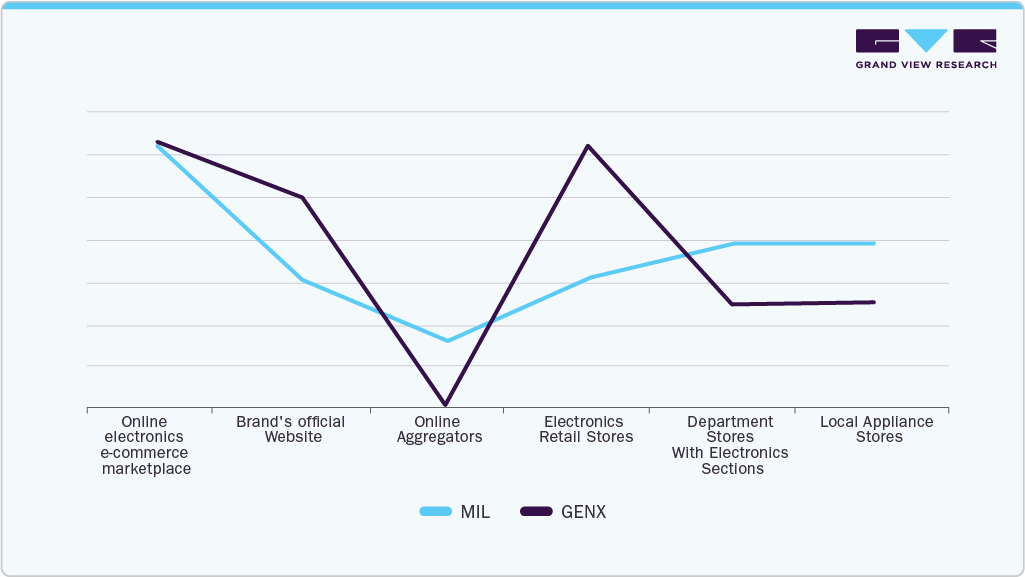
In the UK, millennials and Gen Xers commonly purchase gaming consoles through online e-commerce marketplaces. This mode of purchase offers the convenience of comparing prices, reading reviews, and having products delivered directly to their homes. The ease of shopping online, combined with the ability to access a wide variety of consoles and accessories, makes it the preferred option for these generations. Additionally, the personal interest in buying a gaming console is closely aligned with this trend, as many consumers are drawn to the ability to make informed decisions based on detailed product descriptions and customer feedback available on these platforms. This deep-dive approach into personal research before making a purchase highlights a preference for a more tailored and informed shopping experience.
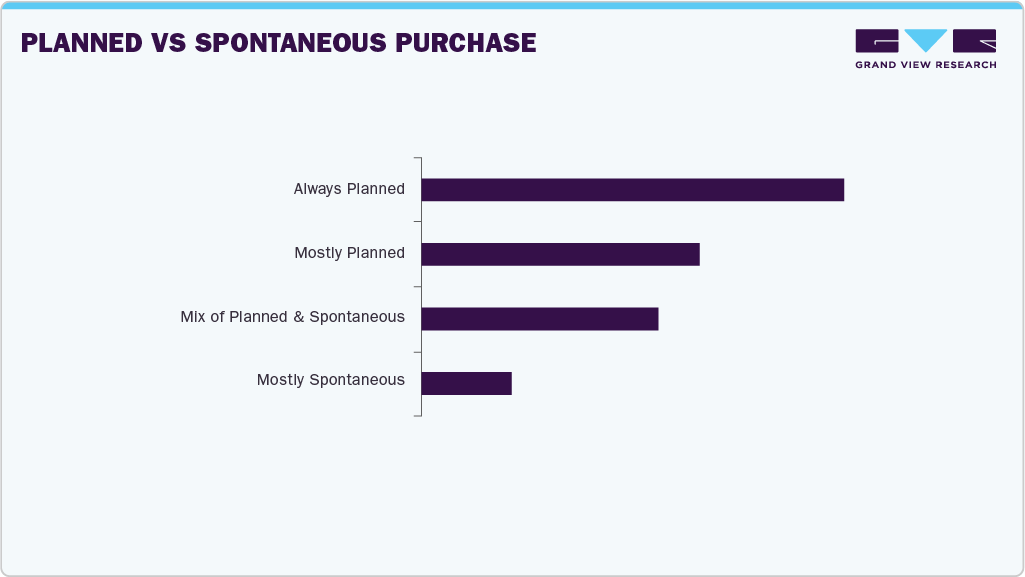
The data reveals the purchasing habits of UK consumers when it comes to gaming consoles. A significant 41% of buyers always plan their console purchases, suggesting that many prefer to thoroughly research and budget before making such an investment. Additionally, 27% of consumers mostly plan their purchases, while 23% have a mix of planned and spontaneous buying behavior, indicating some flexibility in their decision-making process. On the other hand, 9% of buyers make mostly spontaneous purchases, highlighting that a small but notable group is driven by impulse or immediate desire rather than long-term planning. This data reflects a varied approach, with most consumers preferring to plan their purchase, but with a notable proportion also open to acting on sudden interest.
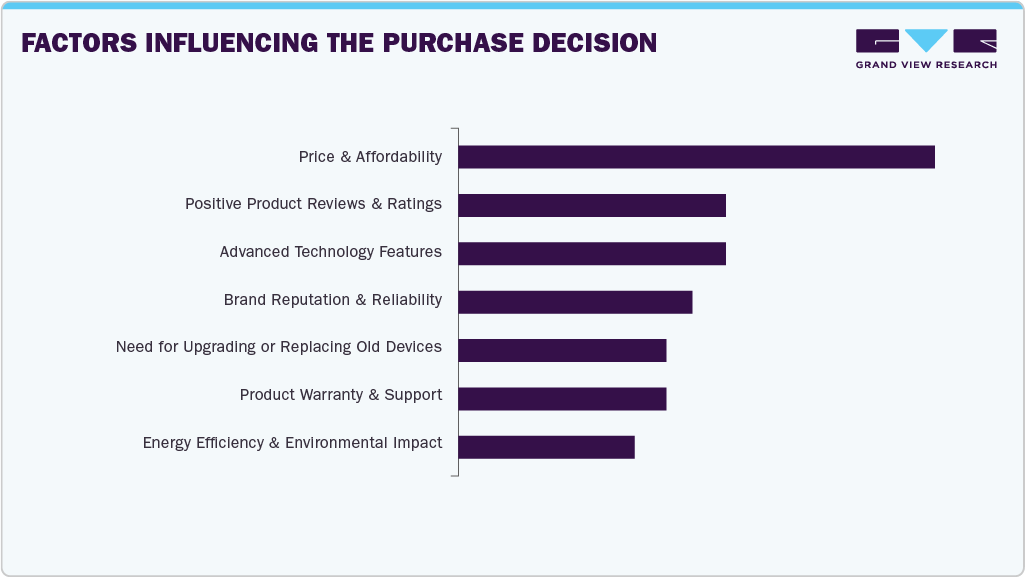
Price and affordability are the most significant triggers for immediate purchases of gaming consoles in the UK, with 73% of consumers considering them a primary influence on their decision-making. This suggests that many buyers are highly price-sensitive and look for a good deal before making a purchase. Advanced technology features and positive product reviews and ratings each play a role for 41% of consumers, emphasizing the importance of cutting-edge specs and the experiences of other users in shaping purchasing decisions. Additionally, 36% of buyers are swayed by brand reputation and reliability, indicating that trust in the brand and the assurance of quality are important considerations. Together, these factors show that UK consumers prioritize value for money, but also seek out consoles with the latest features, strong reviews, and reliable brands.
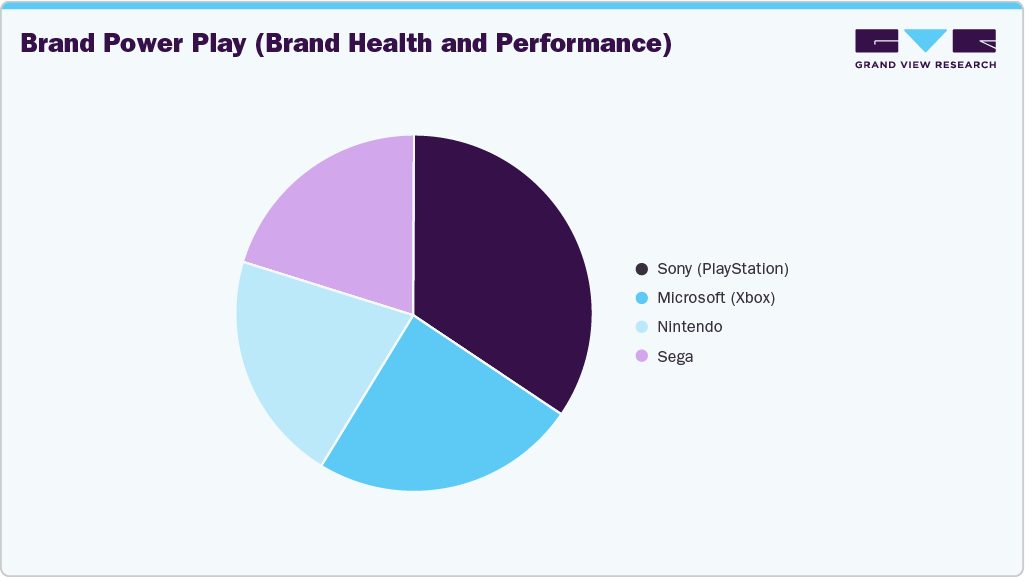
Brand Power Play (Brand Health and Performance)
Some of the popular gaming console brands in the UK include Sony (PlayStation), Microsoft (Xbox), Nintendo, and Sega. Although the gaming industry is a bit competitive, Sony (PlayStation) dominates the market with a 95% market share (by awareness). Sony PlayStation enjoys a massive 95% awareness in the UK due to its long-standing presence, consistent branding, and strong lineup of exclusive games. Its reputation for high performance and innovation has made it a household name among gamers.
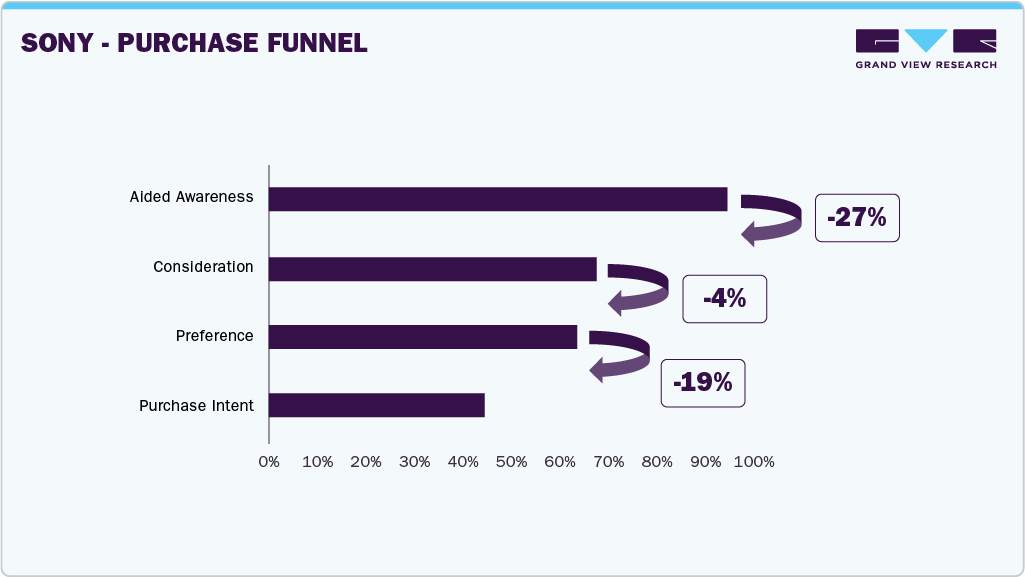
Purchase Funnel
Sony PlayStation maintains a strong purchase funnel in the UK, marked by 95% aided awareness, 68% consideration, 64% preference, and 45% purchase intent, due to several competitive advantages over rivals like Microsoft and Nintendo. Its long-standing brand reputation and consistent global marketing have made it a household name among gamers. PlayStation’s strong library of exclusive titles, such as Spider-Man, The Last of Us, and God of War, fuels both consideration and preference, offering experiences that aren’t available on other platforms. Compared to Xbox, which leans heavily on cross-platform services, and Nintendo, which targets a more casual, family-friendly audience, PlayStation strikes a balance with high-performance hardware and immersive single-player content. This combination of brand loyalty, content exclusivity, and technological appeal drives higher intent and makes it the preferred choice for many UK gamers.
While the overall NPS score of the leading brands varies from -50 to 100, with Sony (PlayStation) leading the gaming console industry with the highest NPS score (43) compared to other gaming console brands in the market. Sony PlayStation has a strong NPS in the UK due to its high-quality exclusive games, reliable performance, and innovative features like the Dual Sense controller. Its consistent delivery of premium gaming experiences builds strong customer satisfaction and loyalty. The brand appeals to a wide range of gamers, from casual to hardcore, more effectively than Microsoft or Nintendo. This combination drives strong recommendations and repeat buyers in the UK market.
