UK Haircare Products Consumer Insights - Usage, Attitudes And Brand Performance Report
Introduction:
The UK hair care market has experienced stable growth over the years as consumers become increasingly aware of scalp health and its role in addressing concerns such as hair thinning, hair loss, dandruff, and more. Brands are increasingly introducing a new and varied range of haircare products catering to various requirements, such as shampoos specifically designed for curly hair, coloured hair, as well as products for heat damage reversal. New hair care products are being introduced to target females with hair loss issues, and per capita spending on personal care products is increasing. However, rising awareness about the potential side effects of hair care products, such as heat treatments, is also affecting market growth. Hair care products are predominantly used to protect against damage in the UK. With these ever-evolving consumers’ needs and the influence of social media, here are some trends that stuck with consumers:
The UK hair care market has experienced steady growth as consumers become more aware of scalp health and how it address concerns related to hair thinning, hair loss, dandruff, among other issues. Brands are increasingly introducing a diverse range of haircare products tailored to various needs, such as shampoos designed for greying, thinning, and menopausal hair loss. Clean beauty continues its upward trend, with shoppers carefully examining ingredient lists and avoiding sulphates, parabens, and silicones. The pandemic's enduring impact is evident in the sustained popularity of at-home treatments and styling products, while salon-quality brands have adapted with professional-grade retail lines. Specialty segments, including men's haircare and age-specific products, have demonstrated strong growth, along with a growing interest in traditional remedies and ingredients repurposed for modern formulations. With these evolving consumer needs and product innovations, here are some trends prevailing in the UK haircare market:
-
Personalized Luxury Revolution: The UK haircare market is experiencing a shift towards premiumization and personalization, with consumers shifting from mass-market products to salon-quality formulations tailored to their specific needs. This trend is driven by a growing sophistication among shoppers who view haircare as an investment, with many prioritizing efficacy and customization over price. Brands offering diagnostic tools are capturing market share by addressing individual concerns, particularly Millennials and Gen Z consumers who view haircare as self-care.
-
Sustainable Ancient Wisdom: Garnier Fructis, L'Oréal Paris, and Herbal Essences are leading the way in the UK haircare market with their waterless formulations. Pantene's waterless shampoo tablets use Japanese camellia oil, reducing plastic packaging and claiming to provide conditioning benefits from ancient Asian haircare rituals. Herbal Essences offers solid shampoo bars infused with traditional Chinese herbs, reducing packaging waste by a large amount. L'Oréal Paris uses concentrated hair cream formulas with Korean fermented rice water, while Garnier Fructis introduced powder-to-foam cleansers with Indian amla extract.
-
“Skinified” Scalp: The UK haircare market is undergoing a significant transformation as scalp care becomes a central part of hair wellness routines. This "skinification" of haircare involves incorporating sophisticated ingredients, such as hyaluronic acid, niacinamide, and peptides into scalp treatments, addressing issues beyond dandruff. Leading brands are launching dedicated scalp serums, exfoliators, and masks, mirroring the multi-step approach of skincare regimens.
-
Inclusive Performance Solutions: The UK haircare market is transforming with the rise of multi-benefit products that style, treat, and protect hair while embracing diverse hair textures and types. Brands are focusing on efficiency without compromise, showcasing ingredient lists and educating consumers about their products. This inclusivity is particularly accelerating in textured and curly hair categories, with specialized multi-functional products developed with transparent formulations. These products command premium pricing and have higher repurchase rates than conventional ones.
Methodology:
The insights covered in this report are drawn from GVR’s ‘Voice of Consumer Survey’ and its periodic updates. The latest survey represents 75,000+ consumer interviews conducted across 20 countries for 100+ product categories. These insights are specifically catered to the brands operating in the haircare industry to guide them in their strategic decision-making process. This report provides insights covering category usage & attitude, buying behavior, brand performance metrics, and brand health indicators of leading players in the UK haircare market.
Chapter 1: Usage and Attitude
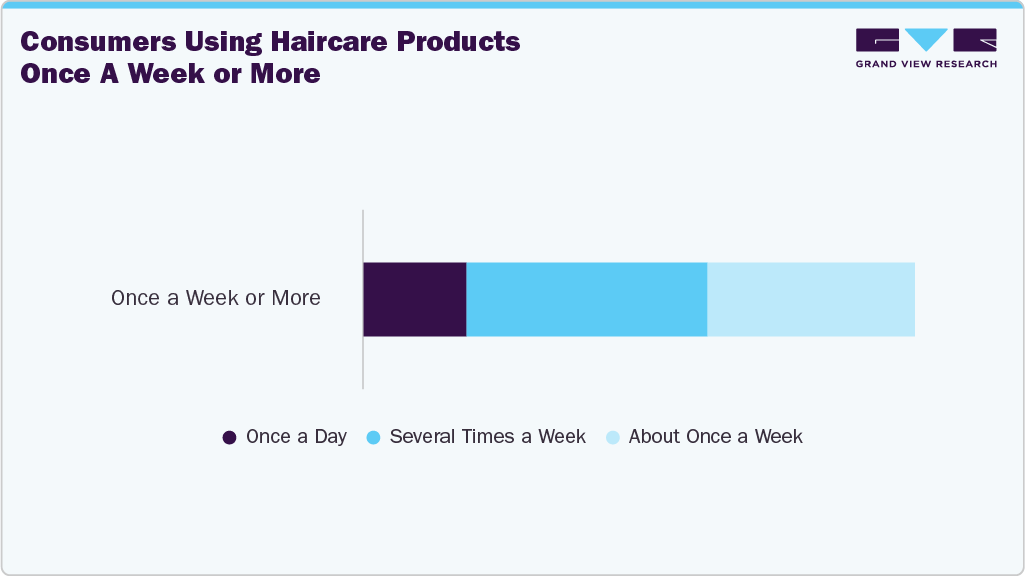
Consumers display a growing awareness of hair health, linked to the importance of scalp treatments. They lean towards curating a haircare routine suitable for their scalp, as 94 % of the consumers use hair care products once a week or more, of which 38% say they use them several times a week. While only 16% of them prefer to use it daily or once a day.
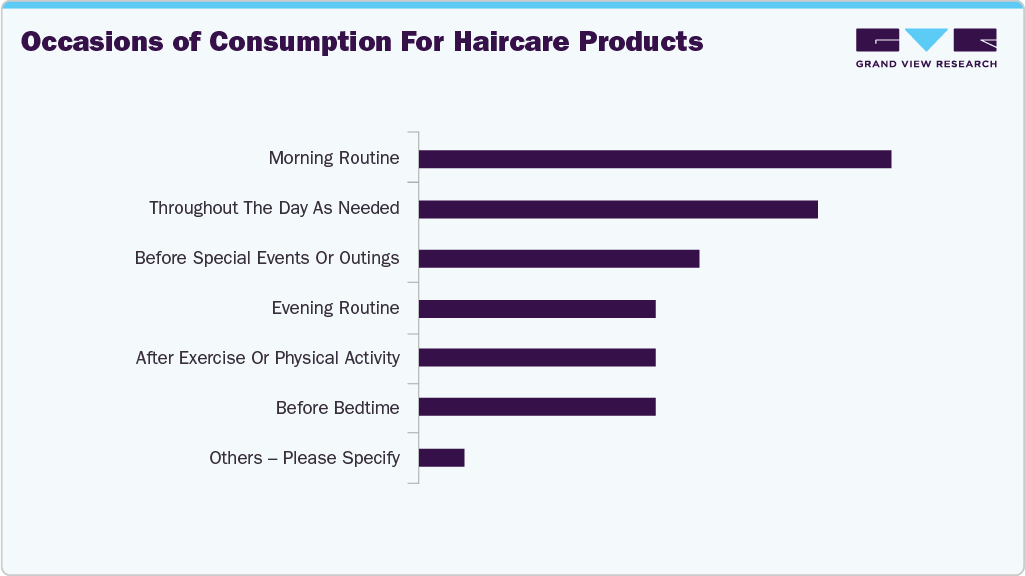
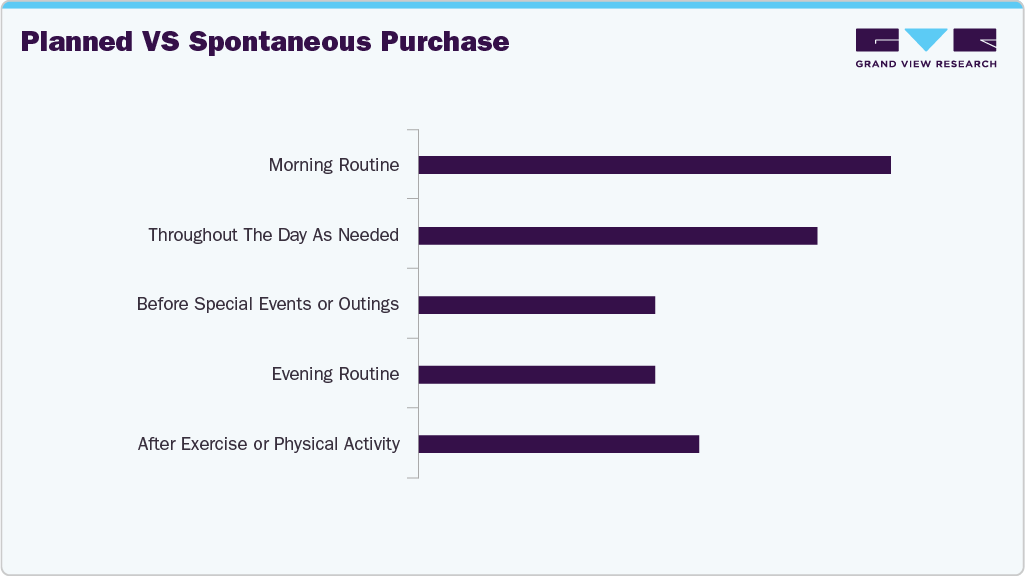
Haircare products are mostly used as part of a morning routine, followed by consumers also using them throughout the day as needed. While these are the most common occasions, there is an opportunity for brands to encourage the usage of haircare products as a part of the evening routine (current usage 16%) or after any physical activity (current usage 16%). This can be driven by highlighting the benefits of having a cleaner scalp after a sweaty workout, or a serum that is both gentle and beneficial for your scalp, and can be used as part of a morning and evening routine. Having said that, consumers associate using these products with having a haircare routine, introducing some consistency and pattern in their daily lives. They also feel that a good product promotes self-care by way of relaxation. However, consumers still raise concerns around the affordability of these products, followed by the presence of harmful chemicals that can potentially trigger allergies.
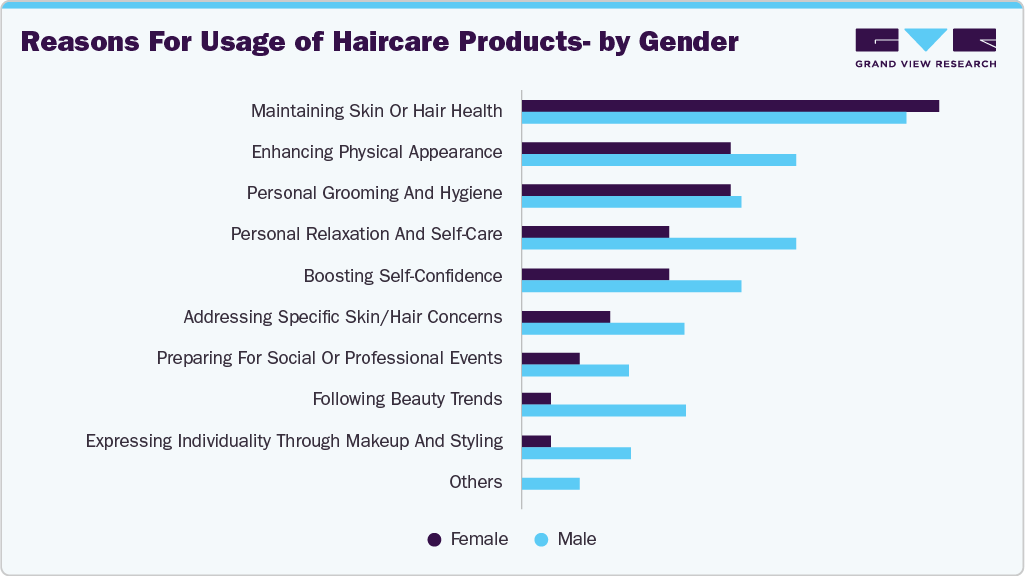
When it comes to reasons for using haircare products, females and males think somewhat alike. Maintaining hair health is the most important reason for both males and females. For males, enhancing physical appearance, personal relaxation, and self-care are the secondary reasons for using haircare products. While females consider personal grooming or hygiene, and enhancing physical appearance as the secondary factors. And what makes this purchase a delight are the visible results/improvements after using these products, the composition of natural ingredients, and ease of use. Brands are yet to fill a gap when it comes to the affordability of these products and the presence of unpleasant smell or texture that might lead to dissatisfaction among consumers.
Buying Behavior
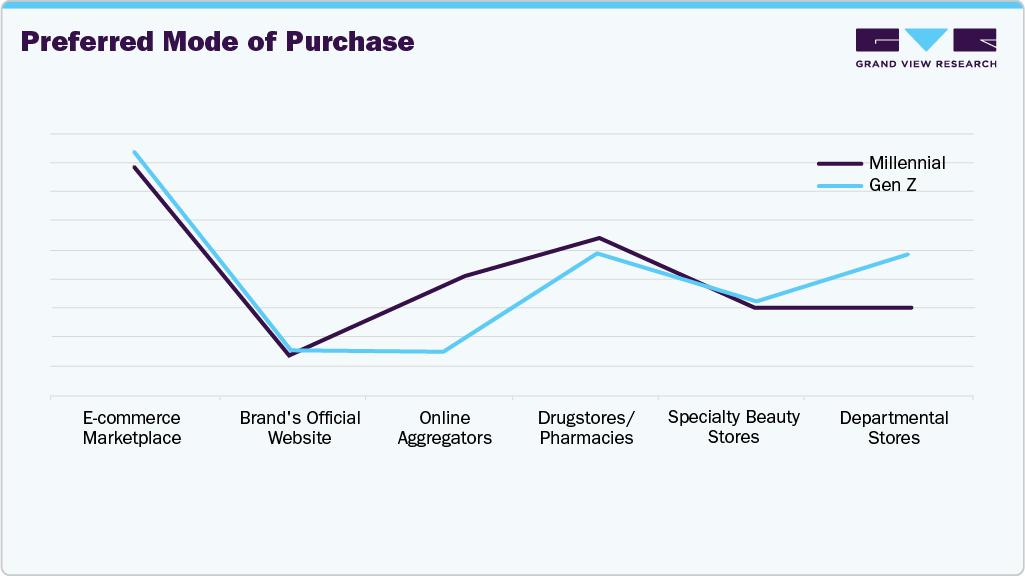
Before making any purchase, consumers prefer to accumulate some information about the product. The most sought-after points are its quality and effectiveness, followed by the brand’s reputation or trustworthiness. Lastly, the pricing of the product and its affordability. Since haircare products generally have higher volume offerings and last for a longer duration, consumers prefer to buy them once a month. Having said that, an e-commerce marketplace is the preferred mode of purchasing for both Millennials and Gen Z, followed by drugstores. Gen Z also prefers to purchase haircare products from department stores.
We can confidently state that haircare belongs to a more planned purchase category, as 8 out of 10 people say their purchase is planned, of which 46% of consumers quote it is always planned. There is a mix of spontaneity and a well-thought-out purchase for 11% of consumers, showcasing a window to leverage the impulse buying among consumers. These spontaneous purchases are commonly influenced by discounts and promotions, if any, and either celebrity endorsements or influencer recommendations.
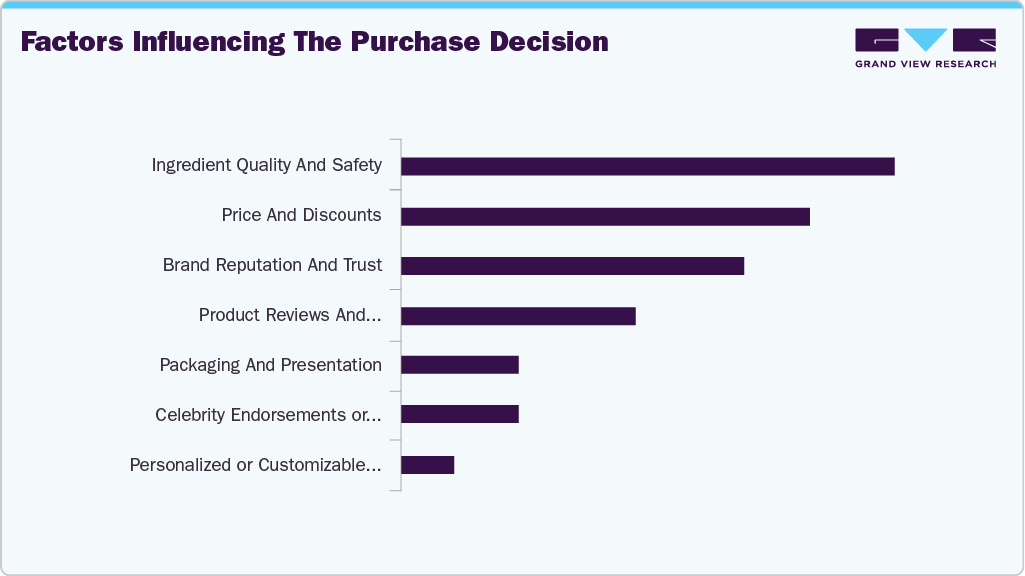
When deciding to purchase, several factors play a key role in influencing consumers. Some of these are the quality of ingredients used, the pricing of the product, and the discounts offered by the brand. A brand’s reputation also has a significant impact. Thus, brands must garner positive reviews and ratings, offer seasonal discounts and promotions, all the while leveraging positive word of mouth. These can be achieved by offering clear transparency of ingredients used, science-backed formulations, and reasonable pricing. Having said that, consumers face some challenges when purchasing any haircare product, such as limited availability of eco-friendly or sustainable options, being unable to find products suitable for a specific hair type, or identifying products without harmful chemicals, as these can cause skin irritation or trigger some allergies.
Brand Power Play (Brand Health and Performance)
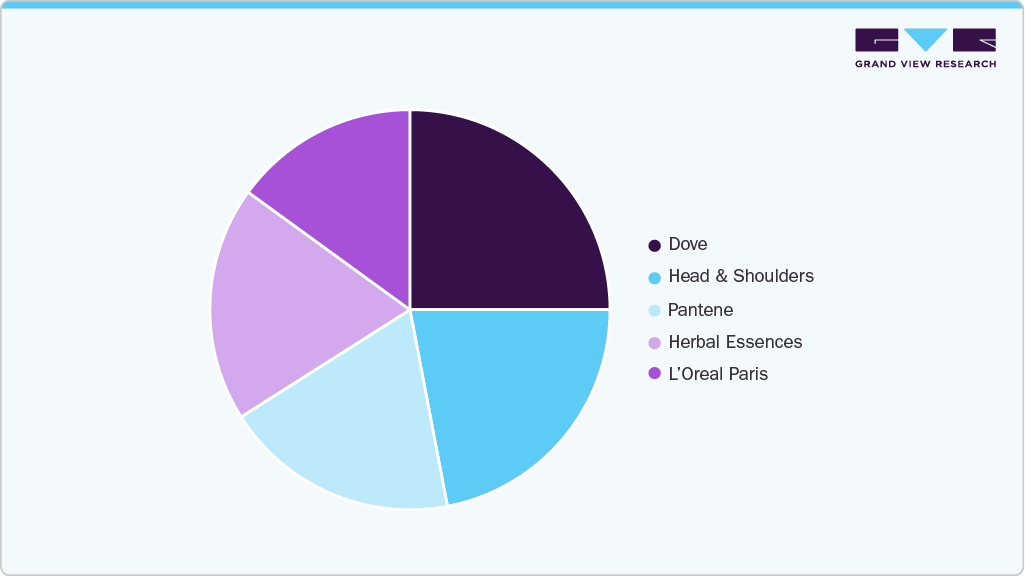
Some of the popular haircare brands in the UK include Dove, Head & Shoulders, Pantene, Herbal Essence, and L’Oréal Paris. Although the haircare industry is highly competitive, Dove dominates the market with a 51% market share (by awareness).
Purchase Funnel
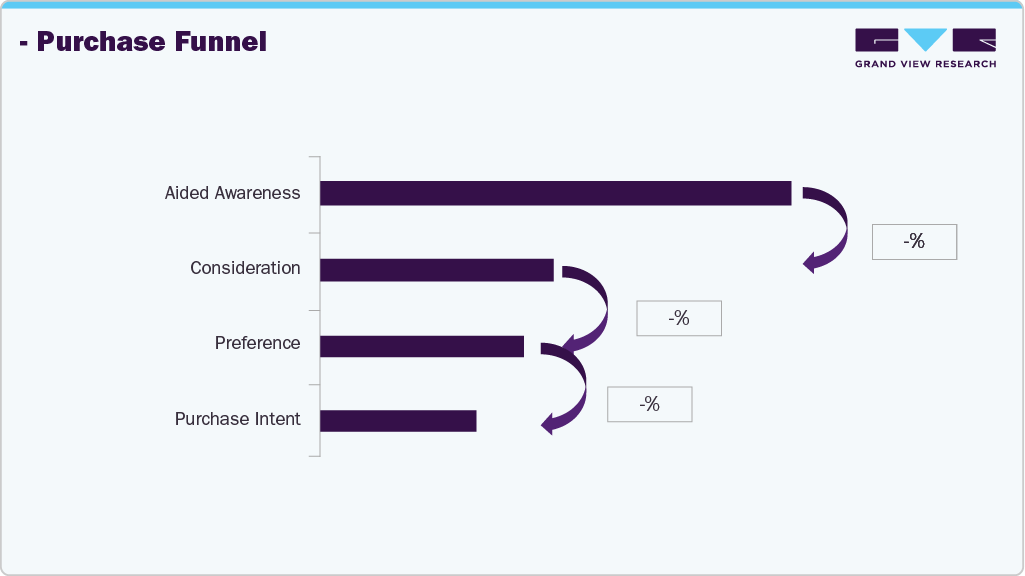
While many haircare brands enjoy high awareness in the UK, very few make it to the consideration and preference stage. Dove, being the market leader, exhibits a strong purchase funnel despite having a significant drop from the awareness to the consideration stage. In terms of consideration and preference, a brand that very closely follows Dove is Head & Shoulders and Herbal Essence. These brands, despite the growing competition and evolving consumers' needs, have retained their positions throughout the journey. Lastly, Dove again has a higher usage among consumers, followed by H&S and Herbal Essences. It is worth noting that Dove and Herbal Essences have a high repeat purchase trend vs any other brand, depicting brand loyalty, which is driven by a combination of factors, including their strong brand reputations, effective marketing, appealing scents, and targeted product lines. Additionally, consumers also show good satisfaction levels for Head & Shoulders and Herbal Essences, as Head & Shoulders is known for its anti-dandruff efficacy, while Herbal Essences caters to those seeking natural ingredients and a wider range of hair care options.
The overall NPS score of the leading brands varies from 0 to 60, with brands like Head & Shoulders having a higher NPS score (60) compared to other prominent brands in the UK market.
