UK Hand Care Products Consumer Insights - Usage, Attitudes, And Brand Performance Report
Introduction:
The global pandemic has driven a significant surge in the UK hand care market over the last couple of years, as more people prioritize hand health. Today, consumers are looking for products that offer protection, hydration, and cleanliness. Supermarkets, pharmacies, and online retailers now offer a broad selection of hand soaps, sanitizers, lotions, and treatments. There is a clear shift toward natural and sustainable options, with ingredients such as shea butter, aloe vera, and essential oils becoming increasingly popular. Furthermore, premium hand care products are being marketed as affordable indulgences, transforming hand care into a small luxury. Many consumers now give their hands the same level of attention and care as they do to their faces. Now, we will take a look at some market trends:
-
Preference for Dry Skin Treatments: Among the most sought-after characteristics in the hand care category are the products that specifically address dry skin. Growing awareness of skin health is reflected in this trend, especially considering the rise in handwashing and sanitizer use amongst the new-age consumers. To meet this need, companies are creating richer, more nourishing solutions that incorporate components such as ceramides, glycerin, and shea butter. Consumers are choosing products that deliver long-lasting moisture without irritating their skin and are increasingly prioritizing ingredient transparency and product efficacy.
-
On-the-Go Hygiene: The popularity of portable hand care products such as travel-sized sanitizers and wipes has surged due to the increased hygiene awareness in recent years. These compact, easy-to-carry options are ideal for travel, commuting, and outdoor activities. Brands are creating multifunctional products that not only sanitize but also moisturize, and cater to convenience without compromising skin care.
-
Natural Ingredients: Consumers are increasingly seeking hand care products with natural and organic ingredients, aligning with the clean beauty trend. This includes a preference for plant-based oils, botanical extracts, and ingredients such as aloe vera, shea butter, and coconut oil. Shoppers are paying closer attention to labels, prioritizing transparency and avoiding harsh chemicals that could irritate the skin. Brands that highlight sustainability and ethical sourcing of natural components are gaining stronger appeal among eco-conscious buyers.
Methodology:
The insights covered in this report are drawn from GVR’s ‘Voice of Consumer Survey’ and its periodic updates. The latest survey comprises 75,000+ consumer interviews across 20 countries and 100+ product categories. These insights are specifically catered to the brands operating in the hand care industry to guide them in their strategic decision-making process. This report provides insights covering category usage & attitude, buying behavior, brand performance metrics, and brand health indicators of leading players in the UK hand care market.
Chapter 1: Usage and Attitude
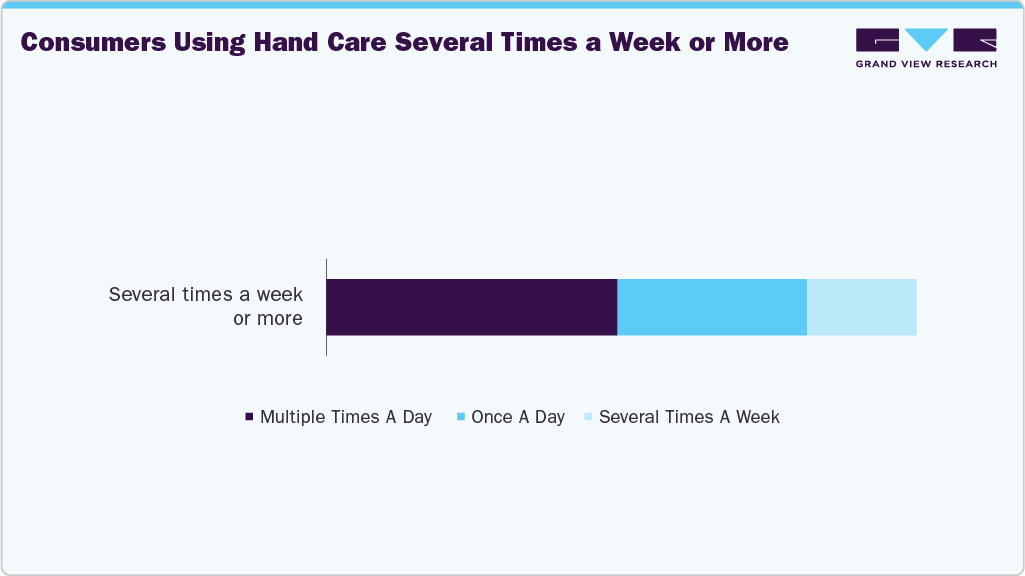
As personal hygiene continues to gain importance, hand care usage has also been gaining traction. Almost 6 out of 10 consumers use hand care at least once a day. Of which, 35% use it multiple times a day, highlighting a growing trend towards regular, mindful hand care.
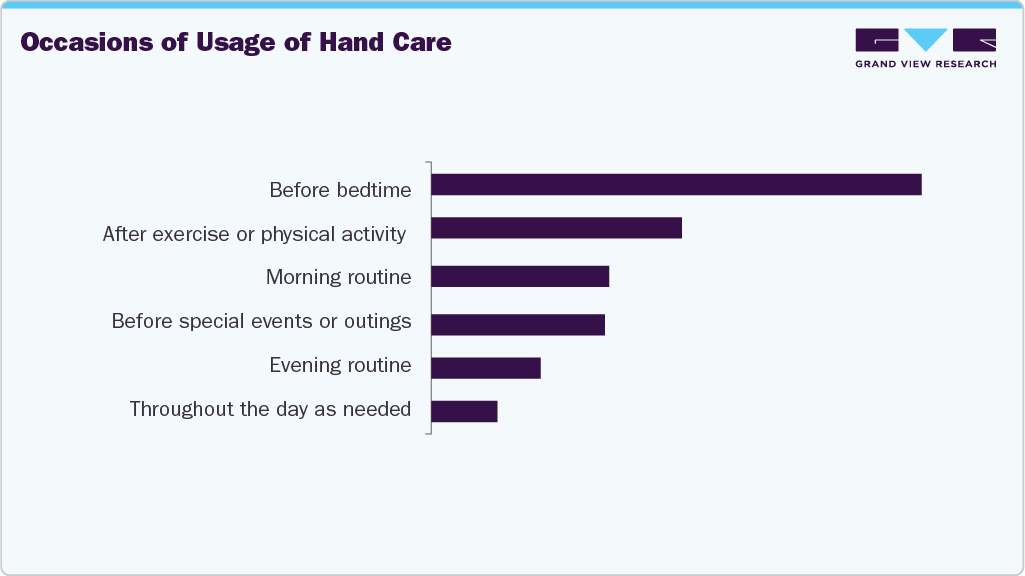
Hand care is most often used before bedtime, according to about 4 out of 10 consumers. Now, more and more people are also using it after exercise or physical activity because gyms are breeding grounds for germs, leading to increased handwashing and more hand sanitizer use. Consumers associate using hand care with self-care and relaxation. Keeping hands clean and moisturized is important not only for hygiene but also for maintaining soft, supple skin. In addition, hand care products are now infused with calming scents such as lavender and eucalyptus to promote relaxation and stress relief. It seems that the trend of using hand care products as a form of self-care is slowly continuing to grow in popularity.
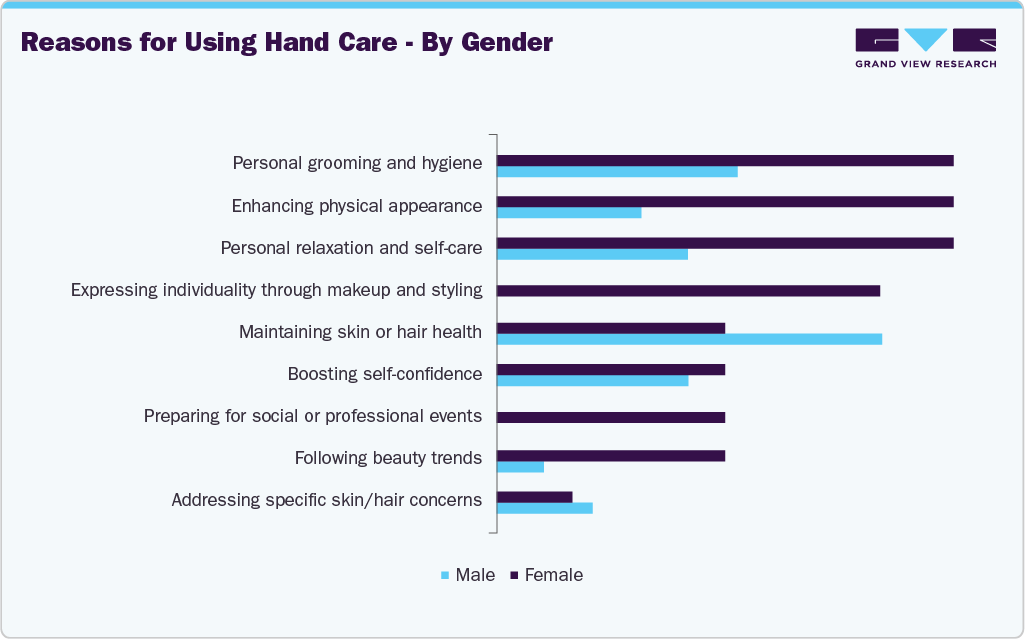
For women, preserving the health of their skin is a major motivator for using hand care products, whereas for men, personal grooming and hygiene are important considerations. In addition, enhancing physical appearance is a second motivator for men, and for women, grooming and hygiene are the secondary factors. Using hand care products not only helps women maintain the health of their skin, but it also allows them to feel confident and polished. On the other hand, men often use these products to improve their physical appearance and feel more put-together. Regardless of gender, the use of hand care products is crucial for maintaining overall hygiene and grooming routines.
With so many options and high prices, choosing the right hand care product can feel overwhelming, especially when consumers are unsure which one will deliver results. It is easy to get lost in flashy packaging and big promises, but your skin deserves more than just a guessing game. Products must simplify the process by offering carefully selected, effective products that are worth every penny. Because taking care of hands and skin should not be complicated — it should be comforting, reliable, and feel just right.
Buying behavior
When buying any hand care product, consumers consider a few factors: the product's quality and effectiveness, as well as the brand's reputation and trustworthiness. Followed by affordability and pricing, suggesting that efficacy and pricing go hand in hand for consumers. Transparency and ingredient safety are two additional crucial elements that are taken into consideration.
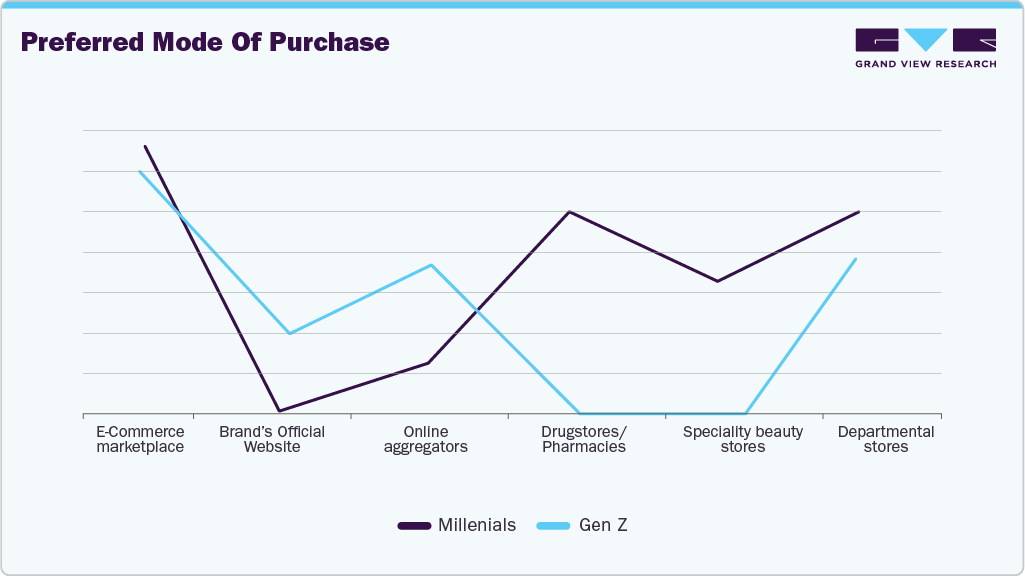
When we talk about preferred modes of purchase, the e-commerce marketplace is the most popular way to make purchases overall. Comparitively, more and more individuals are preferring to purchase goods and services online, making internet shopping a growing trend. E-commerce marketplaces are a popular alternative for many customers due to the ease of shopping from the comfort of their homes and the large selection of products offered. In addition, consumers now find it even simpler to make purchases while on the go, thanks to the proliferation of mobile shopping apps.
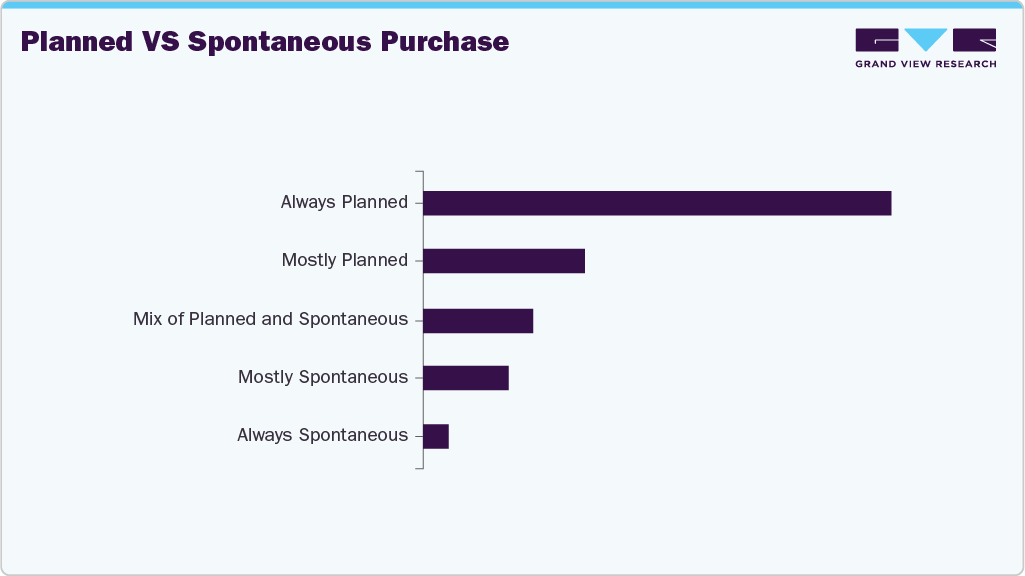
Given that 7 out of 10 respondents stated that their purchase was planned, and 13% stated that their purchase was either planned or spontaneous, depending on the various circumstances and offers, we can confidently state that hand care belongs to the more planned purchase category.
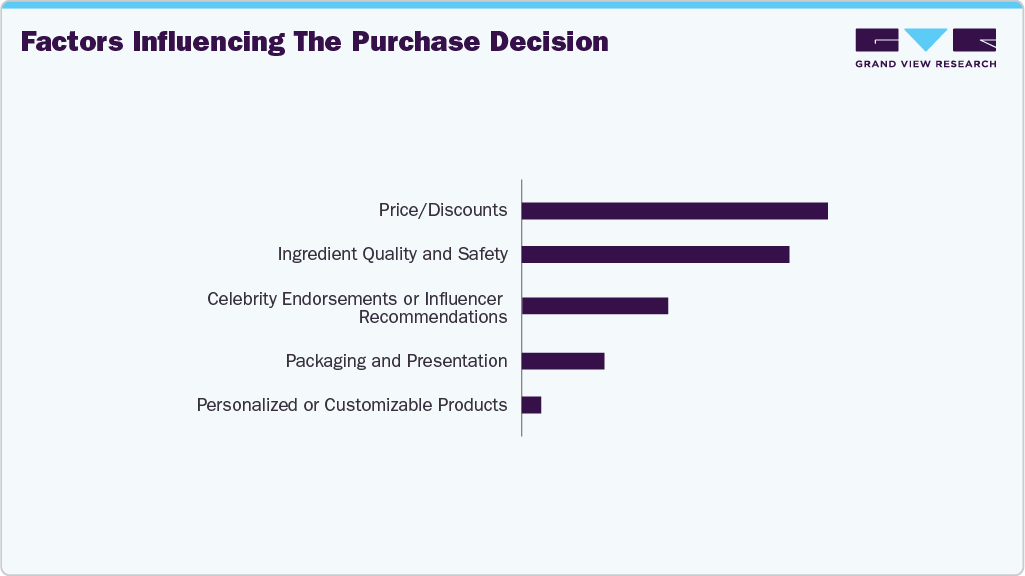
According to the survey, a significant percentage of participants stated that price and discounts are the primary factors that influence their decision to buy hand care, followed by ingredient quality and safety. Notwithstanding the growing demand, several barriers to purchasing a product still exist, such as a lack of product variety for specific needs and identifying products without harmful chemicals. The confusion around labeling and claims by different brands makes it difficult for consumers to confidently choose a product that aligns with their values and priorities. Despite these obstacles, the increasing awareness of the importance of hand care and overall wellness suggests that the market will continue to evolve and adapt to meet the needs of consumers.
Brand Power Play (Brand Health and Performance)
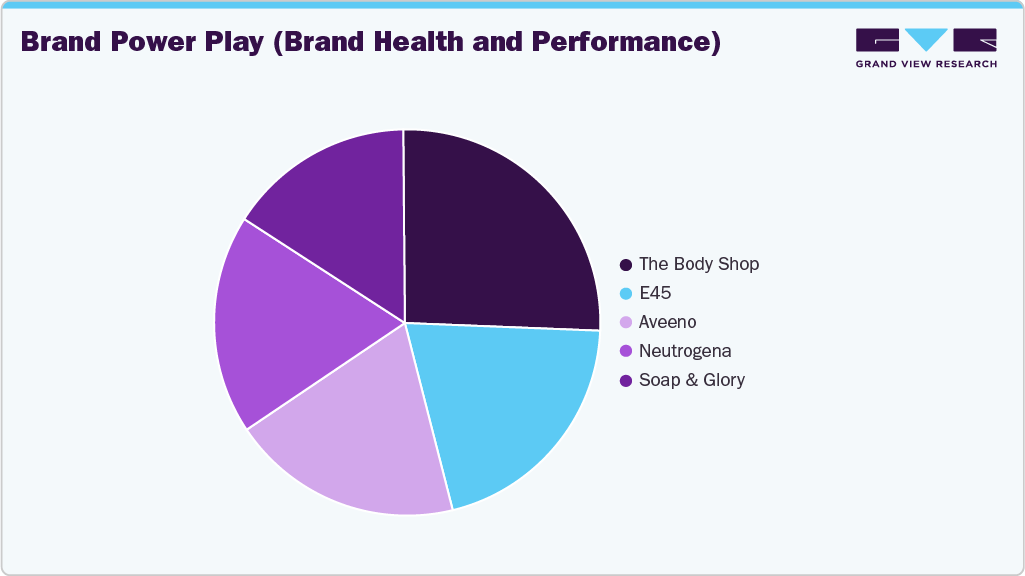
Some of the popular hand care brands in the UK include The Body Shop, E45, Aveeno, Soap & Glory, and Neutrogena. Although the hand care industry is very competitive, The Body Shop dominates the market with a 52% market share (by awareness).
Purchase Funnel
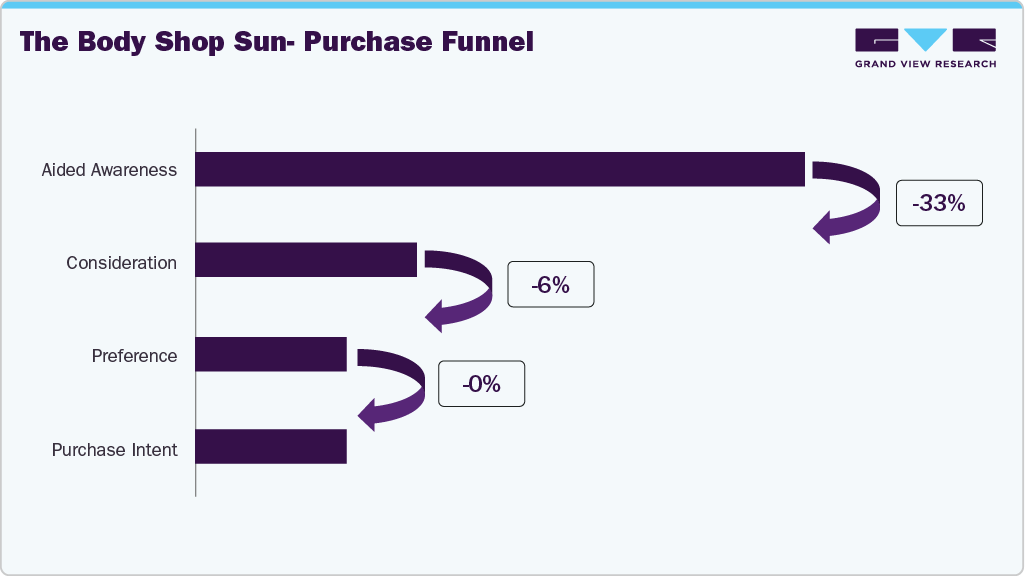
It is crucial to remember that, even though most hand care firms are well-known, only a small percentage are effective, and each one has a unique story from creation to use. The Body Shop, the industry leader, has a comparatively strong purchase funnel, despite a notable decline in the awareness-to-consideration stage. While The Body Shop manages to retain its top position in most stages of the funnel, Soap & Glory emerges on top in terms of preference. However, it takes a back seat at purchase intent, making The Body Shop a winner overall. Having said that, The Body Shop faces tough competition from Aveeno, Soap and Glory, and Neutrogena thanks to their long-standing presence. Aveeno and Neutrogena have a commendable global presence. When we talk about repeat purchase trends, The Body Shop, Soap & Glory, and Aveeno share the space with notable performances. However, when it comes to satisfaction, Aveeno is replaced by Neutrogena, whereas The Body Shop and Soap & Glory retain their position.
While the overall NPS score of the leading brands varies from -25 to 67, Soap & Glory leads the hand care industry with the highest NPS score (67) compared to other leading brands in the market.
