UK Handbags Consumer Insights - Usage, Attitudes, And Brand Performance Report
Introduction:
The UK handbag market in 2025 is experiencing significant transformations marked by increasing emphasis on sustainability, emerging digital technologies, and notable growth in the secondhand market. Heritage British brands like Mulberry and Burberry are pioneering the integration of recycled and sustainable materials into their collections, with transparent supply chains becoming a key differentiator. Digital innovation is reshaping the industry landscape through emerging technologies such as AI-powered authentication and blockchain-enabled provenance tracking, though applications like virtual try-ons are still in early adoption phases rather than being universally established. The secondhand designer bag market is expanding at a brisk pace, though it represents a growing segment of the overall market rather than dominating it entirely. Consumer preferences increasingly favor oversized totes, which remain the largest revenue-generating style, though satchels are emerging as the fastest-growing category. British heritage craftsmanship continues to attract renewed consumer interest, and customization through AI-driven personalization is becoming an increasingly popular offering as brands seek to differentiate themselves. While NFT authentication certificates represent an emerging trend within luxury handbags, adoption remains selective rather than comprehensive across the market.
Here are some of the market trends dominating the UK handbags market:
-
Sustainable Luxury: The UK handbag sector has reframed sustainability as a premium feature, with luxury brands replacing traditional leathers with innovative plant-based alternatives derived from mushrooms, pineapple waste, and apple peels. This shift goes beyond materials to encompass transparent supply chains and carbon-neutral manufacturing processes, with brands like Mulberry Achieving B Corp certification. Consumers increasingly view sustainable construction as a mark of quality worth paying premium prices for, driving established houses to compete with eco-focused start-ups in developing innovative, environmentally responsible products.
-
Digital Authentication Revolution: Counterfeit concerns have spurred a technological arms race in UK handbag authentication, with blockchain certification, NFC chips, and digital passports becoming standard for premium purchases. These technologies enable consumers to verify provenance via smartphone apps while creating ongoing relationships between brands and customers through ownership tracking. The most successful implementations offer additional benefits beyond security, including warranty management, care recommendations, and resale value tracking, effectively transforming traditional handbags into tech-enhanced accessories with digital lifespans.
-
Size-Specific Functionality: The polarization between oversized carryalls and micro-bags reflects divergent consumer priorities, with larger options increasingly incorporating sophisticated organizational features such as dedicated tech compartments, biometric locks, and built-in power banks. Meanwhile, micro-bags emphasize statement hardware, innovative closures, and conversation-starting designs to maximize their symbolic rather than practical value. Successful brands now design specifically for these extremes rather than scaling existing designs up or down, recognizing that each size category serves fundamentally different consumer needs and usage contexts.
-
Heritage Reinvention: British handbag heritage has become a powerful marketing asset as consumers seek authentic craftsmanship with contemporary relevance. Traditional houses are strategically reviving archive designs while incorporating modern functionality and sustainable practices to appeal to younger demographics without alienating core customers. This trend extends beyond established luxury brands, with emerging designers explicitly referencing British manufacturing traditions while subverting them through unexpected materials, bold colourways, and contemporary silhouettes, creating products that feel simultaneously familiar and innovative.
Methodology:
The insights covered in this report are drawn from GVR’s ‘Voice of Consumer Survey’ and its periodic updates. The latest survey represents 75,000+ consumer interviews conducted across 20 countries for 100+ product categories. These insights are specifically catered to the brands operating in the Handbags industry to guide them in their strategic decision-making process. This report provides insights covering category usage & attitude, buying behavior, brand performance metrics, and brand health indicators of leading players in the UK handbags market.
Chapter 1: Usage and Attitude
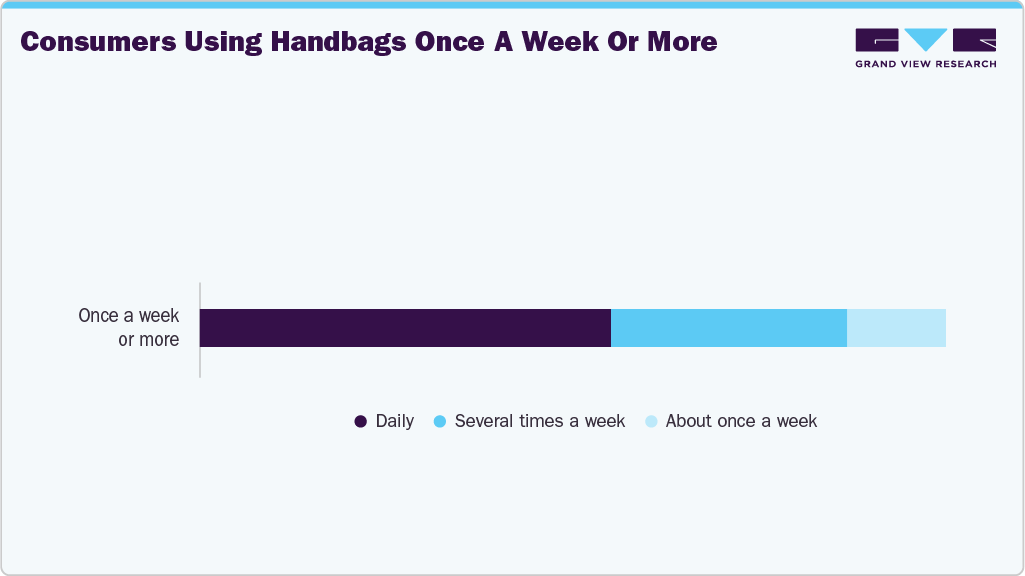
Over half of UK consumers (67%) use handbags daily or several times a week, highlighting their importance in everyday life, whether for work, shopping, or social outings. This regular usage reflects how essential handbags are for carrying essentials like phones, wallets, and cosmetics. Many consumers use handbags as part of their wardrobe rotation and share them for special occasions or regularly with family and friends.
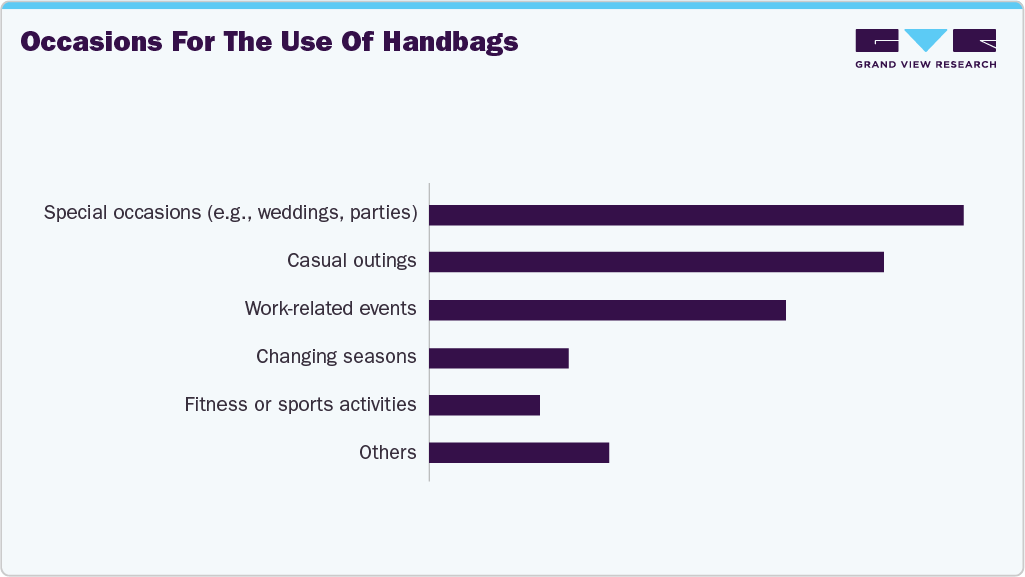
In the UK, handbags are most commonly used at special occasions (54%), like weddings, parties, or formal dinners, where stylish clutches or elegant shoulder bags complement the outfit. They are also popular at work-related events such as meetings or conferences, where structured totes or satchels add a professional touch, and casual outings like shopping or meeting friends, where cross-body or hobo bags are practical choices. Handbags often help express personal style and fashion preferences, making users comfortable and confident. However, high costs for quality designer options and discomfort from ill-fitting styles remain notable drawbacks.
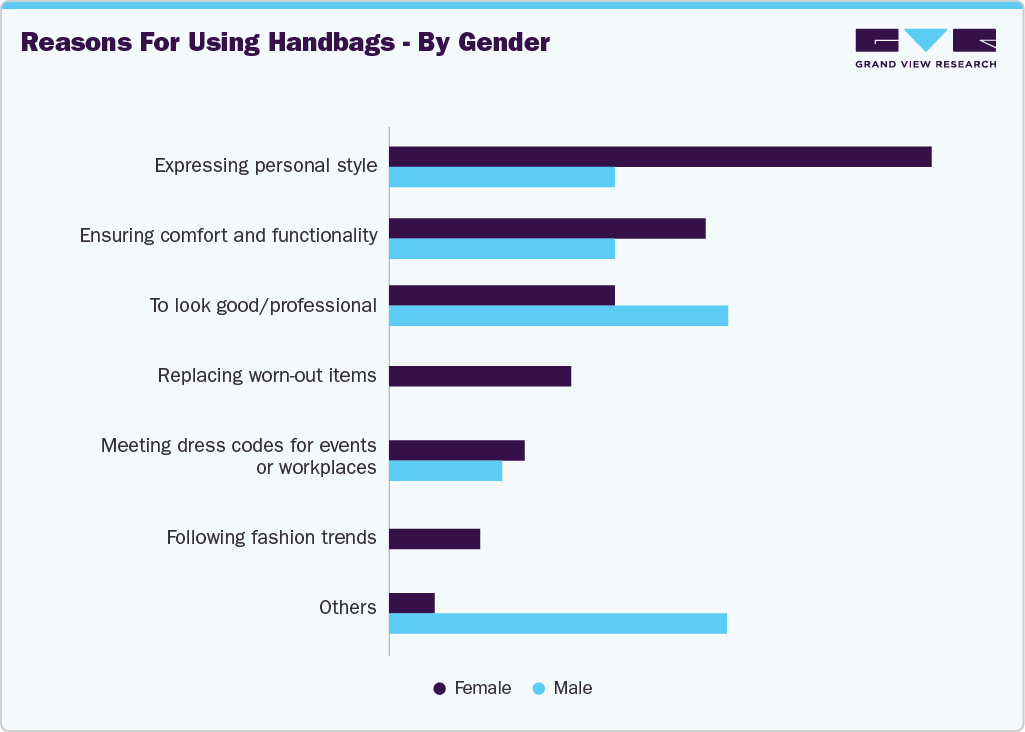
Women primarily use handbags to express personal style and ensure comfort and functionality, often choosing stylish totes for daily use or chic clutches for events. Men, on the other hand, prioritize looking good or professional and cite “other” practical reasons, such as carrying work essentials or tech accessories. A well-made handbag offers good value for money and long-lasting durability, making the purchase feel worthwhile. However, a high price that doesn’t match the quality or poor workmanship can lead to disappointment.
Buying Behavior
Before purchasing a handbag, UK consumers prioritize comfort and fit, and price-to-value ratio, followed by material quality and durability, for example, opting for a leather tote that feels good to carry and lasts long. While brand reputation and exclusivity matter to some, functionality and lasting quality remain top decision drivers. Most consumers buy a handbag once every two years due to durability, though fashion-conscious buyers also enjoy quarterly purchases to stay on trend.
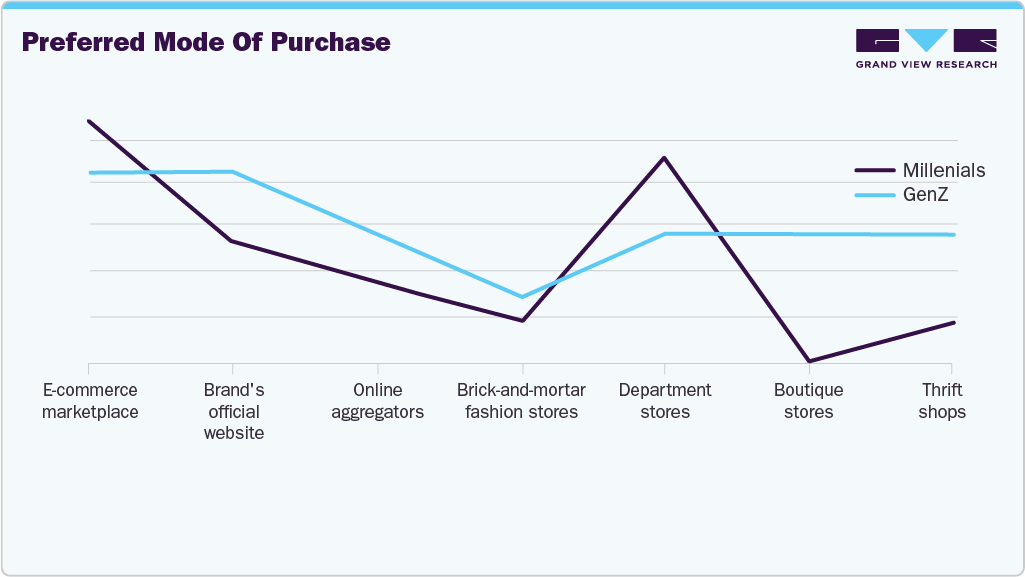
Millennials prefer fashion e-commerce marketplaces and department stores for variety and trusted brands, while Gen Z shows equal interest in official brand websites and boutique or thrift shops for unique, expressive finds and sustainable choices. Both groups value convenience, selection, and alignment with personal values when shopping.
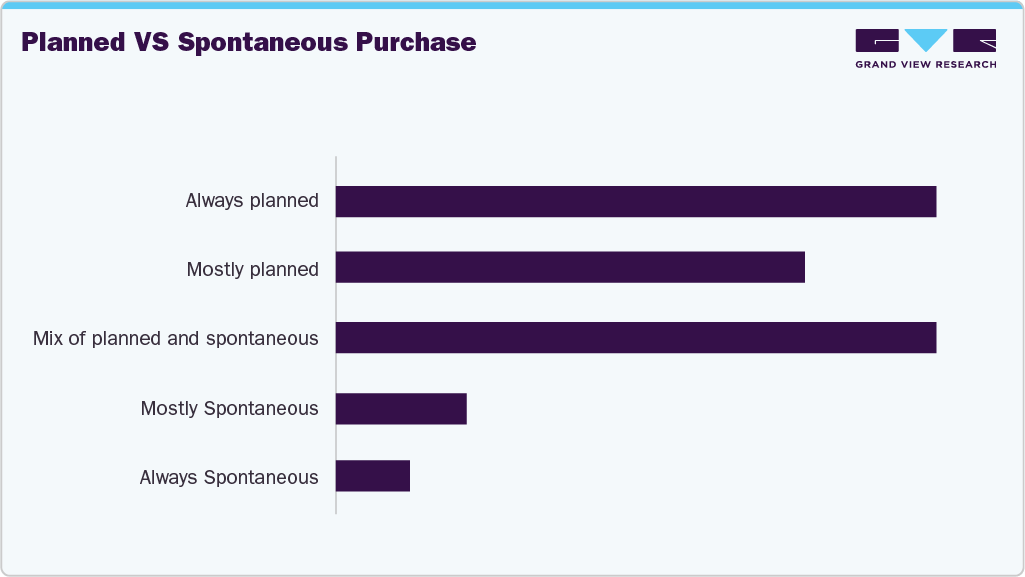
Handbag purchases in the UK are largely planned, with 57% of consumers considering needs like upcoming events, work requirements, or replacing an old bag, such as buying a new tote for a job or a clutch for a wedding. However, 32% make both planned and spontaneous purchases, often influenced by sales, trends, or seasonal changes. Unique designs and exclusivity often trigger spontaneous buys, especially when consumers come across limited-edition or eye-catching styles.
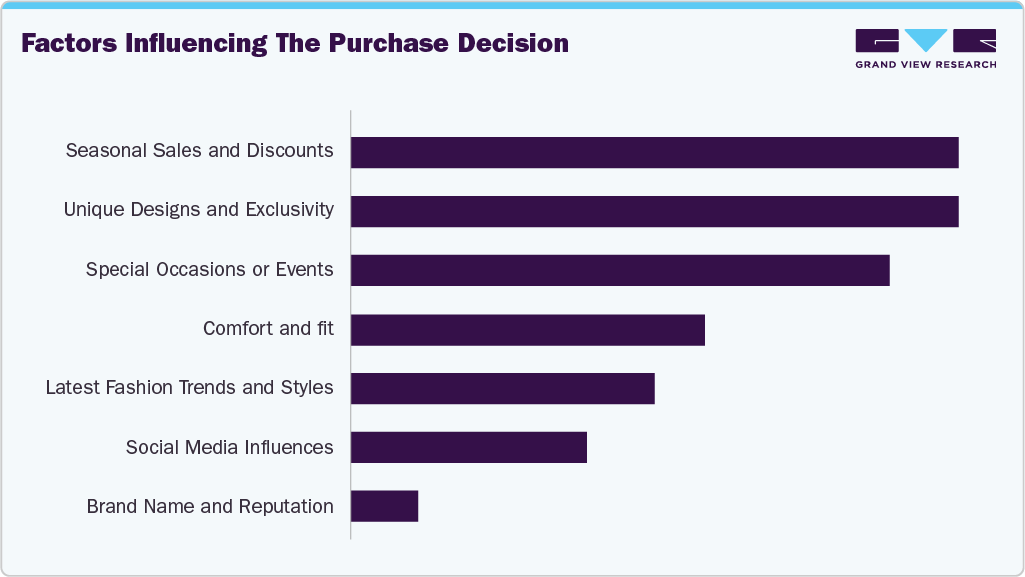
Seasonal sales and unique designs are the top immediate triggers for handbag purchases in the UK, as shoppers are drawn to attractive deals and limited-edition styles, like a discounted cross-body bag or an exclusive designer clutch. Special occasions and comfort, and fit also drive purchases, especially when preparing for events or everyday use. Social media also plays a growing role, with 14% influenced by trends or celebrity endorsements seen on platforms like Instagram or TikTok. Additionally, only 4% are triggered by brand name alone, indicating that consumers now prioritize value, design, and functionality over logos when choosing handbags. High prices for quality items and the lack of sustainable or ethically made options remain key pain points. Online reviews and ratings strongly influence decisions by helping consumers assess quality and authenticity, especially as 82% are brand-conscious and prefer shopping through online fashion retailers and department stores.
Brand Power Play (Brand Health and Performance)
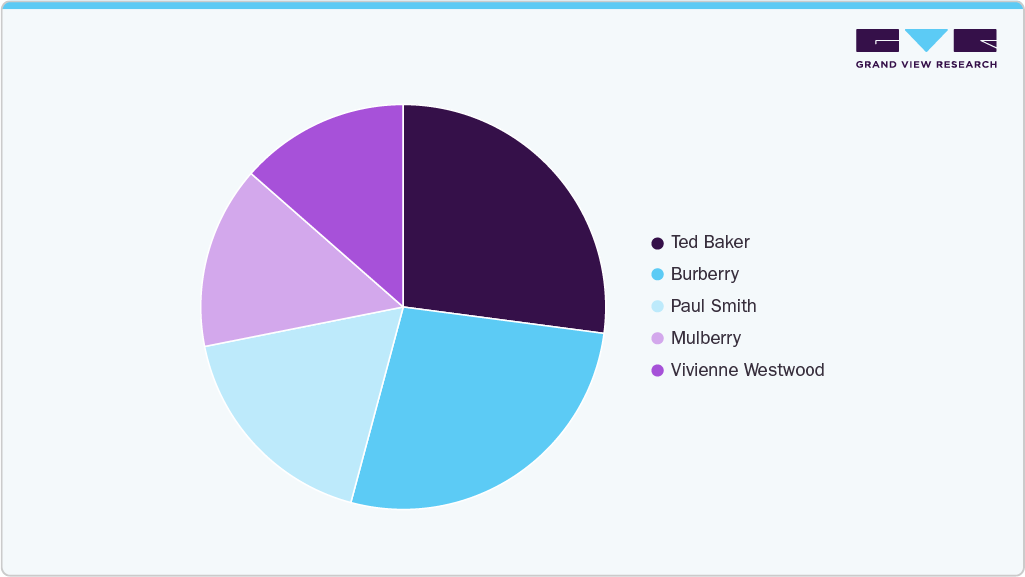
Though the UK handbag market is very competitive, Mulberry, Burberry, Vivienne Westwood, Ted Baker, and Paul Smith have a strong presence and high brand awareness, with Ted Baker and Burberry equally leading in aided brand awareness, with 46% market share.
Purchase Funnel
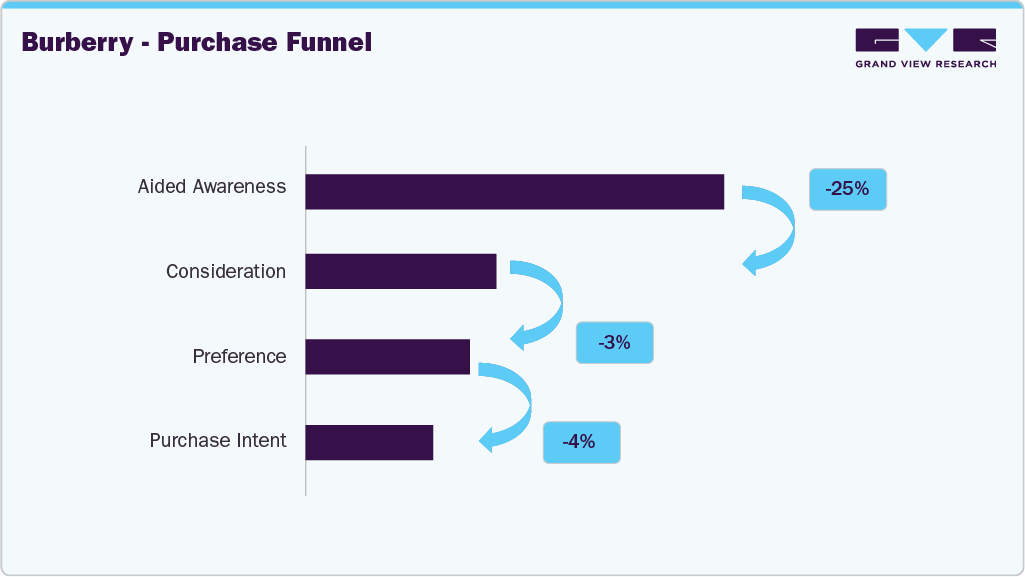
While many brands manufacturing handbags enjoy high awareness in the UK, very few make it to the consideration and preference stage. Burberry shows higher consideration than Ted Baker, thus exhibits a strong purchase funnel despite having a significant drop from the awareness to the consideration stage of the funnel. Burberry holds higher consideration than Ted Baker in the UK due to its strong global luxury brand image, iconic heritage, and reputation for high-quality craftsmanship. It leads the market with the highest share in all the stages of the purchase funnel due to its established legacy as a British luxury brand known for quality, craftsmanship, and iconic designs like the trench and check pattern. Its strong brand equity, global recognition, and alignment with both heritage and modern fashion trends make it a top choice for consumers seeking prestige and style. It is worth noting that Ted Baker enjoys high consideration thanks to its stylish, contemporary designs and strong footprint in UK fashion, making it a go-to for consumers seeking fashionable yet accessible handbags. While it may not carry the same luxury image as brands like Burberry, its affordability and wide availability make it a popular and practical choice for everyday use. Paul Smith and Sophie Hulme show good performance in the purchase funnel due to their unique design aesthetics, quality craftsmanship, and appeal to consumers seeking distinctive yet premium British brands. Consumers are purchasing handbags primarily from Burberry and Ted Baker due to a high satisfaction level and demand for repurchase.
The overall NPS score of the leading brands varies from 0 to 100, with Paul Smith having the highest NPS score (100) compared to other handbag brands in the UK market. Paul Smith is recommended in the UK for handbags due to its blend of playful British design, quality materials, and strong brand heritage that appeals to fashion-forward yet sophisticated consumers. Additionally, Burberry and Ted Baker are also equally recommended in the UK for their strong brand recognition and distinctive styles, but follow Paul Smith as they cater more to either luxury (Burberry) or accessible fashion (Ted Baker), while Paul Smith strikes a balanced appeal with unique design, quality, and versatility.
