UK Headwear Consumer Insights - Usage, Attitudes, And Brand Performance Report
Introduction:
The UK headwear market in 2025 shows significant evolution from functional items to fashion statements reflecting sustainability and inclusivity trends. Climate concerns have boosted demand for dual-purpose headwear offering both sun protection and weather resistance. Nike's "Move to Zero" recycled polyester caps exemplify the sustainability shift, while their Liberty London collaboration bridges athletic function with high fashion. Adidas' "Primeblue" line, utilizing ocean plastic, and their Stella McCartney biodegradable caps have captured eco-conscious consumers. Puma's RE has established a strong market presence through recycled materials and bold designs. Reebok successfully combined social activism with fashion through their "Human Rights Now!" limited-edition pieces. New Balance disrupted traditional offerings with their "Green Leaf" certified sustainable headwear, combining performance features with environmental responsibility. Post-pandemic "dopamine dressing" continues driving sales of vibrant, mood-enhancing headwear across all segments. Direct-to-consumer models have reshaped distribution channels, with major sportswear brands expanding their online presence and personalization options. Here are some of the market trends dominating the UK headwear market:
-
Athleisure Influence: The rise of athleisure has transformed headwear into a versatile and functional accessory, with Nike's Tech Fleece beanies and Puma's lightweight caps being bestsellers among Gen Z and millennials. These designs are breathable, sweat-wicking, and stylish, transitioning seamlessly from the gym to the high street. Adidas has capitalized on this demand with its Trefoil caps, blending heritage styling with modern materials. The growing demand for performance-driven fashion has made athleisure a dominant force in the UK market.
-
Sustainability Revolution: Major athletic brands have shifted their headwear strategies to address environmental concerns. Nike's "Move to Zero" initiative has led to a sales increase in sustainable headwear. Meanwhile, Adidas' "PRIMEBLUE" line uses recycled coastal plastic waste yarn, resulting in high growth year-over-year. These changes are driven by consumer research showing that many UK millennials now consider sustainability when purchasing athletic accessories. Puma has also introduced biodegradable cap packaging and plant-based dyes in 2023, highlighting the industry's trend towards circular fashion and responsible sourcing.
-
E-commerce Expansion: The UK's headwear market has seen a surge in online shopping, particularly post-pandemic, with platforms like Amazon, ASOS, and brand-owned sites becoming popular. Millennials and Gen Z prefer digital convenience, personalized recommendations, and exclusive online drops. Nike and Adidas have optimized their websites with features like virtual try-ons and AI-driven sizing tools, improving conversion rates. Puma has collaborated with Secret Sales to offer limited edition pieces, while Reebok focuses on D2C platforms for loyalty discounts and bundles.
-
Retro Revival: Headwear from the 1980s and 1990s is one example of how UK customers are changing their fashion scene using retro aesthetics. With their striking Trefoil emblems, vintage embroidered visors, and heritage wool beanies, brands like Adidas Originals, Reebok, and New Balance are drawing devoted fans. Gen Z's passion for vintage clothing and the growth of online marketplaces such as Vinted and Depop are the main drivers of this trend. These firms are using archival designs to stand out and provide sentimental value.
Methodology:
The insights covered in this report are drawn from GVR’s ‘Voice of Consumer Survey’ and its periodic updates. The latest survey represents 75,000+ consumer interviews conducted across 20 countries for 100+ product categories. These insights are specifically catered to the brands operating in the headwear industry to guide them in their strategic decision-making process. This report provides insights covering category usage & attitude, buying behavior, brand performance metrics, and brand health indicators of leading players in the UK headwear market.
Chapter 1: Usage and Attitude
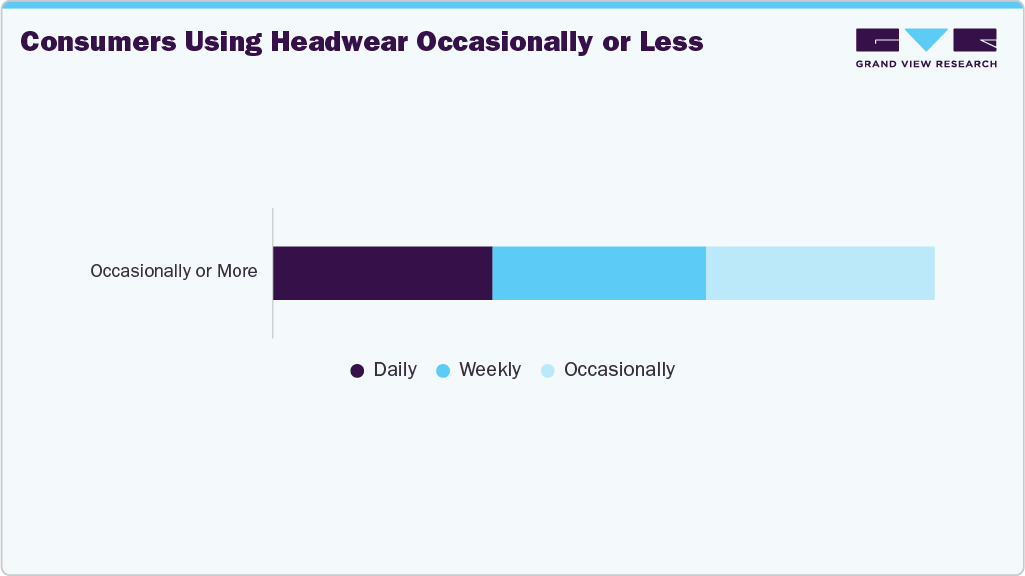
In the UK, around 33% of headwear users use it occasionally, such as sunhats in summer or beanies in winter, for protection and comfort. Some wear it weekly, like sports caps or casual hats for outings. About 23% of people use headwear daily, often as part of a routine or work attire. Most individuals use headwear primarily for personal wardrobe rotation, valuing fit, hygiene, and personal style. Occasional sharing happens during special events, like lending a fascinator for a wedding or a themed party.
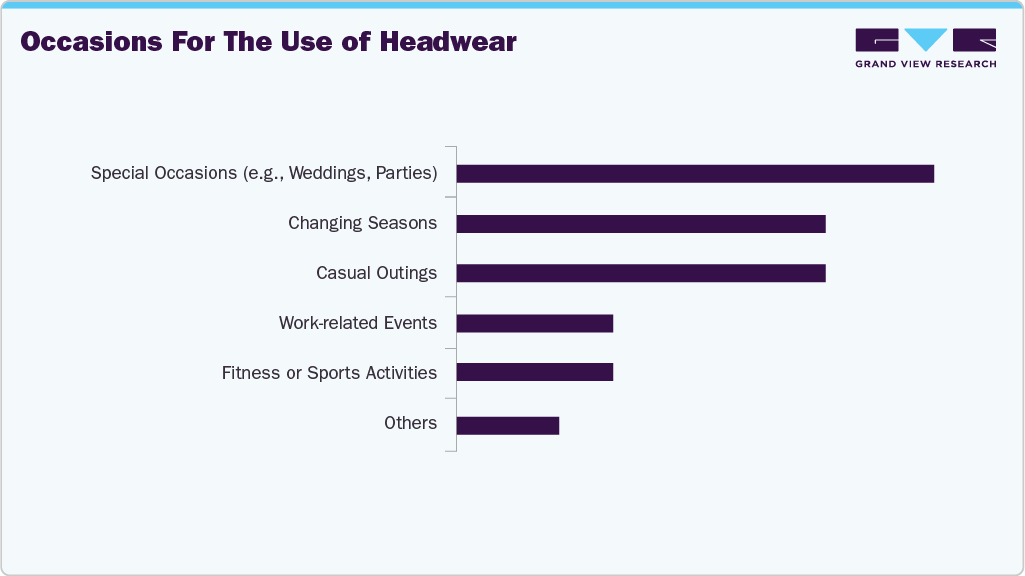
Headwear is often worn at special occasions such as weddings and parties, where fascinators or elegant hats add a touch of tradition and style. Changing seasons prompt people to wear beanies in winter or sunhats in summer for comfort and protection. Casual outings see a rise in caps and bucket hats, offering both function and fashion. Work-related settings may require specific headwear, such as uniforms in hospitality or ceremonial roles. Sports and fitness activities also involve headbands or caps to manage sweat and enhance performance. The right headwear can complete an outfit, boost confidence, and reflect personal style and fashion preferences. It helps individuals feel put-together and express their unique identity. On the downside, some headwear trends don’t suit every personal style or body type, making them hard to adopt. High prices for designer or high-quality headwear can also discourage many from purchasing.
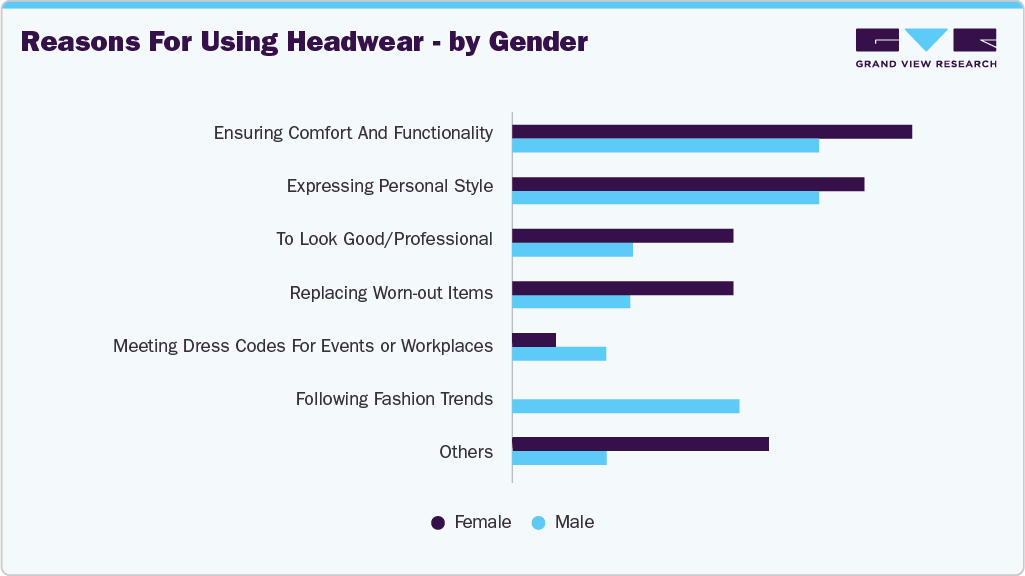
Women often wear headwear for comfort and functionality, such as warm beanies in winter or sunhats during summer outings. Both genders use hats to express personal style, like pairing a stylish fedora or cap with a casual outfit. Women also wear headwear to look polished or professional, for example, at formal events. Men, more than women, follow fashion trends, often choosing branded caps or bucket hats. Replacing worn-out items is a shared practical reason, with both opting for durable, reliable pieces. Purchasing headwear that offers good value for money or features unique designs, like limited-edition caps or handmade hats, makes the experience satisfying. These items feel special and worth the investment. However, poor quality or careless workmanship can make a hat fall apart quickly, leading to regret. An uncomfortable fit or irritating materials, such as tight bands or itchy fabrics, also cause disappointment.
Buying Behavior
Comfort and fit are the top priorities when buying headwear, as the right size ensures ease of wear and confidence, like a well-fitted beanie for daily use. Price and value for money are equally important, with consumers looking for durable, stylish options that justify the cost. Material quality and durability matter, especially for weather-appropriate items such as waterproof caps or wool hats. Unique designs also attract attention, allowing buyers to stand out with exclusive styles. Consumers likely purchase headwear once a quarter or every six months due to seasonal changes or the need to replace or update styles occasionally.
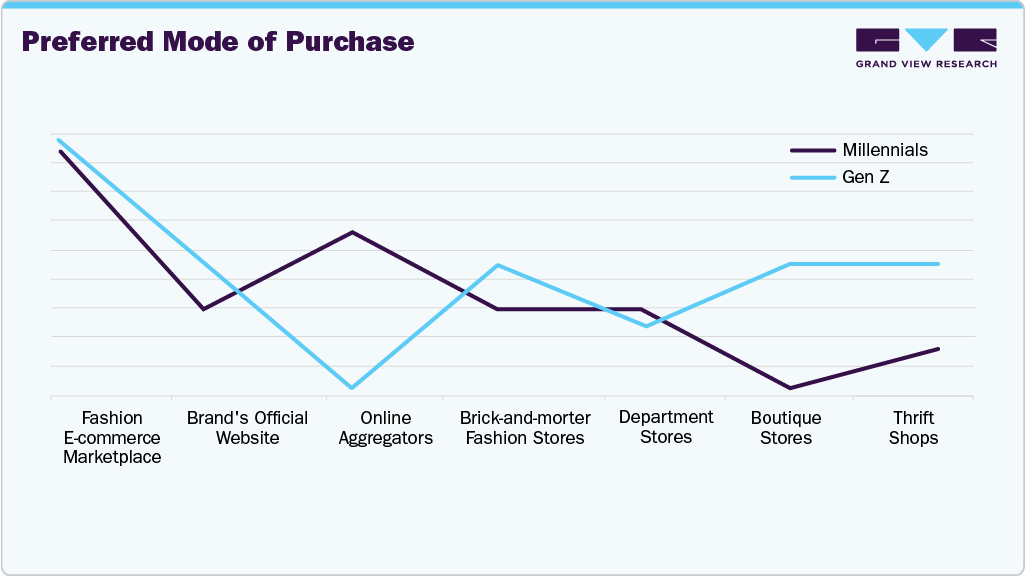
Millennials and Gen Z prefer online fashion e-commerce marketplaces for variety, convenience, and deals. Gen Z also leans toward boutique and thrift stores for unique, sustainable fashion choices. Department stores remain a trusted option for trying on items and ensuring quality before purchase.
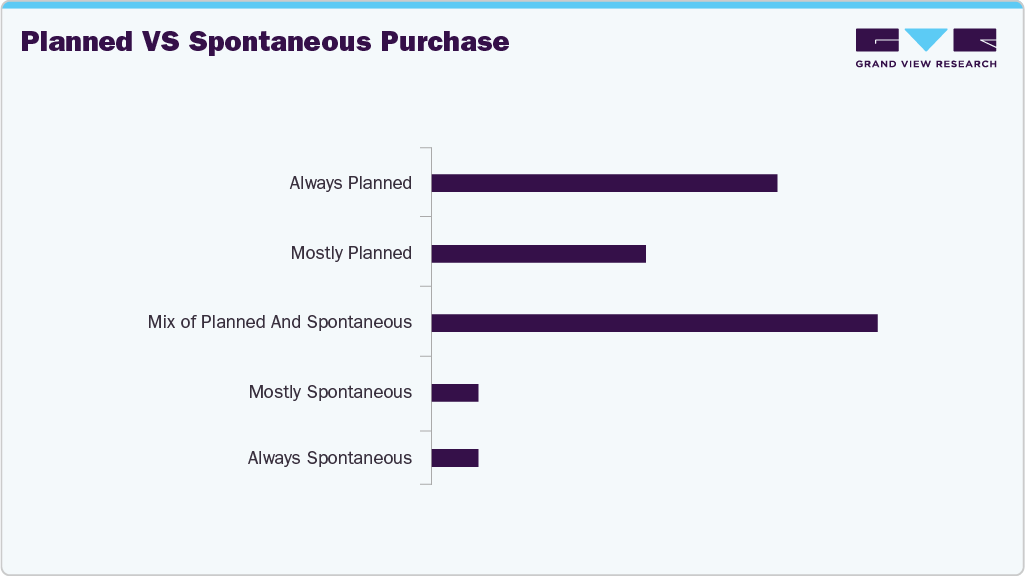
Headwear purchases are often a mix of planned and spontaneous decisions, with 44% of consumers falling into this category. Many people plan their purchases for specific needs, such as a formal hat for a wedding or a warm beanie for winter, making up the 30% who always plan. Others, around 19%, mostly plan based on seasonal requirements or wardrobe updates. Spontaneous purchases often happen when consumers spot a trendy cap or a sale item they didn’t intend to buy. Only a small percentage, 4%, make headwear purchases purely on impulse. This balance reflects how headwear serves both practical needs and fashion desires.
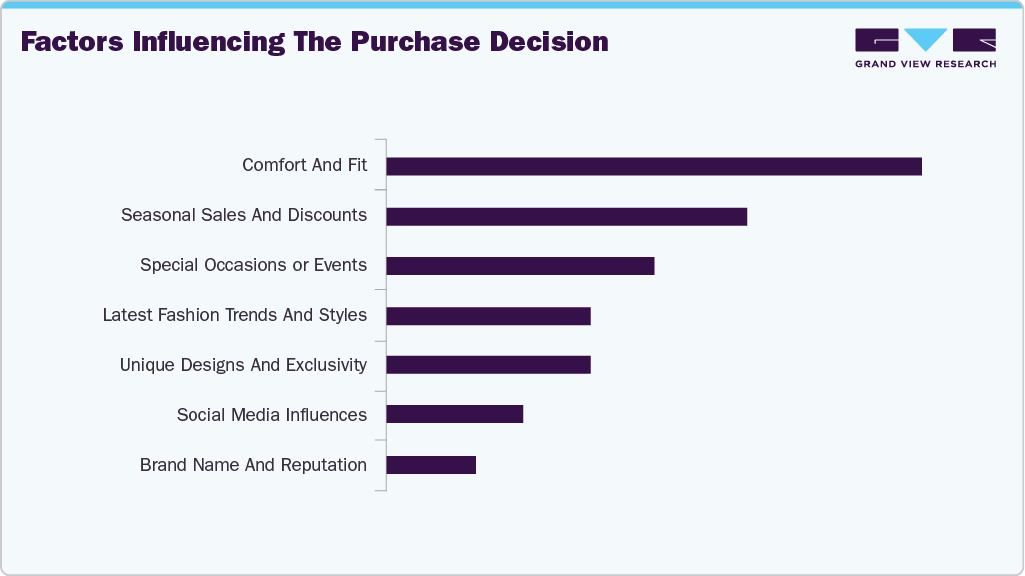
Comfort and fit are the strongest immediate triggers for purchasing headwear, as consumers prioritize practicality, like a snug beanie for winter or a breathable cap for summer. Seasonal sales and discounts also drive quick decisions, offering value for money during promotional periods. Special occasions, such as weddings or themed parties, push consumers to buy stylish or formal hats. Unique designs and exclusivity attract attention, especially among fashion-forward individuals. Latest trends seen on celebrities or influencers prompt spontaneous purchases for those wanting to stay current. High prices for quality headwear and a lack of sustainable or ethically produced options remain major consumer concerns. Online reviews and ratings significantly impact decisions by providing reassurance on quality, fit, and value. Around 80% of UK consumers are brand conscious, often choosing labels they trust or admire. Department stores are preferred for their wide selection and the ability to try on items before buying. Boutique stores appeal to those seeking exclusive, stylish, or designer headwear. Both offer a tactile shopping experience that builds confidence in purchase choices.
Brand Power Play (Brand Health and Performance)
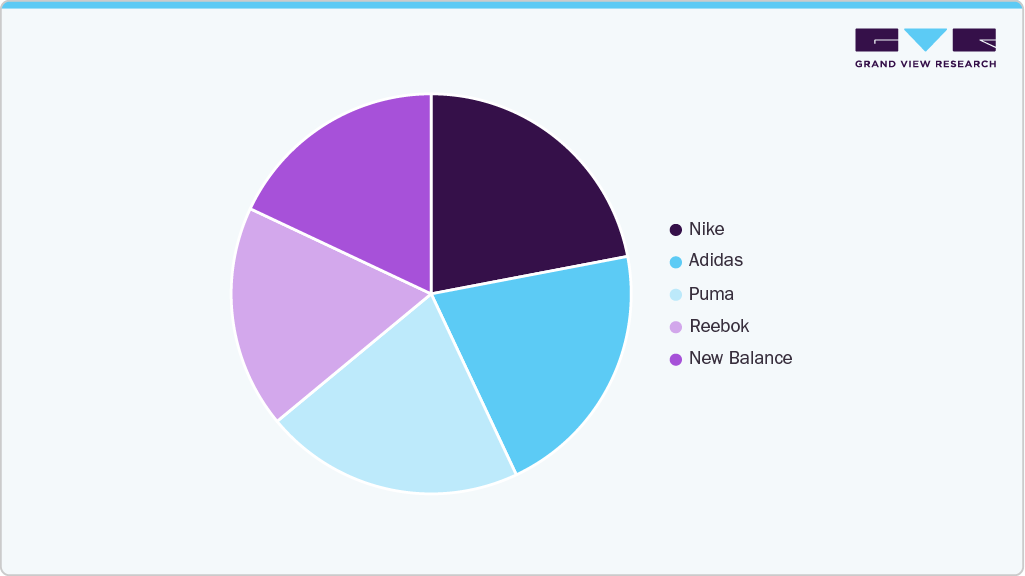
Though the UK headwear market is very competitive, Nike, Adidas, Puma, Reebok, and New Balance have a strong presence and high brand awareness, with Nike leading in aided brand awareness with 56% market share. It is mainly due to its strong brand recognition, effective marketing strategies, and the association with athletic achievement and fashion trends.
Purchase Funnel
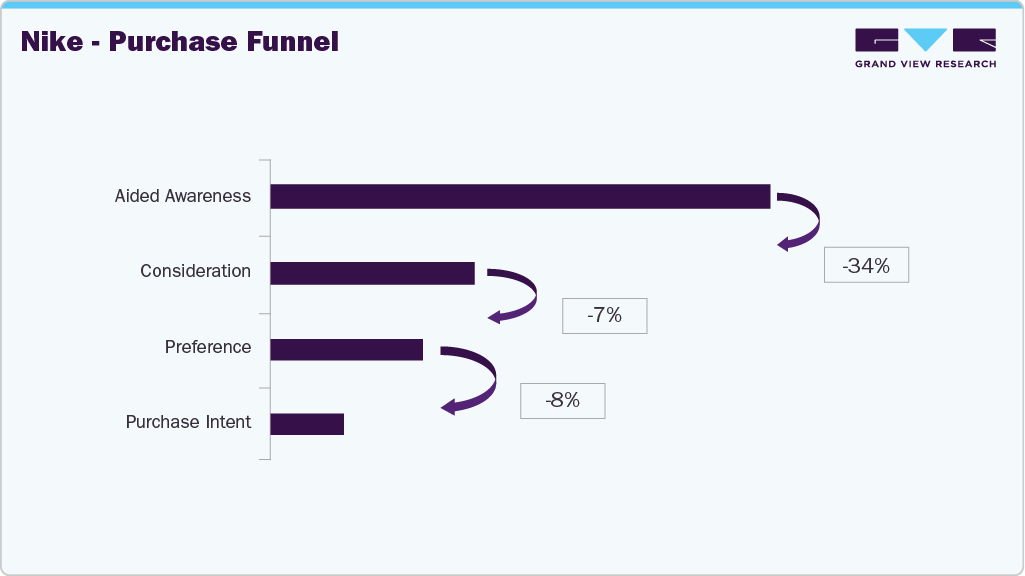
Although the prominent brands in the UK market show intense competition, Nike and Puma retain their position as market leaders. They have a similar level of consideration for the next purchase of headwear due to their significant market presence and brand recognition in the sportswear industry. Both brands offer a wide variety of headwear options, and consumers often perceive them as top choices for both athletic and casual wear. Nike outperforms other brands in every stage of the purchase funnel, thus leading with a significant drop from awareness to consideration. It is widely recognized for comfort, performance, and trend-forward designs, which align with key consumer triggers like comfort, fit, and style. Nike also maintains a high level of brand trust and loyalty, reinforced through consistent marketing, sponsorships, and collaborations with athletes and influencers. Puma follows Nike throughout the purchase funnel, though giving tough competition to Nike in the purchase intent stage. It is to be noted that consumers are currently wearing caps, hats, and other sorts of headwear primarily from Nike and Puma, who are in tough competition, thus making consumers revisit their shops and repurchase. It is mainly due to their trusted quality, trendy designs, comfort-focused features, strong brand image, and wide availability.
The overall NPS score of the leading brands varies from -33 to 50, with Adidas having the highest NPS score (50) compared to other headwear brands in the UK market. Adidas is often recommended over Puma and Nike for headwear in the UK because it offers a balanced mix of comfort, minimalist style, and durability, while also appealing to both sporty and streetwear audiences with versatile, timeless designs. It is also praised for its commitment to sustainability, using recycled materials in many of its headwear products, which resonates strongly with eco-conscious UK consumers.
