UK Home Cleaning Appliance Consumer Insights - Usage, Attitudes, And Brand Performance Report
Introduction:
The home cleaning appliance market is growing, blending traditional and modern technologies. Robot vacuums are becoming more affordable and popular, although many households still prefer conventional vacuums. With increasing concerns about air quality, air purifiers are gaining popularity. Smart appliances that sync with smartphones are trending, allowing users to control their cleaning tasks remotely. Energy efficiency is now a key factor as people become more eco-conscious and face rising utility bills. Lightweight cordless vacuums are replacing bulkier models due to their ease of use. High-end brands like Dyson are still popular, but budget-friendly options are available from various retailers and online stores, offering more affordable choices. Today’s consumers value appliances that simplify their busy lives by saving time and effort. Here are the market trends:
-
Smart & Multifunctional Appliances: The growth of smart cleaning appliances, such as robot vacuums, AI-powered mops, and voice-activated devices, is reshaping the market. Consumers are increasingly drawn to multifunctional products, such as vacuum-mop hybrids, for their convenience and effectiveness. These devices save time and provide a more comprehensive clean by handling multiple tasks simultaneously. With app connectivity, users can control and monitor cleaning remotely, even when they are not at home. As the smart home trend continues, these appliances integrate smoothly with other household devices, offering even greater convenience for busy lifestyles.
-
Compact & User-Friendly Designs: With more people living in urban areas and smaller homes, compact, space-saving cleaning appliances are in demand. Cordless stick vacuums are replacing bulkier models due to their ease of use, and consumers are increasingly seeking appliances that save time and effort. These designs offer better maneuverability, making them ideal for cleaning tight spaces and hard-to-reach areas. As people look for solutions that fit into their busy lifestyles, these lightweight and portable devices provide a quick and efficient way to keep homes tidy. Additionally, many of these compact models still deliver powerful performance, meeting the needs of modern households without the bulk.
-
Affordability & Brand Loyalty: While premium brands like Dyson remain popular, there’s also a rise in budget-friendly options, particularly among younger consumers. Strong brand loyalty is evident, with consumers preferring trusted names for quality and reliability, and regulatory pressures are pushing for product innovation. Budget-conscious shoppers are turning to alternative brands that offer good value for money without compromising on performance. As more affordable models improve in quality, they challenge traditional market leaders while still catering to the demand for durability and effective cleaning. The balance between cost and quality becomes a key factor as consumers weigh their choices.
Methodology:
The insights covered in this report are drawn from GVR’s ‘Voice of Consumer Survey’ and its periodic updates. The latest survey represents 75,000+ consumer interviews conducted across 20 countries for 100+ product categories. These insights are specifically catered to the brands operating in the home cleaning appliance industry to guide them in their strategic decision-making process. This report provides insights covering category usage & attitude, buying behavior, brand performance metrics, and brand health indicators of leading players in the UK home cleaning appliance market.
Chapter 1: Usage and Attitude
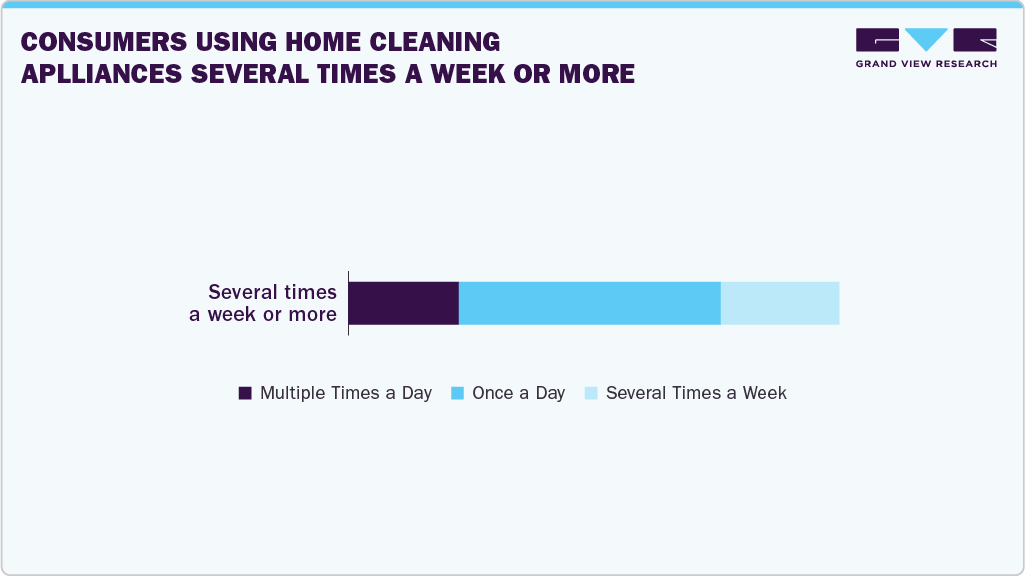
Home cleaning appliances are deeply embedded in the daily routines of UK households that use them, pointing to a strong culture of cleanliness and maintenance. Among active users, 17% operate their cleaning appliances multiple times a day, while a substantial 42% use them once daily. Another 19% report usage several times a week, reflecting flexible but consistent habits. These figures emphasize the growing need for reliable, efficient cleaning solutions that support frequent use in busy, modern households.
Home cleaning appliances are primarily used for cleaning and organizing living spaces, with around 8 out of 10 consumers citing this as their main purpose. As daily life gets busier, more people are looking for ways to make household chores easier and more efficient. This has led to a growing shift toward portable and AI-driven cleaning appliances that offer convenience, smart features, and hands-free operation. From robot vacuums that map your home to cordless tools that reach every corner, consumers are increasingly drawn to solutions that save time and effort. These modern tools aren’t just about keeping homes clean; they're about simplifying routines and giving people back a bit of their day.
Home cleaning appliances in the UK are primarily used for cleaning and organization, with 89% of people relying on them for this purpose. This highlights how essential these devices are for maintaining tidy and well-organized living spaces. The trend reflects a growing focus on cleanliness and order, driven by busy lifestyles and the desire for a comfortable home environment. With the increasing demand for convenience and efficiency, these appliances help people stay on top of household chores without spending too much time or effort. The need for organized spaces, especially in smaller homes, also contributes to the popularity of these devices.
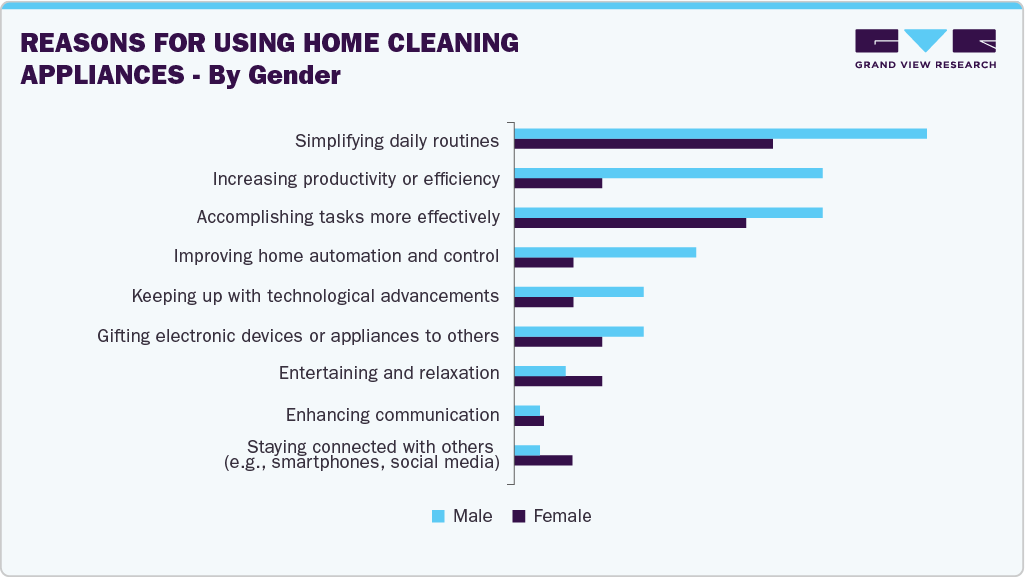
The primary reasons for using home cleaning appliances in the UK show clear differences between men and women, along with a shared goal of improving daily life. For men, simplifying daily routines is especially important, with 84% citing it as a reason, compared to 53% of women. Men also focus more on increasing productivity and efficiency (63%) than women (18%). However, both groups see value in accomplishing tasks more effectively, with 63% of men and 47% of women agreeing. Beyond practical use, these appliances also contribute to enhancing home comfort and automation, making spaces not only cleaner but also more relaxing and easier to manage. For instance, a robotic vacuum can run on a set schedule, keeping floors clean without any effort, adding convenience and a sense of modern comfort to everyday life.
While home cleaning appliances offer convenience and improved efficiency, some consumers in the UK express concerns that can influence their buying decisions. One common negative association is the environmental impact of electronic waste. As more devices are purchased and eventually disposed of, worries about sustainability and proper recycling increase, especially for items such as robot vacuums or old vacuum cleaners that are difficult to repair or recycle. Additionally, a frequent source of disappointment is high power consumption or poor energy efficiency, which not only leads to higher electricity bills but also contradicts efforts to reduce environmental footprints. For example, a powerful vacuum cleaner that cleans well but consumes excessive energy might leave users feeling conflicted about its long-term cost and environmental effect. These concerns push many buyers to seek eco-friendly, energy-efficient options when shopping for new appliances.
Buying Behavior
Before purchasing a home cleaning appliance, UK consumers prioritize knowing about product performance and reliability, with 69% considering it essential. People want assurance that the appliance will work effectively and last over time, especially when investing in higher-priced items. Additionally, 61% look for information on pricing and value for money, highlighting the importance of getting a product that balances cost with performance. Since consumers tend to buy these appliances once every 3-5 years, making an informed decision is crucial. For example, a buyer may compare two vacuum cleaners, choosing one that not only fits their budget but also has strong reviews for suction power and durability, ensuring it’s a worthwhile long-term investment.
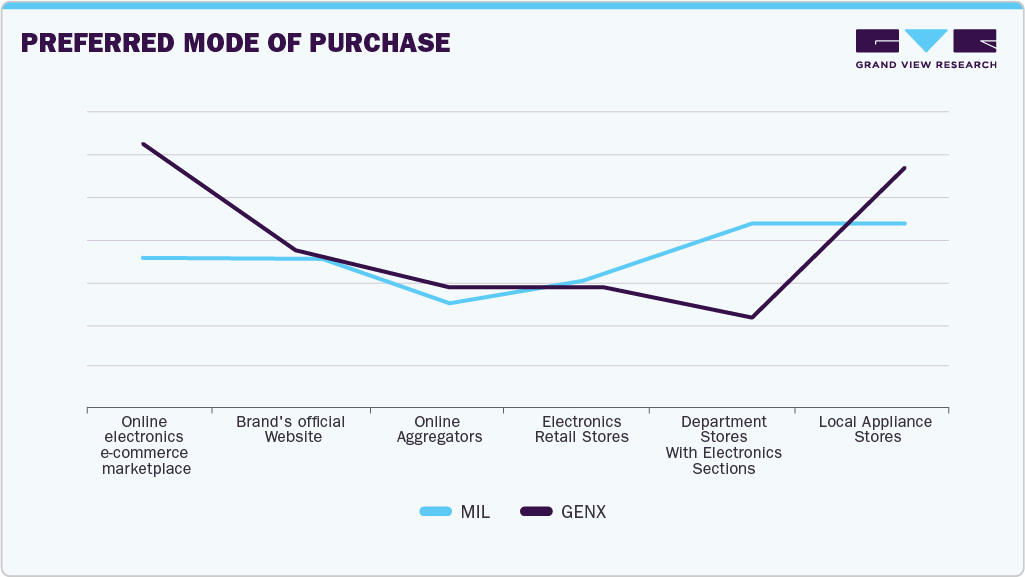
Across all generations, the most common way to purchase home cleaning appliances is through online electronics e-commerce marketplaces, offering convenience, variety, and easy price comparisons. This mode is especially preferred by millennials, who are digital natives and value the ability to read reviews, compare features, and get doorstep delivery with just a few clicks. On the other hand, Gen X consumers are more likely to buy from local appliance stores, where they can physically inspect the product, ask questions, and get immediate assistance. For example, a millennial might order a robot vacuum online after watching video reviews and checking discounts, while a Gen X shopper might visit a store to test the vacuum’s weight and features before making a purchase.
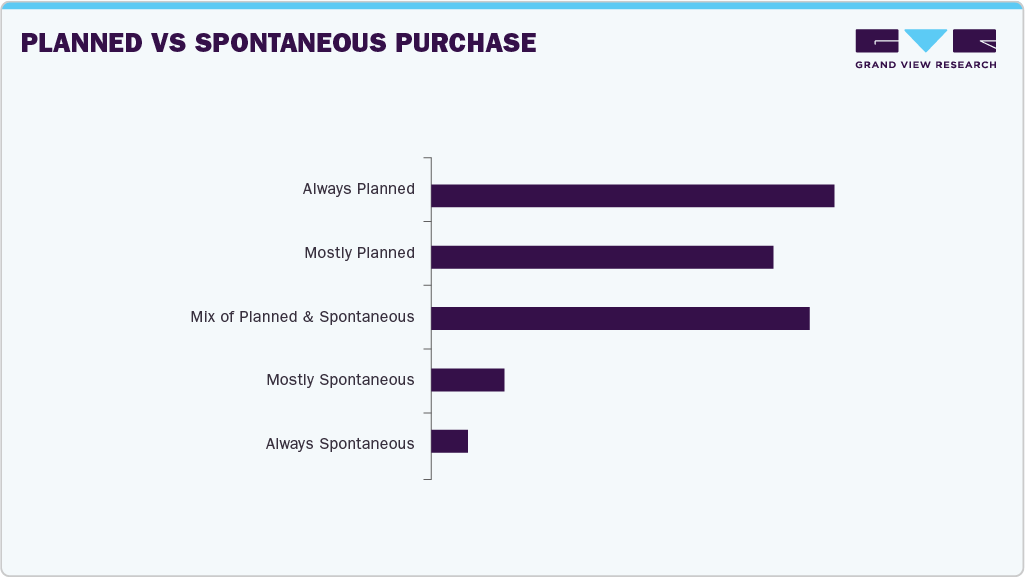
When it comes to purchasing home cleaning appliances in the UK, most consumers tend to plan their purchases to some degree. About 33% always plan carefully, researching features, prices, and reviews before buying, while 28% mostly plan their purchases, perhaps waiting for sales or promotions. Another 31% take a balanced approach, mixing planning with some spontaneity, depending on need or opportunity. Only a small percentage, 6% and 3%, make mostly or entirely spontaneous decisions. This trend suggests that, because these appliances are typically higher-cost and long-term investments, consumers prefer to make informed choices. For example, someone might wait for a seasonal sale to buy a well-reviewed vacuum cleaner they have been researching for months.
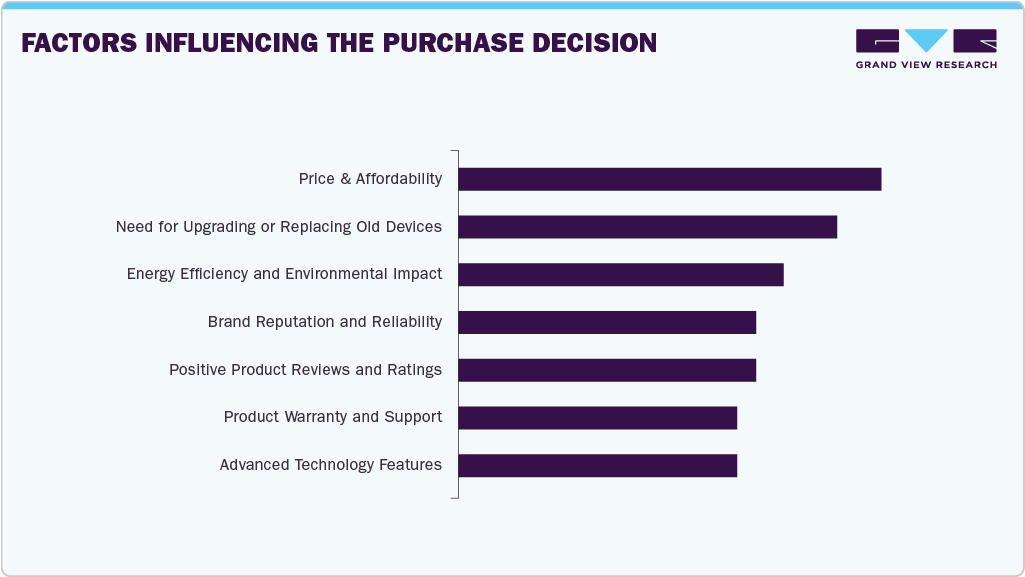
In the UK, two main triggers that prompt consumers to purchase home cleaning appliances are the need for upgrading or replacing old devices (42%) and concerns about price and affordability (47%). Many people find themselves upgrading when their current appliance is no longer efficient or reliable, and replacing it becomes a priority. However, a major challenge is the lack of affordable options that still offer essential features. For example, a consumer might want a robot vacuum with strong suction power and long battery life, but struggle to find an affordable model that meets those needs. As a result, price sensitivity often influences decisions, leading consumers to seek the best balance between cost and functionality.
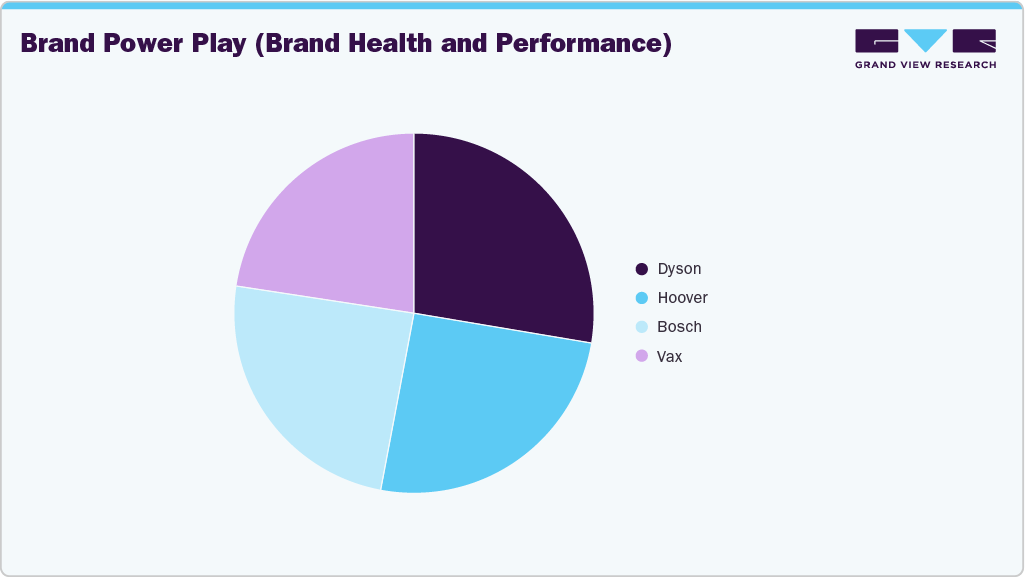
Brand Power Play (Brand Health and Performance)
Some of the popular home cleaning appliance brands in the UK include Dyson, Hoover, Bosch, and Vax. Although the home cleaning appliances industry is very competitive, Dyson dominates the market with 61% market share (by awareness) due to its reputation for innovative, high-performance cleaning technology. As a trusted British brand, it resonates strongly with local consumers as it is also a Singaporean-British company. Its strong marketing, sleek designs, and consistent product quality keep it top-of-mind in the market. Hoover, Bosch, and Vax follow closely in awareness, supported by their reliability, wide availability, and strong market presence.
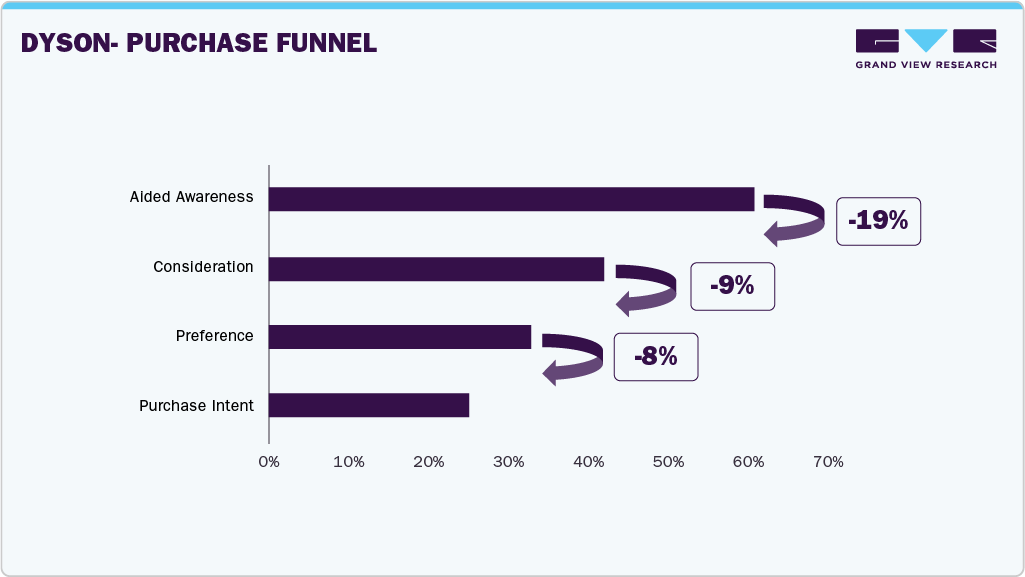
Purchase Funnel
Dyson leads the home cleaning appliance market in the UK with a strong position in the purchase funnel. With 61% aided awareness, the brand has successfully made a significant impact on consumers' minds, making it a top choice when it comes to home cleaning appliances. Its high consideration rate of 42% and preference rate of 33% reflect the trust and loyalty consumers have for Dyson, which is driven by its reputation for innovation and performance. A purchase intent of 25% further showcases that a large portion of consumers who are aware of Dyson are actively considering it for their next purchase, outpacing competitors. This superior performance in the purchase funnel is a result of Dyson’s strong branding, effective marketing strategies, and consistent delivery of quality, which surpasses other brands like Hoover, Bosch, and Vax.
While the overall NPS score of the leading brands varies from 0 to 40, Dyson leads the home cleaning appliance industry with the highest NPS score (40) compared to other home cleaning appliance brands in the market due to its consistent product innovation, offering advanced features like powerful suction and long battery life. The brand's commitment to quality and reliability fosters strong customer loyalty and satisfaction. Additionally, Dyson's premium customer service and British heritage contribute to its high Net Promoter Score.
