UK Jewellery Consumer Insights - Usage, Attitudes, And Brand Performance Report
Introduction:
The UK Jewellery market in 2025 has seen a significant transformation due to sustainability concerns, with eco-conscious consumers increasingly favouring transparent sourcing initiatives from brands like Tiffany & Co. and exploring lab-created diamond options from Pandora, though adoption remains measured as questions around long-term value persist. Economic pressures have shifted purchasing towards investment pieces with lasting value, such as Cartier's iconic Love and Juste un Clou collections, which have demonstrated resilience in the secondary market. Digital transformation has reshaped the sector with personalized online shopping experiences, virtual try-ons, and AI-driven recommendations becoming more prevalent in the customer journey. Gender-neutral designs have emerged as a notable trend, reflecting evolving cultural conversations around inclusivity and personal expression, though traditional designs continue to dominate market demand. The luxury segment has demonstrated overall resilience, with heritage brands like Cartier strategically incorporating contemporary elements and expanding high jewellery offerings to maintain relevance amongst both established and younger consumers seeking both craftsmanship and modern aesthetics.
Here are some of the market trends dominating the UK jewellery market:
-
Accessible Sustainability: Environmental responsibility has become mainstream in affordable jewellery segments, with consumers increasingly demanding ethical materials regardless of price point. Economic pressures have accelerated rather than diminished this shift, as shoppers seek value alignment alongside affordability. Major accessible brands now prominently feature recycled metals and lab-created stones without corresponding price increases.
-
Digital Personalization Revolution: Technology-enhanced customization has transformed how consumers design and visualize jewellery before purchase. This shift addresses growing desires for unique yet convenient shopping experiences while reducing return rates. Advanced online design tools allow customers to digitally experiment with thousands of style combinations before committing to purchase.
-
Affordable Heritage Reinvention: Traditional jewellery concepts are being refreshed for contemporary relevance while maintaining their essential character. This evolution responds to younger consumers' simultaneous desire for both novelty and authenticity in their purchasing decisions. Classic designs and motifs are being reimagined through modern materials and styling to appeal across generations.
-
Experiential Retail Accessibility: Physical stores increasingly emphasize interactive experiences that cannot be replicated online, particularly at accessible price points. This transformation combats e-commerce competition by creating compelling reasons for in-person visits beyond mere product acquisition. In-store customization stations and seasonal styling events create memorable shopping moments that build lasting brand loyalty.
Methodology:
The insights covered in this report are drawn from GVR’s ‘Voice of Consumer Survey’ and its periodic updates. The latest survey represents 75,000+ consumer interviews conducted across 20 countries for 100+ product categories. These insights are specifically catered to the brands operating in the jewellery industry to guide them in their strategic decision-making process. This report provides insights covering category usage & attitude, buying behavior, brand performance metrics, and brand health indicators of leading players in the UK Jewellery market.
Chapter 1: Usage and Attitude
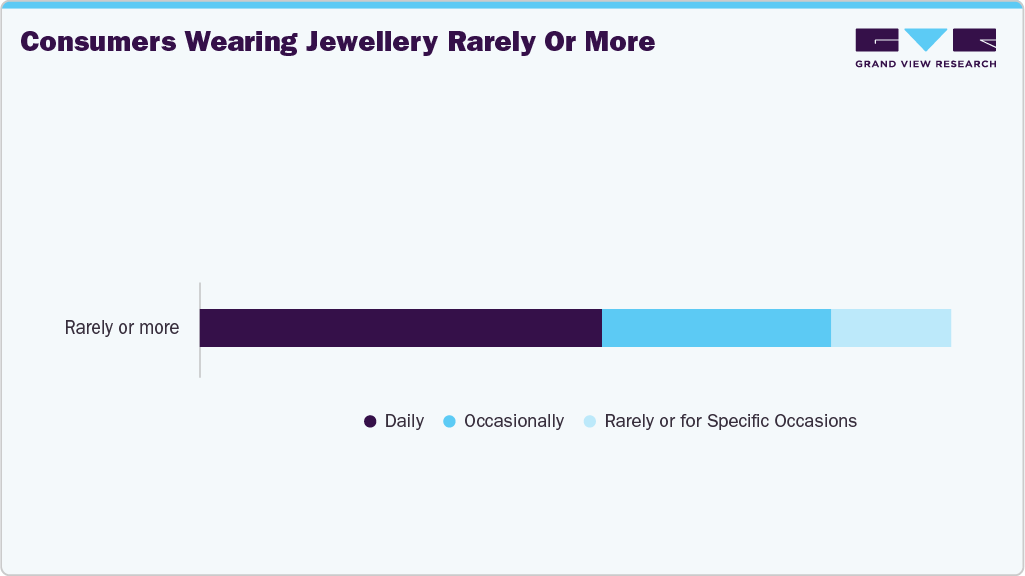
In the UK, approximately 47% of jewellery users report wearing it daily as part of their routine, often opting for simple, timeless pieces like rings, necklaces, or studs. Another 27% wear jewellery occasionally, typically to enhance their look for social events or professional engagements. Meanwhile, 13% reserve jewellery for rare, special occasions such as weddings or formal celebrations. While most users incorporate jewellery into their personal wardrobe rotation, a notable segment also shares pieces with family or friends for special events, highlighting its sentimental and versatile value.
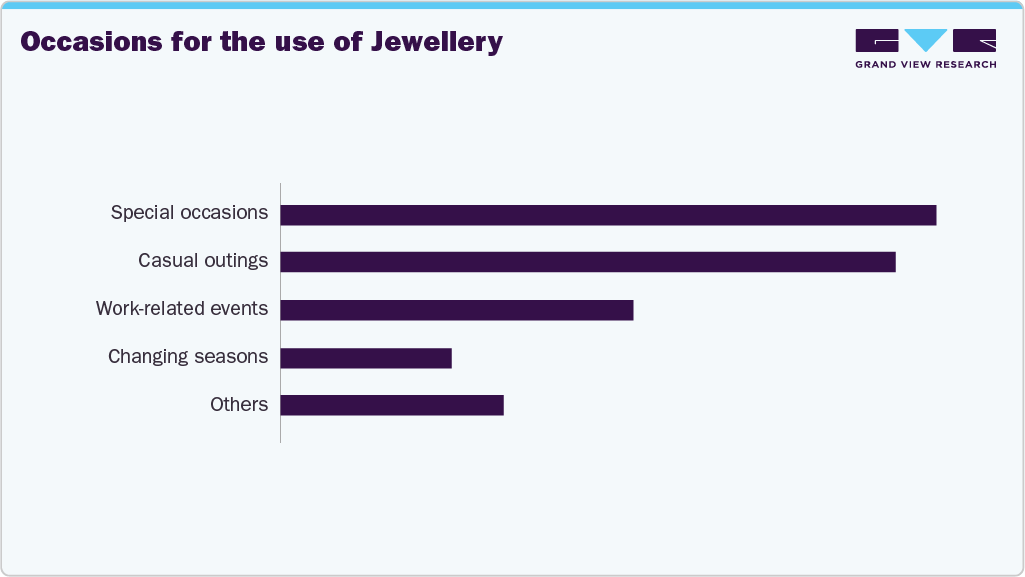
Jewellery is commonly worn on special occasions like weddings or parties to enhance elegance and complete a formal look. It's also used during work events and casual outings to add a touch of sophistication or personality. Some even wear it during fitness activities for style or sentimental reasons. Jewellery positively reflects personal style and fashion preferences, allowing individuals to express their identity through unique pieces. However, a negative association is the high cost of quality jewellery, which can make stylish or designer options less accessible.
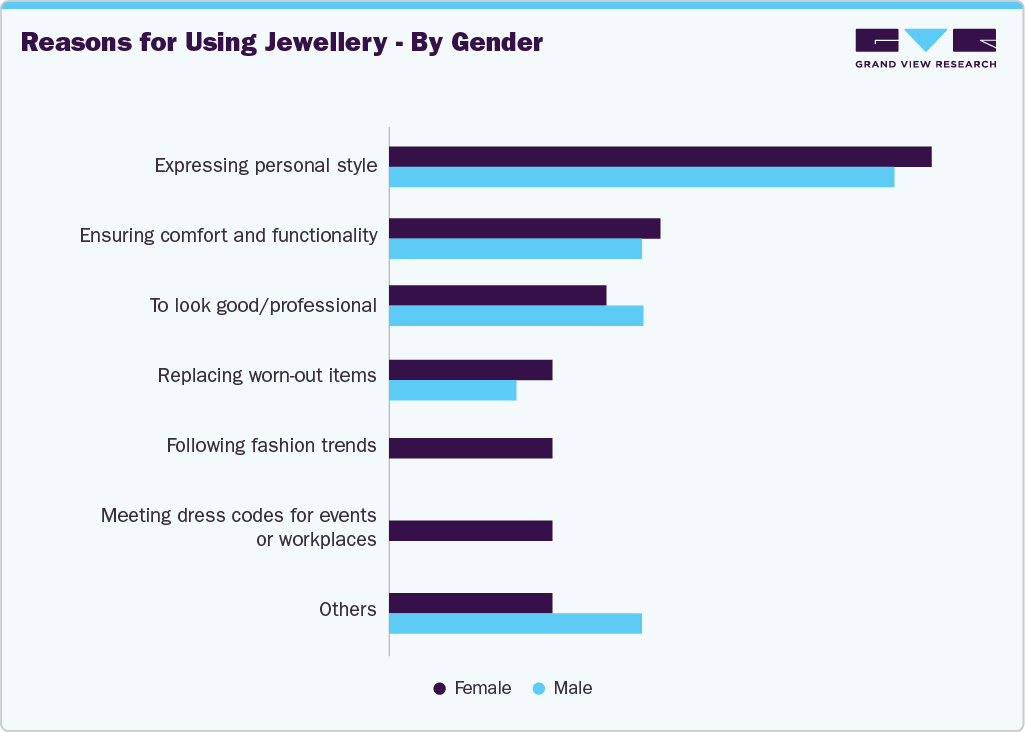
Both females and males primarily use jewellery to express personal style, with women slightly more inclined toward fashion trends and dress codes. Men more often cite professionalism and replacing worn-out items as reasons for use. Comfort and functionality are valued by both genders, showing practical needs alongside aesthetic ones. These reasons highlight how jewellery serves both personal expression and practical purposes. Jewellery that offers good value, durability, and trendy design makes the purchase enjoyable and satisfying. However, a high price for subpar quality or poor craftsmanship can cause dissatisfaction and regret.
Buying Behavior
Before purchasing jewellery, buyers consider price and value for money, comfort and fit, and material quality and durability, ensuring the item is worth the investment and wearable for long periods. For example, a comfortable, well-fitting bracelet made of durable material offers both practicality and long-term use. Unique designs also attract attention, especially when aligned with personal style or gifting needs. Some consumers prefer purchasing jewellery once every two years, while others enjoy refreshing their collection every quarter based on trends or occasions.
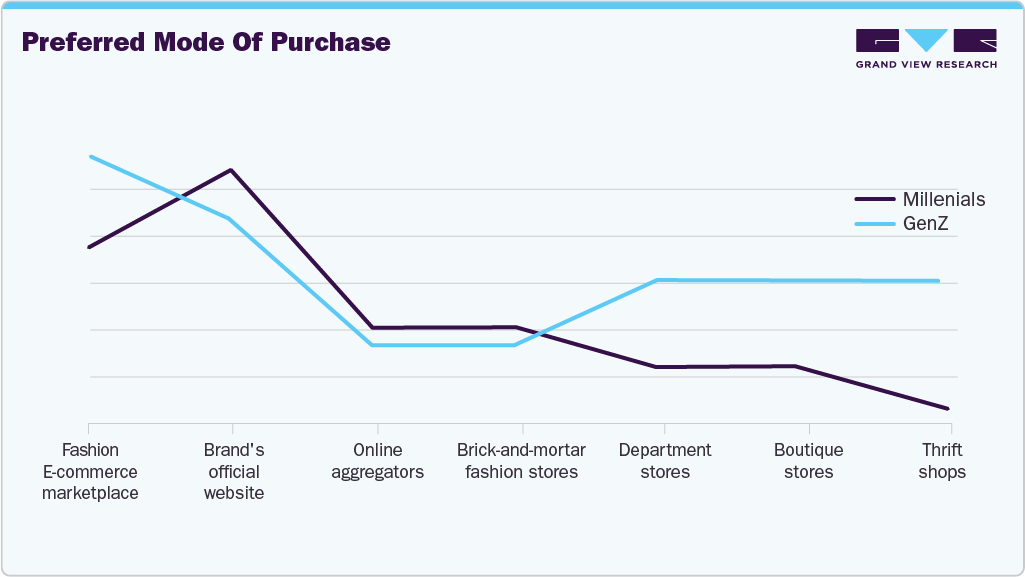
Millennials prefer buying jewellery through brand websites, valuing trust, authenticity, and customer service. Generation Z leans towards online marketplaces like Amazon for convenience, variety, and frequent discounts. Boutique, department, and second-hand stores are also more popular among Gen Z for discovering unique and budget-friendly pieces.
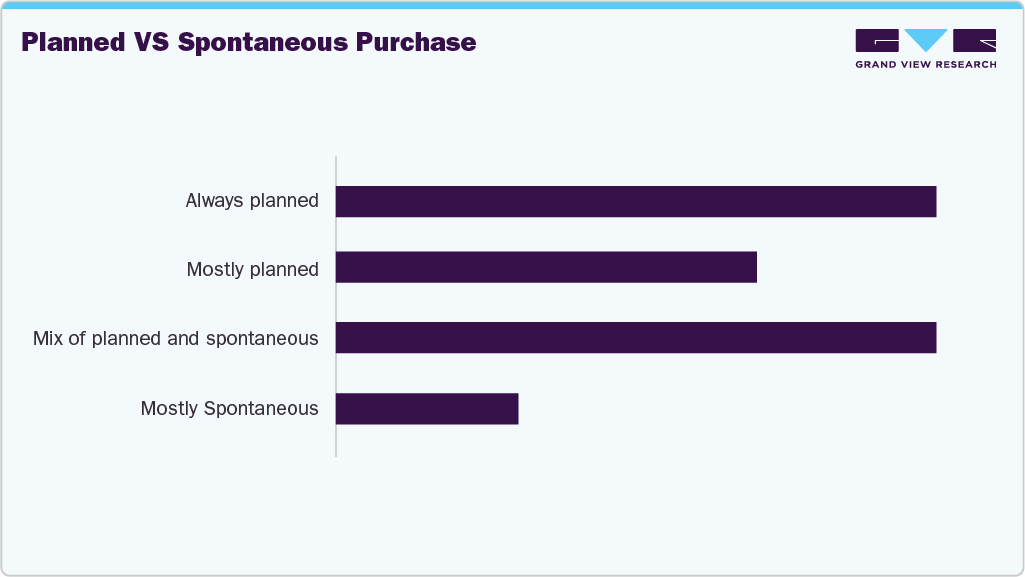
Jewellery purchases are often a mix of planned and spontaneous decisions, with many people buying in advance for events like weddings, anniversaries, or gifting. Planned purchases are usually driven by specific needs, budget considerations, and time to compare options. However, spontaneous buying can happen when a unique design or exclusive piece catches the eye, such as a limited-edition ring or a handcrafted necklace. These unexpected finds can trigger instant interest due to their rarity and personal appeal.
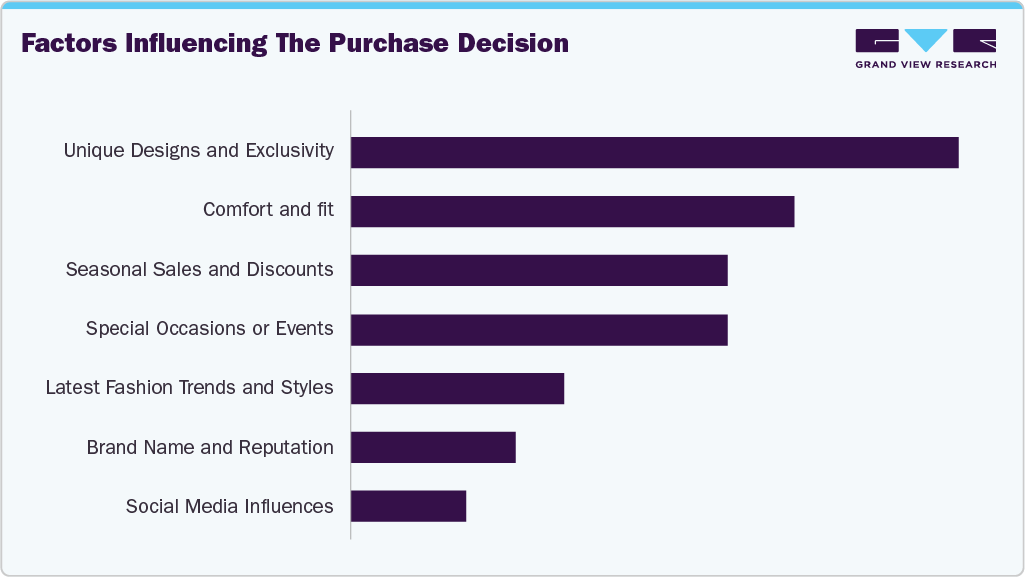
A mix of personal appeal, comfort, and timely opportunities often triggers jewellery purchases. Unique designs and exclusivity stand out as key motivators, attracting consumers who want to express individuality through rare or limited pieces. Comfort and fit also influence immediate decisions, especially for daily-wear items. Seasonal sales and discounts provide the right moment to buy, making expensive pieces more accessible. Special occasions such as weddings and birthdays often prompt spontaneous purchases driven by emotional value. Brand name and reputation matter greatly, with 80% of consumers being brand-conscious and influenced by trust in quality. Online reviews and ratings help validate purchase decisions, while promotional offers increase urgency. Social media has a growing but smaller influence on spontaneous jewellery buying. However, high prices for quality items remain a common challenge, deterring some buyers. Despite this, jewellery continues to be both a planned and emotionally driven purchase for many.
Brand Power Play (Brand Health and Performance)
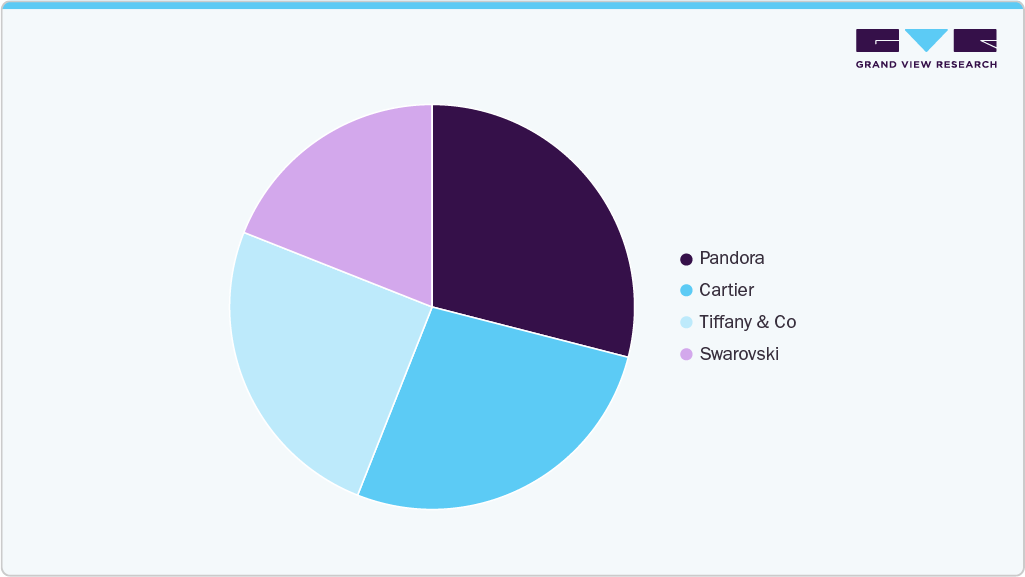
Though the UK jewellery market is very competitive and stable, Tiffany & Co., Cartier, Pandora, and Swarovski have a strong presence and high brand awareness, with Pandora leading in aided brand awareness with 47% market share. Pandora, renowned for its affordable luxury and personalized jewellery, has a strong brand awareness in the UK, thanks to its strategic marketing and loyal customer base, particularly young women, and its consistent messaging across social media and advertising.
Purchase Funnel
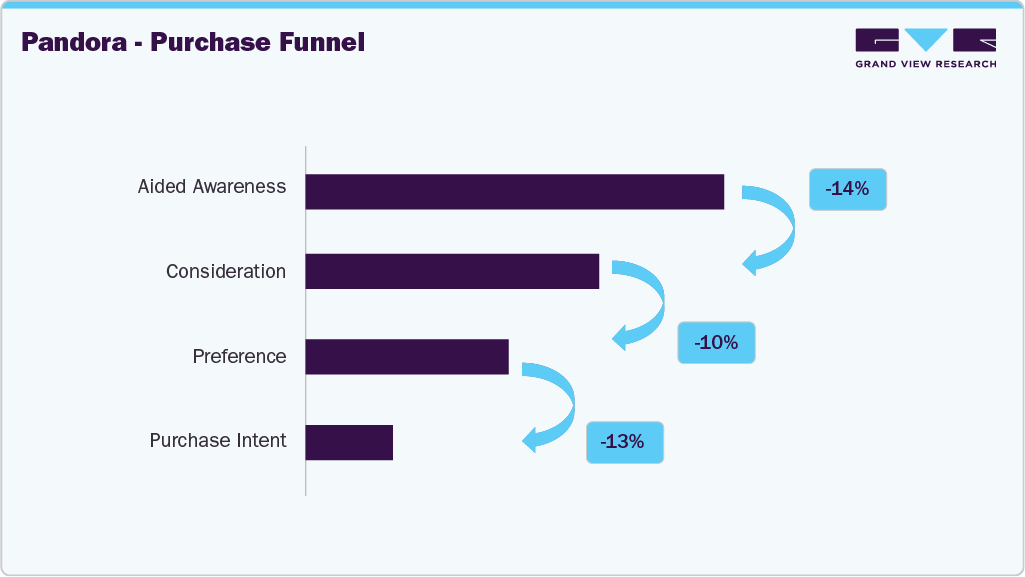
Even while there are numerous well-known jewellery brands in the UK, very few reach the level of consideration and preference. Despite notable drops at each stage of the funnel, market leader Pandora has a robust purchasing funnel. Pandora has the largest market share at every step of the buying and use process because of its iconic charm bracelets, characterized by personalization and emotional connection, which drive repeat purchases and loyalty. Pandora's marketing strategies, including partnerships with Disney, expand their appeal to Gen Z consumers. At certain stages of the purchasing process, Tiffany & Co. follows Pandora in the consideration stage due to its strong brand prestige and perceived higher price point, making it a more aspirational choice. Cartier follows Pandora in the preference stage due to its luxury positioning and higher cost, but it surpasses Pandora in purchase intent as consumers view it as a long-term investment and a symbol of prestige. Consumers are currently wearing jewellery from both Cartier and Pandora because Cartier appeals to those seeking luxury and timeless investment pieces, while Pandora attracts a broader audience with its affordable, customizable jewellery that suits everyday wear and gifting. Consumers are likely to repurchase from both these brands and have a higher satisfaction level post usage.
The overall NPS score of the leading brands varies from -50 to 100, with Tiffany & Co. having the highest NPS score (100) compared to other jewellery brands in the UK market. Tiffany is highly recommended for jewellery in the UK due to its iconic brand heritage, exceptional craftsmanship, and strong reputation for quality and timeless design. Its association with luxury, elegance, and emotional gifting, like engagement rings, also makes it a trusted and aspirational choice among consumers.
