UK Kitchen Appliance Consumer Insights - Usage, Attitudes, And Brand Performance Report
Introduction:
The UK kitchen appliance market is evolving rapidly, with a strong focus on smart technology, energy efficiency, and stylish design. Consumers are increasingly choosing appliances that are not only functional but also connected, such as smart ovens and fridges that can adjust settings automatically or suggest recipes. There is a growing demand for eco-friendly, energy-saving options amid rising energy costs and heightened environmental awareness. At the same time, compact, multifunctional appliances are gaining popularity, especially in urban homes with limited space. Aesthetic trends are shifting towards warmer tones like cream, and brands are offering more affordable alternatives without compromising style or performance. Overall, the market reflects a move towards modern, efficient, and sustainable living. Here are the market trends:
-
Compact Designs: The demand for compact kitchen appliances is increasing, particularly in smaller urban kitchens where space is often limited. Consumers are seeking appliances that can perform multiple functions while occupying minimal space. Multi-purpose items like combination microwave and air fryer units, slim dishwashers, and washer-dryer combos are becoming more popular, offering convenience without sacrificing functionality. As more people live in apartments or homes with smaller kitchens, manufacturers are designing appliances that are both space-efficient and high-performance. This trend caters to city dwellers who want modern, versatile appliances that don't compromise on style or performance while maximizing their available kitchen space.
-
Smart Appliances: There is growing interest in AI-powered, connected kitchen appliances such as smart ovens, fridges, and dishwashers. These appliances allow users to control settings remotely via apps, offering features such as monitoring cooking times and adjusting temperatures. Smart fridges can track food inventory, suggest recipes, and help create shopping lists, while smart ovens can adjust automatically for different cooking tasks. Dishwashers are also designed to use water and energy more efficiently. With the integration of voice assistants like Alexa and Google Assistant, these appliances offer greater convenience and ease of use in the kitchen.
-
Affordable Options: There is an increasing availability of stylish, budget-friendly kitchen appliances that offer premium features at more affordable prices. Brands are now designing products that combine high-quality performance with affordability, making modern kitchen technology accessible to a wider audience. For example, affordable options like sleek coffee machines, compact dishwashers, and high-performance blenders now offer features once found only in high-end models. This shift is allowing consumers to enjoy the latest trends in kitchen appliances, such as smart technology and energy efficiency, without compromising on quality or breaking the bank. As a result, budget-conscious shoppers can access appliances that enhance their cooking experience while keeping costs down.
Methodology:
The insights covered in this report are drawn from GVR’s ‘Voice of Consumer Survey’ and its periodic updates. The latest survey represents 75,000+ consumer interviews conducted across 20 countries for 100+ product categories. These insights are specifically catered to the brands operating in the kitchen appliance industry to guide them in their strategic decision-making process. This report provides insights covering category usage & attitude, buying behavior, brand performance metrics, and brand health indicators of leading players in the UK kitchen appliance market.
Chapter 1: Usage and Attitude
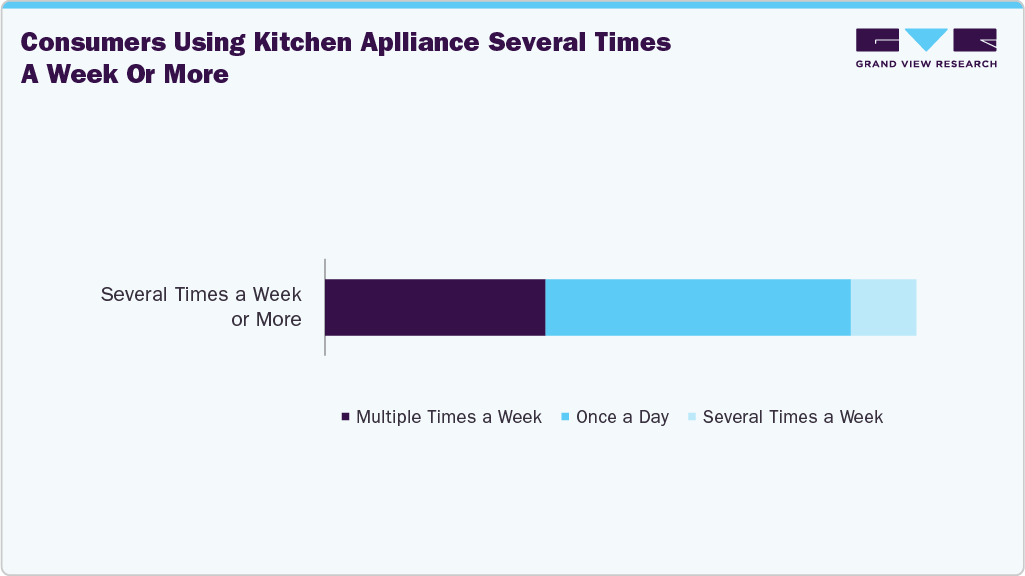
In the UK, kitchen appliances are used with varying frequency, reflecting different lifestyles and needs. About 36% of people use their kitchen appliances multiple times a day, indicating that for many, cooking and meal prep are daily, frequent activities. Around 50% of individuals use them once a day, indicating that appliances are an essential part of daily routines but are not necessarily used throughout the day. Meanwhile, 11% of people use their appliances several times a week, highlighting a less frequent but still consistent need for kitchen technology.
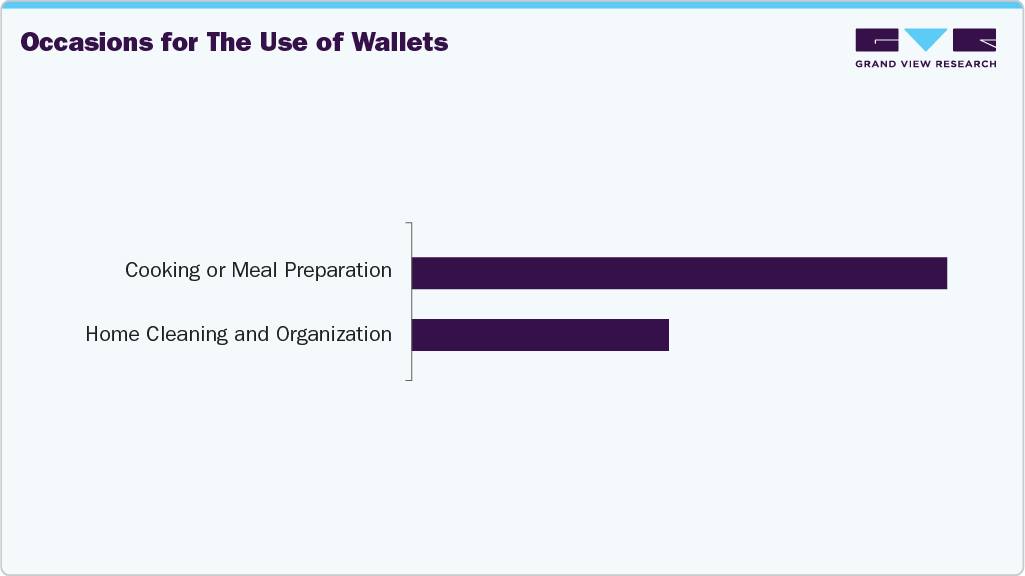
In many households, the primary use of kitchen appliances is for cooking and meal preparation, with 81% of people using them for this purpose. This high percentage reflects the essential role appliances like ovens, microwaves, and blenders play in everyday cooking. With busy lifestyles and a growing interest in home cooking, these appliances make meal prep more convenient and efficient. On the other hand, 39% of people use kitchen appliances for home cleaning and organization, such as dishwashers and vacuum cleaners. While cleaning appliances are important, they are used less frequently than cooking appliances, as meal preparation typically requires more daily attention and interaction. This difference highlights that kitchen appliances are primarily focused on food-related tasks, with cleaning a secondary function in many households.
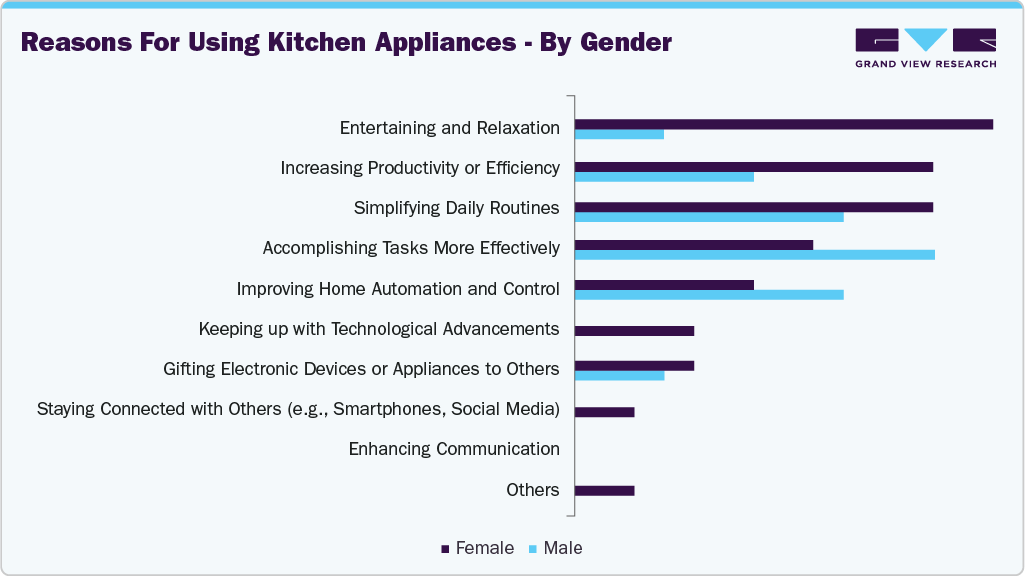
The primary reasons for using kitchen appliances in the UK are to simplify daily routines and increase productivity. 74% of people rely on appliances to make their daily tasks easier, such as blenders, toasters, or coffee machines, to speed up meal preparation. With busy lifestyles, these appliances save time and effort, making everyday cooking more convenient. Additionally, 68% of people use appliances to boost productivity and efficiency in the kitchen. For example, dishwashers help save time on washing dishes, while smart ovens and food processors streamline cooking tasks, allowing people to prepare meals faster and with less effort. These appliances are frequently used by others in the household as well, helping families manage their time effectively while still enjoying home-cooked meals.
One negative aspect of buying kitchen appliances in the UK is the environmental concerns associated with electronic waste. As consumers purchase new, high-tech appliances, many older models are discarded, contributing to the growing e-waste problem. This waste can have long-term environmental effects, as many appliances are not easily recyclable and can release harmful substances into the environment. Another common dissatisfaction is the high power consumption or inefficiency of some appliances. Despite technological advancements, some kitchen gadgets still consume significant energy, leading to higher utility bills and a larger carbon footprint. For example, older ovens or fridges may use more energy than newer, energy-efficient models, frustrating consumers who want to reduce their environmental impact while keeping energy costs under control.
Buying Behavior
Before buying kitchen appliances in the UK, consumers should consider product performance and reliability, as they typically purchase appliances for 3-5 years. Reliable, high-performance appliances, like fridges and dishwashers, save money on repairs and use energy efficiently. Pricing and value for money are also important, as consumers want appliances that provide the best features at a reasonable cost. While lower-priced options may seem attractive, they may have higher running costs or shorter lifespans. By evaluating both performance and price, consumers can make a long-term, cost-effective investment. These factors ensure that appliances will be dependable and worth the money spent. Smart purchasing choices lead to appliances that last and function well over time.
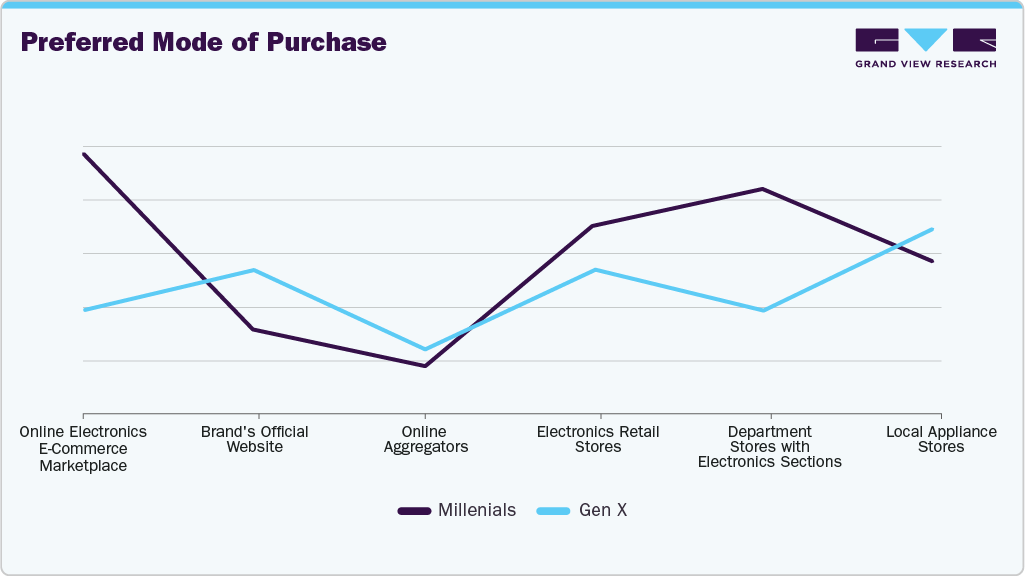
In the UK, the most common preferred mode of purchasing kitchen appliances across generations is through electronics retail stores. Many consumers enjoy the hands-on experience of seeing the appliance in person, testing its features, and receiving immediate assistance from staff. However, millennials tend to favor online electronics e-commerce marketplaces, where they can easily compare prices, read reviews, and shop at their convenience. For Gen X, purchasing directly from a brand's official website is often preferred, as it offers a more personalized experience and ensures they are getting genuine, high-quality products. This shift in preferences reflects the changing ways consumers shop, with each generation opting for the method that aligns with their lifestyle, whether it is the in-store experience, the convenience of online shopping, or brand-specific platforms for trust and quality assurance.
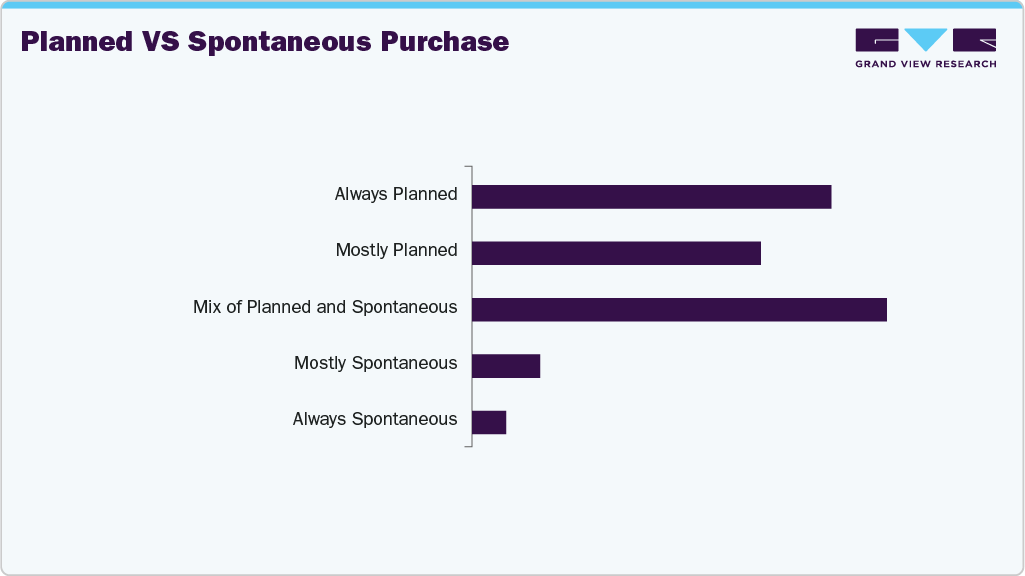
Most consumers in the UK tend to plan their kitchen appliance purchases to some extent. 31% always plan, carefully researching and comparing products to ensure they get the best value. Around 25% mostly plan but may make spontaneous purchases if a great deal or immediate need arises. For 36%, buying is a mix of planned and spontaneous purchases, depending on the situation. Only 6% make mostly impulse purchases, while 3% always buy on a whim, with little thought. This highlights that while planning is common, occasional spontaneous buys still influence appliance shopping.
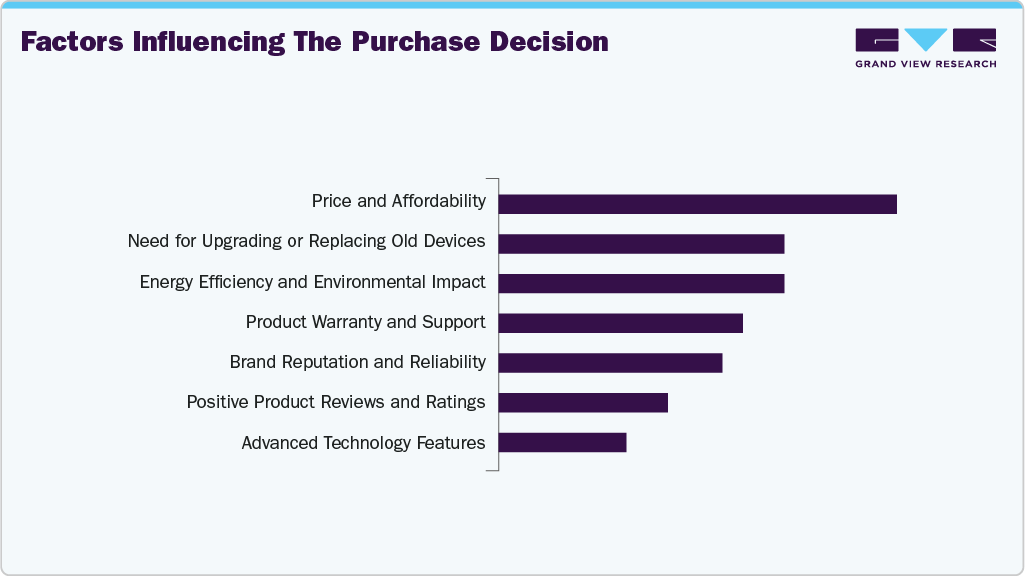
When purchasing kitchen appliances in the UK, the main triggers are price and affordability, energy efficiency, and the need to upgrade or replace old devices. 58% of consumers prioritize price, seeking appliances that offer good value without compromising on quality. Both energy efficiency and environmental impact are important for 42%, as rising energy costs and environmental concerns push people to choose appliances that help reduce consumption. Another 42% are driven by the need to replace outdated or malfunctioning devices. However, a common challenge consumers face is unclear or insufficient product information and specifications, which can make it difficult to assess the true value, performance, and efficiency of the appliance before making a purchase.
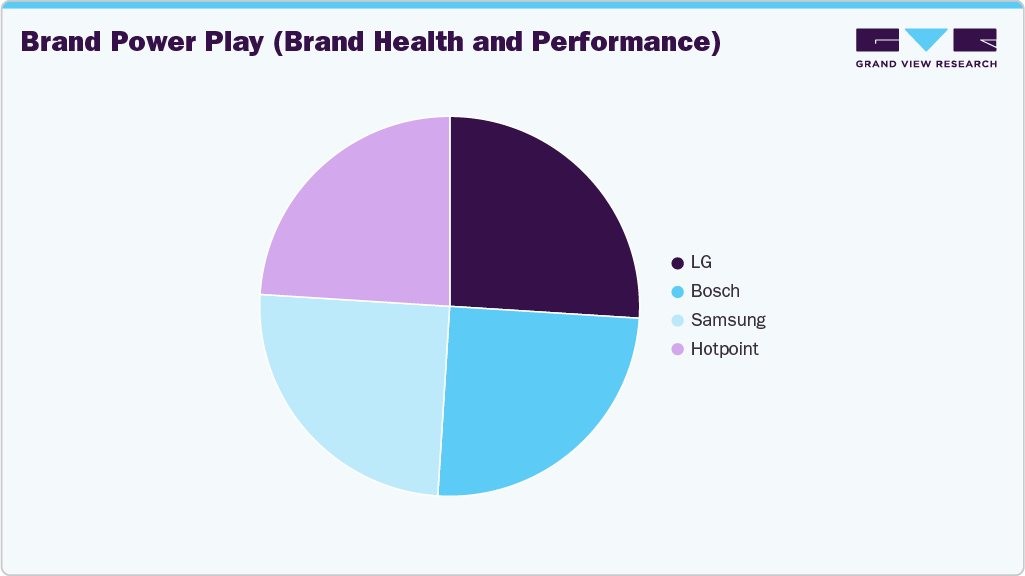
Brand Power Play (Brand Health and Performance)
Some of the popular kitchen appliance brands in the UK include Bosch, Samsung, LG, and Hotpoint. Bosch and Samsung dominate the UK kitchen appliance market, with 50% brand awareness, because of their strong reputations for quality and innovation. Bosch is known for its durable, energy-efficient appliances, while Samsung appeals with advanced technology and smart features. Both brands invest heavily in marketing and product development, keeping them top of mind with consumers. Their visibility in stores and online platforms further boosts consumer trust and recognition.
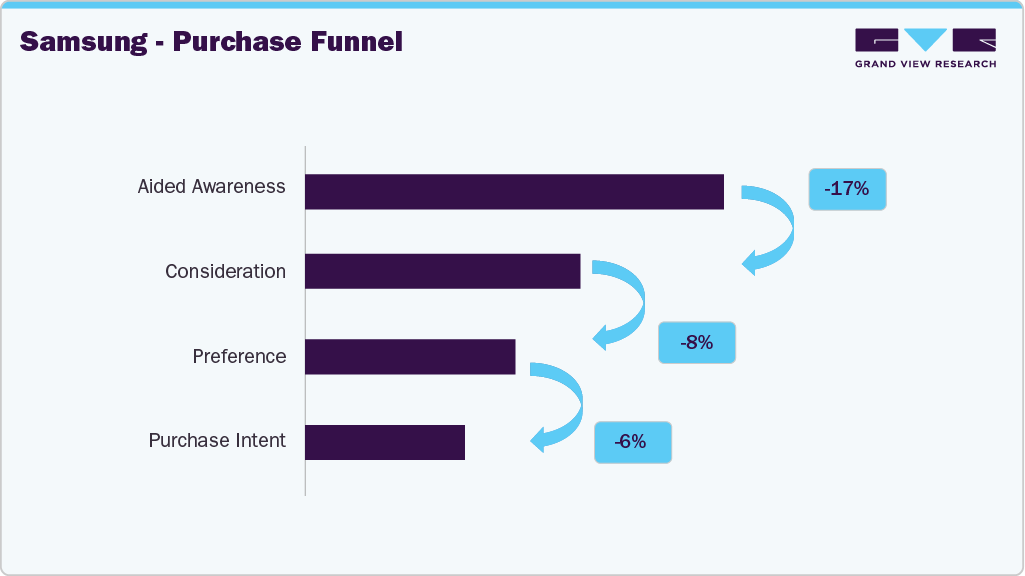
Purchase Funnel
Samsung’s kitchen appliances have a strong presence in the purchase funnel, with 50% aided awareness, indicating that half of consumers are already familiar with the brand when considering an appliance purchase. Around 33% of people consider Samsung, reflecting interest in its products for innovative features and reliability. 25% of consumers express a preference for Samsung, indicating they favor the brand over others. However, only 19% show immediate purchase intent, suggesting that while many are aware of and consider Samsung, converting that interest into actual purchases may depend on factors like price, promotions, or specific product needs. This data highlights Samsung’s strong brand recognition but also the challenge of turning awareness into sales.
Samsung stands out in the kitchen appliance industry with the highest NPS score of 37, outperforming other leading brands, whose scores range from 0 to 37. This success is driven by Samsung's continuous innovation, offering smart, energy-efficient products that appeal to consumers. The brand’s reputation for reliability and ease of use also fosters strong customer loyalty. Moreover, Samsung's outstanding customer service and support further enhance customer satisfaction, contributing to its top NPS score.
