UK Lip Care Products Consumer Insights - Usage, Attitudes And Brand Performance Report
Introduction:
The UK lip care market is evolving as consumers increasingly view lip treatments as essential components of their skincare routines rather than optional cosmetic add-ons. This shift is driving growth across the category, with consumers showing a clear preference for multipurpose products that combine aesthetic appeal with protective and therapeutic benefits. The market is characterized by a blend of established international brands and a growing wave of UK-based natural and organic alternatives, particularly those that align with consumers' increasing sustainability values. Seasonal fluctuations play a significant role in demand, with sales peaking during the cold, wet winters and again in summer when outdoor exposure increases, underscoring the weather’s impact on purchasing patterns. In recent years, there has been a marked increase in demand for plastic-free packaging, vegan formulations, and dermatologically driven products that address specific lip concerns, highlighting a shift towards more targeted, responsible, and results-oriented offerings. Here are the market trends:
-
Natural and Organic Ingredients: Customers looking for softer lips are increasingly using lip scrubs, which are designed to cleanse and remove dead skin. These products have developed from do-it-yourself sugar scrubs to complex formulas that include moisturizing oils, fruit enzymes, and bamboo particles. Regular usage patterns have been influenced by the perception that lip exfoliating is a necessary preparatory step before applying lipstick or other color products. This shift has fueled significant growth in the premium segment, where luxury brands are introducing flavored and seasonal variants at higher price points. The rise of beauty influencers and tutorial culture on platforms like Instagram and TikTok has further amplified this trend, encouraging more consumers to adopt comprehensive lip care routines that emphasize both performance and indulgence.
-
Tinted Lip Balms: Tinted lip balms are experiencing growing consumer demand, driven by their dual appeal as both color cosmetics and moisturizing treatments. These products address lip health issues and appeal to customers seeking a natural, low-maintenance makeup look. Sales of tinted balm have increased as well, as a result of the expansion of offers by major cosmetic businesses and independent brands. High-end tinted balms, often formulated with natural oils, vitamin E, and hyaluronic acid, command premium pricing due to their skincare benefits and ingredient quality. Adoption has accelerated, particularly among younger consumers, thanks to social media platforms where beauty influencers promote tinted balms as essential to effortless, everyday beauty routines.
-
Personalized and Inclusive Beauty: Driven by rising health and environmental awareness, consumers are increasingly opting for lip care products made with natural and organic ingredients such as shea butter, beeswax, and coconut oil. This shift reflects a broader commitment to ‘clean beauty’, with many willing to pay more for certified organic formulations that prioritize transparency and sustainability. The trend has fuelled demand for small-batch, artisanal lip care, often sold through farmers’ markets and online platforms, where consumers seek handcrafted products with simple, recognizable ingredients. In recent years, the awareness around irritants and allergens has further amplified the desire for ingredient clarity, making minimalist, label-conscious formulations a key driver of purchase decisions. As inclusivity becomes central to modern beauty standards, the market is also evolving to offer products tailored to a wider range of needs, tones, and sensitivities, underscoring the growing expectation for lip care solutions that are both personal and planet-friendly.
Methodology:
The insights covered in this report are drawn from GVR’s ‘Voice of Consumer Survey’ and its periodic updates. The latest survey represents 75,000+ consumer interviews conducted across 20 countries for 100+ product categories. These insights are specifically catered to the brands operating in the lip care industry to guide them in their strategic decision-making process. This report provides insights covering category usage & attitude, buying behavior, brand performance metrics, and brand health indicators of leading players in the UK lip care market.
Chapter 1: Usage and Attitude
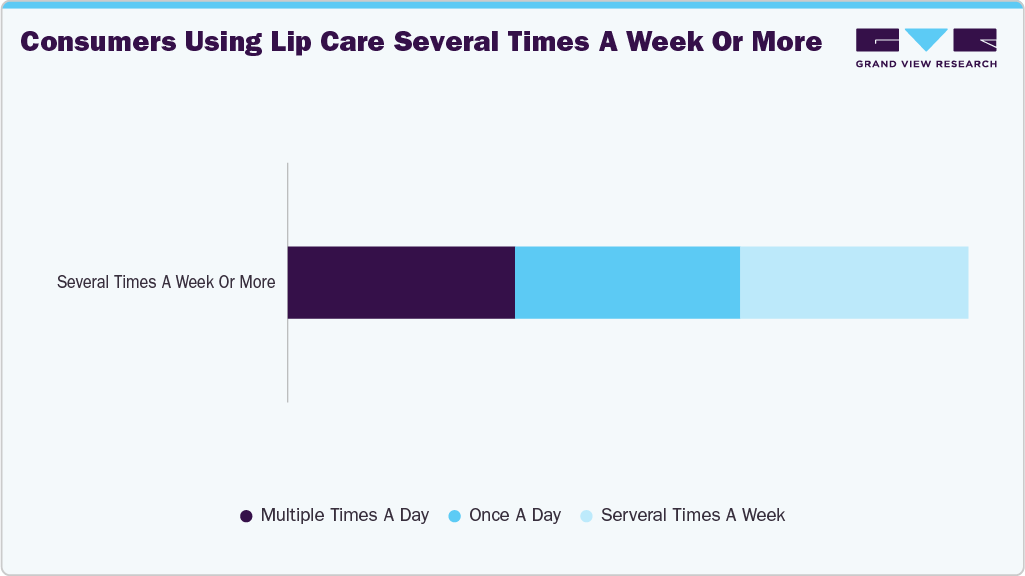
UK consumers are placing greater emphasis on streamlining their daily routines, and this shift is clearly reflected in their lip care habits. Among users, 84% report using lip care at least once a week, while 28% of the users either use it once a day, several times a week, or even multiple times daily. As beauty and self-care become more integral to personal well-being, lip care is seen as a core element of everyday grooming, valued for its protective and appearance-enhancing benefits. Importantly, these products are used almost exclusively for personal application, highlighting lip care's intimate, individual nature in today’s beauty routines.
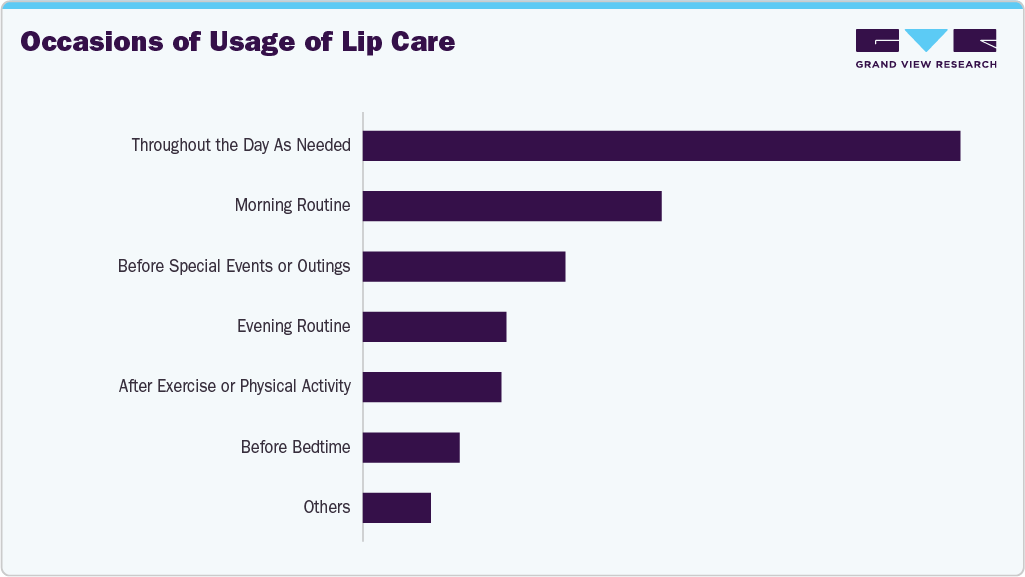
Lip care is mostly used throughout the day as needed, as mentioned by about 6 out of 10 consumers. However, regular application is also becoming part of morning routines and preparation for special events or outings, indicating the product’s growing role in both daily maintenance and occasion-based grooming. Consumers increasingly associate lip care with skin health, self-care, and relaxation, reinforcing its position as a wellness-oriented product. Despite its growing importance, several barriers remain. High prices and affordability concerns, coupled with an overwhelming array of product choices, can create decision fatigue. Addressing these concerns with transparent messaging, inclusive branding, and accessible pricing will be key to maintaining consumer trust and engagement.
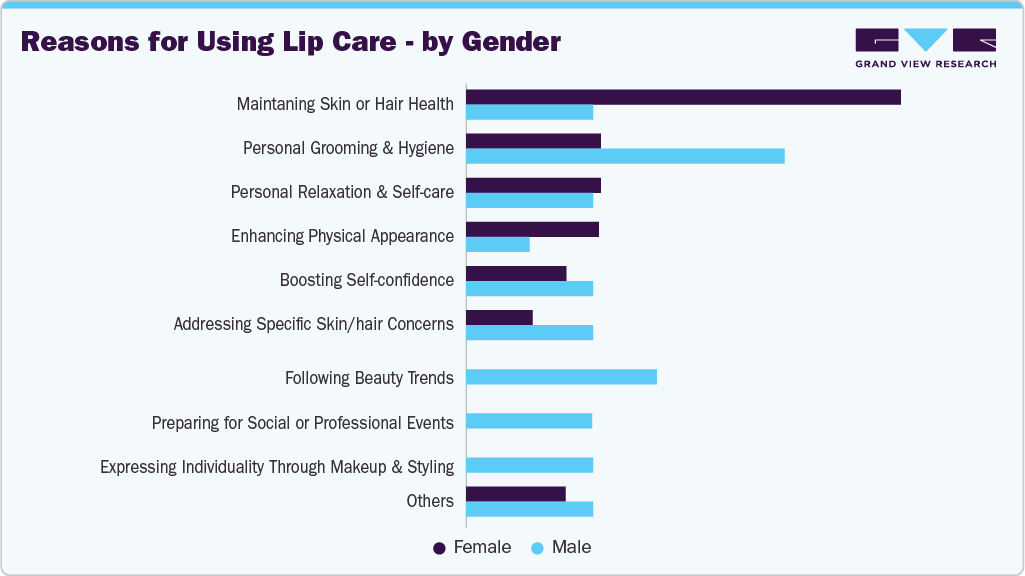
When it comes to lip care, maintaining skin health emerges as the primary motivator for female consumers, while personal grooming and hygiene are key drivers for male consumers. Aesthetic enhancement is a secondary factor for females, whereas males are more influenced by the desire to stay current with beauty trends. Across both groups, lip care products are considered a delightful purchase when they deliver visible results, include skin-friendly ingredients, and offer easy, convenient application. However, brands must address persistent consumer concerns. The high price point remains a significant barrier for price-conscious shoppers, while harsh or irritating ingredients and unpleasant smells or textures further discourage repeat purchases. To build loyalty, brands must prioritize gentle formulations, appealing sensory experiences, and accessible pricing without compromising product quality.
Buying Behavior
Before purchasing a lip care product, consumers prioritize two core factors: effectiveness and affordability. This underscores the competitive advantage for brands that deliver high-performing products at accessible price points. Following closely is ingredient transparency and safety, as consumers increasingly seek products with clear labeling, clean formulations, and minimal risk of irritation. Lastly, brand reputation and trustworthiness are crucial, especially in a crowded marketplace where consumers rely on brand credibility to make informed choices.
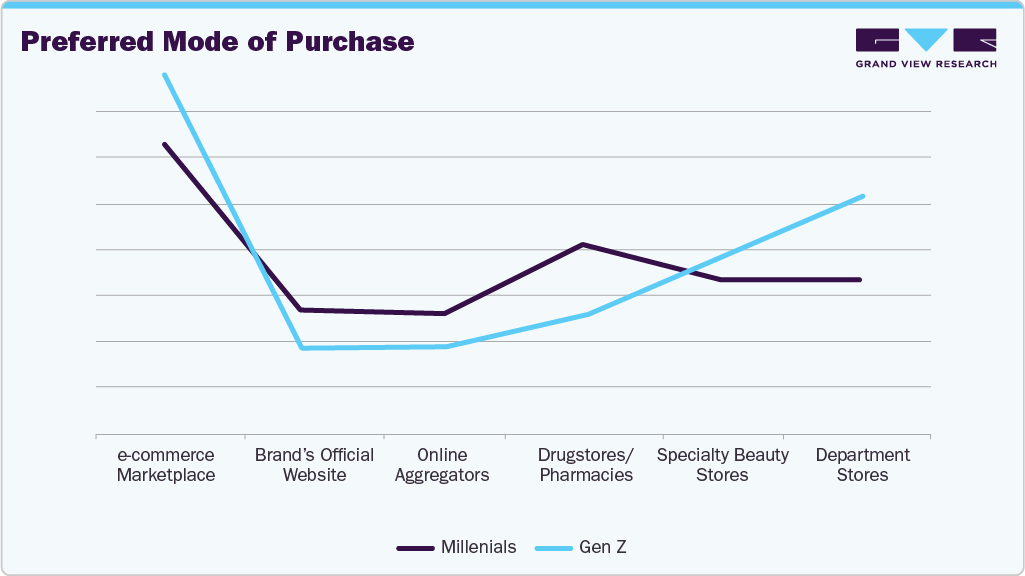
In terms of purchasing frequency, 25% of consumers buy lip care once a month, while another 25% purchase every 1-3 months, reflecting regular but varied usage habits. This is often tied to daily use and the availability of larger pack sizes that extend product lifespan. In terms of purchase channels, e-commerce marketplaces have become the most popular across the board. Notably, Gen Z and Millennials show a strong preference for shopping online, leveraging digital platforms for both convenience and access to a broader range of options.
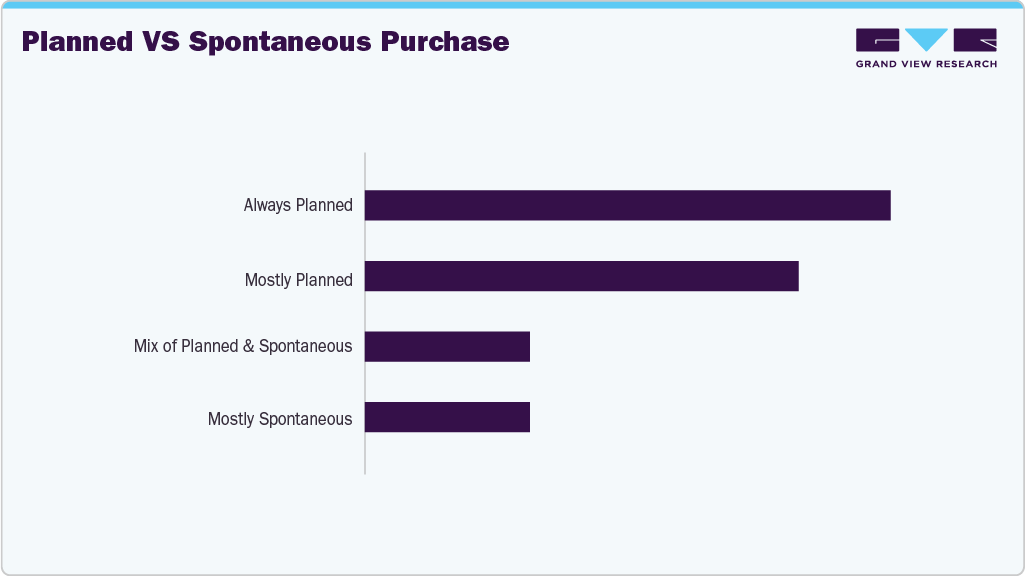
Lip care falls into the planned purchase category for most consumers. Seven out of ten respondents stated that their purchase was planned, with 41% saying it is always planned, and 13% reporting that their decision varies based on circumstances or promotional offers. Only a small segment, around 13%, engages in impulse buying, typically triggered by price promotions or discounts offered by brands. This indicates that while promotions can capture some opportunistic buyers, the majority of consumers approach lip care purchases with intent and deliberation, emphasizing the importance of consistent value, brand trust, and visibility during planned shopping cycles.
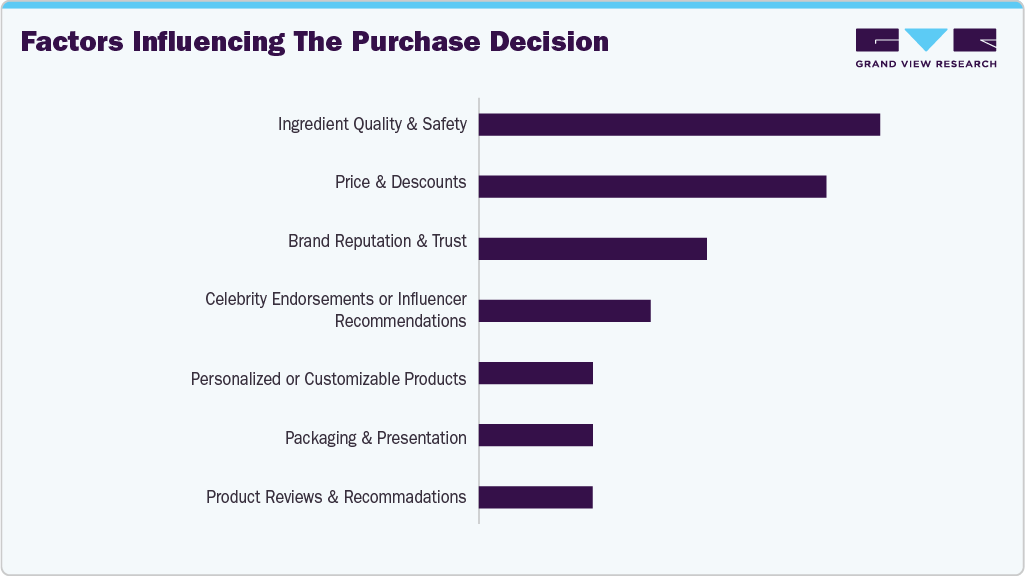
According to the survey, a significant percentage of participants stated that ingredient quality and safety are the primary factors that influence their decision to buy lip care, followed by price and discounts. Celebrity endorsements raise brand awareness, but they have a smaller effect on actual product purchases. Despite growing demand, several barriers still hinder consumer purchases. These include a lack of product variety tailored to specific needs and concerns about products that may cause skin or lip irritation and allergic reactions. Additionally, as beauty awareness continues to rise, 8 in 10 consumers report being moderately to highly brand-conscious, indicating that brand reputation and trust are critical factors in their decision-making.
Brand Power Play (Brand Health and Performance)
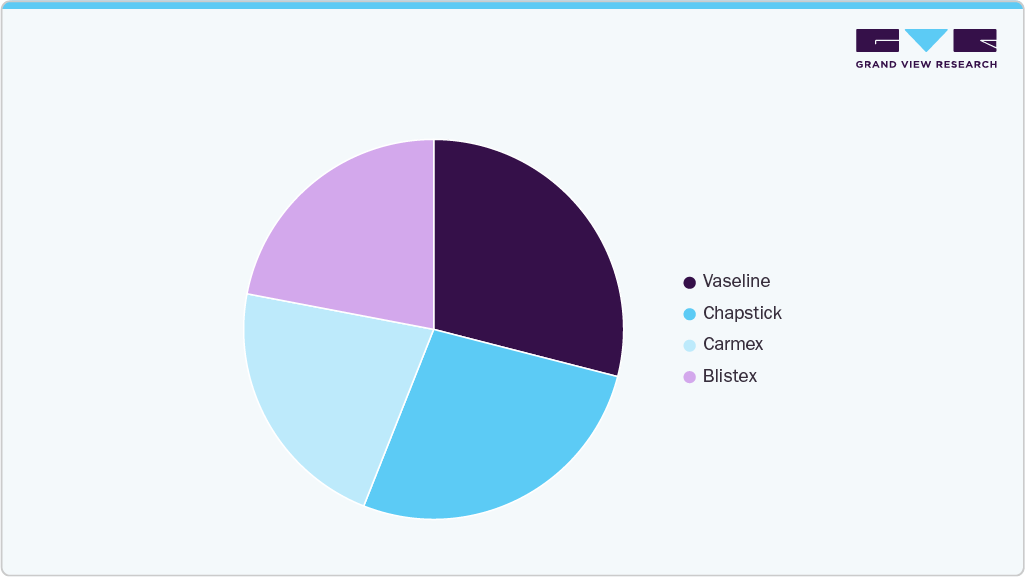
Some of the popular lip care brands in the UK include Vaseline, ChapStick, Carmex, and Blistex. Although the lip care industry is very competitive, Vaseline dominates the market with a 50% market share (by awareness) as the regional brand in the UK due to its affordability and effective moisture sealant.
Purchase Funnel
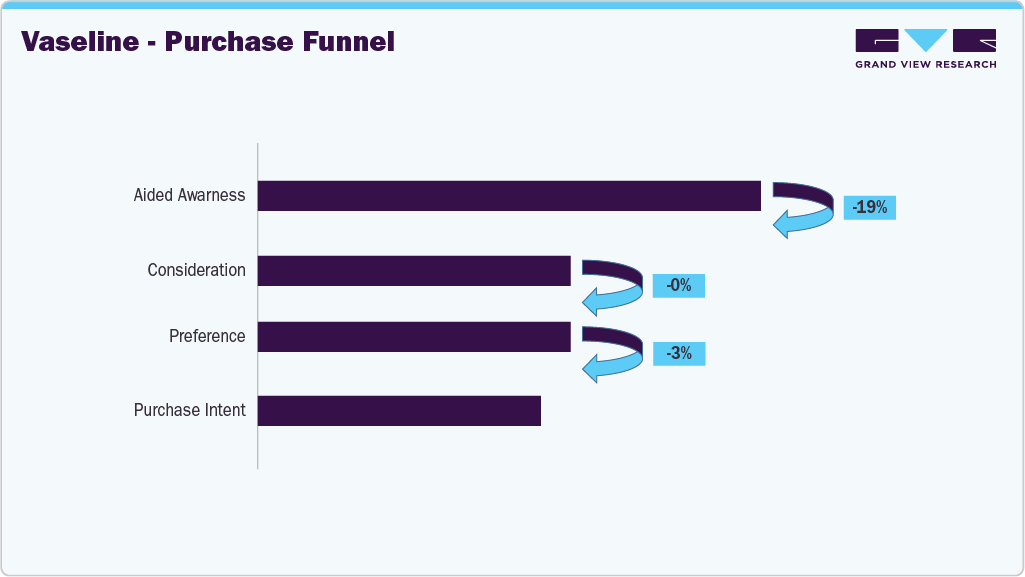
While many lip care brands enjoy high levels of awareness, the conversion from consideration to actual usage varies widely across the category. Only a select few brands succeed in moving consumers through the full purchase journey. Vaseline, the market leader, demonstrates a robust and consistent performance across the purchase funnel, despite experiencing a noticeable drop from awareness to consideration, a trend common in competitive markets. Its dominance is driven by factors such as widespread availability, affordability, and a strong reputation for effectiveness, particularly in moisture retention and protection against dryness and chapping. Vaseline holds the largest share at every stage of the funnel, from awareness to usage, and also leads in repeat purchases, signaling high brand loyalty and strong post-use satisfaction compared to competitors.
While the overall NPS score of the leading brands varies from 0 to 100, Vaseline leads the lip care industry with the highest NPS score (56) compared to other lip care brands in the market, indicating a strong likelihood of recommendation among users. This high score is driven by Vaseline’s consistent availability, affordability, and proven effectiveness in locking in moisture and protecting lips from dryness and chapping. These functional benefits, paired with strong brand equity, make Vaseline a trusted and widely recommended choice in the UK lip care market.
