UK Lounge Wear Consumer Insights - Usage, Attitudes, And Brand Performance Report
Introduction:
The UK loungewear market has seen a significant shift post-pandemic, with a focus on elevated loungewear that seamlessly transitions between home, casual outings, and professional environments. Brands like Bamboo London and Homebody have introduced temperature-regulating fabrics and recovery-enhancing minerals. Personalization has become a significant trend, with brands like Not Just Pajamas offering monogramming services. The distribution landscape favors direct-to-consumer models and social commerce platforms, with men's loungewear growing through specialized brands like Hamilton and Hare. The market divides between premium customizable brands and accessible options, with consumers viewing quality loungewear as a wardrobe investment. Here are some of the market trends dominating the UK lounge wear market:
-
Versatile Functionality: The boundary between loungewear and everyday attire continues to blur as brands develop pieces that seamlessly transition from home to social settings to workplace environments. Technical innovations borrowed from active wear, including temperature regulation, moisture-wicking, and stretch recovery, enhance this versatility while adding performance benefits. John Lewis's "Inside-Out" collection and M&S's smart-casual loungewear exemplify this trend, featuring elevated design elements like structured shoulders on otherwise comfortable tops and elegant draping on relaxed-fit bottoms.
-
Personalized Experience: Customization has evolved from a luxury add-on to an expected feature, with brands offering monogramming, color selection, and mix-and-match components that create unique loungewear wardrobes. This trend extends beyond aesthetics into therapeutic benefits, with companies like Homebody incorporating wellness elements such as mineral-infused fabrics and pressure-point targeting in their designs. The personalization movement reflects consumers' desire for emotional connection with their loungewear, transforming functional items into expressions of identity and self-care.
-
Demographic Expansion: The loungewear market has shed its female-centric focus to embrace diverse consumer groups, with dedicated men's collections showing particularly strong growth through brands like Hamilton and Hare. Age-specific designs now address varied preferences across generations, with The White Company offering elegant options for mature consumers while ASOS targets Gen Z with trend-driven styles. This broadened appeal has transformed loungewear from a niche category to a wardrobe essential across all demographics, driving market expansion beyond traditional boundaries.
-
Premium Positioning: Loungewear has decisively moved away from "throwaway fashion" status to become an investment category, with consumers willingly paying premium prices for quality craftsmanship and distinctive design. This elevation is supported by innovative business models, including subscription services that deliver curated seasonal pieces and social media-optimized aesthetics that showcase loungewear as lifestyle statements rather than private attire. Brands like Desmond & Dempsey have successfully positioned their collections as luxury items through narrative-driven designs and exceptional materials that justify higher price points.
Methodology:
The insights covered in this report are drawn from GVR’s ‘Voice of Consumer Survey’ and its periodic updates. The latest survey represents 75,000+ consumer interviews conducted across 20 countries for 100+ product categories. These insights are specifically catered to the brands operating in the Loungewear Industry to guide them in their strategic decision-making process. This report provides insights covering category usage & attitude, buying behavior, brand performance metrics, and brand health indicators of leading players in the UK loungewear market.
Chapter 1: Usage and Attitude
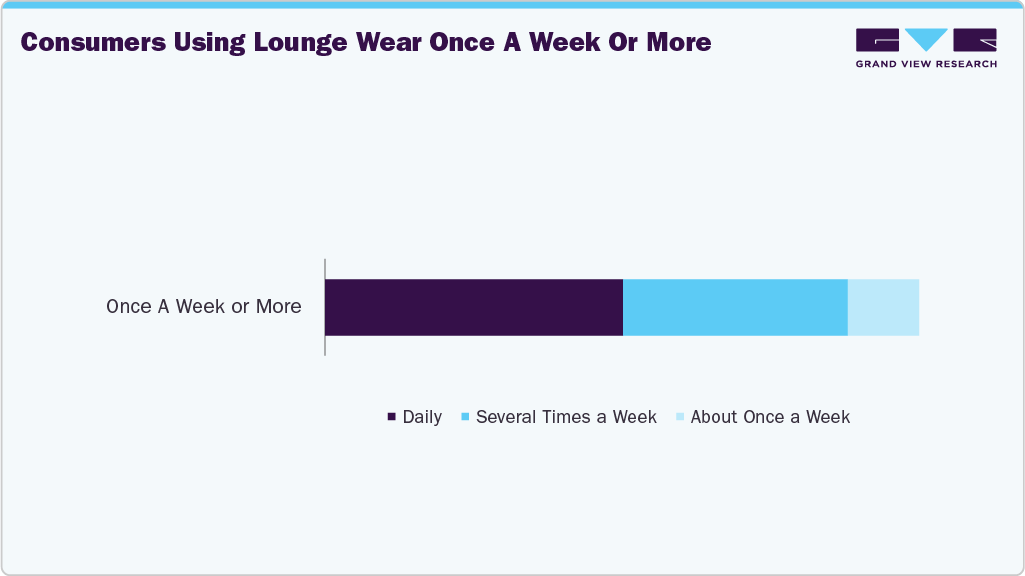
In the UK, 59% of people wear loungewear either daily (33%) or several times a week (25%), showing a strong preference for comfort in everyday life. The rise in home-based lifestyles and casual fashion trends has made loungewear a go-to choice for many. While most use it exclusively as part of their wardrobe rotation, a few also enjoy regularly sharing items with family or friends. This trend reflects changing habits and a growing acceptance of relaxed clothing in both personal and shared domestic settings.
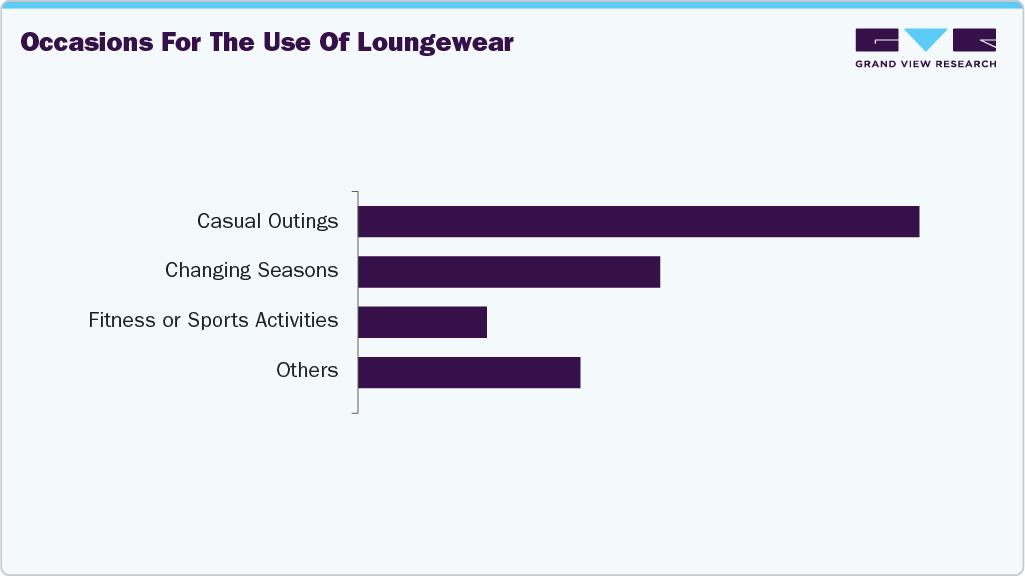
Loungewear is a popular choice when consumers go for casual outings (48%), as they seek stylish yet comfortable clothing for everyday errands, meetups, and social settings. Its versatility and modern designs make it suitable for public wear without compromising comfort. Changing seasons (26%) also play a role, as people choose loungewear to adapt to changing temperatures. A few consumers also like to wear loungewear like joggers and sweatshirts at the gym or for sports activities because of the comfortable fit. Loungewear is associated with comfort, confidence, and expressing personal style preferences. However, drawbacks include the high cost of quality or designer pieces and limited size availability in certain brands.
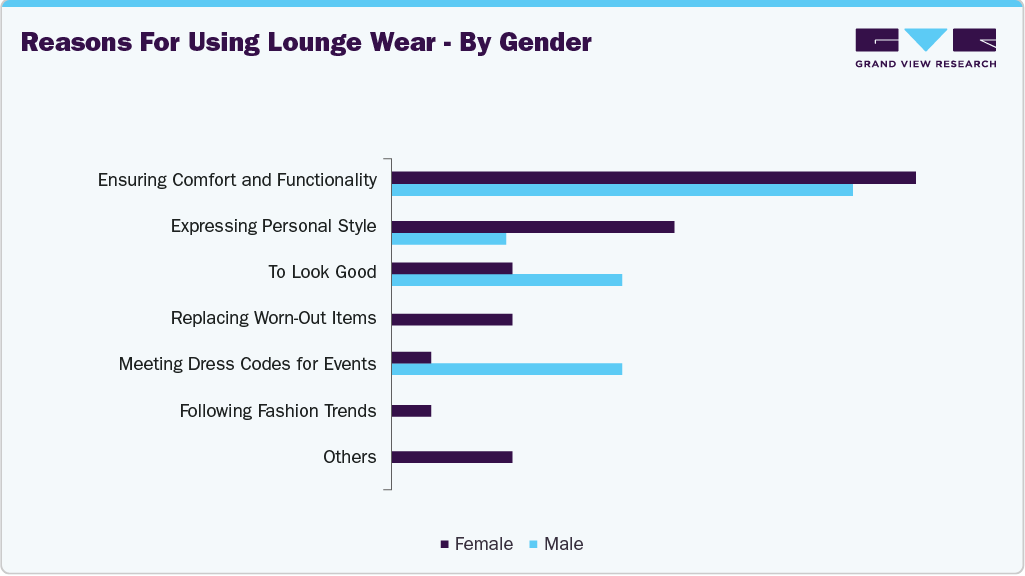
For loungewear, the most important reason for both females (65%) and males (57%) is ensuring comfort and functionality, showing that people value relaxed fits and ease of movement for home and casual wear. Among women, expressing personal style plays a significant role, as stylish loungewear allows them to feel confident even in relaxed settings. For men, higher importance is placed on looking good or professional. A comfortable fit and soft, breathable materials make loungewear enjoyable to wear, while good value for money enhances satisfaction with the purchase. However, issues like an uncomfortable fit, high price for the quality, or poor workmanship can lead to disappointment and reluctance to buy again.
Buying Behavior
In the UK, consumers prioritize price and value for money (78%) and comfort and fit (70%) when buying loungewear. They value comfort, especially for long hours at home or remote work, and seek affordable, high-quality options with features like elastic waistbands and soft fabrics. They also value durability and practicality in everyday use. A well-priced loungewear set made of breathable cotton is more appealing than trendy pieces that wear out quickly. Consumers typically purchase loungewear once a month or once a quarter, suggesting a regular investment.
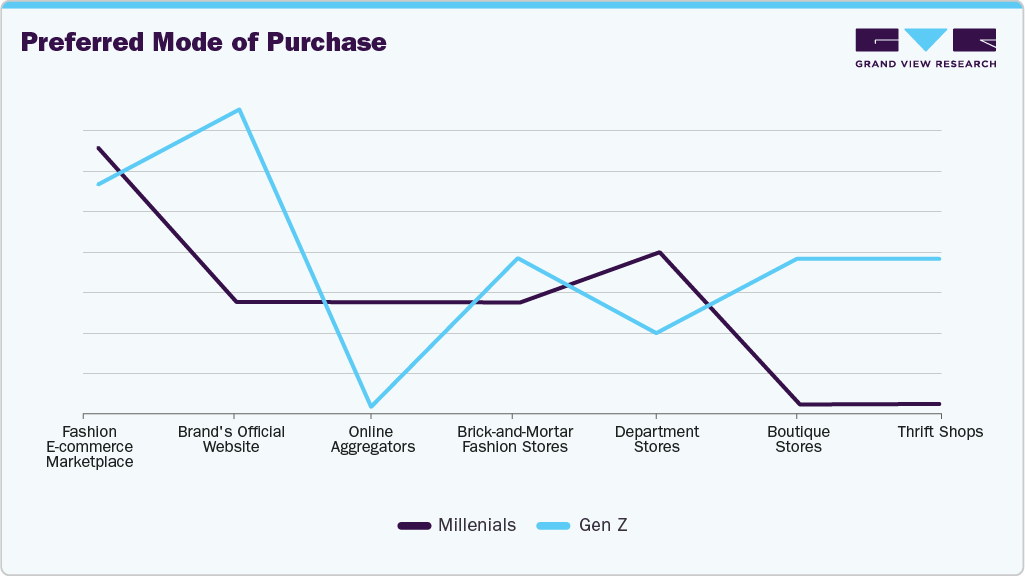
The shopping preferences for loungewear vary significantly among age groups. Millennials prefer fashion e-commerce marketplaces for convenience and brand comparison, while 30% shop at department stores for trusted selections. Gen Z, on the other hand, prefers brand official websites for direct engagement and authenticity. They are more likely to explore boutique stores, brick-and-mortar fashion stores, and thrift shops, reflecting their growing interest in unique, sustainable, and in-person shopping experiences.
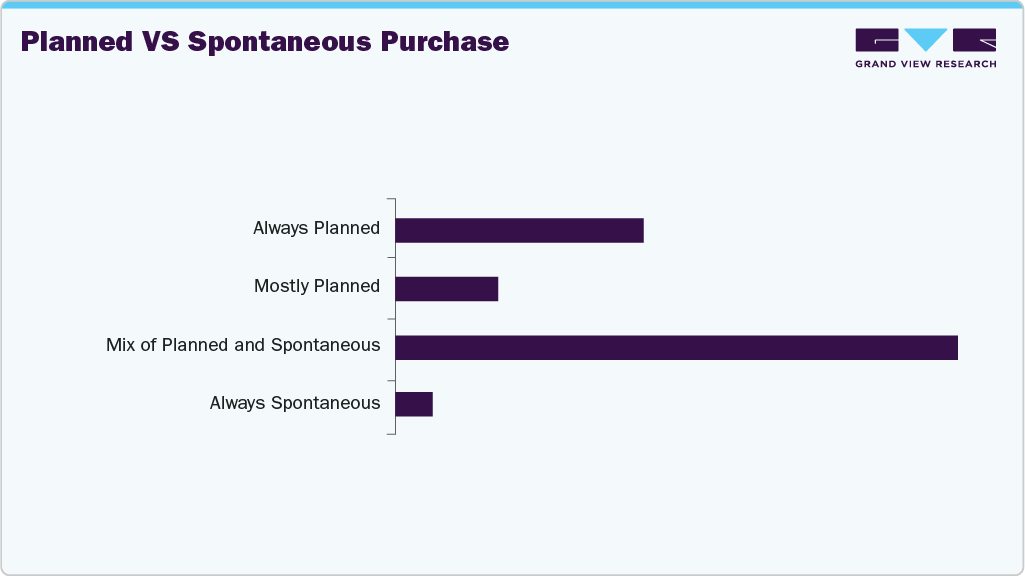
In the UK, the majority of loungewear purchases are a mix of planned and spontaneous, reflecting a flexible approach where consumers may intend to buy but are also influenced by sales, new arrivals, or appealing designs. A significant number of people also always plan or mostly plan purchases, indicating that comfort-focused wardrobe updates are often deliberate, especially when replacing worn items or shopping for seasonal changes. Shoppers usually plan purchases around comfort, fabric quality, and price, but remain open to unplanned buys when encountering a good deal or trendy item online or in-store.
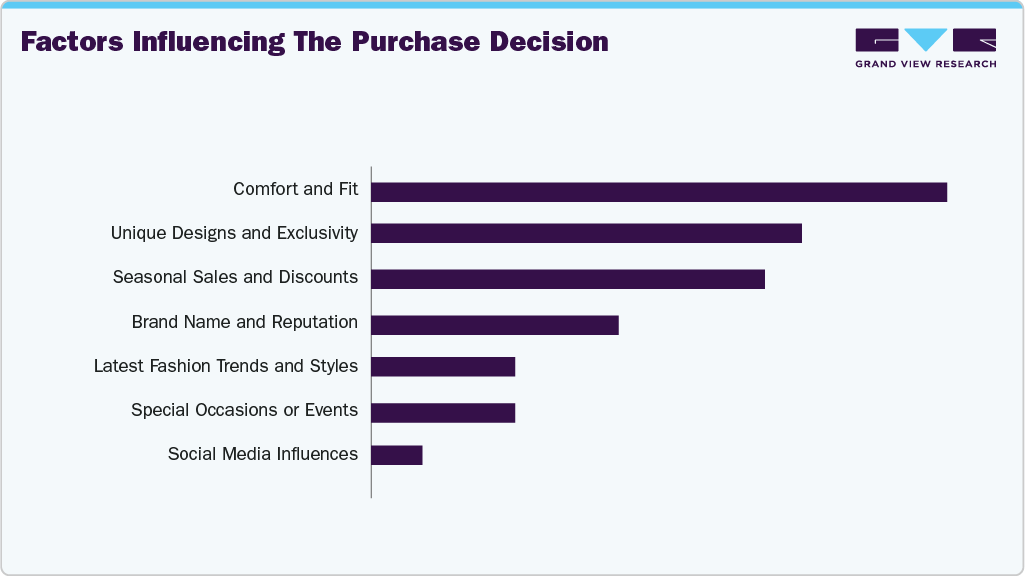
In the UK, comfort and fit are the top immediate triggers for purchasing loungewear, with 44% of consumers prioritizing softness, flexibility, and ease of movement. Unique designs and exclusivity drive interest, particularly among style-conscious shoppers. Seasonal sales and discounts provide financial nudges, while brand reputation, fashion trends, and special occasions support practicality. However, challenges like inconsistent sizing across brands and high prices for quality items can deter frequent buying. Online reviews, ratings, promotions, and discounts significantly influence purchase decisions, helping shoppers gauge value and satisfaction. 8 out of 10 consumers are moderate to high conscious about the brands they use, often associating brand choice with quality, ethics, or personal identity. Online fashion retailers remain the preferred mode of purchase due to convenience, variety, and easy access to brand and product information.
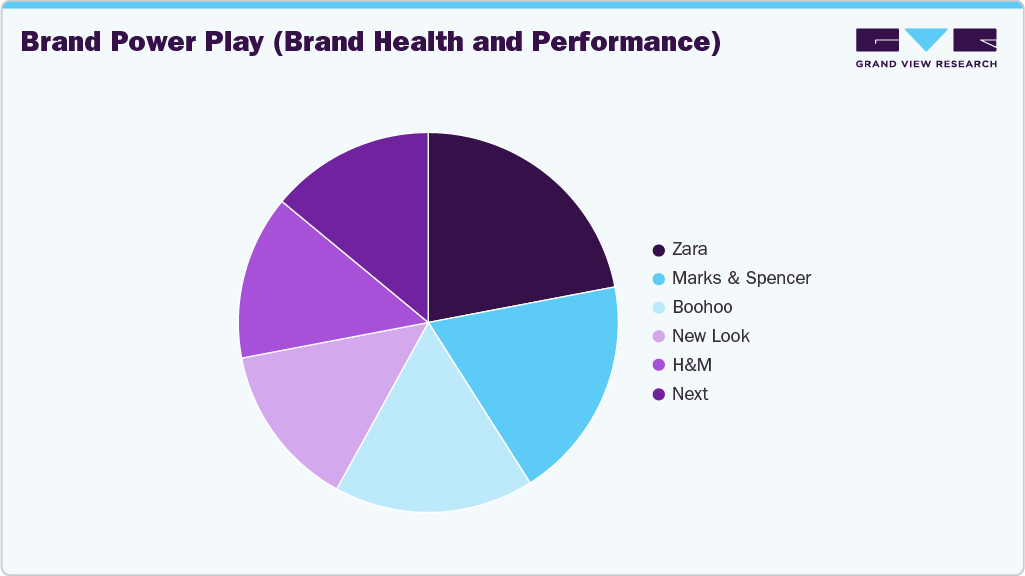
Brand Power Play (Brand Health and Performance)
Some of the popular brands of loungewear in the UK include Marks & Spencer, Next, H&M, Zara, Boohoo, and New Look. Although the loungewear market is highly competitive and rapidly growing, Zara dominates UK loungewear awareness (67%) through strategic positioning that integrates loungewear with their fashion-forward collections, an agile "fast fashion" model that rapidly responds to emerging trends, sophisticated visual marketing that portrays loungewear as aspirational lifestyle pieces rather than basic comfort wear, and an accessible luxury positioning that offers perceived quality and design sophistication at mid-market price points, establishing the brand as a recognizable authority in a crowded market. One of the other emerging brands is Primark, which is slowly making its way into the loungewear market. Primark is emerging in the UK loungewear market due to its combination of low prices, fashionable styles, and strong in-store shopping appeal.
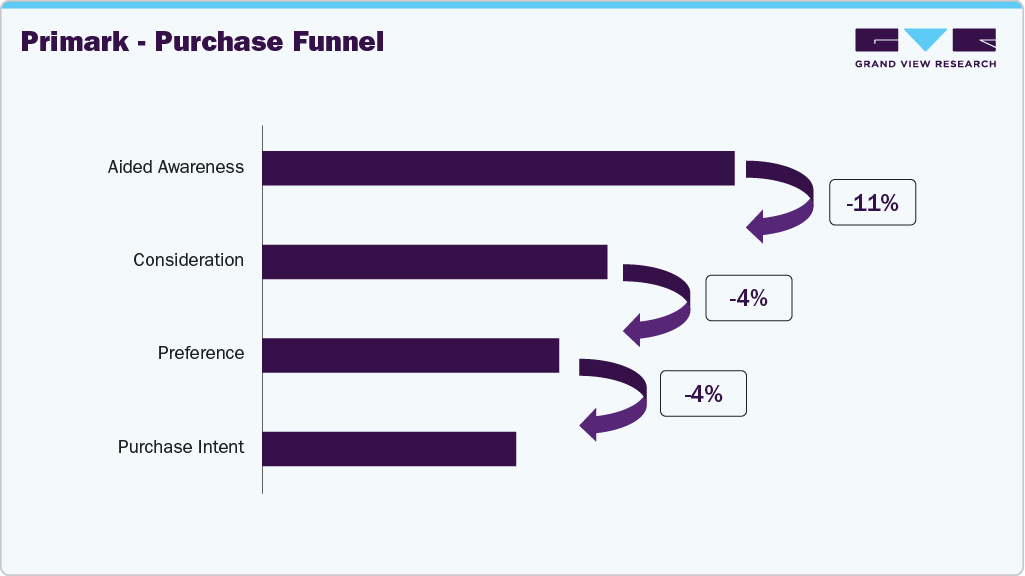
Purchase Funnel
While there are many highly competitive brands in the UK, few have high awareness. Yet only a few make it to consideration. Although Zara has high awareness and leads the market, Primark is one of the prominent brands that exhibit a strong purchase funnel despite having significant drops at each stage of the funnel. Primark and Next lead the consideration stage of the purchase funnel despite Zara being highly aware because they offer more affordable pricing, better comfort-focused options, and broader size availability, making them more accessible and practical for everyday wear compared to Zara’s more fashion-forward but higher-priced offerings. Marks & Spencer closely follows Primark and Next in the consideration stage. When it comes to preference and purchase intent, Primark again leads, followed by Zara due to similar reasons of its affordability and comfort-focused options. Primark is also being used by consumers and has a high repeat purchase trend due to its higher satisfaction level. Marks & Spencer is also significantly used by UK consumers, but has relatively lower repurchase intent than that of Primark.
The overall NPS score of the leading brands remains almost the same and ranges from 50 to 100, thus showcasing the high competition in the loungewear market. Boohoo and Next have a high recommendation among consumers with an NPS score of 100. This is mainly due to them being a regional brand, having an established presence, a wide selection of products, and strong online platforms. Boohoo, known for its fast fashion offerings, appeals to a younger demographic with its affordable and trend-forward styles. At the same time, Next offers a wider range of clothing and home goods with a focus on quality and family appeal.
