UK Personal Computer Consumer Insights - Usage, Attitudes, And Brand Performance Report
Introduction:
In the UK, the way people buy and use PCs is changing. Many now prefer laptops with smart features like AI, which help with work, studying, and multitasking. At the same time, because of rising living costs, people are being more careful with money; they often look for discounts, cheaper brands, or even second-hand PCs, as the UK is also one of the leading markets for buying and selling second-hand PCs. Younger buyers, in particular, are choosing refurbished devices to save money. Online shopping is the most popular way to buy PCs, as it's easy to compare prices and read reviews. People still want high-quality computers, but they also want the best value for their money. More people are also choosing PCs that can handle different tasks like video calls, school projects, creative work, and even gaming. Because many now work or study from home, having a reliable and fast computer is more important than ever. Brands that offer longer battery life, better performance, and eco-friendly options are becoming more popular. Before buying, shoppers often check reviews, watch videos, and compare features to make sure they are getting the right device for their needs. Overall, the PC market in the UK is focused on smart technology, good value, and flexibility to fit modern lifestyles. Here are the market trends:
-
AI-Powered PCs Driving Market Growth: The UK PC industry is expanding rapidly due to AI-integrated laptops. AI-enabled PCs are expected to see increased shipments and higher average selling prices in the near future as demand for smarter, more efficient machines grows. These gadgets include productivity features such as adaptive performance, real-time language translation, and advanced security. AI PCs are being used by both businesses and schools for the advantages of automation and multitasking. As AI becomes more widely used, it is changing consumer expectations and setting new benchmarks in the PC business.
-
Growth in Hybrid Work Models: With the rise of remote and hybrid work, professionals are increasingly seeking flexible computing options, driving a significant increase in demand for laptops and portable PCs. As companies continue to adopt hybrid work setups, employees require reliable, high-performing devices that can easily transition between home and office use. This shift has also fueled interest in features such as smooth video conferencing capabilities, extended battery life, and lightweight designs for on-the-go convenience. To meet these evolving needs, tech brands are innovating and expanding their product lines to support a range of modern work styles.
-
High Spending on Premium PCs: In recent years, many Britons have spent substantial sums on desktop PCs, indicating a trend towards investing in high-performance devices. This shift reflects a growing preference for top-tier technology, especially among professionals, gamers, and creatives who need powerful machines for demanding tasks. The trend towards high-end PCs is also driven by the desire for longevity, as consumers increasingly see premium devices as a long-term investment. As remote work and digital collaboration continue to rise, the demand for premium, high-spec PCs is expected to remain strong, with consumers prioritizing performance, design, and future-proofing their purchases.
Methodology:
The insights covered in this report are drawn from GVR’s ‘Voice of Consumer Survey’ and its periodic updates. The latest survey represents 75,000+ consumer interviews conducted across 20 countries for 100+ product categories. These insights are specifically catered to the brands operating in the PC industry in order to guide them in their strategic decision-making process. This report provides insights covering category usage & attitude, buying behavior, brand performance metrics, and brand health indicators of leading players in the UK PC market.
Chapter 1: Usage and Attitude
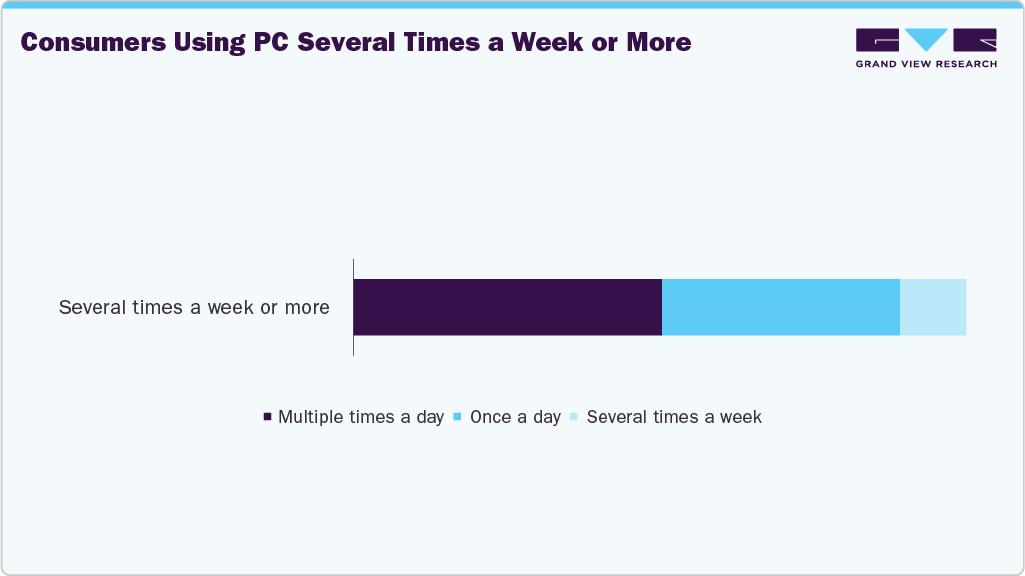
UK consumers recognize the ease that technology brings to daily life. With 78% using PCs at least weekly and 28% using them daily, there is a clear shift toward valuing convenience and portability in everyday devices. These items are increasingly relied upon not just for entertainment, but also for both professional and personal use.
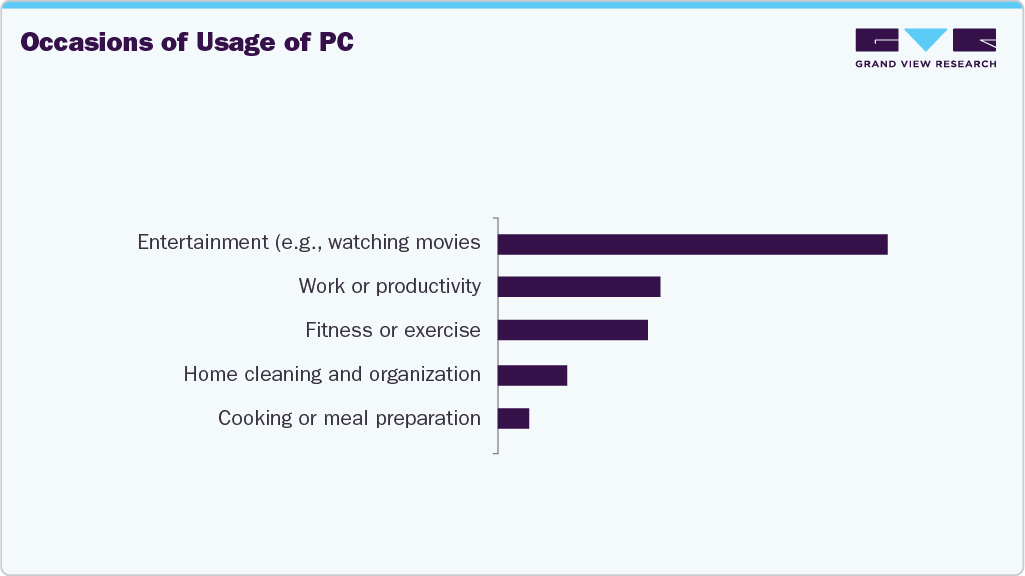
PCs are mainly used for occasions like entertainment, with approximately 8 out of 10 consumers using them for this purpose. However, 65% of individuals also utilize PCs for professional and productivity-related activities. In many sectors, such as content creation, business, education, healthcare, and technology, PCs are essential for tasks like communication, data processing, and managing projects, all of which enhance creativity, efficiency, and teamwork. Moreover, a significant portion of users have found other valuable uses for PCs in their daily routines.
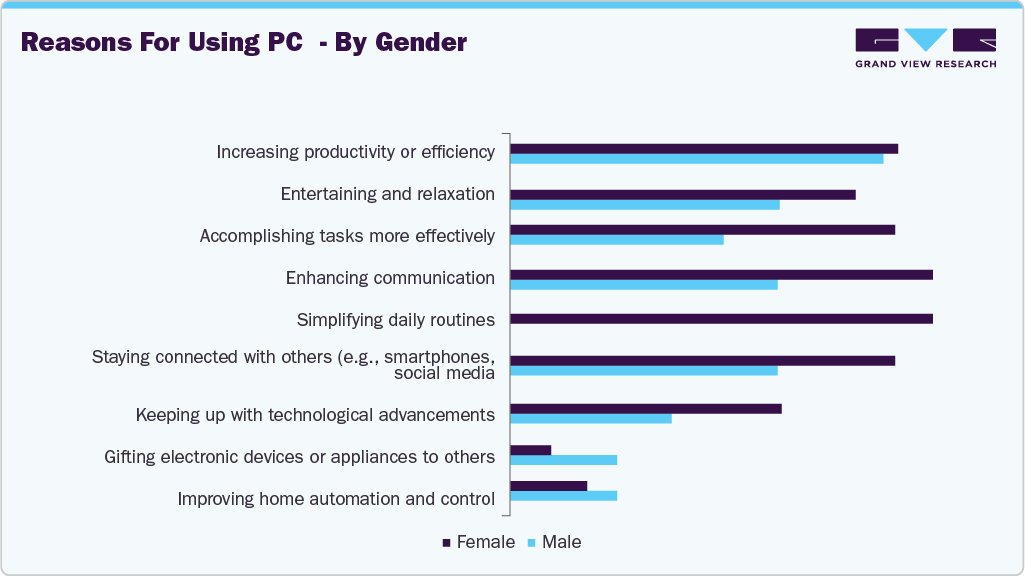
When it comes to reasons for using a PC, increasing productivity or efficiency is the key driver for both females and males. For many, PCs are essential tools that help streamline daily tasks, manage workloads more effectively, and improve overall performance. For females, the main motivation behind PC usage is to enhance productivity, enabling them to accomplish a wide range of tasks, from professional work to personal projects, more efficiently. On the other hand, for males, the primary reason for using a PC is to enhance communication. This can include connecting with colleagues, clients, and friends, collaborating on projects, and engaging in online communities with apps like TeamSpeak, Discord, or Google Meet, which play a crucial role in both personal and professional spheres. Ultimately, PCs serve as versatile devices that support both individual and collaborative goals across a range of activities.
One negative aspect of using a PC in the UK is the overdependence on screens and digital devices, which has raised concerns about its impact on physical and mental well-being. Prolonged screen time can lead to eye strain, poor posture, and a lack of physical activity, while contributing to a sense of disconnection from the real world. This overreliance on technology can affect users’ overall health and productivity. Another common frustration is the limited compatibility of PCs with other devices. Many users face challenges connecting their PCs to smartphones, tablets, or other smart devices due to software or hardware compatibility issues. These limitations can hinder seamless integration, disrupt workflows and user experience, and often create barriers to transferring files or syncing data across platforms, especially when system requirements or updates introduce further complications.
Buying Behavior
When purchasing a PC in the UK, consumers consider product performance and reliability, pricing and value for money, and technological features and innovations. Since many people purchase a new PC only once every 10 years, it’s vital to choose a device that can handle a wide range of tasks and remain reliable over time. Look for strong processing power, fast performance, and durability to ensure it meets both current and future needs. While high-end PCs may offer premium features, balancing cost with the required specifications is important to ensure long-term value. Consumers should assess whether the device provides performance and longevity that justifies the price. Additionally, consider technological innovations such as AI capabilities, advanced graphics, and enhanced security, which can significantly improve performance and keep your PC functional and efficient for years to come.
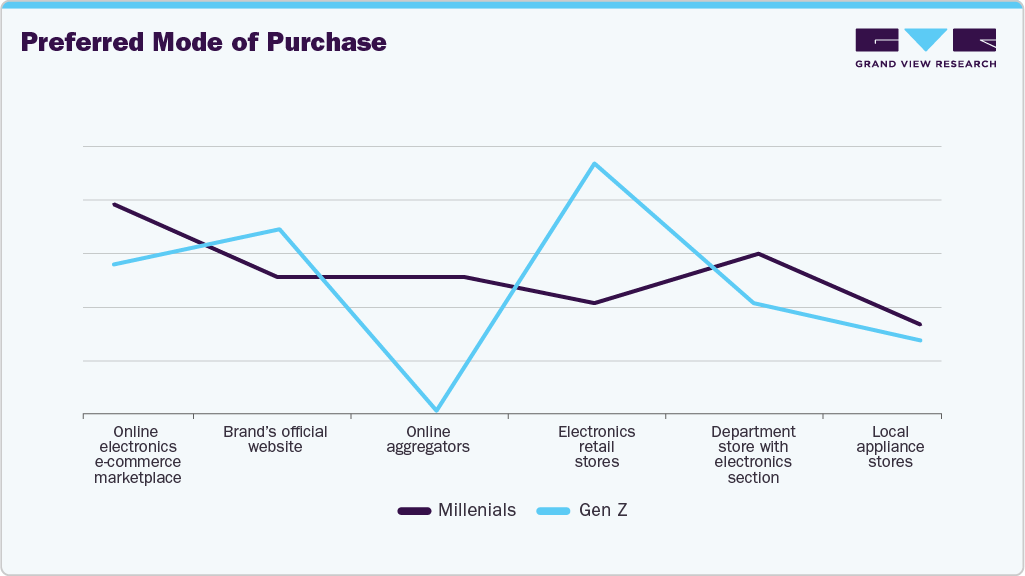
When it comes to purchasing PCs, the online electronics e-commerce marketplace is the preferred choice, especially among Millennials, who appreciate the convenience of comparing prices, accessing a wide range of brands, and making informed decisions from the comfort of their homes. Online shopping also allows them to read reviews, watch unboxing videos, and enjoy a seamless experience. In contrast, Gen X tends to favor electronics retail stores, where they can physically inspect the product, ask questions, and make an immediate purchase. This generation values the tactile experience of seeing and testing products before buying and enjoys the instant gratification of taking the item home right away. Despite the rise of online shopping, Gen X still appreciates the personal interaction and reassurance that come with in-store purchases.
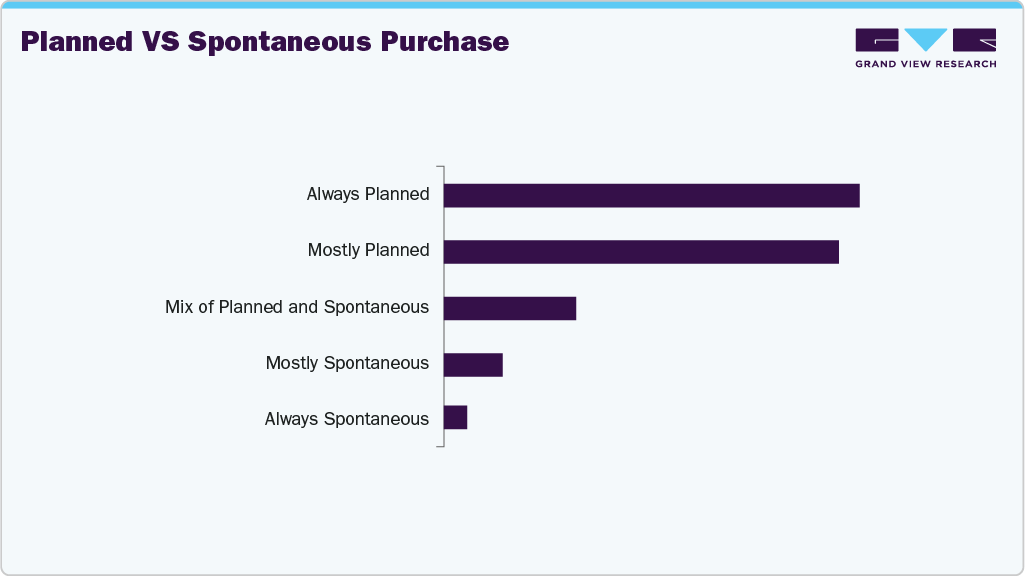
With 8 out of 10 respondents indicating that their PC purchase was planned, 38% of consumers stating that their purchase was always planned, and 13% stating that their purchase was either planned or spontaneous, depending on various circumstances and offers, we can confidently conclude that PCs fall into the more planned purchase category. Just 8% of people have ever bought a PC on impulse. Due to concerns about cost and affordability, few buyers make hasty decisions when purchasing a PC. Given the significant investment involved, consumers often take their time to research specifications, compare prices, and read reviews before making a purchase. This careful consideration reflects the long-term value people expect from their PCs, as they are seen as essential tools for both personal and professional use.
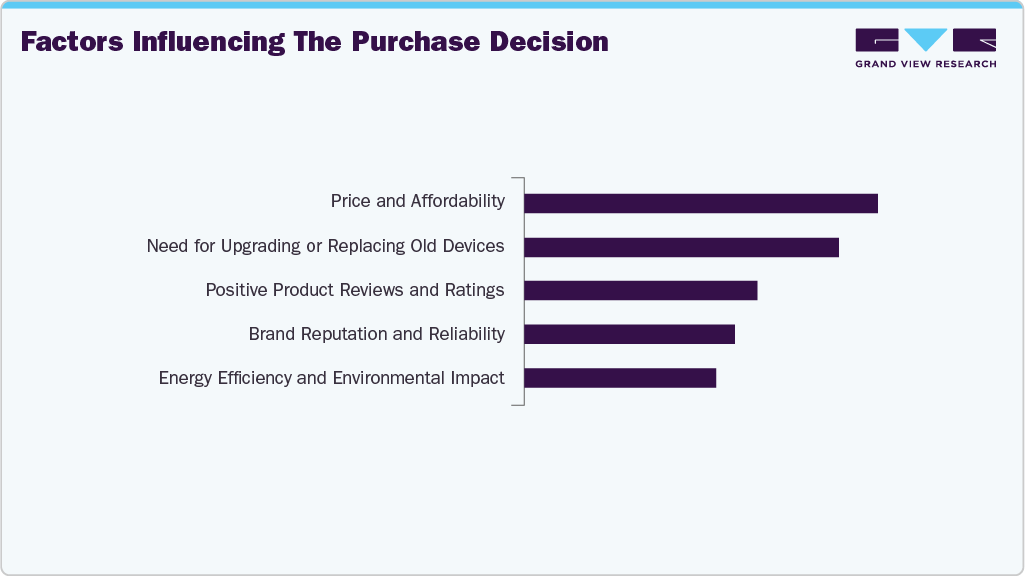
In the UK, several immediate triggers drive consumers to purchase a PC. The most significant factor is price and affordability, with 58% of buyers prioritizing cost when making their decision. Many consumers are increasingly looking for PCs that offer the best value for money, especially as budgets tighten due to rising living costs. Another key trigger is the need to upgrade or replace old devices, which motivates 52% of consumers to seek new PCs. This need often arises when older models become too slow or incompatible with newer software. Additionally, positive product reviews and ratings play a crucial role, influencing 39% of buyers in their choice. Shoppers tend to rely on reviews to ensure they’re investing in a device that meets their expectations for performance and durability.
Brand Power Play (Brand Health and Performance)
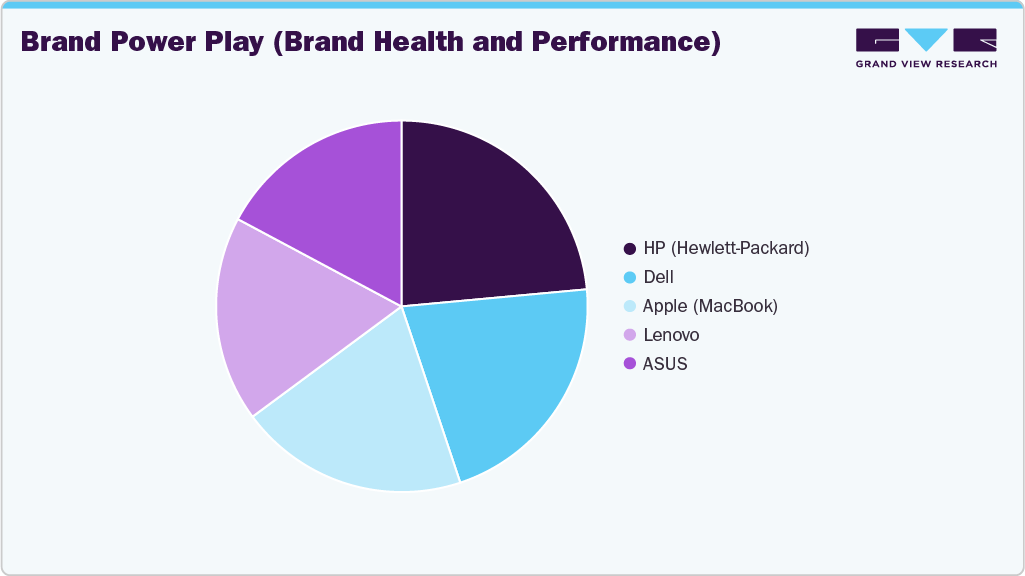
In the UK PC market, brand power significantly shapes consumer preferences, with key brands leading in aided awareness. HP tops the list at 84% due to its strong brand reputation, wide product range, and extensive market presence across consumer and business sectors. It is followed by brands like Dell, Apple (MacBook), Lenovo, and ASUS.
Purchase Funnel
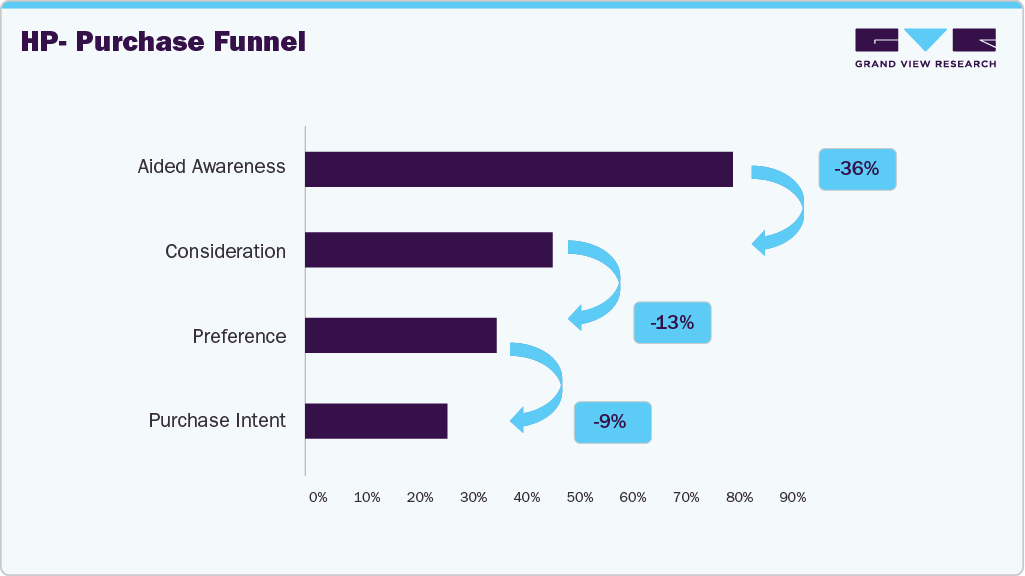
HP holds the most powerful purchase funnel in the UK PC market, with 84% aided awareness, 48% consideration, 35% preference, and 26% purchase intent, demonstrating strong brand visibility and consistent consumer engagement across all stages for both personal and business use. However, the competition is fierce, with Lenovo known for offering reliable performance and great value for business and education users, DELL standing out for its high-quality build, enterprise solutions, and excellent customer support, ASUS recognized for its innovation and gaming capabilities, and MacBook (Apple) attracting consumers with its premium design, seamless ecosystem, and user-friendly experience. All five brands are actively competing to win over UK consumers, each bringing unique strengths to the highly competitive PC market.
While the overall NPS score of the leading brands varies from -1 to 80, HP leads the PC industry with the highest NPS score (80) compared to other PC brands in the market. People often recommend HP PC’s in the UK due to their strong brand loyalty, consistently delivering high-quality products with reliable performance, value for money, and excellent customer support. Consumers trust HP for both personal and business needs, appreciating its wide range of models, durability, and innovative features. Additionally, HP’s commitment to sustainability and continuous improvement in user experience further strengthens customer satisfaction and encourages positive word-of-mouth recommendations.
