UK Refrigerator Consumer Insights - Usage, Attitudes, And Brand Performance Report
Introduction:
The typical refrigerator scenario in the UK is straightforward, with most households using standard fridge or fridge-freezer combinations that are notably smaller than their American counterparts, typically to accommodate compact UK homes. Energy efficiency has become a priority for British consumers due to rising energy costs. While built-in refrigerators that seamlessly integrate with kitchen cabinetry are increasingly popular in newer homes and renovations, freestanding models remain common. Though smart refrigerators with mobile app controls are entering the market, they account for only a small share of refrigerators in UK homes. Here are the market trends:
-
French Door and Side-by-Side Designs Popularity: Demand for French door and side-by-side refrigerator models in the UK is rising, driven by their spacious interiors and improved organization. These designs offer wide shelving, convenient access to both fresh and frozen items, and a modern aesthetic that appeals to style-conscious consumers. Families especially appreciate the ability to store large platters and groceries more efficiently. Additionally, many models come with water and ice dispensers, adjustable compartments, and advanced cooling zones, enhancing both functionality and luxury.
-
Smart Refrigerators on the Rise: The UK is experiencing a steady increase in the use of smart refrigerators, as more consumers seek appliances that offer added convenience and advanced features beyond traditional cooling. These modern fridges often come equipped with Wi-Fi, digital displays, and mobile app support, enabling users to adjust temperatures, receive notifications, and monitor what’s inside from their phones. Some models include internal cameras, integration with voice assistants such as Alexa or Google Assistant, and self-diagnostic tools for easier maintenance. As connected home technology becomes more common, smart fridges are emerging as a key part of the modern kitchen, especially among environmentally aware and tech-savvy buyers.
-
Energy Efficiency Emphasis: UK consumers are increasingly prioritizing energy efficiency when choosing refrigerators, largely due to higher electricity prices and greater sustainability focus. Many shoppers now seek models with top energy ratings, such as A or B under the updated UK energy label system, to help reduce household energy use and environmental impact. In response, manufacturers are enhancing designs with technologies such as inverter compressors, improved insulation, and environmentally friendly refrigerants. Additionally, government policies and rebate schemes are pushing both brands and consumers toward more energy-conscious choices, making efficiency a key factor in modern appliance buying.
Methodology:
The insights covered in this report are drawn from GVR’s ‘Voice of Consumer Survey’ and its periodic updates. The latest survey represents 75,000+ consumer interviews conducted across 20 countries for 100+ product categories. These insights are specifically catered to the brands operating in the refrigerators industry to guide them in their strategic decision-making process. This report provides insights covering category usage & attitude, buying behavior, brand performance metrics, and brand health indicators of leading players in the UK refrigerators market.
Chapter 1: Usage and Attitude
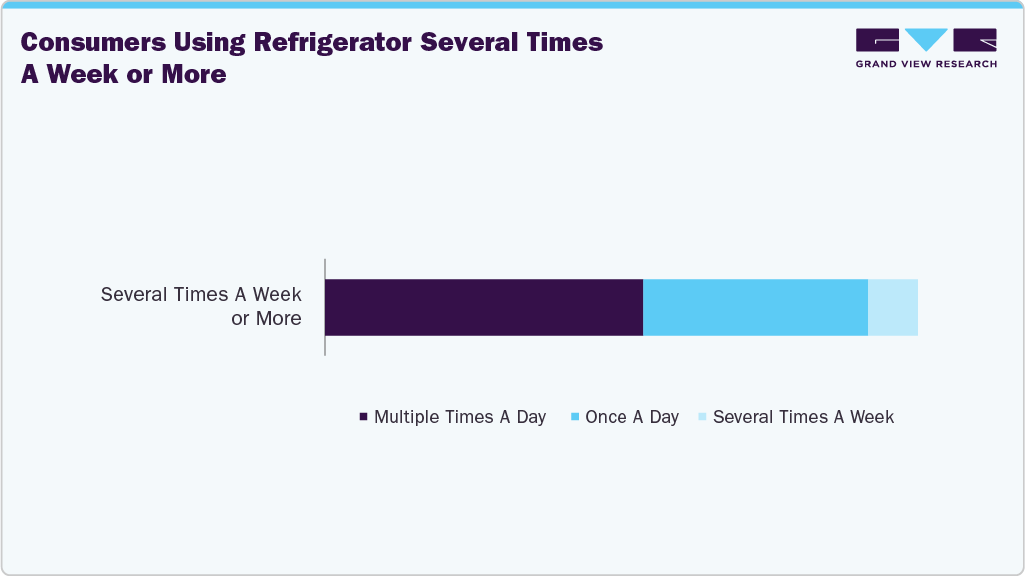
The humble refrigerator remains the most visited appliance in British homes, with nearly all users engaging with it multiple times a week or more. Over half (50%) of UK residents open their fridge several times a day, whether to reach for milk for their morning cuppa or for ingredients for dinner prep. Another 36% access it at least once daily, and 8% do so several times a week. These figures show that among those who use refrigerators, 97% interact with them regularly, making the fridge a cold, glowing fixture in the rhythm of everyday UK life.
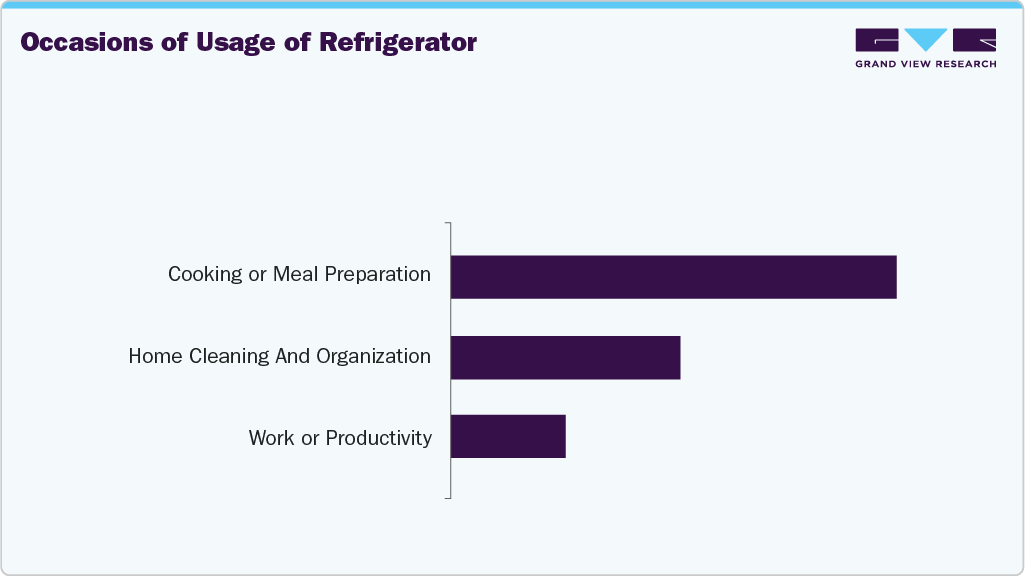
In the UK, refrigerators are most commonly used for cooking or meal preparation, with 77% of people relying on them to store ingredients, leftovers, or drinks while preparing meals. This makes sense, as the fridge is a key part of everyday cooking routines. Additionally, 40% of people use their fridge for home cleaning and organization, such as organizing food or tossing out expired items. 20% interact with their fridge during work or productivity, often to grab a quick snack or meal while working from home. It is also important to note that refrigerators are frequently used by others in the household, underscoring their role as a shared resource for the entire family. These occasions highlight how integral refrigerators are to both meal prep and daily household tasks.
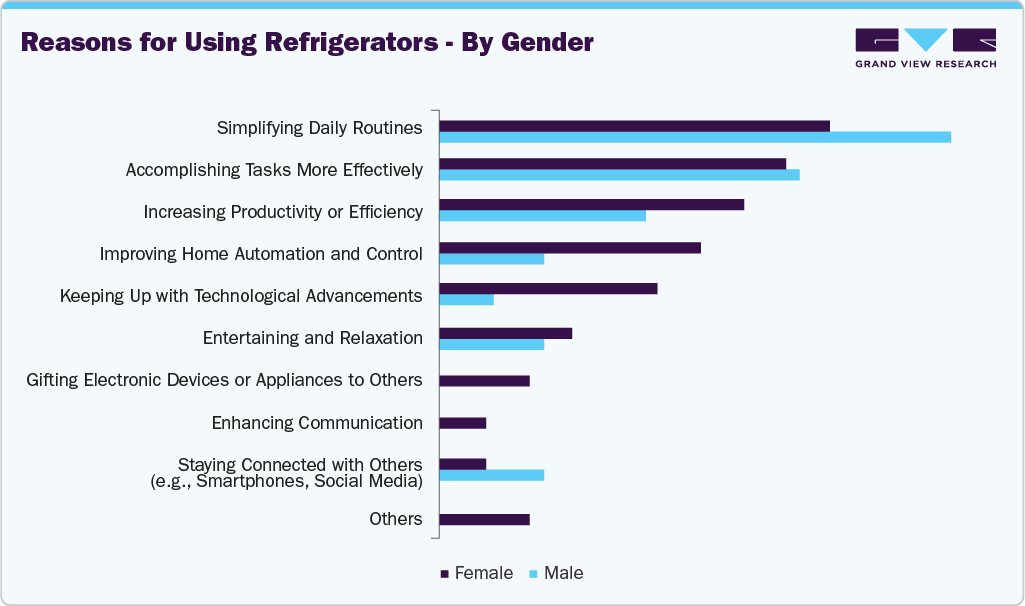
In the UK, the primary reasons for using a refrigerator vary slightly between men and women, reflecting different lifestyle needs. 63% of women and 47% of men say they use refrigerators to simplify daily routines, such as having quick access to meals, snacks, or ingredients, which helps save time during busy mornings or meal prep. When it comes to accomplishing tasks more effectively, 44% of women and 42% of men value how refrigerators help keep food organized and fresh, making household management easier. Interestingly, 37% of men cite increasing productivity or efficiency as a reason, perhaps using the fridge to support work-from-home schedules, compared to 25% of women. A positive association across households is that refrigerators enhance home comfort and automation, blending seamlessly into modern lifestyles where convenience and smart technology are increasingly valued.
While refrigerators are essential in most homes, some consumers in the UK associate them with high costs, especially when considering premium models or the latest technology. Advanced features such as smart connectivity, energy-efficient systems, or sleek designs often come with a hefty price tag, which can be a barrier for many. Another common source of dissatisfaction is high power consumption or inefficiency, with some consumers frustrated by older or less energy-efficient models that result in higher electricity bills. Despite the desire for modern conveniences, the long-term financial impact of running a high-power-consuming refrigerator can leave people disappointed, especially when the appliance is not performing as efficiently as expected.
Buying Behavior
When purchasing a refrigerator in the UK, consumers typically focus on product performance and reliability, as these are key factors in making a long-term investment. Since many people buy a refrigerator only once every 6-10 years, they want to ensure that the appliance will perform well over time, providing consistent cooling and minimal maintenance. Pricing and value for money also play crucial roles, as consumers seek a balance between quality and affordability. While premium features like smart technology or sleek designs are appealing, buyers are often cautious about paying extra unless they believe the added cost offers significant long-term value. With refrigerators being a major household investment, people tend to prioritize dependability and cost-effectiveness to avoid needing replacements or repairs too soon.
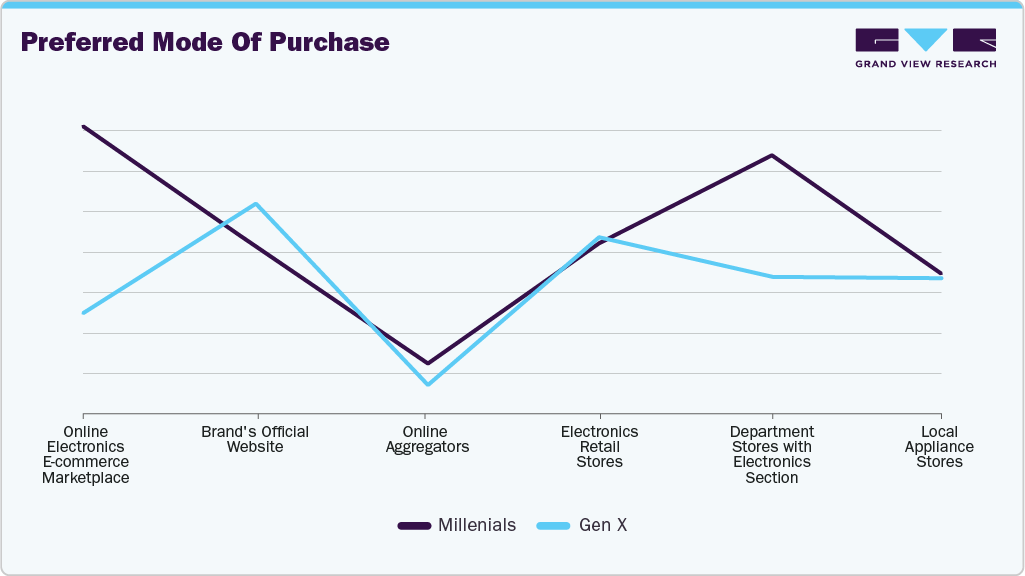
In the UK, electronics retail stores remain the most common and trusted place for both Millennials and Gen X to purchase refrigerators, offering a hands-on experience where shoppers can compare models, ask questions, and see the appliance in person. However, shopping habits differ slightly between the two groups. Millennials often prefer using online electronics e-commerce marketplaces like Amazon or AO.com, drawn to the convenience, wide selection, user reviews, and competitive pricing these platforms offer. In contrast, Gen X buyers tend to trust the official websites of refrigerator brands, where they feel more confident about product authenticity, warranties, and direct customer support. These preferences reflect each generation’s comfort with technology, desire for convenience, and trust in brand reliability when making significant purchases.
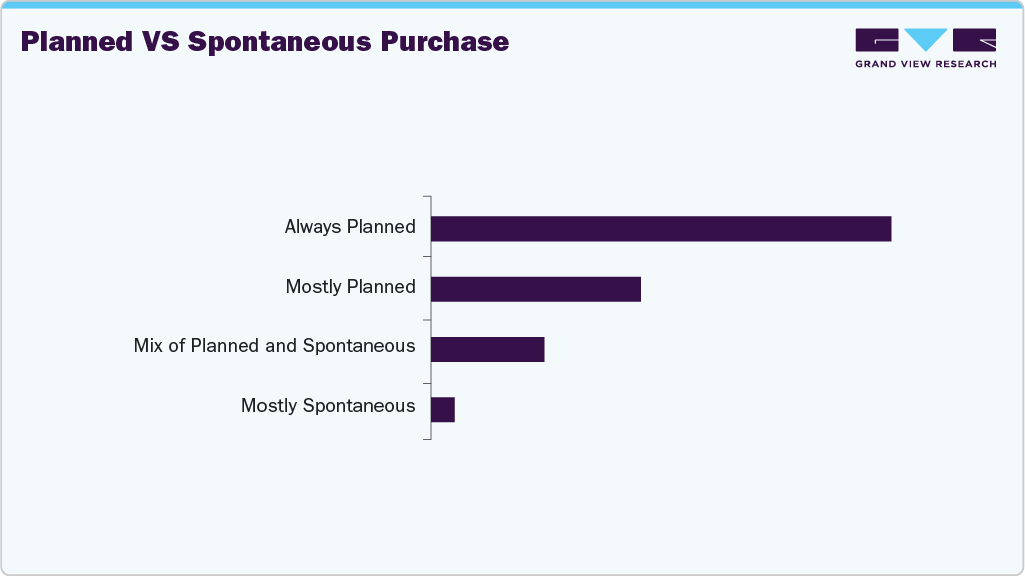
In the UK, buying a refrigerator is largely a planned decision, with 57% of consumers reporting their purchase as always planned and another 26% saying it was mostly planned. This makes sense, as refrigerators are a significant household investment and not something people replace frequently, usually only once every 6 to 10 years. Shoppers often spend time researching models, comparing prices, and evaluating energy efficiency before making a choice. 14% describe their purchase as a mix of planned and spontaneous, possibly due to an unexpected sale or discount influencing their timing. Only 3% say their purchase was mostly spontaneous, which could occur in urgent situations, such as a fridge breakdown. These numbers underscore the importance of careful planning when buying such a critical, long-term appliance.
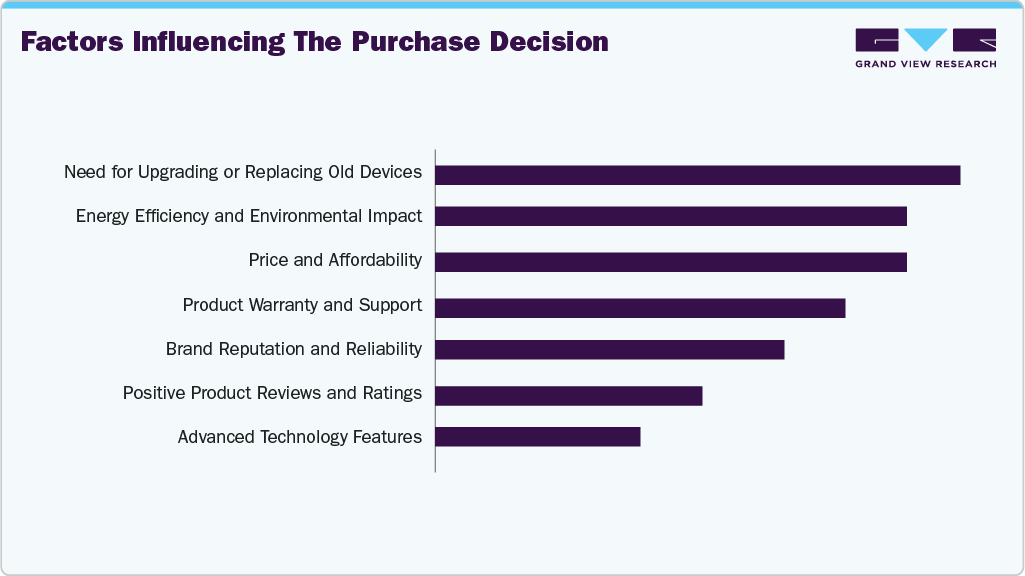
In the UK, the immediate triggers for purchasing a refrigerator are often practical and urgent. The top reason is the need to upgrade or replace old appliances, with 51% of consumers driven by malfunctioning or outdated fridges that no longer meet their needs. Price and affordability and energy efficiency, and environmental impact are equally influential, each cited by 46% of buyers. People are looking for models that fit their budget while also helping to reduce energy bills and lower their carbon footprint. However, one common challenge faced during the buying process is unclear or insufficient product information and specifications, which can make it difficult to compare models or understand long-term benefits. This lack of transparency can lead to hesitation or frustration, especially when making such a significant investment.
Brand Power Play (Brand Health and Performance)
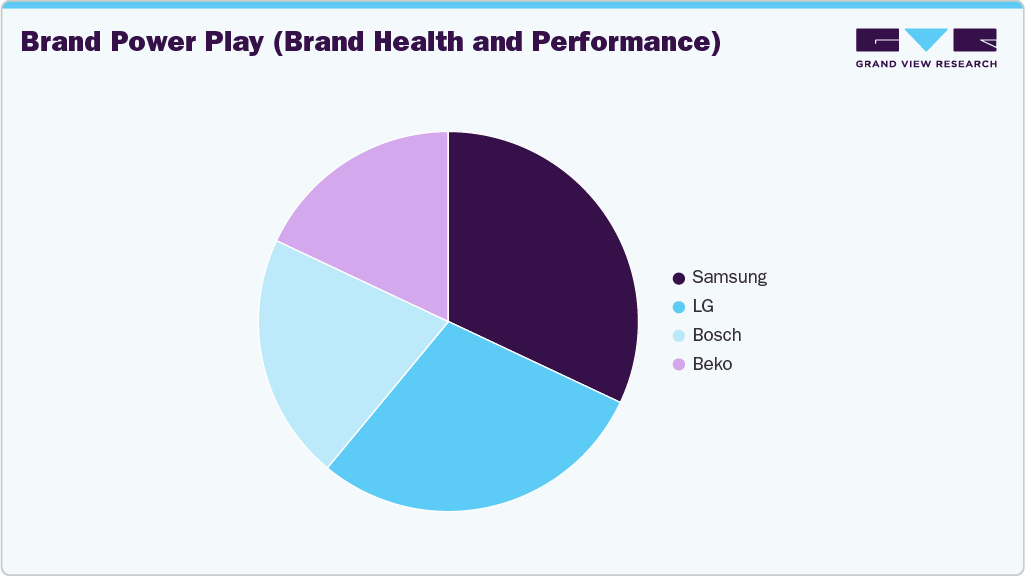
Some of the popular refrigerator brands in the UK include Samsung, LG, Bosch, and Beko. Although the refrigerator industry is competitive, Samsung dominates the market with a 74% share (by awareness) due to its strong reputation, wide product range, and innovative features such as smart connectivity. Its presence in major retail stores and effective advertising keep it highly visible to consumers. Positive reviews and overall brand trust further boost its popularity.
Purchase Funnel
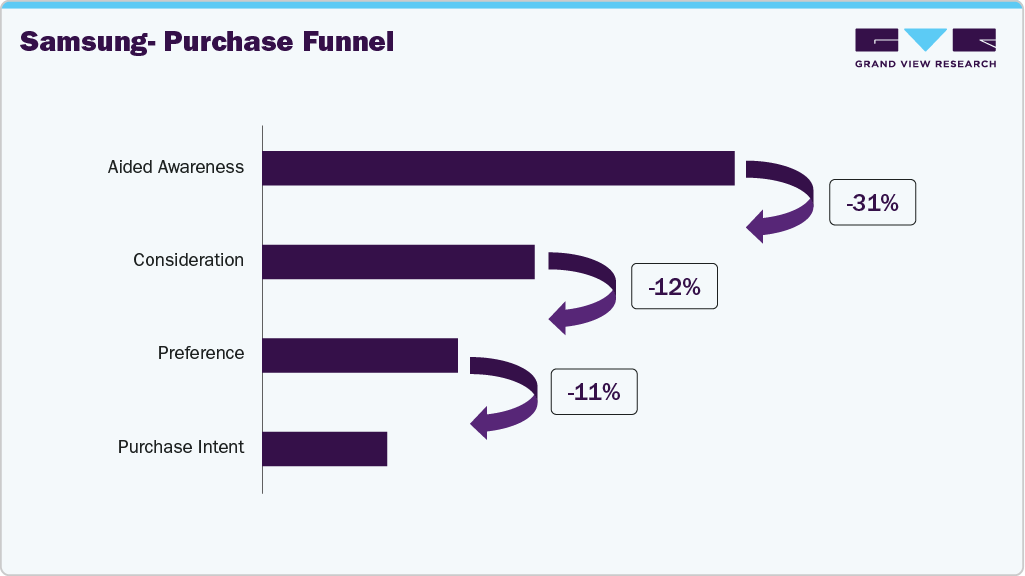
Samsung leads the refrigerator market in the UK with a strong purchase funnel, reflecting its dominance in consumer awareness and buying behavior. With 74% aided awareness, Samsung stands out as the most recognized brand, supported by widespread availability and consistent advertising. While other reputable brands like Bosch and LG are also well-known and often considered for their quality and features, Samsung maintains a clear edge. 43% of consumers consider Samsung when shopping for a fridge, and 31% express a preference, attracted by its smart technology, energy efficiency, and sleek design. With 20% showing purchase intent, Samsung successfully converts interest into action, outperforming its competitors in the UK market.
While the overall NPS score of the leading brands ranges from 20 to 100, Samsung leads the refrigerator industry with the highest NPS score (44) compared to other refrigerator brands in the market. Samsung leads the UK refrigerator market with the highest NPS, indicating that more customers are satisfied and willing to recommend it than with other brands. This strong loyalty highlights consumer trust in Samsung’s product quality, design, and innovation. The brand maintains a clear gap from competitors. Features like smart technology, energy efficiency, and sleek aesthetics contribute to its appeal. Overall, Samsung’s high NPS reflects not just popularity, but real user satisfaction and confidence.
