UK Shaving And Grooming Products Consumer Insights - Usage, Attitudes, And Brand Performance Report
Introduction:
As of 2025, the shaving and grooming market is experiencing strong and sustained growth, driven by evolving consumer preferences and heightened awareness of personal hygiene. The market is broadly segmented into four key areas: male shaving, male grooming, female shaving, and female grooming, each with its distinct growth drivers and emerging trends.
The male shaving segment is expanding steadily, driven by rising hygiene consciousness and a noticeable shift toward more affordable, skin-friendly solutions. This shift is encouraging brands to innovate with gentler formulations and cost-effective offerings that cater to daily grooming routines.
The male grooming market is also gaining momentum, fuelled by innovations tailored to demographics and the integration of advanced marketing technologies. Companies are increasingly tailoring products to suit men’s varying skin types, age groups, and ethnicities, while leveraging digital platforms and personalized outreach to engage this growing consumer base.
In parallel, the female grooming segment is experiencing rapid growth, driven by consumer demand for natural, affordable, and skin-friendly products. There is a clear trend toward clean beauty and minimalist routines, with brands responding by offering multifunctional products that meet both aesthetic and wellness needs. Across all segments, consumers are increasingly seeking premium grooming solutions that align with their eco-conscious values. Sustainable packaging, cruelty-free formulations, and transparent ingredient sourcing are becoming key differentiators. In addition, there is a growing demand for portable, user-friendly grooming kits, as many consumers prefer to avoid sharing personal care items due to hygiene concerns. This behaviour is rooted in an awareness of the risks associated with shared grooming tools, which, if not properly sanitized, can transmit bacteria, viruses, and fungal infections.
Here are some of the market trends in the shaving and grooming industry as of 2025:
-
Premium Interest Exists, But Value Drives Purchase: Although the industry shows ongoing interest in premium grooming products, consumer behaviour reveals a more value-conscious reality. The desire for high-quality, effective, and safe products does exist, but price and promotional offers remain the leading purchase triggers. Premium products, such as advanced razors, skincare solutions, or eco-luxury grooming tools, attract attention, but conversion often depends on affordability and accessibility. Men may express interest in elevated grooming routines that include beard care or specialized skincare, and women show growing awareness of products that support personal wellness and skin health. However, this interest is often tempered by practical concerns, including product cost, ingredient sensitivity, and limited availability of suitable options for specific skin or hair types. As a result, brands that succeed will be those that can strike the right balance: offering effective, safe, and even premium-leaning products at accessible price points, while also building trust through transparency, skin compatibility, and targeted innovation.
-
Rise of Manscaping: The trend of manscaping, or body hair removal, is gaining popularity among men, especially younger generations. This involves removing hair from the face, chest, back, and intimate areas. Influenced by social media, evolving beauty standards, and celebrity-driven narratives, many men now view body grooming as an essential part of personal hygiene and self-care. As a result, there is a rising demand for male-focused grooming tools, such as body trimmers and at-home waxing kits, as well as professional treatments like laser hair removal. This shift reflects changing attitudes toward masculinity and personal presentation, opening new growth avenues for brands that cater to male grooming needs with sensitivity and innovation.
-
Women’s Razor Market: The women’s razor market is expanding steadily, fuelled by rising demand for skin-friendly, convenient, and effective grooming solutions. To remain competitive, brands are investing in product innovation, sustainable design, and direct-to-consumer models such as subscriptions and refill programs. Market success increasingly depends on addressing pain points such as skin irritation, price sensitivity, and limited suitability for diverse skin types. With skin health and hygiene as primary motivators, this segment offers strong growth potential for companies that balance performance, affordability, and consumer trust.
-
The Future of Anti-Aging and Grooming: The UK grooming sector is increasingly focused on anti-aging solutions targeting wrinkles, fine lines, and loss of elasticity. Products featuring retinol, hyaluronic acid, and peptides are gaining popularity across both male and female consumers. At the same time, artificial intelligence (AI) is reshaping skincare and grooming through personalized routines, diagnostic tools, and data-driven product recommendations. Men are turning to tech-enabled advice for routine building, while women benefit from tools that account for lifestyle, skin tone, and hormonal changes. Brands are merging science with self-care, emphasizing proactive, personalized solutions that align with evolving consumer expectations for efficacy, customization, and long-term skin health.
Methodology:
The insights covered in this report are drawn from GVR’s ‘Voice of Consumer Survey’ and its periodic updates. The latest survey represents 75,000+ consumer interviews conducted across 20 countries for 100+ product categories. These insights are specifically catered to the brands operating in the shaving & grooming industry to guide them in their strategic decision-making process. This report provides insights covering category usage & attitude, buying behavior, brand performance metrics, and brand health indicators of leading players in the UK shaving & grooming market.
Chapter 1: Usage and Attitude
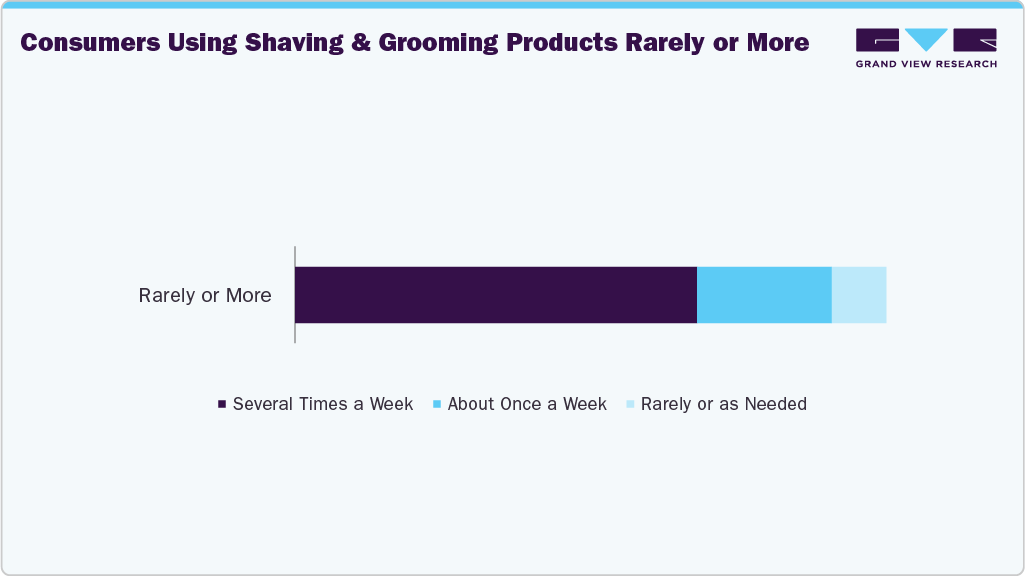
Self-care continues to be a growing priority, with 80% of consumers using shaving and grooming products at least occasionally, and 34% reporting weekly use. This consistent engagement reflects the category’s integration into regular hygiene routines. Most consumers prefer to use these products exclusively for personal use, driven by hygiene concerns. Sharing grooming tools is widely avoided due to the risk of bacterial, fungal, or viral transmission, underscoring a clear consumer demand for individual use. These easy-to-maintain products balance convenience and cleanliness.
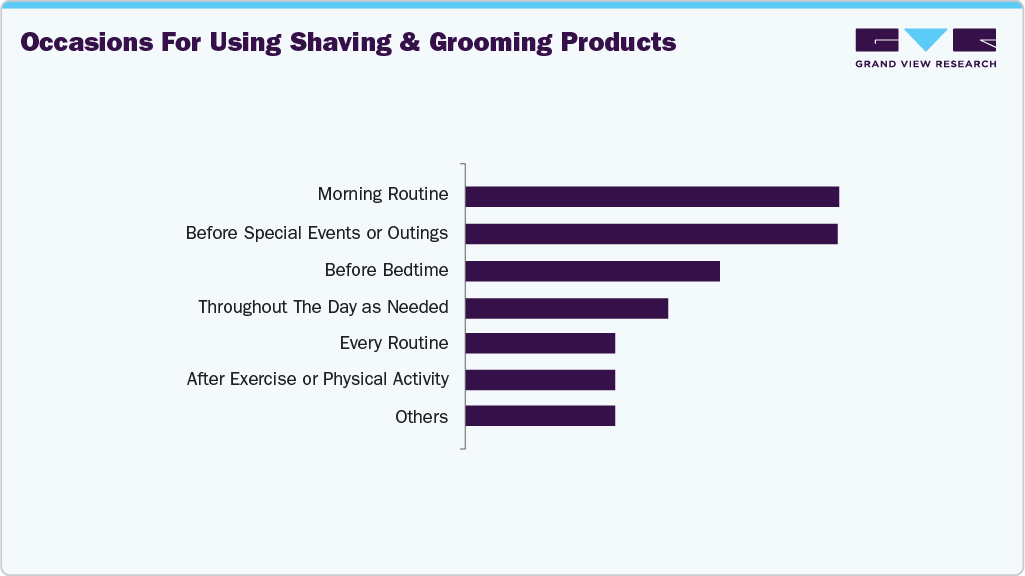
Shaving and grooming products are primarily used as part of morning routines and preparation for special occasions, with approximately 6 in 10 consumers indicating these as key usage moments. These routines are positively associated with self-care, skincare maintenance, and feeling refreshed, reinforcing the emotional and functional value of grooming. However, consumer sentiment is not entirely positive; many express frustration with high prices and an overwhelming number of product choices, which can lead to decision fatigue and lower purchase satisfaction. This highlights the need for clearer product positioning, simplified choices, and value-driven offerings to enhance the overall user experience.
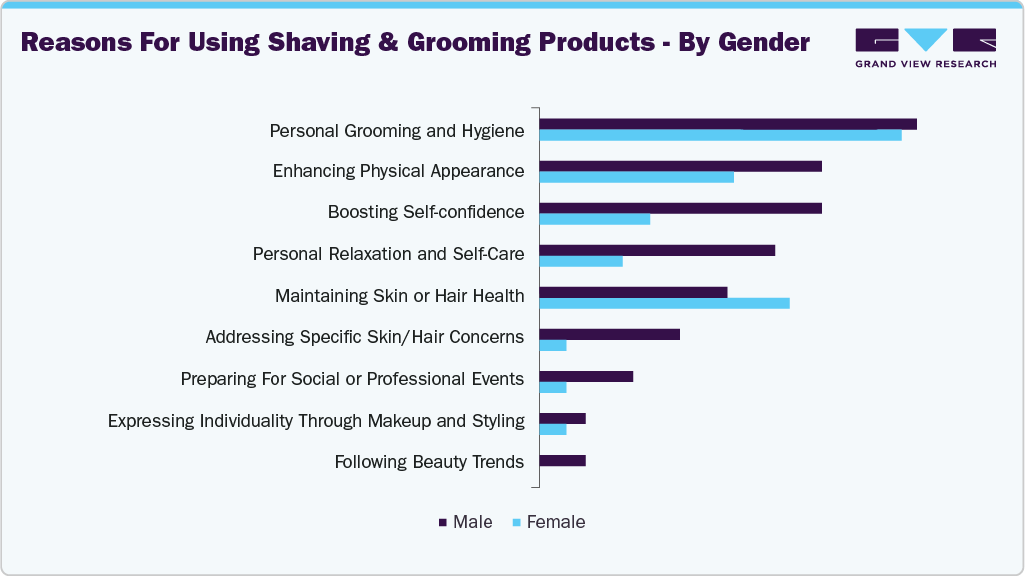
Personal grooming and hygiene are the primary reasons both male and female consumers use shaving and grooming products. Among males, enhancing physical appearance and boosting self-confidence rank as the next most important drivers, while maintaining skin health is a secondary priority for females. A positive product experience is shaped by factors such as easy application, skin-friendly ingredients, durability, and visible results. On the other hand, harsh formulations, high price points, and lack of efficacy remain key sources of dissatisfaction.
Buying Behavior
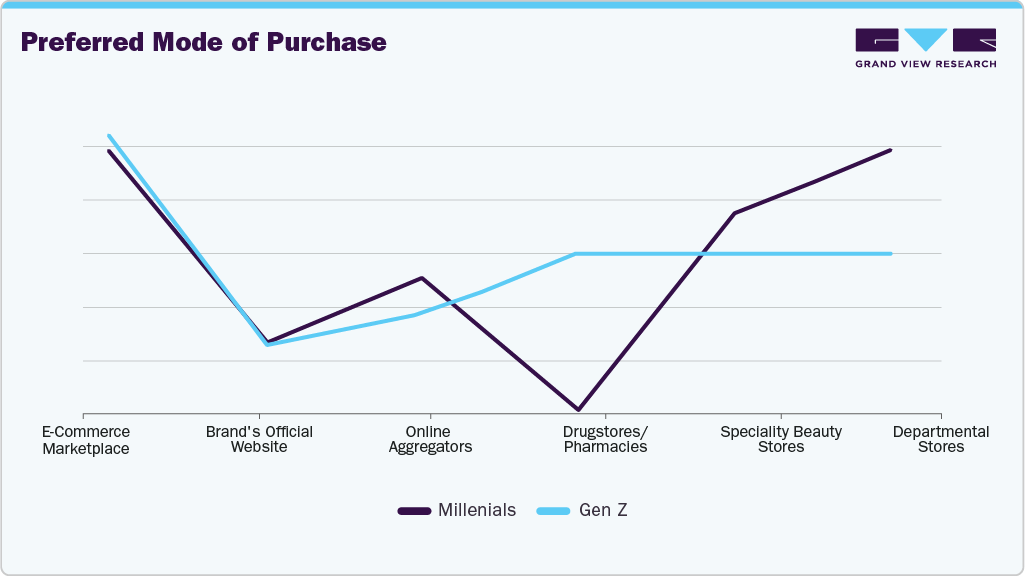
The purchase journey for shaving and grooming products typically begins with information gathering, as consumers seek to make well-informed decisions. Product quality and effectiveness are the most critical factors, with buyers prioritizing items that deliver visible results and long-term value. These are followed by brand reputation, pricing, and ingredient safety and transparency, all of which contribute to trust and purchase confidence. Given the larger pack sizes and longer usage cycles of grooming products, most consumers replenish their supply approximately every 3 months. In terms of purchasing channels, Millennials prefer e-commerce marketplaces, while Gen Z shows a balanced preference between online platforms and physical departmental stores. Notably, both groups place comparable importance on brand-owned websites, signalling the need for consistent brand messaging across all retail touchpoints.
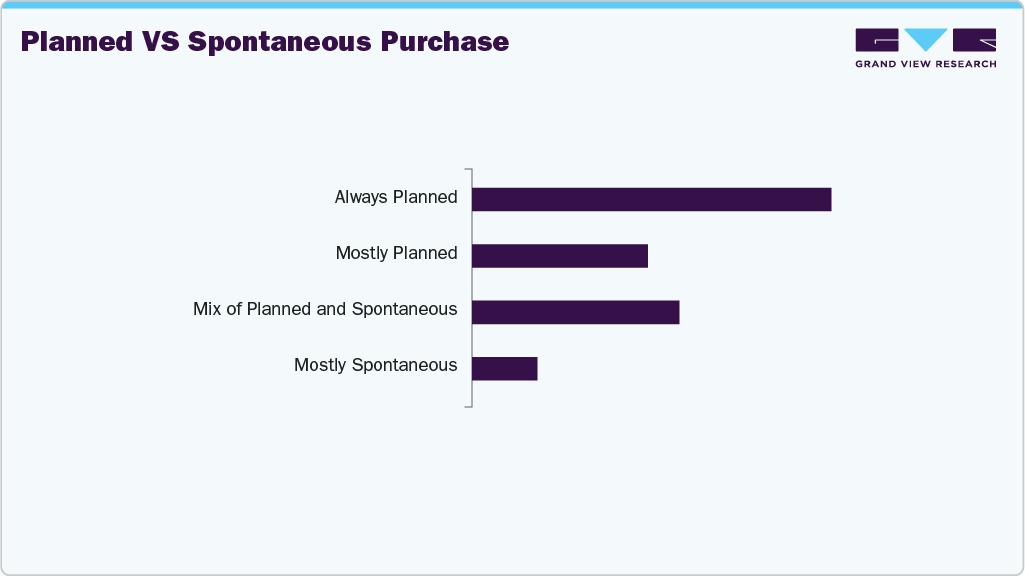
Consumers largely like to plan their purchases, as 7 out of 10 people say they always plan their purchases. Among these, 49% of consumers say it is always planned. There is a mix of spontaneity and a well-thought-out purchase for almost every 3 out of 10 consumers, showcasing a window to leverage the impulse buying among consumers.
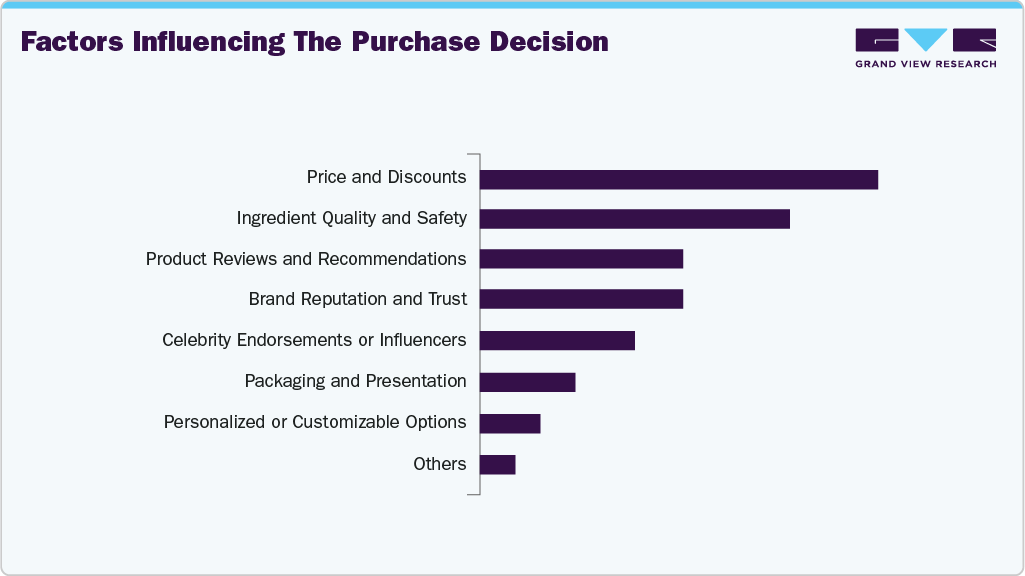
Price and promotional offers remain the most immediate purchase triggers for shaving and grooming products, with 5 out of 10 people selecting this as the main driver, followed by ingredient quality and safety. While these factors drive trial and purchase, several barriers impact long-term satisfaction. Consumers frequently face challenges such as finding products suited to their specific skin or hair type, limited access to sustainable or eco-friendly options, and irritation or allergic reactions caused by certain formulations. For example, individuals with sensitive skin often experience frustration and repeated trial-and-error when seeking gentler, eco-conscious alternatives. As a result, nearly 8 in 10 consumers report being moderately to highly brand-conscious, reflecting a heightened emphasis on trust, suitability, and product transparency in their decision-making.
Brand Power Play (Brand Health and Performance)
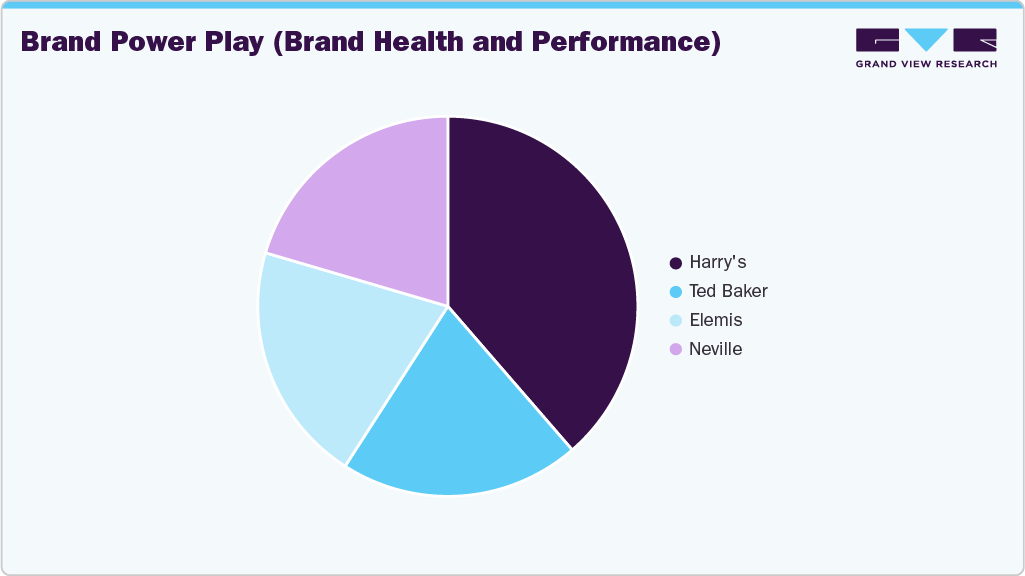
Some of the popular male shaving & grooming brands in the UK include Harry’s, Ted Baker, Elemis, and Neville. The industry for males is not as saturated as it is for females, and thus, among these brands, Harry’s mainly dominates the market with a 17% share (by awareness).
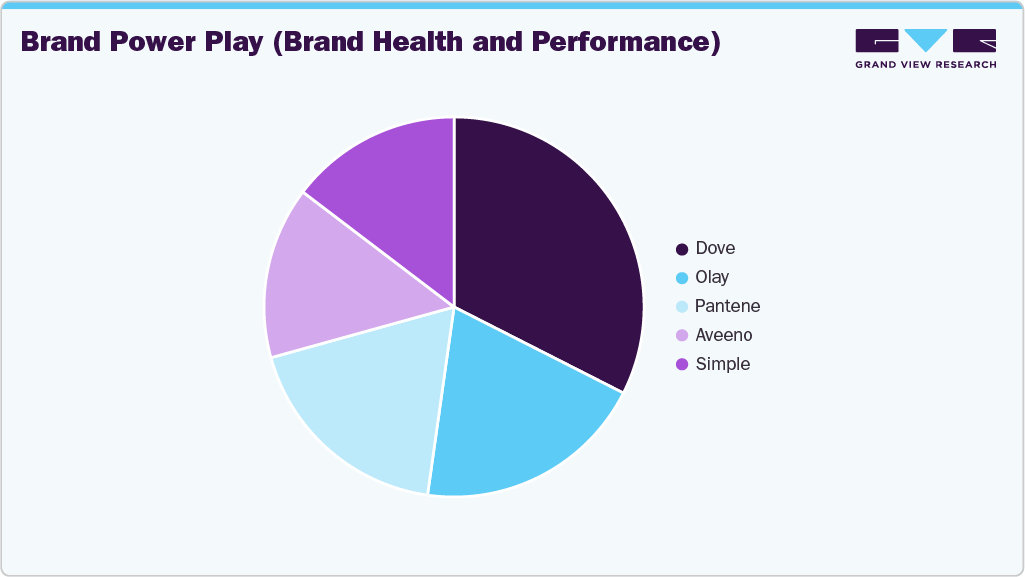
Having said that, for females, some of the popular brands are Dove, Olay, Pantene, Aveeno, and Simple. Since there are more offerings for the female grooming section, the industry has tougher competition, and some of the other emerging brands like Burt’s Bees and Neutrogena are slowly making their way into the shaving & grooming market.
Purchase Funnel
For males, though Harry’s has the highest awareness, Ted Baker is a go-to brand and one of the prominent brands with a strong purchase funnel, showing equally strong consideration and purchase intent. As for consideration, preference, and purchase intent, most of the brands follow Ted Baker. Consumers consider repurchasing from Molton Brown but are highly satisfied with Ted Baker.
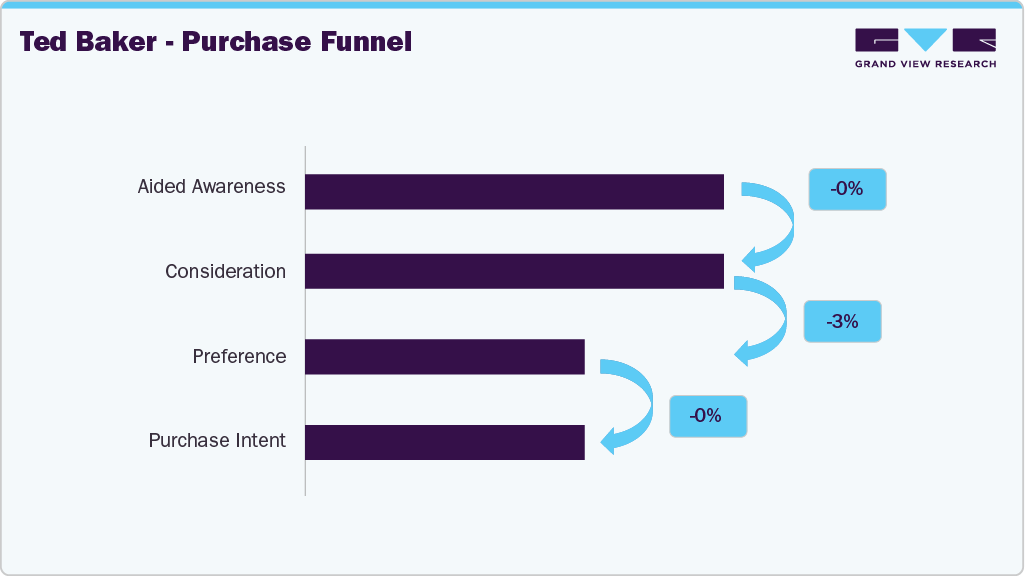
The overall NPS score for the leading male brands ranges from -33 to 50, and Ted Baker performs better than other shaving & grooming brands in the market, with the highest satisfaction level.
When we talk about females, Dove is one of the prominent brands that exhibits a strong purchase funnel despite having significant drops at each step of the funnel. Even though Pantene's consideration preference and purchase intent are lower than Dove's, it is still better than other brands in the market. Dove is also considered for repurchase, as it has the highest satisfaction among consumers post-use.
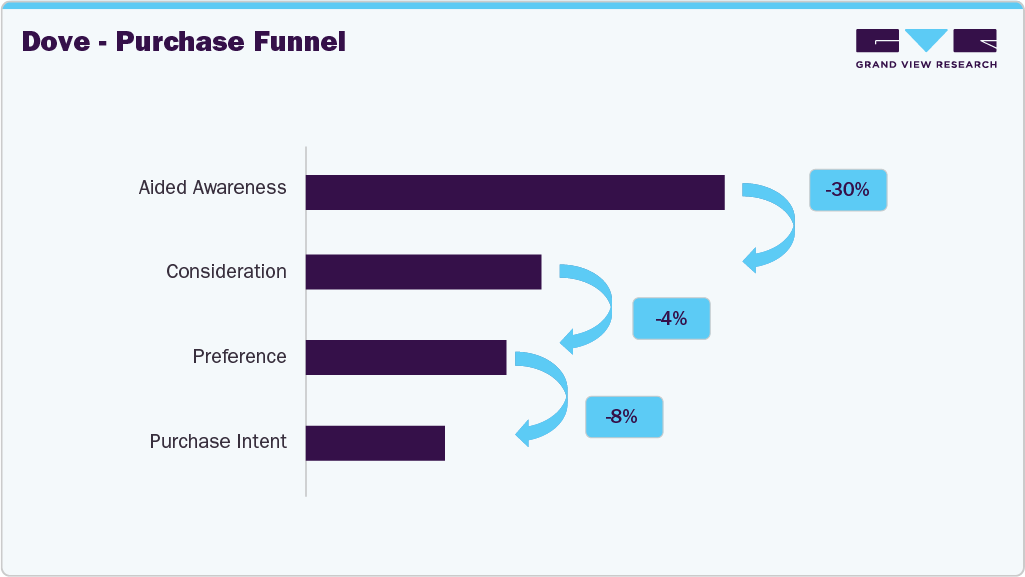
While the overall NPS score of the leading female brands varies from 0 to 100, Dove, being the market leader, has the highest NPS score (50) compared to other shaving & grooming brands in the market.
