UK Speaker And Headphones Consumer Insights - Usage, Attitudes, And Brand Performance Report
Introduction:
In the UK, more people are buying headphones and speakers, especially wireless ones, because they enjoy listening to music and watching videos at home or on the go. Headphones with noise-cancelling features are very popular, and brands like Sony and Bose are making models that are smart, long-lasting, and better for the environment. The headphone market is growing slowly but steadily. Speakers are also becoming popular again, especially in places called “listening bars,” where people go to enjoy high-quality music. Some British companies are even making speakers in the UK again. Overall, people in the UK are interested in good sound and new, eco-friendly tech. Prices for these products vary, so there is something for everyone. New designs are also focusing on comfort and style. Here are the market trends:
-
Noise cancellation is a Key Feature: Many people now choose headphones with noise cancellation for both work and relaxation. This technology is especially useful in noisy environments, such as trains, shared workspaces, or remote work at home. Active noise cancellation (ANC) helps block out background sounds, making it easier to focus, stay calm, and enjoy clearer audio. Some headphones even let users control how much outside noise they hear, with adjustable settings or transparency modes. As daily life gets louder, more users are turning to noise-cancelling headphones to create a more peaceful listening experience.
-
Smart Features Growing: Headphones and speakers with voice assistants such as Alexa, Google Assistant, or Siri are becoming more common. Users can control music, check the weather, or send messages hands-free, making these devices more integrated into everyday life. Additionally, many models now feature auto-pause when removing the headphones, ensuring that music or podcasts automatically stop when you take them off. Some also offer adaptive sound adjustments, where the audio settings change based on the environment, like lowering volume in a quiet room or boosting it in a noisy space. Integration with apps allows for further customization, letting users fine-tune their sound preferences, manage playback, and even monitor battery life directly from their phones. As voice control and smart features become more intuitive, these devices are shifting from mere entertainment tools to versatile assistants for work, travel, and leisure.
-
Focus on Battery Life: Long-lasting battery performance has become a key factor for consumers when choosing headphones and speakers. Users want devices that can last an entire day without needing a recharge, especially during travel or long work sessions. Premium models now offer impressive battery life, with some providing 30–40 hours of playtime on a single charge. Fast-charging capabilities are also in demand, as users can get several hours of usage with just a few minutes of charging. This is particularly useful for people on the go or those who forget to charge their devices overnight. Manufacturers are also introducing more energy-efficient technologies, allowing devices to consume less power while maintaining high-quality sound and performance. As portable audio becomes an increasingly important part of everyday life, the focus on battery life will continue to drive innovation and customer satisfaction.
Methodology:
The insights covered in this report are drawn from GVR’s ‘Voice of Consumer Survey’ and its periodic updates. The latest survey represents 75,000+ consumer interviews conducted across 20 countries for 100+ product categories. These insights are specifically catered to the brands operating in the speakers and headphones industry to guide them in their strategic decision-making process. This report provides insights covering category usage & attitude, buying behavior, brand performance metrics, and brand health indicators of leading players in the UK speaker and headphones market.
Chapter 1: Usage and Attitude
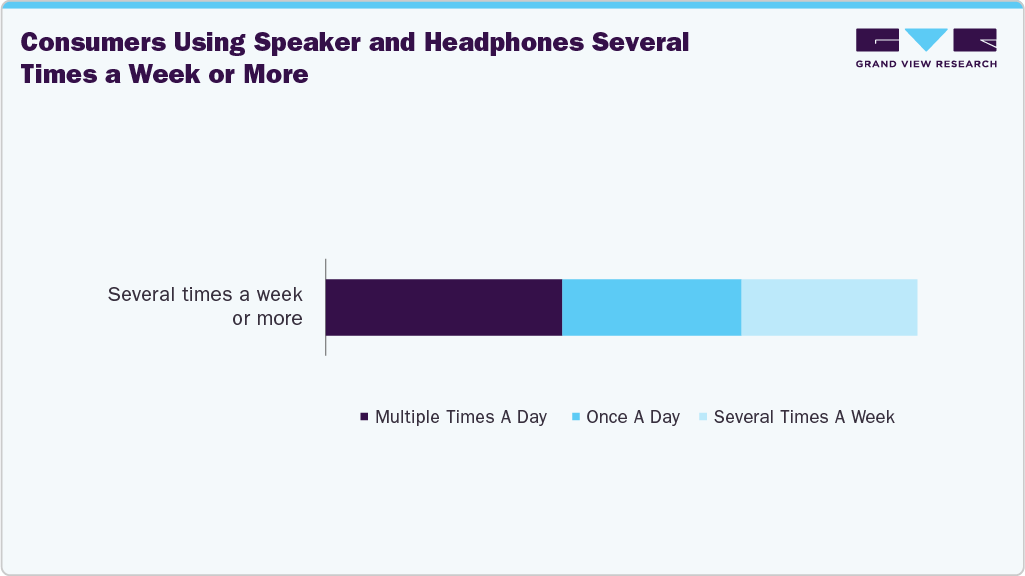
In the UK, the use of speakers and headphones is quite frequent among consumers. According to recent data, 33% of people use these devices multiple times a day, underscoring their essential role in daily routines for entertainment, communication, and work. Additionally, 25% use them once a day, and another 25% use them several times a week, showing that regular use is common across different age groups and lifestyles. This consistent engagement reflects the growing reliance on personal audio devices in both home and mobile settings.
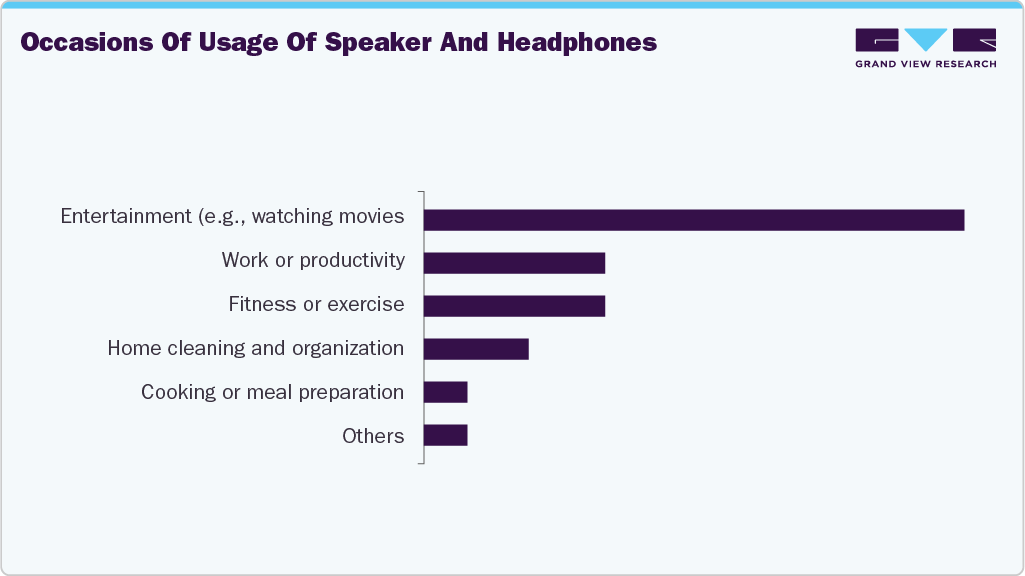
In the UK, speakers and headphones are primarily used for entertainment, with 79% of users relying on them for activities like watching movies, listening to music, or gaming. This shows how deeply personal audio devices are embedded in leisure and relaxation time. One positive association for speakers and headphones is staying entertained with media and content, which makes them a key part of everyday life. In contrast, 26% of users use them for work or productivity, such as virtual meetings, online learning, or focused tasks. While entertainment remains the dominant use, the role of audio devices in professional and educational settings is also growing in importance.
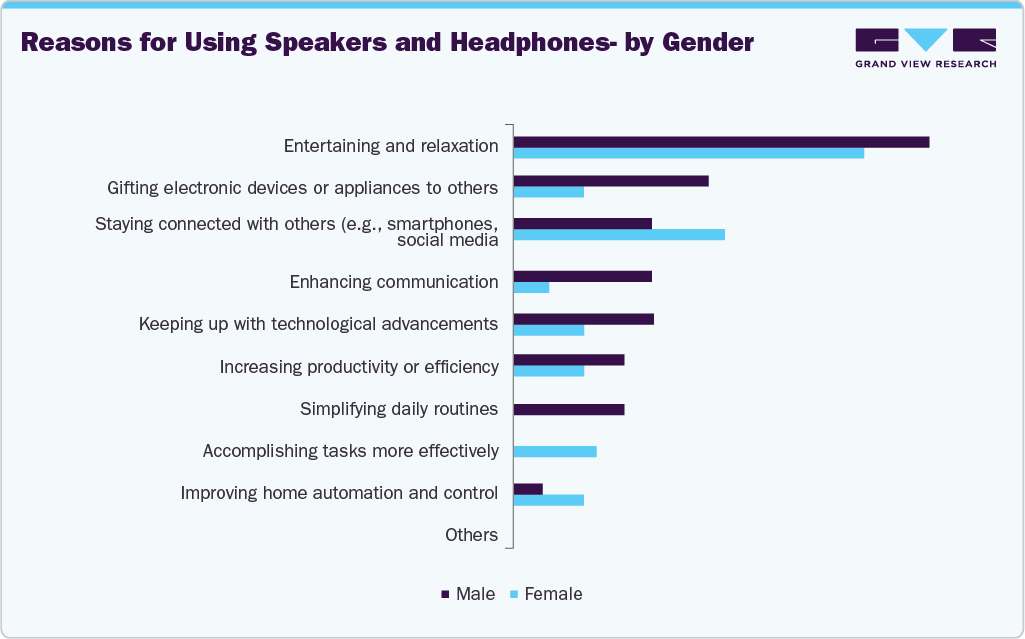
In the UK, the primary reason both males and females use speakers and headphones is for entertainment and relaxation, with 79% of males and 67% of females citing this as their top motivation. This suggests that audio devices play a crucial role in leisure time, whether it's listening to music, watching films, or enjoying podcasts. For example, many people use headphones during commutes to unwind with their favorite playlists or catch up on the latest series. Interestingly, the second most important reason differs by gender. For males, gifting electronic devices like headphones or speakers is a key driver, perhaps reflecting a tendency to value tech-related gifts for their practicality and appeal. In contrast, females prioritize staying connected with others through devices that support communication, such as smartphones and social media platforms. This highlights a social dimension of technology use among women, where maintaining relationships and a digital presence take precedence. These differences underline how gender can influence the way technology is integrated into daily life.
One notable negative association with speakers and headphones is the experience of technical difficulties or frequent malfunctions, which often leads to significant disappointment and dissatisfaction among users. Constant issues such as connectivity problems, sound distortion, or battery failures can disrupt daily routines and reduce the enjoyment these devices are meant to provide. For example, a user relying on headphones for remote work or virtual meetings may find repeated glitches frustrating and unprofessional. Similarly, music lovers or gamers may feel let down when their audio experience is interrupted by poor sound quality or unexpected shutdowns. These recurring problems not only affect user satisfaction but can also erode trust in certain brands or models, making consumers hesitant to invest in similar products in the future.
Buying Behavior
Before purchasing speakers or headphones, consumers consider product performance and reliability to be the most crucial factors. Since these are long-term investments often bought only once every five years, buyers want assurance that the device will deliver consistent audio quality and last without frequent breakdowns. For instance, they may look for features such as battery life, sound clarity, durability, and compatibility with other devices to ensure the product meets their daily needs. The second key factor is pricing and value for money. With a wide range of options on the market, consumers seek a balance between quality and affordability. They often compare specifications, brand reputation, and customer reviews to ensure they’re getting the best return on their investment. Together, these factors guide smart, informed purchases that minimize regret and maximize satisfaction over the product's lifespan.
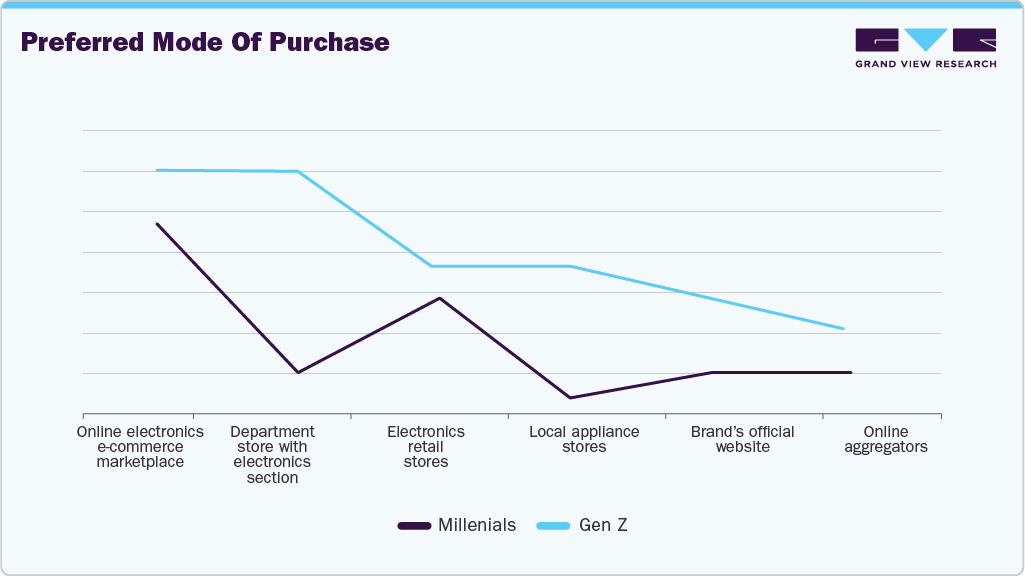
Gen X and Millennials prefer buying speakers and headphones from online electronics e-commerce marketplaces due to the convenience, wide product variety, and ability to compare options. These platforms offer detailed specs, reviews, competitive prices, and flexible return policies, making them ideal for informed, hassle-free shopping that suits both generations' busy lifestyles. Furthermore, the availability of customer ratings and video reviews helps build trust and confidence in their purchase decisions. Many online platforms also offer personalized recommendations and bundled offers, enhancing the shopping experience and ensuring better value for money. This digital-first approach aligns with the growing trend of tech adoption and preference for quick, reliable solutions in everyday life.
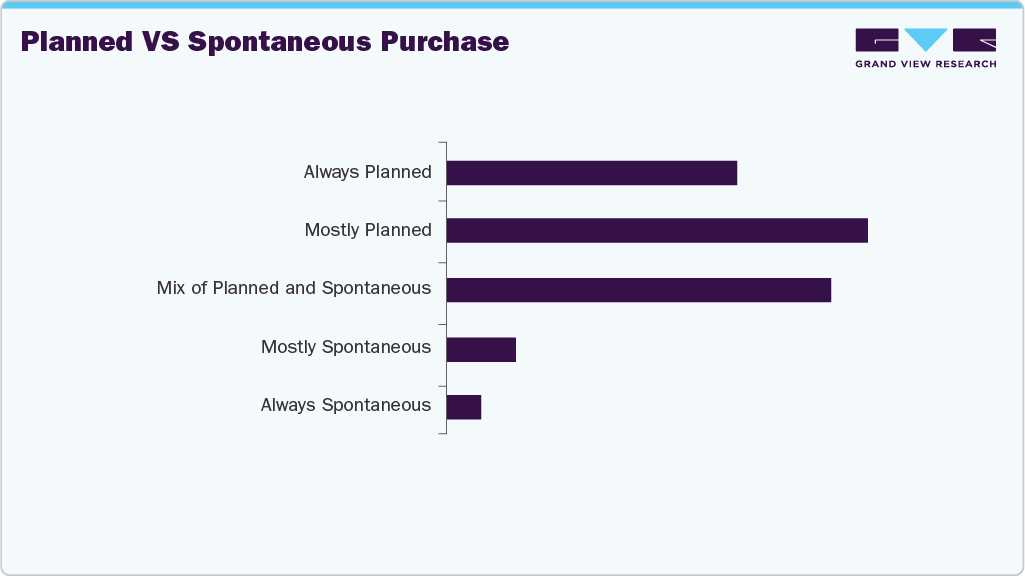
In the UK, the purchase of speakers and headphones is largely a planned activity: 24% of consumers always plan their purchases, and 35% mostly plan them. An additional 32% follow a mix of planning and spontaneity, indicating that while some research is done, impulse still plays a role. Only a small 6%, mostly spontaneous, and 3% always spontaneous—make these purchases without prior thought. This suggests that for most consumers, buying audio devices involves careful consideration, likely due to the cost, long-term use, and desire for specific features and performance.
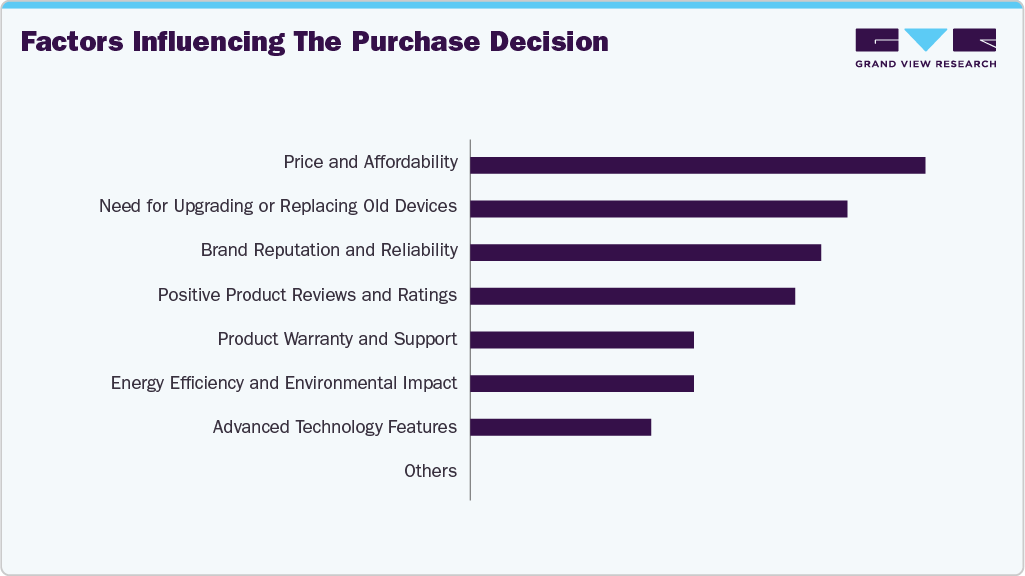
In the UK, the main triggers for buying new speakers and headphones are price and affordability (53%) and the need to upgrade or replace old devices (44%). People often wait for sales, discounts, or special offers to get a good deal, especially if their current device is not working well or feels outdated. For example, someone might buy new headphones during a holiday sale after their old ones stop charging properly. A big challenge, though, is that many of these devices don’t last long and need to be replaced more often than expected. This can be frustrating and costly, especially for those who use them daily for work, music, or calls. Because of this, more people are looking for products that are both affordable and built to last.
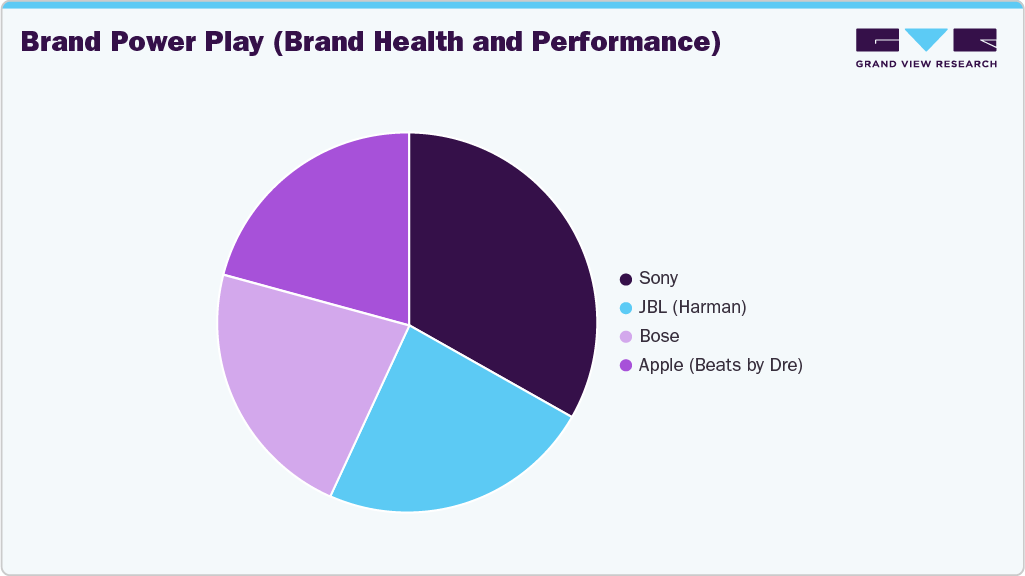
Brand Power Play (Brand Health and Performance)
Sony leads the brand power play in the UK’s speaker and headphone market with an impressive 79% aided awareness, significantly ahead of JBL (56%), Bose (53%), and Apple’s Beats by Dre (50%). This strong position reflects Sony’s long-standing reputation for innovation, reliability, and sound quality across a wide range of audio products. The brand’s consistent presence across premium and budget-friendly segments, along with its widespread availability in electronics stores and online marketplaces, has helped it stay top-of-mind with consumers.
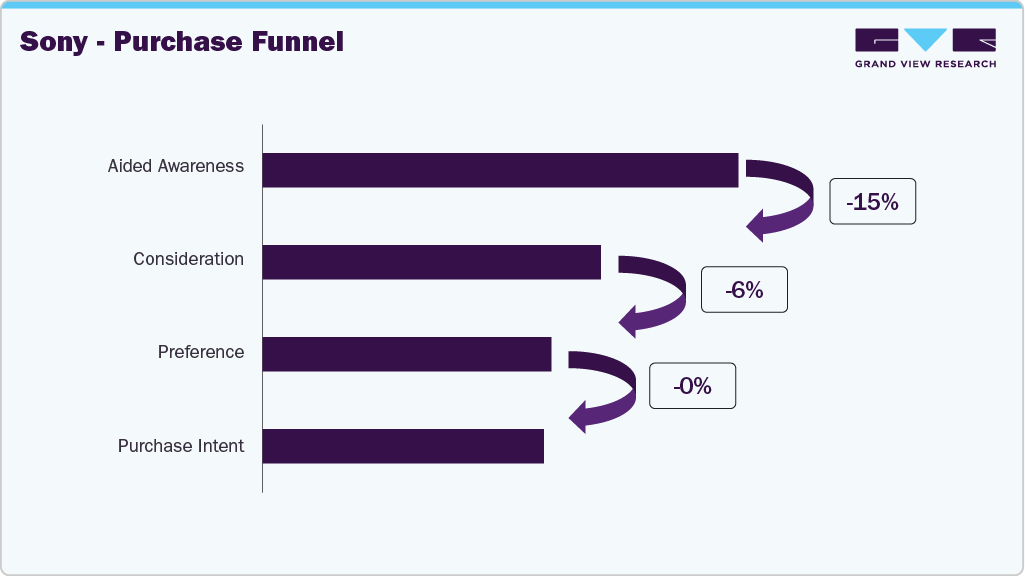
Purchase Funnel
Sony's purchase funnel for speakers and headphones in the UK reflects a strong and well-rounded consumer journey. With 53% aided awareness, over half of the consumers recognize the brand, showing its strong presence in the market. Consideration sits at 38%, indicating that a significant share of those aware of Sony are actively considering purchasing its products. Both purchase intent and brand preference are at 32%, showing that nearly one-third of potential buyers not only prefer Sony but are also likely to choose it when making a purchase. This steady drop from awareness to intent is typical in a healthy purchase funnel and suggests that Sony maintains consumer interest and trust throughout the buying process, supported by its reputation for quality, product range, and wide availability. JBL and Bose follow closely, benefiting from their strong brand identities and focus on audio performance—JBL is known for stylish, youth-focused designs and bass-rich sound, while Bose is recognized for premium sound quality and noise-cancelling technology. However, Sony’s broader appeal, product variety, and consistent market visibility give it a more complete and effective purchase funnel, from awareness to action.
While the overall NPS score of the leading brands varies from -33 to 100, with JBL (Harman) leading the Speakers and Headphones industry with the highest NPS scores (66) compared to other Speakers and Headphones brands in the market because JBL (Harman) has the highest NPS in the UK due to its strong sound quality, especially bass, and stylish, durable designs. It offers great value for money, making quality audio more accessible. High customer satisfaction and reliability drive strong user recommendations. Despite Sony’s strong awareness in the UK, its NPS score is lower because high recognition doesn't always mean high customer satisfaction. Some users may feel that Sony's products, while reliable, are priced higher and offer features that are not significantly better than competitors'.
