UK Sun Care Products Consumer Insights - Usage, Attitudes, And Brand Performance Report
Introduction:
The sun care market in the UK has evolved significantly, shaped by increasing awareness of skin cancer risks and premature aging caused by UV exposure. Despite the country's notoriously cloudy climate, British consumers have become more consistent in using sun protection, with many incorporating SPF into their year-round skincare routines rather than just for holidays or rare sunny days. The market offers diverse products, ranging from traditional sunscreens to innovative formats such as mists, sticks, and clear gels, that address consumer complaints about white cast and greasy textures. Environmental concerns have influenced the industry, with growing demand for reef-safe formulations free from ingredients harmful to marine ecosystems. The UK government and skin cancer charities run regular awareness campaigns, especially targeting younger consumers and outdoor workers. The beauty industry has responded by incorporating sun protection into makeup products, such as foundations and moisturizers, thereby normalizing daily SPF use. Overall, the focus is on encouraging better sun safety practices to reduce skin damage and the risk of skin cancer. Here are the market trends:
-
Growth in SPF Products: Sunscreens with higher SPF ratings, especially those exceeding SPF 30, are becoming increasingly popular. Growing consumer knowledge of the risks associated with UV exposure and skin cancer is the driving force behind this trend. Higher protection factors have long been advised by dermatologists, particularly for people with fair skin or a family history of skin cancer. Manufacturers have expanded their high-SPF product offerings and created more aesthetically pleasing formulas in response to the market's longstanding complaints about thick, white residues. Furthermore, regulatory agencies around the world have revised their standards to recognize the benefits of higher SPF values, while still stressing that proper application and reapplication are essential regardless of SPF rating.
-
All-in-One Products: Everyday use of multifunctional products, such as moisturizers with integrated SPF, is growing in popularity. Customers seeking simplified procedures and optimal efficiency with minimal effort may find these hybrid formulations appealing. With great enthusiasm, the beauty industry has responded by moving beyond basic moisturizer-sunscreen combos to include primer-SPF hybrids, tinted moisturizers with sun protection, and even specialty versions that add blue light protection, pollution defense, or anti-aging chemicals. This product evolution reflects shifting consumer preferences, especially among Gen Z and Millennial consumers who value both convenience and comprehensive skin protection.
-
Increase in Outdoor Activities: With more people engaging in outdoor activities such as sports, festivals, and travel, there is a growing demand for effective sun protection. This trend has accelerated significantly since pandemic restrictions, as individuals have embraced open-air environments with renewed enthusiasm. Adventure tourism, hiking, outdoor fitness classes, and open-air festivals have all seen substantial growth, creating new market opportunities for specialized sun protection products. Manufacturers have responded by developing sport-specific formulations that resist sweat and water while maintaining effectiveness during prolonged exposure. These products often feature additional benefits, such as cooling properties, insect repellency, or skin-nourishing ingredients, to address multiple outdoor concerns simultaneously.
-
Skin Cancer Awareness Campaigns: Increased awareness of skin cancer risks is boosting sales of sunscreens and other sun protection products. These educational initiatives, spearheaded by dermatological associations, cancer research foundations, and public health organizations, have significantly altered consumer perceptions about sun exposure. High-profile campaigns featuring skin cancer survivors and compelling statistics about melanoma rates have created a more informed public that increasingly views sunscreen as a health necessity rather than a cosmetic option.
Methodology:
The insights covered in this report are drawn from GVR’s ‘Voice of Consumer Survey’ and its periodic updates. The latest survey represents 75,000+ consumer interviews conducted across 20 countries for 100+ product categories. These insights are specifically catered to the brands operating in the sun care industry to guide them in their strategic decision-making process. This report provides insights covering category usage & attitude, buying behavior, brand performance metrics, and brand health indicators of leading players in the UK sun care market.
Chapter 1: Usage and Attitude
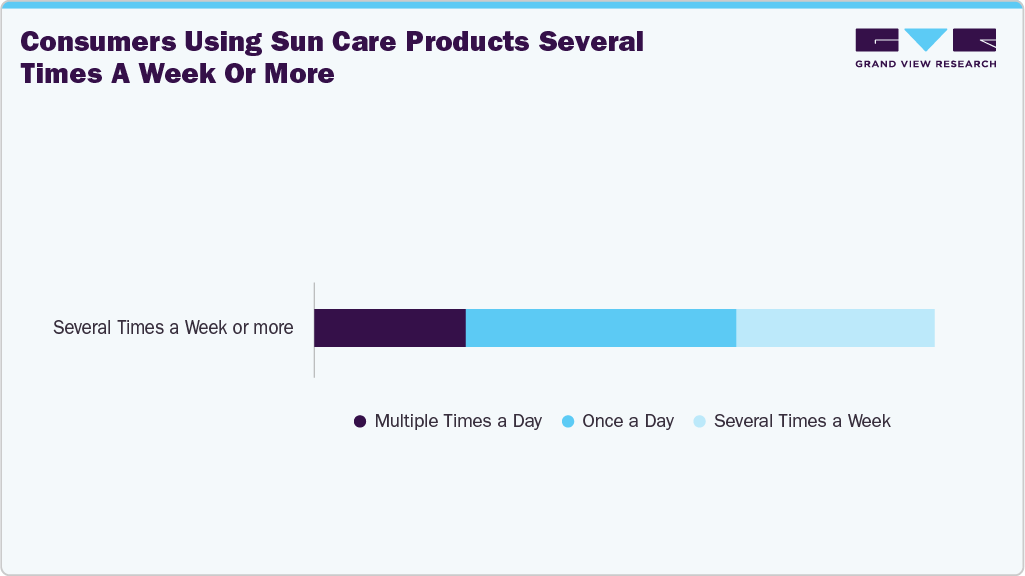
In the UK, 53% of consumers report using sun care products at least once a week, while 23% say they use them daily, several times a week, or even multiple times a day. This indicates a growing integration of sun protection into regular skincare routines. Sun care is viewed primarily as a personal-use item, with increasing emphasis on its role in both skin health and beauty enhancement. Consumers now see these products not only as a defence against sun damage but also as a vital part of maintaining healthy, radiant skin, reflecting a shift toward more proactive and personalized skincare habits.
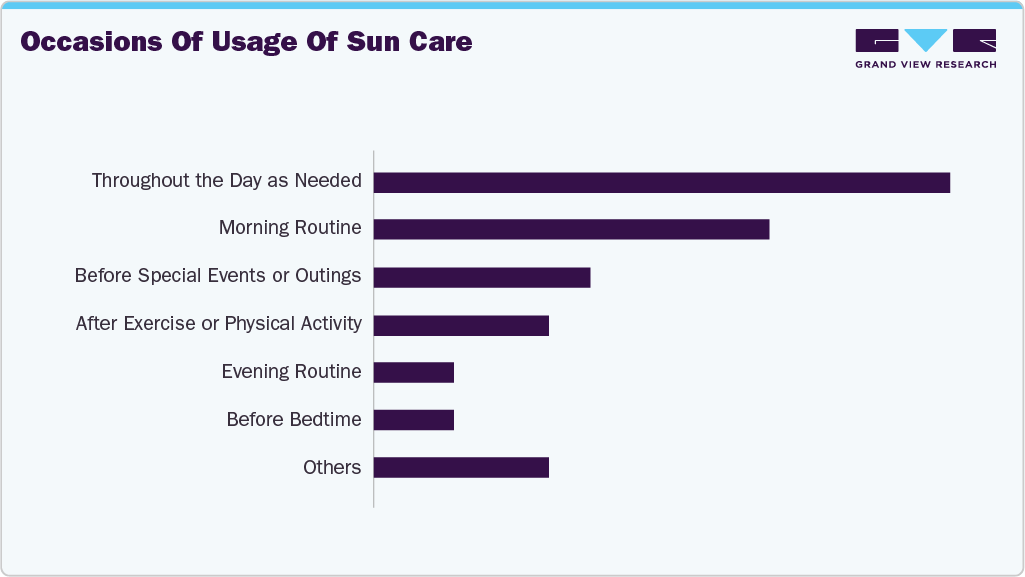
Sun care is primarily used throughout the day on an as-needed basis, with over 4 in 10 consumers indicating this behavior. Increasingly, people are also incorporating sun care into their morning routines and applying it before special events or outings, reinforcing its role as a daily skincare essential. Beyond sun protection, consumers use these products to maintain overall skin health, integrating them seamlessly into broader self-care routines. However, what might hold them back is the high prices, affordability concerns, and an overwhelming number of product choices.
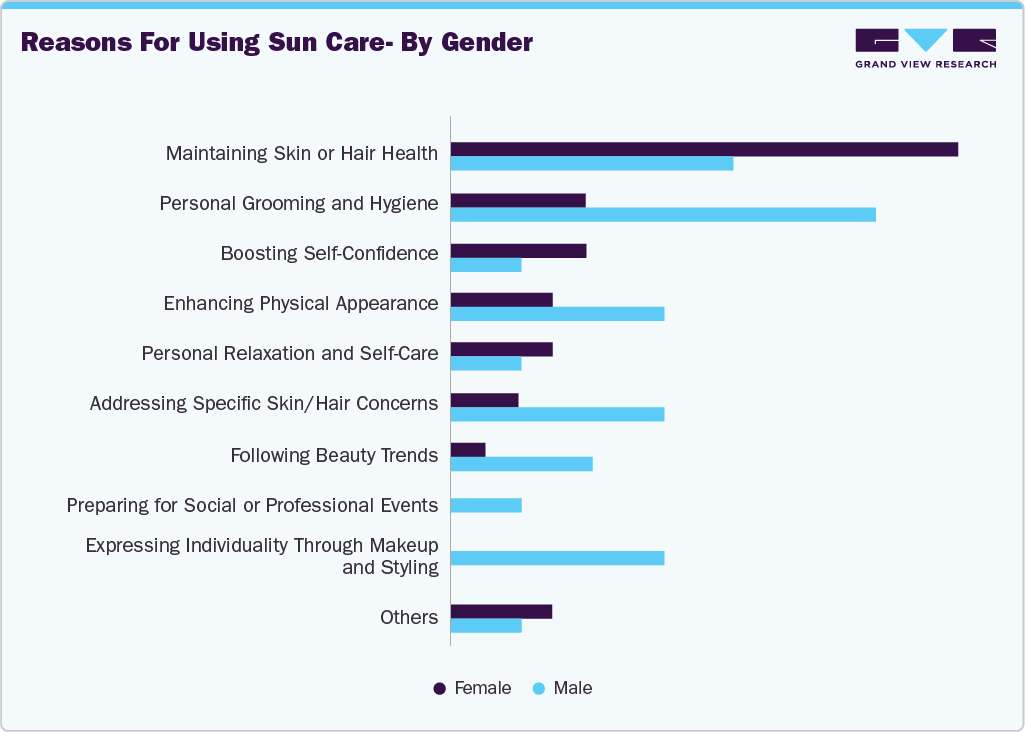
For women, preserving the health of their skin is a major motivator for using sun protection products, whereas for men, personal grooming and hygiene are important considerations. Conversely, men also value skin health, and women consider grooming important, showing that motivations overlap. Consumers find sun care products pleasant to purchase due to their ease of use and application. However, the high price point continues to deter price-sensitive buyers. To capture a wider audience, brands must address affordability while maintaining product quality and performance.
Buying Behavior
Customers consider two aspects when purchasing any sun care product: the product's efficacy and quality. This implies that companies that emphasize producing high-quality goods will most likely have an edge over their rivals. Customers do not want to break the bank, and they firmly believe that living expenses are always rising, so affordability and pricing are the second priority. Two other important areas that are taken care of are ingredient safety and transparency. Because of their frequent use, the need to replenish supplies, and the importance of ongoing sun protection in preventing skin damage and reducing the risk of skin cancer, customers usually decide to buy sun care products once a month. The product's single large size also has a big impact on how frequently they buy it.
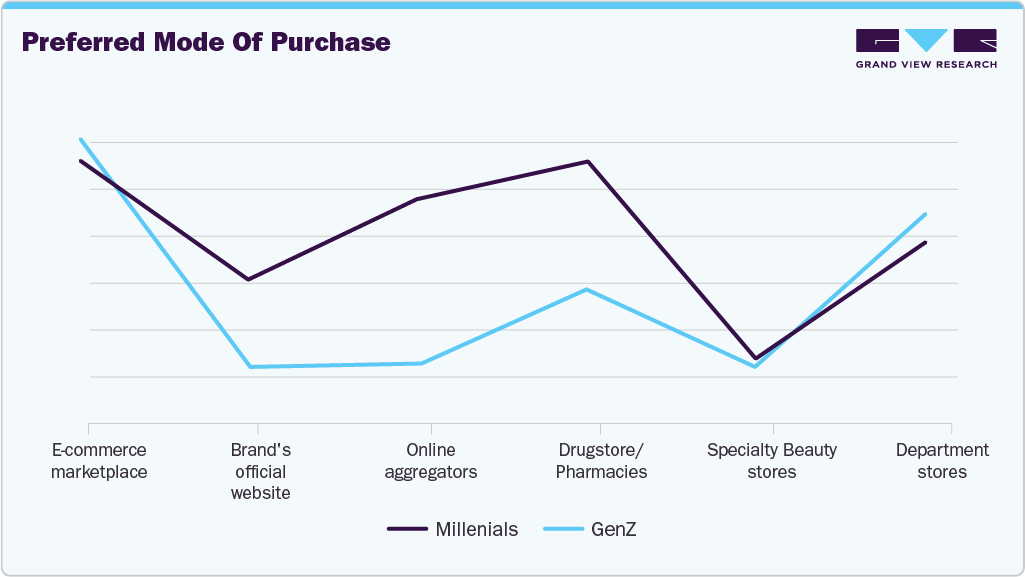
When it comes to the mode of purchase overall, Drugstores/Pharmacies are the most common mode. Similarly, deep-diving into Gen Z and Millennials, they go to e-commerce marketplaces to purchase sun care products.
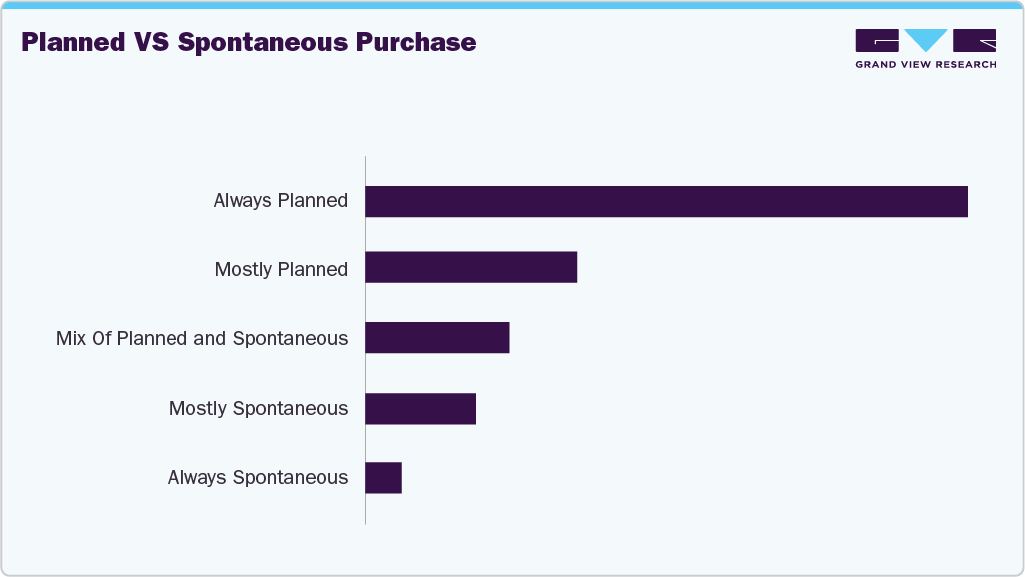
Given that 7 out of 10 respondents reported their sun care purchases were planned, with 55% stating they were always planned and 13% indicating they could be either planned or spontaneous depending on circumstances or promotional offers, it is clear that sun care falls into the more planned-purchase category. Only 13% of consumers admitted to making impulse purchases in this category. This reflects a considered approach, as most consumers conduct research, evaluate product reviews, assess brand reputation, and rely on trusted recommendations before making a decision.
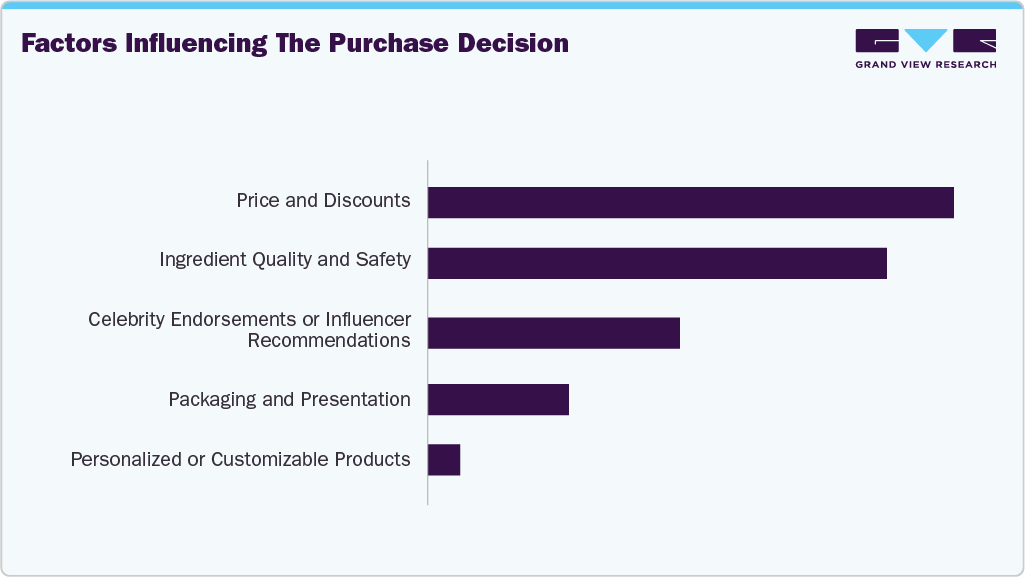
According to the survey, a significant percentage of participants stated that price and discounts are the primary factors that influence their decision to buy sun care, followed by ingredient quality and safety. Furthermore, whereas celebrity endorsements raise brand awareness, they have a weaker effect on actual product purchases. Notwithstanding the growing demand, several barriers to purchasing a product remain, such as a lack of product variety for specific needs and difficulty identifying products free of harmful chemicals. Additionally, 7 out of 10 consumers report being moderately to extremely conscious of the sun care brands they use, reflecting a heightened awareness of beauty and wellness considerations.
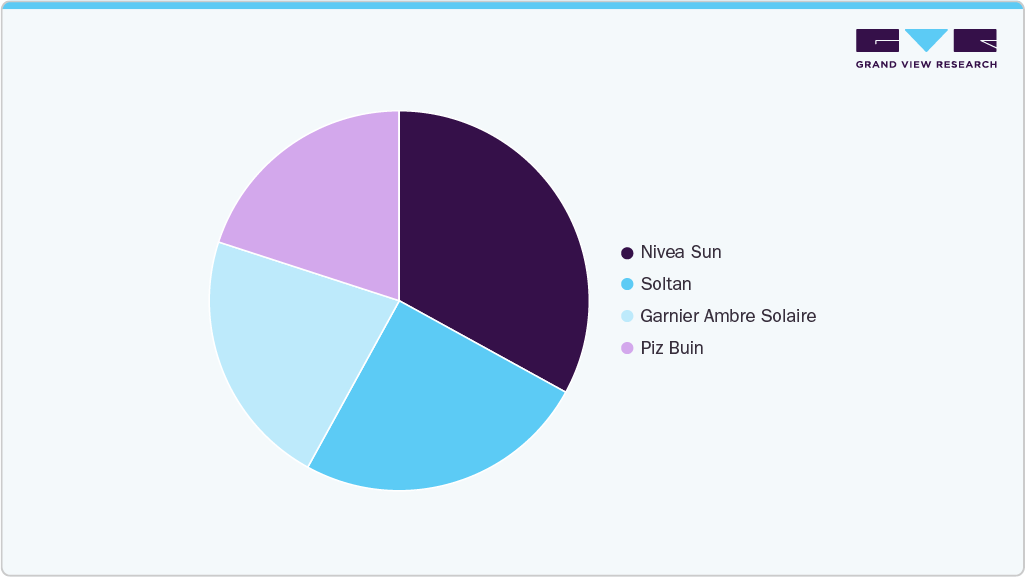
Brand Power Play (Brand Health and Performance)
Some of the popular sun care brands in the UK include Nivea Sun, Soltan, Garnier Ambre Solaire, and Piz Buin. Although the sun care industry is highly competitive, Vaseline dominates the market with a 52% share (by awareness), as it is the regional brand in Europe due to its affordability and effectiveness.
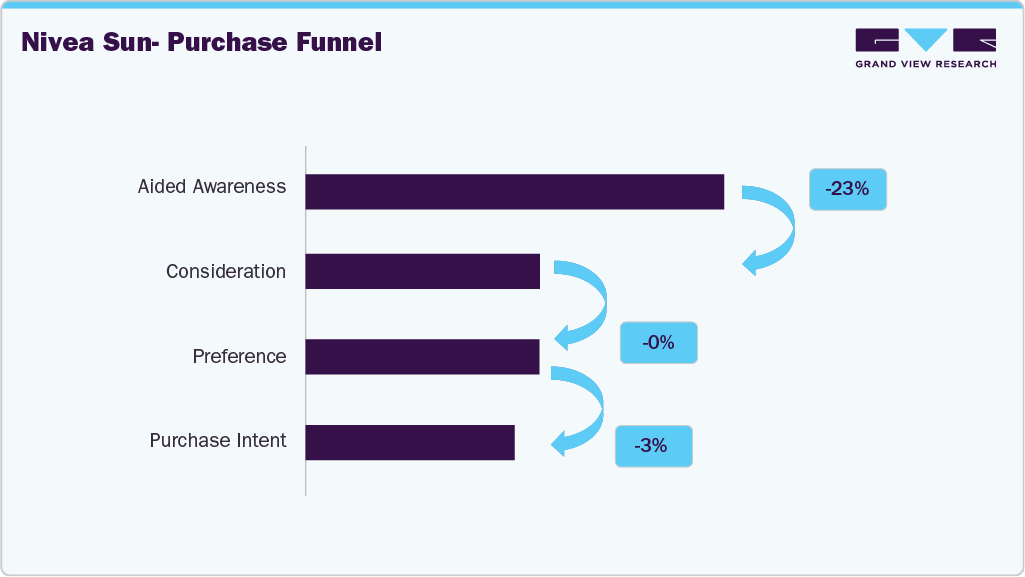
Purchase Funnel
It is important to keep in mind that, even though the majority of sun care companies are well-known, each one has a different journey from conception to use, and only a select few are effective. Even with a significant drop from awareness to consideration, the market leader, Nivea Sun, shows an outstanding buying funnel. In the highly competitive UK sun care market, Nivea Sun is recommended for its instant protection against UVA and UVB rays, sunburns, and premature skin aging. Its water-resistant formula also makes it a popular choice for fashion-conscious consumers. Furthermore, Nivea Sun has a higher repeat business rate than other brands, suggesting that brand loyalty is boosted by higher customer satisfaction after use.
While the overall NPS score of the leading brands varies from -100 to 50, Nivea Sun leads the sun care industry with the highest NPS score (50) compared to other sun care brands in the market. People often recommend Nivea Sun for sun care products in the UK due to their immediate protection against UVA and UVB rays, sunburns, and premature skin ageing, whilst the formula is water-resistant.
