UK Tablet Consumer Insights - Usage, Attitudes, And Brand Performance Report
Introduction:
Tablet purchasing and usage patterns in the United Kingdom are evolving, with consumers increasingly gravitating toward AI-enhanced devices that support productivity, education, and multitasking. Economic pressures have shifted buying behaviors, with many shoppers hunting for sales, budget-friendly alternatives, or second-hand devices, making the UK a leading market for pre-owned tablets, especially among younger users stretching their budgets. E-commerce dominates sales by offering convenient price comparison and customer feedback access, while value consciousness drives purchasing decisions even as quality remains important. Versatility has become essential as users select tablets capable of handling video conferencing, academic work, creative projects, and gaming, particularly with remote work and learning now commonplace. The market shows growing preference for manufacturers offering extended battery life, faster processing power, and sustainability features, with research-driven shoppers thoroughly investigating user experiences, demonstration videos, and specifications before making decisions. Ultimately, the British tablet marketplace centers around intelligent technology, cost-effectiveness, and adaptability to contemporary living requirements. Here are the market trends:
-
Technology and Features: Tablets with smart features like AI tools, 5G connectivity, long battery life, and improved security (e.g., biometrics) are in high demand. These technologies make tablets more powerful and efficient, enabling users to seamlessly switch between tasks such as video conferencing, digital note-taking, media editing, and cloud-based collaboration. AI integration enhances user experience through personalized suggestions, voice recognition, and productivity tools like auto-summarizing or smart scheduling. 5G support allows for faster downloads and smoother streaming, which is especially valuable for people working or learning on the go. As users expect their tablets to do more than ever before, these advanced features are becoming essential for both casual and professional use.
-
Shifting Consumer Preferences: Consumers in the UK are gravitating toward reasonably priced, multipurpose tablets, particularly hybrid versions that can double as a tablet and a thin laptop, thanks to detachable keyboards and stylus compatibility. Users who desire flexibility for activities like typing, drawing, or browsing will find these gadgets appealing. Because they are more cost-sensitive and ecologically conscious, younger consumers are particularly drawn to refurbished tablets. Additionally, a lot of consumers are choosing up-and-coming or lesser-known companies that provide good performance at more affordable costs. Price sensitivity is still a significant consideration; most buyers frequently wait for discounts or package deals. This pattern indicates a rising need for gadgets that combine portability, performance, and affordability without charging exorbitant prices.
-
Usage Trends and Applications: Tablets are widely used for home learning, creative work, and even in businesses for tasks like inventory tracking, mobile payments, and customer engagement. Their lightweight design and touchscreen interface make them ideal for on-the-go use, whether it's students attending virtual classes, professionals joining remote meetings, or artists sketching on digital canvases. In education, tablets are valued for their interactive capabilities, access to e-learning platforms, and compatibility with styluses for note-taking. In the creative space, they're used for photo editing, video production, and design tasks thanks to high-resolution displays and advanced apps. Businesses in retail, hospitality, and logistics increasingly rely on tablets for point-of-sale systems, order processing, and real-time communication. Their ability to handle multiple roles-from entertainment to productivity-makes tablets a highly adaptable solution across a wide range of industries and everyday scenarios.
Methodology:
The insights covered in this report are drawn from GVR’s ‘Voice of Consumer Survey’ and its periodic updates. The latest survey represents 75,000+ consumer interviews conducted across 20 countries for 100+ product categories. These insights are specifically catered to the brands operating in the tablet industry to guide them in their strategic decision-making process. This report provides insights covering category usage & attitude, buying behavior, brand performance metrics, and brand health indicators of leading players in the UK tablet market.
Chapter 1: Usage and Attitude
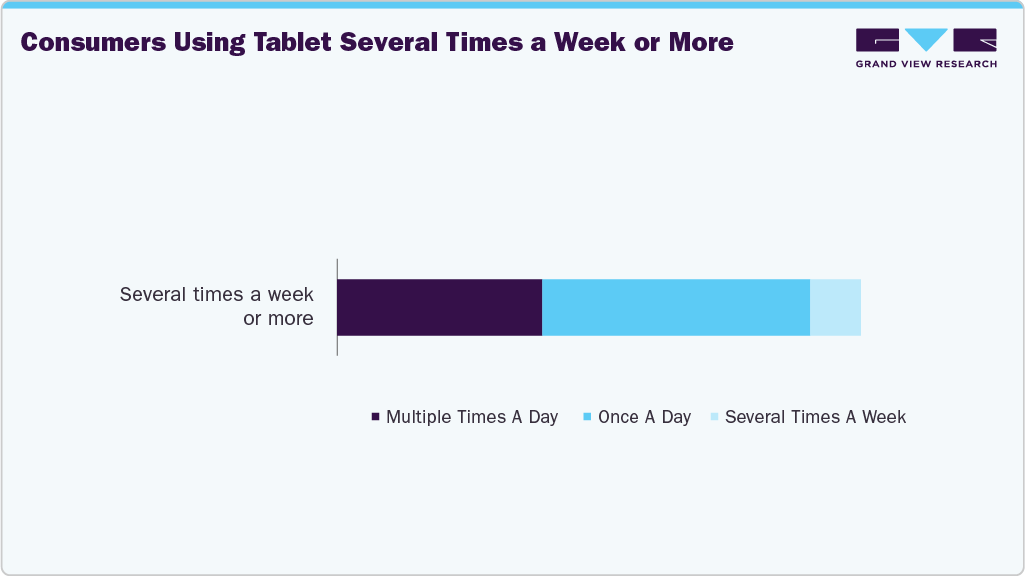
UK consumers recognize the ease and convenience that tablets bring to daily life. With 62% of people using tablets at least weekly and 31% engaging with them daily, there's a clear shift toward portable, user-friendly devices like tablets that can offer similar functionality in a more compact form. As convenience becomes a top priority, tablets are increasingly relied upon not just for entertainment like streaming and gaming, but also for professional and personal tasks such as remote work, virtual meetings, studying, and digital creativity. This growing reliance highlights how tablets are becoming essential tools for modern, flexible lifestyles.
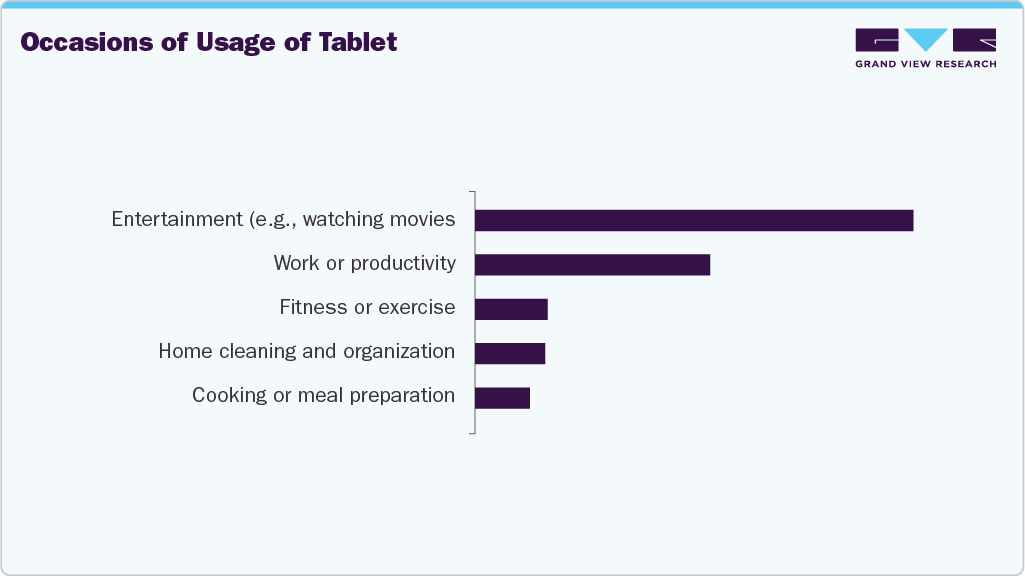
In the UK, tablets have become essential for a wide range of activities, with entertainment, work, and productivity being the top uses. About 80% of tablet users enjoy them for entertainment, such as watching movies, streaming shows, and gaming, thanks to their portability and high-quality displays. Tablets are also valuable tools for work, with 43% of users relying on them for productivity tasks like managing emails, attending virtual meetings, or working on projects while on the go. The convenience of tablets makes them ideal for multitasking, offering both entertainment and professional capabilities in one device. Additionally, a smaller yet notable percentage of users incorporate tablets into their fitness routines, home cleaning, and even meal preparation, further highlighting the versatility of these devices in supporting everyday life.
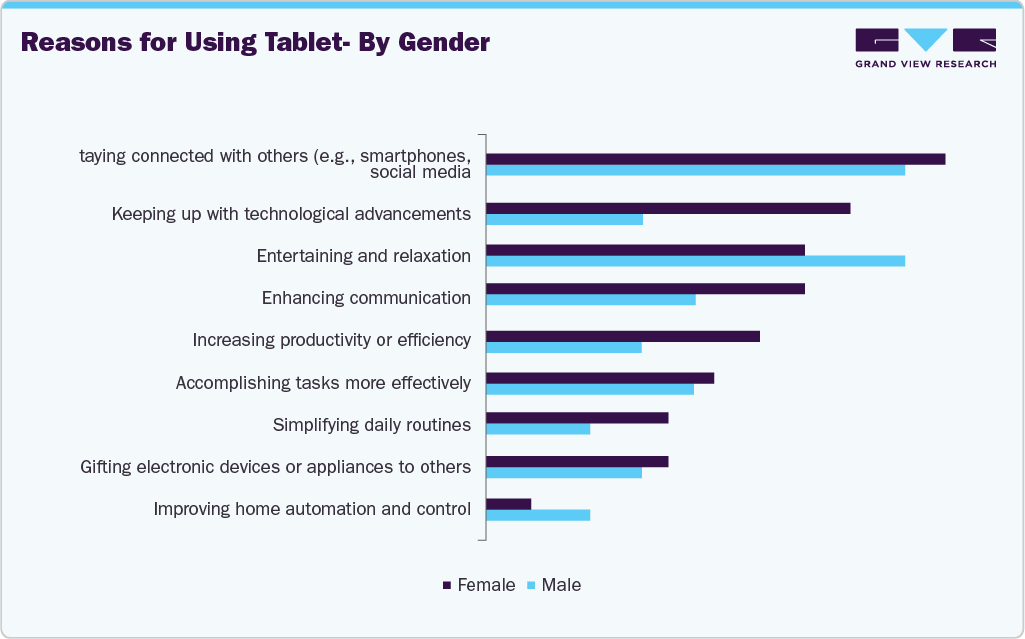
People use tablets for a variety of meaningful reasons, and these reasons often differ slightly between men and women. Many men tend to use tablets primarily for entertainment and relaxation, such as watching videos, playing games, or streaming music, making them a go-to device for leisure and downtime. While they also value the communication features tablets offer, their usage often leans more toward personal enjoyment. On the other hand, many women turn to tablets to stay connected with others, using them for social media, messaging, and video calls to maintain relationships and social bonds. They also see tablets as a helpful way to keep up with the latest technology, embracing digital tools to stay informed and up to date. Women frequently use tablets to boost productivity, enhance communication, and manage daily tasks more efficiently. While both genders appreciate the convenience and versatility of tablets, men are slightly more focused on entertainment, whereas women often see them as essential tools for staying organized, productive, and connected in everyday life.
Despite their many benefits, tablets in the UK are not without their downsides. A key concern for many users is the increasing reliance on screens, which can lead to reduced attention spans and a sense of digital fatigue. As tablets are used more frequently throughout the day for checking emails, browsing, attending virtual meetings, or streaming content, many people find it harder to unplug and take breaks from technology. This constant connectivity can affect sleep, concentration, and overall mental health. Another point of dissatisfaction is the inconsistency in tablet performance. Users often report issues like system freezes, delayed response times, and connectivity problems, which can be particularly frustrating during important tasks or meetings. These ongoing issues can make tablets feel unreliable at times, prompting users to seek more stable alternatives or invest in regular maintenance. Together, these drawbacks serve as a reminder that even the most advanced technology has its limitations and that mindful usage and dependable performance are key to a positive experience.
Buying Behavior
When it comes to buying tablets in the UK, consumer behavior is largely influenced by three key factors: product performance and reliability, pricing and value for money, and brand reputation. Most buyers prioritize performance and reliability above all, as they want a tablet that can handle everyday tasks smoothly without frequent glitches or slowdowns. A close second is the importance of getting good value for money. Consumers are increasingly cost-conscious and look for tablets that offer strong features without a hefty price tag. Brand reputation also plays a big role in purchase decisions, with many shoppers gravitating toward well-known and trusted brands that they associate with quality, durability, and better customer support. These top priorities show that UK consumers are practical and thoughtful in their choices, seeking tablets that balance performance, price, and trustworthiness. Additionally, many consumers tend to purchase a new tablet only once every 5 years, reflecting their long-term investment in a reliable device.
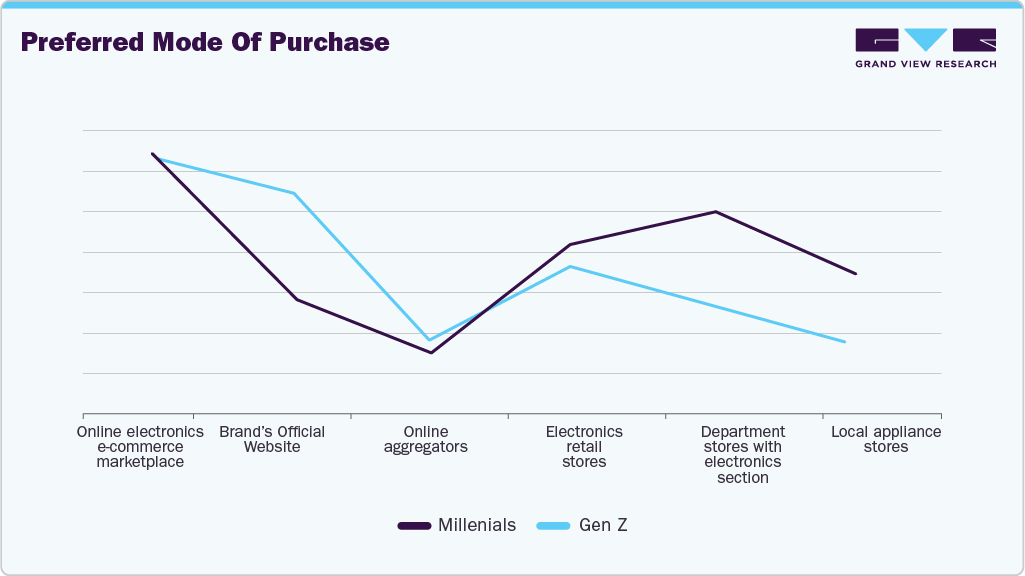
In the UK, the preferred way to purchase tablets among both Millennials and Gen X is through online electronics e-commerce marketplaces. This shared preference highlights the growing importance of convenience, variety, and competitive pricing that these platforms offer. For both generations, the ability to easily compare features, read reviews, and access deals makes online marketplaces the go-to option. When diving deeper, Millennials tend to choose department stores with electronics sections as their second preferred option, likely valuing the opportunity to see and test devices in person while still having access to multiple brands in one place. On the other hand, Gen X shows a stronger preference for buying directly from a brand’s official website, reflecting a desire for trusted sources, official warranties, and personalized customer service. These trends indicate that while online shopping dominates tablet purchases, each generation brings its priorities to the buying experience, balancing convenience with trust and in-store experience.
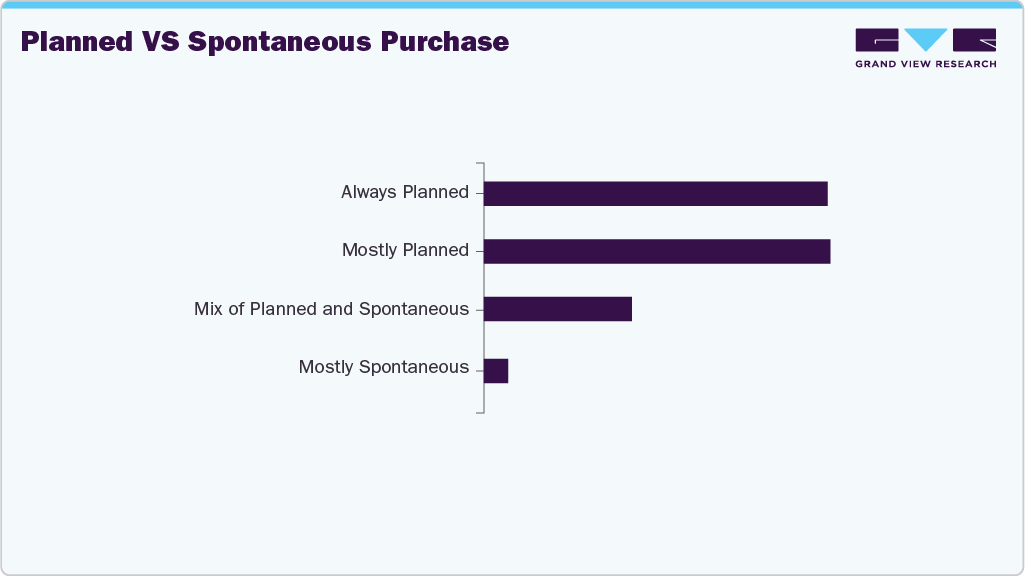
According to the data, 8 out of 10 respondents revealed that their tablet purchase was planned, with 40% of consumers stating that they always plan their purchases, and 17% saying their decision is either planned or spontaneous, depending on specific circumstances or offers. This indicates that tablets are generally a planned purchase. Only 3% of people have ever made an impulsive tablet purchase. Due to concerns about cost and affordability, most buyers take a careful approach and avoid making rushed decisions. They typically invest time in researching specifications, comparing prices, and reading reviews before finalizing their purchase. This thoughtful process reflects the long-term value people place on their tablets, as they are now considered essential devices for both personal and professional use, offering versatility and practicality for various tasks.
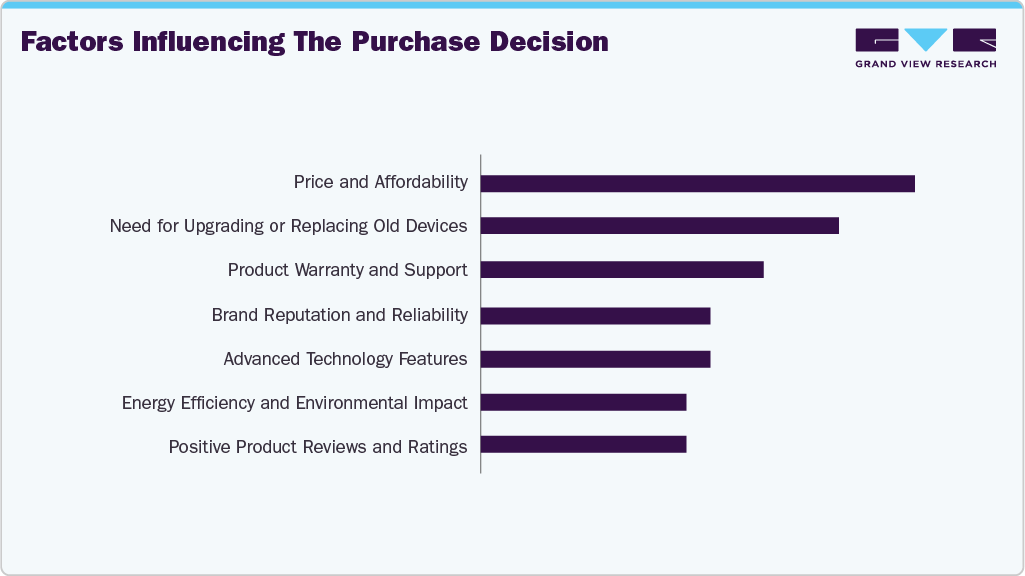
When it comes to the immediate purchase of tablets in the UK, consumers are highly influenced by several key factors. Price and affordability stand out as the most important considerations, with 57% of buyers prioritizing cost when making their purchase decisions. This is followed by the need for upgrading or replacing old devices, with 47% of consumers looking for a new tablet when their current device becomes outdated or no longer meets their needs. Product warranty and support are also significant factors, with 37% of buyers placing importance on reliable after-sales service to ensure peace of mind. While positive product reviews and ratings are a consideration, they play a lesser role, with only 27% of consumers basing their decision on feedback from other users. These insights show that UK consumers approach tablet purchases with a focus on value, practicality, and the assurance that they are making a well-informed decision. Brand consciousness plays a significant role in tablet purchases in the UK, with 93% of consumers considering the brand as a key factor in their decision-making process.
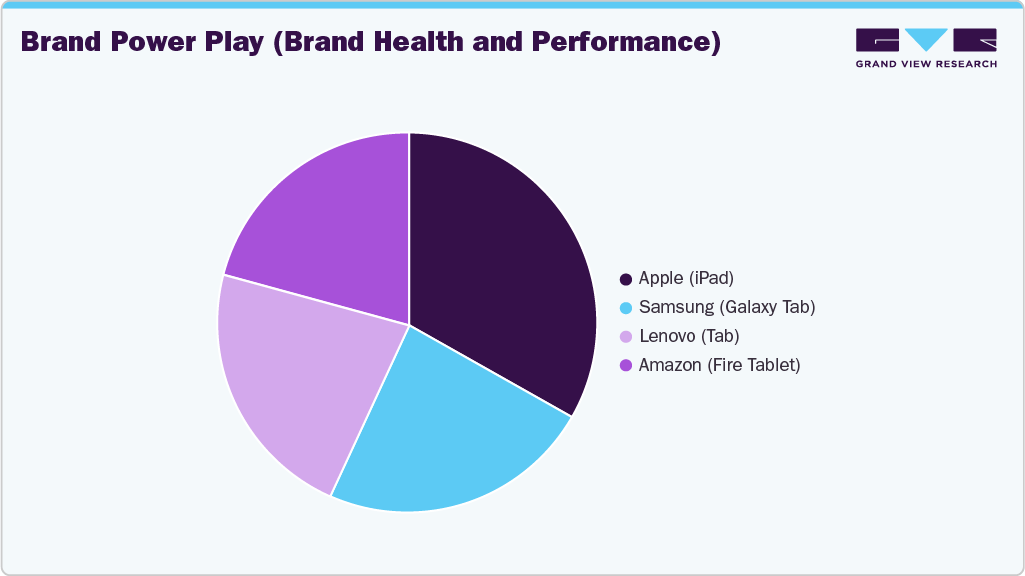
Brand Power Play (Brand Health and Performance)
In the UK, brand awareness plays a crucial role in the tablet market, with Apple, Samsung, Lenovo, and Amazon emerging as dominant players. Apple leads the pack with an impressive 83% awareness for its iPad, a testament to the brand's long-standing reputation for premium quality, innovation, and user-friendly design. The iPad’s robust ecosystem, including seamless integration with other Apple devices and services, has solidified its position as the go-to tablet for many consumers. Following closely are Samsung and Lenovo, each holding a 70% awareness rate for their respective Galaxy Tab and Lenovo Tab lines. Samsung’s strong market presence, combined with its reputation for producing high-quality devices with cutting-edge features, makes the Galaxy Tab a popular choice among consumers. Lenovo, known for its competitive pricing and solid value, has gained recognition for offering durable and reliable tablets. Amazon’s Fire Tablet, with 63% awareness, appeals to budget-conscious consumers, thanks to its affordability and integration with Amazon's services. These companies have successfully leveraged brand recognition, product quality, and ecosystem integration to build a competitive edge in the UK tablet market.
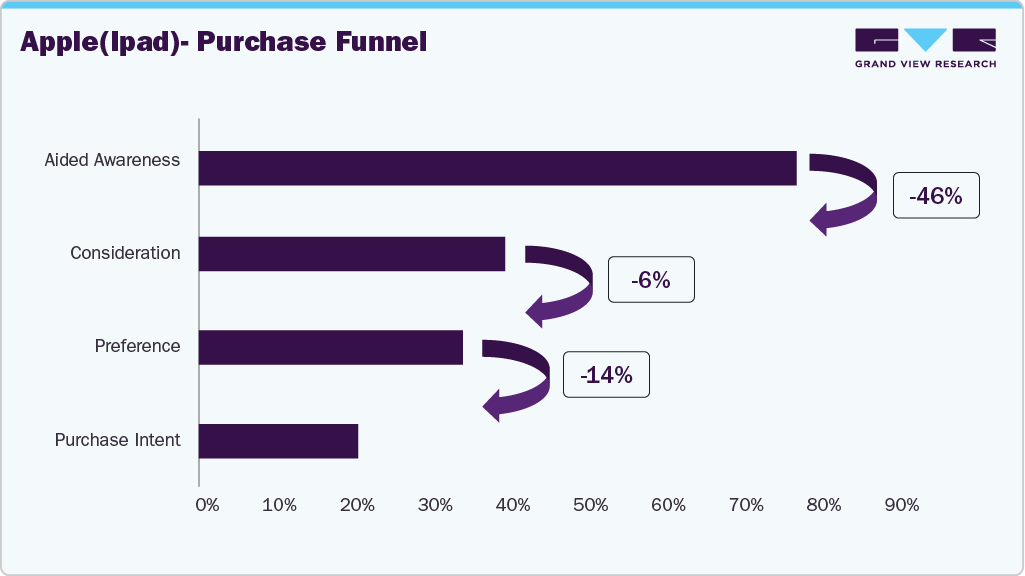
Purchase Funnel
Apple's iPad boasts a strong purchase funnel in the UK, with an impressive level of brand recognition, indicating that it is highly familiar and top-of-mind for many consumers. This widespread awareness drives the next stages of the funnel, where a significant portion of consumers actively consider purchasing an iPad, and a large number express a preference for the device over others. However, some consumers are still in the decision-making phase, weighing alternatives, which suggests that while the iPad enjoys high awareness and consideration, a smaller percentage have made a final purchase commitment. The iPad’s robust funnel is a direct result of its well-established reputation for premium quality, innovation, and seamless integration with the broader Apple ecosystem, which appeals to a wide range of users. Samsung and Lenovo also demonstrate strong purchase funnels, with notable awareness and consideration levels that indicate healthy interest in their tablets. Samsung’s Galaxy Tab and Lenovo’s tablets are regarded as solid alternatives, offering competitive features and value. While they generally trail Apple in consumer preference and purchase intent, both brands have cultivated strong recognition in the UK, positioning themselves as key contenders in the tablet market.
Samsung leads the UK tablet market with the highest Net Promoter Score (NPS) of 45, surpassing competitors like Apple (iPad), Lenovo, and Amazon Fire Tablet. This strong NPS reflects high customer satisfaction and loyalty, with users being more likely to recommend Samsung tablets to others. Several factors contribute to Samsung's impressive NPS score, including its reputation for producing high-quality, feature-rich tablets at various price points. Samsung’s Galaxy Tab series stands out for its cutting-edge features, display quality, and versatility, earning positive consumer feedback. Its strong customer support, innovative S Pen functionality, and seamless integration with Samsung’s broader device ecosystem further enhance the user experience. As a result, Samsung has earned a loyal customer base that feels confident in recommending its products, leading to its top position in the UK tablet market in terms of NPS.

Talk to an analyst
Tell us what you need. We reply within one working day.
Service Guarantee
-
Insured Buying
This report has a service guarantee. We stand by our report quality.
-
Confidentiality
Your transaction & personal information is safe and secure.
-
Custom research service
Design an exclusive study to serve your research needs.
-
24/5 Research support
Get your queries resolved from an industry expert.