UK Television Consumer Insights - Usage, Attitudes, And Brand Performance Report
Introduction:
The UK television electronics industry is undergoing significant changes, with smart TVs dominating the current market. Manufacturers are focusing on larger screens with higher resolutions, with 4K being the standard and 8K models becoming more accessible. OLED and QLED technologies are becoming more affordable, bringing premium picture quality to mid-range price points. Traditional brands such as Samsung, LG, and Sony lead, while Chinese manufacturers like Hisense and TCL are gaining market share. Energy efficiency and AI-powered features are becoming popular, while supply chain challenges persist. Gaming-specific features, such as HDMI 2.1, variable refresh rates, and low-latency modes, are becoming standard on mid to high-end models. The industry is also facing some challenges, particularly in terms of lower usage of television among the younger generation, especially Gen Z. Here are the market trends:
-
Smart TV Popularity: Smart TVs are gaining popularity in the UK market due to improved user experiences, built-in voice control, and AI-powered features. These devices allow users to access streaming services such as Netflix, Amazon Prime, and the BBC's iPlayer directly on their TVs, eliminating the need for extra devices. AI-powered features such as automated picture enhancement and content curation also enhance the viewing experience. When integrated with other smart home appliances, smart TVs become the focal point of home entertainment.
-
OLED and 8K Technology: OLED and 8K technologies are gaining popularity in the UK high-end television market due to their superior contrast and picture quality. OLEDs emit light independently, resulting in thinner, more flexible screens and better energy efficiency compared to traditional LED TVs. 8K resolution offers sharp, detailed images, providing an immersive viewing experience for large screens. While 8K content is limited, AI upscaling enhances clarity and detail. As production costs decrease and more content becomes available, 8K technology is expected to become more mainstream, contributing to the growth of the premium TV segment.
-
Streaming Boom: The UK's streaming boom has transformed the television industry, with services such as Netflix, Disney+, and Amazon Prime dominating the market. These platforms offer on-demand access to a vast library of films, TV shows, and exclusive originals, making them appealing to younger audiences. The flexibility of streaming allows viewers to watch what they want, when they want, and on any device, making it particularly appealing to younger audiences. The rise of exclusive shows and movies has created a new form of content consumption, drawing people to specific platforms rather than general TV channels. The increasing use of smart TVs and streaming devices has made access to these services easier, forcing broadcasters to adapt to a more on-demand, digital-centric world.
Methodology:
The insights covered in this report are drawn from GVR’s ‘Voice of Consumer Survey’ and its periodic updates. The latest survey represents 75,000+ consumer interviews conducted across 20 countries for 100+ product categories. These insights are specifically catered to the brands operating in the television industry in order to guide them in their strategic decision-making process. This report provides insights covering category usage & attitude, buying behavior, brand performance metrics, and brand health indicators of leading players in the UK television market.
Chapter 1: Usage and Attitude
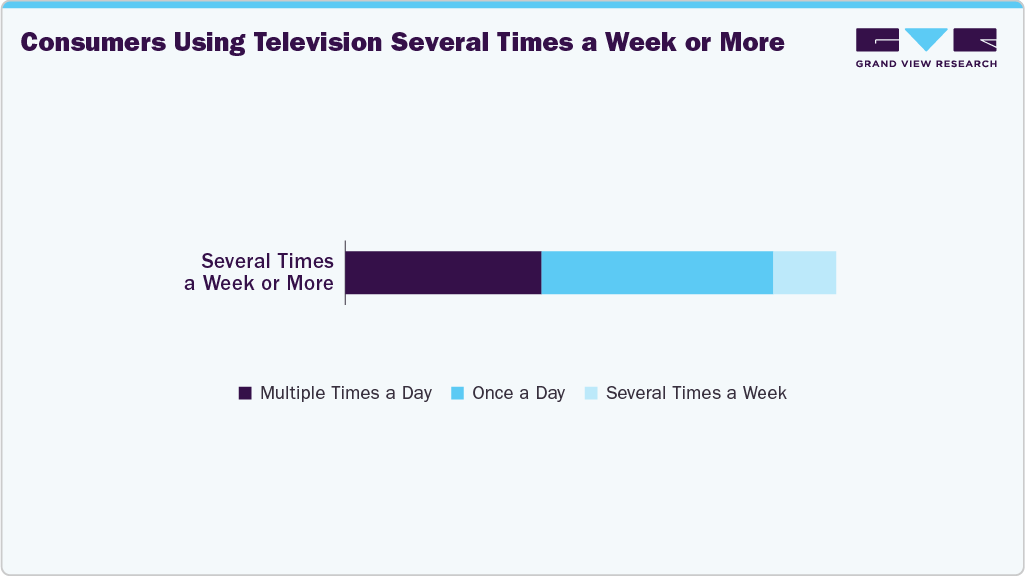
American consumers are well aware that everyday tasks can be simplified. With 91% of consumers using television at least once a week and 39% claiming to use it once a day, customers are placing increasing importance on convenience. It is also frequently used by other household members.
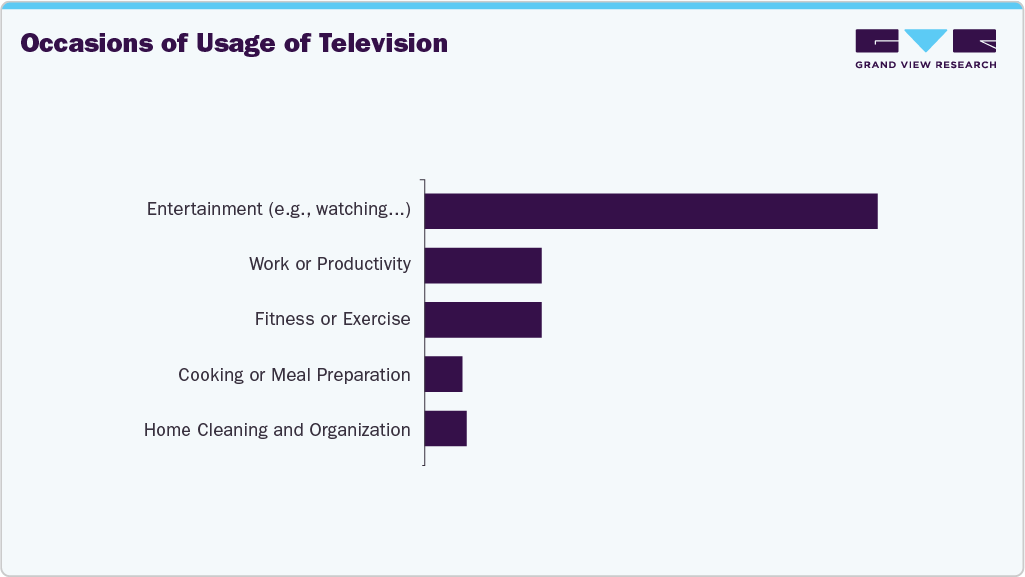
Televisions are mostly used for Entertainment, according to about 9 out of 10 consumers. Now, more and more people are inclined towards the use of television for household purposes.
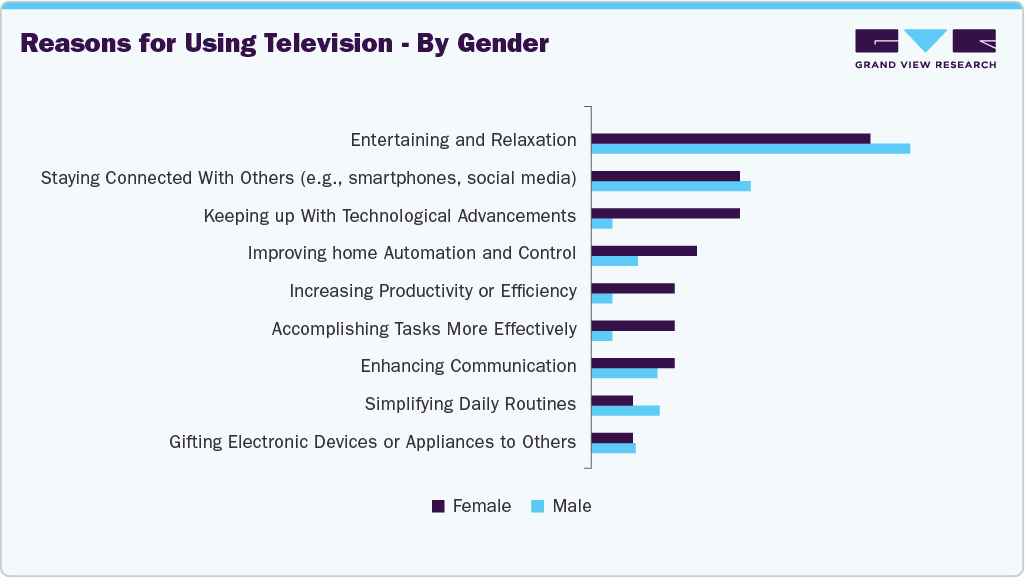
When it comes to reasons for using a television, entertainment and relaxation are key drivers for both females and males. Further, staying connected with others acts as a second driver for females and males.
Buying Behavior
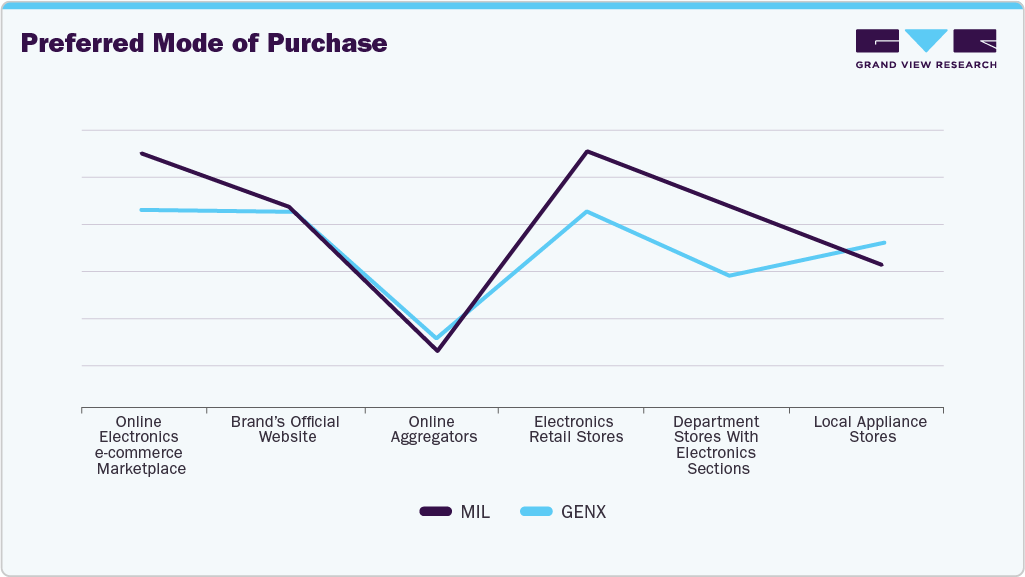
A television is one example of an electronic product that consumers would rather know about before buying. According to Product Performance and Reliability, businesses that prioritize product performance are probably going to have a competitive advantage. The second is value for money and pricing, as consumers are cost-conscious, brands must serve these markets. The product's technological advancements and features are the final crucial piece of information that consumers are looking for. Customers generally buy televisions every 5 years because they last longer. The product's lifespan significantly affects how often people buy it. Gen Xers and millennials had similar preferences when buying a television. Both commonly prefer to purchase a television from electronics retail stores and Online electronics e-commerce marketplaces.
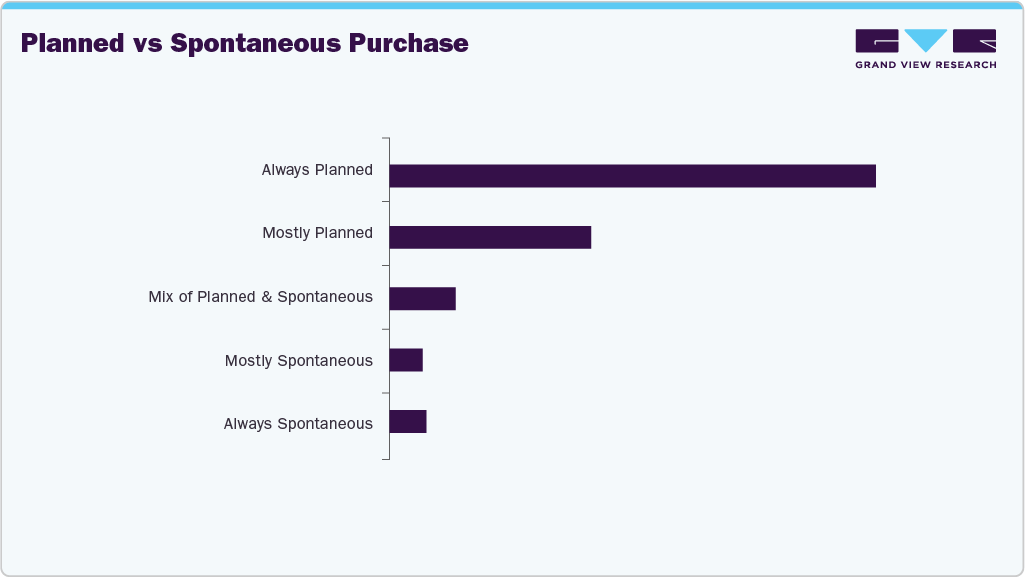
With 9 out of 10 respondents stating that their purchase was planned, 66% of consumers stating that their purchase was always planned, and 6% stating that their purchase was either planned or spontaneous, depending on the various circumstances and offers, we can confidently state that television belongs to the more planned purchase category. Just 6% of people have ever bought something on impulse. Because they are worried about cost and affordability, few buyers make rash decisions.
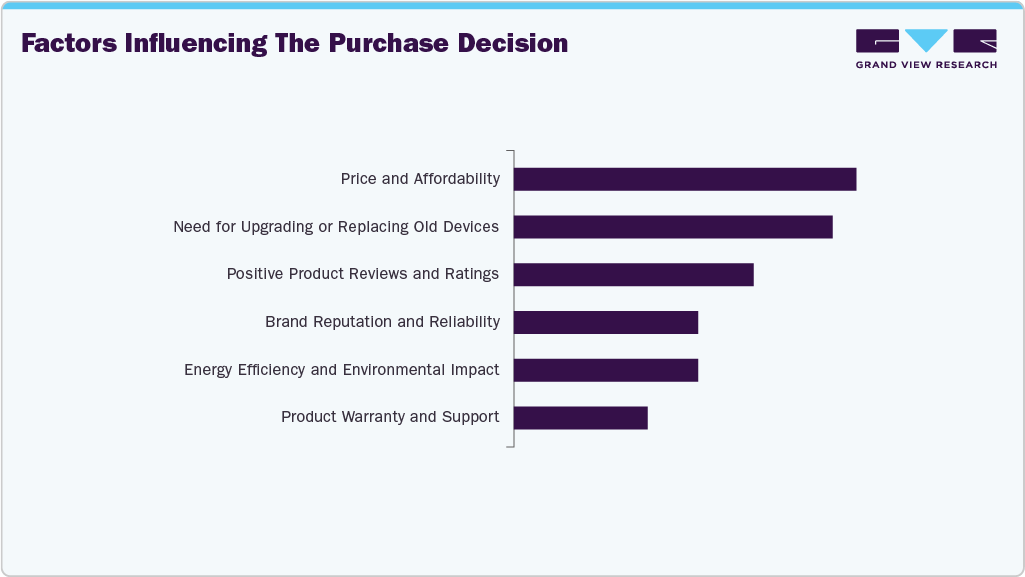
According to the survey, a significant number of the respondents said that, like other electronics, "price and affordability" are the main considerations that immediately prompt the purchase of a television. Secondly, the “need for upgrading or replacing old devices” is one of the major drivers of the purchase. Additionally, positive product reviews and ratings have a smaller impact on actual product purchases, even though they do contribute to brand awareness. Despite the increasing demand, there are still certain obstacles to buying a product, such as a lack of affordable options with essential features and difficulty understanding or using advanced features. Additionally, as customers' knowledge of comfort levels increases, 9 out of 10 are moderately to extremely conscious of the brand of television they use.
Brand Power Play (Brand Health and Performance)
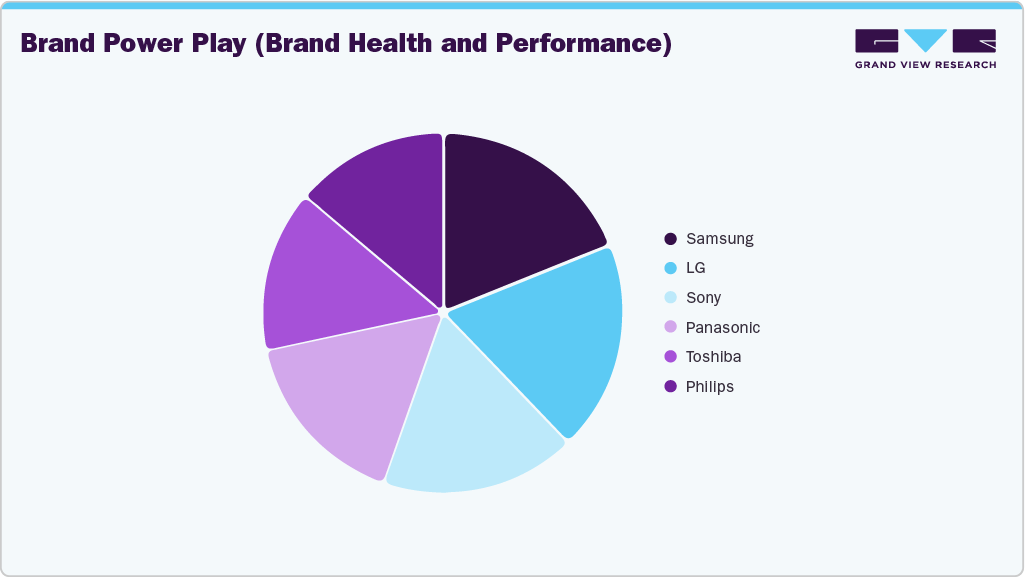
Some of the popular television brands in the UK include Samsung, LG, Sony, Panasonic, Toshiba, and Philips. Although the television industry is very competitive, Samsung and LG dominate the market with 86% market share each (by awareness) as they are well-known global brands in the UK that provide a wide range of products at different entry-level prices.
Purchase Funnel
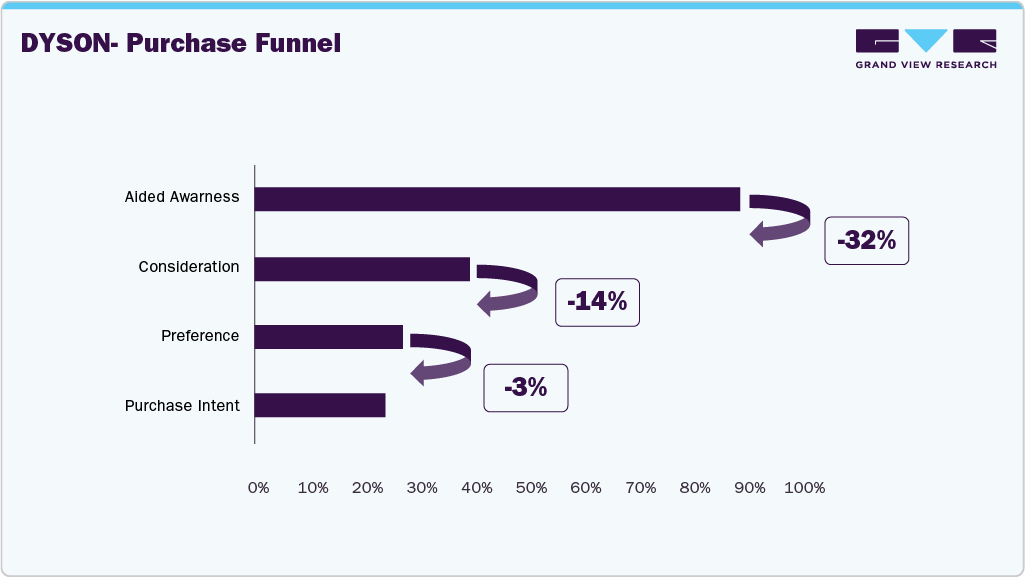
Even though there are several well-known television manufacturers in the UK, many businesses receive preference and consideration. Even while there are declines at every stage, Samsung, a well-known company with a solid buy funnel, has the strongest one. Companies like LG and Sony, well-known to UK customers and highly regarded in the market, pose serious competition to Samsung. In contrast, Samsung plays it well by offering high-quality displays, reliability, and a wide range of models to suit various budgets and needs.
While the overall NPS score of the leading brands varies from 0 to 75, Samsung leads the television industry with the highest NPS score (54) compared to other television brands in the market. People often recommend Samsung televisions in the UK for their reputation for innovation, smart TV features, and high-quality displays, as well as for their reliability and wide range of models to suit various budgets and needs.
