UK Wallets Consumer Insights - Usage, Attitudes, And Brand Performance Report
Introduction:
The UK wallet market in 2025 has seen a significant shift towards minimalist cardholders and compact designs, driven by the continued dominance of contactless payments and reduced reliance on cash. Premium sustainable materials, including vegetable-tanned leather and recycled options, have gained market share, reflecting growing consumer interest in environmental responsibility and ethical production standards. Smart wallets that incorporate RFID protection and tracking capabilities have emerged as a growing segment, particularly appealing to urban professionals concerned about digital security. The luxury segment continues to evolve through heritage brand collaborations and limited-edition releases, though these initiatives represent strategic moves rather than a widespread market revival. Direct-to-consumer wallet brands have successfully expanded their market presence through strategic social media marketing and social commerce initiatives, creating meaningful competition with established retailers. Gender-neutral wallet designs have emerged as a trend among forward-thinking brands, reflecting evolving attitudes toward inclusivity, though traditional gendered designs remain the dominant category in the broader market. The market has increasingly integrated with smartphone payment ecosystems, with digital wallet compatibility becoming a standard feature as consumers navigate a hybrid digital-physical commerce landscape that continues to evolve with technological advancement.
Here are some of the market trends dominating the UK wallets market:
-
Digital Integration: Physical wallets now seamlessly integrate with digital ecosystems, featuring NFC technology for instant mobile connectivity, dedicated AirTag/Tile pockets for location tracking, and mobile app integration that allows users to catalog cards and documents. Aspinal of London has introduced its "Smart Collection" with discreet AirTag compartments, while Montblanc's digital-first approach includes NFC-enabled wallets that pair with its concierge app. This convergence addresses consumer anxiety about losing essential items while maintaining the tactile satisfaction of physical wallets.
-
Sustainable Luxury: Eco-conscious materials have moved beyond niche status to define premium offerings, with biodegradable leathers, ocean-plastic composites, and carbon-negative manufacturing processes commanding price premiums. Mulberry's "Portobello" wallet collection uses carbon-neutral leather, while Vivienne Westwood continues her environmental activism through wallets featuring recycled materials. Burberry has transitioned several wallet lines to their environmentally progressive E-Canvas material, reducing their reliance on traditional leather processing.
-
Personalization Revolution: Mass customization has transformed wallet retail, with luxury brands offering extensive personalization options, including monogramming, color combinations, pocket configurations, and even unique leather patinas. Smythson's bespoke service allows customers to design wallets with personalized compartments and contrasting linings, while Paul Smith offers vibrant color customization options across their wallet collections. This personalization trend represents a significant shift from standardized retail offerings to individually tailored accessories.
-
Functional Versatility: The industry is currently dominated by multipurpose designs, with wallets offering features beyond just cash or credit card storage. Barbour's tough outdoor wallets combine weather-resistant features and multi-tool usefulness, while Ted Baker's "Smart Travel" wallet collection combines standard wallet capabilities with passport storage and document organizing. Professionals looking for efficient carry options will find Hugo Boss's modular wallet systems, which allow components to be added or removed based on daily needs, very appealing.
Methodology:
The insights covered in this report are drawn from GVR’s ‘Voice of Consumer Survey’ and its periodic updates. The latest survey represents 75,000+ consumer interviews conducted across 20 countries for 100+ product categories. These insights are specifically catered to the brands operating in the Wallets industry to guide them in their strategic decision-making process. This report provides insights covering category usage & attitude, buying behavior, brand performance metrics, and brand health indicators of leading players in the UK wallets market.
Chapter 1: Usage and Attitude
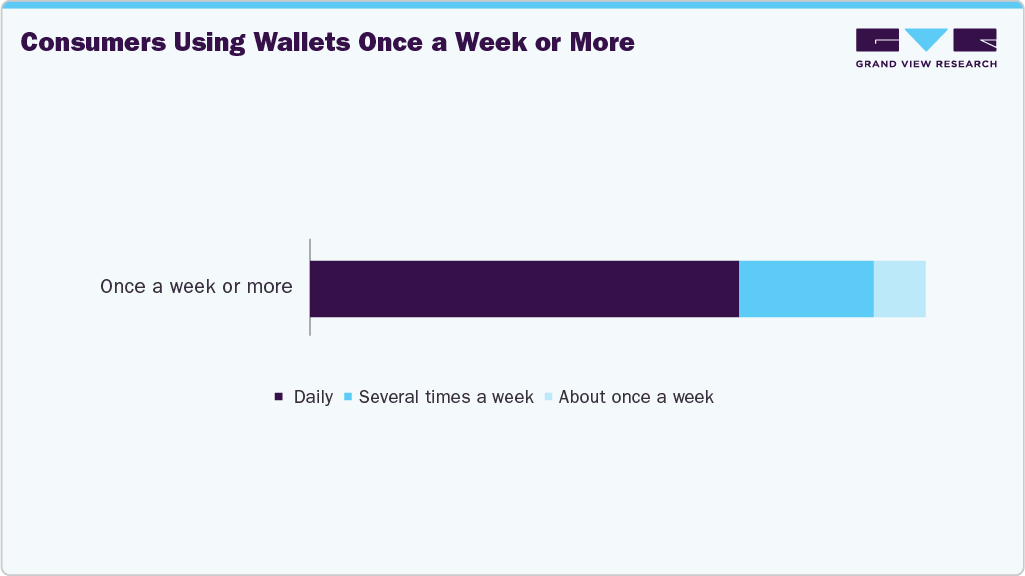
In the UK, wallets are a daily-use essential for most consumers, primarily serving to carry everyday necessities such as cards, cash, and identification. This high utility is reflected in the fact that 83% of users report using wallets at least once a week, with 58% using them daily. While wallets are typically part of a personal wardrobe rotation, a notable number of consumers also share them occasionally, particularly for special events or occasions, highlighting both their functional and stylistic roles in everyday life.
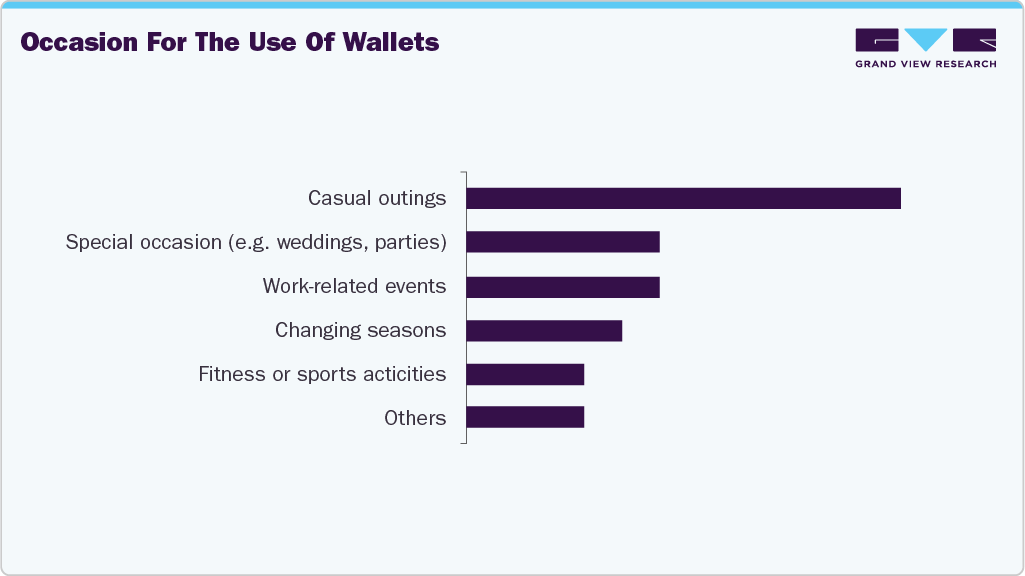
Wallets are most commonly used for casual outings, such as shopping or meeting friends, as well as for special occasions and work-related events, like weddings or business meetings. During changing seasons, people may switch wallets to match outfits, while fewer use them for fitness or other activities. Consumers often associate wallets with comfort, confidence, and a way to express personal style and fashion preferences. However, they also note drawbacks such as high costs for high-quality or branded wallets, and trends that may not align with their style or body type.
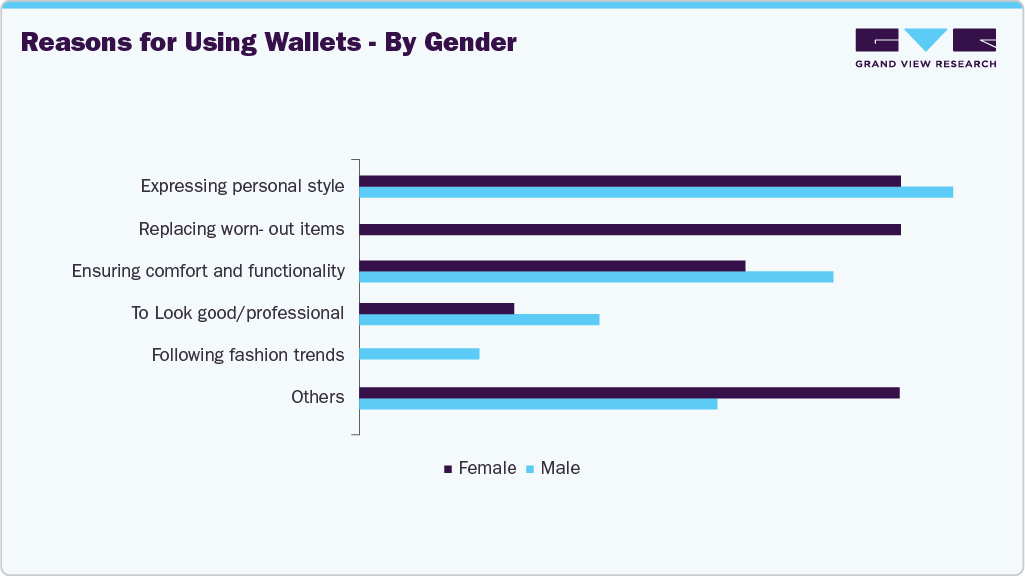
Both females and males primarily use wallets to express personal style and ensure comfort and functionality, such as choosing slim, organized designs for everyday use. Replacing worn-out items is a key reason for females, while looking good or professional matters more to males, like selecting sleek leather wallets for business settings. Durable and long-lasting construction, along with good value for money, make wallet purchases satisfying. However, consumers report disappointment when products fall short in quality or workmanship, or when prices are perceived as too high relative to the product’s value.
Buying Behavior
Before purchasing wallets, most consumers prioritize price and value for money and comfort, and fit, as these ensure practicality and daily usability, such as lightweight wallets that do not bulk up pockets. Material quality and durability also matter, reflecting a desire for long-lasting products, like genuine leather wallets. Many consumers buy wallets every 2 years, driven by the need to replace worn-out items and stay aligned with their functional and style preferences.
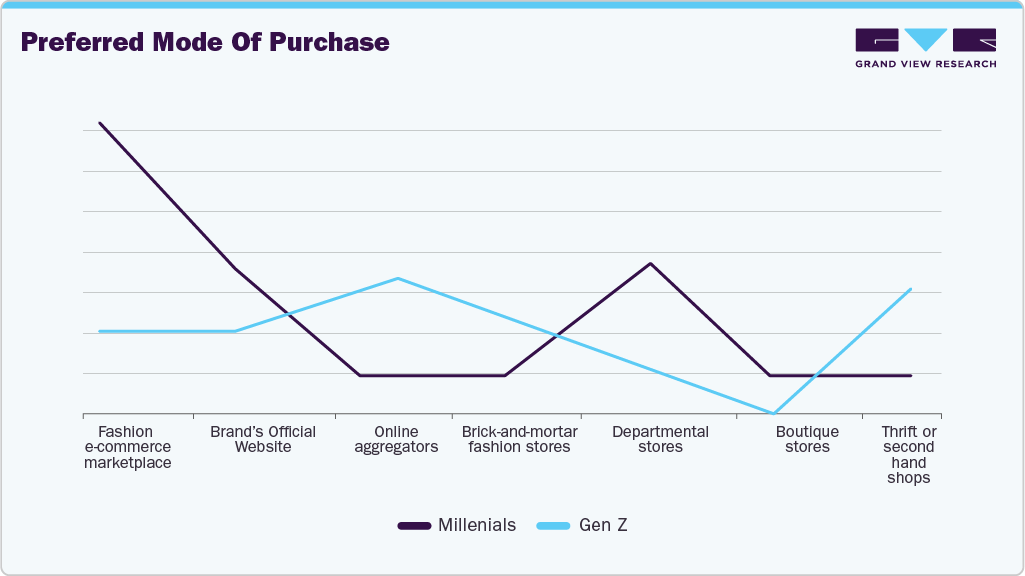
Millennials primarily prefer online fashion marketplaces and brand websites for their wide variety and convenience, ideal for browsing popular options on Amazon or Myntra. Generation X shows a notable preference for online aggregators and thrift or second-hand shops, valuing curated selections and affordable, sustainable choices.
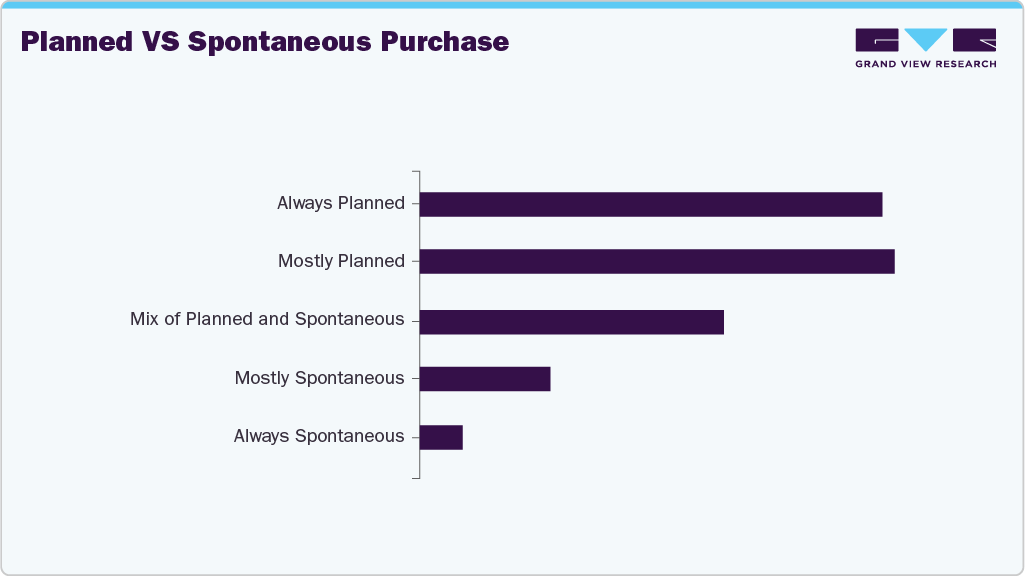
Wallet purchases in the UK are primarily intentional, with 66% of consumers reporting that their purchases are always or mostly planned. These decisions are typically driven by the need to replace worn-out items or to align with professional and personal requirements, such as choosing a slim, functional wallet for daily work use. Another 21% of consumers display a mix of planned and spontaneous behavior, often influenced by seasonal promotions or lifestyle needs. A smaller segment (12%) makes primarily impulse purchases, often triggered by eye-catching designs or exclusivity, such as spotting a limited-edition handcrafted wallet in a boutique window or while traveling.
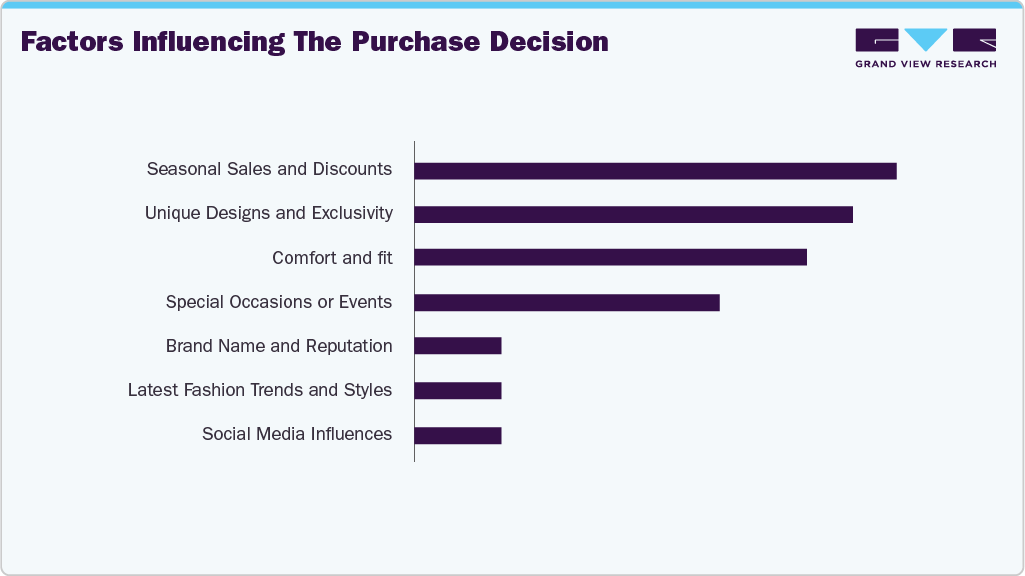
Across the UK market, the most important immediate triggers for wallet purchases include seasonal sales and discounts, as well as unique designs and exclusivity, as consumers are drawn to deals and distinctive products, such as grabbing a premium leather wallet during a holiday sale or spotting a limited-edition design online. Comfort and fit also play a key role, especially for those seeking practical, everyday use wallets. Special occasions prompt timely purchases for gifting or formal events. High prices for quality items and the lack of sustainable or ethically made options are major challenges consumers face when shopping for wallets. Online reviews, ratings, and promotional offers significantly influence buying decisions. Additionally, 8 in 10 consumers are brand-conscious, valuing the trust, style, and perceived quality that come with reputable names. Brick-and-mortar fashion stores and online fashion retailers remain preferred modes of purchase due to the convenience of in-person evaluation and the variety offered online.
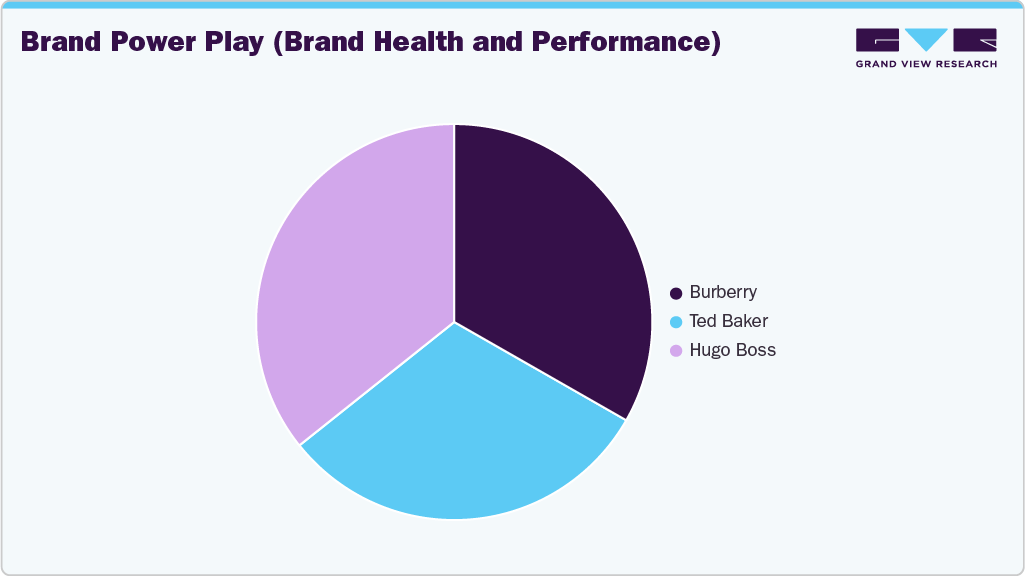
Brand Power Play (Brand Health and Performance)
Though the UK wallet market is becoming increasingly saturated, Burberry, Ted Baker, and Hugo Boss have a strong presence and high brand awareness, with Hugo Boss leading in aided brand awareness with 45% market share.
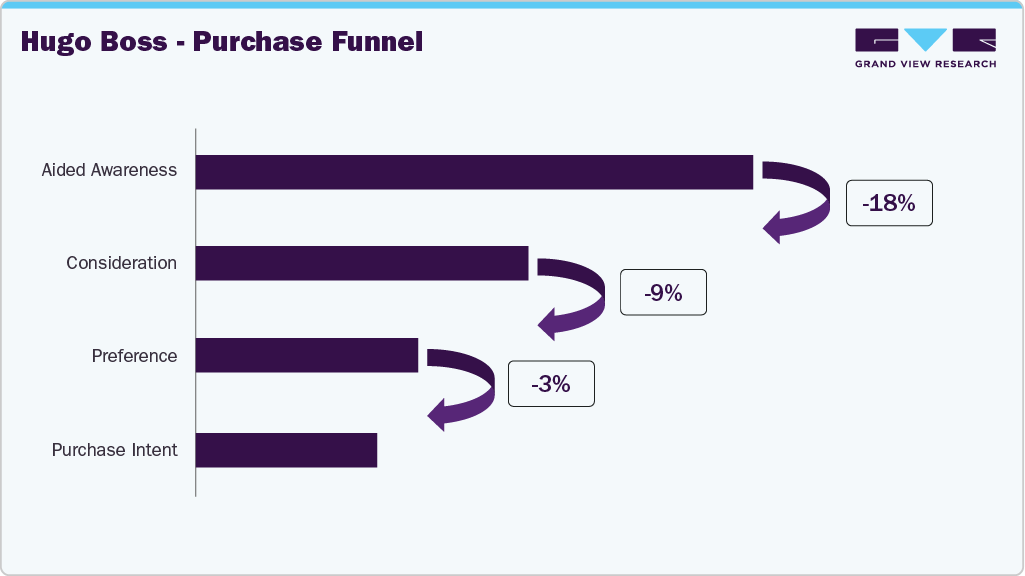
Purchase Funnel
The UK wallet industry is witnessing a major shift as digital wallets and contactless payments reduce the need for carrying physical cash or cards. As a result, traditional wallets are under pressure like never before, especially among tech-savvy consumers. However, wallets are increasingly valued as fashion accessories and symbols of personal style, driving a move from basic options to premium yet affordable designs. Nevertheless, only a small number of brands are well-known, and this is merely due to their established market position. As a result, not all of the well-known brands reach the point of usage with a winning record. However, Hugo Boss not only leads in awareness but also shows a strong purchase funnel, even after a significant drop from awareness to consideration. Hugo Boss is highly regarded and preferred over other brands for its reputation for premium quality, sophisticated design, and durable craftsmanship. The brand's strong fashion legacy and status appeal also make it a preferred choice among style-conscious consumers. Burberry follows Hugo Boss through the purchase funnel in the UK, as Hugo Boss exerts a stronger influence during the initial consideration and evaluation stages. However, Burberry leads in current usage, likely due to its iconic British heritage, stronger emotional brand connection, and loyal customer base in the UK. Consumers are likely to repurchase wallets from Burberry and Ted Baker due to their high-quality craftsmanship, unique design appeal, and strong post-usage satisfaction.
The overall NPS score of the leading brands varies from 25 to 60, with Burberry having the highest NPS score of 60 compared to other wallet brands in the UK market. Burberry is highly recommended in the UK due to its iconic British design, premium craftsmanship, and strong brand prestige that resonates with local consumers. Whereas Ted Baker, as the market leader, is less frequently recommended for wallets in the UK, as it focuses more on trendy, fashion-forward designs, appealing to style-conscious consumers rather than those seeking traditional luxury.
