UK Washing Machines/Dryers Consumer Insights - Usage, Attitudes, And Brand Performance Report
Introduction:
The UK washing machine market today features predominantly front-loading models in most households, with consumers increasingly prioritizing energy efficiency to combat rising utility costs. Smart washing machines with Wi-Fi connectivity are gaining popularity, though traditional models remain common. The market spans from premium brands like Miele and Bosch to more affordable options such as Beko and Indesit, available through specialized appliance stores, major retailers like Currys, and online platforms including AO.com. Many consumers face the dilemma of repairing older machines versus investing in newer, more environmentally friendly models that use less water and energy, a decision complicated by ongoing cost-of-living pressures in the UK. Overall, purchasing decisions now commonly balance performance and price with environmental impact and smart functionality. Here are the market trends:
-
Growing demand for smart washing machines: Consumers prefer models that connect to Wi-Fi and can be controlled by smartphone apps. These machines allow users to start, pause, or schedule wash cycles remotely, receive maintenance alerts, and even get energy usage reports. Features like auto-dosing (automatically adding the right amount of detergent) and AI-powered wash programs that adapt to fabric type are also gaining popularity. This demand is especially high among younger, tech-savvy buyers and busy households looking for added convenience and time-saving solutions.
-
Improved noise reduction features: Quieter models are in demand for open-plan living spaces. As more homes adopt open layouts and compact living becomes common in UK cities, consumers are prioritizing washing machines with low noise levels. Manufacturers are responding by designing machines with advanced motor technology (such as direct-drive or inverter motors), improved insulation, and anti-vibration systems. These features help reduce noise during spinning and washing cycles, making the appliances more suitable for night-time or shared living areas without disturbing others.
-
Focus on energy efficiency: Machines that save electricity and water are becoming more popular. With rising energy bills and growing environmental awareness, UK consumers are actively seeking models with high energy ratings (such as A or A+++). These machines use advanced technologies like eco-wash cycles, load sensors, and inverter motors to reduce resource use without compromising performance. Government regulations and incentives also encourage the purchase of energy-efficient appliances, making them a smart long-term investment for both cost savings and sustainability.
Methodology:
The insights covered in this report are drawn from GVR’s ‘Voice of Consumer Survey’ and its periodic updates. The latest survey represents 75,000+ consumer interviews conducted across 20 countries for 100+ product categories. These insights are specifically catered to the brands operating in the washing machines/dryers industry to guide them in their strategic decision-making process. This report provides insights covering category usage & attitude, buying behavior, brand performance metrics, and brand health indicators of leading players in the UK washing machines/dryers market.
Chapter 1: Usage and Attitude
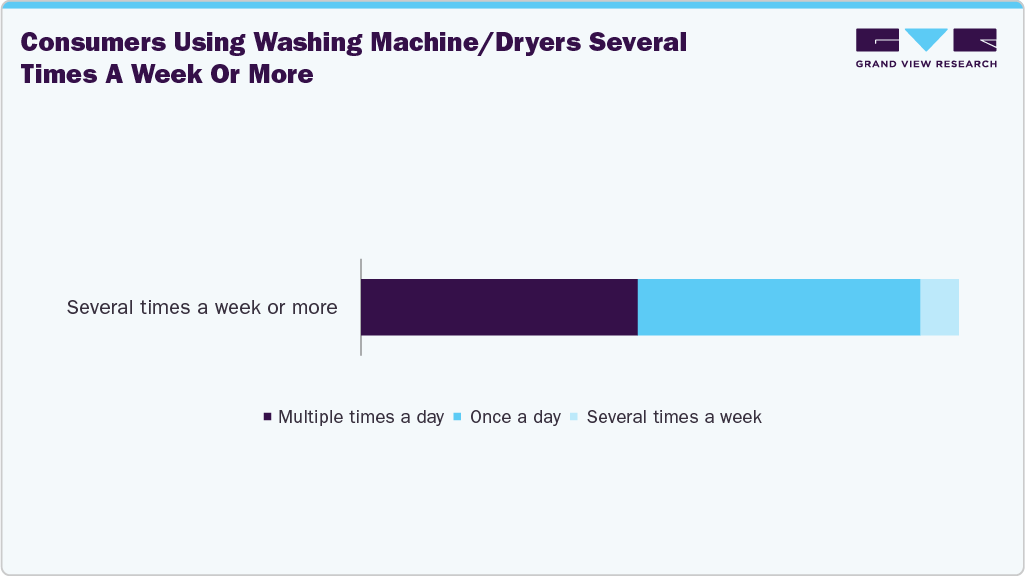
In the UK, many households use washing machines quite frequently. About 42% of people use them several times a week, showing that regular laundry is a common routine. Additionally, 17% run their machines multiple times a day, while 11% use them once daily. This highlights the essential role washing machines play in everyday home life.
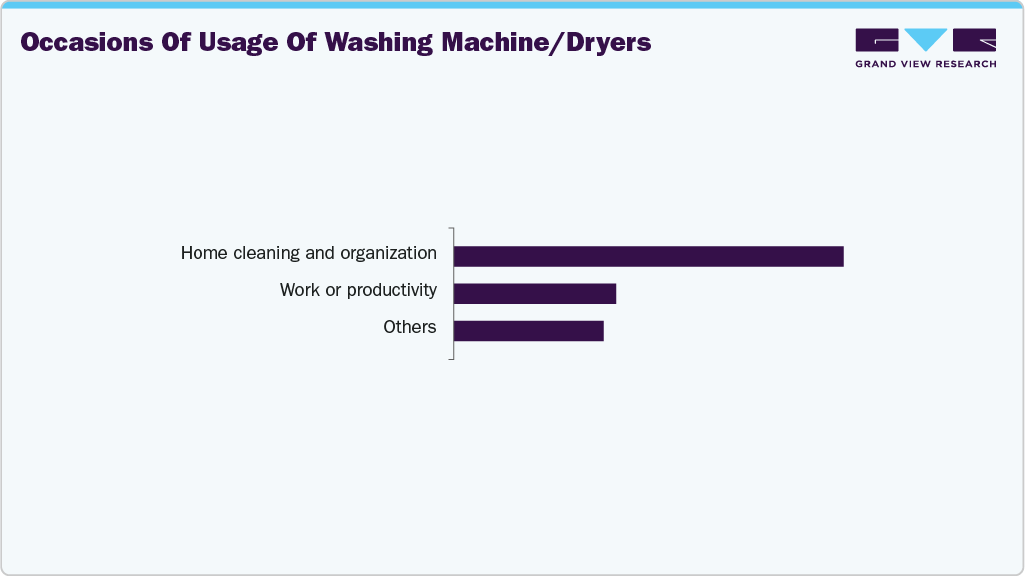
For many households, 78% of washing machine use is tied to home cleaning and organization, showing that most people see laundry as part of their regular household upkeep. Keeping clothes and linens clean is a key part of maintaining a tidy and comfortable home. Meanwhile, 31% of people link washing machine use to work or productivity, likely due to the need for clean uniforms, business attire, or workout gear. With many working from home or leading busy lives, clean clothing helps keep them organized and ready for daily responsibilities.
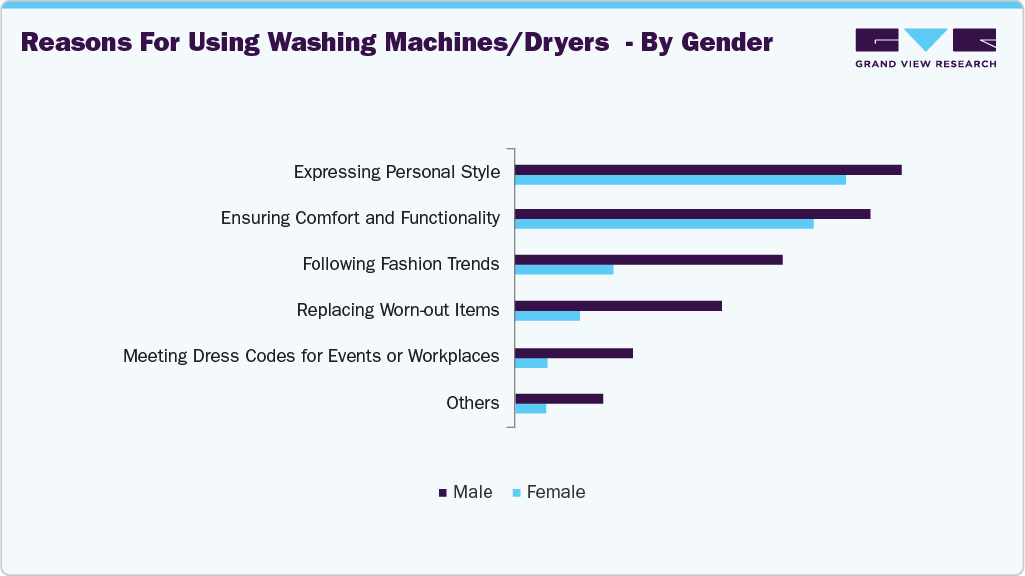
One of the main reasons people use washing machines is to make everyday life easier and more efficient. According to the data, 68% of men and 59% of women use washing machines to accomplish tasks more effectively, saving time and effort compared to hand washing clothes. For example, busy professionals may rely on quick wash cycles to keep up with frequent clothing changes, while families benefit from the ability to handle large laundry loads at once. Additionally, 63% of men and 53% of women use washing machines to simplify daily routines, underscoring the importance of these appliances for managing household chores smoothly, especially in homes with children or demanding schedules. Washing machines are also frequently used by others in the household, making them a shared tool that supports the entire family's daily rhythm.
While washing machines are essential in most households, one negative association many UK consumers have is the high cost of premium or latest technology models. Smart features, larger capacities, and energy-saving functions often come with a hefty price tag, making them less accessible for lower-income households or renters. Additionally, a common source of dissatisfaction is high power consumption or perceived inefficiency, especially with older models. For example, some users feel frustrated when their machines use a lot of electricity or take a long time to complete cycles without delivering noticeably better results. In a time when energy prices are rising, and households are more conscious of utility bills, these concerns make cost and efficiency major deciding factors when choosing or replacing a washing machine.
Buying Behavior
When purchasing a washing machine, UK consumers primarily focus on product performance, reliability, and pricing or value for money. With most people replacing their washing machines every 6 to 10 years, it is seen as a long-term investment, making quality and durability key considerations. Buyers often look for machines that can handle regular use without frequent breakdowns and deliver consistent cleaning results. At the same time, price remains a major factor—consumers want features that justify the cost, such as energy efficiency, quick wash options, and smart controls. For example, a family may choose a mid-range machine that offers solid performance and good energy ratings over a high-end model with advanced features they might not use often.
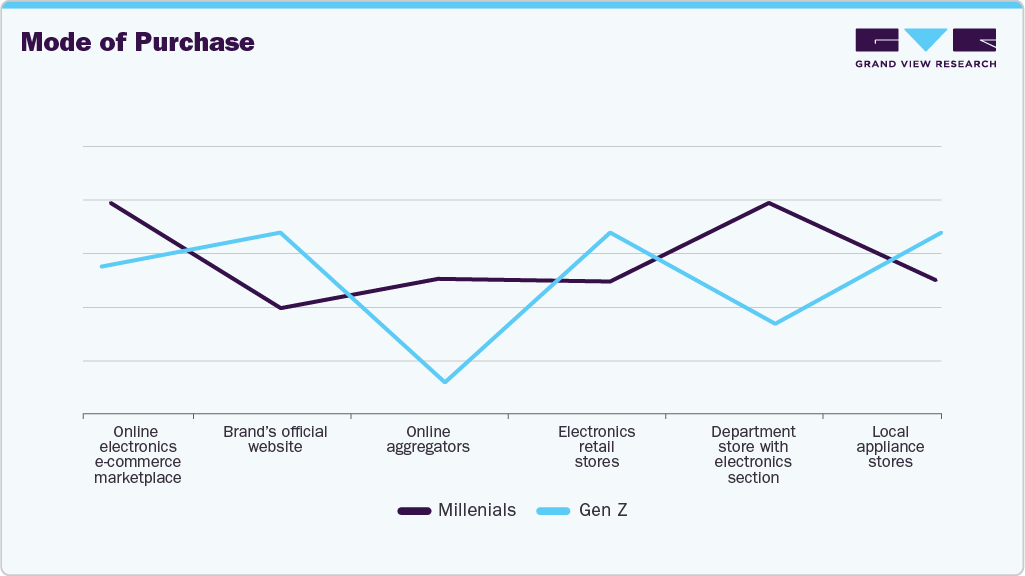
Among both Millennials and Gen X in the UK, the most common way to purchase a washing machine is through online electronics e-commerce marketplaces, due to the convenience of browsing, comparing prices, and reading reviews from the comfort of home. However, shopping preferences still vary by generation. Millennials often prefer department stores with electronics sections, where they can see multiple brands and models in one place while combining their purchase with other shopping needs. On the other hand, Gen X tends to favor dedicated electronics retail stores, valuing the opportunity to get expert advice, see demonstrations, and ask detailed questions about product features and reliability. For example, a Millennial might buy a washing machine while shopping for homeware at a store like John Lewis, while a Gen X buyer may visit for a more in-depth, tech-focused experience.
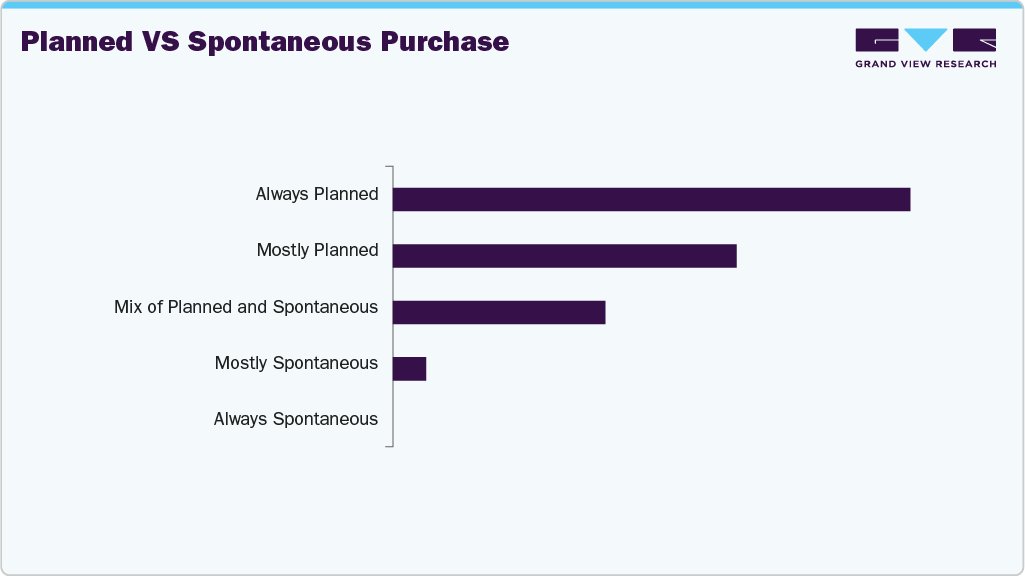
Purchasing a washing machine in the UK is usually a well-thought-out decision, with 47% of consumers saying it is always planned, and another 31% describing it as mostly planned. Given the cost and importance of the appliance, many households take time to research models, compare prices, and wait for sales or deals before buying. Only 3% make a mostly spontaneous purchase, often triggered by an urgent need, such as a breakdown of their current machine. For example, a family whose washing machine stops working unexpectedly may rush into a quick purchase. Still, the majority carefully plan to ensure they choose a reliable model that fits their budget and long-term needs.
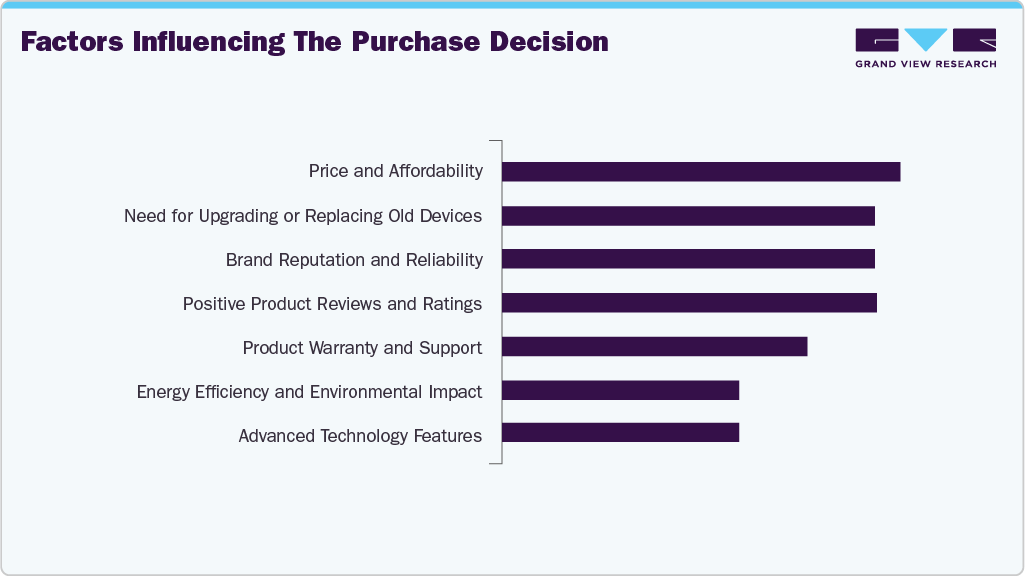
When purchasing a washing machine in the UK, key triggers that push consumers to buy include price and affordability (47%), the need to upgrade or replace an old or broken machine (44%), and the availability of product warranty and support (44%). These factors highlight how practical and budget-conscious shoppers are; many wait for a deal or choose a model that offers long-term reliability and protection. For example, someone replacing a 10-year-old machine may look for an affordable option with a solid warranty to avoid repair costs down the line. However, a common challenge faced during this process is unclear or insufficient product information and specifications. Consumers often struggle to understand key details such as energy ratings, wash cycle features, or smart functions, which can make the buying decision more stressful and time-consuming. Clearer product descriptions and better in-store or online guidance could significantly improve the shopping experience.
Brand Power Play (Brand Health and Performance)
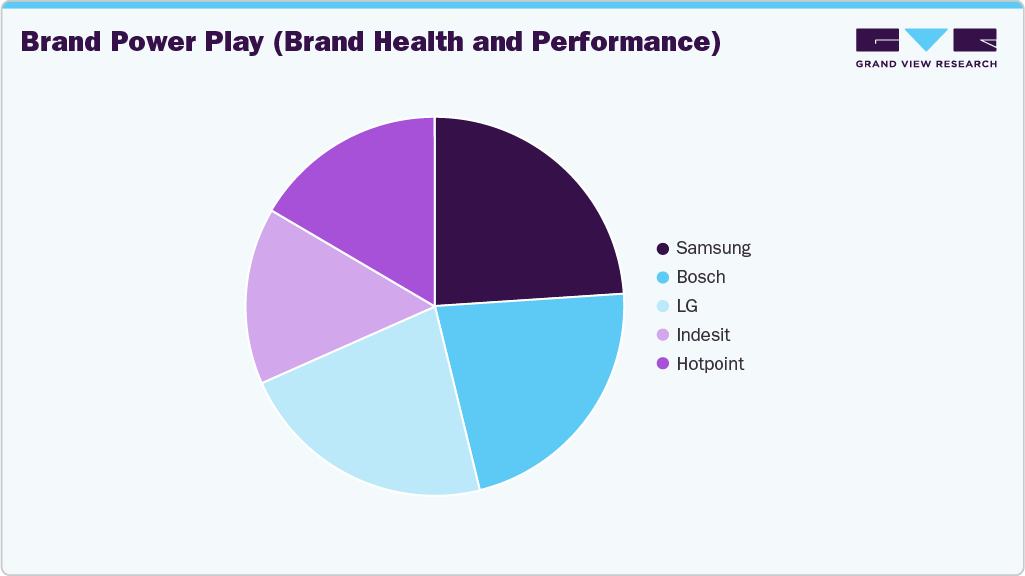
Brand awareness plays a significant role in how UK consumers choose washing machines, with Samsung leading at 69%, followed closely by Bosch and LG, each at 64%. These brands are widely recognized for their innovation, quality, and reliability, which builds consumer trust. For example, Samsung is known for its smart features and sleek designs, appealing to tech-savvy buyers. At the same time, Bosch is often praised for energy efficiency and quiet performance, making it a favorite among families. LG also stands out for its durable direct drive motors and user-friendly features. Meanwhile, traditional household names like Hotpoint (47%) and Indesit (44%) still maintain solid recognition, particularly among long-time users and budget-conscious shoppers. This strong brand familiarity often influences purchasing decisions, as many consumers feel more confident investing in names they know and trust.
Purchase Funnel
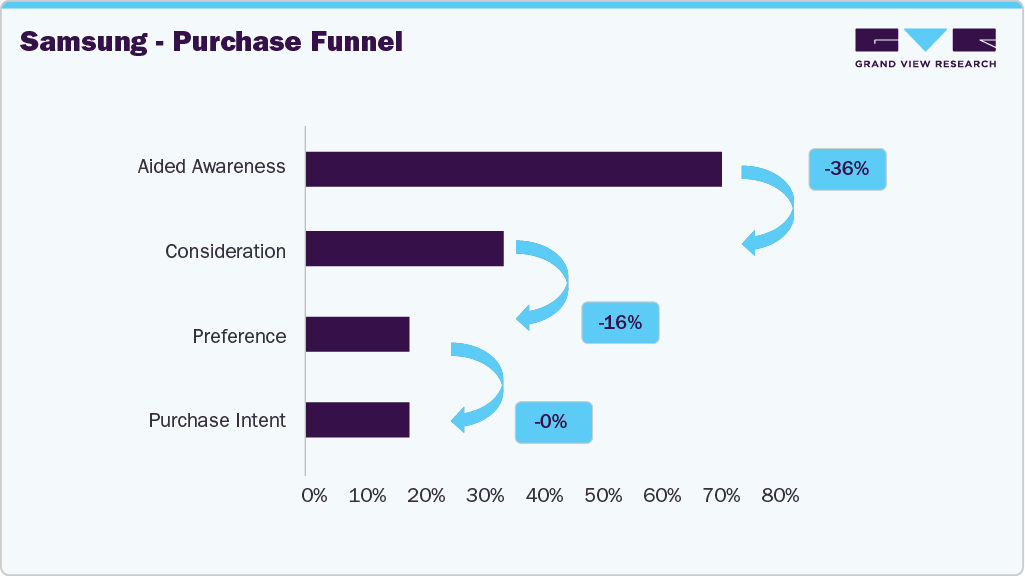
Samsung holds the highest and most effective purchase funnel for washing machines in the UK, largely due to its strong brand visibility, innovative technology, and widespread availability across both online and physical retail channels. Consumers are drawn to Samsung’s modern features, such as smart connectivity, eco-friendly wash programs, and sleek design, which appeal especially to younger, tech-savvy buyers. The brand also invests heavily in advertising and provides detailed product information and customer reviews online, making the research and buying process smooth and trustworthy. For example, a shopper looking to upgrade might start with Samsung in mind, easily find comparisons, and complete the purchase online with confidence, demonstrating a strong, guided purchase journey. Bosch closely follows, attracting consumers with its reputation for German engineering, energy efficiency, and long-lasting performance, particularly appealing to families and environmentally conscious buyers who prioritize reliability over flashy features.
While the overall NPS score of the leading brands ranges from 17 to 100, Samsung leads the Washing machines/Dryers industry with the highest NPS score (50) compared to other Washing machines/Dryers brands in the market. Samsung has the highest NPS (Net Promoter Score) for washing machines in the UK due to its reliable performance, innovative features, and sleek, modern design. Customers appreciate smart features such as app control and eco-friendly wash cycles. The brand also offers excellent after-sales support, boosting customer satisfaction. Strong product quality and a user-friendly experience lead to more recommendations.
