UK Wearables Consumer Insights - Usage, Attitudes, And Brand Performance Report
Introduction:
The UK electronic wearable industry in 2025 is diverse, with Apple and Samsung dominating the premium smartwatch segment, while Chinese manufacturers such as Xiaomi and Huawei are gaining ground. Health monitoring features are becoming standard, with integration with NHS digital services. Battery technology has improved, and sustainability initiatives have gained momentum. Post-Brexit regulatory changes have diverged from EU standards in medical-grade wearable certification. The consumer base has expanded to include older adults monitoring chronic conditions, and subscription-based health insights services have gained traction. Price sensitivity remains a key factor in consumer decision-making, creating opportunities for mid-tier manufacturers offering competitive features at lower prices. Let’s dive into some of the trends shaping the industry:
-
Healthcare Integration: The UK wearable market is transforming through the integration of advanced health monitoring features with the NHS digital infrastructure. This has accelerated wearable adoption among older demographics managing chronic conditions, with some NHS trusts prescribing devices for remote patient monitoring. Manufacturers have developed UK-specific applications that address data privacy requirements while maintaining medical-grade accuracy standards. This trend has led to specialized wearables for diabetes and cardiovascular disease management, positioning the UK as a leader in preventative digital health solutions.
-
AI Personalization: The rise of artificial intelligence in wearable technology has transformed the value proposition for consumers, transforming activity tracking into comprehensive wellness management. This AI-driven approach analyzes biometric data to provide personalized exercise regimens, nutrition guidance, and recovery protocols. Market leaders have introduced subscription-based services that offer premium features and detailed health analytics, creating recurring revenue streams beyond hardware purchases. The integration of voice assistants enhances the personalized experience, transforming wearables from passive monitoring devices to proactive health companions.
-
Sustainable Technology: Wearable design focuses on environmental sustainability, with manufacturers using recycled materials and trade-in programs to reduce electronic waste. This aligns with UK consumers' eco-consciousness, leading eco-conscious brands to emphasize eco-credentials alongside features and price. Battery technology has also evolved, extending operational life to two weeks or more on a single charge. Some companies have introduced energy harvesting capabilities, potentially extending battery life and aligning with sustainability messaging. These trends reflect the industry's maturation towards addressing environmental impact and practical everyday usability.
Methodology:
The insights covered in this report are drawn from GVR’s ‘Voice of Consumer Survey’ and its periodic updates. The latest survey represents 75,000+ consumer interviews conducted across 20 countries for 100+ product categories. These insights are specifically catered to the brands operating in the Wearables industry to guide them in their strategic decision-making process. This report provides insights covering category usage & attitude, buying behavior, brand performance metrics, and brand health indicators of leading players in the UK Wearables market.
Chapter 1: Usage and Attitude
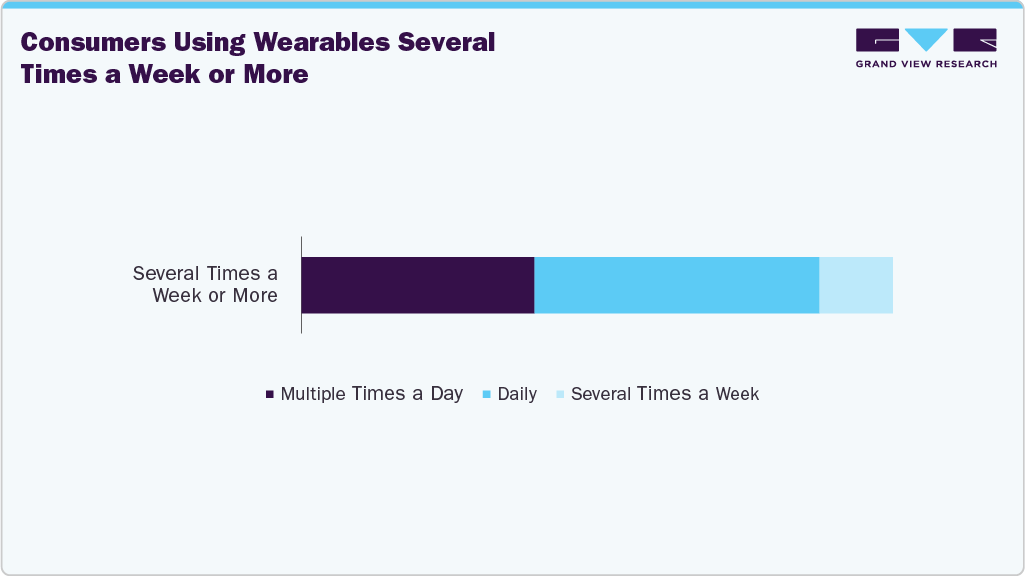
In the UK, a significant portion of the population uses electronic wearables daily (31%) or multiple times a day (25%), showing their strong integration into everyday life. These devices, like the Fitbit or Apple Watch, are commonly used to track steps, monitor heart rate, or stay connected through notifications. Such frequent usage reflects the growing reliance on technology for health and convenience. While some people use them less often or not at all, the majority demonstrate regular engagement. This trend highlights the shift toward more health-conscious and tech-savvy lifestyles.
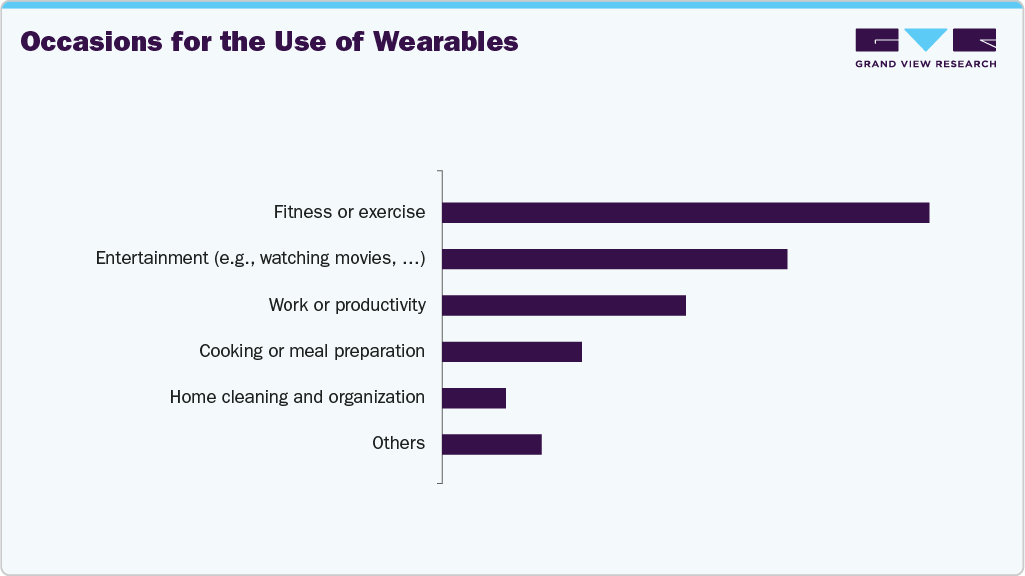
In the UK, electronic wearables are most commonly used during fitness or exercise, making them essential tools for tracking activity and supporting healthy lifestyles. They are also frequently used for entertainment, such as controlling media while watching movies or playing games. Many people find them helpful for boosting productivity at work, with features like reminders and calendar alerts. Beyond functionality, wearables foster positive connections through technology, allowing users to share fitness goals, compete in challenges, and stay in touch via smart notifications. Their attractive design and modern aesthetics also add to their appeal, making the purchase practical and delightful.
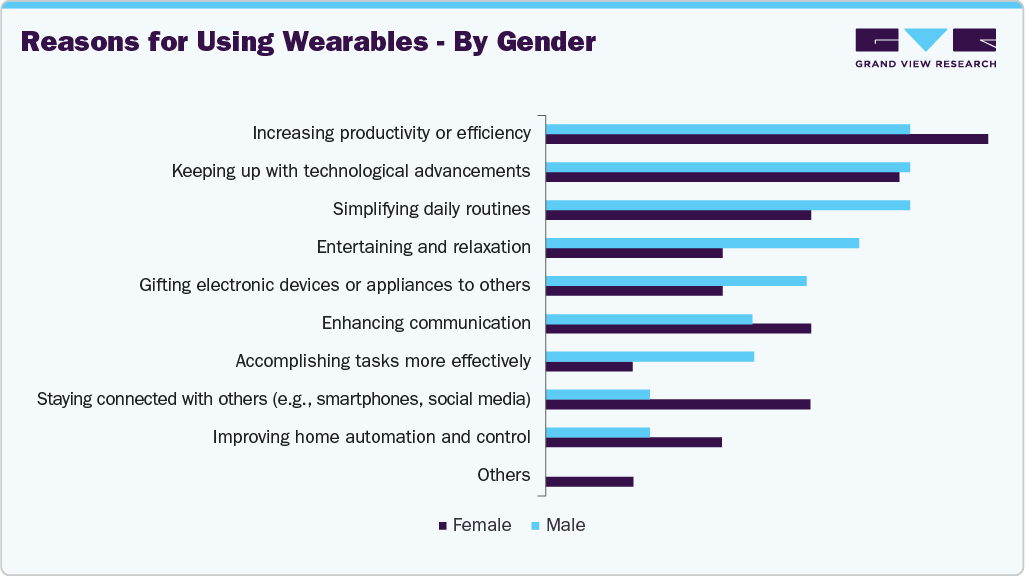
In the UK, the primary reasons for using electronic wearables differ slightly between males and females but show strong common ground. For both, increasing productivity or efficiency and keeping up with technological advancements are key motivators. Men also focus on simplifying daily routines and finding entertainment, while women place more emphasis on staying connected and enhancing communication. For example, a smartwatch can help professionals manage schedules while staying in touch via messaging apps. While these devices cater to both practical and social needs, high costs for premium or latest models, frequent malfunctions or technical glitches, and limited compatibility with other devices can lead to dissatisfaction or disappointment among consumers.
Buying Behavior
Before purchasing electronic wearables in the UK, consumers prioritize understanding product performance and reliability, as these factors ensure the device functions as expected over time. Additionally, pricing and value for money are crucial considerations, as buyers want to make sure they’re getting a worthwhile investment. Technological features and innovations also play an important role, as people are keen on having the latest advancements for added convenience and functionality. For example, a smartwatch with advanced health tracking and long battery life is highly valued. Since wearables are typically purchased every 2 years, consumers seek devices that offer durability and up-to-date features to ensure they last through multiple cycles of technological advancement.
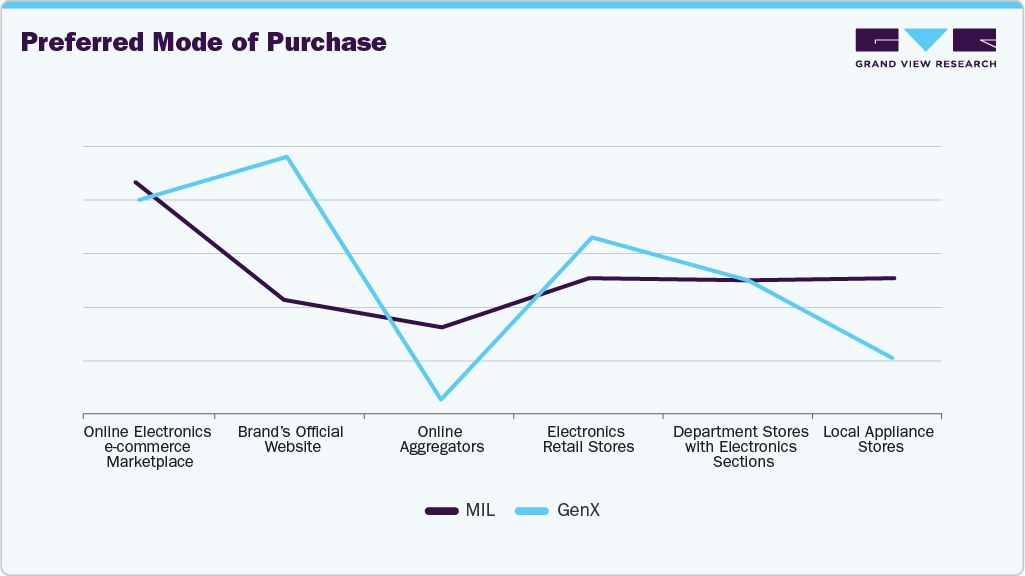
Millennials and Gen X have distinct preferences when it comes to purchasing electronic wearables. Millennials tend to favor online electronics e-commerce marketplaces like Amazon and eBay for their convenience, variety, and competitive pricing. On the other hand, Gen X is more inclined to buy from the brand's official website, where they can access product details and reviews and often enjoy exclusive deals or warranties. Both groups also purchase electronics from retail stores, valuing the ability to physically test the device before buying. For example, Millennials might look for a smartwatch on an e-commerce platform, while Gen X may visit a brand's website to explore the latest models and ensure they’re making a reliable purchase.
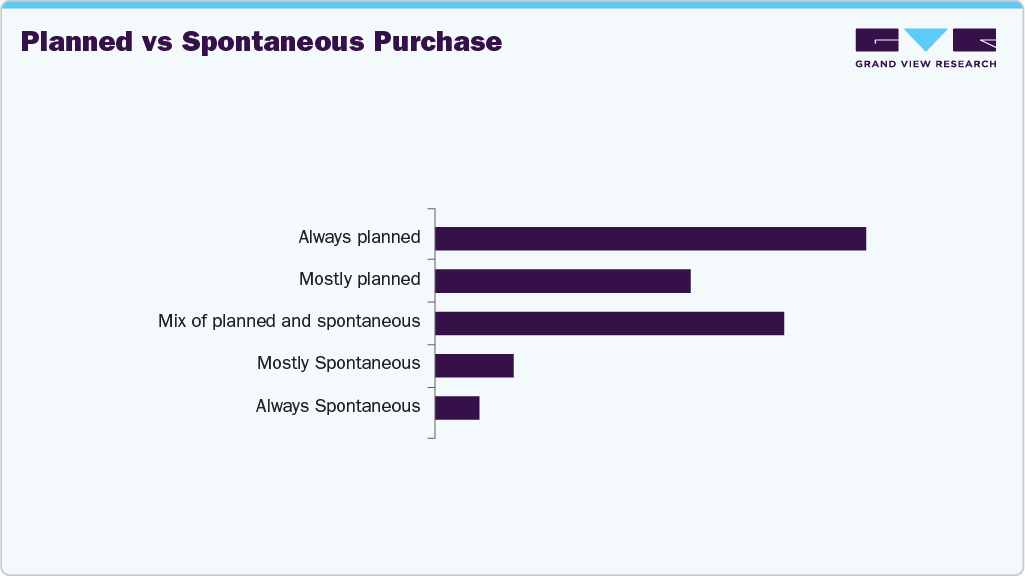
The majority of consumers plan their purchase of wearables: 37% always plan, and 22% mostly plan before buying. Many people take a more flexible approach, with 30% making a mix of planned and spontaneous purchases, perhaps buying when they find the right model or deal. Only 11% make spontaneous purchases; triggers like advanced technology features, positive product reviews and ratings, and attractive pricing or affordability often spark the decision. This suggests that, for most consumers, the decision to purchase wearables involves careful consideration, but for others, exciting new features or a great deal can prompt an immediate purchase.
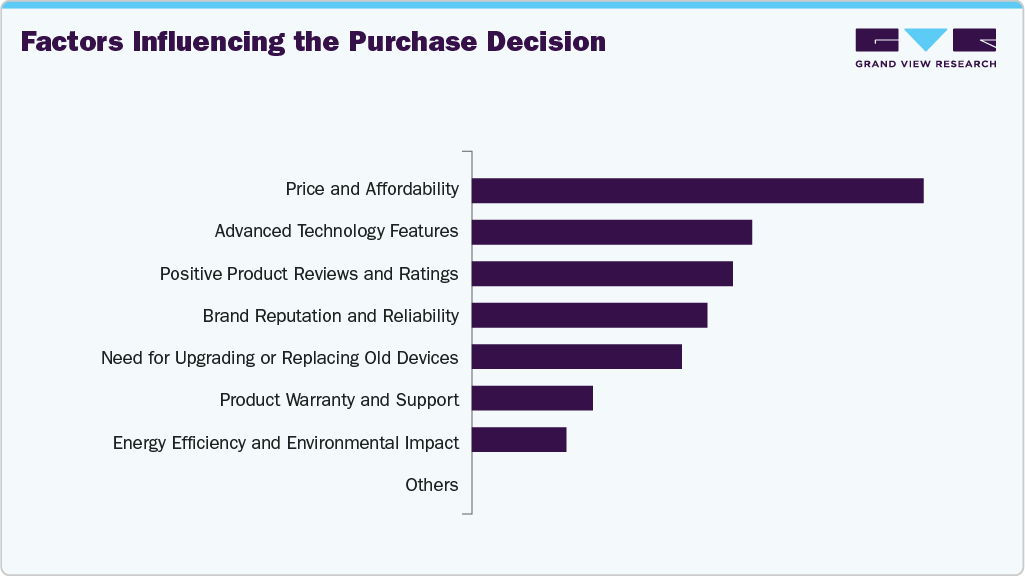
In the UK, the main drivers of wearables purchases are the desire for advanced technology features and the need for affordable options. Price and affordability top the list, as 70% of consumers seek a good deal while ensuring they get essential features like fitness tracking or heart rate monitoring. Advanced technology features and positive product reviews also play major roles in shaping decisions, with many buyers looking for reliable, high-performing devices. For instance, consumers may be drawn to a smartwatch that integrates seamlessly with their smartphone, offers long battery life, and has glowing reviews. However, challenges such as short product lifespans, frequent replacements, and limited compatibility with other devices can frustrate shoppers. Online reviews, ratings, and recommendations from friends, family, or social media influencers also significantly impact purchase decisions. Additionally, 93% of consumers in the UK are brand-conscious, often choosing products from trusted brands known for quality and reliability.
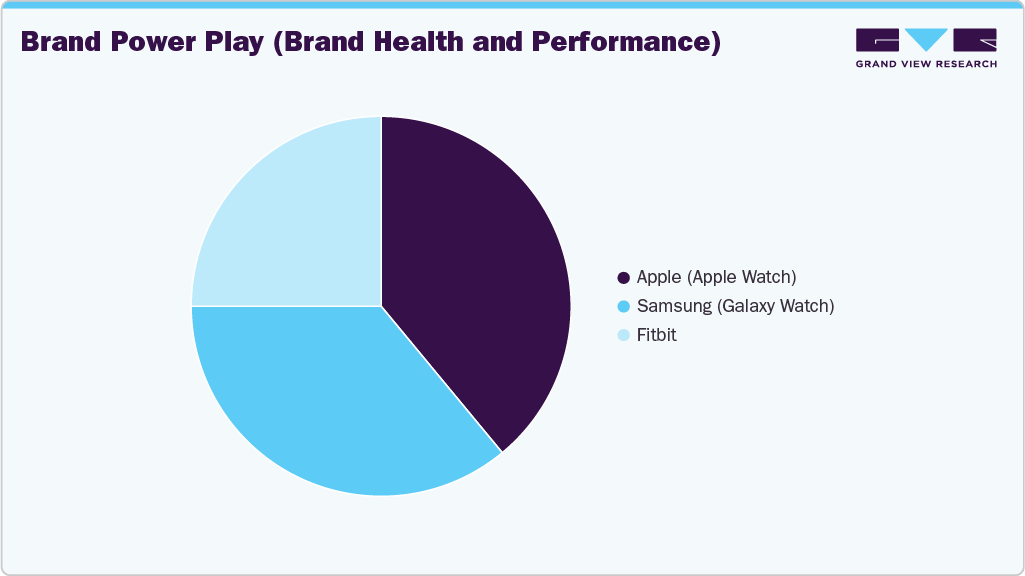
Brand Power Play (Brand Health and Performance)
Some of the popular wearable brands in the UK include Apple (Apple Watch), Samsung (Galaxy Watch), and Fitbit. Although the wearables industry is competitive, Apple and Samsung dominate the market with 81% and 74% market share, respectively (by awareness).
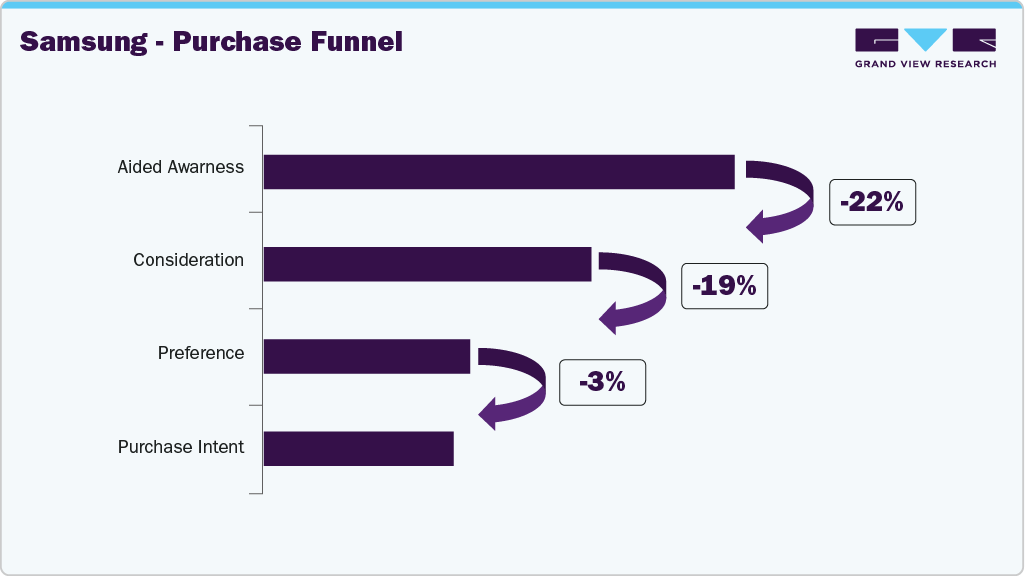
Purchase Funnel
Although many wearable brands are well-known in the UK, only a few make it past the stage of being considered and preferred. Samsung and Apple prove it by competing fiercely for brand awareness.
Samsung demonstrates a commendable purchase funnel compared to Apple, despite significant drops from awareness to consideration and from consideration to preference. Samsung is favored over Apple for electronic wearables due to better compatibility with Android devices, more affordable pricing, and a wider range of features. Its wearables, like the Galaxy Watch, offer excellent value and customization options, appealing to a broader audience. Samsung has higher consideration, preference, and purchase intent than Apple in the UK electronic wearable market due to its broader compatibility with Android devices, which offer a more inclusive experience for a larger audience. Additionally, Samsung's wearables are seen as more affordable while offering comparable or advanced features, such as longer battery life and extensive health tracking, making them a more attractive option for cost-conscious consumers. Fitbit has lower purchase intent but comparatively higher usage among UK consumers, as many users already own older models and continue using them for their reliability and simplicity. While it's not always the top choice for new purchases-partly due to limited advanced features compared to brands like Apple or Samsung-it remains popular for everyday fitness tracking. Consumers like to repurchase from brands like Samsung and Fitbit mainly because of their user-friendly interfaces, long battery life, and higher satisfaction after use.
While the overall NPS score of the leading brands varies from 43 to 75, Apple has the highest NPS score (75) compared to other prominent wearables brands in the market. All the prominent brands, such as Apple, Samsung, and Fitbit, are recommended for electronic wearables in the UK due to their strong brand reputations, reliability, and feature-rich devices. Apple is praised for its seamless integration with the iPhone, advanced health features, and premium design. Samsung offers a wide range of wearables with excellent device compatibility, especially for Android users, and great value, long battery life, and innovative features like health tracking. Fitbit is well-regarded for its specialized focus on fitness, offering user-friendly, affordable devices with reliable tracking and long battery life, making it ideal for fitness enthusiasts. Together, these brands offer a variety of options to suit different needs, budgets, and ecosystems.
