U.S. Air Conditioner Consumer Insights - Usage, Attitudes, And Brand Performance Report
Introduction:
Climate change has led to a rise in the importance of air conditioners in the U.S., with 90% of households having some form of cooling system. Modern air conditioners, with features like programmable thermostats, Wi-Fi connectivity, and smart home integration, are more advanced than their predecessors. Leading brands include Carrier, Trane, LG, and Daikin, offering advanced technologies such as zone-based cooling, humidity management, and air purification. Demand for stronger, more efficient cooling solutions has increased due to extreme heat waves, especially in southern and southwestern areas. However, concerns about the environmental impact of air conditioners are also on the rise due to their high electricity consumption and carbon emissions. Newer models use greener refrigerants to make them more environmentally friendly and energy efficient. Despite these challenges, air conditioners remain essential for health and comfort, especially during the sweltering summer months. Here are the market trends:
-
Rising Demand: With increasing temperatures and more frequent heat waves, demand for air conditioners is growing, especially in regions that previously had mild summers. Additionally, the growing number of people working from home has led to more residential demand, as people seek ways to stay cool and productive indoors.
-
Split and Ductless Systems: As focus is shifting towards energy efficiency, convenience, and customization, ductless split systems have been gaining traction, providing consumers with the comfort of ease of installation. These systems effectively eliminate the need for some ductwork, promoting pocket-friendly installation, helping consumers save money by replacing costly installations that might require drilling. Lastly, they are not only coolers but also heaters that provide a year-round service to households.
-
Increase in Commercial Market: The commercial sector, including offices, hospitals, and retail spaces, is seeing increased demand for advanced HVAC solutions, including central air systems. As businesses continue to prioritize employee comfort, productivity, and customer satisfaction, efficient climate control has become a top concern. Modern HVAC systems provide better air quality, consistent temperatures, and higher energy efficiency, which is critical in large commercial spaces.
Methodology:
The insights covered in this report are drawn from GVR’s ‘Voice of Consumer Survey’ and its periodic updates. The latest survey represents 75,000+ consumer interviews conducted across 20 countries for 100+ product categories. These insights are specifically catered to the brands operating in the air conditioner industry in order to guide them in their strategic decision-making process. This report provides insights covering category usage & attitude, buying behavior, brand performance metrics, and brand health indicators of leading players in the U.S. air conditioner market.
Chapter 1: Usage and Attitude
With global warming on the rise, the change in temperatures has resulted in increased demand for air conditioners. Having said that, 80% of consumers use air conditioners several times a week or more, out of which 71% of consumers say they use them daily.
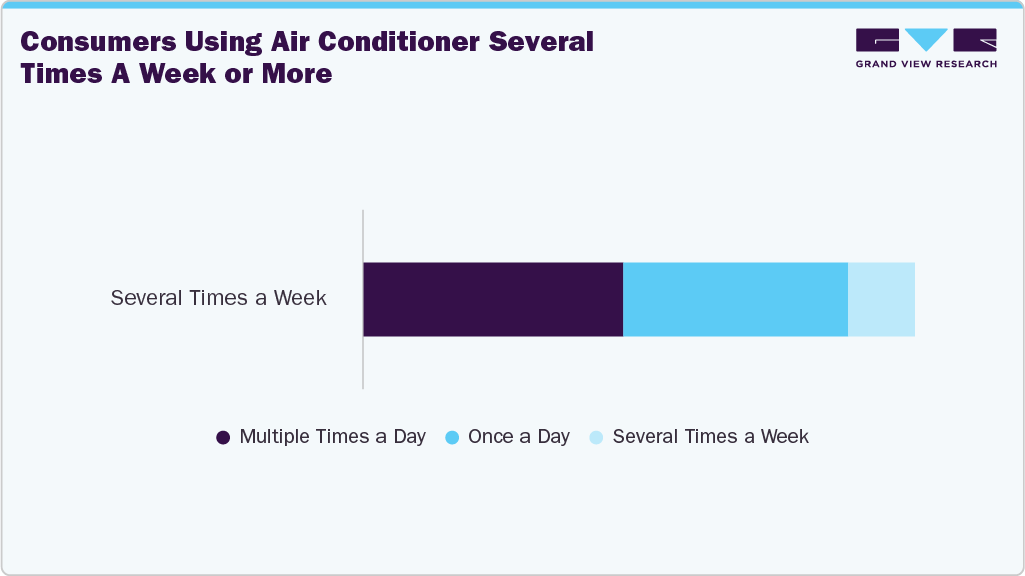
Air conditioners are primarily used to beat the heat and relax. Now, more and more people are using them for business and household purposes beyond simple comfort. Many families have integrated air conditioning as an essential part of their home's infrastructure, especially in regions where summers are becoming increasingly warmer due to climate change. Businesses recognize that maintaining comfortable temperatures increases employee productivity and customer satisfaction, making air conditioning an investment in operational efficiency rather than just a luxury expense.
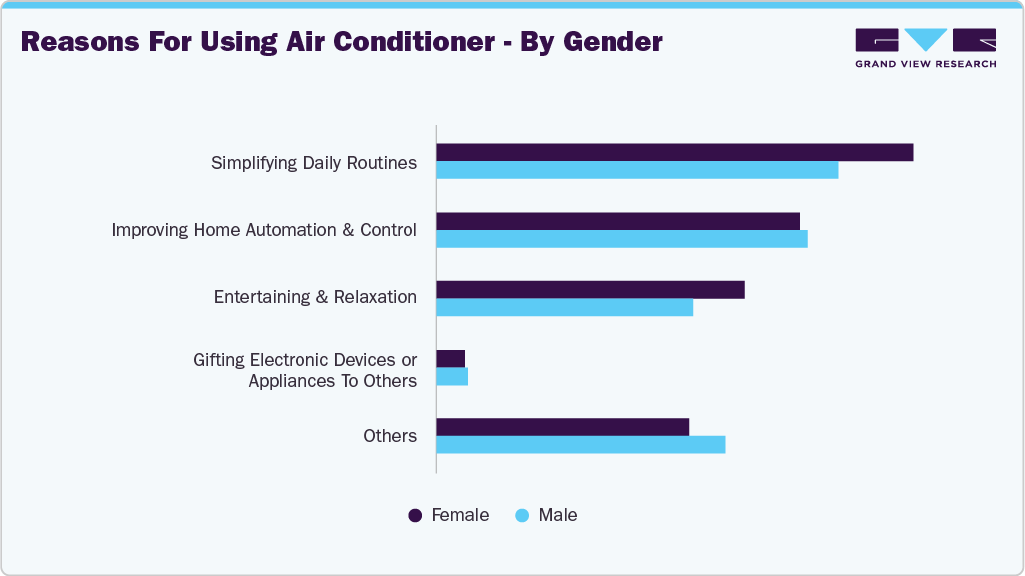
When it comes to utilizing an air conditioner, making daily tasks easier is a significant incentive for both men and women, as it helps ensure comfort with little effort. Amid busy schedules, having a consistently cool indoor atmosphere enhances daily living. The second primary factor is enhancing home automation and control, which shows an increasing interest in smart, interconnected living. With capabilities such as remote access and programmable options, air conditioners are evolving beyond mere appliances as they’re becoming part of a more intelligent, convenient home experience.
One significant disadvantage of air conditioners is the steep price of high-end or advanced models, which can deter cost-sensitive shoppers despite their attractiveness. Numerous buyers are reluctant to make a purchase when the cost seems prohibitive. Another significant issue is excessive energy consumption or overall inefficiency, leading to increased electricity expenses and environmental concerns. In an era where sustainability and affordability are critical, these factors can impact long-term satisfaction with the appliance.
Buying Behavior
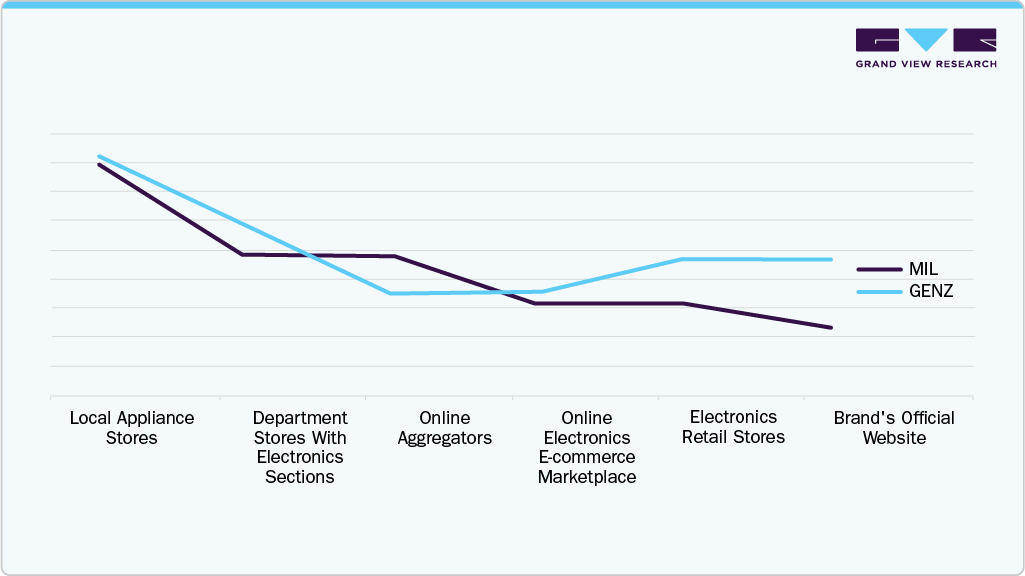
Consumers must have some information about the product's performance and reliability before making a purchase. This is the most important feature because an air conditioner is a long-term product, and the main job of this product is to cool quickly and efficiently, so the performance and reliability matter a lot. Next, price and value for money, given the rise in price-conscious consumers. Since air conditioners are used regularly and consumers want them to run for quite a long period, consumers prefer to buy them once every ten years during discounts or offers. Local appliance stores are the preferred mode of purchasing an air conditioner for both Millennials and Gen Z. Department stores with electronics sections are the second most common mode of purchase for both.
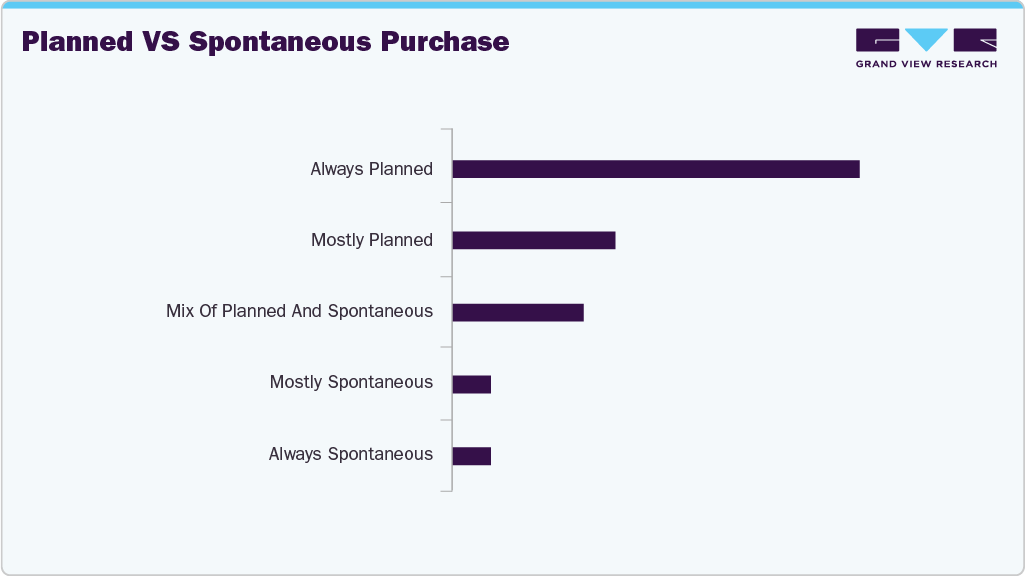
We can confidently state that air conditioners belong to a more planned purchase category, as more than 7 out of 10 people say their purchase is planned, out of which 52% of consumers say it is always planned, and 17% of consumers’ purchases are either planned or spontaneous, depending on the different situations and offers. Only about 10% of the population has displayed spontaneity in their purchase behavior. This purchase behavior can be attributed to the high costs of electronic devices, such as an AC that generally require deliberate thinking by way of comparison among several options available, their price, and reliability.
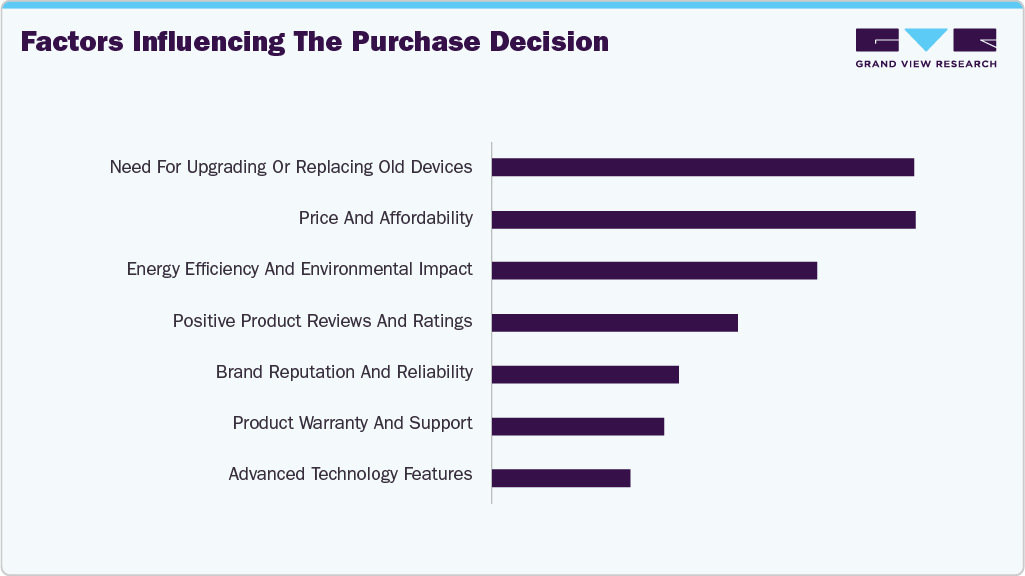
The factors that primarily influence decision-making among consumers for purchasing an air conditioner are a need for upgrading or replacing old devices, followed by pricing of the product, and where it stands on the affordability scale, as the majority of the population selected these as the main drivers. Also, positive product reviews and ratings help increase the brand's awareness, but they play a lesser role in comparison. Having said that, with the growing demand, some barriers exist in purchasing a product, such as a lack of affordable options with essential features and inadequate customer support or repair services.
Brand Power Play (Brand Health and Performance)
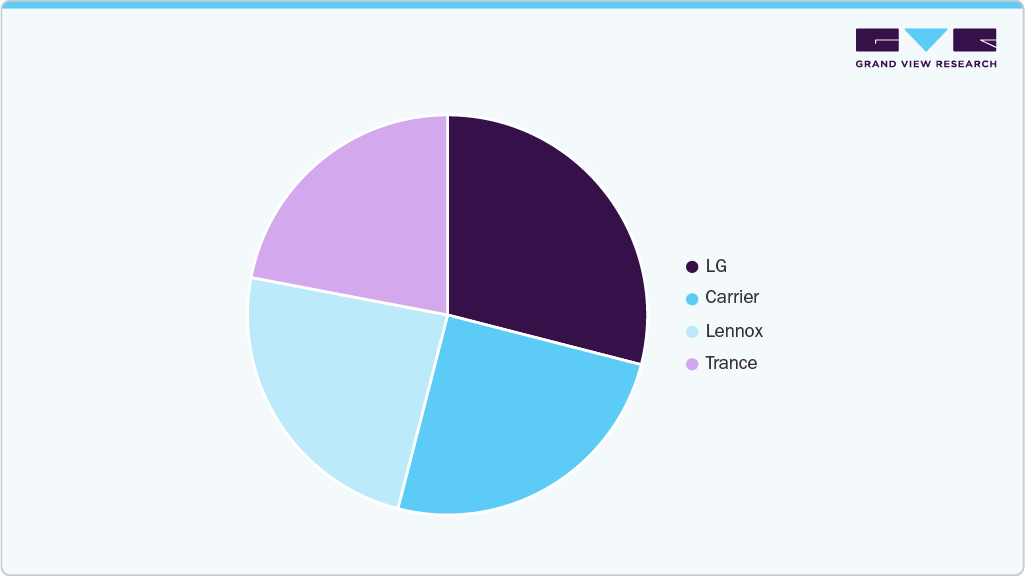
Some of the popular air conditioner brands in the U.S. include LG, Carrier, Lennox, and Trane. Although the air conditioner industry is competitive, LG dominates the market with a 56% market share (by awareness).
Purchase Funnel
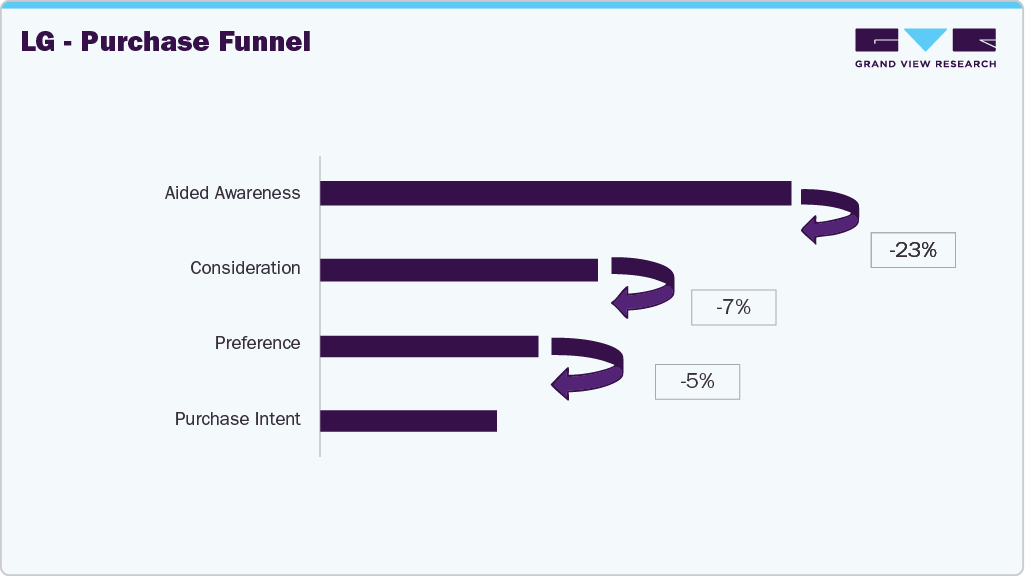
The AC industry is considered to have multiple players, but is dominated by only a few of them, one of which is LG. Not only is it widely recognized and a global brand, but it is also a highly preferred brand among consumers. Having said that, it enjoys the highest level of awareness and consideration, while consistently displaying better performance throughout the funnel and emerging as a winner. Despite experiencing a significant drop from awareness to consideration, it managed to stand tall and provide tough competition. This can be attributed to several factors which the company focuses on, such as energy efficiency, innovative features, and targeting not only residential but also commercial space.
Watch out for Trane, although it has lower awareness, it provides commendable competition in terms of consideration and purchase intent to LG, suggesting that increasing its presence can drive better usage levels.
Lastly, we also have Carrier and Lennox competing with each other for second position, as well as providing a competition to LG, thanks to its reliability and durability, resulting in better satisfaction among consumers, prompting brand loyalty.
While the overall NPS score of the leading brands varies from 10 to 35, Lennox leads the industry with the highest NPS score (35) compared to other prominent air conditioner brands in the market.

Talk to an analyst
Tell us what you need. We reply within one working day.
Service Guarantee
-
Insured Buying
This report has a service guarantee. We stand by our report quality.
-
Confidentiality
Your transaction & personal information is safe and secure.
-
Custom research service
Design an exclusive study to serve your research needs.
-
24/5 Research support
Get your queries resolved from an industry expert.