U.S. Cameras Consumer Insights - Usage, Attitudes, And Brand Performance Report
Introduction:
Traditional digital cameras now cater to more niche markets in the U.S., such as professionals or those who take photography or videography as a profession. With features like faster autofocus, improved low-light performance, and greater control over settings, digital cameras have advanced to produce high-quality photographs. Digital cameras, especially DSLRs, have evolved into mirrorless cameras in the country. These mirrorless cameras have sophisticated features like eye-tracking, autofocus, and in-body stabilization, and they have smaller, lighter bodies with comparable image quality to DSLRs. GoPro cameras are still quite popular, particularly with content creators, sports fans, and adventurers. These compact, robust, and water-resistant cameras are frequently used for vlogging, surfing, skiing, hiking, bicycling, and other outdoor activities since they can record sharp videos in difficult conditions. Despite competition from smartphones, digital cameras continue to thrive in professional and niche markets. Here are the market trends:
-
Shift to Mirrorless Cameras: Mirrorless cameras have become more and more popular than DSLRs because of their small size, light weight, and cutting-edge capabilities like faster autofocus and 4K/8K video capture capabilities. Mirrorless systems are appropriate for both professional and casual use since they also offer higher burst rates and enhanced low-light performance.
-
Demand for Higher Quality Videos: For vlogging and professional video production, there is an increasing demand for cameras with high-quality video features, such as 4K and 8K recording. Professionals and amateurs are equally searching for cameras that can record ultra-high-quality video as video material becomes more and more crucial in marketing, entertainment, and social media. YouTubers, filmmakers, and other visual content producers who wish to create stunning videos with clear, sharp details contribute to high demand.
-
Customization and Technology: Users are attracted to cameras with customizable settings, touchscreen interfaces, and advanced technology like Wi-Fi and Bluetooth for easy sharing and connectivity, making it easier to share their work in real-time. As photographers and videographers seek more control over their shots, touchscreen interfaces make navigating through settings and selecting focus points more intuitive, allowing for a smoother and more efficient shooting experience.
Methodology:
The insights covered in this report are drawn from GVR’s ‘Voice of Consumer Survey’ and its periodic updates. The latest survey represents 75,000+ consumer interviews conducted across 20 countries for 100+ product categories. These insights are specifically catered to the brands operating in the camera industry in order to guide them in their strategic decision-making process. This report provides insights covering category usage & attitude, buying behavior, brand performance metrics, and brand health indicators of leading players in the U.S. camera market.
Chapter 1: Usage and Attitude
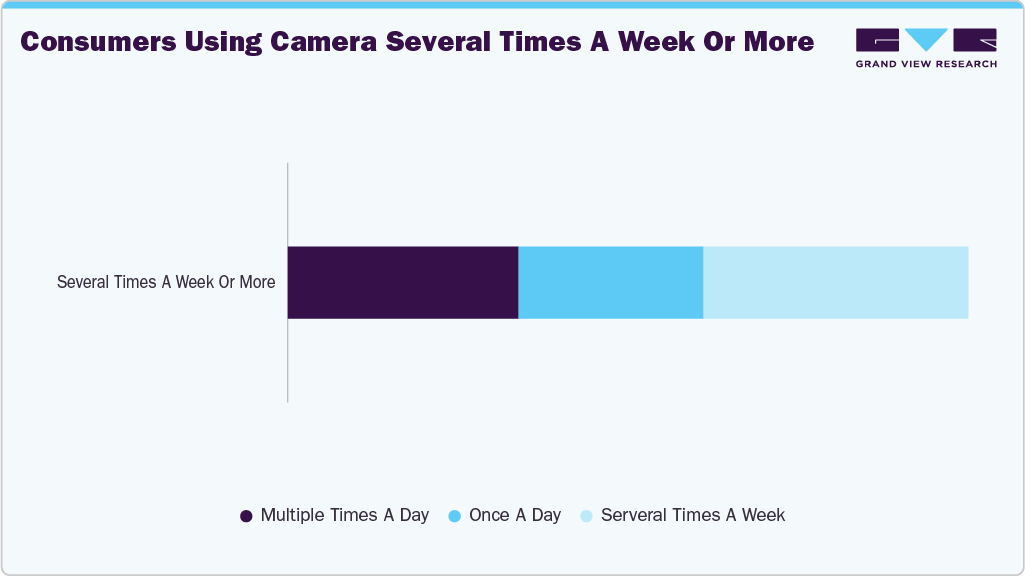
With the industry constantly shifting due to the introduction of new technology, there is a change in the way consumers use a camera. With that in mind, 22% of consumers use cameras more than once a day. Whilst 35% of them say they do not use one.
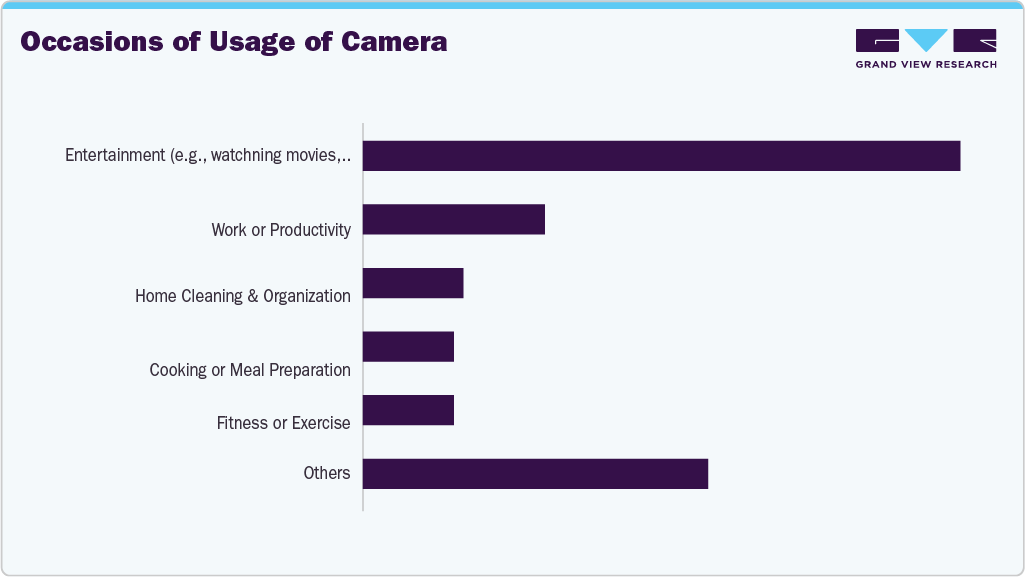
Cameras are mostly used during entertainment, as mentioned by about 5 out of 10 consumers. Cameras are essential tools in various industries such as photography and videography. However, the focus is also shifting from traditional DSLRs or digital cameras to smartphones or GoPro cameras. Thus, the use of cameras has been moved to other industries such as security, construction, and healthcare, shifting focus from traditional photography.
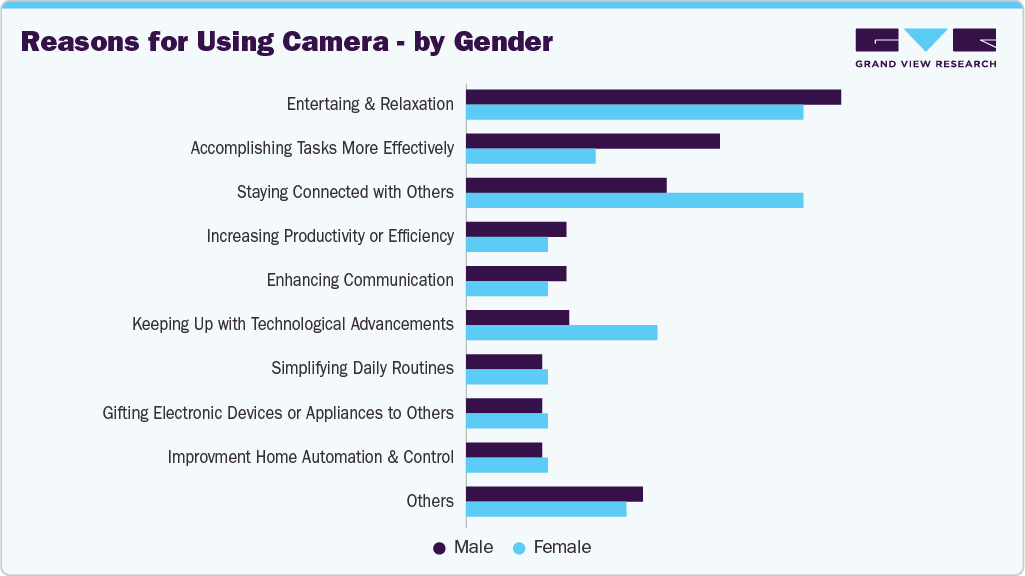
When it comes to reasons for using a camera, entertainment acts as a key driver for both females and males. Cameras serve as entertainment tools for capturing memories, documenting personal achievements, and creating art. They allow people to express themselves creatively through videos and photography techniques, appealing to both genders and providing a universal form of entertainment. Further, staying connected with others acts as a similar reason for females for using a camera by way of sharing pictures, capturing special moments with each other, which allows consumers to revisit the moment and feel connected. Cameras provide fulfillment and satisfaction for both genders, enhancing the quality of life and allowing creativity and self-expression.
One negative association with cameras is the high costs for premium or latest technology. Despite initial costs, investing in high-quality technology can yield significant benefits, including improved results and greater satisfaction for professionals and hobbyists. Many photographers offset these expenses through selling prints or offering services. Also, the resale value of premium cameras tends to hold up well over time, making it a worthwhile investment for young photographers. Ultimately, the benefits of owning a camera with top-of-the-line features often outweigh the initial shock for many dedicated photographers.
Buying Behavior
Customers prefer to know about a product’s performance and reliability before purchasing a camera. Since consumers are cost-conscious, the second information point sought after is the pricing of the product. Given the performance and cost, they would like to determine whether it is value for money or not. Due to its lengthy lifespan, most consumers decide to purchase cameras once every three to five years, similar to other electronic devices.
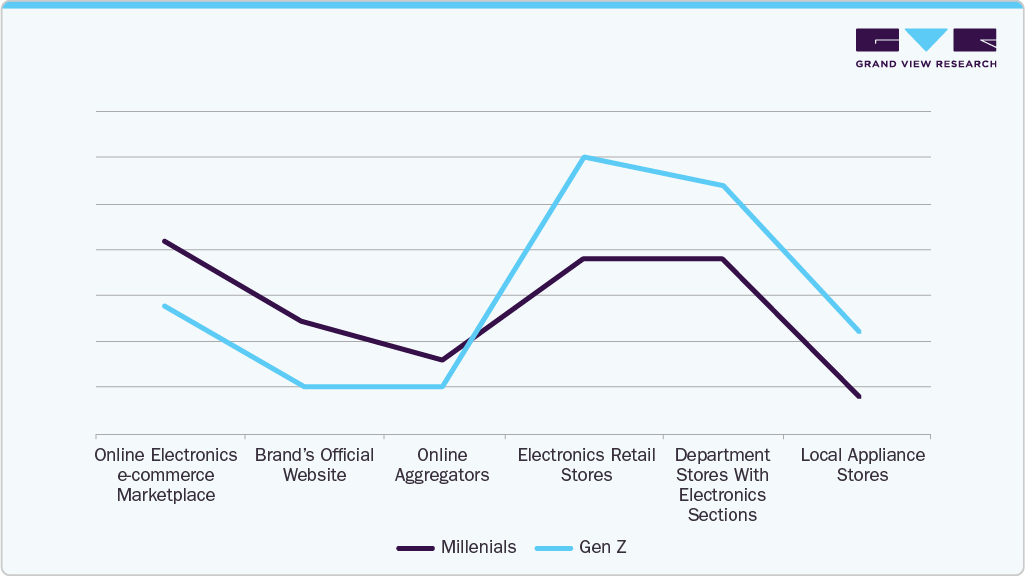
When it comes to the mode of purchase, electronics retail stores are the most common mode of purchase for the majority of consumers. Electronics retail stores provide a diverse range of products, allowing customers to compare brands and models in person. With knowledgeable staff and a personal touch, these stores are popular choices for consumers. However, when deep diving into younger generations, electronics retail stores are popular among Gen Z, and online electronics e-commerce marketplaces are preferred by Millennials.
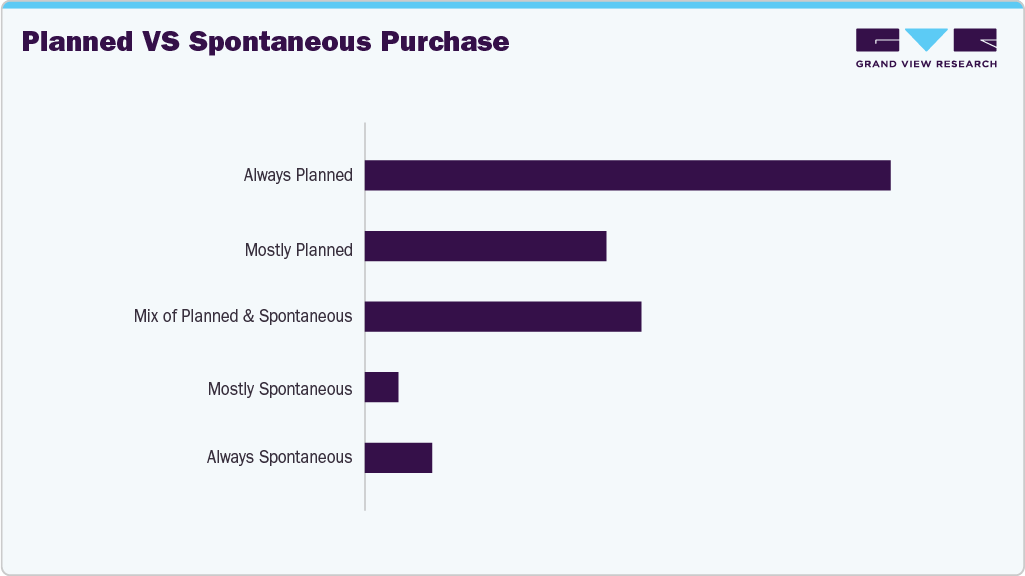
Mostly planned purchases account for 67% of consumer behavior, indicating that a large majority of people prefer to carefully consider their options before buying. This shows that customers value thoughtful decision-making, especially when it comes to products like cameras, which are often seen as long-term investments rather than impulse buys. While spontaneous camera purchases are relatively rare, they do happen, typically triggered by compelling discounts or an immediate necessity to upgrade or replace the equipment. In these moments, affordability and timing play a powerful role in tipping the scales.
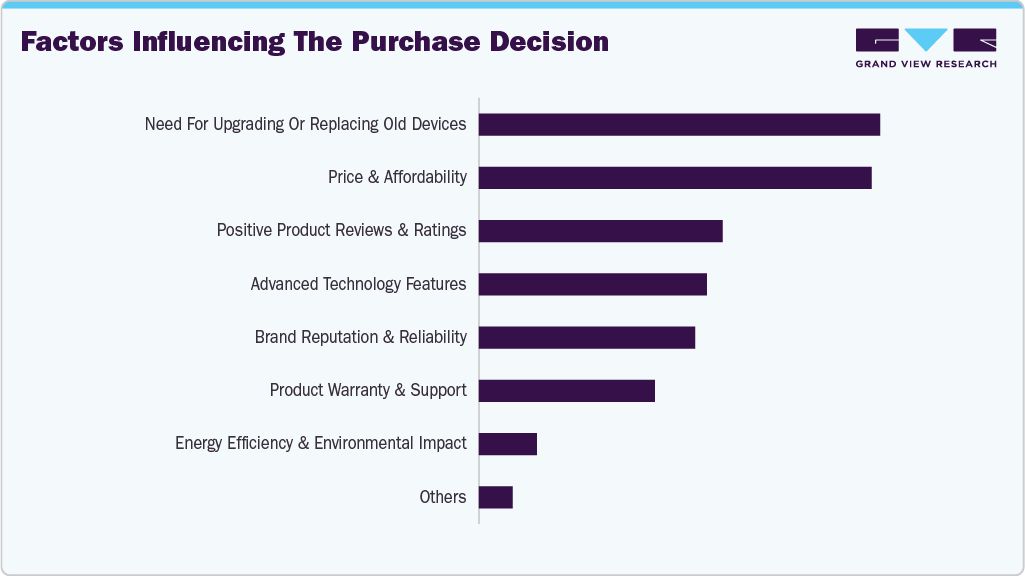
The need for upgrading or replacing old devices is the leading driver for purchase decisions, especially planned ones. Closely following this, 47% of decisions are also dependent on the pricing of the product and where it stands on the affordability scale. Together, these insights reveal that consumers are highly sensitive to price increases and tend to delay buying new devices until they encounter compelling sales, discounts, or special offers. Even in cases of impulse buying, affordability remains a key priority, especially in price-conscious markets where camera technology continues to evolve. This highlights a significant opportunity for brands: strategically promoting attractive deals can be a powerful way to motivate both planned and unplanned purchases, particularly when buyers are already considering an upgrade or replacement.
Brand Power Play (Brand Health and Performance)
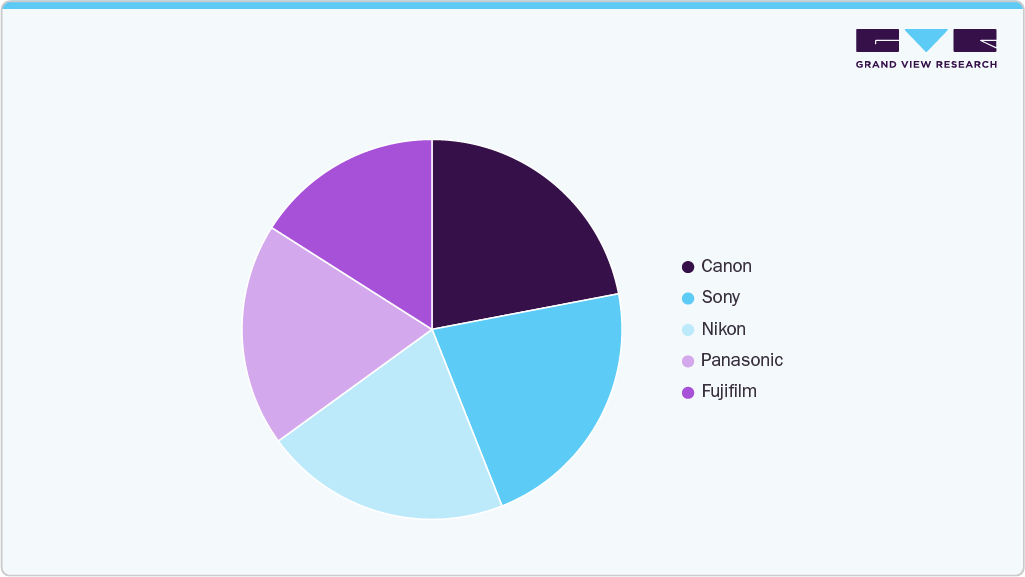
Some of the popular camera brands in the U.S. include Canon, Sony, Nikon, Panasonic, and Fujifilm. Primarily, Canon dominates the market with 78% market share (by awareness) because Canon has a strong brand recognition, high-quality products, extensive product lines, and a robust ecosystem for photographers
Purchase Funnel
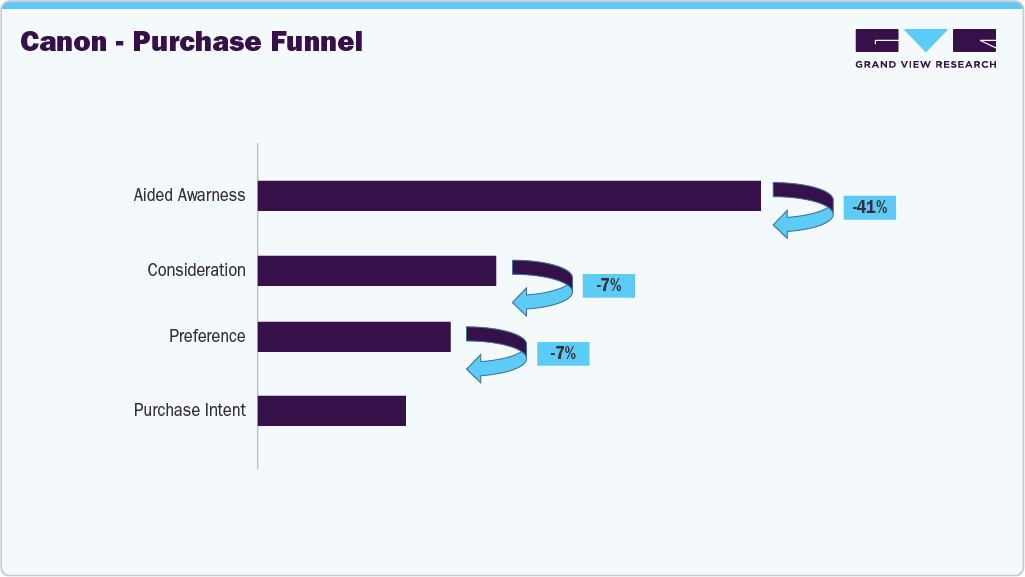
Even if there are several well-known camera manufacturers in the U.S., only a few of them get past the point where they are favored and taken into consideration. Despite having noteworthy drops at some stages of the funnel, Canon is one of the well-known businesses with a powerful recognition. By running discounts or extending their product ranges to a wider market, companies like Sony and Nikon could raise the percentage of consumers who convert from consideration to purchase. Leading brands such as Canon and Sony should focus on maintaining their market leadership through constant quality, price, and efficient marketing. Sony and Nikon pose strong competition to Canon in the camera market due to their well-established brands.
While the overall NPS score of the leading brands varies from -100 to 46, Nikon has the highest NPS score (46) compared to other camera brands in the U.S. market.

Talk to an analyst
Tell us what you need. We reply within one working day.
Service Guarantee
-
Insured Buying
This report has a service guarantee. We stand by our report quality.
-
Confidentiality
Your transaction & personal information is safe and secure.
-
Custom research service
Design an exclusive study to serve your research needs.
-
24/5 Research support
Get your queries resolved from an industry expert.