U.S. Casual Wear Consumer Insights - Usage, Attitudes, And Brand Performance Report
Introduction:
Casual wear is gaining popularity due to consumer preferences for comfort, eco-friendly fashion, and rising disposable incomes. There has been a recent trend that indicates the rise in emphasis on remote work, leading to a surge in athleisure and comfort wear. Brands have introduced casual blazers, relaxed-fit trousers, stylish sneakers, and stylish yet comfortable tops for remote workers. The casual wear industry is also booming, partially due to viral content and digital collaborations on social media platforms.
-
Comfort and Versatility: Comfort remains a top priority, with casual wear and athleisure leading the market. People wear oversized hoodies, sweatpants, and leggings at home and for social outings. As many people still work remotely or in hybrid setups, there is a growing demand for clothes that can easily switch between home and office. Items like casual blazers, relaxed-fit trousers, and stylish sneakers have become essential for work and everyday wear.
-
Gender-Neutral and Unisex Fashion: The casual wear market is experiencing a shift toward gender-neutral and unisex clothing, with more people choosing styles that don't follow traditional gender norms. Clothing with oversized fits, simple minimalist designs, and neutral colors such as black, white, gray, and beige is becoming increasingly popular. This change reflects a larger cultural movement toward inclusivity, where people want fashion that fits their style rather than being defined by gender. As a result, many brands are offering versatile pieces that anyone can wear, helping to create a more open and diverse fashion landscape.
-
Sustainability and Ethical Fashion: The new age consumers have become more focused on sustainability and are now choosing eco-friendly and ethically made clothing. Consumers are more aware of how their shopping habits affect the environment, leading them to prefer brands that use organic materials, have eco-friendly production, and are transparent about their supply chains. At the same time, thrifting has grown in popularity as people look to buy pre-loved clothes to reduce waste. Platforms like Poshmark, Depop, and ThredUp are becoming more popular as a result of this trend of thrift shopping.
Methodology:
The insights covered in this report are drawn from GVR’s ‘Voice of Consumer Survey’ and its periodic updates. The latest survey represents 75,000+ consumer interviews conducted across 20 countries for 100+ product categories. These insights are specifically catered to brands operating in the casual wear industry to guide them in their strategic decision-making process. This report provides insights covering category usage & attitude, buying behavior, brand performance metrics, and brand health indicators of leading players in the U.S. casual wear market.
Chapter 1: Usage and Attitude
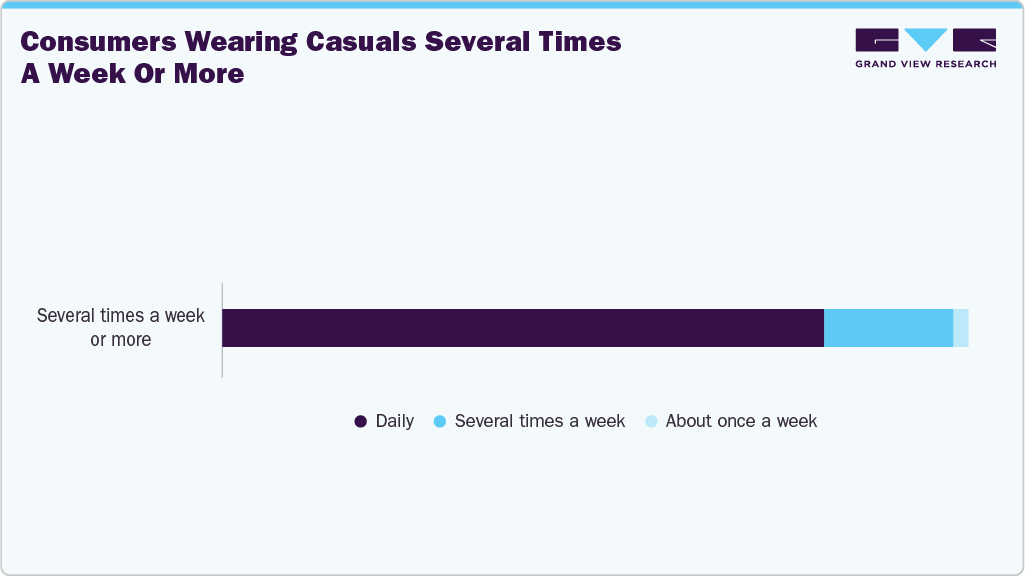
U.S. consumers are increasingly favoring a blend of comfort and fashion, with a strong emphasis on convenience, as 90% of consumers use casual clothes several times a week or more, of which 74% of consumers wear them daily, highlighting the prioritization of comfort and functionality in their wardrobes.
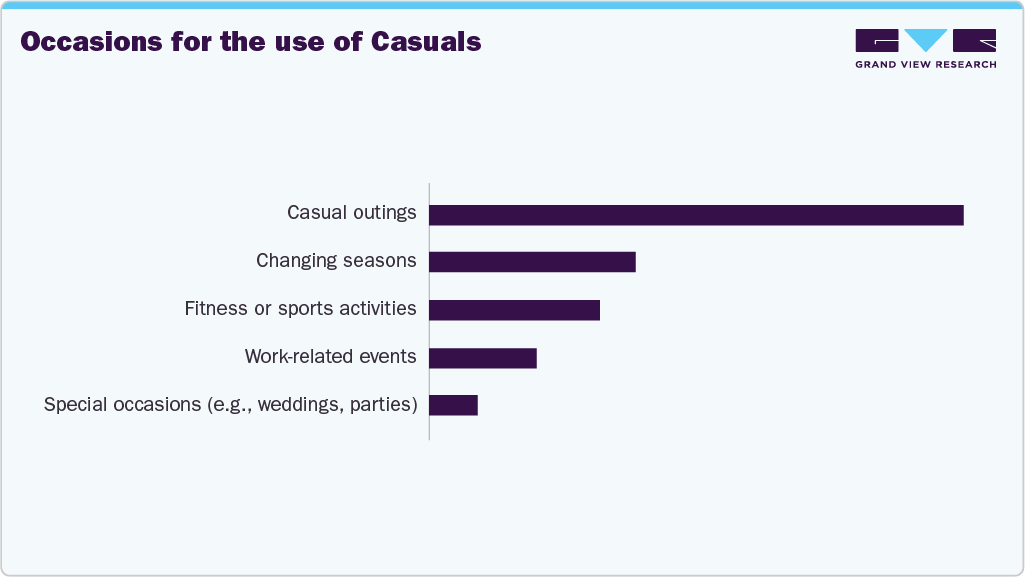
Casuals are mostly used at the time of casual outings, as mentioned by about 7 out of 10 consumers; however, there is an opportunity to improve the usage of casuals by encouraging product usage on other frequencies, like changing seasons (current usage 29%) and for fitness or sports activities (current usage 24%). Having said that, consumers associate casual wear with feeling comfortable and confident due to its relaxed fit or materials, and also expressing personal style. However, what might hold them back is the high costs for quality clothing or designer brands and the constant change in trends, which may not go hand in hand with their style.
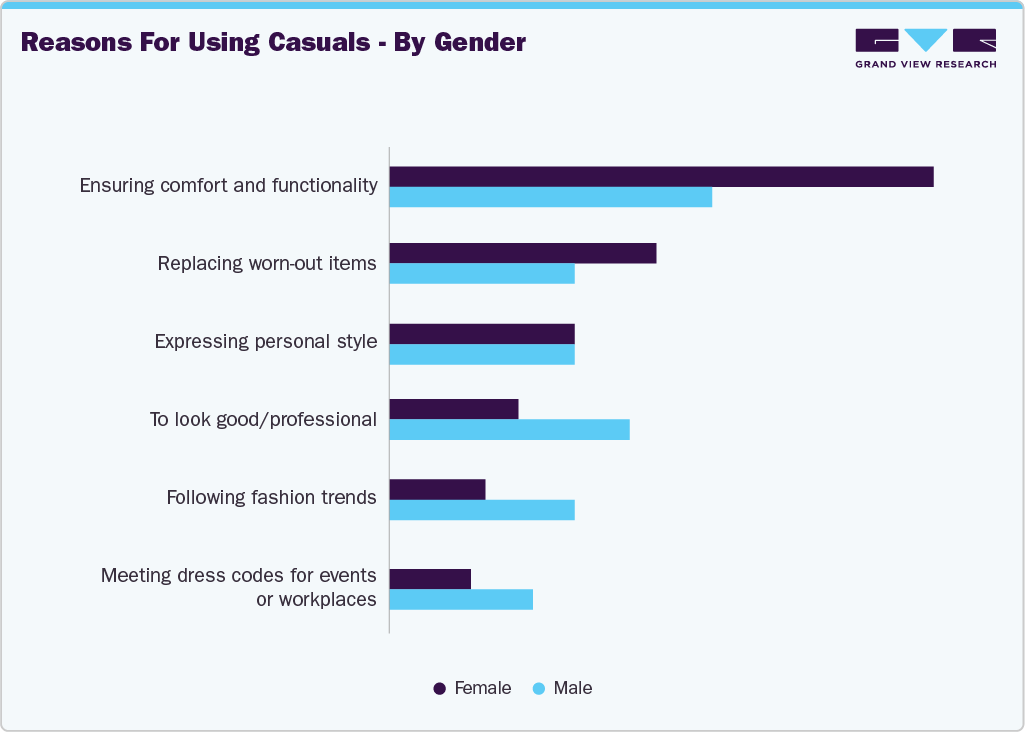
When it comes to reasons for using casuals, ensuring comfort or functionality is the most important driver for both females and males. However, among males, looking good or professional emerges as another significant driver, while for females, replacing worn-out items is another driving factor. It is important to note that both genders assign similar importance to expressing personal style.
Now, what makes this purchase a delight is the comfort associated with casual wear and the material of the product, its good value for money, and its durability or long-lasting construction. However, consumers feel disappointed due to a few factors, such as when the comfort aspect is missing as expected, or materials that might irritate, paying more for a certain quality, and poor workmanship. Having limited size options is also a factor that can lead to disappointment, given that each body is unique; thus, not catering to plus sizes or leaner sizes can reduce traffic for the brand.
Buying Behavior
The key and initial step in purchasing a product is the accumulation of certain information to make an informed decision. The most sought-after points are comfort or fit, given that consumers are increasingly demanding comforting products. Next, price and value for money, given the rise in price-conscious consumers. And a good material quality that also offers durability, thus automatically making it a good value for money.
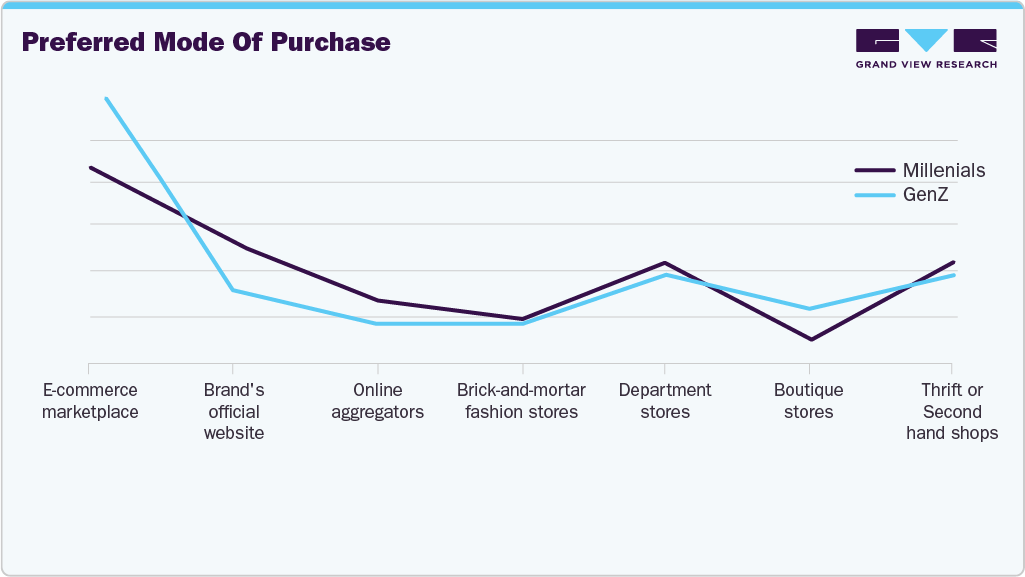
As consumers seek durable materials, they buy casual wear mostly once a quarter or at most once a month. Having said that, online e-commerce marketplaces like Amazon are the most preferred mode of purchasing for both Millennials and Gen Z when it comes to casual wear. A brand’s official website is the second most preferred mode of purchase for Gen Z, and departmental stores and thrift stores are the second most preferred mode of purchase for millennials, showcasing that millennials are more likely to visit a physical shop to browse for options, whereas Gen Z, being more tech-savvy, like to shop from the comfort of their homes.
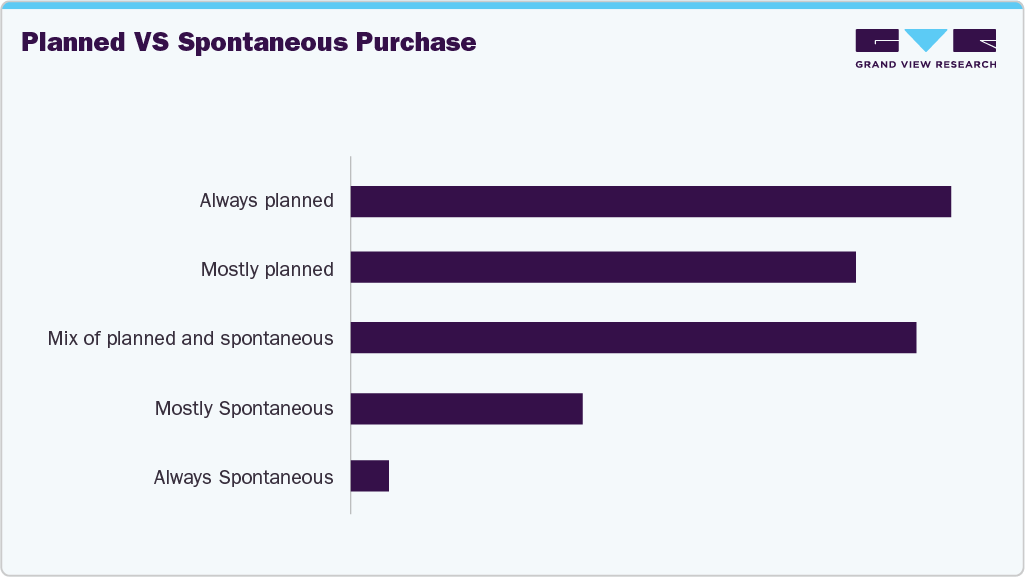
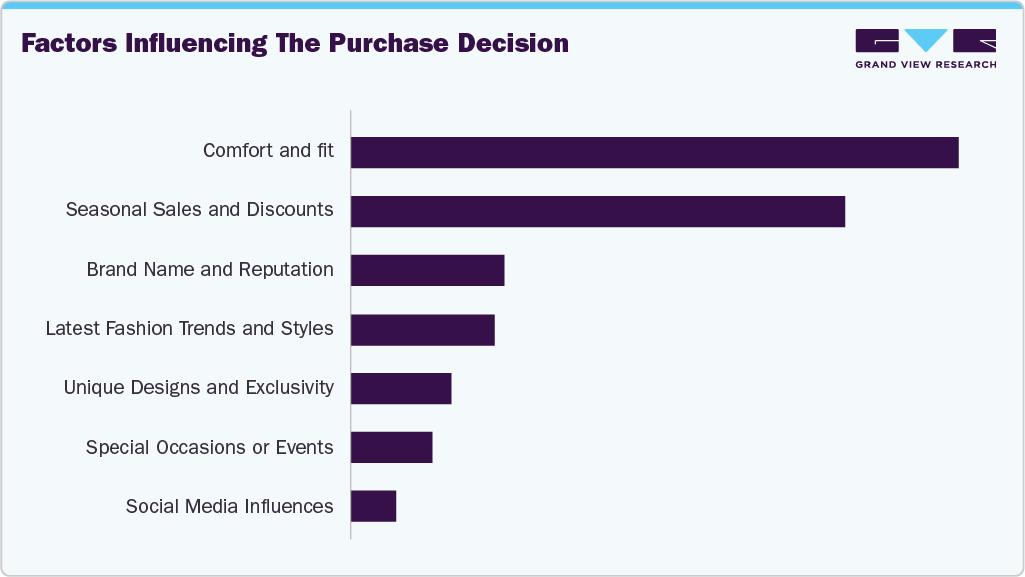
Casuals belong to a more planned purchase category, given that consumers purchase due to changing seasons or to replace worn-out clothes, thus almost every 6 out of 10 consumers say their purchase is planned, whereas 31% of consumers say it is always planned, and 29% of consumers’ purchase is either planned or spontaneous, depending on the situation. Only about 14% of the population has displayed spontaneity in their purchase behavior. And, when they do make a spontaneous purchase, it is driven by a few factors, such as finding a piece of clothing that seems comfortable and a great fit, compelling consumers to make an unplanned purchase at that time, since comfort is the key. Also, seasonal sales and discounts, which offer products at very low prices, encourage consumers to make the best out of the offers and not break the bank.
Even when it comes to a thought-out or a general purchase, consolation, this is followed by seasonal sales such as Christmas offers, New Year sales, etc., which provide clothing at a very reduced price. Since these sales are a yearly event, consumers pre-plan to purchase their desired clothing at these specific times to fit their budgets, thus acting as one of the compelling drivers for purchase. Also, being offered an exclusive design does help to an extent to drive more traffic, but they play a lesser role in actual product purchase. With that in mind, it is important to look at what might cause consumers to not make a purchase, and some of these barriers could be having to pay high prices for quality items, difficulty in finding the right size and fit, and limited options for specific body types or preferences.
Brand Power Play (Brand Health and Performance)
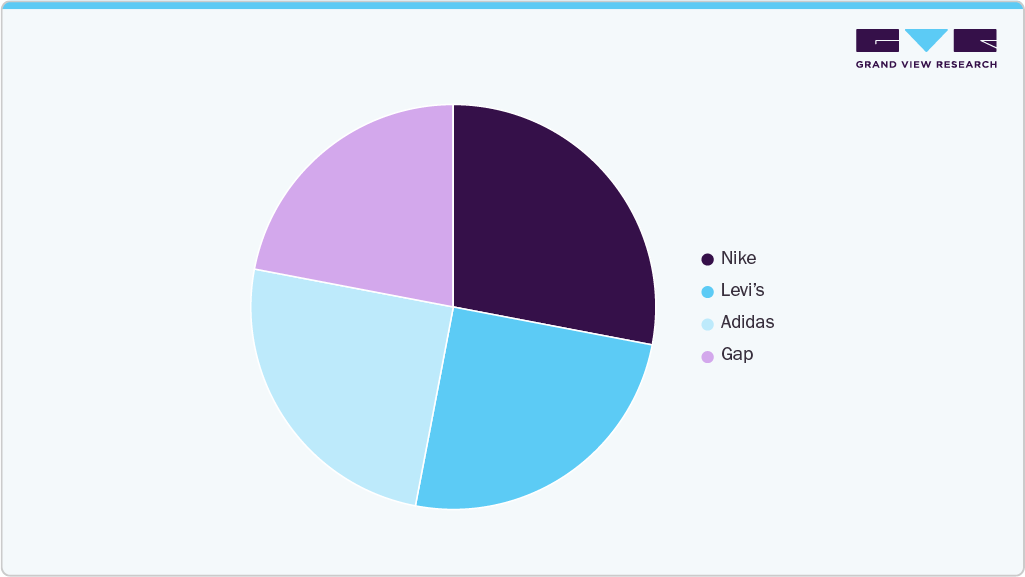
Some of the popular brands of casual wear in the US include Nike, Levi’s, Adidas, and Gap. Although the casual wear market is undeniably competitive and large, Nike dominates the market with a 72% market share (by awareness). Some of the other emerging brands are Under Armour and American Eagle Outfitters, which are slowly making their way into the casual wear market.
Purchase Funnel
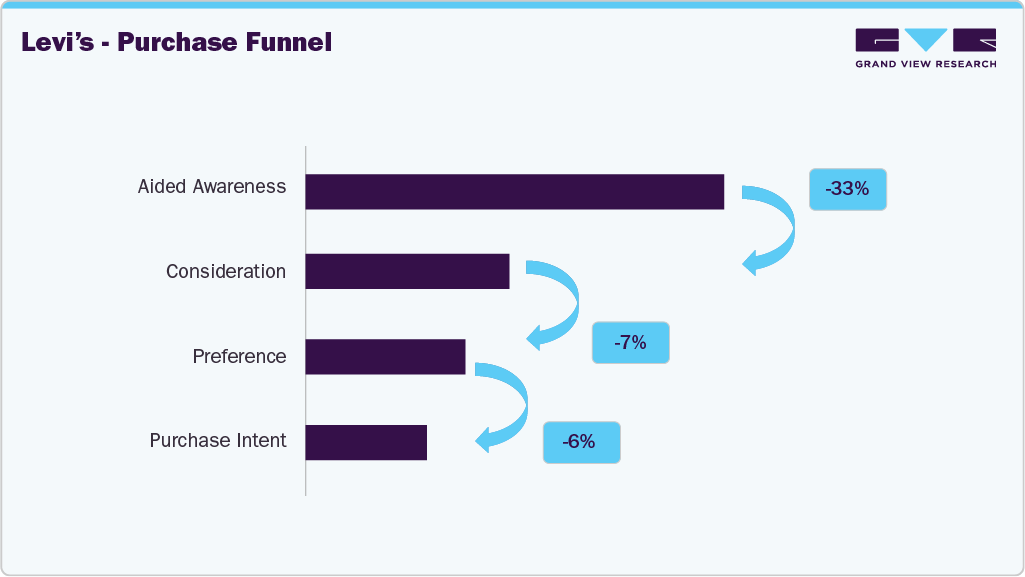
While many brands catering to casual wear segments enjoy significant awareness in the U.S., they struggle to maintain consistent performance in the preference and purchase intent stage. Levi’s is one of the prominent brands that exhibits a strong purchase funnel despite having a high drop from awareness to consideration. And, when it comes down to preference and purchase intent, it climbs up due to lower drops, thus surpassing Nike and giving tough competition to other brands. It is worth noting that Nike has a high repeat purchase trend, compared to any other brand, depicting brand loyalty, which is driven by prominent satisfaction levels among consumers post-usage, providing a neck-to-neck competition for Levi’s. And while brands like Zara and Vans have lower awareness and usage, they exhibit better brand loyalty, showcasing potential to provide competition to the key brands.
The overall NPS score of the leading brands varies from 25 to 50, with Nike having the highest NPS score (50) compared to other prominent brands in the market.
