U.S. Dishwashers Consumer Insights - Usage, Attitudes, And Brand Performance Report
Introduction:
Dishwashers have become a staple in many American households, evolving from a luxury item to a practical necessity in modern kitchens. With the fast-paced lifestyle of many families, dishwashers offer a significant time-saving advantage, eliminating the need for handwashing dishes. The U.S. dishwashers market continues to grow, driven by innovations in technology that focus on efficiency, such as quieter operation, advanced cleaning cycles, and features that use less water and energy. This has led to a shift toward more eco-conscious models that cater to environmentally aware consumers. However, despite the growing popularity, the cost of high-end dishwashers can still be a barrier for some. Additionally, water usage concerns in regions facing droughts have prompted manufacturers to find ways to further reduce water consumption without compromising performance. Despite these challenges, dishwashers remain a sought-after appliance due to their ability to simplify daily chores and enhance convenience at home. Now, we will look at some trends driving this:
-
Compact & Portable Dishwashers: Compact and portable dishwashers are especially favored by urban dwellers and renters due to their ability to fit into smaller, more confined spaces. These models are an ideal solution for those living in apartments or shared accommodations where installing a built-in dishwasher may not be an option. Additionally, they offer the flexibility of being moved around and stored away when not in use, maximizing limited kitchen space. Their portability and ease of installation make them a convenient choice for people who want the convenience of a dishwasher without the commitment of permanent installation.
-
Self-Cleaning Features: Dishwashers with self-cleaning capabilities are growing in popularity since they are incredibly convenient and eliminate the need for frequent manual maintenance. To ensure the best performance without the effort of removing or washing parts, these models usually come with a self-cleaning filter or a self-maintaining system that gets rid of food particles and debris. By avoiding clogs or odors, this feature increases the dishwasher's longevity and efficiency. Furthermore, some dishwashers have a unique cycle that sanitizes the interior using steam or high heat, creating a more hygienic cleaning environment. Due to their ease of use and time-saving features, consumers are increasingly choosing these low-maintenance appliances.
-
Smart Dishwashers & Home Automation Integration: The increasing demand for smart appliances is reshaping the U.S. dishwasher market, as more consumers seek advanced features like Wi-Fi connectivity and app control for greater convenience and energy efficiency. These smart dishwashers allow users to monitor and control their units remotely, offering flexibility in scheduling cycles, adjusting settings, and receiving maintenance notifications directly from their smartphones. Many models also feature energy-efficient modes, helping users reduce water and electricity consumption while maintaining top-notch cleaning performance.
Methodology:
The insights covered in this report are drawn from GVR’s ‘Voice of Consumer Survey’ and its periodic updates. The latest survey represents 75,000+ consumer interviews conducted across 20 countries for 100+ product categories. These insights are specifically catered to the brands operating in the dishwasher industry in order to guide them in their strategic decision-making process. This report provides insights covering category usage & attitude, buying behavior, brand performance metrics, and brand health indicators of leading players in the U.S. dishwasher market.
Chapter 1: Usage and Attitude
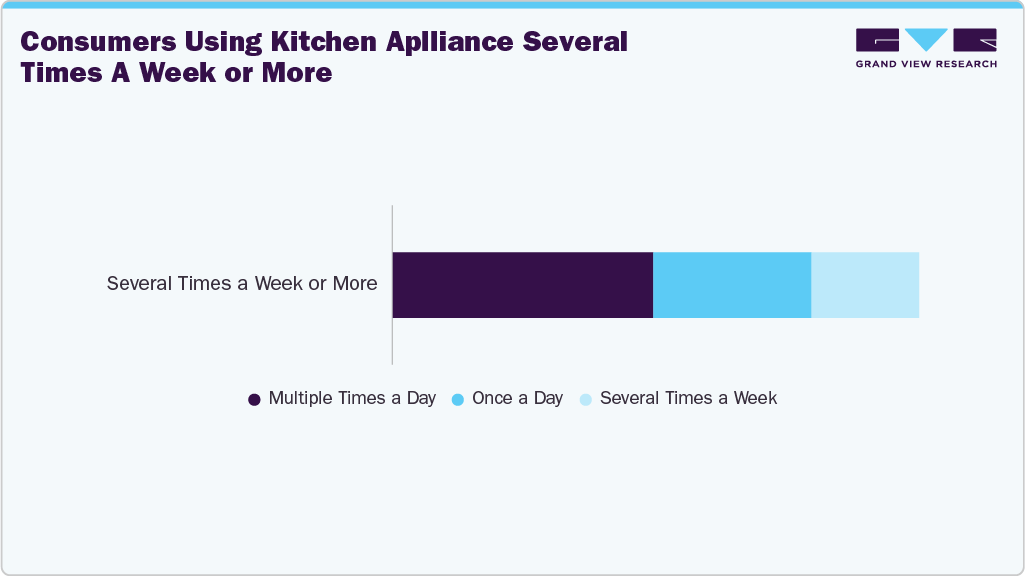
Convenient products are becoming more and more important to consumers; 75% of consumers use dishwashers at least once a week, with 28% of them claiming to use them daily.
Dishwashers are primarily used for home cleaning and organization, with about 7 out of 10 consumers highlighting them as essential tools for maintaining a tidy and efficient kitchen. As modern lifestyles become increasingly fast-paced, the demand for convenience and space-saving solutions has grown. This has led to a noticeable shift toward portable and compact dishwashers, especially among urban dwellers and small households where space is limited. These smaller, more flexible models offer the same cleaning efficiency as traditional units while fitting seamlessly into tighter living spaces. It’s all about simplifying daily routines and reducing manual effort.
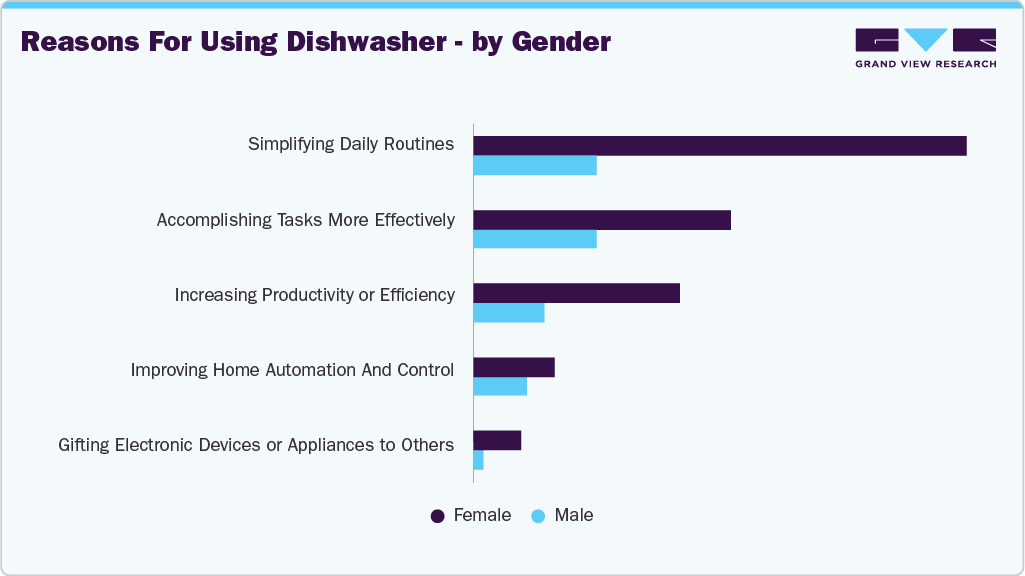
When it comes to reasons for using a dishwasher, simplifying daily routines acts as a key driver for both females and males, as expected. A dishwasher is a valuable tool for busy individuals, saving time and energy for other tasks. It allows individuals to focus on more important aspects of their lives without the hassle of hand-washing dishes. The ease and efficiency of a dishwasher make it a valuable tool for streamlining daily chores and improving overall productivity. Further, accomplishing tasks more effectively acts as a second driver for females and males. Furthermore, research has shown that using a dishwasher can save up to 230 hours a year, allowing for more time to be spent on other activities.
The high costs associated with premium dishwashers or those featuring the latest technology often create a negative impression for many consumers. When purchasing a dishwasher, a common disappointment is the feeling that the price doesn't align with the actual features and benefits received. Many homeowners find themselves questioning whether the extra hundreds of dollars for specialized cycles or smart technology truly translate into cleaner dishes or meaningful convenience in their daily lives. This disconnect between price and perceived value can leave customers feeling they have overpaid for functionality they rarely use, especially when a more affordable model might have adequately met their basic needs.
Buying Behavior
Like with most electrical equipment, consumers need to know a little bit about the product's performance and dependability before making a purchase. This is the most crucial aspect because dishwashers are long-lasting products whose primary function is to improve automation and comfort in the home. Next, considering the growing number of price-conscious consumers, price and value for money. Customers prefer to purchase dishwashers once every five years during sales or discounts, since they are used frequently, and they want them to last for a long time.
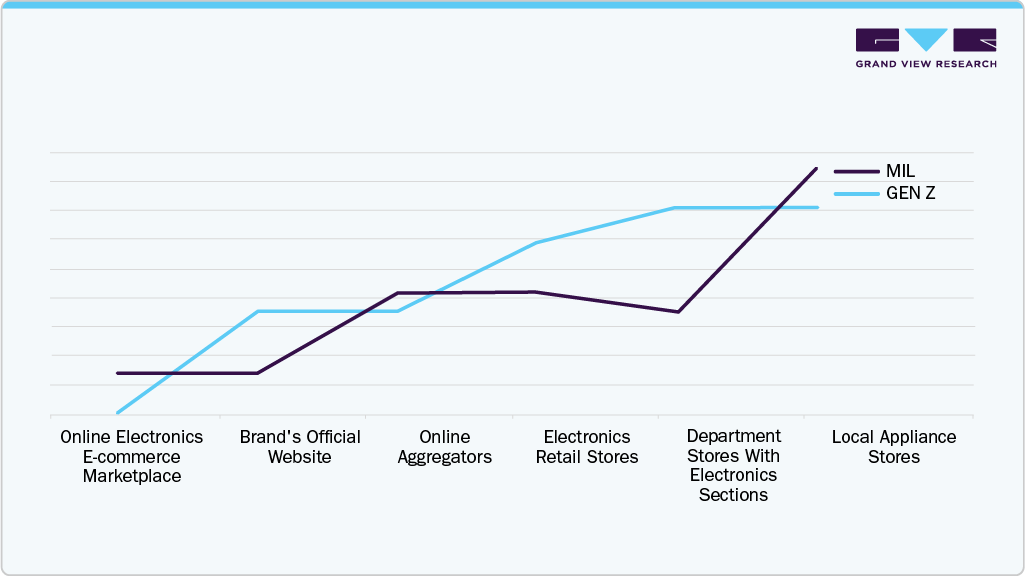
For both Gen Z and Millennials, buying dishwashers from local appliance retailers is their preferred method. For both, department stores with electronics departments are the second most popular place to buy.
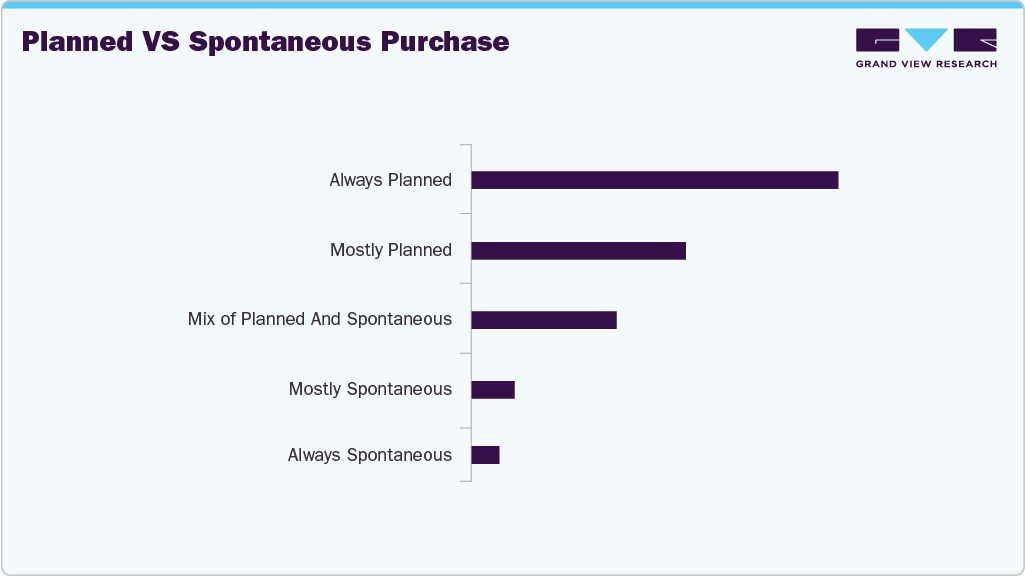
With almost 8 out of 10 respondents stating that their purchase is planned, and a few of them leaning towards a mix of spontaneity and a planned purchase, depending on the various circumstances and offers, we can confidently state that dishwashers belong to the more planned purchase category. The percentage of people who have made spontaneous purchases is very low.
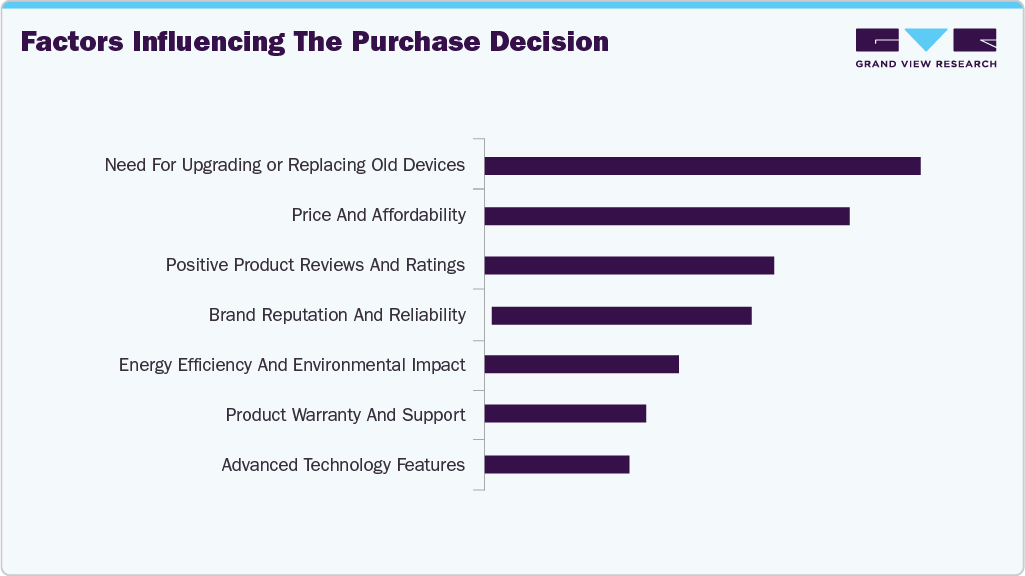
More than half of the respondents stated that the need for upgrading or replacing old devices and price and affordability are the two primary factors that act as a primary trigger for purchasing a dishwasher, just like other household equipment, according to the survey. Furthermore, while favorable product evaluations and ratings do help build brand awareness, they have comparatively less of an effect on consumers. Even with the growing need, there are certain barriers to purchasing a product, such as limited product lifespans or frequent replacements required, as well as a dearth of affordable options with the required features. These act as some significant pain points for consumers, especially given that consumers actively look for a product that is value for money, which translates into a product that is reasonably priced with good performance and longer durability. Having to replace a dishwasher often makes the purchase expensive, causing reasonable discomfort; thus, brands need to offer products that are not only technologically advanced but also reliable to garner better user traffic.
Brand Power Play (Brand Health and Performance)
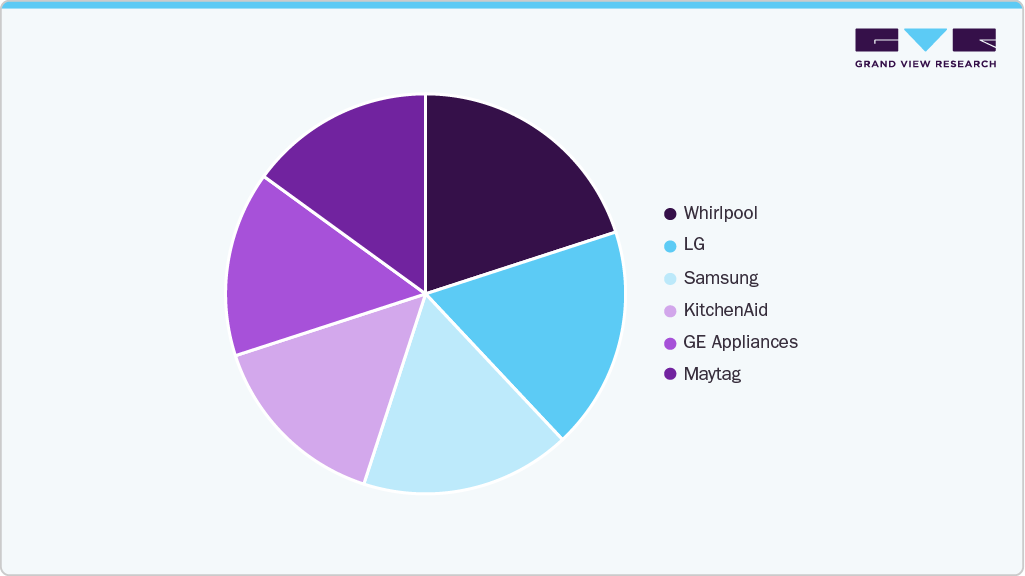
Some of the popular dishwasher brands in the U.S. include Whirlpool, LG, Samsung, KitchenAid, GE Appliances, and Maytag. Even with multiple brands competing, Whirlpool dominates the market with 69% market share (by awareness) as it is the regional brand in the U.S., and it has a strong brand reputation for dependability and quality.
Purchase Funnel
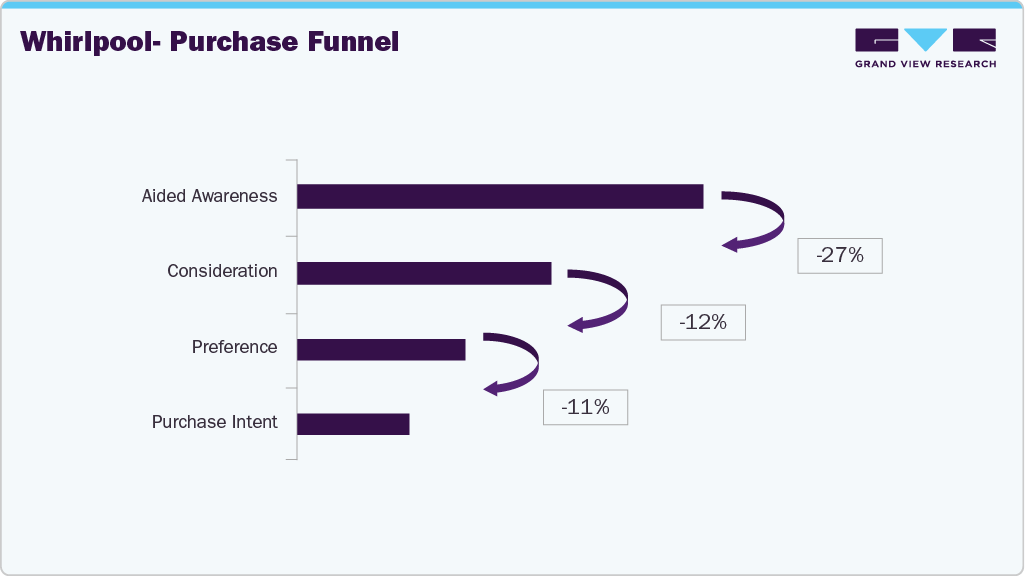
While there are multiple competitors, some brands have a stronger presence, leading the industry with their performance and reliable product offering. Some of these are Whirlpool, Samsung, and LG, which constantly strive for innovation, convenience, and stylish designs. Furthermore, Whirlpool continues to stand tall throughout the purchase funnel despite experiencing some significant drops throughout. Whirlpool faces strong competition from companies like GE Appliances, LG, and Samsung, which are well-known among U.S. consumers and are well-considered and accepted in the market. Whirlpool, on the other hand, plays it cleverly by offering a range of entry-level models with cutting-edge capabilities.
While the overall NPS score of the leading brands varies from 4 to 44, Samsung leads the dishwasher industry with the highest NPS score (44) compared to other brands in the market.
