U.S. Footwear Consumer Insights - Usage, Attitudes, And Brand Performance Report
Introduction:
The U.S. footwear market is expanding quickly, driven by the rising demand for versatile and timeless styles such as loafers, sneakers, and ballerinas. Consumers are seeking shoes that offer both comfort and fashion, suitable for a range of settings-from workdays to evenings out. Innovations in materials and production methods, including 3D printing and eco-friendly components, are transforming how footwear is designed and made. The market is also being shaped by a stronger focus on fitness and active living. Overall, the footwear sector is broad, typically categorized into sports, formal, and casual segments.
The athletic footwear industry is experiencing a technological revolution, with feather-like weight, innovative design, and smart features driving product development and consumer demand. These advancements are not only enhancing performance but also offering new levels of comfort, customization, and connectivity. Brands such as Nike, Adidas, and other athletic brands are also selling shoes that are not only athletic but can also be worn in casual outings.
The formal footwear industry is driven by increasing demand for branded, high-end footwear, especially among men. This is driven by the expansion of formal clothing options and evolving fashion trends. Product design improvements, such as waterproofing and unique stitch patterns, are also influencing the market. The corporate sector's growth and convenience, such as online shopping, are driving sales.
Various lifestyle preferences for casual shoes, comfort, versatility, sustainability, and a growing interest in fashion are major drivers for the casual shoes market. Casual shoes are gaining popularity in semi-formal workplaces due to a shift in dress codes, with employees prioritizing comfort and functionality. This trend aligns with hybrid work models and advancements in shoe design, enhancing the appeal of versatile footwear for daily wear and after-hours activities.
Given below are some of the market trends prevailing in the U.S. footwear industry as a whole:
-
Fashion Trends and Athleisure Movements: The athleisure trend, combining athletic and casual footwear, is driving the North American footwear market. This trend, influenced by Gen Z consumers, has transformed how consumers view and use athletic footwear, making sports shoes more acceptable in casual and formal settings. Manufacturers are focusing on fashion-forward athletic footwear, blending performance features with contemporary style elements. This trend has led to collaborations between athletic brands and fashion designers, creating unique product offerings that appeal to style-conscious consumers. Manufacturers are offering customization options and limited-edition releases to cater to individual style preferences.
-
Customization and Personalization: The desire for personalization and customization is one of the most intriguing developments in the footwear sector. More than just off-the-shelf items, modern shoppers want shoes that suit their demands and style. To create physically suitable designs, brands are analyzing foot morphology using 3D scanning and AI algorithms. On-demand manufacturing and rapid prototyping have reduced lead times and costs, making custom shoes more accessible to everyone. Performance features, adjustable cushioning, support systems, and specific functionality are increasingly expected by consumers. With measurable gains in comfort, performance, and customer happiness, this change signifies a realignment of the conventional footwear business model.
-
Smart Footwear and Wearable Tech: Years of study and advancement in wearable technology and physical activity research have led to the development of smart footwear in 2025. Prominent sports companies and internet firms are creating exclusive ecosystems in which customized coaching platforms are built on top of footwear. To minimize accidents and enhance training results, these platforms track weight distribution, ground contact duration, and movement efficiency. Wearers are guided through new settings by GPS-enabled navigation tools. Manufacturers are getting past issues with comfort and durability, making smart shoes useful for everyday use.
-
The Rising Trend of Leather: The leather footwear market has evolved to strike a balance between sustainability and traditional craftsmanship. Artisans are now using advanced tanning techniques that minimize chemical use without compromising leather’s durability. At the same time, innovations in plant-based alternatives, such as cactus fibers, pineapple leaves, and mushroom mycelium, are offering eco-conscious materials that closely resemble leather in both look and feel. These developments address ethical concerns while preserving the quality and style consumers expect from leather footwear.
Methodology:
The insights covered in this report are drawn from GVR’s ‘Voice of Consumer Survey’ and its periodic updates. The latest survey represents 75,000+ consumer interviews conducted across 20 countries for 100+ product categories. These insights are specifically catered to the brands operating in the footwear industry to guide them in their strategic decision-making process. This report provides insights covering category usage & attitude, buying behavior, brand performance metrics, and brand health indicators of leading players in the U.S. footwear market.
Chapter 1: Usage and Attitude
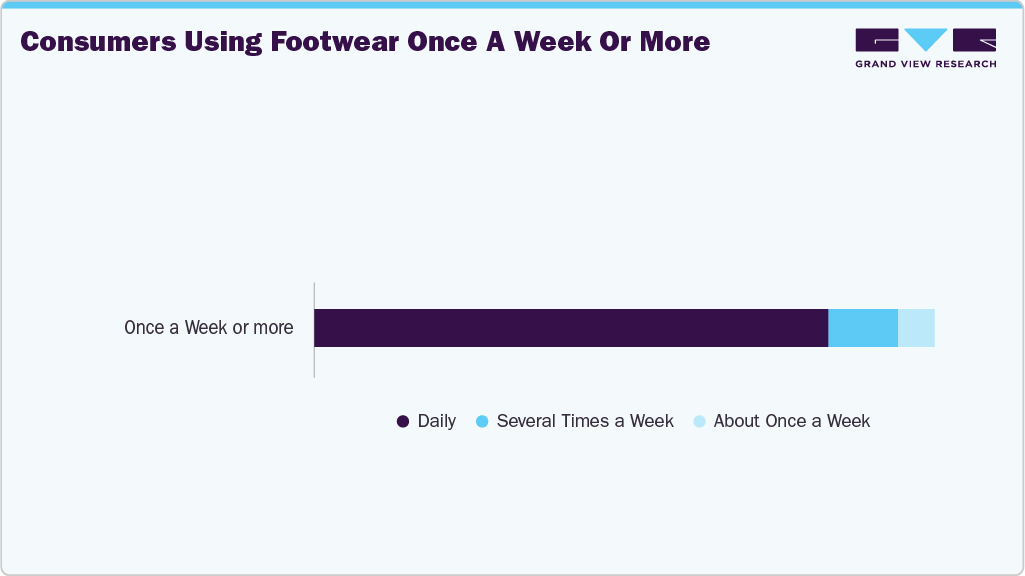
Footwear, be it casual, formal, or athletic, is a basic necessity, thus garnering daily usage, as consumers use it daily.
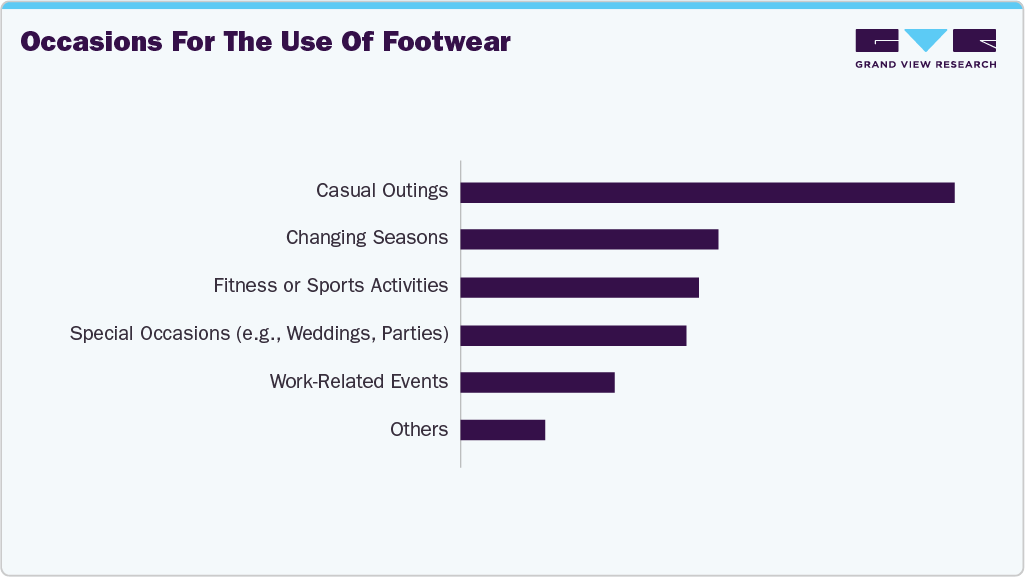
Footwear is mostly used at the time of casual outings, as mentioned by 7 out of 10 consumers; however, there is an opportunity to encourage their usage on other frequencies, like changing seasons (current usage 40%) and sports activities (current usage 37%). Consumers associate using these accessories with feeling confident and comfortable. However, what might hold them back is the high cost of better-quality shoes and designer brands, as well as uncomfortable and ill-fitting footwear.
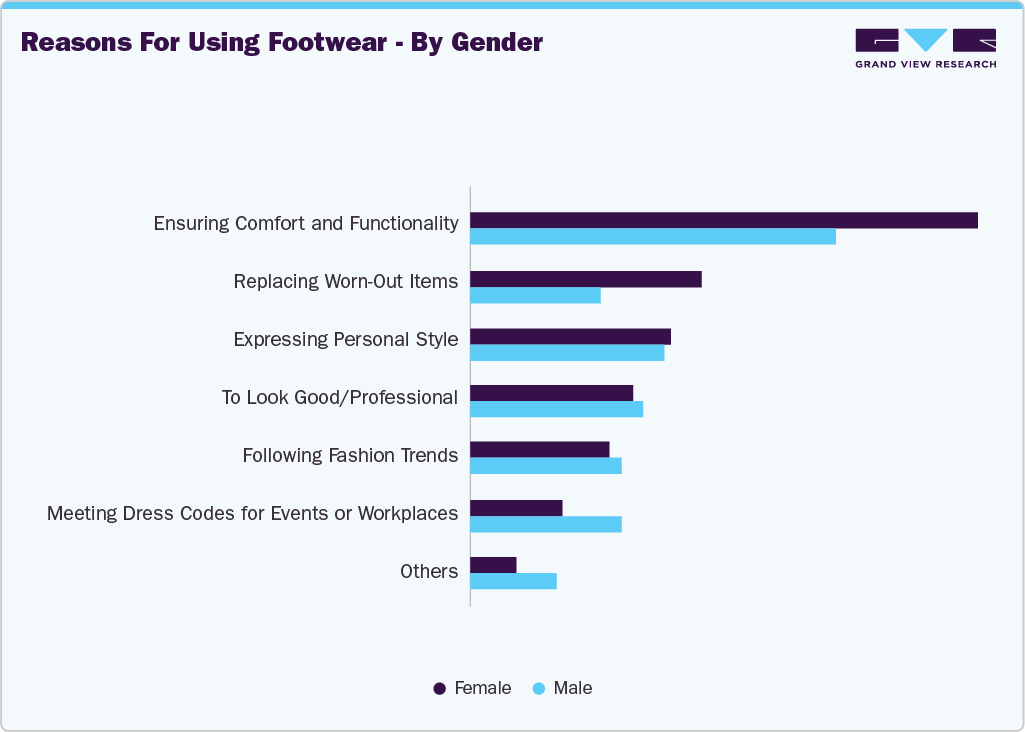
Both males and females share somewhat similar perspectives on the reasons for using footwear. Ensuring comfort and functionality are the most important reasons for both males and females. Females also like to replace worn-out items, whereas males also like to express their style. Good value for the money and a comfortable fit or materials make it a delightful purchase. Brands should address the problem of high costs for quality, as this leads to customer dissatisfaction and uncomfortable fit or material, which significantly impacts consumers.
Buying Behavior
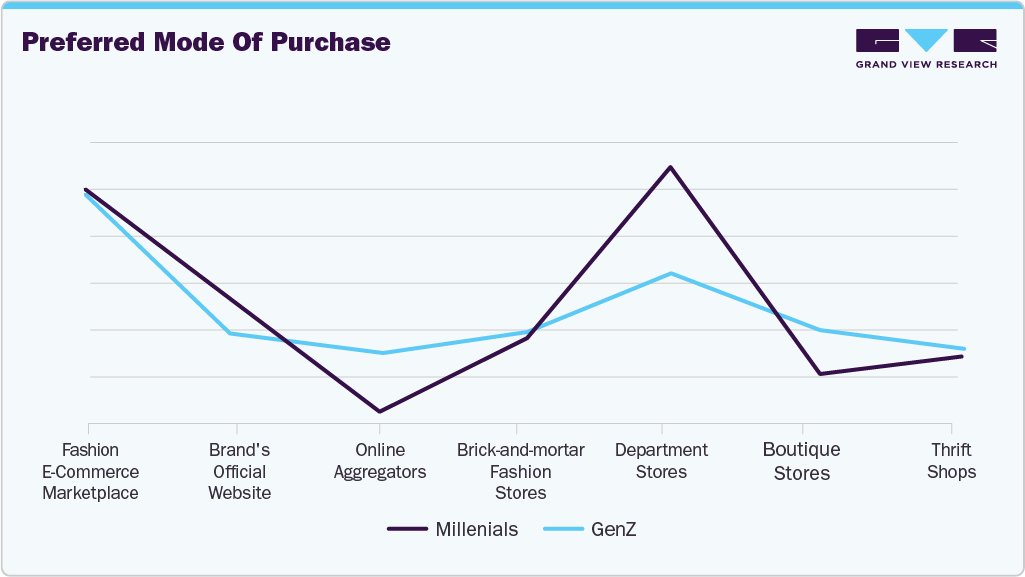
Before making a purchase, customers should familiarize themselves with the product and its features. Comfort and fit, as well as price and value for money, stand as the most important information a consumer wants to know before purchasing footwear, mainly because of the growing desire among customers for reasonably priced and comfortable footwear. Customers typically purchase footwear once a year because it is worn regularly, undergoes some wear and tear, and is subject to the changing trends. When it comes to the younger generations, Gen Zs prefer to purchase footwear via fashion e-commerce platforms, while Millennials like to purchase it from department stores.
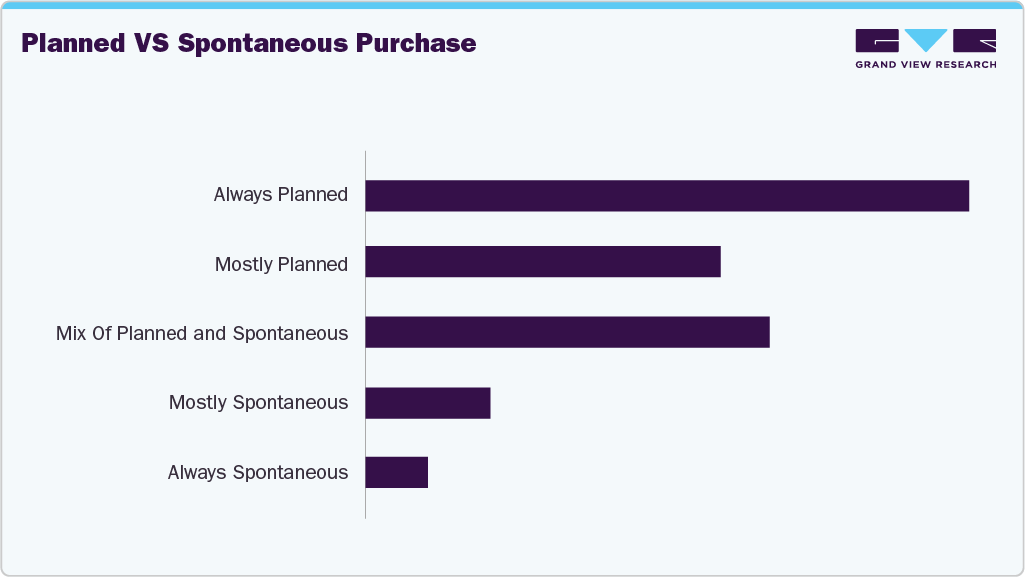
We can confidently state that consumers pre-plan their footwear purchase, as 6 out of 10 people say their purchase is planned, out of which 39% say it is always planned. Additionally, 26% of consumers purchase either on plan or spontaneously, depending on the different situations and offers. Only about 12% of the population has shown spontaneity in their purchase behavior, primarily driven by promotional offers and discounts from brands on different occasions.
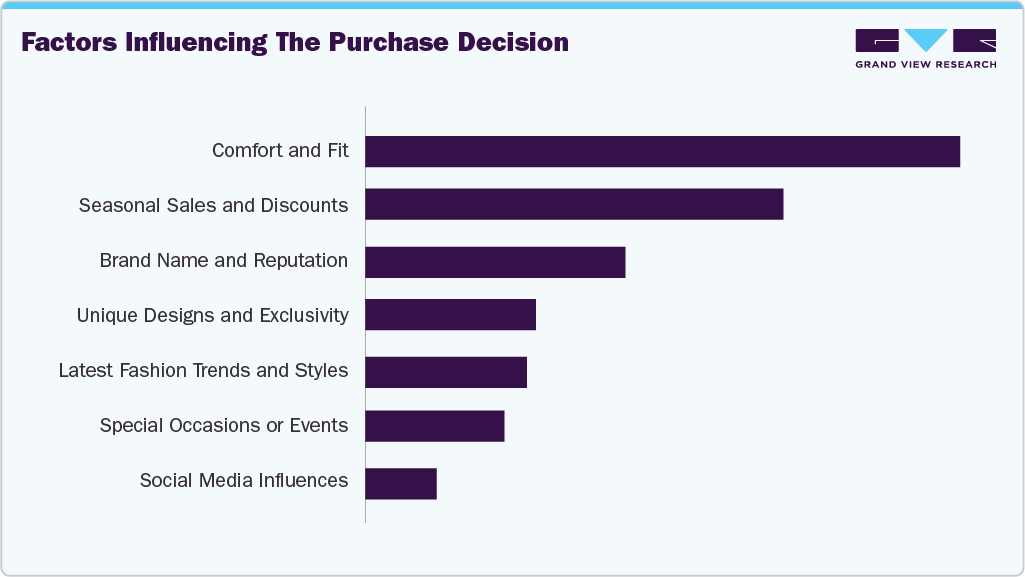
Since footwear is associated with comfort and being versatile, comfort and fit are the most important factors that act as a significant trigger when making a purchase. Price-sensitive consumers are drawn to brands and products that offer discounts. The high cost of premium goods and difficulty finding the right size and fit, however, continue to be barriers in purchasing a product despite the growing demand. Additionally, 8 out of 10 consumers are somewhat conscious of the brand of footwear they use.
Brand Power Play (Brand Health and Performance)
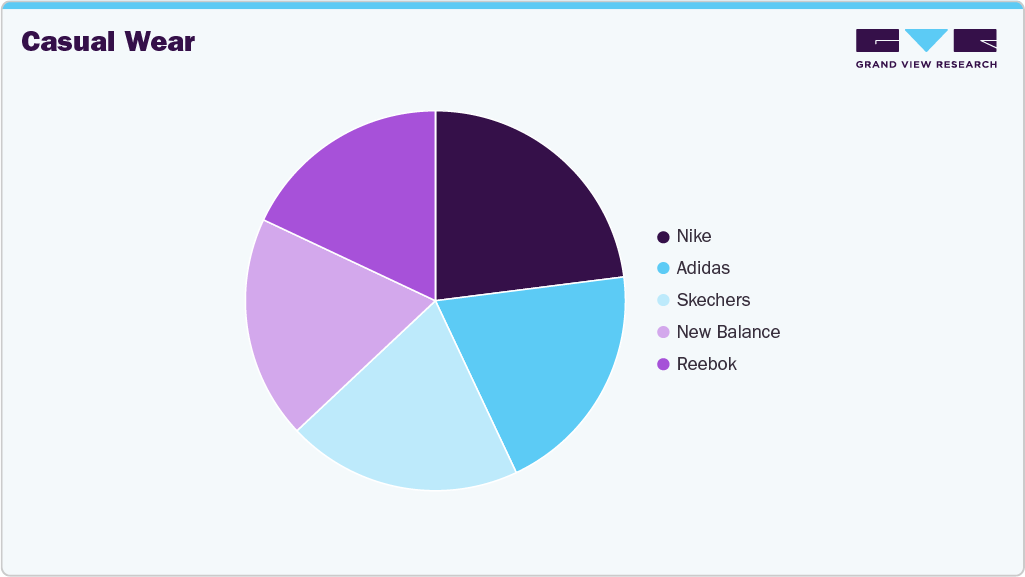
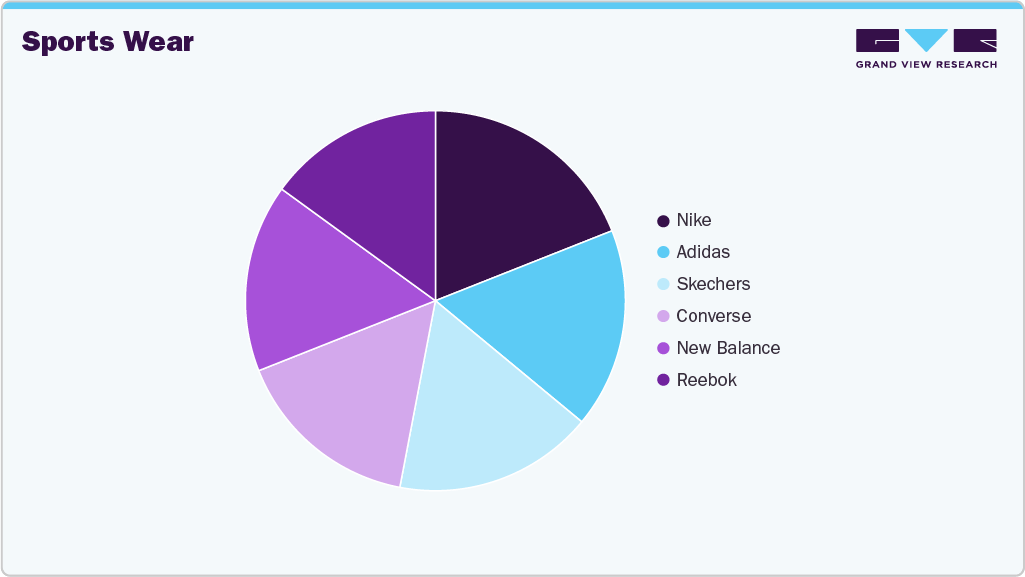
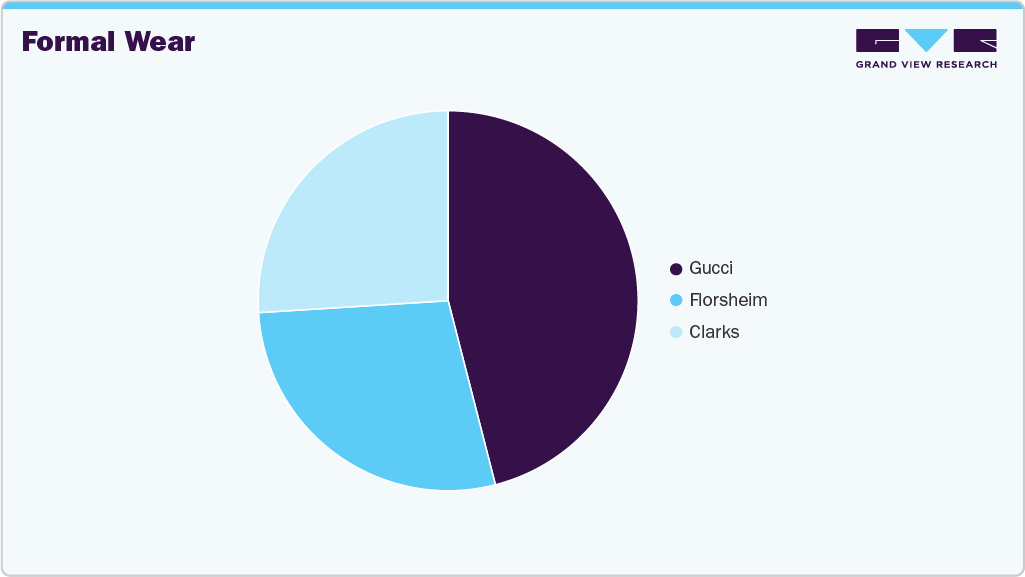
The U.S. footwear market is very competitive and caters to different types of footwear. These are for sports, casuals, and formals. There are many brands in the U.S. footwear industry, with Nike leading the casual segment with 73% market share (by awareness). Looking deeper into sports footwear, Nike (73% awareness) again leads the market, followed by Adidas, Skechers, New Balance, and Reebok. In the formal footwear market, Gucci (52% awareness) is the market leader, alongside Florsheim.
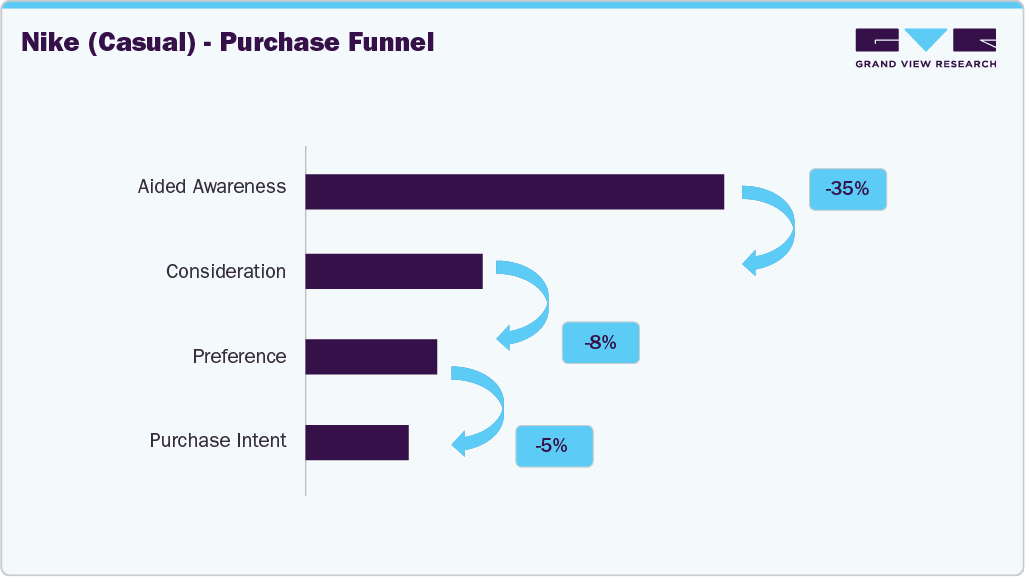
Purchase Funnel
With the casual footwear market highly competitive, numerous brands have emerged and are in high demand for their approach to more affordable, sustainable footwear. Nike, being the market leader, exhibits a strong purchase funnel despite having a significant drop from awareness to consideration due to its strong brand recognition, innovative product designs, and effective marketing strategies. Despite attaining the highest awareness, Skechers surpasses Nike in overall performance by showcasing better results throughout the purchase funnel. It is worth noting that Skechers has a higher repeat purchase trend vs any other prominent brand, driven by high satisfaction levels, followed by Nike. This is mainly due to its focus on comfort, affordability, and broad appeal, particularly to older generations. Lastly, Adidas, due to its long-standing presence in the market, enjoys high awareness and comes recommended.
The overall NPS score of the leading casual footwear brands varies from 14 to 64, with Adidas leading with an NPS score of 64 compared to other brands in the U.S. market.
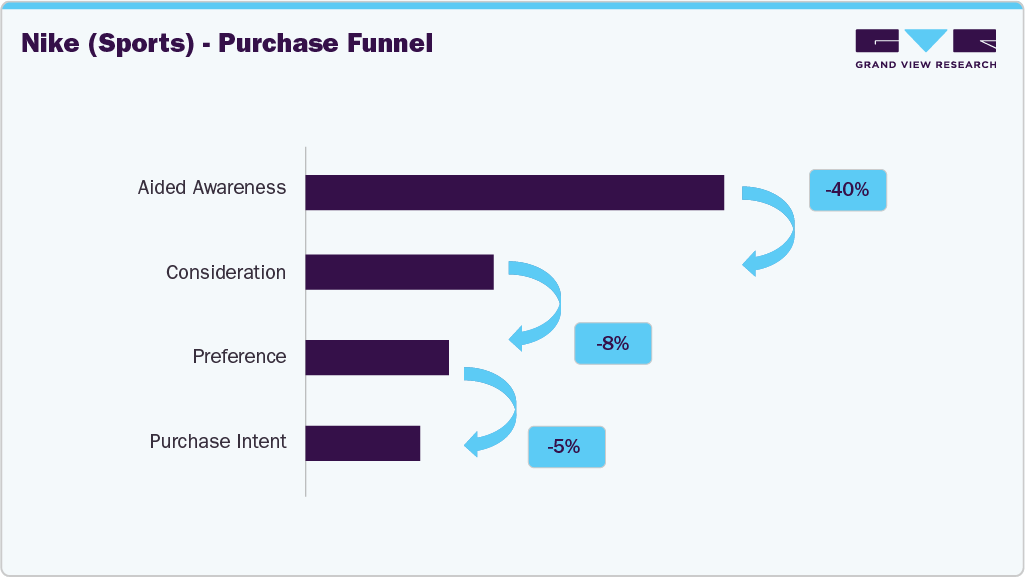
While many brands that manufacture sports footwear enjoy high awareness in the US, very few make it to the consideration and preference stage. Nike is one of the prominent brands that again exhibits a strong purchase funnel, despite a significant drop from awareness to consideration. Skechers and New Balance closely follow Nike in terms of consideration, preference, and purchase intent. It is worth noting that Nike has a higher repeat purchase trend vs any other prominent brand, driven by high satisfaction levels. Also, Skechers follows Nike closely in these areas, displaying potential competition. Similar to casual wear, Adidas displays a similar position in the sports footwear market.
The overall NPS score of the leading sports footwear brands varies from 15 to 69, with Adidas again having the highest NPS score of 69 compared to other brands in the U.S. market.
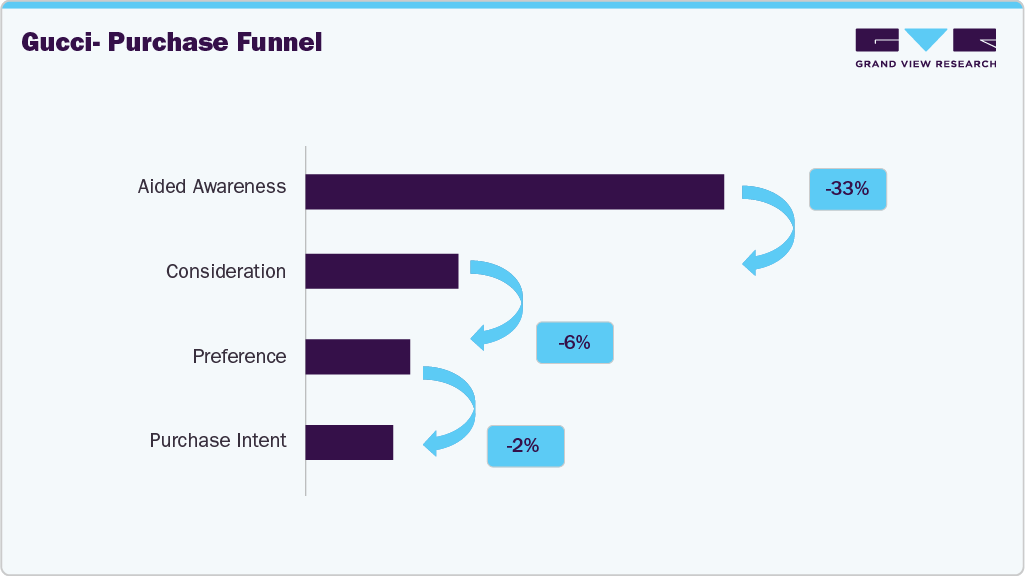
The formal footwear market is very competitive and has seen a lot of global and local brands emerging. Despite the competition, Gucci showcases a great purchase funnel due to its high global presence, association with luxury, and innovative designs. Clarks closely follows Gucci in terms of consideration and purchase intent, but takes the lead in the preference stage. It is worth noting that Clarks has a high repeat purchase trend vs any other prominent brand, driven by good satisfaction levels, where Gucci closely follows. This is mainly due to its reputation for comfort, quality, and timeless style, as well as its ability to adapt to trends and appeal to a broad audience, including through cultural icons and digital marketing.
The overall NPS score of the leading formal footwear brands varies from -44 to 80, with Clarks having the highest NPS score (80) compared to other brands in the U.S. market

Talk to an analyst
Tell us what you need. We reply within one working day.
Service Guarantee
-
Insured Buying
This report has a service guarantee. We stand by our report quality.
-
Confidentiality
Your transaction & personal information is safe and secure.
-
Custom research service
Design an exclusive study to serve your research needs.
-
24/5 Research support
Get your queries resolved from an industry expert.