U.S. Formal Wear Consumer Insights - Usage, Attitudes, And Brand Performance Report
Introduction:
The U.S. formal wear market has evolved from traditional suits to more polished options like unstructured blazers, premium knits, and elevated chinos. Consumers prefer versatile items for office and social occasions. Sustainability is gaining attention, with gender-neutral designs and eco-friendly materials. Social media has made fashion more accessible, reducing the influence of established fashion intermediaries. It is also worth noting that the traditional formal wear industry has experienced slow or no growth at all, due to the pandemic.
Let’s look at some market trends dominating the U.S. formal wear market that brands can leverage:
-
Global Formal Wear Design: Designers incorporate global cultural elements into formal wear collections, transforming evening gowns, suits, and cocktail attire into clothing. This innovative approach, combining modern Western techniques, Peruvian weaving processes, and Chinese silk manufacturing, transcends geographical boundaries and promotes cross-cultural design collaboration, valuing multiple cultural expressions.
-
Wear, Share, Repeat: The U.S. formal wear market is changing, with rental and second-hand platforms becoming mainstream alternatives to traditional purchasing. With some businesses providing unlimited monthly rentals, these platforms provide high-end suits, evening gowns, and designer tuxedos at a fraction of the cost. Sustainability is a major motivator, as each rental may reduce carbon emissions and textile waste. Peer-to-peer marketplaces and luxury consignment services are driving industry growth and establishing a circular economy in formal wear.
-
Hybrid and Versatile Clothing: Formal wear in the U.S. has evolved since the pandemic, with designers producing clothing that is versatile and flexible. Leading U.S. clothing brands are launching designs that can be dressed up or down for various occasions, such as evening attire, convertible dress shirts, and detachable panels. This method embraces a holistic design philosophy that acknowledges the blurring of the lines separating the social and work domains, going beyond simple functionality. The final result is a wardrobe that functions as a multipurpose toolkit for modern American life.
-
Technology-Driven Shopping: The U.S. formal wear retail industry is transforming due to advanced technologies like augmented reality and artificial intelligence. These platforms and major stores are enabling virtual try-on experiences, increasing customer confidence, and reducing return rates. AI-powered style suggestions are used by department stores and luxury businesses to create customized collections.
Methodology:
The insights covered in this report are drawn from GVR’s ‘Voice of Consumer Survey’ and its periodic updates. The latest survey represents 75,000+ consumer interviews conducted across 20 countries for 100+ product categories. These insights are specifically catered to the brands operating in the formal wear industry to guide them in their strategic decision-making process. This report provides insights covering category usage & attitude, buying behavior, brand performance metrics, and brand health indicators of leading players in the U.S. formal wear market.
Chapter 1: Usage and Attitude
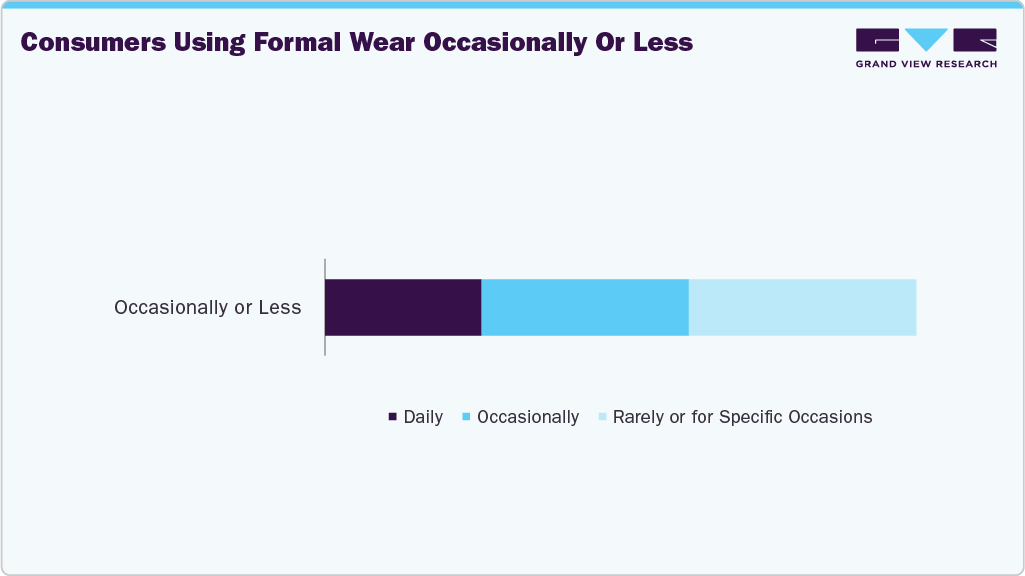
As the preferences shift, the demand for a certain piece of clothing also fluctuates. While companies are embracing a hybrid work culture and an increasing trend towards business casual, the demand for formal wear has shifted from daily attire to occasional wear. This is backed by the analysis that 59% of consumers say they opt for formal wear occasionally or rarely. However, we also see a small proportion of consumers using formal wear daily, as quoted by 21%.
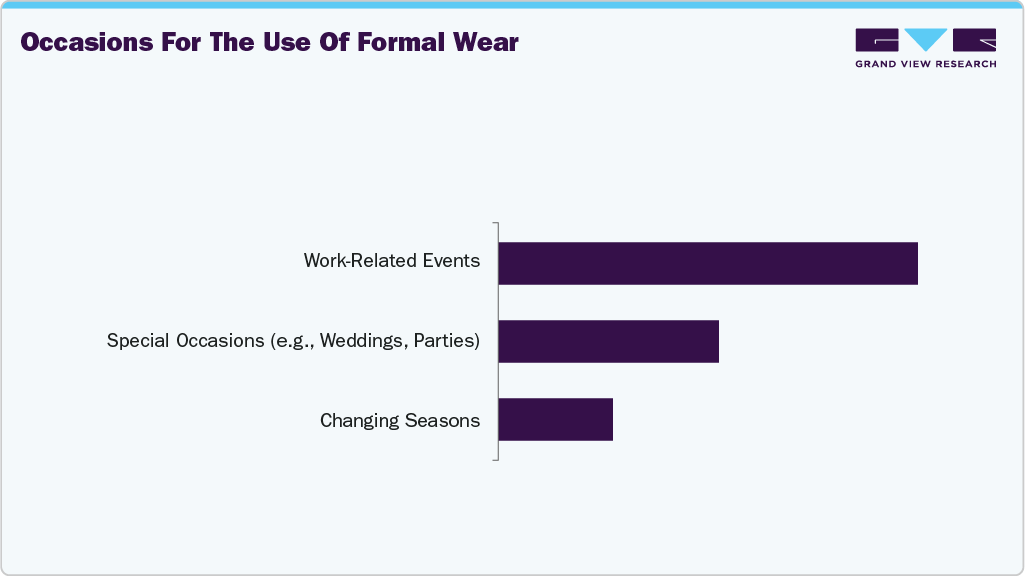
Formal wear is mostly used for work-related events, as mentioned by about 6 out of 10 consumers; however, there is an opportunity to increase its the by encouraging it for other occasions, such as weddings and black-tie events (current usage: 29%). Having said that, consumers associate wearing these clothes with feeling confident. They also like to express personal style and fashion due to the impression it conveys about them to others. However, what might hold them back is the high cost of quality clothing, especially suits made of heavy material and designer brands that offer a luxurious experience. Furthermore, ill-fitting or uncomfortable clothing also acts as a barrier for consumers who decide to spend less and opt for cheaper options.
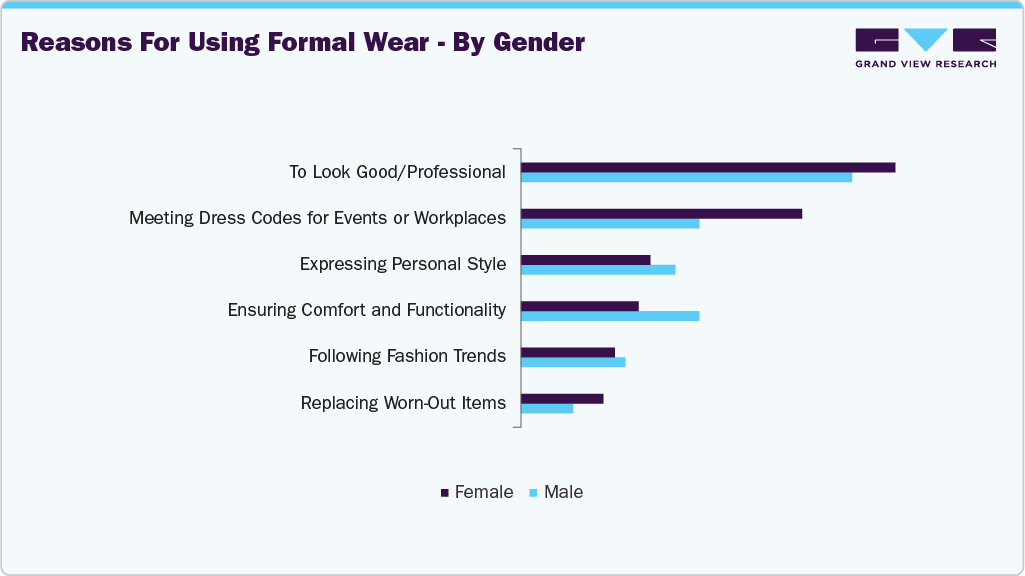
When it comes to reasons for using formal wear, looking professional is the most important reason for both females and males. Meeting dress codes for events or workplaces is the 2nd most important reason for using formal wear again across genders, signifying similarity in their usage behavior towards formal attire. What makes this purchase a delight for consumers is receiving good value for money, finding a comfortable fit paired with quality materials, and its durability and long-lasting construction. However, some aspects need to be addressed, such as the soaring prices for a quality product or a designer piece of clothing, which emerges as a key driver for the audience, and the poor quality and workmanship, which leads to dissatisfaction among consumers who are very particular about the quality.
Buying Behavior
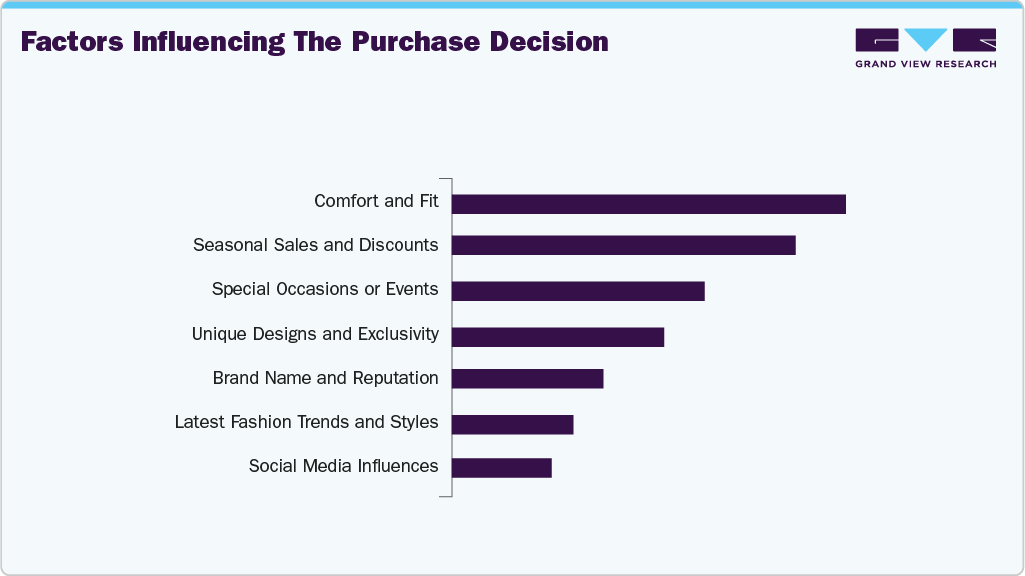
Consumers seek specific information, especially about the comfort offered and the accuracy of the fit, before buying formal wear. Price and perceived longevity are also critical, especially as many consumers now buy formal clothing only every two years due to infrequent use, since formal wear is worn only at work-related events.
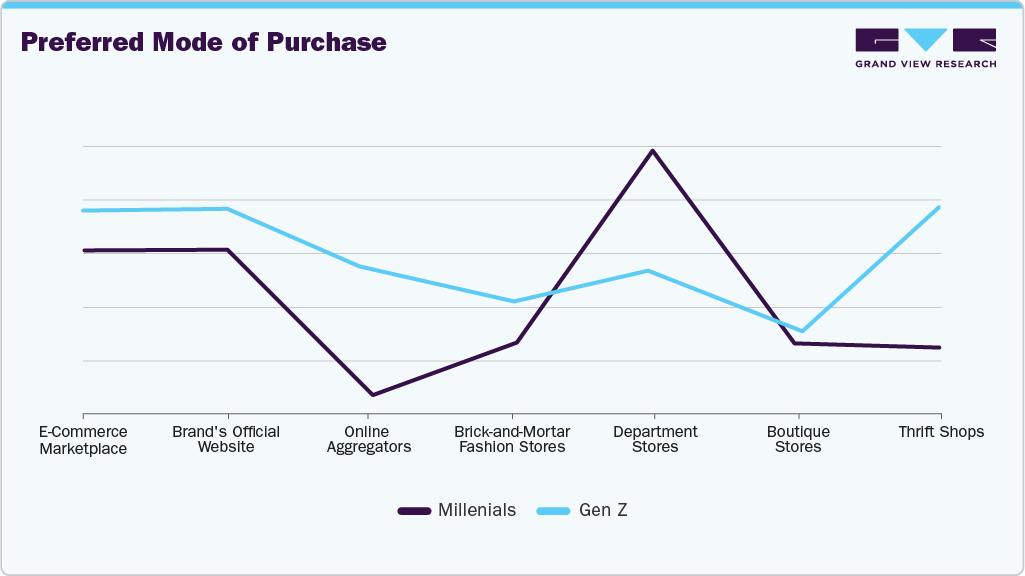
Department stores are the preferred place to buy formal wear for Millennials. At the same time, Gen Z assigns equal importance to e-commerce marketplaces, brands’ official websites, and thrift shops, indicating that the younger generation leans more towards time- and cost-saving purchases, such as going online or buying second-hand products/clothes. Whereas Millennials assign more importance to in-person shopping and getting an experience through physical stores.
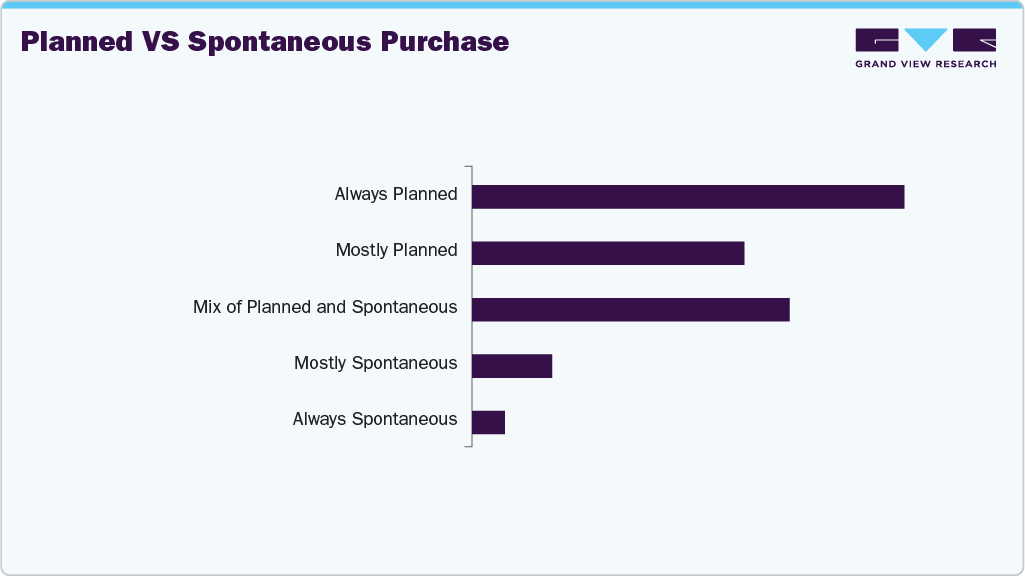
As expected, formal wear belongs to a more planned purchase category since the frequency of purchase and usage itself is less often, and 6 out of 10 people say their purchase is planned, out of which 38% of consumers say it is always planned. Furthermore, 28% of consumers prefer a mix of spontaneity and a well-thought-out purchase. Only about 10% of the population has displayed spontaneity in their purchase behavior. And what triggers this spontaneity among consumers is the ongoing seasonal sales or the offer of good discounts, compelling them to make a purchase.
While sales drive spontaneous purchases, they also play a significant role in planned purchases. Also, with the shifts in priority and demand accordingly, consumers lean towards a trendy design without compromising their comfort, one of the key influencing factors acting as an immediate trigger for purchasing formal wear clothes is the comfort offered, as a significant number of consumers have selected these as their main drivers in decision making. Another driver is having a special occasion or event to attend, which influences their purchase decision. It is important to examine the barriers to purchasing a product to address these gaps and encourage stronger purchase intent. Some of these are high prices for quality items, as expected, and difficulty in finding the right size and fit.
Lastly, more than 8 in 10 consumers are moderately to highly conscious about the brand of formal wear they use. They decide by reading online reviews and ratings from current or past users, as well as the promotion strategies used by these brands.
Brand Power Play (Brand Health and Performance)
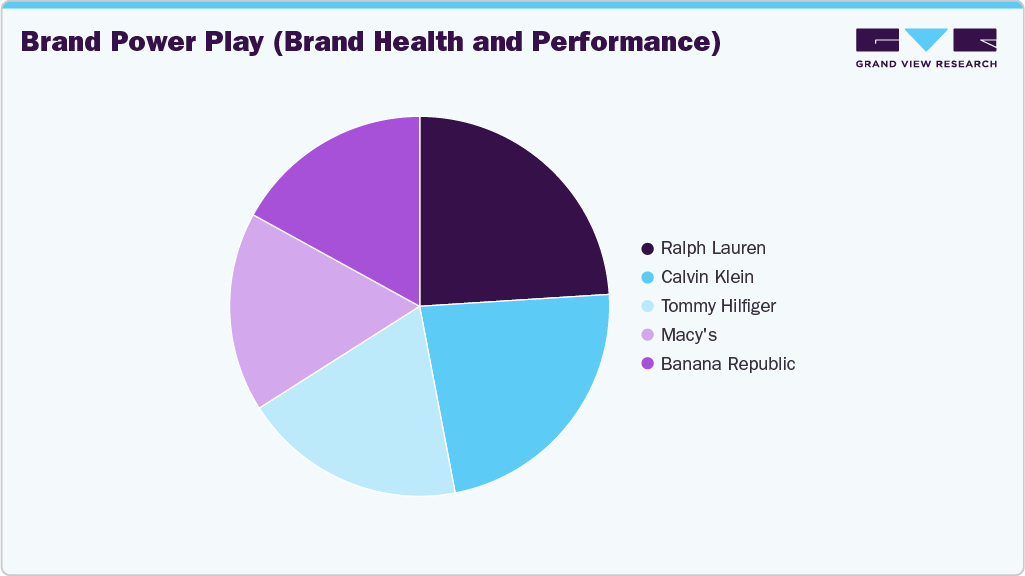
Some of the popular brands with formal wear in the U.S. include Ralph Lauren, Calvin Klein, Tommy Hilfiger, Macy’s, and Banana Republic. Although the formal wear market is undeniably competitive and large, Ralph Lauren and Calvin Klein dominate the market with more than 50% share (by awareness).
Purchase Funnel
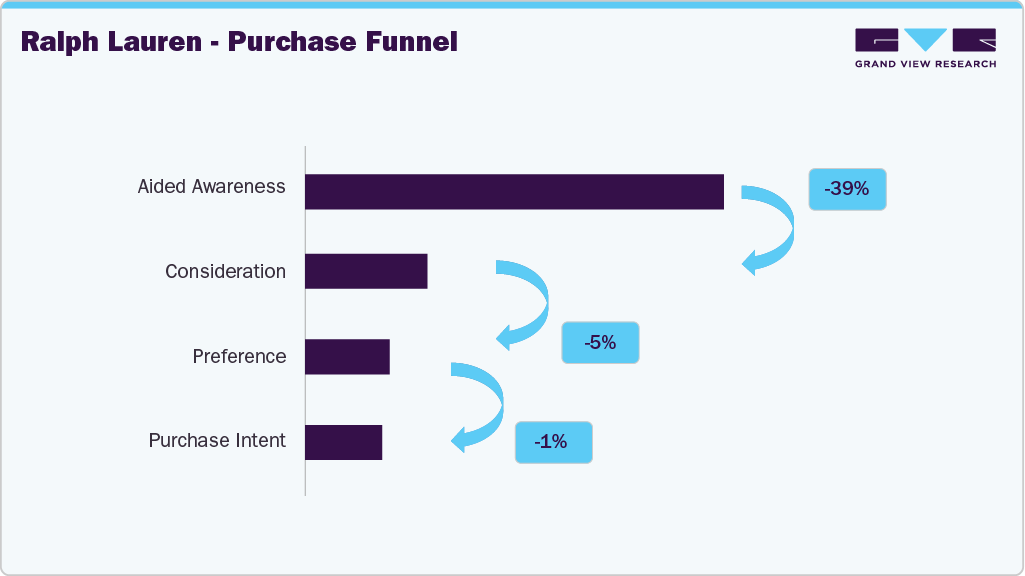
While many brands manufacturing formal wear enjoy high awareness in the U.S., it is a competitive path to purchase intent and, ultimately, usage. Thus, not all brands successfully climb up the ladder, and some of the prominent brands make it to the list. Ralph Lauren is one of the brands that exhibit a strong purchase funnel despite having a significant drop from awareness to consideration. Although Macy’s has lower awareness than other key brands, Calvin Klein and Tommy Hilfiger, it emerges as a strong competitor in terms of consideration, surpassing these brands and closely following Ralph Lauren. Similarly, it shows promising performance in terms of preference and purchase intent. It is worth noting that it surpasses even Ralph Lauren in terms of usage, providing tough competition. This can be attributed to Macy’s high repeat-purchase rate compared to other brands, driven by high consumer satisfaction levels post-usage.
The overall NPS score for the leading brands ranges from -13 to 50, and Tommy Hilfiger has the highest (50).

Talk to an analyst
Tell us what you need. We reply within one working day.
Service Guarantee
-
Insured Buying
This report has a service guarantee. We stand by our report quality.
-
Confidentiality
Your transaction & personal information is safe and secure.
-
Custom research service
Design an exclusive study to serve your research needs.
-
24/5 Research support
Get your queries resolved from an industry expert.