U.S. Gaming Console Consumer Insights - Usage, Attitudes, And Brand Performance Report
Introduction:
Three big companies dominate the U.S. gaming console market: Nintendo's Switch, Microsoft's Xbox, and Sony's PlayStation. The credit lies with their gorgeous graphics, quicker load times, and more immersive features like real-time hepatic feedback while playing games on the console. The PlayStation 5 and Xbox Series X/S, which were released in late 2020, represent the latest generation of high-performance gaming systems. With services like Xbox Game Pass and PlayStation Plus giving users access to hundreds of games for a monthly charge, online gaming has surpassed traditional gaming as the most popular form of entertainment. Because the PlayStation and Xbox have built-in capabilities, they allow players to access top-notch games without having to spend a lot of money on pricey hardware like a decent GPU, mouse, keyboard, and processors. To play games on a larger screen, consumers primarily link their Xbox and PlayStation to televisions. With consoles acting as complete entertainment systems for streaming, social connection, and multimedia consumption, gaming has transformed from a specialized pastime to a popular form of entertainment, with a lot of consumers also participating professionally to earn a living. Let’s dive into some trends shaping the industry:
-
Transition to Next-Gen Consoles: Next-generation consoles are focusing on faster loading times, higher resolution graphics, real-time feedback while gaming, and improved flexibility with devices to attract both new and existing gamers. The industry is transitioning from previous generations, such as the PS4, to newer consoles, such as the PS5 and Xbox Series X.
-
Subscription Services and Cloud Gaming: Services like Xbox Game Pass aim to revolutionize gaming by offering access to a vast library of games through monthly or yearly subscriptions, allowing high-end gaming experiences on lower-powered devices. Digital game downloads have completely overtaken physical game sales, with consumers preferring instant access and reduced storage needs.
-
Integration of VR and AR: There is increasing adoption of virtual reality (VR) and augmented reality (AR) technologies, especially with consoles such as PlayStation VR, enhancing the immersive gaming experience. VR headsets such as the PlayStation VR2 have seen significant changes in resolution, field of view, and motion tracking, offering players a more lifelike and interactive gaming environment. As hardware continues to improve, VR and AR adoption is expected to grow, further shaping the future of console gaming.
Methodology:
The insights covered in this report are drawn from GVR’s ‘Voice of Consumer Survey’ and its periodic updates. The latest survey represents 75,000+ consumer interviews conducted across 20 countries for 100+ product categories. These insights are specifically catered to the brands operating in the gaming console industry in order to guide them in their strategic decision-making process. This report provides insights covering category usage & attitude, buying behavior, brand performance metrics, and brand health indicators of leading players in the U.S. gaming console market.
Chapter 1: Usage and Attitude
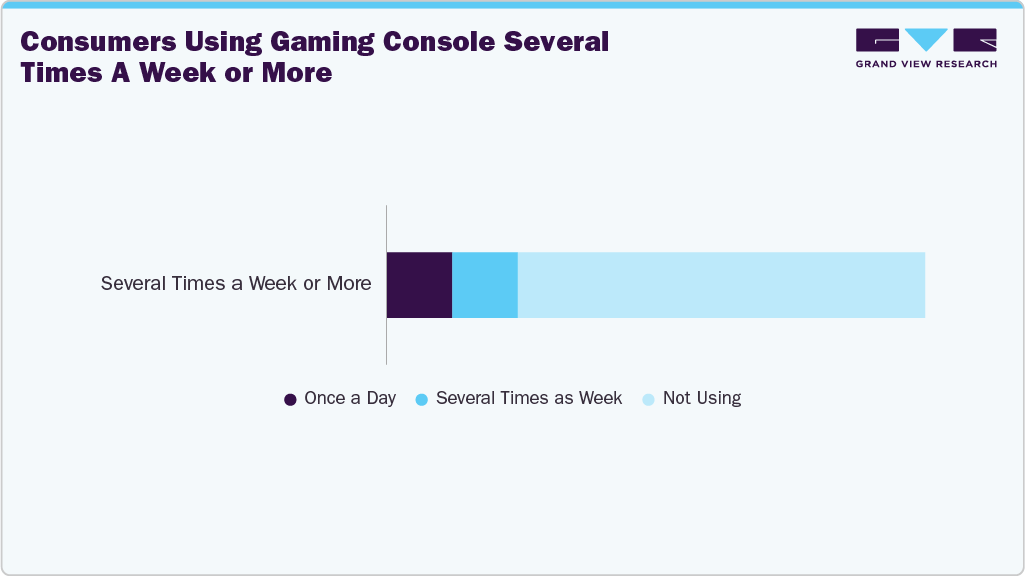
While the gaming console industry is booming, a significant portion of consumers do not own or use one, for reasons such as a lack of interest in gaming, preferring other devices like a PC, or cost concerns. With that in mind, evidently, a small proportion of consumers utilize the Gaming Console a few times a week or more.
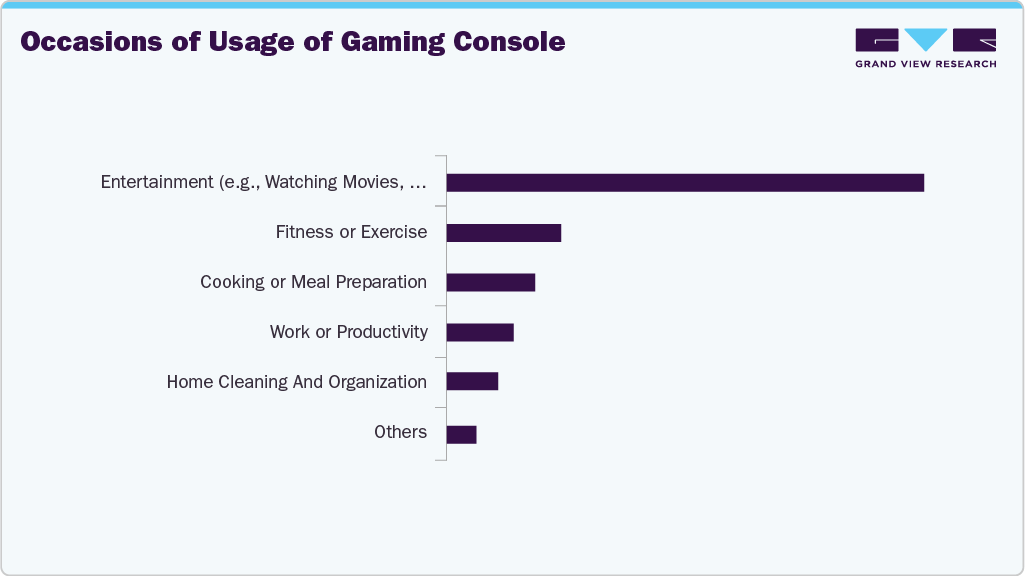
Gaming consoles are primarily used for entertainment, with about 8 out of 10 consumers citing this as their primary occasion of use. Beyond gaming, 15% of users are now utilizing consoles for fitness and exercise, taking advantage of interactive fitness games and workout apps. This shift reflects the growing trend of blending entertainment with health, allowing people to stay active while enjoying their favorite games.
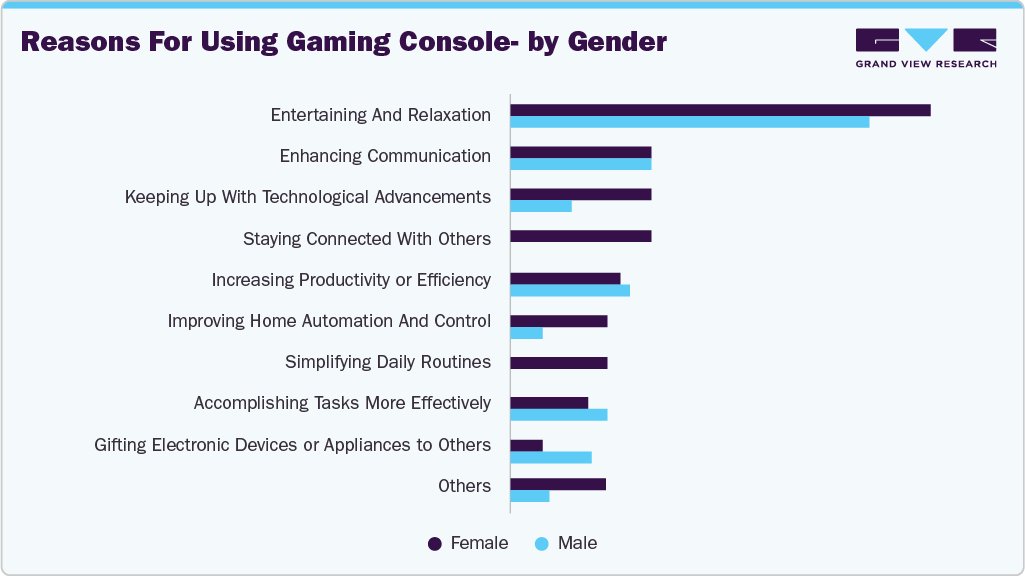
When it comes to reasons for using a gaming console, entertainment acts as a key driver for both females and males, providing an enjoyable escape from daily routines. Further, enhancing communication while gaming with platforms like Discord and TeamSpeak is another significant reason for both males and females, as it fosters connection and collaboration with friends or teammates. Additionally, the ability to access a wide range of games and content makes gaming consoles a versatile source of both fun and social interaction.
A common concern with gaming consoles is the high cost of premium models and the latest technology. Features like 4K resolution, high-speed processing, and VR compatibility can drive up the price, making them unaffordable for some buyers. Another issue is the high cost of features that may not be fully utilized, such as exclusive online services or extra storage. This can lead to frustration if consumers feel they’re not getting full value from the product. In today’s market, buyers are seeking consoles that balance performance and affordability. Meeting these needs is essential for appealing to a wider range of customers.
Buying behavior
Before buying a gaming console, customers consider the product’s performance and reliability. Customers rank product performance and reliability as one of the primary determining criteria when purchasing a gaming console; therefore, companies that prioritize this area will likely have an advantage over their competitors. The second is determining if the purchase is value for money and pricing, in line with the current market situation. Technological Features and Innovations are the final crucial piece of information that buyers look for. The majority of buyers choose to buy gaming consoles once every five years because of their shelf life and the cost associated.
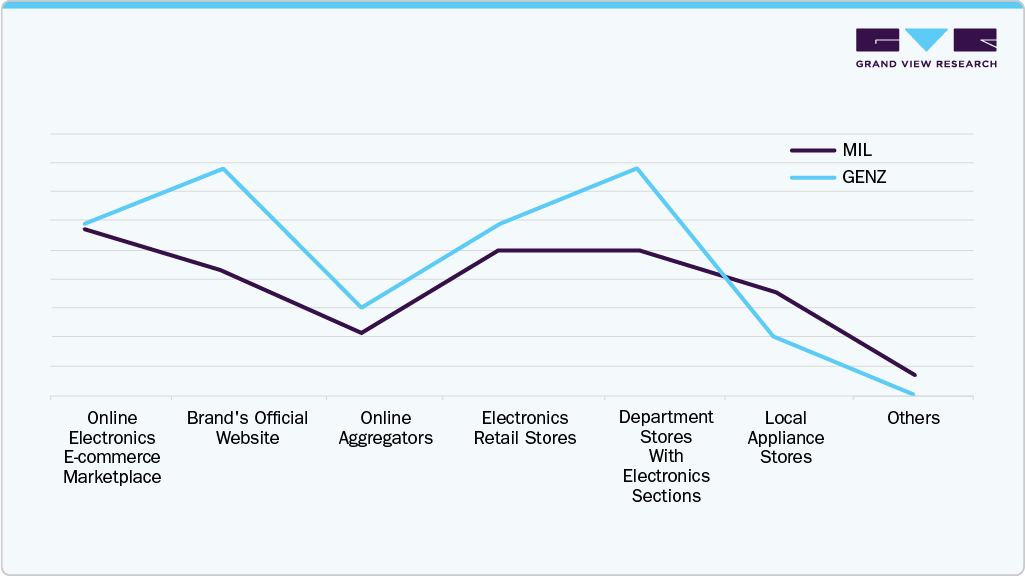
When it comes to the mode of purchase, e-commerce marketplaces are the most common mode. However, when looking into how the younger generation is behaving, a brand’s official website, stores & departmental stores are a go-to place for Gen Z, and Millennials prefer online electronics e-commerce marketplaces.
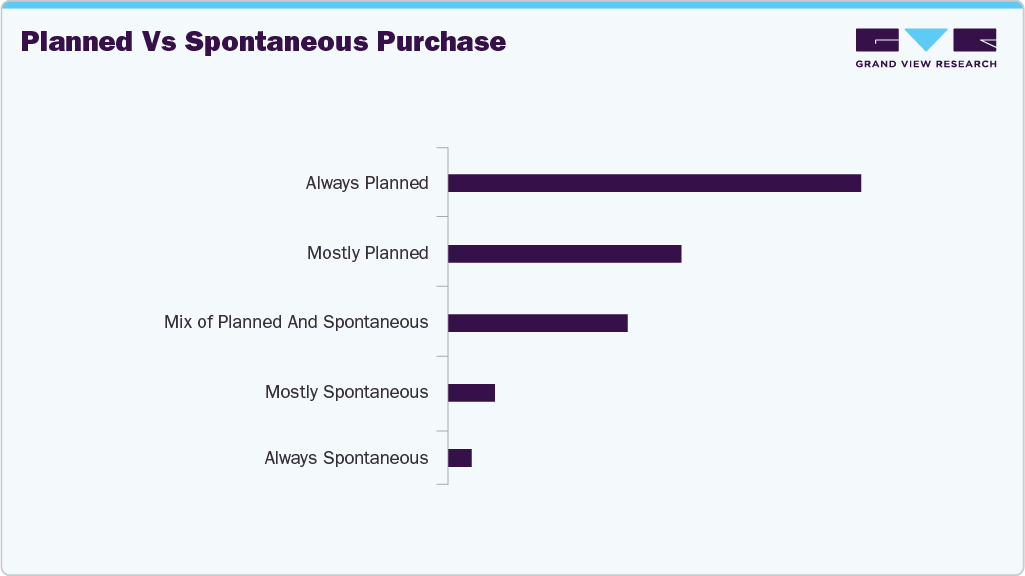
Mostly planned purchases account for 71% of consumer behavior, indicating that a significant portion of buyers prefer to make well-thought-out decisions before committing to a purchase. Although only a small percentage of people buy a gaming console impulsively, many do so when the prices are lower, or when there is an urgent need to upgrade or replace older devices. This highlights how consumers are more likely to make a deliberate purchase when they see a good deal or feel their current console is outdated, making it easier for them to justify the investment.
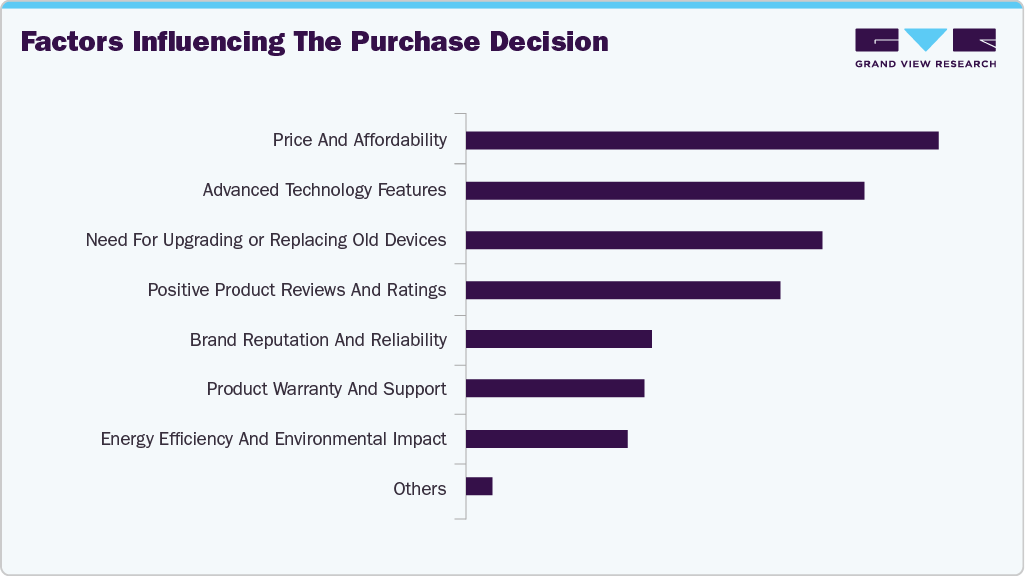
Price and affordability play a significant role in consumer behavior, with 44% of even planned or general gaming console purchases being triggered by sales, discounts, and offers that reduce the overall cost. This shows that even for impulse buys, consumers are prioritizing affordability, especially in price-conscious markets. In addition to this, 37% of immediate purchases are driven by the appeal of advanced technology features, as consumers increasingly seek consoles with new, cutting-edge capabilities and multi-functionality. This highlights that while price is a key motivator, consumers are also willing to invest in consoles that offer the latest advancements to enhance their gaming experience.
Brand Power Play (Brand Health and Performance)
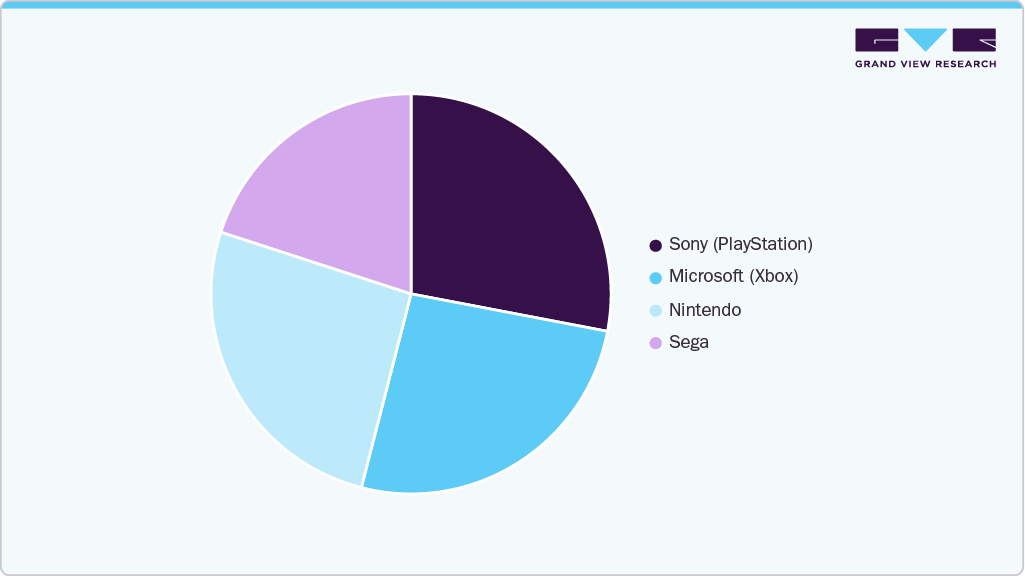
Some of the popular gaming console brands in the U.S. include Sony (PlayStation), Microsoft (Xbox), Nintendo, and Sega. Although the gaming industry is slightly competitive, Sony (PlayStation) dominates the market with 79% market share (by awareness) due to the popularity of its PlayStation franchise, the availability of exclusive games, and its reputation for innovation and quality.
Purchase Funnel
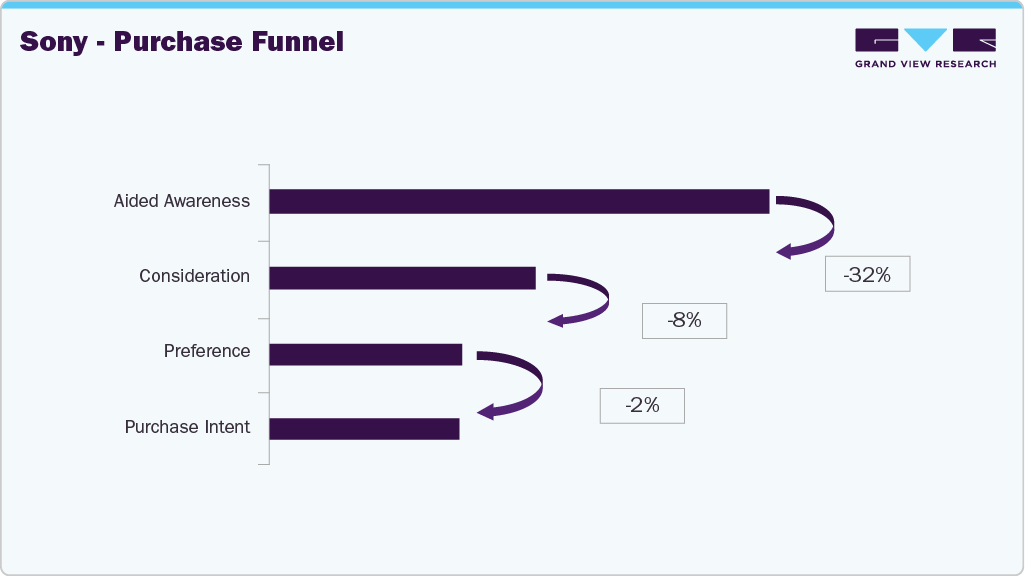
A few of the well-known gaming console makers in the U.S. have moved beyond the stage where they are merely preferred and taken into account. Sony (PlayStation), one of the prominent companies with a strong purchase funnel, has seen significant declines at most stages of the funnel, yet stands tall in the competition. Brands like Microsoft and Nintendo might increase the proportion of customers who convert from consideration to purchase by offering discounts or expanding their product lines to a larger market. Prominent companies such as Microsoft and Sony should concentrate on preserving their market dominance by consistent pricing, quality, and effective marketing. Because of its well-known brand and high conversion rate to actual purchases, Microsoft Xbox is a strong competitor in the industry.
While the overall NPS score of the leading brands varies from 0 to 63, Sony (PlayStation) leads the gaming console industry with the highest NPS score (63) compared to other prominent brands in the U.S. market.

Talk to an analyst
Tell us what you need. We reply within one working day.
Service Guarantee
-
Insured Buying
This report has a service guarantee. We stand by our report quality.
-
Confidentiality
Your transaction & personal information is safe and secure.
-
Custom research service
Design an exclusive study to serve your research needs.
-
24/5 Research support
Get your queries resolved from an industry expert.