U.S. Haircare Products Consumer Insights - Usage, Attitudes And Brand Performance Report
Introduction:
The U.S. haircare industry is rapidly growing and evolving, and continues to be dynamic, mainly driven by changing consumer preferences and technological innovations, as an increasing number of consumers show interest and are adopting a multitude of haircare products. Growing emphasis on personalization, clean ingredients, sustainability, and technology, while maintaining growth in established markets and expanding into new ones, has increased demand for haircare products. With the ongoing trend of personal grooming and wellness, men’s grooming products, including haircare, are becoming a significant segment, with a rise in male-focused products like styling gels, shampoos, and growth treatments. With these ever-evolving consumers’ needs and the influence of social media, here are some trends that stuck with consumers:
-
Clean Beauty & Sustainability: The clean beauty movement and awareness surrounding animal testing, consumers are prioritizing cruelty-free products that use natural ingredients and come with recyclable or eco-friendly packaging to minimize wastage.
-
Scalp Care: Consumers have been learning how maintaining scalp health can lead to healthier, thicker hair, and brands have been leveraging that by introducing products that promote scalp balance. We also see a rise in products for scalp exfoliation, such as scrubs and chemical exfoliators. These products are designed to address specific hair problems such as oily scalp, product buildup, etc.
-
Tech Integration: Many brands have introduced several tools that can be used at home to reduce hair fall or promote hair growth. These tools integrate advanced technology such as LED therapy, doing scalp and hair analysis to determine scalp health, and using less heat for styling hair are becoming more popular.
-
Hair Wellness: Having a proper hair care routine is being popularly linked with wellness, promoting better hair health. Thus, consumers want products that provide shine and softness to their hair. Also, there are supplements available in the market that claim to prevent hair fall, boost hair strength.
-
Clean Ingredients Over Luxury: The clean beauty movement has encouraged consumers to be more conscious of the ingredients present in a product, thus moving away from a purely luxury-driven purchase to a more ingredient-conscious purchase. The awareness around the harmful effects of sulfates and silicones in hair care products has also urged brands to introduce a silicone/sulfate-free range of products.
Methodology:
The insights covered in this report are drawn from GVR’s ‘Voice of Consumer Survey’ and its periodic updates. The latest survey represents 75,000+ consumer interviews conducted across 20 countries for 100+ product categories. These insights are specifically catered to the brands operating in the haircare industry to guide them in their strategic decision-making process. This report provides insights covering category usage & attitude, buying behavior, brand performance metrics, and brand health indicators of leading players in the U.S. haircare market.
Chapter 1: Usage and Attitude
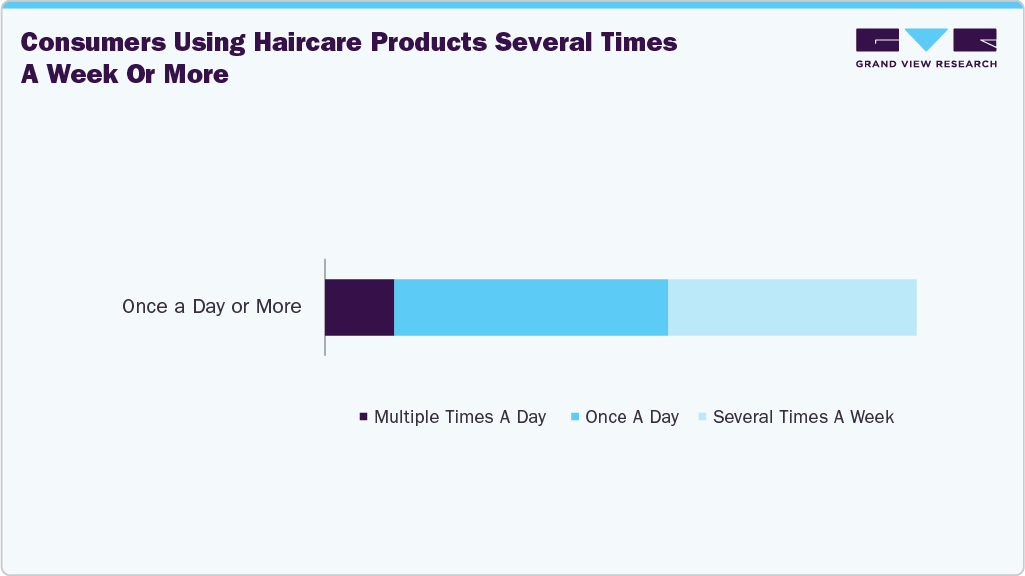
U.S. consumers display a growing awareness of hair health and wellness, and the importance of scalp treatments. Consumers are increasingly prioritizing self-care routines more often, as 76% of consumers use hair care products several times a week or more, and 38% of consumers say they use hair care at least once a day. And they prefer to use the haircare products exclusively for personal use.
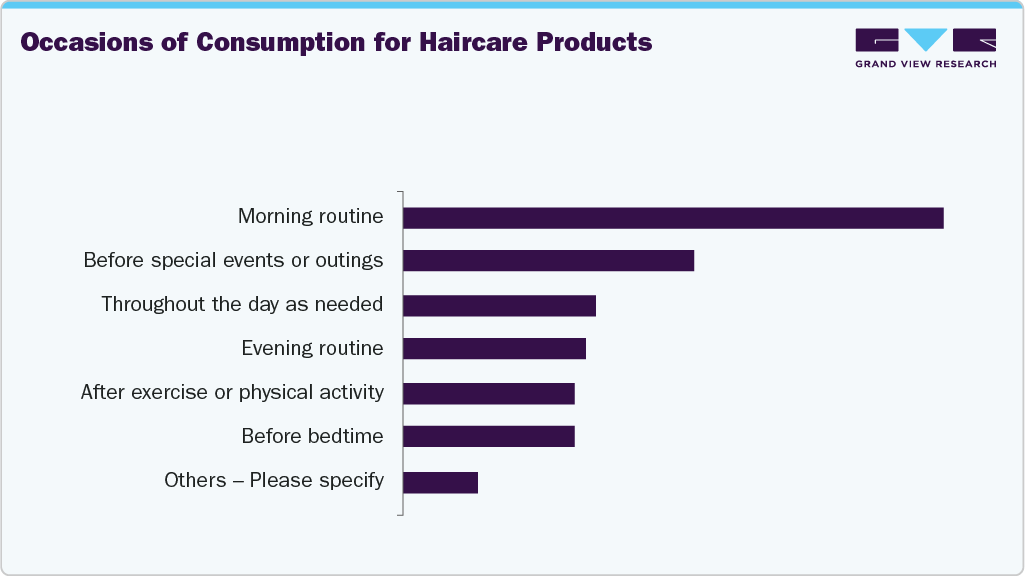
Haircare products are mostly used as a part of morning routine, as mentioned by about 5 out of 10 consumers; however, there is an opportunity to enhance the consumption of haircare products by encouraging product usage on other frequencies, like evening routine (current usage 17%), and before bedtime (current usage 16%). Having said that, consumers associate using these products with having a haircare routine, introducing some consistency and pattern in their daily routine. They also feel rejuvenated and have enhanced self-confidence due to a better appearance after using a haircare product. However, what might hold them back is the high price of haircare products and potential harm from the chemicals present in them.
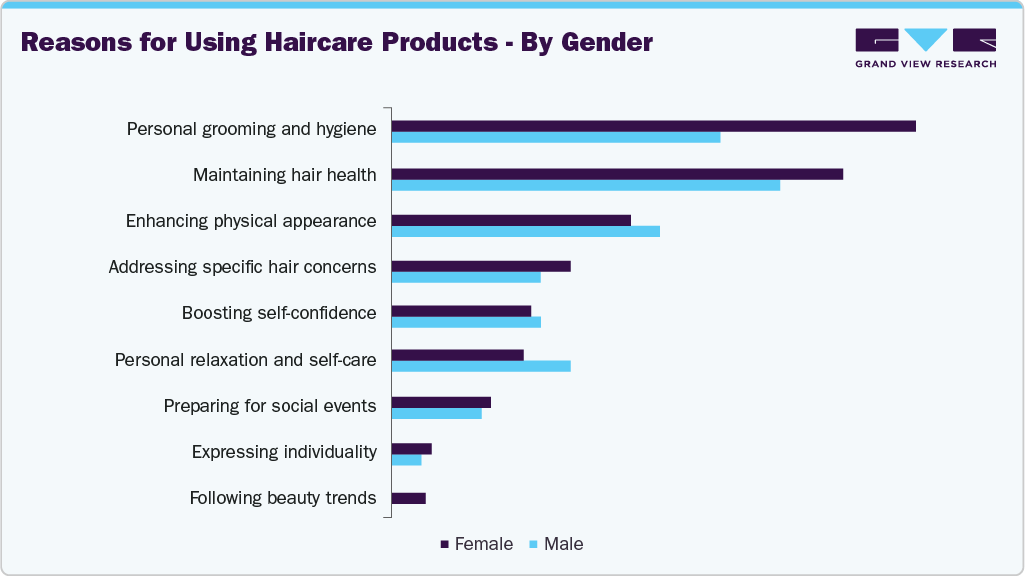
When it comes to reasons for using haircare products, personal grooming and hygiene are the most important reasons for females. However, for males, it is maintaining hair health first, and then personal grooming. Enhancing physical appearance is the 3rd most significant reason for using haircare products for both genders. What makes this purchase a delight are the visible improvements after using these products, ease of use, and hair-friendly ingredients. Brands still have a gap to fill when it comes to the affordability of these products and the presence of any irritating ingredients that might do more harm than good to their hair and scalp, leading to dissatisfaction among consumers.
Buying Behavior
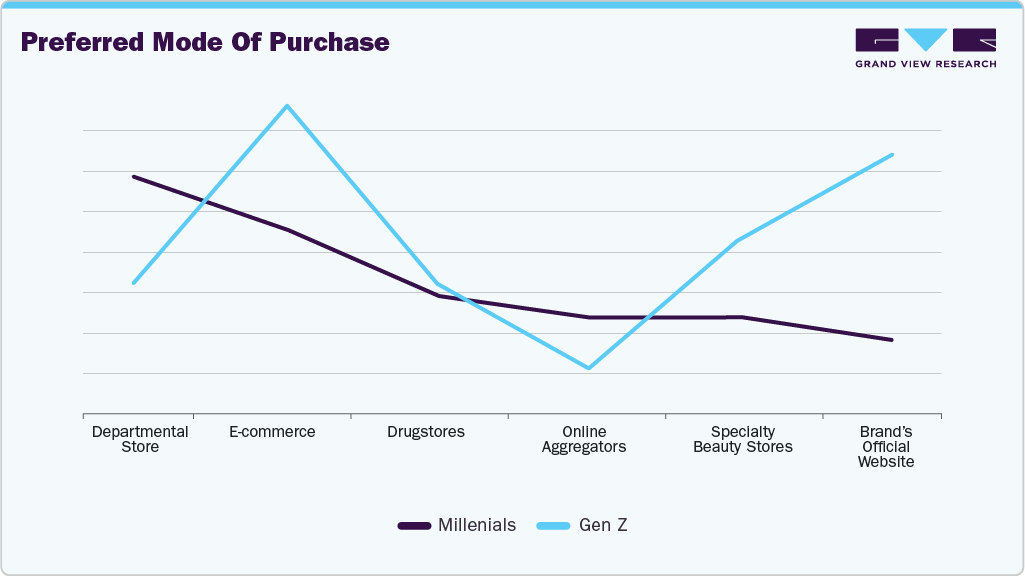
The key and initial step in purchasing a product is the accumulation of certain information about the same to make an informed decision. These most sought-after points are pricing or affordability, given the presence price price-conscious consumers in light of increasing prices and growing recession. Next is the quality and effectiveness of the product, followed by brand reputation and trustworthiness. Since haircare products generally have higher volume offerings and last for a longer duration, consumers prefer to buy them once a month. Departmental stores are the most preferred mode of purchasing for millennials, whereas ‘e-commerce platforms’ are more popular among Gen Z when it comes to preference of mode of purchase for haircare products; however, the two generations assign somewhat similar significance to drugstores.
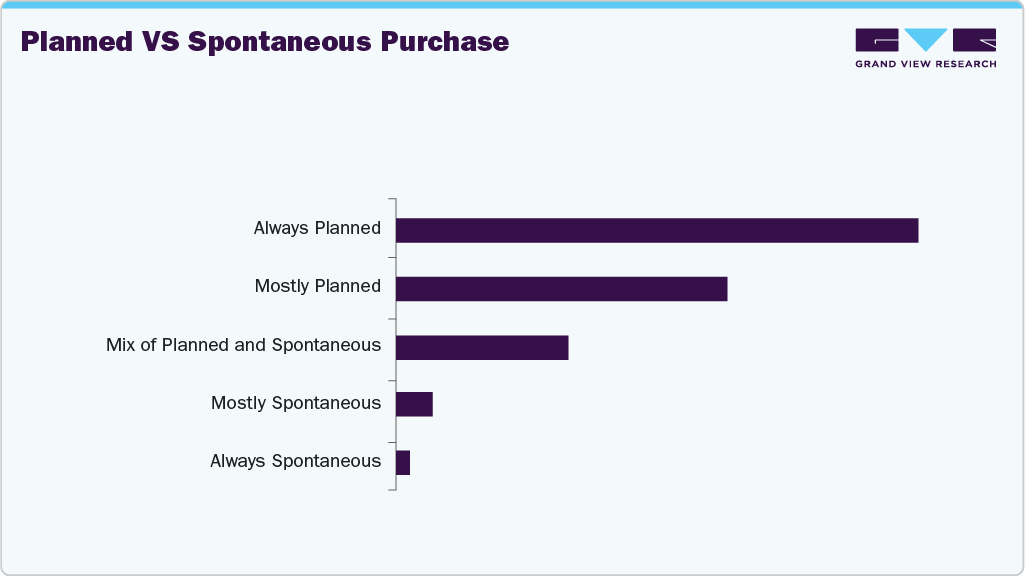
We can confidently state that haircare belongs to a more planned purchase category, as 5 out of 10 people say their purchase is always planned, whereas 31% of consumers quote it is mostly planned. Only about 4% of the population has displayed spontaneity in their purchase behavior. Although a very small portion of the population spontaneously purchases a haircare product, it is largely driven by prices or discounts being offered then, such as events, seasonal sales, which offer products at very low prices, thus compelling consumers to make an unplanned purchase. Next is product recommendation, which can largely come from social media, thus having a great influence on the audience to try a product.
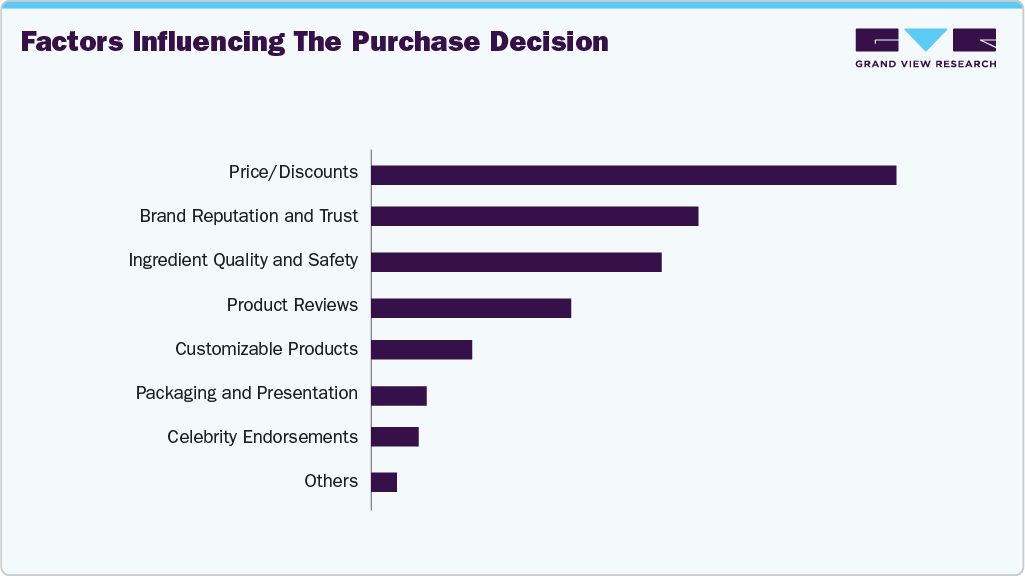
The key influencing factors acting as an immediate trigger for haircare purchase are ‘price/discounts’ and ‘brand reputation/trust’, as more than 6 out of 10 people have selected these as the main drivers. Also, while celebrity endorsements do help to increase the awareness of the brand, they play a lesser role in actual product purchase. Having said that, with the growing demand, some barriers take place in purchasing a product, such as not being able to find a suitable product for a specific hair type or concern, identifying products without harmful chemicals, and products that cause skin irritation or trigger some allergies. Also, 7 in 10 consumers are moderately to highly conscious about the brand of haircare they use as the awareness levels around clean beauty increase, which can hinder consumers from choosing a product without sustainable ingredients.
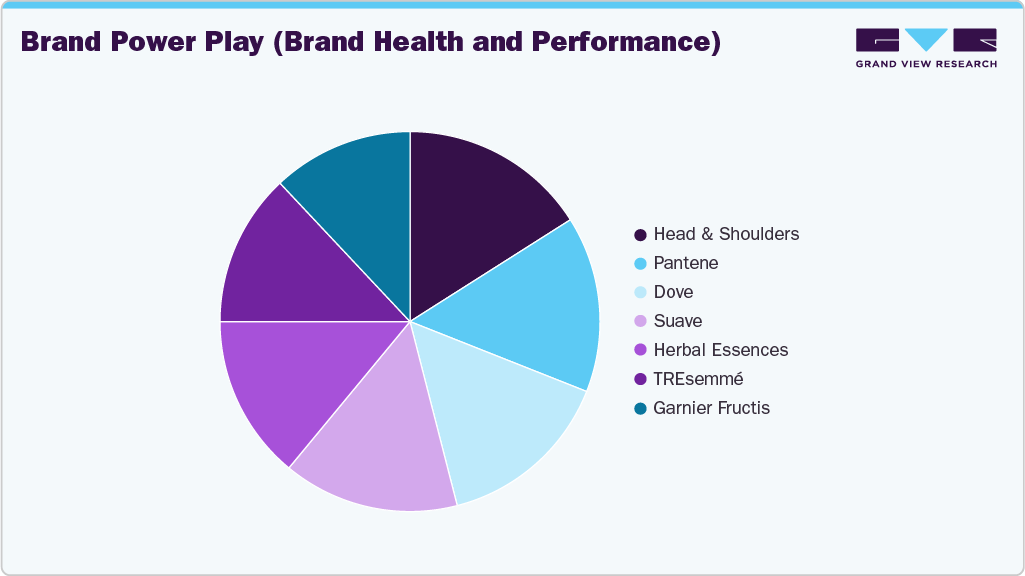
Brand Power Play (Brand Health and Performance)
Some of the popular haircare brands in the U.S. include Head & Shoulders, Sauve, Dove, Pantene, Herbal Essence, Tresemme, and Garnier Fructis. Although the haircare industry is saturated, Head & Shoulders dominates the market hold by a 70% market share (by usage). Some of the other emerging brands are Neutrogena and L’Oréal Paris, slowly making their way into the haircare market.
Purchase Funnel
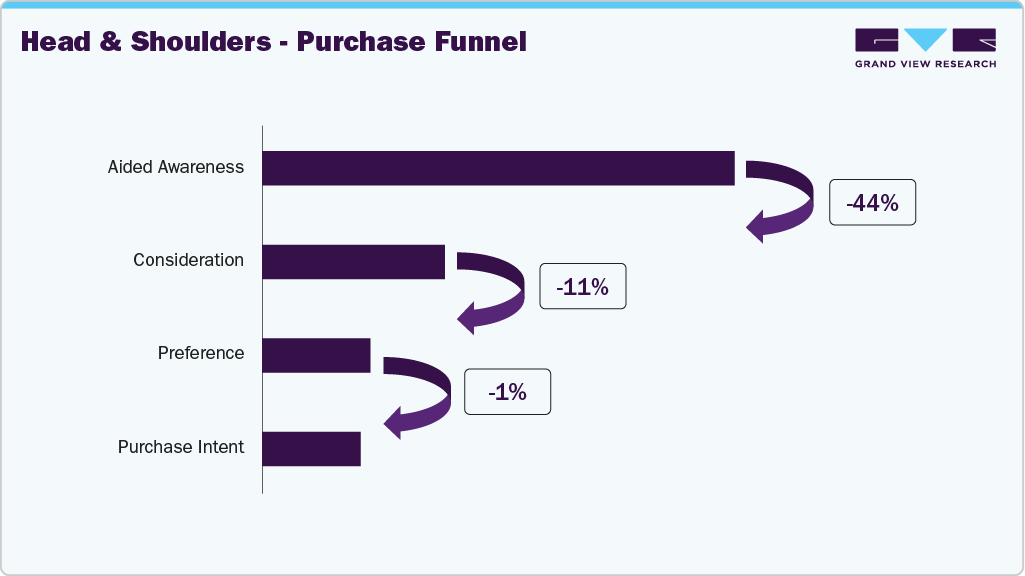
While many haircare brands enjoy high awareness in the U.S., very few make it to the consideration and preference stage. H&S is one of the prominent brands that exhibits a strong purchase funnel despite having significant drops at each step of the funnel. In terms of consideration, a brand that very closely follows H&S is Dove, which has the same consideration levels, followed by Pantene and Sauve. However, when it comes to preference and usage, Sauve, Dove, and Pantene enjoy better preference levels and usage, and H&S very closely follows. Lastly, purchase intent for H&S and Sauve is significantly higher than for other brands in the market. It is worth noting that H&S has a high repeat purchase trend vs any other brand, depicting brand loyalty, which is driven by prominent satisfaction levels among consumers post usage.
While the overall NPS score of the leading brands varies from 24-71, Sauve leads with the highest NPS score (71) compared to other leading brands.

Talk to an analyst
Tell us what you need. We reply within one working day.
Service Guarantee
-
Insured Buying
This report has a service guarantee. We stand by our report quality.
-
Confidentiality
Your transaction & personal information is safe and secure.
-
Custom research service
Design an exclusive study to serve your research needs.
-
24/5 Research support
Get your queries resolved from an industry expert.