U.S. Hand Care Products Consumer Insights - Usage, Attitudes And Brand Performance Report
Introduction:
U.S. consumers are increasingly associating hand care with skin care, driven by changes in consumption patterns and an increase in disposable income. Additionally, since the COVID-19 pandemic, consumers have washed their hands more frequently and used sanitizers more often. Due to the presence of alcohol in sanitizers and sulfates in soaps, skin dryness has been emerging as a concern. Also, people with eczema engaging in these activities are more prone to irritation and dryness. To overcome such problems, various hand care brands are introducing products with ingredients like Shea Butter and Cocoa Butter to help with moisturization of the skin, as well as glycerin and aloe vera to hydrate the skin, especially for people with eczema. With that in mind, the hand care industry is booming, thanks to the convenience of e-commerce platforms as well. Here are some of the market trends prevailing in the U.S. hand care market:
-
Health and Wellness Awareness: Consumers are more focused on maintaining skin health and nourishment by using hand care products with added health benefits and ingredients like vitamins and antioxidants. Consumers are paying more attention to overall well-being by demanding organic, cruelty-free, and sustainable products.
-
Product Innovation: Consumers are looking for more personalized hand care experiences.Brands are introducing new hand care products for individual needs with specialized ingredients like turmeric and multifunctional benefits, like hand creams with added SPF for sun protection, sanitizers that hydrate and cleanse, or hand balms with oils.
-
Aesthetic Treatments: There is a rising interest in aesthetic treatments for hands, such as laser treatments and peels, to address signs of aging hands, reflecting the broader trend of comprehensive skincare.
-
E-commerce Growth: The ease of online purchase continues to grow in the U.S. hand care market as consumers are price-conscious and opt to purchase hand care products through e-commerce platforms like Amazon and Walmart because of the discounts and offers they provide. The rise of personalized experiences and subscription services, combined with the influence of social media, is reshaping the way consumers engage with products.
Methodology:
The insights covered in this report are drawn from GVR’s ‘Voice of Consumer Survey’ and its periodic updates. The latest survey represents 75,000+ consumer interviews conducted across 20 countries for 100+ product categories. These insights are specifically catered to the brands operating in the Hand Care industry to guide them in their strategic decision-making process. This report provides insights covering category usage & attitude, buying behavior, brand performance metrics, and brand health indicators of leading players in the U.S. hand care market.
Chapter 1: Usage and Attitude
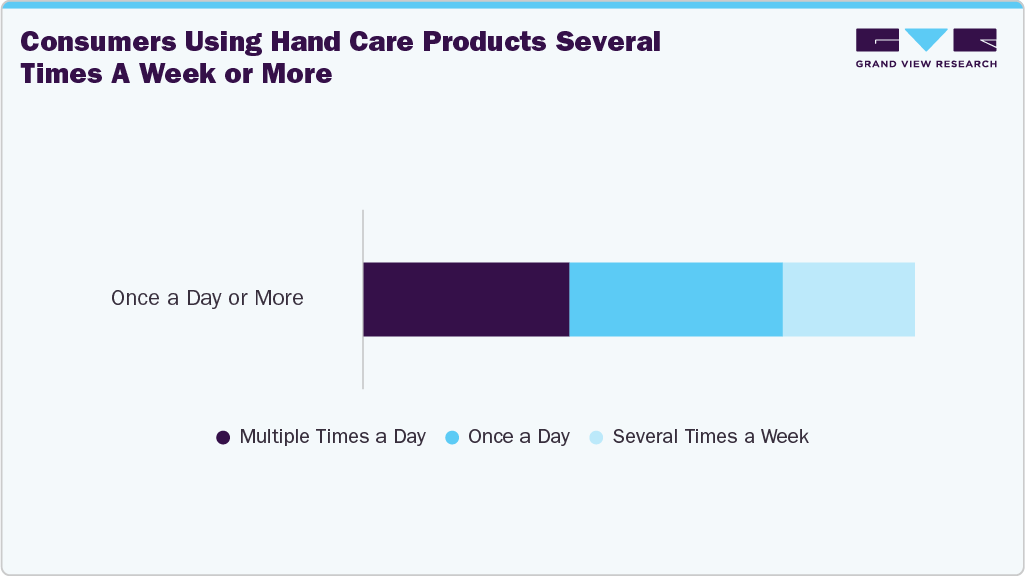
Consumers are increasingly including hand care products in their routine, as more than 7 out of 10 consumers use hand care products several times a week or more, out of which 30% of consumers say they use hand care products multiple times a day. It is also important to note that they prefer to use the hand care products exclusively for themselves.
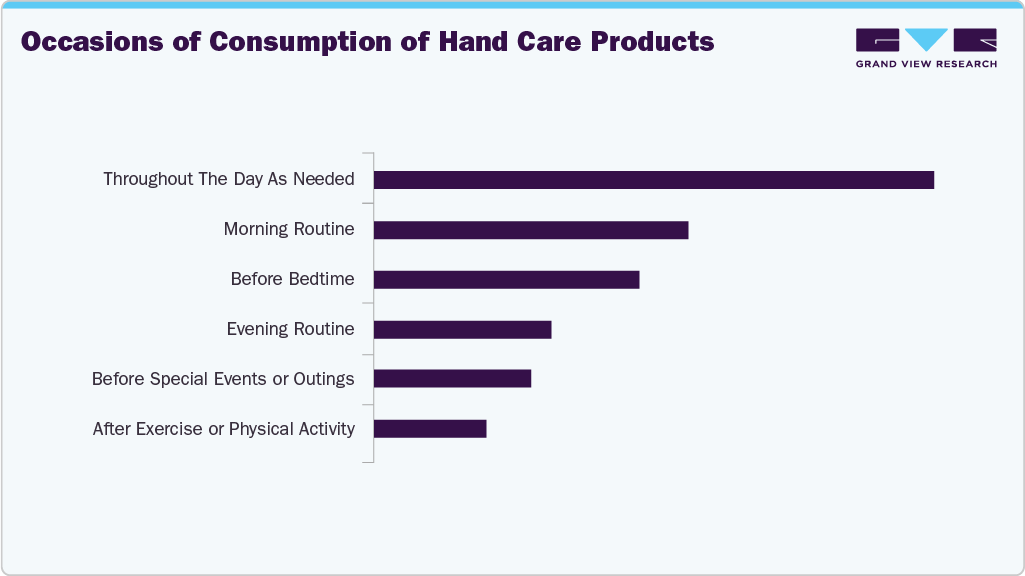
Hand care products are mostly used throughout the day, as mentioned by about 5 out of 10 consumers; however, there is an opportunity to improve the consumption of hand care products by encouraging product usage on other frequencies, like morning routine (current usage 24%) and before bedtime (current usage 20%). Having said that, consumers associate using these products with feeling relaxed and caring for themselves because of the refreshing ingredients. They also like to maintain daily skincare routines and enjoy self-confidence because of a better appearance. However, what might hold them back is the high prices of hand care products and the overwhelming number of product choices.
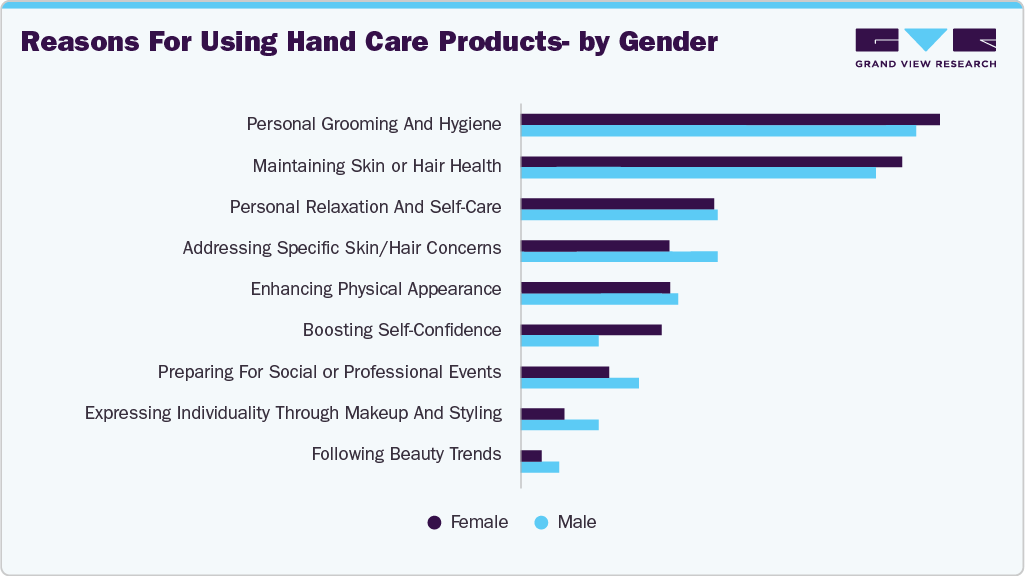
When it comes to reasons for using hand care products, personal grooming and hygiene are the most important reasons for both females and males, followed by maintaining skin health. Personal relaxation and self-care were the 3rd most significant reasons for using hand care products for both genders. What makes this purchase a delight is the visible results or improvement post usage, its easy application, and its skin-friendly ingredients. However, brands have a gap to fill when it comes to the presence of any irritating ingredients that might do more harm than good to their hands and the affordability of these products, which leads to dissatisfaction among consumers.
Buying Behavior
The key and initial step in purchasing a product is gathering certain information about it to make an informed decision. Some of these are the pricing and affordability of a product, followed by its quality and effectiveness. Since hand care products generally have a high volume offering and last for a longer duration, consumers prefer to buy them in bulk once a month during discounts or offers.
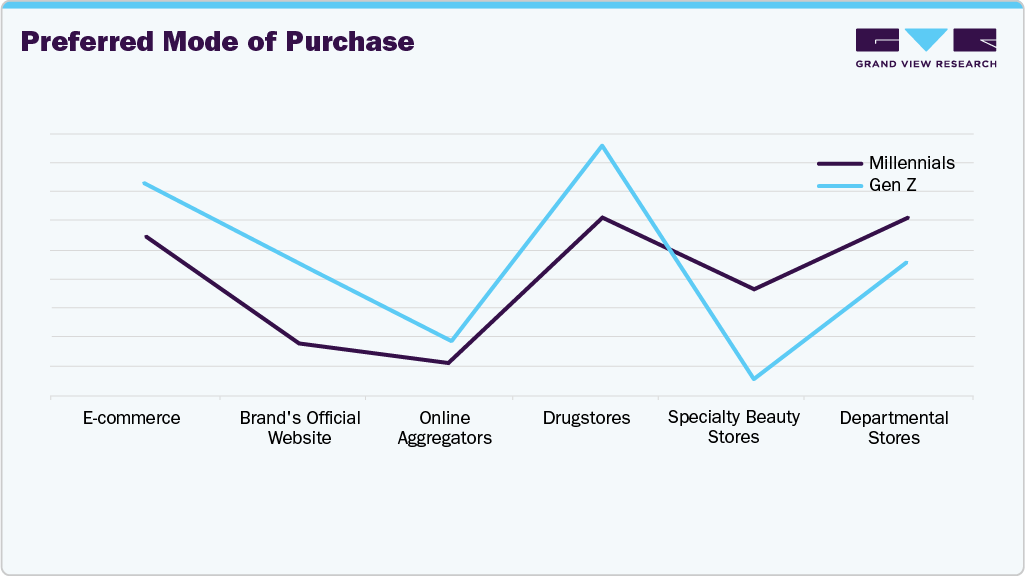
Drugstores are the preferred mode of purchasing for both millennials and Gen Z among the available platforms. ‘E-commerce platforms’ are the second most preferred mode of purchase for Gen Z, and ‘Departmental Stores’ are the second most preferred mode of purchase for millennials. This shows the difference between the generations’ preferences.
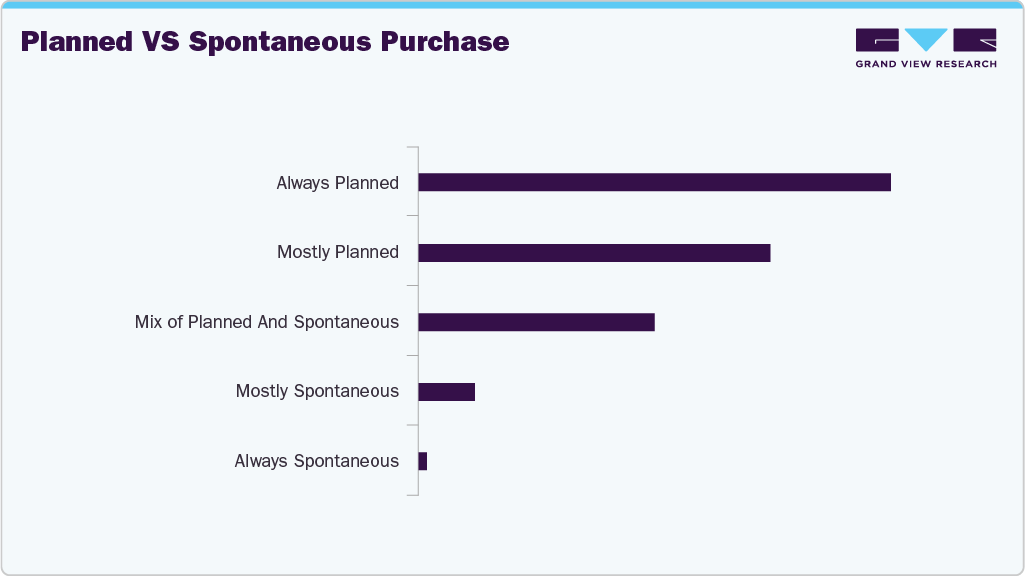
Consumers like to plan their purchases rather than participate in impulse buying, as more than 7 out of 10 people say their purchase is planned, among which 42% of consumers say it is always planned, and 20% of consumers purchase either planned or spontaneous, depending on the situation. Only about 7% of the population has displayed spontaneity in their purchase behavior. Although a very small portion of the population spontaneously purchases a hand care product, it is largely driven by prices or discounts being offered, such as events and seasonal sales, which offer products at very low prices, thus compelling consumers to make unplanned purchases.
It is important for brands to focus on marketing a product that is not only effective but also affordable, given the current financial scenario where prices for daily needs products are also inflated. Consumers are slowly turning brand agnostic to fit their budgets, thus building a brand reputation that goes hand in hand with the economy will provide an advantage.
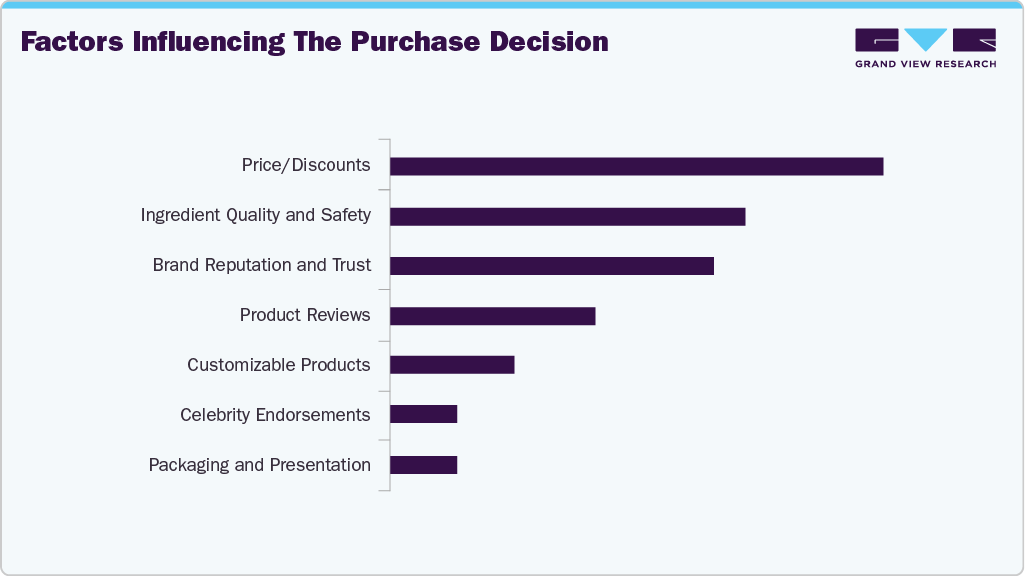
The key influencing factors acting as an immediate trigger for purchasing hand care products are price/discounts and ingredient quality or safety. Also, while product reviews do help to increase awareness of the product and form a positive association, they play a lesser role in significantly influencing consumers. Having said that, with the pool of options available, some barriers take place in purchasing a product, such as difficulty in identifying products without harmful chemicals, finding a suitable product for a specific skin type or concern, and the presence of ingredients that cause skin irritation or trigger some allergies. Also, 7 in 10 consumers are moderate to highly conscious about the brand they use as the awareness levels around clean beauty increase, which can hinder consumers from choosing a product without sustainable and clean ingredients.
Brand Power Play (Brand Health and Performance)
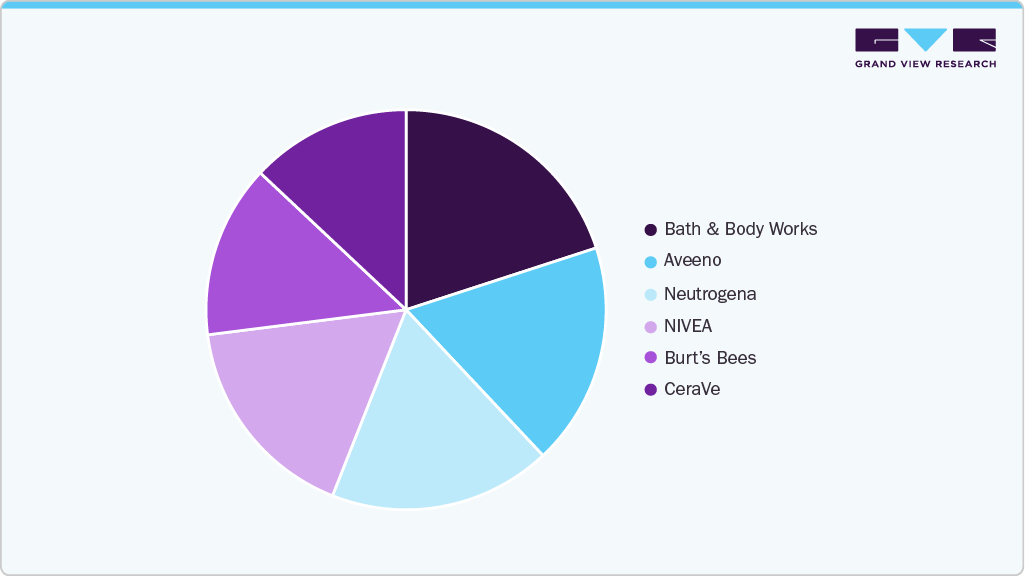
Some of the popular hand care brands in the U.S. include Bath & Body Works, Aveeno, Neutrogena, Nivea, Burt’s Bees, and CeraVe. Although the hand care industry is saturated, Bath & Body Works and Aveeno provide tough competition to other brands and dominate the market due to high awareness. Some of the other emerging brands are Eucerin and The Body Shop, which are slowly making their way into the hand care market.
Purchase Funnel
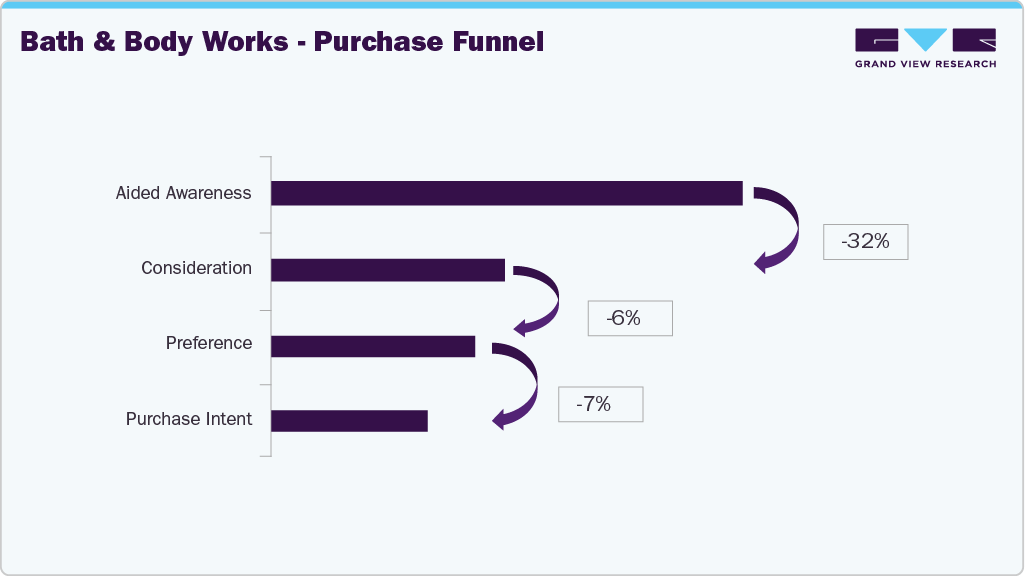
While many hand care brands enjoy high awareness in the U.S., when it comes to consideration and preference, not every brand climbs up the ladder due to high drops in the funnel. Bath & Body Works, Aveeno, and Nivea are some of the prominent brands that exhibit an impressive purchase funnel despite a significant drop from awareness to consideration. However, Bath & Body Works continues to retain its position as the leader throughout the funnel. Its success can be attributed to its wide range of products, US-based supply chain, and a wide range of pleasant fragrances. Having said that, brands such as Aveeno and Nivea closely follow Bath & Body Works throughout the purchase funnel, with NIVEA somewhere on the same loop. It is worth noting that while Bath & Body Works has a commendable purchase funnel, other brands provide tough competition by garnering better purchase levels among users. Some of these brands are Burt's Bees, Nivea, Cerave, and Aveeno.
The overall NPS score of the leading brands varies from -9 to 89, with CeraVe having the highest NPS score (89) compared to other hand care brands in the market among users.

Talk to an analyst
Tell us what you need. We reply within one working day.
Service Guarantee
-
Insured Buying
This report has a service guarantee. We stand by our report quality.
-
Confidentiality
Your transaction & personal information is safe and secure.
-
Custom research service
Design an exclusive study to serve your research needs.
-
24/5 Research support
Get your queries resolved from an industry expert.