U.S. Headwear Consumer Insights - Usage, Attitudes, And Brand Performance Report
Introduction:
The U.S. headwear market is experiencing strong growth in 2025, driven by fashion trends, health awareness, and smart technologies. Post-pandemic lifestyle shifts, such as hybrid work and outdoor activities, have increased demand for versatile and comfortable headwear. Climate consciousness has also sparked interest in sun-protective and ethically produced options. Social media has accelerated trend cycles, with viral aesthetics and influencer partnerships fueling demand surges. Streetwear and athleisure dominate, with popular styles such as baseball caps, bucket hats, snapbacks, and scarves. Athletic brands maintain a strong presence in the market. Here are some of the market trends dominating the U.S. headwear market:
-
Athleisure and Sports Influence: The U.S. headwear market has seen a significant shift towards athleisure and sports, with brands like Nike, Adidas, and New Era blending street style with performance gear. They position visors and caps as versatile accessories, elevating team-branded caps to fashion statements. Consumers seeking everyday accessories with style and functionality will find mainstream headwear with advanced technology, ergonomic designs, and moisture-wicking fabrics. This shift is driven by the cultural significance of sports team connections.
-
Fashion and Style: Headwear in the U.S. has evolved from a purely practical item to a key fashion accessory. Influenced heavily by streetwear culture, styles such as bucket hats, beanies, and caps have become staples of everyday fashion. Brands have tapped into this shift by collaborating with designers, celebrities, and luxury labels to launch exclusive collections.
-
Innovation Reshaping the Headwear Industry: In 2025, the headwear market is undergoing a significant transformation driven by innovative design, cutting-edge technology, and ethical labor practices. Manufacturing is shifting towards recyclable materials, water-conserving dyeing techniques, and ethical practices. The retail scene has become more complex due to the coexistence of traditional shops and e-commerce platforms. Advanced marketing techniques focus on hyper-targeted campaigns based on real-time trend research and consumer data.
-
Seasonal Variability: The market for headwear is distinguished by its seasonality and climate-related adaptability. Demand for thermal headwear, wool caps, and insulating beanies spikes in the winter, while summertime shifts consumer preferences toward lighter and more breathable options. Manufacturers are developing cutting-edge materials to meet comfort demands and address environmental issues as climate awareness grows. To shield users from harsher weather, modern headwear features ventilation systems, temperature-regulating materials, moisture-wicking textiles, and UV protection.
Methodology:
The insights covered in this report are drawn from GVR’s ‘Voice of Consumer Survey’ and its periodic updates. The latest survey represents 75,000+ consumer interviews conducted across 20 countries for 100+ product categories. These insights are specifically catered to the brands operating in the headwear industry to guide them in their strategic decision-making process. This report provides insights covering category usage & attitude, buying behavior, brand performance metrics, and brand health indicators of leading players in the U.S. headwear market.
Chapter 1: Usage and Attitude
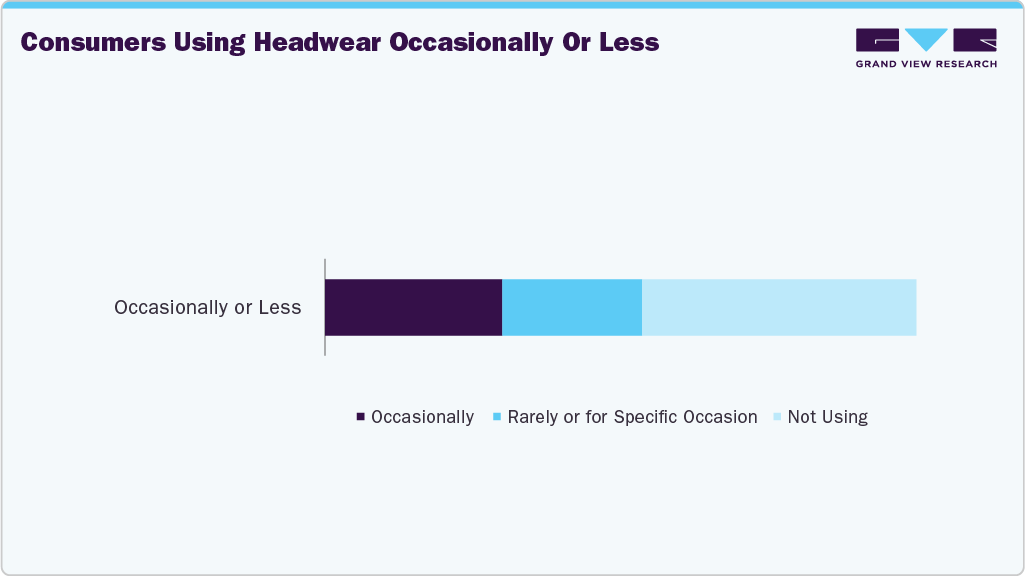
As consumers prioritize fashionable, safe, and traditional headwear, they wear it on special occasions or casual outings. This is supported by the fact that 63% of consumers use headwear occasionally or less, of whom 19% report occasional use.
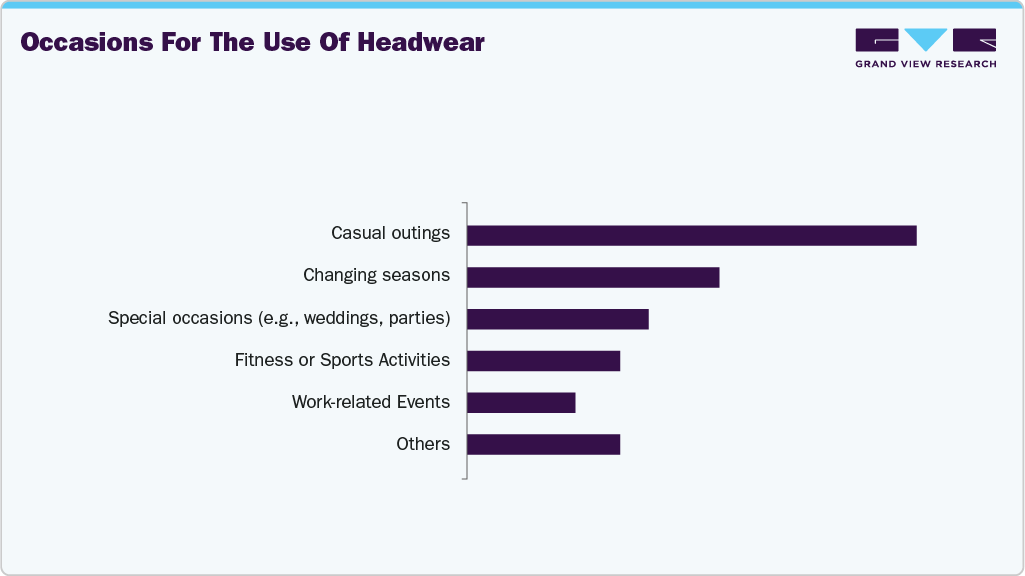
Headwear is primarily used during casual outings, with 5 out of 10 consumers stating the same. However, there is potential to promote its use during changing seasons, such as colder months, to increase its popularity. Emphasizing beanies' versatility for providing warmth during winter sports and outdoor activities could encourage consumers to incorporate them into their wardrobes. Moreover, showcasing how beanies can enhance everyday outfits with style could further encourage their use beyond special occasions. However, barriers such as high costs of premium wearables, designer brands, and trends that may not align with consumers' style could hinder their adoption.
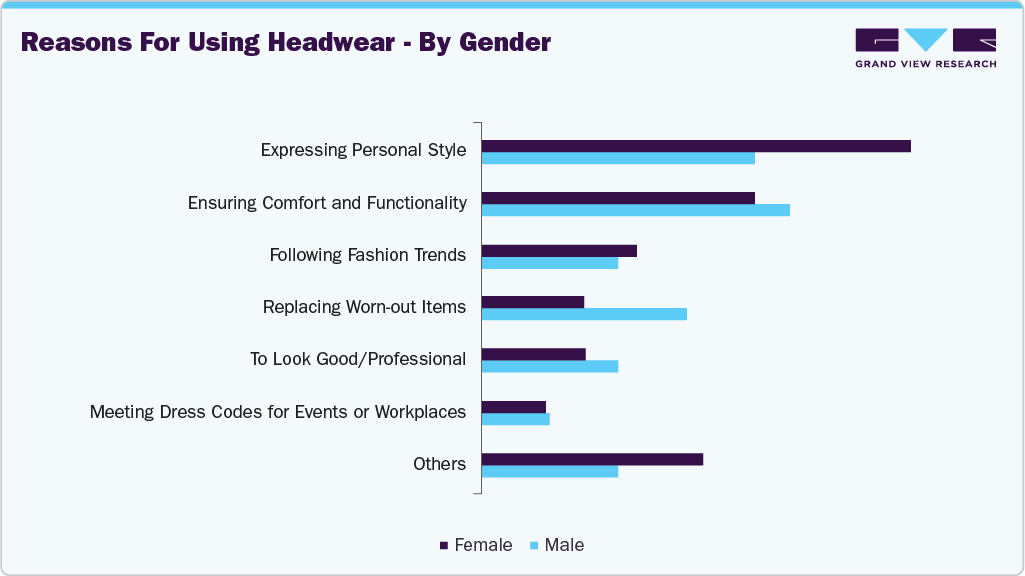
Both males and females have similar reasons for wearing headwear, but they focus on different aspects. For females, the main reason is to express their style, while for males, style comes second. Males care more about comfort and how well the headwear works for everyday use, which is a slightly lower priority for females. When the product feels good to wear and offers good value for the price, it makes the purchase more satisfying for everyone. However, poor quality or uncomfortable materials can leave customers unhappy. High prices for well-made headwear also make it harder for price-conscious shoppers to buy. This shows that brands need to improve quality while keeping their products affordable.
Buying Behavior
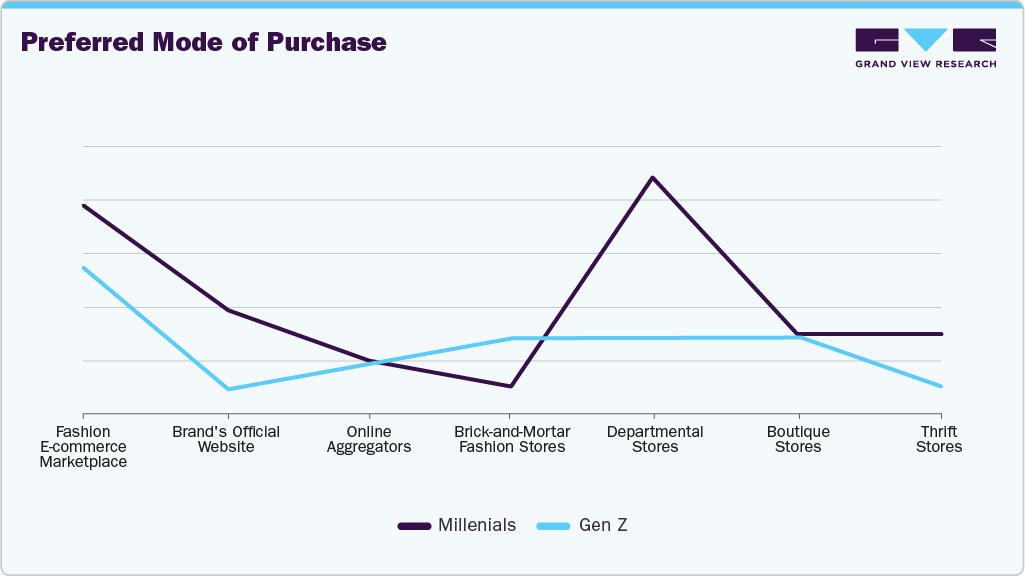
Before making a purchase, customers should familiarize themselves with the product and its features. The most crucial elements are fit and comfort, as well as price and value, particularly given the consequences of the pandemic and the growing desire among customers for reasonably priced and comfortable headwear. The last is material quality and the product’s durability, which play a significant role, as they indicate how often the product would require replacement and directly contribute to the cost of owning a product. Customers typically purchase headwear once every two years because it is durable, not worn regularly, and shows very little wear and tear, given that they seek a high-quality one that offers these features. When it comes to the younger generations, Gen Z prefers to purchase headwear via fashion e-commerce platforms, while Millennials like to purchase headwear from department stores.
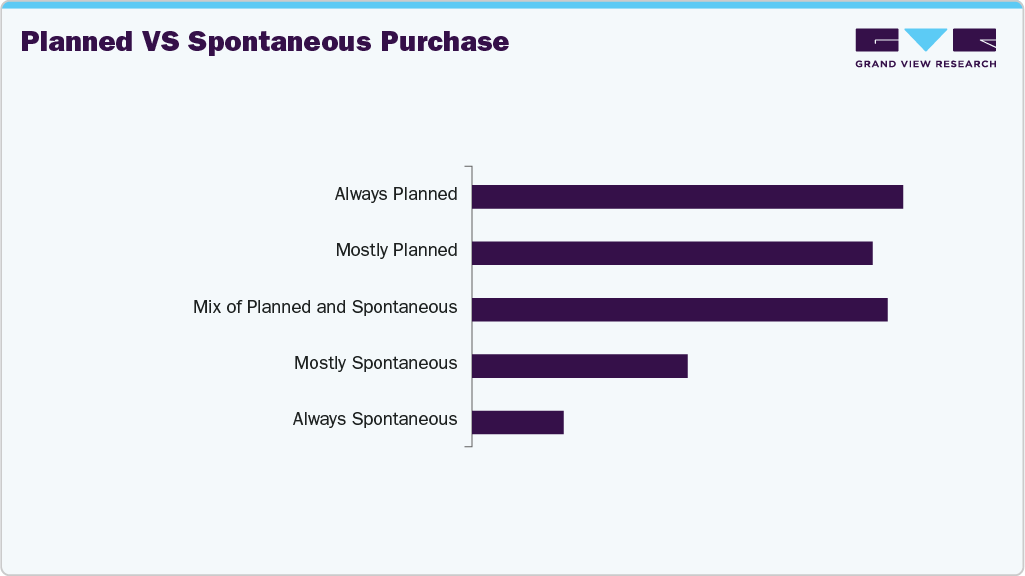
We can confidently state that consumers pre-plan their purchase of headwear, as 5 out of 10 people say their purchase is planned, of which 28% say it is always planned. Additionally, 27% of consumers make either planned or spontaneous purchases, depending on the situation and offers. Only about 20% of the population has displayed spontaneity in their purchase behavior, mainly due to the seasonal sales and discounts provided by brands with unique designs and exclusivity.
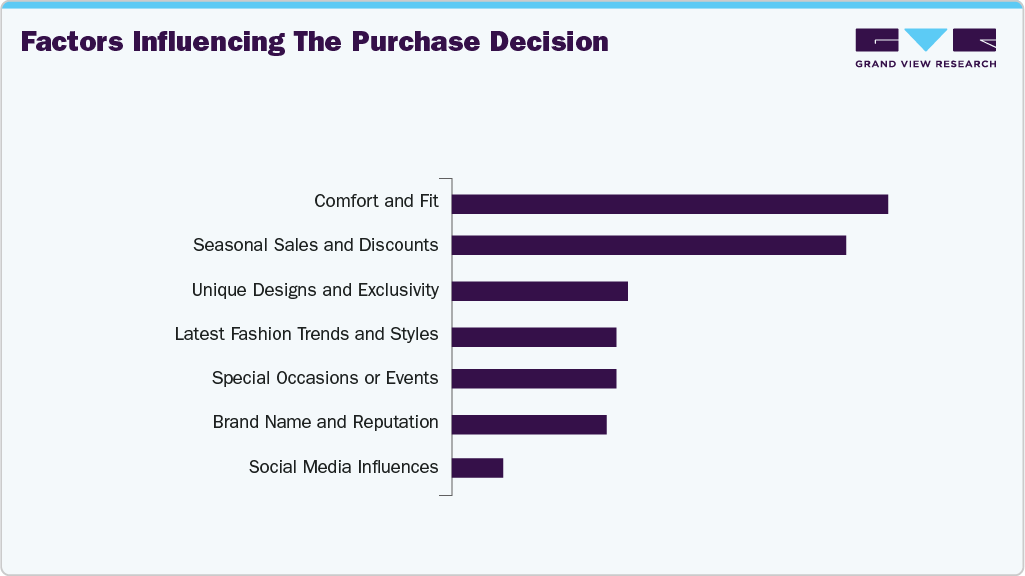
Eight out of ten respondents stated that the most influential factors driving headwear purchases are comfort and fit, as well as seasonal sales and discounts. The high cost of premium goods and the difficulty of finding the right size and fit, however, continue to be barriers to purchasing despite the growing demand.
Brand Power Play (Brand Health and Performance)
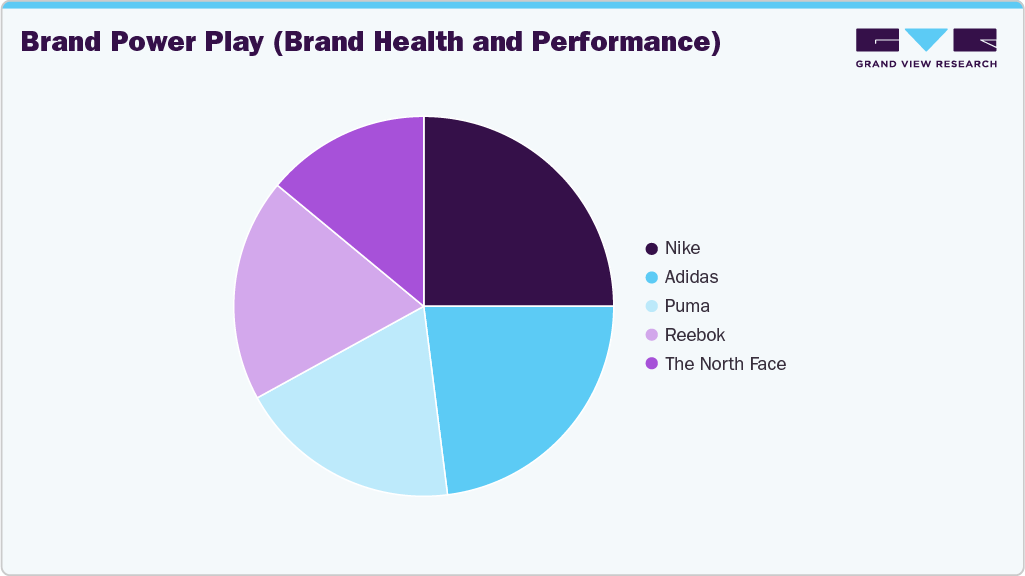
Though the U.S. headwear market is highly competitive, Nike, Adidas, Puma, Reebok, and The North Face have a strong presence and high brand awareness, with Nike leading aided brand awareness with 60% market share. Brands like Patagonia, Brooks Running, and ASICS have low awareness in the U.S. headwear market because they primarily focus on outdoor gear, running shoes, and athletic wear rather than headwear. Their limited product offerings and lack of targeted marketing in the headwear category contribute to their lower visibility.
Purchase Funnel
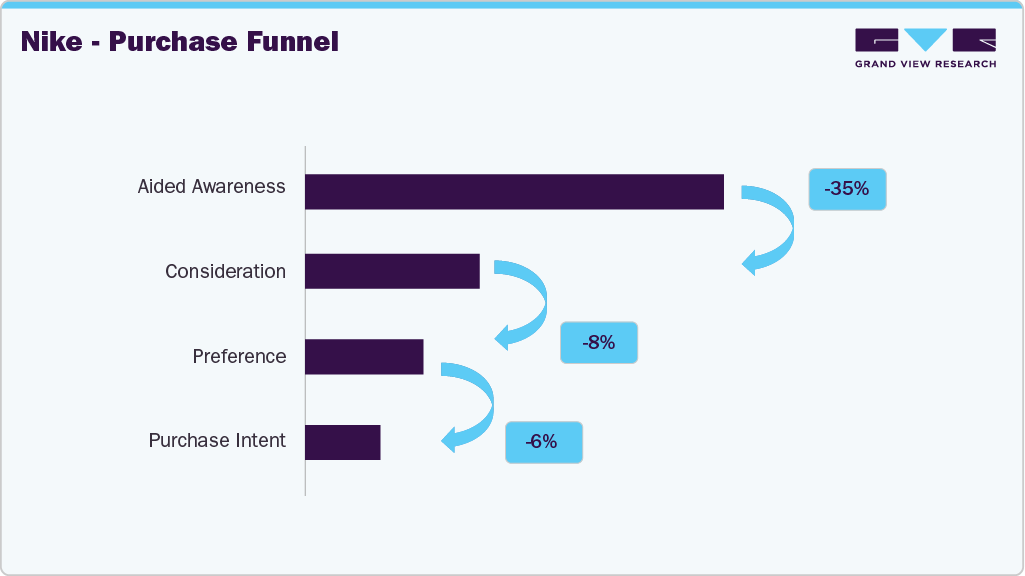
Although the prominent brands compete fiercely, Nike and Adidas effectively retain their positions as leading brands. Nike outperforms other brands at each step of the funnel. Its success can be attributed to effective marketing strategies, celebrity partnerships that have resulted in long-standing endorsements, and efforts to build a positive brand image. Thus, despite experiencing some drops at each step of the funnel, it continues to lead the market. Having said that, Puma and Adidas compete for second place throughout the journey, where Adidas shines in awareness and consideration, and Puma regains and emerges as the winner in preference and purchase intent. It is also important to note that Reebok and The North Face are competing to climb the ladder through collaboration and community engagement. In addition to being worn by customers, Nike has a higher return rate than other brands, suggesting that higher customer satisfaction after use increases brand loyalty. Puma also follows Nike in these. Lastly, Puma, Adidas, and Nike have achieved high satisfaction levels, encouraging consumers to make repeat purchases from their brands.
The overall NPS score of the leading brands varies from 27 to 50, with Adidas having the highest NPS score (50) compared to other headwear brands in the U.S. market.

Talk to an analyst
Tell us what you need. We reply within one working day.
Service Guarantee
-
Insured Buying
This report has a service guarantee. We stand by our report quality.
-
Confidentiality
Your transaction & personal information is safe and secure.
-
Custom research service
Design an exclusive study to serve your research needs.
-
24/5 Research support
Get your queries resolved from an industry expert.