U.S. Kitchen Appliance Consumer Insights - Usage, Attitudes, And Brand Performance Report
Introduction:
The U.S. kitchen appliances market is undergoing a major transition at the moment due to shifting consumer habits and the integration of intelligent technology. Homeowners can now remotely operate refrigerators, coffee machines, and ovens via smartphone apps, thanks to the growing popularity of high-end appliances with built-in connectivity. Sales of specialty gadgets like air fryers, quick pots, and sous vide machines, which promise restaurant-quality results with little effort, rose amid the pandemic's revived interest in cooking at home. Appliance appearances have become more important, and the dominance of stainless steel is being challenged by matte black, champagne, and custom color possibilities. Although supply chain disruptions have improved over time, some high-end brands and models remain unavailable. In cities with smaller kitchens, multipurpose gadgets that conserve counter space are especially well-liked. Here are the market trends:
-
Smart Appliances: The focus is shifting from traditional appliances to smart devices that provide consumers with control at their fingertips. This is achieved by connecting these appliances to several voice assistants, such as Alexa, Google, and Siri, which provide the convenience of using the features by giving a command through a phone or remote. Since these devices are connected wirelessly, consumers can control them via an app from anywhere, thereby reducing the number of incidents.
-
Health-Conscious Products: As more consumers prioritize well-being and a healthy diet, health-conscious appliances are emerging as a major focus in the kitchen appliance market. For example, air fryers have become increasingly popular because they offer a healthier alternative to conventional deep frying, allowing users to cook crispy fried items with little to no oil. Because they make it simpler to produce smoothies, fresh juices, and other nutritious snacks at home, blenders and juicers are also in high demand. As people search for effective ways to prepare wholesome meals and snacks ahead of time, these appliances help to fuel the growing trend of meal prep.
-
Portable & Compact Appliances: Compact and portable appliances are growing in popularity, particularly among city dwellers and those with small kitchens. These gadgets, including small air fryers, portable blenders, and compact coffee makers, meet the needs of consumers who want utility without sacrificing space. They are ideal for people who enjoy cooking or making drinks on the go, whether at the office, the gym, or on the road. They are also ideal for compact flats and dorm rooms.
Methodology:
The insights covered in this report are drawn from GVR’s ‘Voice of Consumer Survey’ and its periodic updates. The latest survey represents 75,000+ consumer interviews conducted across 20 countries for 100+ product categories. These insights are specifically catered to the brands operating in the kitchen appliance industry in order to guide them in their strategic decision-making process. This report provides insights covering category usage & attitude, buying behavior, brand performance metrics, and brand health indicators of leading players in the U.S. kitchen appliance market.
Chapter 1: Usage and Attitude
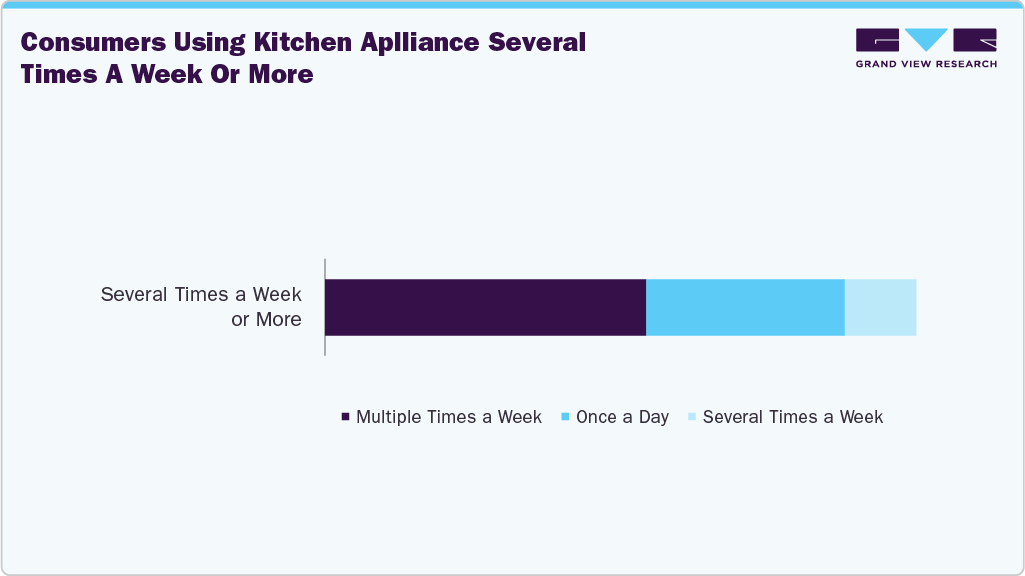
Kitchen appliances are increasingly combining technology and convenience, influencing consumers to opt for one, as 99% of consumers use kitchen appliances several times a week or more, out of which 53% of consumers say they use them multiple times a day.
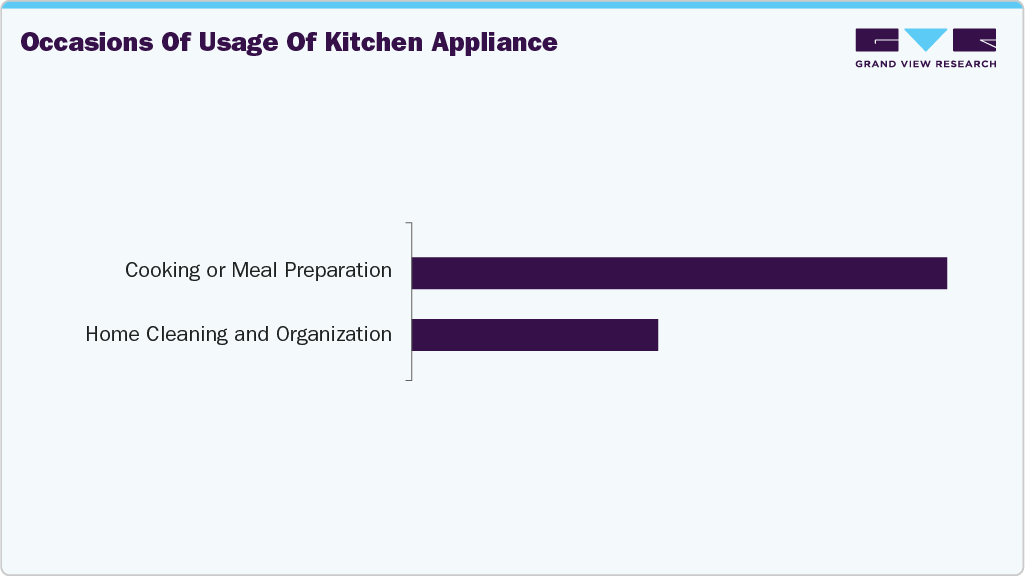
Kitchen appliances primarily serve the essential function of cooking and meal preparation, with approximately 70% of consumers identifying this as their primary use. In recent years, there has been a notable shift toward portable appliances as consumers seek more flexibility and efficiency in their cooking routines. These compact devices appeal to a range of lifestyles, from young professionals in small apartments to families looking to expand their culinary capabilities beyond traditional built-ins. Many homeowners appreciate how portable appliances like air fryers, instant pots, and countertop grills allow them to prepare meals quickly without heating up the entire kitchen, especially during hot summer months. This trend reflects our evolving relationship with cooking spaces, where convenience and adaptability have become just as important as functionality in today's fast-paced households.
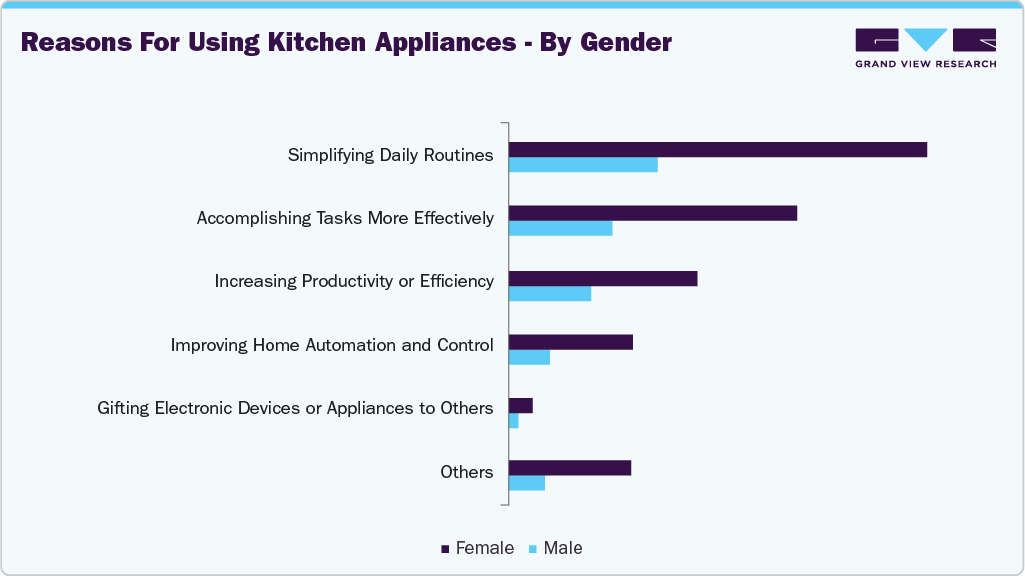
When it comes to reasons for using kitchen appliances, simplifying daily routines acts as a key driver for both females and males. Further, accomplishing tasks more effectively acts as a second driver for both genders. In today's fast-paced world, these appliances serve as essential time-saving allies, allowing people to prepare nutritious meals despite busy schedules. Many consumers find particular value in devices that minimize cleanup efforts, highlighting how modern kitchen technology addresses multiple pain points at once.
The high costs associated with premium kitchen appliances or those featuring the latest technology often create a negative association for many consumers. When purchasing kitchen appliances, a common disappointment is the feeling that the price does not align with the actual features and benefits received. Many homeowners question whether the extra hundreds of dollars for specialized features or smart connectivity truly enhance their cooking experience or provide meaningful convenience in their daily meal preparation.
Buying Behavior
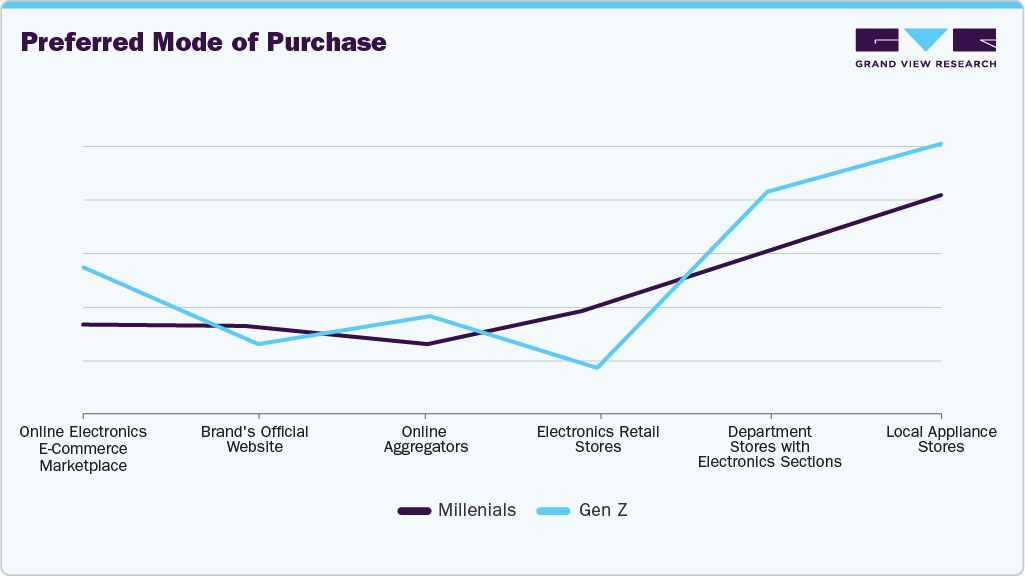
Consumers must have some information about the product's performance and reliability before making a purchase, as with most electronic devices. This is the most important feature because kitchen appliances are long-term products, and the main job is to enhance home comfort and automation. Next, price and value for money, given the rise in price-conscious consumers. Since kitchen appliances are used regularly and consumers want them to run for a long time, they prefer to buy them once every 5 years during discounts or offers. Local appliance stores are the preferred mode of purchasing kitchen appliances for both Millennials and Gen Z. Department stores with electronics sections are the second most common mode of purchase for both.
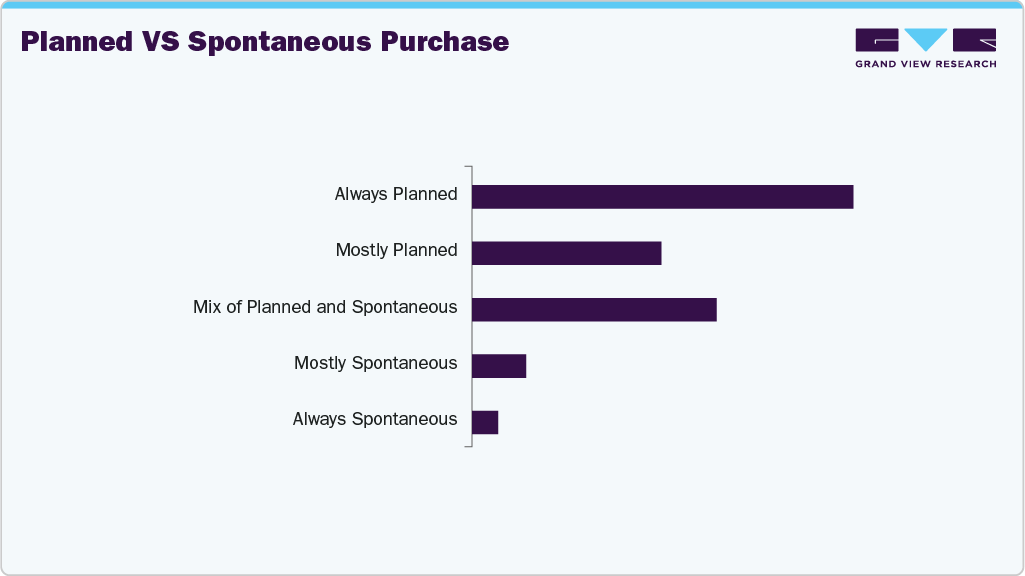
With 6 out of 10 respondents stating that their purchase is planned, 42% of consumers stating that it is always planned, and 27% of consumers stating that their purchase is either planned or spontaneous, depending on the various circumstances and offers, we can confidently state that kitchen appliances belong to the more planned purchase category. The percentage of people who have made spontaneous purchases is only around 9%.
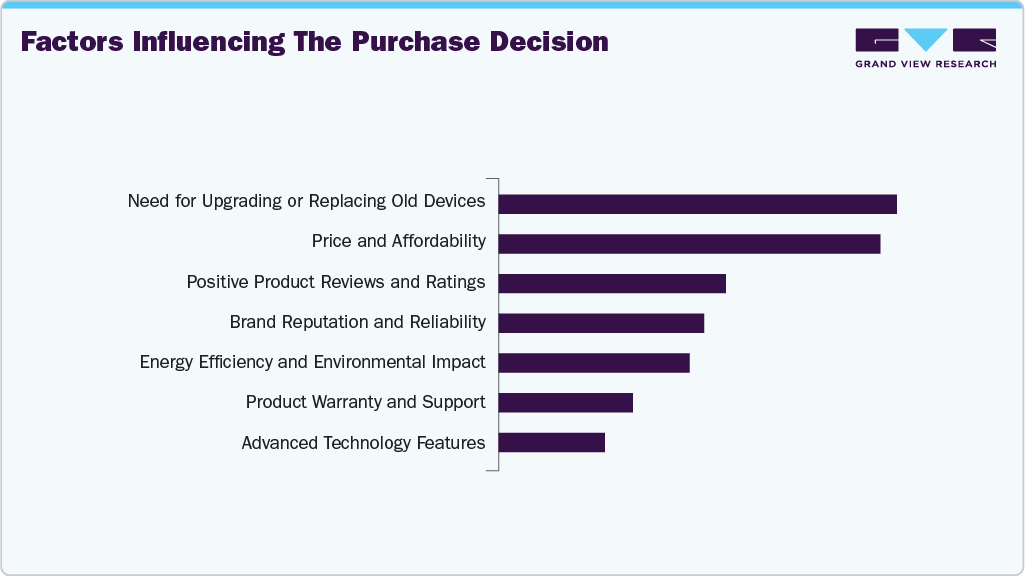
According to more than half of the respondents, the need to upgrade or replace old devices, and price and affordability, are the two main determinants that serve as immediate triggers for buying a kitchen appliance. Additionally, positive product ratings and reviews do contribute to brand recognition, but they are placed lower on the significance ladder. However, despite the increasing demand, there are still certain obstacles to buying a product, such as short product life spans or frequent replacements, and a lack of reasonably priced solutions with the necessary characteristics.
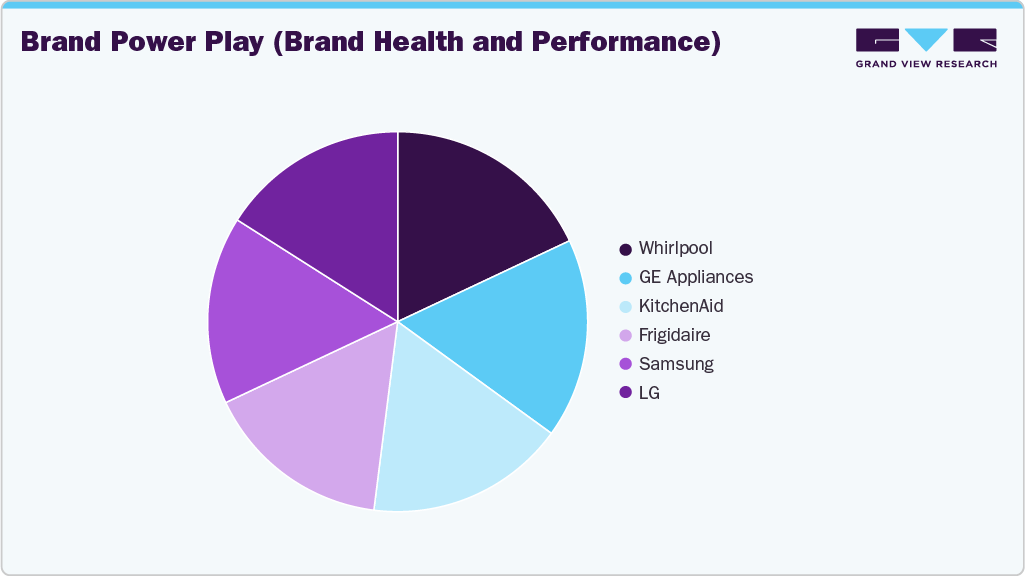
Brand Power Play (Brand Health and Performance)
Some of the popular kitchen appliance brands in the U.S. include Whirlpool, GE appliances, KitchenAid, LG, Samsung, and Frigidaire. Although the kitchen appliance industry is highly competitive and diverse, Whirlpool dominates the market with a 72% share (by awareness) as the regional brand in the U.S., offering a wide range of products across different price segments.
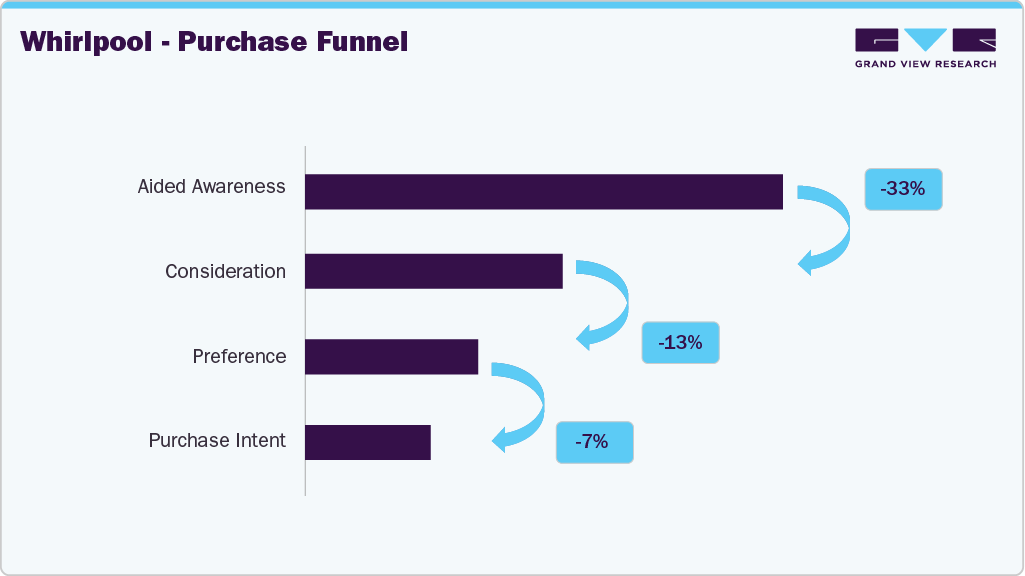
Purchase Funnel
Although there are several well-known kitchen appliance manufacturers in the United States, many companies receive little preference and attention. Despite having declines at every stage of the funnel, Whirlpool, a well-known company with a robust funnel, has the best one. Companies like GE appliances and Samsung also have good awareness among consumers, and their consideration and acceptance in the market are quite good, thus giving noteworthy competition to Whirlpool. Whereas Whirlpool plays it smart by offering a range of entry-level products with advanced features.
While the overall NPS score of the leading brands varies from -13 to 46, GE appliances leads the kitchen appliance industry with the highest NPS score (46) compared to other brands in the market.

Talk to an analyst
Tell us what you need. We reply within one working day.
Service Guarantee
-
Insured Buying
This report has a service guarantee. We stand by our report quality.
-
Confidentiality
Your transaction & personal information is safe and secure.
-
Custom research service
Design an exclusive study to serve your research needs.
-
24/5 Research support
Get your queries resolved from an industry expert.