U.S. Personal Computer Consumer Insights - Usage, Attitudes, And Brand Performance Report
Introduction:
In the U.S., personal computers have become an integral part of day-to-day life. People can use them for various purposes, such as working from home, playing games, learning new skills, and staying connected with family and friends. Today, almost every American home has some type of computer, whether it’s a desktop that stays in one place or a laptop that can be carried anywhere. Personal computers have not only made life easier but also created jobs, like maintaining data in a shop. It has helped students to learn in new ways, like using AI tools to understand everything in a better way, and letting people work from anywhere. Companies like Apple, Dell, and HP have made computers that can be used by anyone with the help of easy-to-use software. The PC market in the U.S. is expected to keep growing, since it had a healthy start in 2025 after slowing down for some time, thanks to the advancement in technology for smartphones. The industry has since been recovering at a good pace and shows promising future demand. Let’s look at some trends that are driving growth:
-
Shift Towards AI-Enabled PCs: Personal computers capable of AI are becoming increasingly popular among users for increased productivity. Companies like Microsoft have developed an app called the Kinect app, which detects the positions of human skeletal joints on a 3D plane and recognizes their movements for better understanding and learning.
-
Rise in PC Gaming Popularity: Gaming personal computers remain the brightest spot in the market, and all the gamers are willing to pay a premium price for high-end gaming PCs. During the pandemic, the growth of the gaming market saw a huge surge as people were stuck in their homes, practically forced to engage in indoor hobbies or activities to keep them entertained. The rise in live streams and e-sports competition has also created its own ecosystem where the demand for high-end PCs is increasing.
-
Commercial/Corporate Sector Dominance: The commercial sector indicates that there are both medium and large enterprises that are driving the demand for personal computers in the market, as they are regularly updating their system to stay competitive. Even in challenging economic times, companies have upgraded their PCs, whereas individual users take much longer to upgrade. Companies like HP and Dell have almost 50% of the market share in the USA.
Future aspects:
The future of personal computers in the U.S. looks strong, as the computers will become more adaptable for users, with artificial intelligence becoming smarter and more secure. There will be thinner, lighter devices with longer battery life, and on top of that, we might see foldable or rolled-up screens for better portability. The ecosystem is better than ever, which is an added advantage for the PC market as users demand all devices to be connected. Furthermore, the PCs will become more eco-friendly and consume less energy, which will benefit the environment.
Methodology:
The insights covered in this report are drawn from GVR’s ‘Voice of Consumer Survey’ and its periodic updates. The latest survey represents 75,000+ consumer interviews conducted across 20 countries for 100+ product categories. These insights are specifically catered to the brands operating in the PC industry in order to guide them in their strategic decision-making process. This report provides insights covering Category usage & Attitude, Buying behavior, Brand performance metrics, and brand health indicators of leading players in the U.S. PC market.
Chapter 1: Usage and Attitude
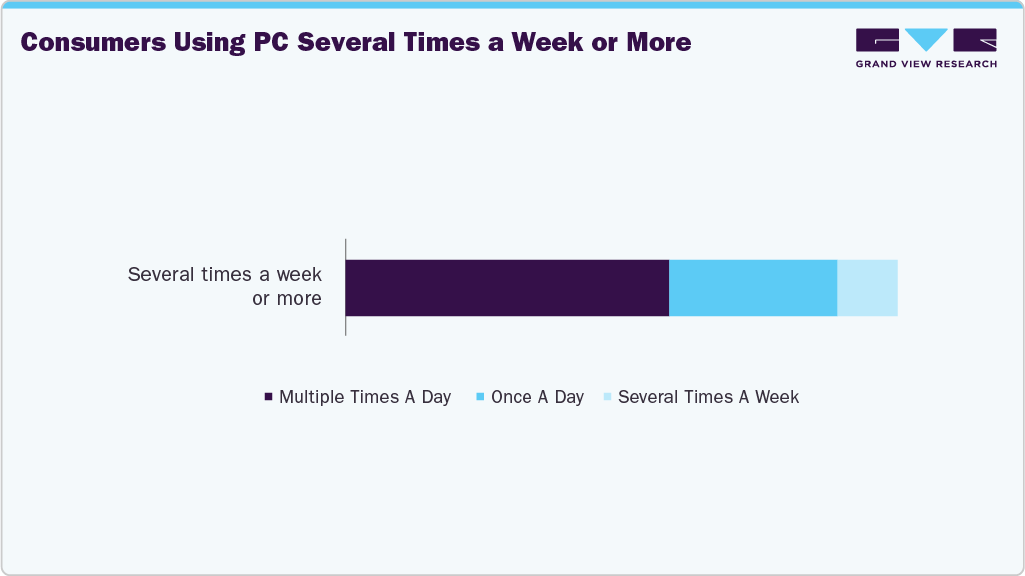
In the US, the use of PCs has increased as people optimize them for work/office, learning, and gaming. Having said that, 67% of consumers use PCs at least once a day. And 44% of consumers use it multiple times a day, showcasing the versatility of a PC.
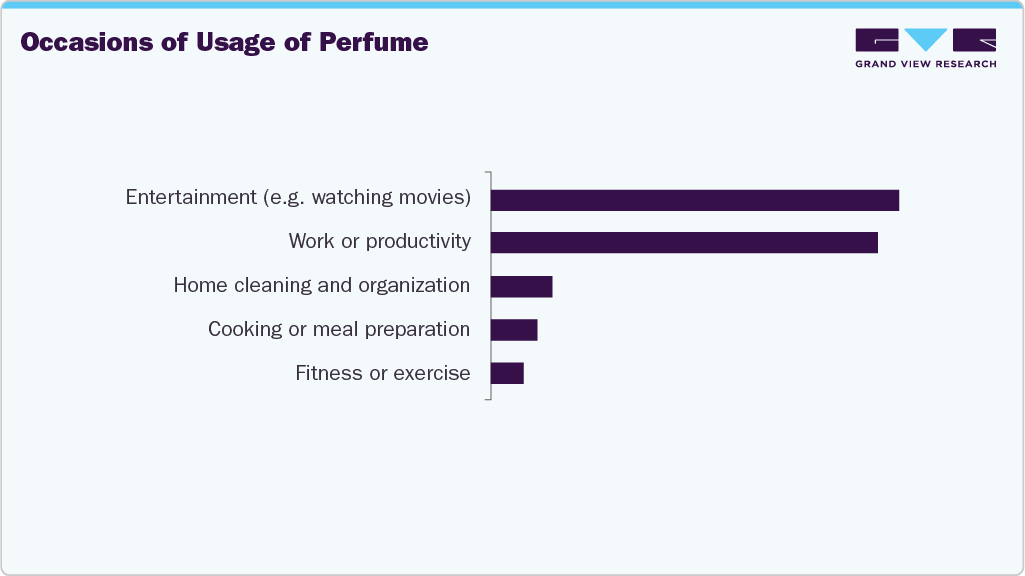
PCs, as expected, are mostly used for entertainment and/or work, as mentioned by more than half of the consumers. Since this electronic device has versatile uses, brands can encourage its use on other frequencies, such as home cleaning by watching YouTube videos on home organization, or putting on some learning videos while doing household chores as a form of entertainment. They can also be used for exercise by watching Zumba videos or playing fitness games that make fitness fun.
With that in mind, when we look at how consumers perceive owning a PC in today’s age, staying entertained by consuming content or any form of media is the most common association for them. Followed by staying connected with others through technology, accessing information and learning opportunities are also some of the positive associations drawn by the consumers.
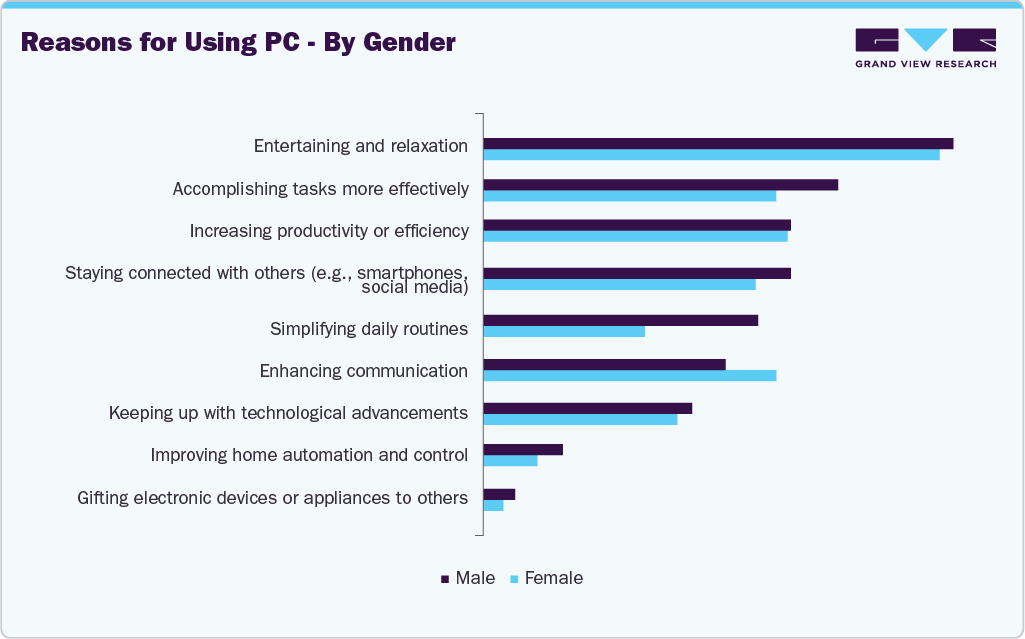
Having said that, consumers, whether male or female, associate using a PC with entertainment and relaxation. However, when looking at other reasons, males use a PC to accomplish tasks more effectively, and females prefer a PC to increase productivity and efficiency. This is achieved through cutting-edge technology from PC brands, along with user-friendly interfaces and controls that enhance navigation and performance, delighting consumers with their purchase as well.
Brands can encourage better usage or purchase frequencies by addressing some of the concerns, such as privacy and security that come with PCs, as they are more prone to malware attacks than smartphones, increasing costs and higher prices for good features, paired with constant malfunctions, making it a hurdle for consumers when purchasing a PC.
Buying behavior
As PCs are a long-term, cost-effective investment, consumers prefer information on aspects that drive better decision-making. These aspects are a product’s performance and reliability, its pricing, and whether it provides value for money. This indicates consumers demand PC’s with advanced features and efficient performance that are reasonably priced. The last important information point sought after is the technological features and innovations in the product. Also, as PCs last longer, consumers increasingly prefer to purchase them every 5 years. The longevity of the product plays a major role in the frequency of purchase.
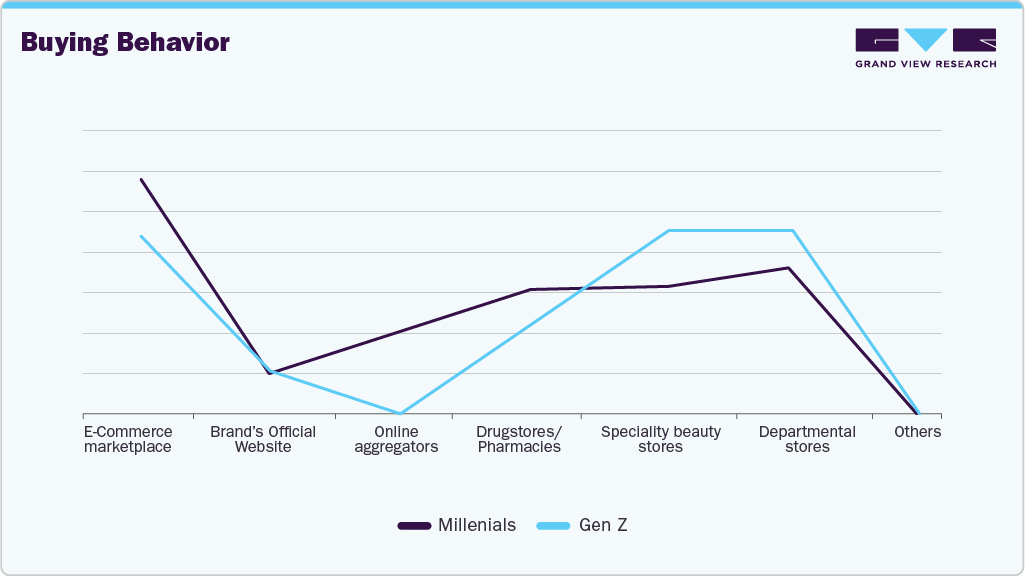
When we look at a popular mode of purchase, electronic retail stores and online electronics e-commerce marketplaces are the most common modes; however, when deep diving into the younger generation, i.e., Gen Z and Millennials, Gen Z prefer visiting a brand's official website, while Millennials prefer visiting Department stores with electronics sections.
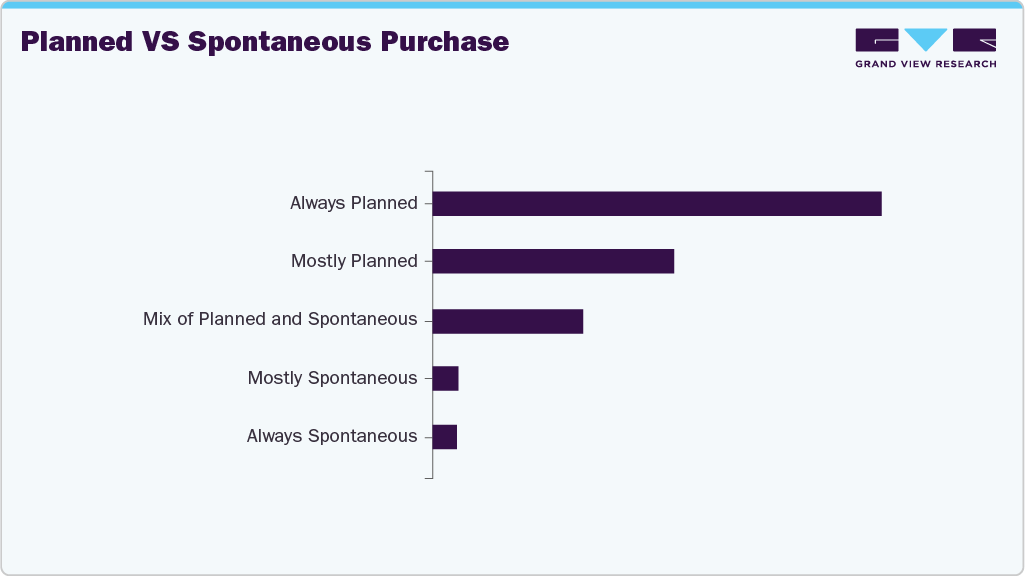
According to the survey, 50% of consumers always plan their purchases, while 17% like to mix a little spontaneity with well-thought-out purchases. This is simply due to PCs being expensive pieces of electronics that are not often replaced. Thus, consumers refrain from acting on impulse when making such purchases.
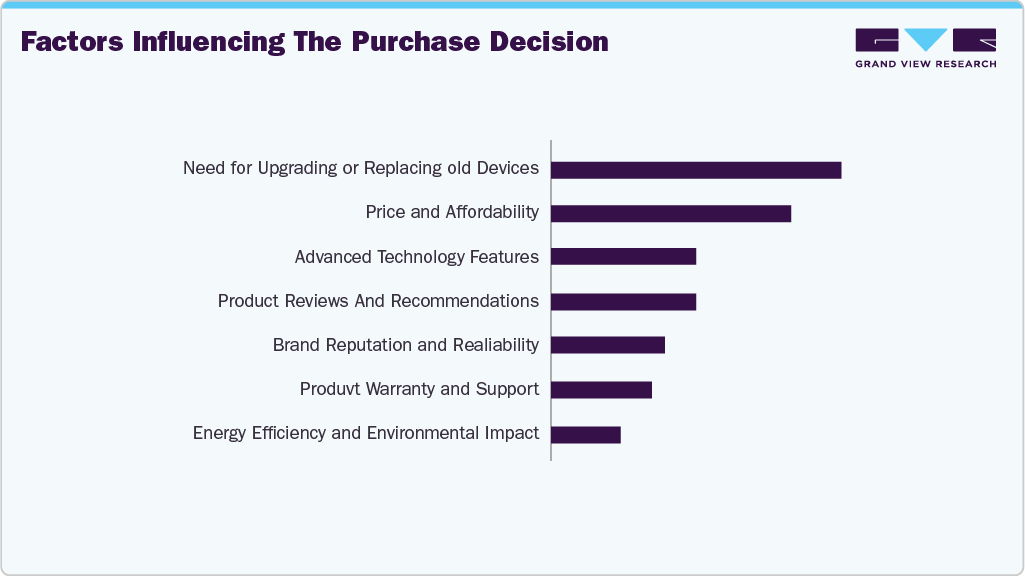
Now, when we talk about factors that play a significant role in a consumer's purchase decision, the need for an upgrade emerges as the key factor. PCs have a longer shelf life and receive software upgrades that extend their longevity, so they are only repurchased to replace old devices that do not support the latest advancements. Next is pricing and affordability, as consumers are largely budget savvy and prefer to wait for sales and promotions when making a big purchase. Any advancements in technology or introduction of new features also influences consumers, especially tech enthusiasts, to repurchase or replace their devices.
A brand must maintain consistency in performance to be greeted by positive online reviews, as consumers use others’ experiences with the product to choose among the options before making a purchase.
Brand Power Play (Brand Health and Performance)
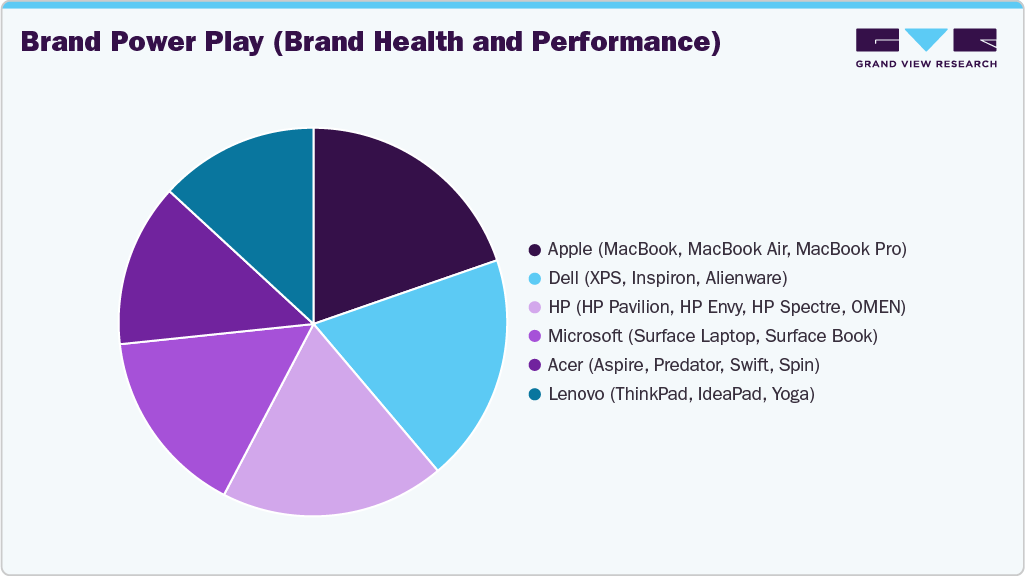
Some of the popular PC brands in the U.S. include Apple, Dell, HP, Microsoft, Acer, and Lenovo. Although the PC industry is competitive, Apple and Dell dominate the market with more than 80% market share (by awareness). Asus is one of the merging brands slowly gaining awareness in the market and making its way into the competition.
Purchase Funnel
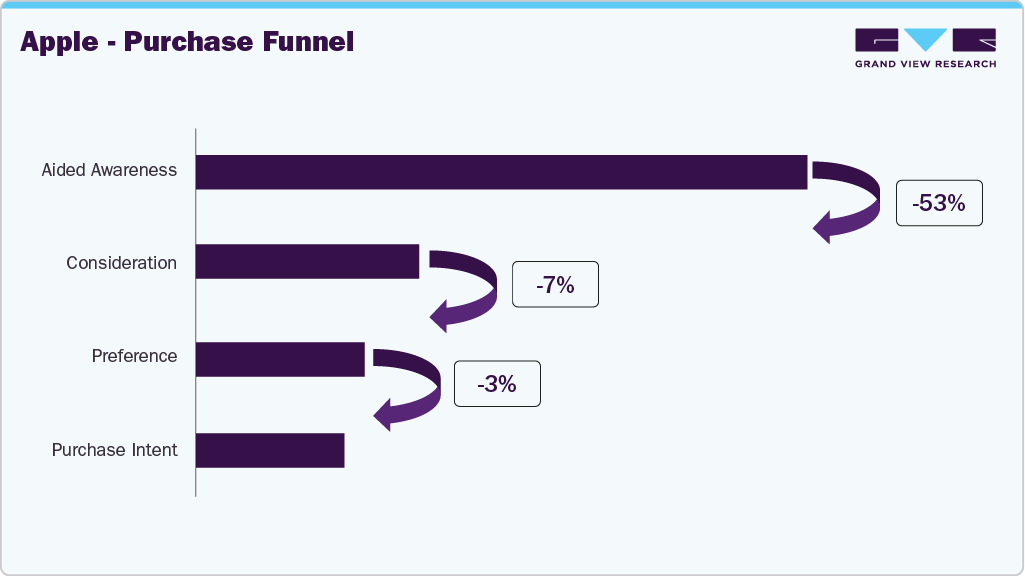
Since the PC market is not yet highly saturated, most of the brands enjoy commendable awareness. This can also be attributed to all the tech enthusiasts raising awareness, helping consumers choose better options by way of YouTube videos that are both informative and based on personal experience. With that in mind, we see that Apple, Dell, and HP largely dominate the market not only in terms of awareness but also in terms of preference and usage. Apple and Dell go hand in hand in awareness; however, Dell surpasses Apple in consideration and preference. It is worth noting that while HP sits at the third position for all aspects, it climbs up the ladder and emerges as the top brand in usage. This can be attributed to the pricing factor, as HP PCs are generally priced lower in comparison to Dell. And Apple falls to the third position, which is possibly driven by a lack of compatibility and high pricing, as Apple uses macOS, which may not be compatible with all the available software, and is marked as a premium device.
While the overall NPS score of the leading brands varies from -40 to 66, with Apple leading the PC industry with the highest NPS score (66) compared to other PC brands in the market, thanks to the premium design and features, a well-built ecosystem, and a beginner-friendly user interface.
