U.S. Refrigerator Consumer Insights - Usage, Attitudes, And Brand Performance Report
Introduction:
Energy efficiency, smart technology, and creative design are currently major driving factors in the U.S refrigerator market. More and more consumers are looking for refrigerators with cutting-edge technologies like internal cameras, touchscreen interfaces, Wi-Fi connectivity, and precise temperature management. With more models achieving or surpassing Energy Star criteria, energy efficiency is a top emphasis, allowing customers to reduce their electricity costs while also being environmentally friendly. Due to Americans' heightened interest in cooking and food storage at home, the COVID-19 pandemic has also sped up tendencies toward larger refrigerators and those with improved food preservation technologies. With features like multi-gas food preservation systems and humidity-controlled drawers, modern refrigerators reduce food waste while satisfying the needs of health-conscious consumers. Stainless steel and sleek, contemporary designs are becoming increasingly popular as consumers look for appliances that complement their interior design. In the U.S., almost every household uses a refrigerator. Let’s dive into some recent trends:
-
Smart Refrigerators: Refrigerators are increasingly featuring Wi-Fi connectivity, touchscreen displays, smartphone app controls, and voice assistant compatibility, allowing consumers to monitor food inventory, adjust temperatures, and receive maintenance alerts remotely.
-
French Door and Multi-Door Models: These styles continue to dominate the market due to their sleek design, better accessibility, and organizational features. Side-by-side refrigerators are a classic style with top-to-bottom freezer and refrigerator compartments next to each other. Other differences include the amount of refrigerator and freezer space offered by each configuration, as well as the shape of each compartment.
-
Health-Conscious Features: Health-conscious features in refrigerators are becoming a key selling point for many consumers. Air purifiers are another popular addition, using advanced filtration technologies like activated carbon or UV light to eliminate odors and bacteria, which helps maintain a fresher environment inside the fridge. Additionally, specialized compartments designed to preserve the freshness of fruits, vegetables, and meats are increasingly common. These include humidity-controlled drawers that adjust moisture levels to prolong the shelf life of produce and vacuum-sealed storage for meat and fish, which slows down spoilage.
-
Customization and Personalization: Stainless steel remains one of the most popular finishes, offering a sleek, modern look that matches a wide variety of kitchen styles. The fingerprint-resistant versions of stainless steel are particularly favored for their ease of maintenance and clean, polished appearance. More emphasis is also placed on minimalist designs, with features like hidden handles, smooth edges, and sleek lines, giving the fridge an almost built-in look.
Methodology:
The insights covered in this report are drawn from GVR’s ‘Voice of Consumer Survey’ and its periodic updates. The latest survey represents 75,000+ consumer interviews conducted across 20 countries for 100+ product categories. These insights are specifically catered to the brands operating in the refrigerators industry in order to guide them in their strategic decision-making process. This report provides insights covering category usage & attitude, buying behavior, brand performance metrics, and brand health indicators of leading players in the U.S. refrigerators market.
Chapter 1: Usage and Attitude
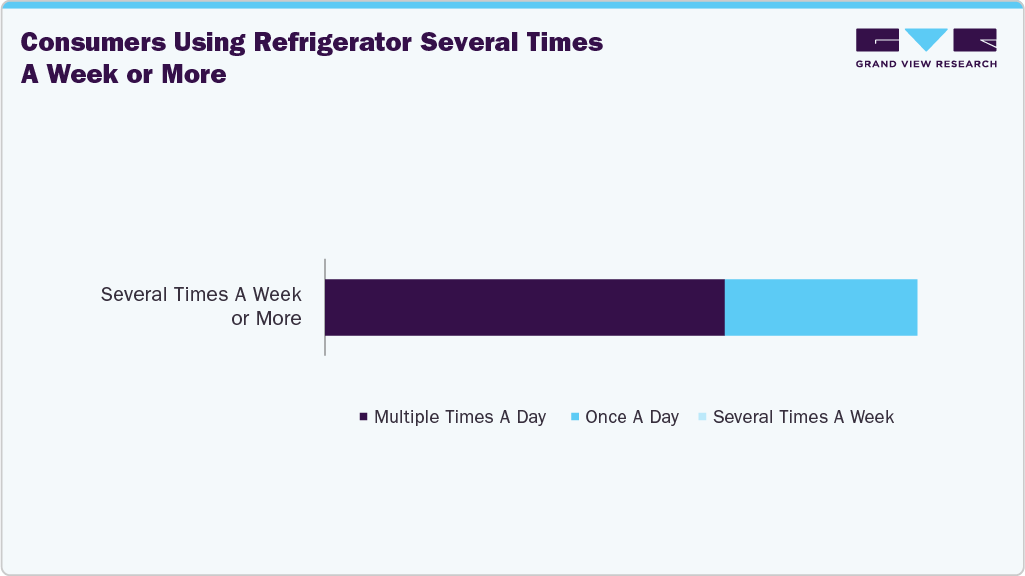
Refrigerators now count as a necessity in every household, helping to keep food fresh for long regardless of the weather. And 95% of consumers use refrigerators more than once a day.
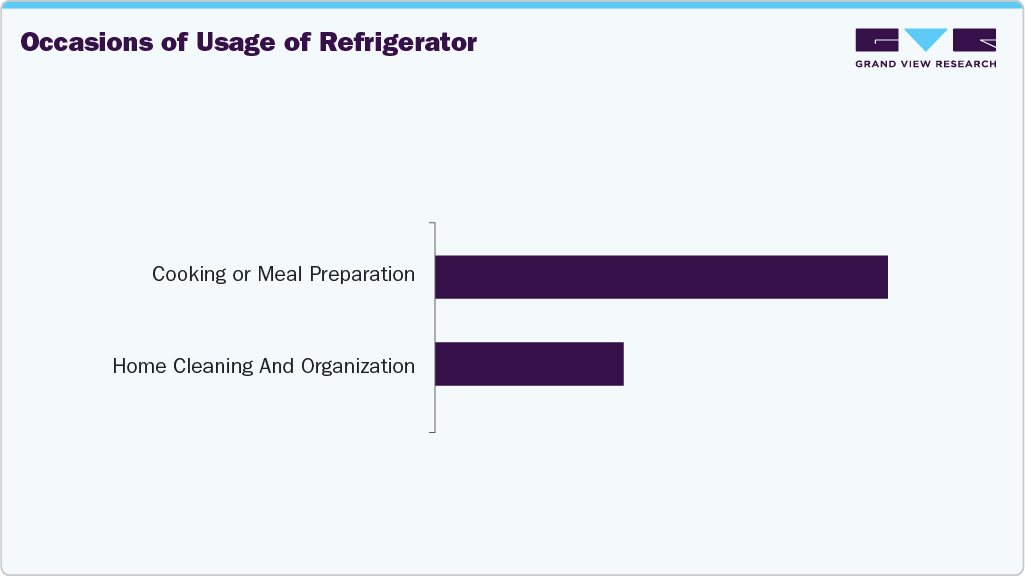
Refrigerators are mostly used for cooking or meal preparation, as mentioned by about 7 out of 10 consumers. They have simplified the storage of food and beverages for a longer period of time, reducing waste and saving time. Now, every consumer is using them for personal and household purposes, such as storing skincare products or organizing weekly meal plans. As lifestyles get busier, having a reliable refrigerator has become essential for managing both health and convenience at home.
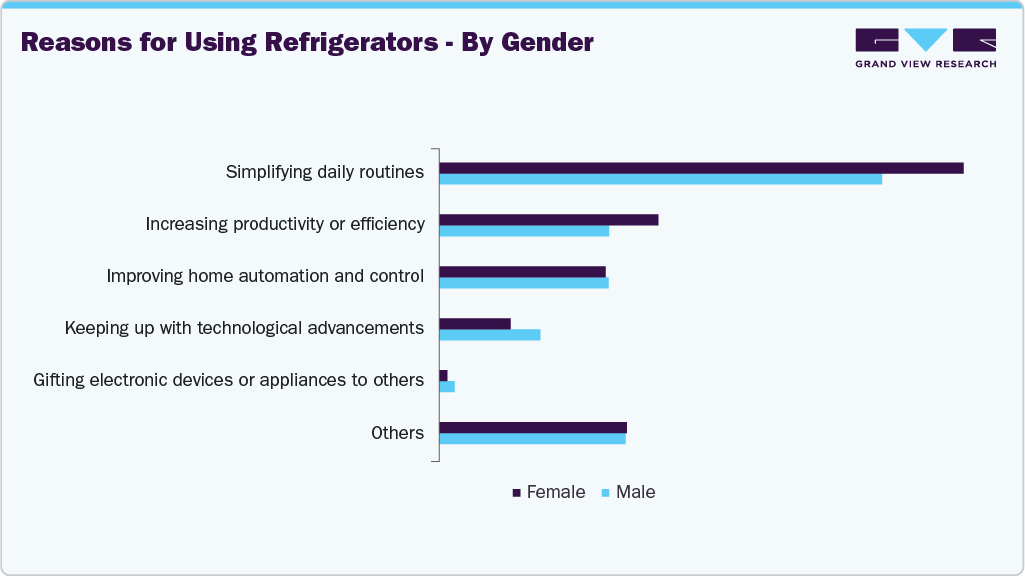
When it comes to reasons for using a refrigerator, simplifying daily routines acts as a key driver for both females and males, helping reduce the time and effort spent on food management. For females, it supports increased productivity and efficiency by making it easier to plan meals, store leftovers, and organize groceries. Males, on the other hand, often value how effectively a refrigerator helps them complete tasks, like quickly grabbing chilled drinks or finding ingredients without hassle. Overall, refrigerators have become more than just storage; they're essential tools for keeping up with the demands of modern, fast-paced living.
A major concern for many buyers when selecting a refrigerator is the elevated pricing of high-end models or the newest technologies. Although features like advanced cooling and energy-saving systems are appealing, their high costs can be off-putting. Another frequent source of frustration is the expensive price tag of specific features. This can create a feeling of spending more than required. In markets sensitive to price, consumers are becoming more focused on obtaining real value for their expenditures. Achieving the right mix of innovation and affordability is essential for brands to satisfy changing customer demands.
Buying Behavior
Customers think about the product’s performance and reliability before purchasing a refrigerator. Because people use refrigerators frequently and efficient performance is important to them, consumers rank product performance and reliability as one of the main deciding factors when making purchases. As a result, businesses that put a priority on these factors are likely to have an advantage over their rivals. The last important piece of information that purchasers search for is technological innovations and features. Due to their lengthy lifespan, most consumers decide to purchase refrigerators once every ten years. The product's lifespan significantly influences customers' purchasing frequency.
When it comes to the mode of purchase, local appliance stores are the most common mode because they not only provide a multitude of options, but they also personalize their services and discounts, which adds to a great shopping experience, thus gaining preference over other modes.
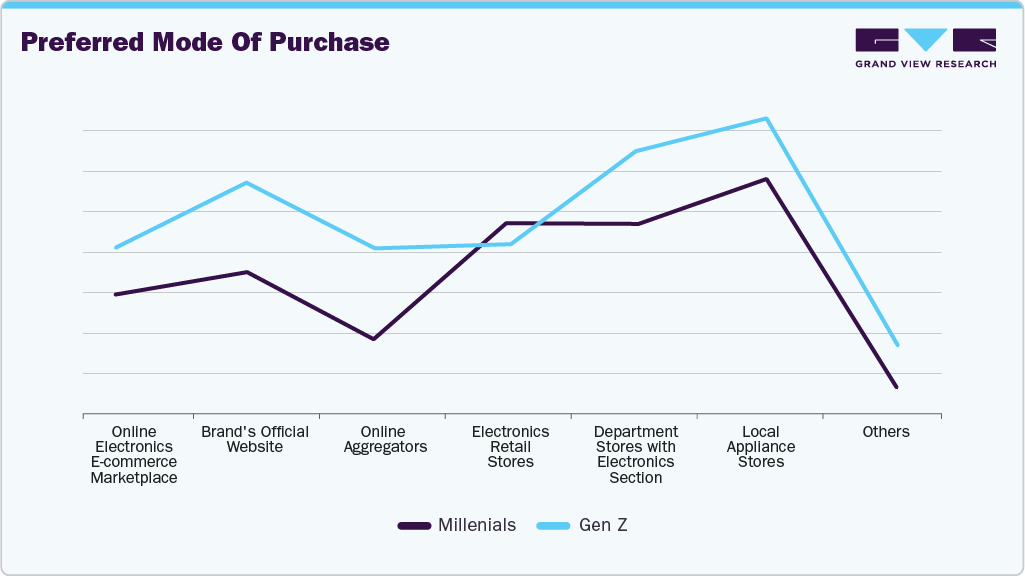
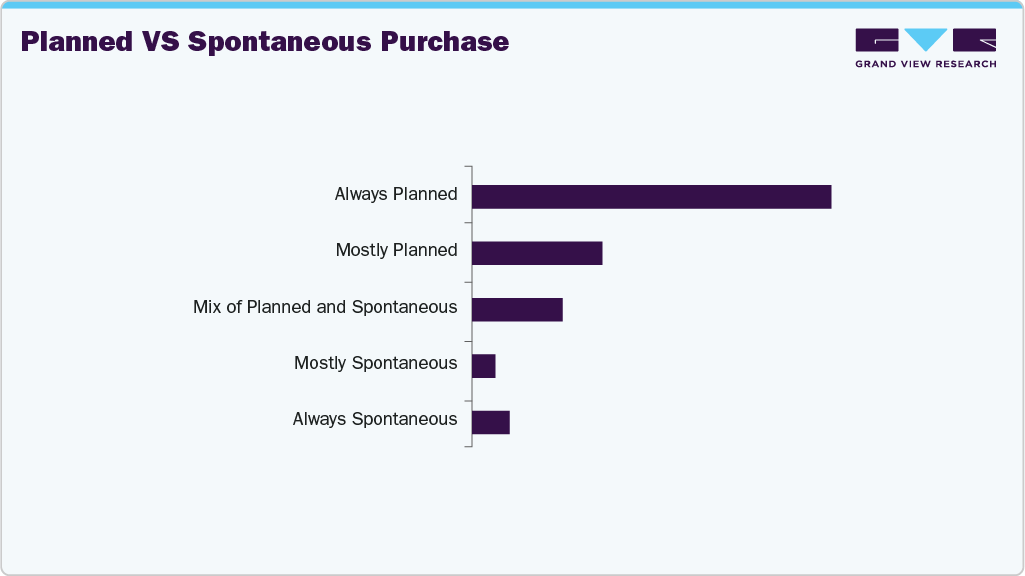
Mostly planned purchases account for 75% of consumer behavior, indicating that a large majority of buyers prefer to make thoughtful, deliberate decisions. This suggests that consumers are generally focused on finding the right product that suits their needs rather than making spontaneous purchases. The majority of people choose to buy from local appliance stores, as they offer them convenience when upgrading or replacing their outdated devices. While only a small percentage of consumers make random or impulsive purchases, most take the time to research and plan their buying decisions carefully.
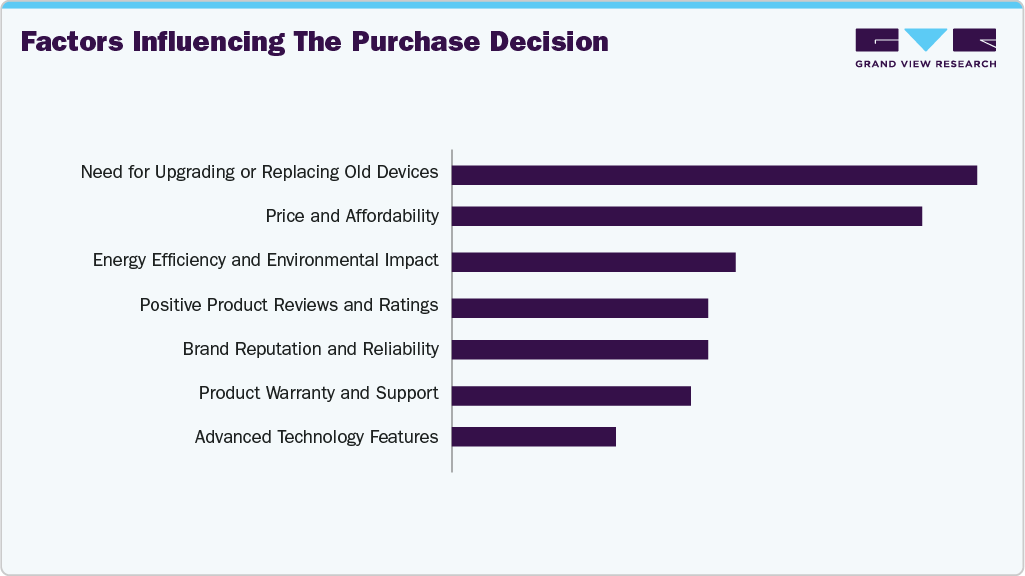
The need for upgrading or replacing old devices leads the way, with 59% of the purchases driven by the desire to replace or upgrade outdated technology. Since refrigerators tend to last a long time, buyers typically wait until their current one no longer meets their needs or, especially, its performance if it is affected significantly, planning to make a purchase once every ten years. However, price and affordability also play a significant role, with 47% of consumers motivated by the desire to find the best deal. Consumers are increasingly prioritizing promotions, discounts, and special offers to reduce the cost of refrigerators, a growing technology.
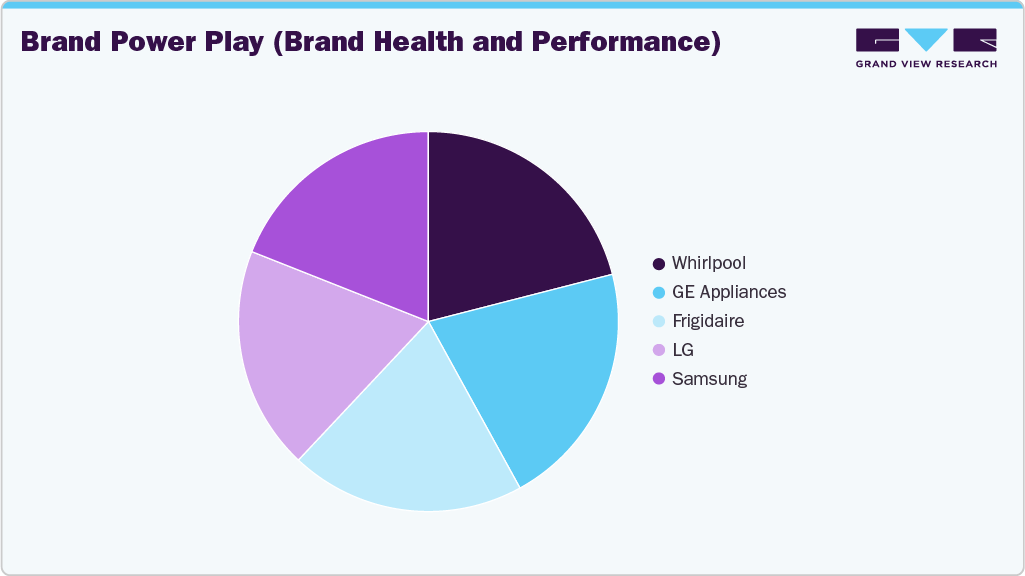
Brand Power Play (Brand Health and Performance)
Some of the popular refrigerator brands in the U.S. include Whirlpool, GE Appliances, Samsung, LG, and Frigidaire. Although the industry is competitive, Whirlpool dominates the market with 73% of the market (by awareness) thanks to its great recognition and a wide range of product offerings.
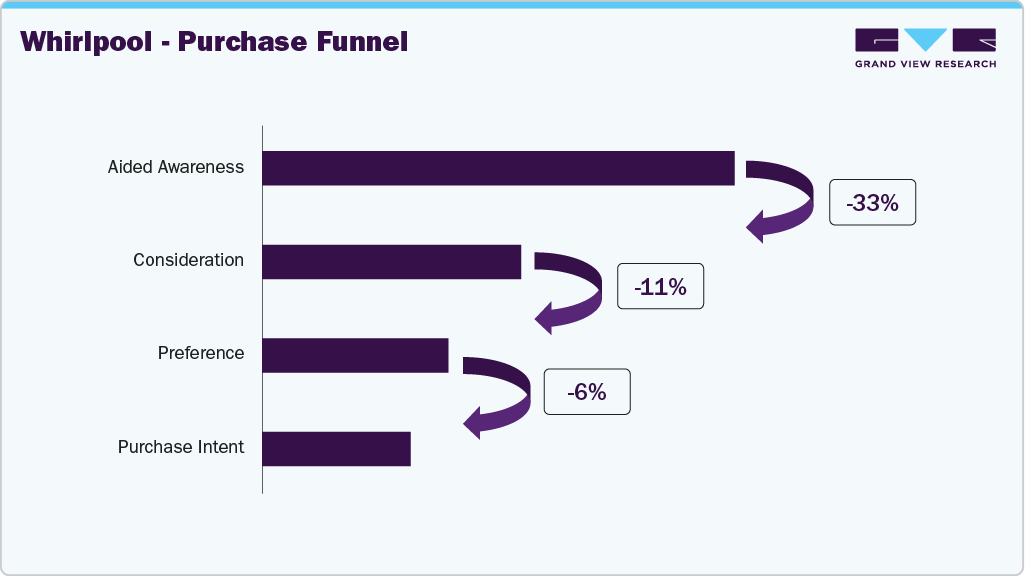
Purchase Funnel
The refrigerator is widely recognized as a market where a few brands hold the highest market share despite having competition from various other brands. And one of these is Whirlpool, a well-established name with a strong purchase funnel, which leads the pack despite experiencing declines at various stages of the buying process. On the other hand, Frigidaire, known for its high customer satisfaction ratings, could improve its conversion rates by offering more discounts or expanding its product range to reach a broader audience. Consumers tend to gravitate toward Whirlpool for repeated purchases, largely due to its reasonably priced products, making it a more frequent choice despite the cost.
While the overall NPS score of the leading brands varies from 22 to 38, with LG leading the Refrigerators industry with the highest NPS score (38) compared to other brands in the market.
