U.S. Skincare Products Consumer Insights - Usage, Attitudes, And Brand Performance Report
Introduction
Skin care consumers are evolving globally, and the U.S. is at the forefront of this evolution. Thanks to the free flow of information all around, consumers today are more knowledgeable, aware, well-read, and hence less driven by mere promotions and visuals. Brands need to keep a tap on the changing pulse of the consumers to stay relevant. Skin care is one of the most commonly adopted categories in the U.S. market, with 8 out of 10 adults using skin care products at least once a day.
Methodology
Insights covered in this report are drawn from GVR’s ‘Voice of Consumer Survey-2024’ and its periodic updates. The latest survey represents 75,000+ consumer interviews conducted across 20 countries for 100+ product categories. These insights are designed to help Skin Care brands in their strategic decision-making process. Our VoC reports provide insights around category usage & attitude, buying behavior, brand performance metrics, and brand health indicators of leading players in the U.S. skincare market.
Usage and Attitude
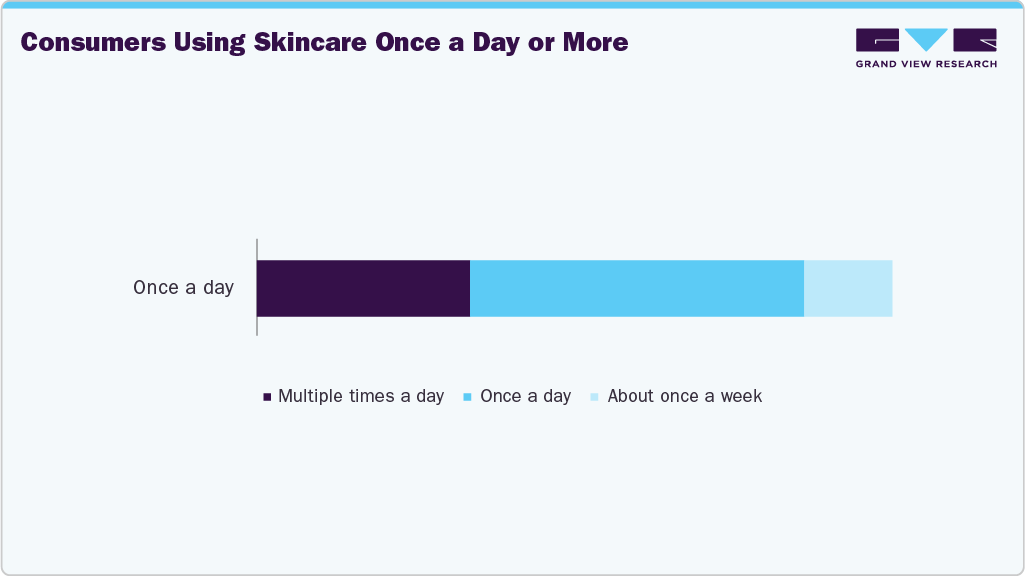
The U.S. consumers are gradually moving towards a more consistent and balanced skin care trend, with 80% of consumers using the skin care products at least once every day. Among these consumers, around 40% use the skin care products multiple times a day.
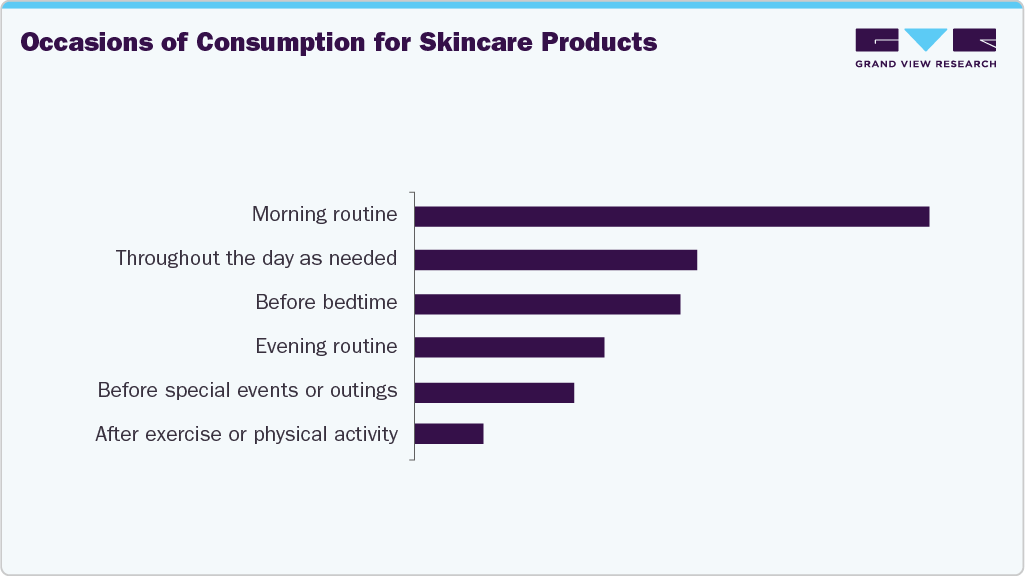
Skin care is part of the morning routine for 3 out of 5 consumers; however, there is an opportunity to enhance the consumption of skin care products by encouraging product usage on other occasions, such as evening routine, bedtime routine, and post physical activity.
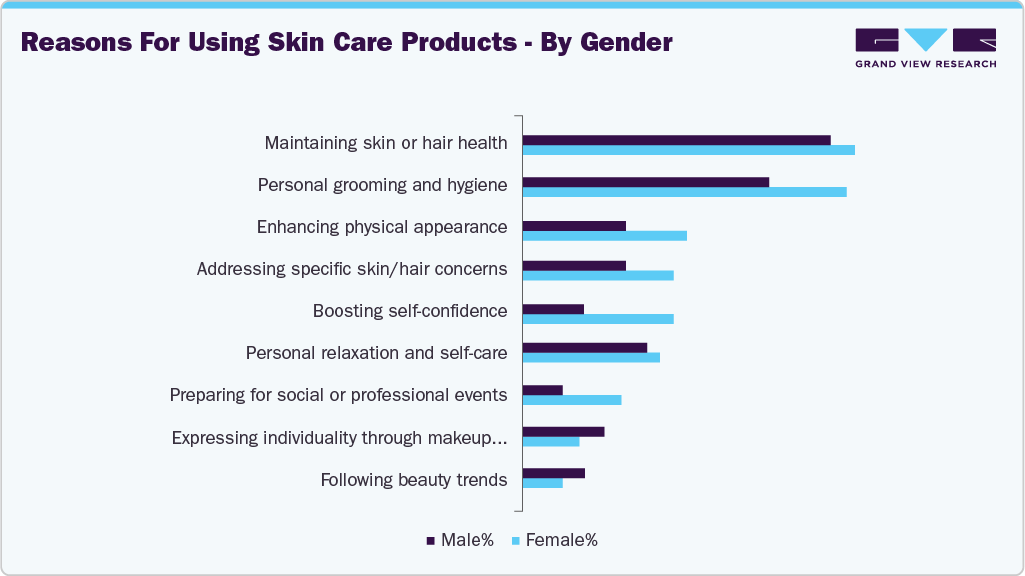
When it comes to the rationale for using skin care products, maintaining skin health is the most important reason for males as well as females. However, it is interesting to note that among females, personal grooming and hygiene are also equally important; however, it is a far second among male consumers.
Buying Behavior
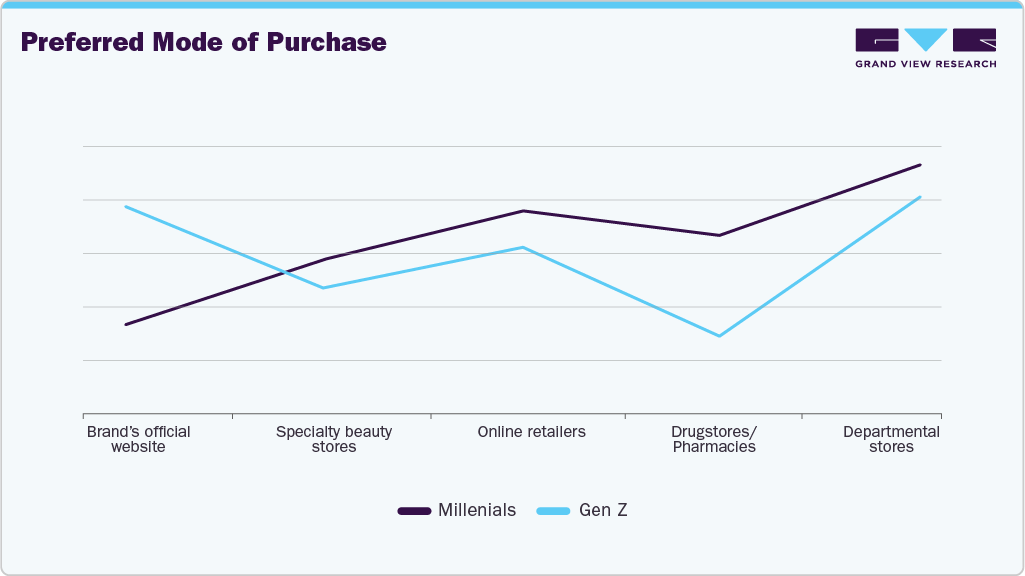
‘Departmental stores’ is the most preferred mode of purchase for skin care products for consumers. There is an interesting differentiation in terms of online purchase between Gen Z and Millennials. Gen Z is more comfortable shopping for skincare products directly on the official company websites, while Millennials prefer online retailers and resellers.
U.S. consumers planned their purchases of skincare products, as evidenced by 7 out of 10 consumers mentioning it as an ‘always planned’ or ‘mostly planned’ purchase. Less than 10% of the US consumers purchase spontaneously (mostly and always spontaneous).
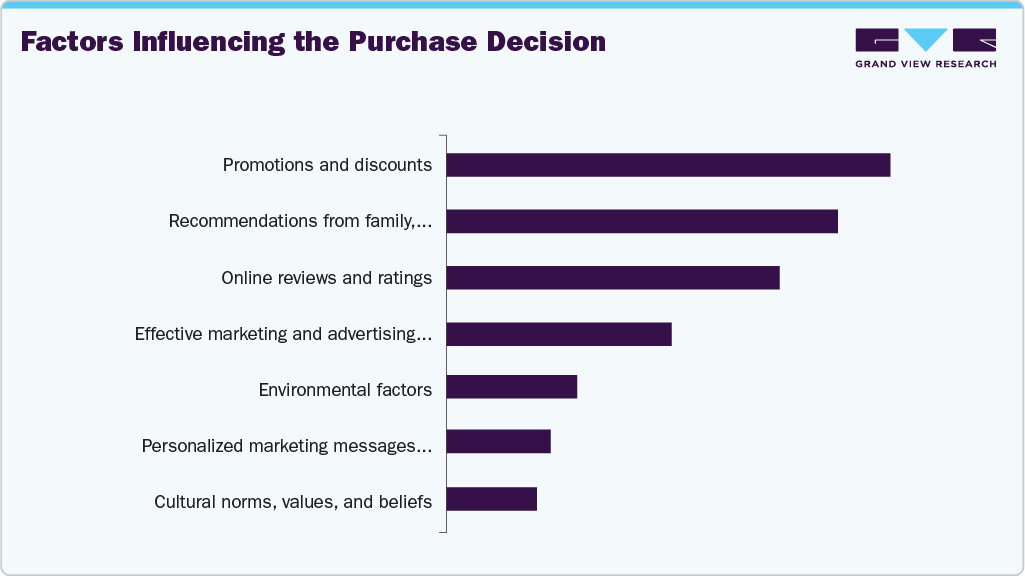
The purchase decision is influenced by effective promotion strategies, discounts offered by the brands, and recommendations, especially from social media influencers.
Promotions and discounts mostly influence 8 out of 10 consumers. It is encouraging to see that one-fourth of the US consumers surveyed are also driven by environmental factors, and it is expected to increase in the coming years, owing to the increasing sustainability awareness.
Brand Power Play (Brand Health and Performance)
Some of the popular skin care brands in the U.S. include Clinique, Estée Lauder, Neutrogena, CeraVe, Olay, La Mer, Kiehl's, L'Oréal Paris, Cetaphil, and Glossier.
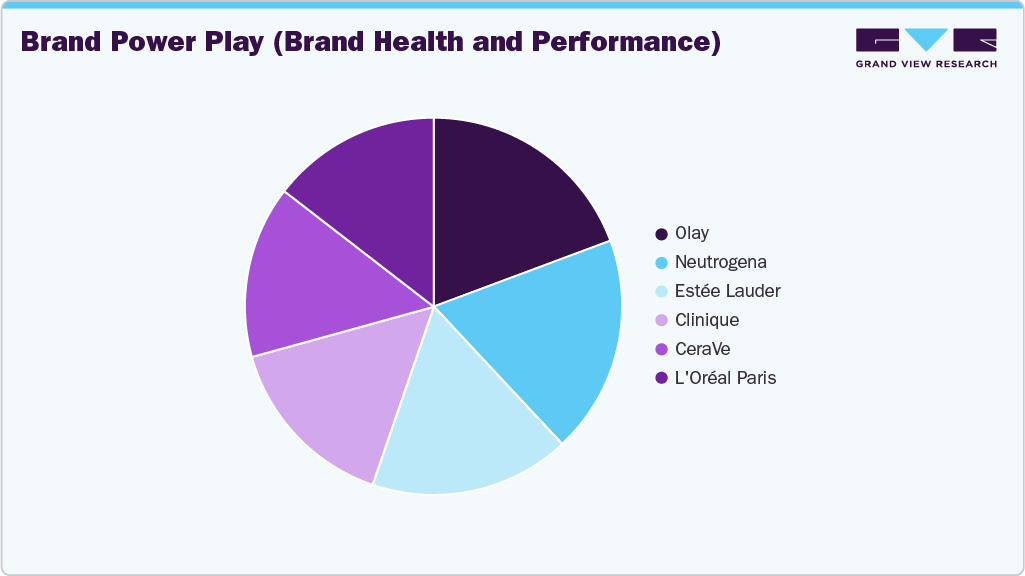
There are multiple brands offering skin care products in the U.S. market, the survey results show that some brands like Olay and Neutrogena had higher brand usage among the consumers compared to other brands like Cetaphil, Kiehl’s, La Mer and Glossier. The top 5 brands contribute around three-fourths of the market share in terms of current usage.
Purchase Funnel
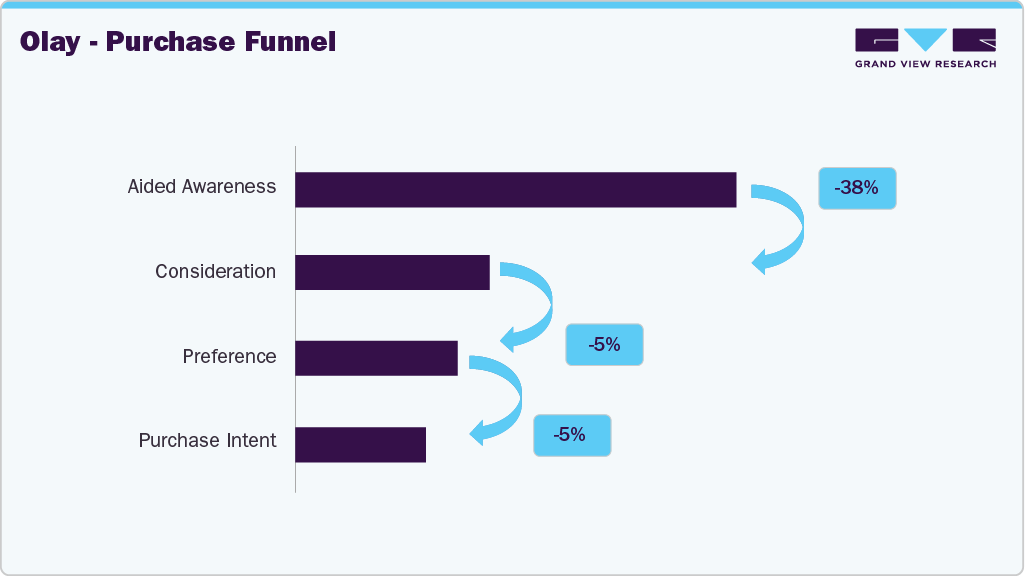
While many skin care brands enjoy high awareness amongst the U.S. consumers, very few make it to the consideration and preference stage. Olay is one of the prominent brands which exhibits a strong purchase funnel despite having significant drops at each step of the funnel.
While the overall NPS score of the leading brands varies from 30- 80, some brands like Estee Lauder have a good NPS score (78) compared to other skin care products in the market.

Talk to an analyst
Tell us what you need. We reply within one working day.
Service Guarantee
-
Insured Buying
This report has a service guarantee. We stand by our report quality.
-
Confidentiality
Your transaction & personal information is safe and secure.
-
Custom research service
Design an exclusive study to serve your research needs.
-
24/5 Research support
Get your queries resolved from an industry expert.