U.S. Sun Care Products Consumer Insights - Usage, Attitudes And Brand Performance Report
Introduction:
The sun care market in the U.S. is growing at a rapid pace because people are more aware of how important it is to protect their skin in this environment. Consumers are learning about the harmful effects of UV rays on their skin. Thus, they are seeking products that provide holistic protection, i.e., from both UVA and UVB rays. It is now widely recognized that constant exposure to the sun without any protection can lead to skin cancer, triggering higher usage. Having said that, sun care is not limited only to the face, but we have products for the body and scalp as well, providing a huge opportunity for brands to tap into these segments and extend their product lines. Furthermore, we see advancements in formulation as well, where various brands are offering sunscreen spray, sunscreen powders, sticks, etc., shifting from the traditional lotions. However, lotions remain the top choice for consumers due to their moisturizing properties. Now, let’s look at the trends and advances in the industry:
-
Broad-Spectrum Protection: Thanks to social media, consumers are provided with more information about the dangers of both UVA and UVB rays, leading to an increased demand for broadband sunscreens. With that in mind, we consumers are also taking a preference for mineral-based sunscreens over chemical ones due to the presence of physical blockers in them. These are considered to be environmentally friendly and free from parabens as well, which acts as a great advantage.
-
Rise of Reef-Safe and Eco-Conscious Products: The impact of our lifestyle on the environment is becoming more evident, encouraging consumers to participate and seek products that engage in ethical practices and contribute towards saving the environment. Thus, there has been a rise in demand for sunscreen that is safe for coral reefs, reducing plastic waste by offering recyclable packaging or the use of different materials.
-
Sun care for Sensitive Skin: The awareness and exposure to diseases such as eczema, rosacea, and acne have led to an increase in the demand for sun care products that are specially formulated to address these issues. These products are mild and hypoallergenic, offering a safer option for those with these skin conditions. Sunscreens with soothing materials such as aloe vera, chamomile, calendula, and more are increasingly integrated into products to cater to this market segment.
-
Innovation in Sun Care Formats: The sun care market is witnessing innovation in product formats, with brands developing convenient, easy-to-apply options to cater to busy, on-the-go consumers. New formulations include sprays, sticks, and gel-based sunscreens that provide lightweight, non-greasy options for different preferences. Additionally, there has been growth in tinted sunscreens, which not only provide sun protection but also help to even out skin tone and offer a natural, glowing finish.
Methodology:
The insights covered in this report are drawn from GVR’s ‘Voice of Consumer Survey’ and its periodic updates. The latest survey represents 75,000+ consumer interviews conducted across 20 countries for 100+ product categories. These insights are specifically catered to the brands operating in the sun care industry in order to guide them in their strategic decision-making process. This report provides insights covering category usage & attitude, buying behavior, brand performance metrics, and brand health indicators of leading players in the U.S. sun care market.
Chapter 1: Usage and Attitude
U.S. consumers display a growing awareness of sun care products that do not have harmful chemicals and allergens. Whilst the sun care industry has been consistently booming, there remains a stigma that sunscreens are greasy, ineffective, and only necessary for fair-skinned individuals or on sunny days. Having said that, only about 21% of consumers say they use sun care products once a day. However, with the growing awareness and brands innovating to create better products, there is a significant opportunity to increase the usage frequency.
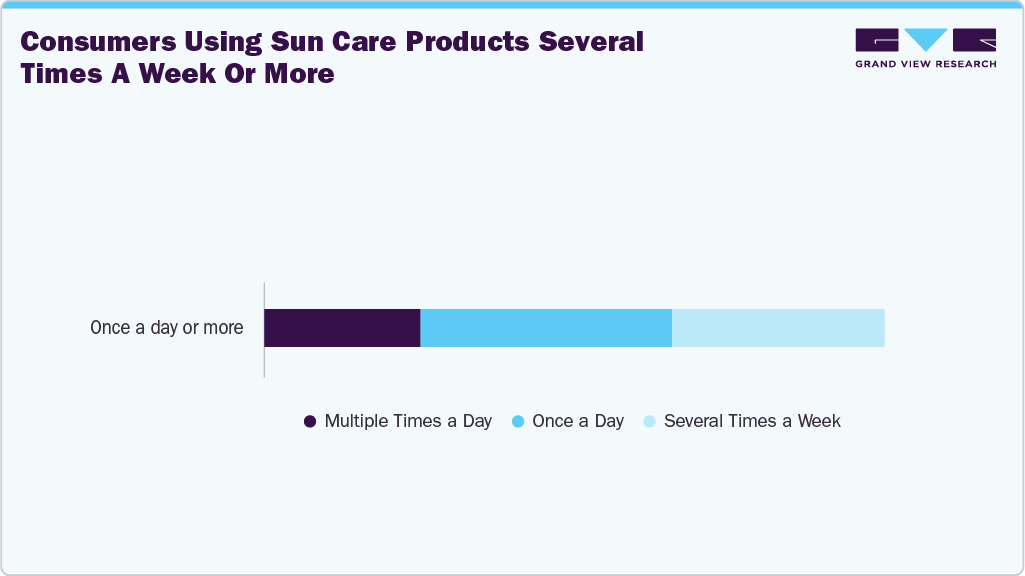
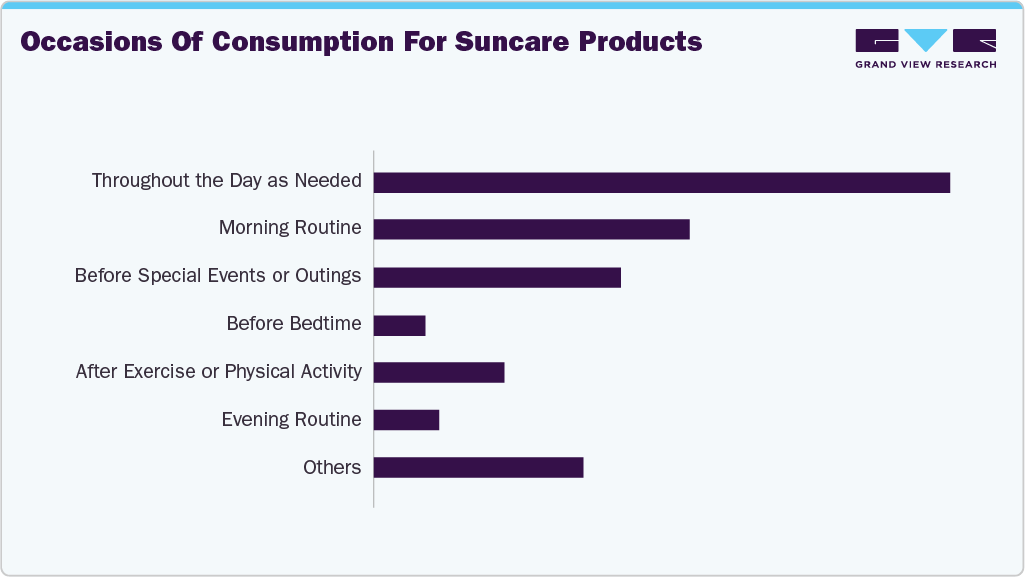
Sun care products are mostly used as per the requirement, as mentioned by about 4 out of 10 consumers. However, by promoting sun care as a way to display self-care, sunscreen brands can increase usage frequency by promoting daily sun protection as an essential part of the skincare routine, emphasizing its health benefits, and integrating it into morning self-care rituals. Consumers associate using sun care with increased self-care and relaxation. It is important to be concerned about potential harm from harsh chemicals or allergens, as well as high pricing, which discourages consumers and creates negative associations around sun care products.
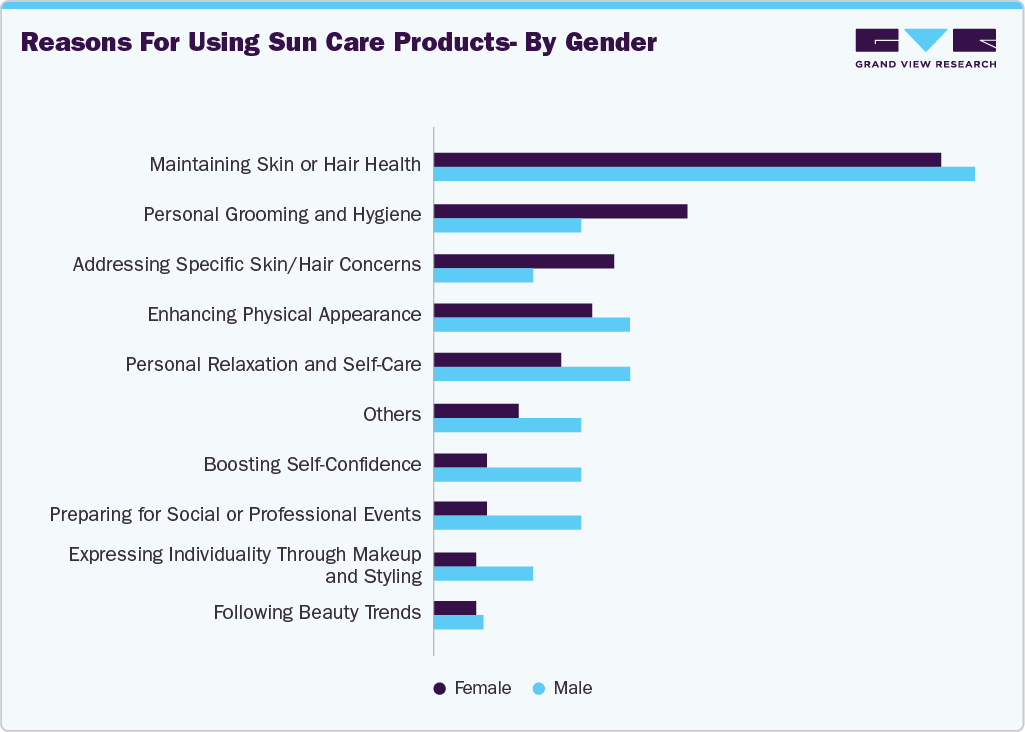
When it comes to reasons for using sun care products overall, maintaining skin health acts as a key driver and is consistent among both genders. However, for males, enhancing physical appearance is one of the key drivers, and for females, personal grooming and hygiene emerge as another key driver, highlighting how each gender views sun care.
Buying Behavior
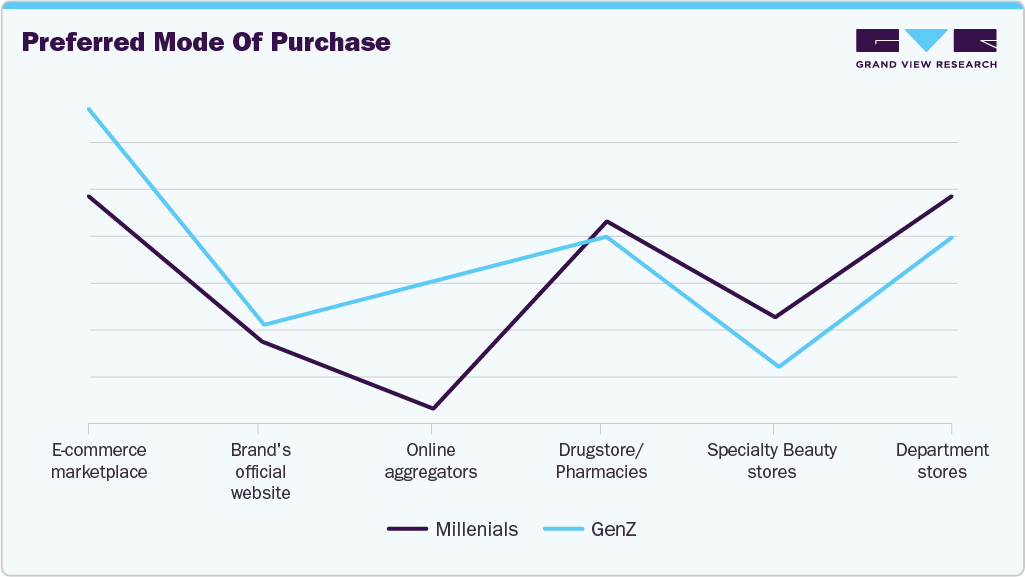
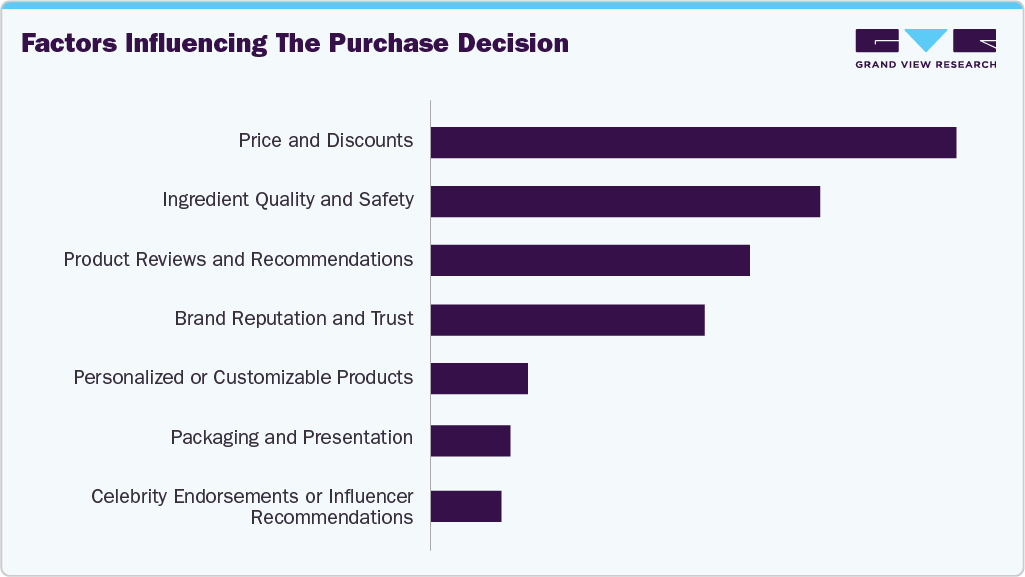
Consumers prefer to have information about certain aspects before purchasing any sun care product, these are pricing and affordability, indicating that the companies that focus on product pricing are likely to have an edge in the market. The second is product quality and effectiveness, followed by brand reputation in the market. As sun care products come in packaging that offers less volume, consumers are more likely to make a frequent purchase, i.e., once a month. Having said that, when purchasing a sun care product, consumers prefer department stores and drugstores; however, when deep diving into Gen Z and Millennials, Gen Z prefers e-commerce marketplaces over any other mode, whereas Millennials place similar importance on department stores and e-commerce marketplaces.
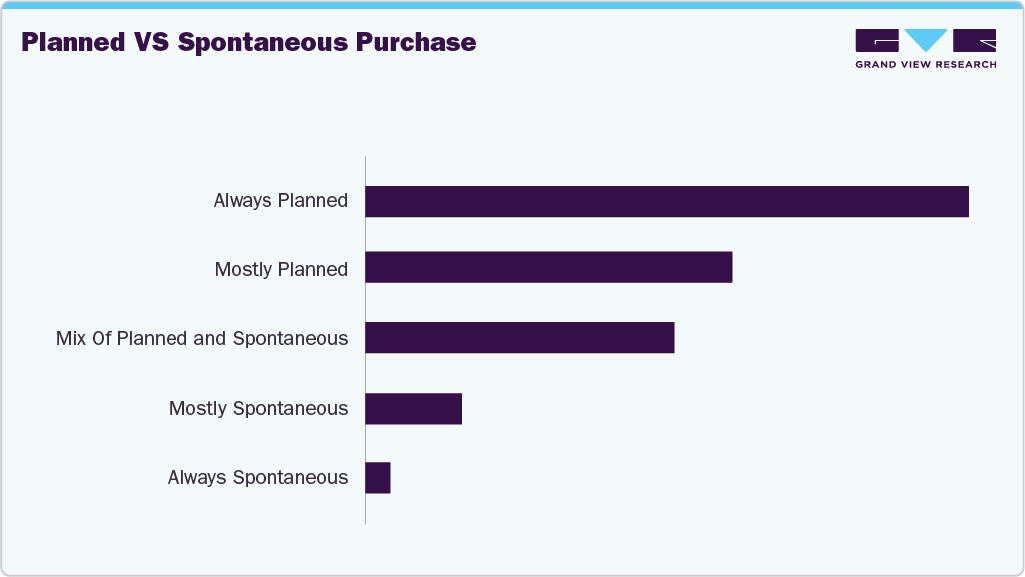
When purchasing a product, consumers, as expected, prefer planning it instead of impulse buying, as 7 out of 10 consumers plan their purchase. Although a very small portion of the population spontaneously purchases a sun care product, it is largely driven by prices or discounts being offered, such as events, seasonal sales, which offer products at very low prices, thus compelling consumers to make an unplanned purchase. Next is ingredient quality and safety, which has a great influence on the audience for trying a product.
Talking about driving factors for the purchase of a product when planned, price and discounts lead the way, as quoted by 6 out of 10 consumers. This is a strong signal that consumers are very sensitive to pricing strategies, such as sales, promotions, and discounts. Ingredient quality and safety also come into the picture, in light of the demand for cleaner and sustainable products. However, it is important to address what holds them back, which is identifying products without harmful chemicals. Due to climate change, increased pollution, and changing lifestyles, the effects on skin have been significant, making it more sensitive and prone to damage; thus, consumers are widely recognizing the effects of chemicals on their skin and demanding more organic and safer products.
Brand Power Play (Brand Health and Performance)
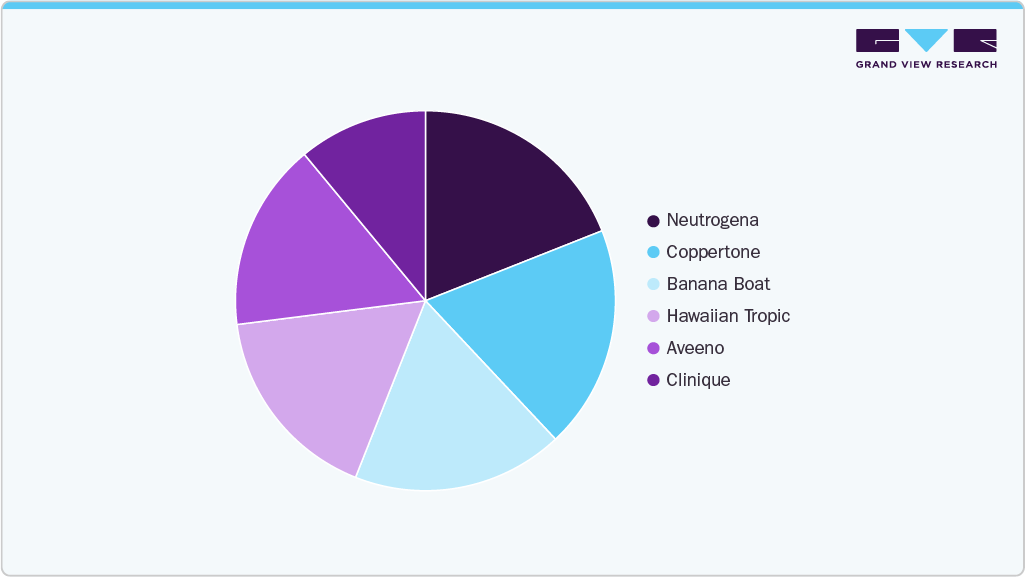
Some of the popular sun care brands in the U.S. include Neutrogena, Coppertone, Banana Boat, Hawaiian Tropic, Aveeno, and Clinique. Although the sun care industry is saturated, Neutrogena dominates the U.S. market.
Purchase Funnel
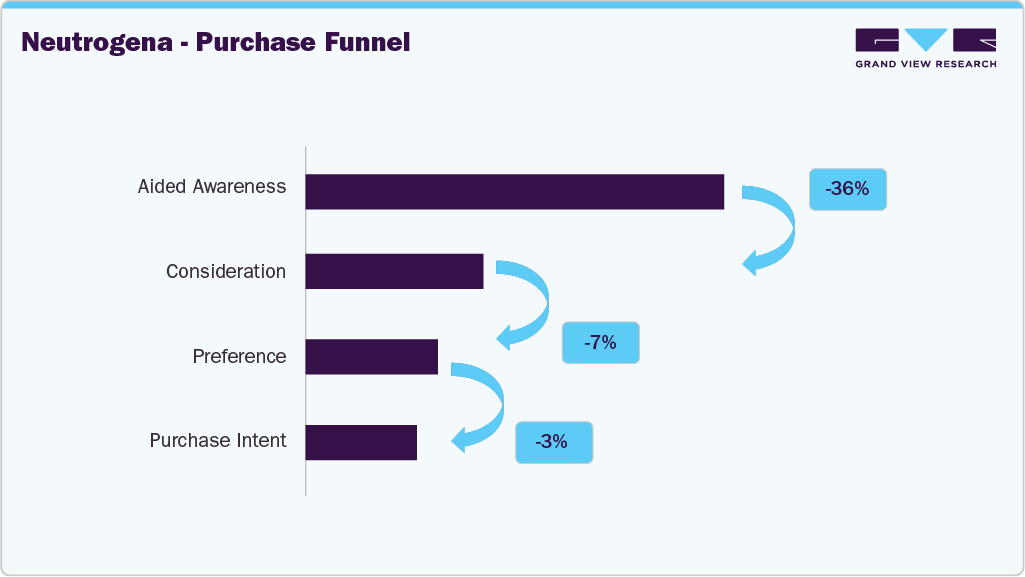
While many sun care brands enjoy high awareness and consideration in the U.S., not all climb up the ladder to purchase intent, preference, and usage. Neutrogena is one of the prominent brands that exhibits a strong purchase funnel despite having significant drops at each step of the funnel. Whilst Coppertone exhibits stronger consideration and preference, it drops at purchase intent and usage, bringing it to the second position. And Banana Boat has been consistently and slowly climbing up the ladder, providing competition to key brands, which is mainly due to higher repurchase levels among consumers. Thus, focusing on brand loyalty by providing high satisfaction levels will encourage better usage of brands. It is worth noting that although Aveeno’s sun care products have lower awareness, the brands manage to garner decent usage levels, making it a competitive player in the market.
While the overall NPS score of the leading brands varies from -50 to 50, some brands like Aveeno have higher NPS scores (50) compared to other sun care brands in the U.S. market.

Talk to an analyst
Tell us what you need. We reply within one working day.
Service Guarantee
-
Insured Buying
This report has a service guarantee. We stand by our report quality.
-
Confidentiality
Your transaction & personal information is safe and secure.
-
Custom research service
Design an exclusive study to serve your research needs.
-
24/5 Research support
Get your queries resolved from an industry expert.