U.S. Wallets Consumer Insights - Usage, Attitudes, And Brand Performance Report
Introduction:
The U.S. wallets market is experiencing growth due to fashion trends and the global adoption of wallets. Millennials are increasingly expressing their fashion status, with wallets becoming a fashion statement. Although the introduction of e-wallets has had a huge impact on the industry, people’s perception has also moved from just a necessity to a statement piece, making them a must-have accessory. Additionally, the industry has successfully adapted to the change by introducing RFID technology in its products to ensure the protection of information. Here are some of the market trends dominating the U.S. wallets market:
-
The Rise of Dual-Purpose Neutral Designs: With wallets that combine functionality and versatility, gender-neutral design has taken over the industry. Customers are seeking wallets with stylish, universal designs and useful features, such as built-in phone compartments and passport slots, that transcend traditional gender norms. With minimalist designs that appeal to a wide range of people, this trend reflects cultural shifts towards inclusivity and practicality. Successful products offer elegant simplicity without compromising adaptability.
-
Security-Enhanced Wallet Revolution: RFID-blocking technology is revolutionizing the wallet industry by providing a solution to digital dangers and physical loss concerns. This technology combines Bluetooth tracking with protective shielding against electrical theft. As consumers increasingly value security features, wallet manufacturers are incorporating advanced defensive features without compromising form factors or appearance. This transforms the basic wallet into an active digital sentinel, protecting financial data while ensuring the recovery of the actual object.
-
The Sustainable Slim Revolution: The wallet industry in the U.S. is embracing minimalist design and environmental beliefs, with businesses focusing on sustainable materials. These wallets are crafted from recycled fabrics, vegan substitutes, and ethically sourced materials, reflecting a shift in lifestyle towards mobility and responsible consumerism. These accessories eliminate excess and emphasize environmentally responsible production methods, resulting in a new aesthetic model with a smaller environmental impact and physical footprint.
-
Rise of Luxury Wallets: The U.S. luxury wallets market has seen significant growth due to consumer preference for premium materials and craftsmanship, including high-end leather and sustainable alternatives. Luxury brands have emphasized heritage craftsmanship and technological innovations, while distribution has expanded beyond department stores to direct-to-consumer channels and specialized boutiques. Marketing narratives emphasize lifetime value, sustainability credentials, and personalization options.
Methodology:
The insights covered in this report are drawn from GVR’s ‘Voice of Consumer Survey’ and its periodic updates. The latest survey represents 75,000+ consumer interviews conducted across 20 countries for 100+ product categories. These insights are specifically catered to the brands operating in the wallets industry to guide them in their strategic decision-making process. This report provides insights covering category usage & attitude, buying behavior, brand performance metrics, and brand health indicators of leading players in the U.S. Wallets market.
Chapter 1: Usage and Attitude
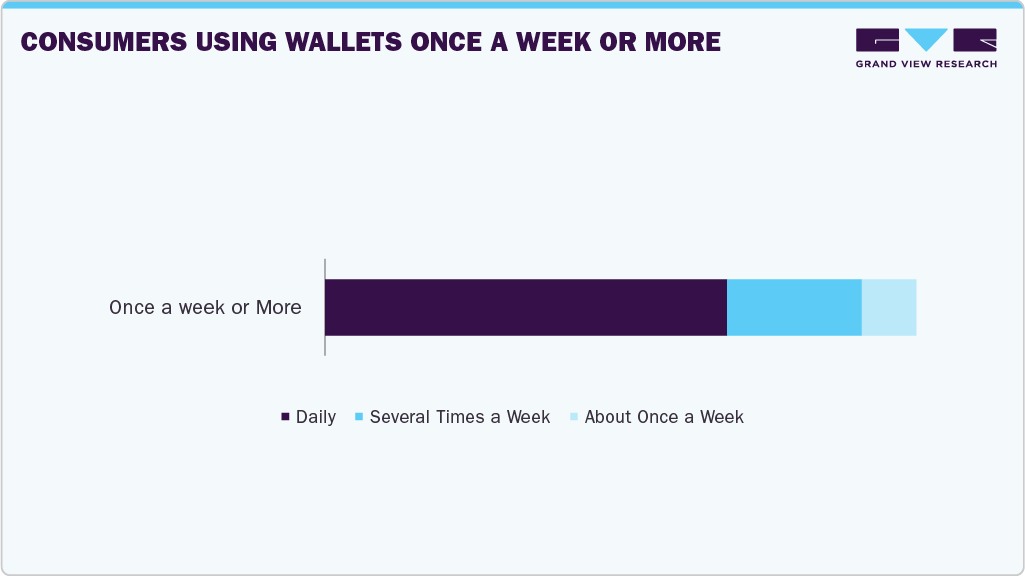
Considering the consumer requirement for highly durable and sleek leather accessories, leather wallets and pouches are commonly preferred for everyday use. This is backed by the fact that 87% of consumers use Wallets once a week or more, of which 59% of consumers say they use them daily.
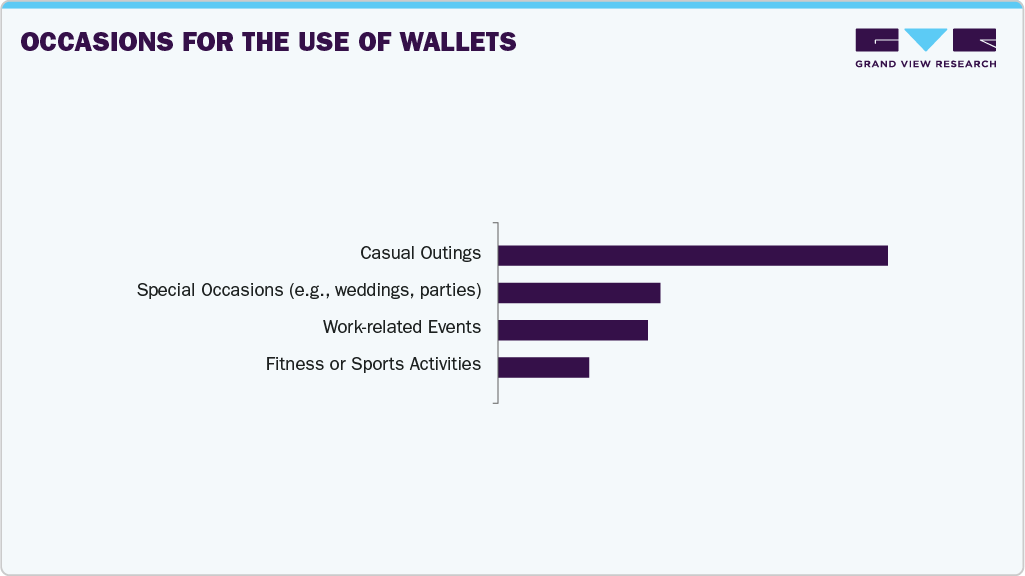
Beyond everyday utility, wallets are used across a wide range of settings, including casual outings, work, social events, and even gym visits, highlighting their role as both functional and lifestyle accessories. For many women, wallets also serve a dual purpose, often holding compact cosmetics for quick touch-ups. Consumers associate their wallets with feelings of confidence, comfort, and personal organization. However, frequent usage does not always translate into easy purchasing decisions. High-quality and designer options are often expensive, and current market trends may not always align with individual style preferences, posing barriers for those seeking both function and fashion.
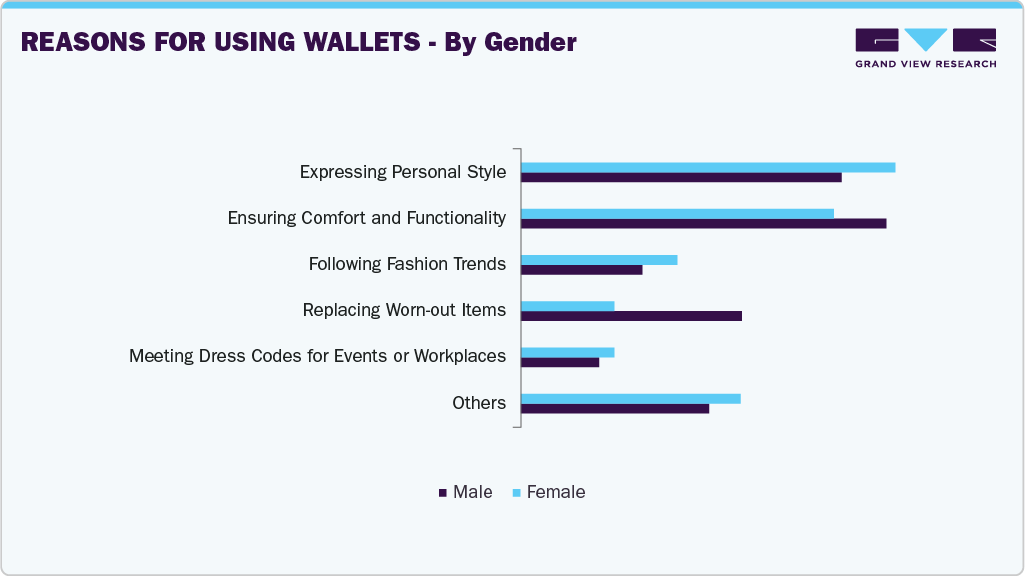
Expressing personal style is the primary factor that males consider when using wallets, while it is the secondary factor for females. The most important reason females use wallets is to ensure comfort and functionality, which is the secondary factor for males. A good value for money and the durable and long-lasting construction make the purchase delightful. When it comes to the high cost for the product's quality, which has emerged to be a significant pain point for consumers across, and the poor craftsmanship, it results in customer dissatisfaction, as the purchase doesn’t appear to be value for money.
Buying Behavior
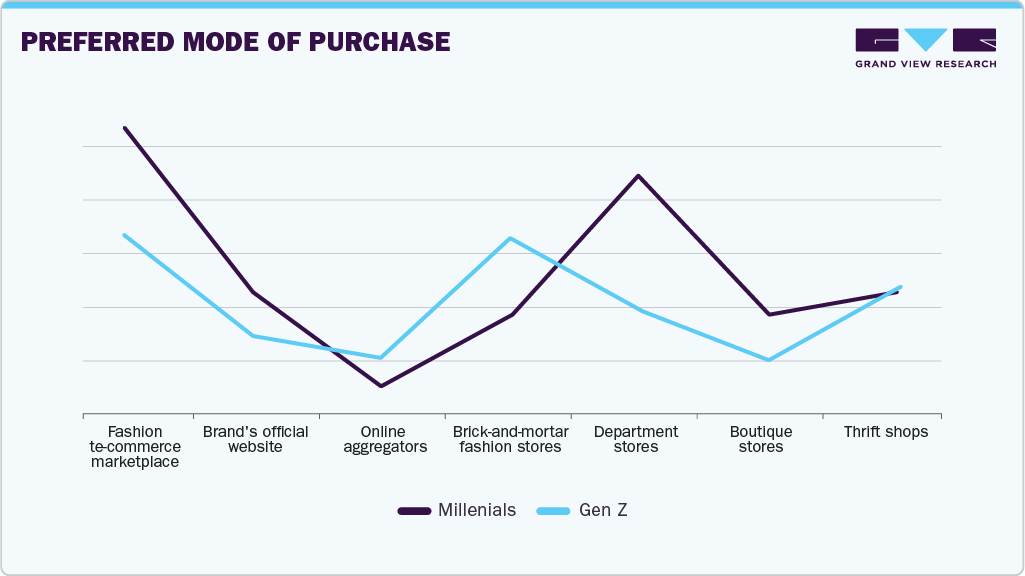
Before making a purchase, consumers gather some information about the comfort of the product, its pricing, and whether the overall deal is a value for money, which helps them make an informed decision. Customers like to purchase wallets once every two years because they demand durable and trendy wallets. Gen Z and Millennials prefer purchasing a wallet mostly from online e-commerce websites. However, second to that, department stores have a higher preference among millennials, whereas for Gen Z, brick-and-mortar fashion stores are a go-to.
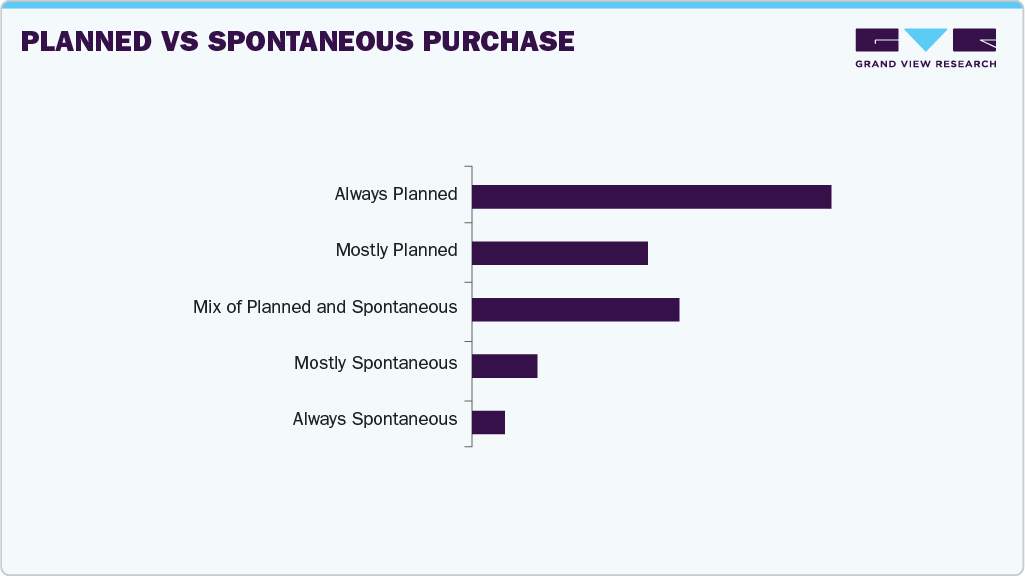
We can confidently state that wallets belong to a more planned purchase category, as more than 6 out of 10 people say their purchase is planned, of which 43% of consumers say it is always planned. 25% of consumers’ purchases are either planned or spontaneous, depending on the different situations and offers. Only about 12% of the population has displayed spontaneity in their purchase behavior.
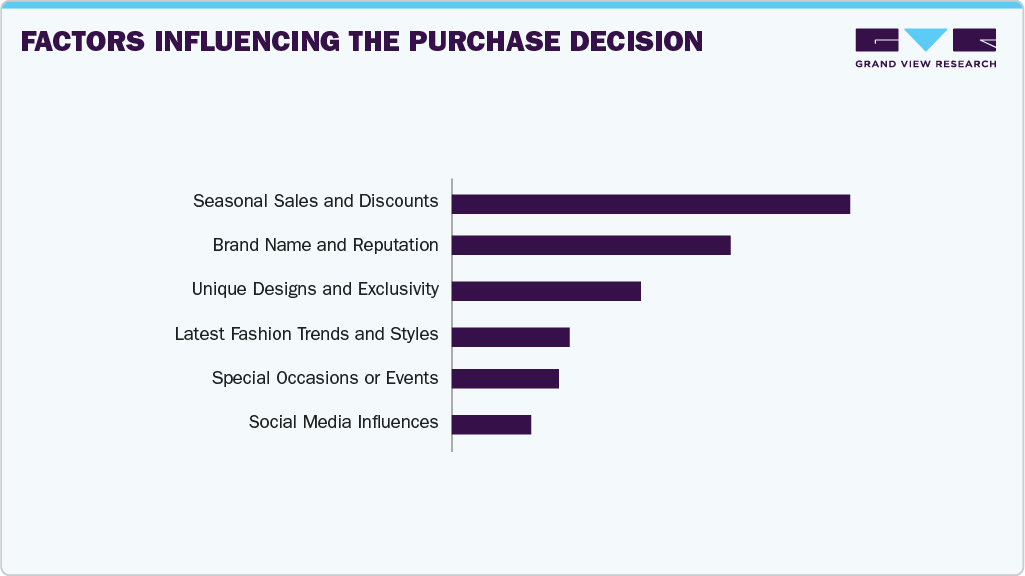
Seasonal sales and discounts, as well as brand name and reputation, are the main influencing factors that act as drivers for buying a wallet, according to a significant percentage of respondents. Additionally, social media does contribute to brand recognition and is slowly gaining higher preference, but it has, as of now, comparatively less impact on driving purchase decisions just as significantly. Nevertheless, despite the increasing demand, there are still certain barriers to buying a product, like the high price of high-quality goods and the scarcity of inclusive or diverse designs.
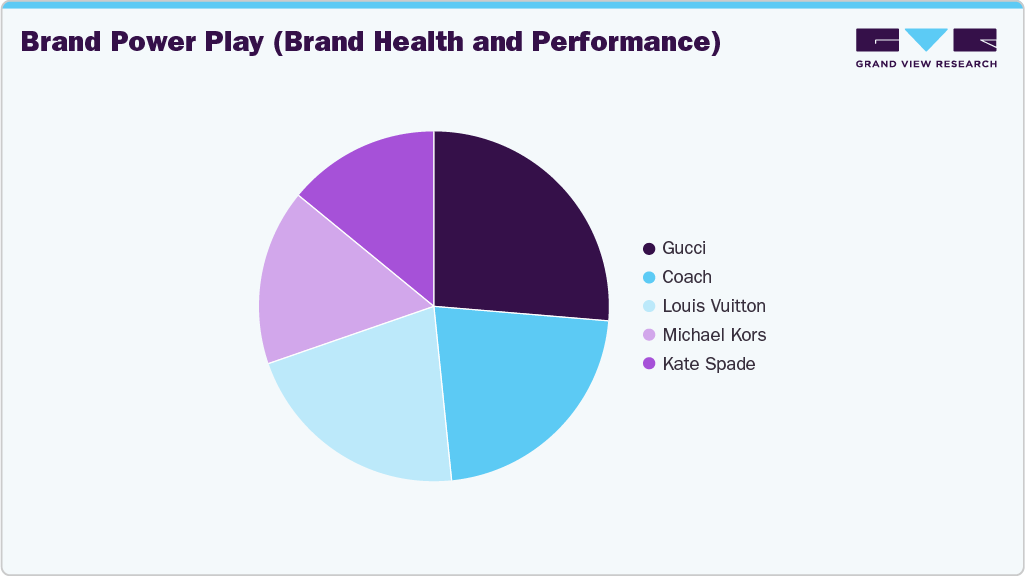
Brand Power Play (Brand Health and Performance)
The wallet market in the U.S. has been experiencing steady performance, and this is led by brands such as Gucci, Coach, and Louis Vuitton, which have a strong presence and high brand awareness, with Gucci leading with 62% market share in aided brand awareness.
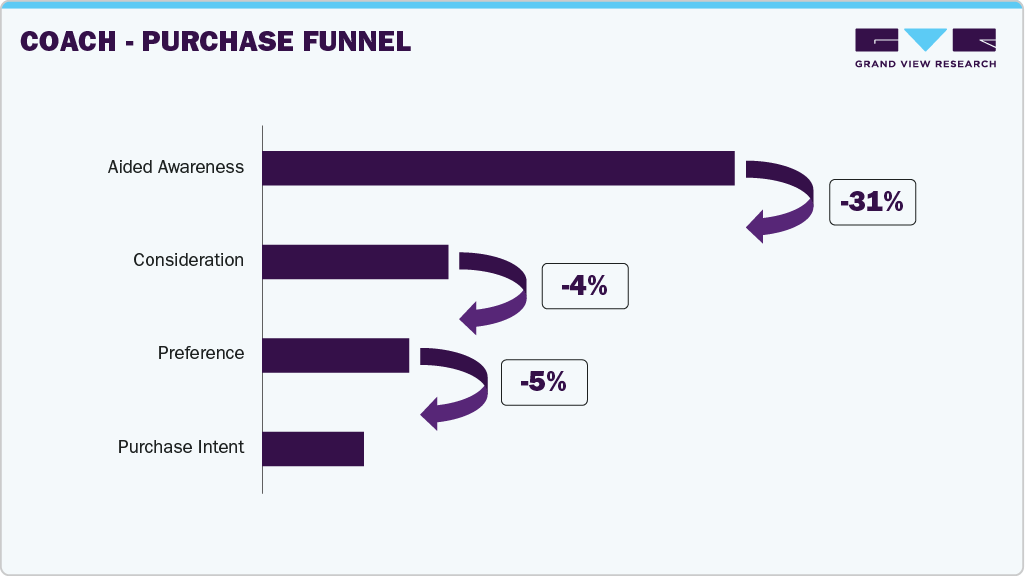
Purchase Funnel
The wallets industry in the U.S. has been facing a lot of competition from e-wallets and online payment methods that eliminate the need for cash or cards. Thus, the traditional wallets have been experiencing competition like never before. However, traditional wallets are now widely recognized as an organizational tool, a statement piece; therefore, more and more people are swaying from cheap wallets to affordable luxury to keep up with this trend. Having said that, only a handful of brands enjoy high awareness, which can simply be attributed to their long-standing presence in the market. Thus, even among the popular brands, not all of them make it towards usage with a winning streak. However, the brands that can surpass competition and perform well throughout the purchase funnel are Gucci, Coach, and Louis Vuitton, all of which are tough competitors with a good brand reputation. Although Gucci leads by awareness, Coach showcases better performance overall, thanks to its durability, long history, and marketing towards affordable luxury. Gucci, being an ultra-luxury brand, takes a step back on usage as expected. It is worth noting that Louis Vuitton, which caters towards ultra-luxury but also somewhat affordable products, has a high repeat purchase trend vs other leading brands, depicting brand loyalty. Additionally, Coach and Gucci also enjoy good satisfaction levels among consumers post-usage.
The overall NPS score of the leading brands varies from 6 to 55, with Louis Vuitton having the highest NPS score (55) compared to other wallet brands in the U.S. market.

Talk to an analyst
Tell us what you need. We reply within one working day.
Service Guarantee
-
Insured Buying
This report has a service guarantee. We stand by our report quality.
-
Confidentiality
Your transaction & personal information is safe and secure.
-
Custom research service
Design an exclusive study to serve your research needs.
-
24/5 Research support
Get your queries resolved from an industry expert.