U.S. Washing Machines/Dryers Consumer Insights - Usage, Attitudes, And Brand Performance Report
Introduction:
Water conservation, smart technology, and energy efficiency have become top priorities in the U.S. washing machine market. Due to their price, ease of use, and cultural acceptance, top-load washing machines are the most widely used in American homes. However, front-loading washing machines are growing in popularity because of their durability, gentler care for clothing, and water and energy efficiency. For extra convenience, brands are focusing on the latest innovations, such as washers that can monitor load status, control cycles, and receive maintenance alerts via smartphone apps. The majority of modern washers have several wash cycles for different fabric types, such as normal, heavy-duty, delicate, and sanitize modes. Consumers are becoming more concerned about sustainability, driven by steam cleaning and detergent distribution technologies, as well as Energy Star Certification, which are key selling features. Companies that make washing machines are aiming to develop products that satisfy these environmentally conscious standards without sacrificing performance. All things considered, the U.S. washing machine industry is expected to grow steadily as it adapts to shifting consumer tastes and technological innovations. Let’s look at what is driving this:
-
Energy Efficiency and Sustainability: Energy Star-certified machines continue to dominate, driven by consumer demand for lower utility bills and greater environmental consciousness, with manufacturers competing on energy-efficiency ratings.
-
Smart Technology Integration: Smart, Wi-Fi-enabled washing machines are gaining market share, as consumers increasingly value features such as remote cycle control, maintenance alerts, noise reduction, and integration with home automation systems that can be monitored via smartphone apps, favoring convenience.
-
Front-Load Washers: Front-loading washers have stabilized their market position, offering better energy and water efficiency than traditional top-loading models, despite higher initial purchase prices.
Methodology:
The insights covered in this report are drawn from GVR’s ‘Voice of Consumer Survey’ and its periodic updates. The latest survey represents 75,000+ consumer interviews conducted across 20 countries for 100+ product categories. These insights are specifically catered to the brands operating in the washing machines/dryers industry in order to guide them in their strategic decision-making process. This report provides insights into category usage & attitudes, buying behavior, brand performance metrics, and brand health indicators for leading players in the U.S. washing machines/dryers market.
Chapter 1: Usage and Attitude
The use and demand for washing machines/dryers, particularly in the U.S., have significantly increased in recent years, with 23% of consumers using them more than once a day, and 13% using them only once a day. Almost all age groups are using them more frequently in their daily lives.
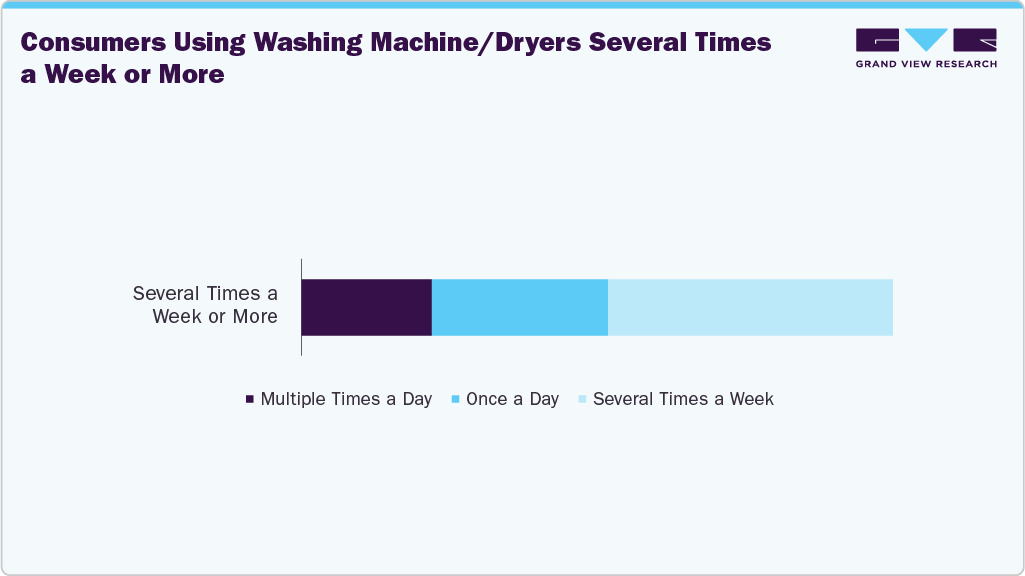
Washing machines and dryers are only used at the time of home cleaning and organization, with about 8 out of 10 consumers citing their importance. These appliances have simplified home cleaning and drying, moving away from traditional methods like handwashing and line-drying. Now, more and more people are using them for personal and household purposes, such as washing delicate items or managing large family loads. As time-saving devices, they have become essential for busy households looking to streamline chores and maintain a tidy home.
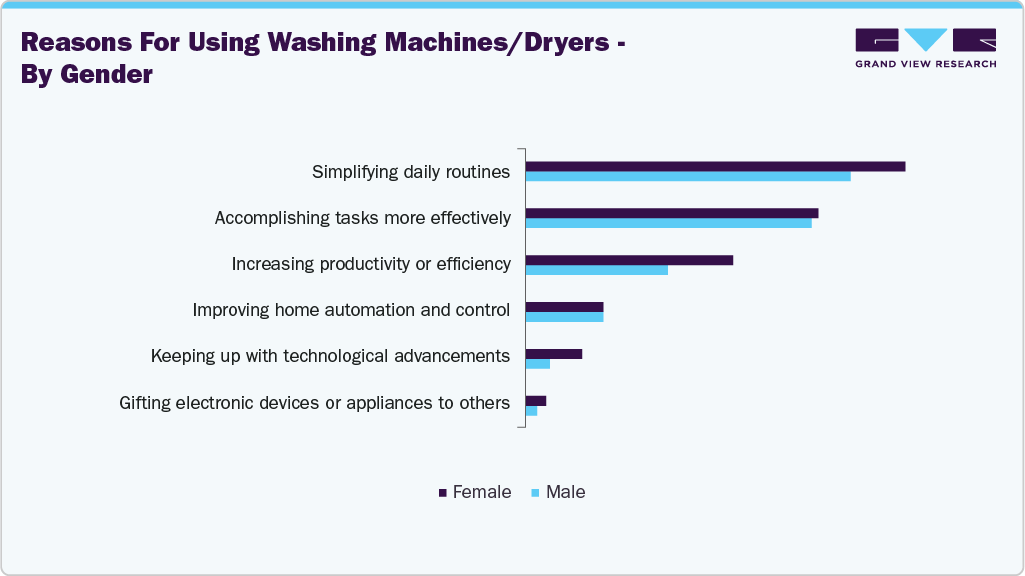
The main reason both females and males use washing machines and dryers is to simplify their daily routines, as these appliances make laundry tasks quicker and more efficient. By removing the need for manual washing and drying, they allow individuals to focus on other important tasks while still keeping their clothes clean. Another key factor is the ability to complete tasks more effectively, as these machines streamline the entire laundry process, ensuring that it is done faster and more thoroughly. For many, the ease of simply pressing a button and having the laundry automatically taken care of is a major reason they choose to invest in these essential household appliances.
A significant concern for many shoppers when selecting a washing machine is the high price of high-end or latest-technology models. Though features such as smart controls and enhanced wash options are attractive, the cost can deter budget-minded consumers. Another frequent complaint is the high energy consumption or inefficiency in some models, potentially leading to higher electricity bills over time. This can be particularly irksome for families that regularly do a heavy load of laundry. In the current market, individuals are seeking not only convenience but also long-term cost savings and environmental sustainability. Striking a balance between innovation, energy efficiency with star ratings, and affordability is essential to meet the expectations of today’s consumers.
Buying Behavior
Before buying a washing machine/dryer, customers consider a product’s performance and reliability. This is primarily because washing machines are considered a long-term investment; thus, replacing a major piece of machinery is not preferred among consumers, which raises demand for reliable, durable products that require minimal maintenance. The second is value for money and pricing, because consumers are cost-conscious, and brands must serve these markets. Technological features and innovations are the final crucial piece of information that buyers look for. As expected, the majority of buyers choose to buy washing machines/dryers once every 10 years.
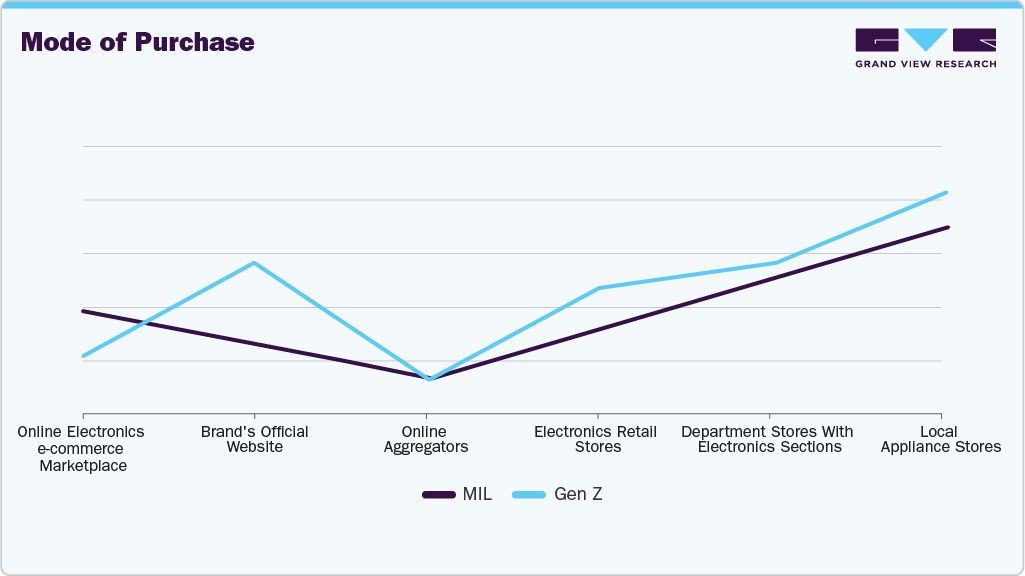
When it comes to the mode of purchase, local appliance store marketplaces are the most common mode regardless of the generation (Gen Z or Millennials). Despite the digital shift, both Gen Z and Millennials in the U.S. show a strong preference for local appliance stores when buying washing machines. This trend is driven by the ability to see and compare products in person, ask knowledgeable staff questions directly, and often receive quicker delivery and installation whenever needed. Local stores also offer a sense of trust and personalized service that online marketplaces sometimes lack, making them a go-to choice.
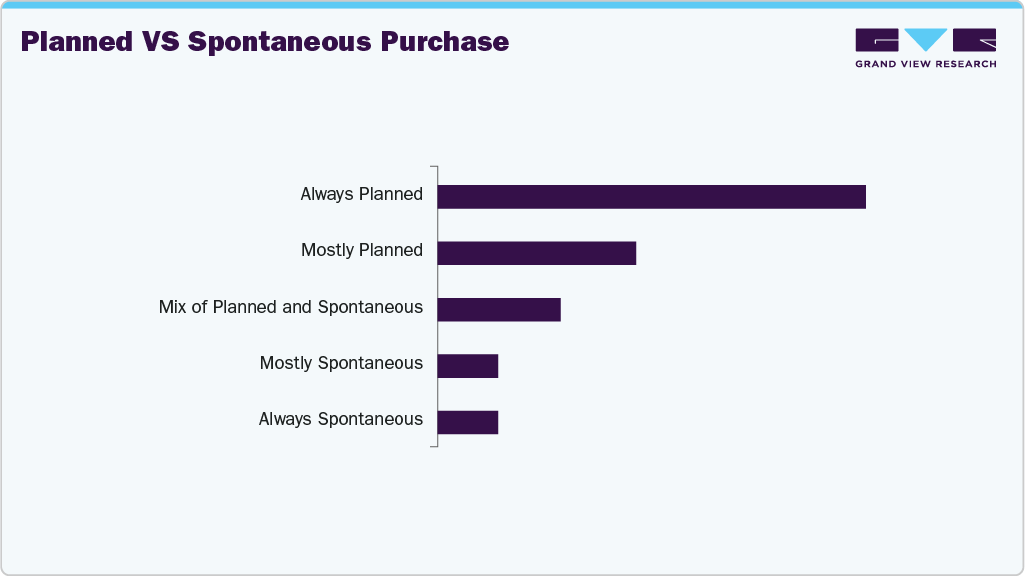
Mostly planned purchases account for 74% of consumer behavior, indicating that a significant percentage of buyers prefer to make thoughtful, well-considered decisions. This trend suggests that many consumers like to plan their purchases carefully rather than act impulsively. The majority of these buyers opt to purchase from local appliance stores, as they offer convenience when upgrading or replacing outdated devices. However, a small portion of consumers still make random purchases, highlighting that, despite the trend toward planning, some shoppers are occasionally swayed by promotions or immediate needs.
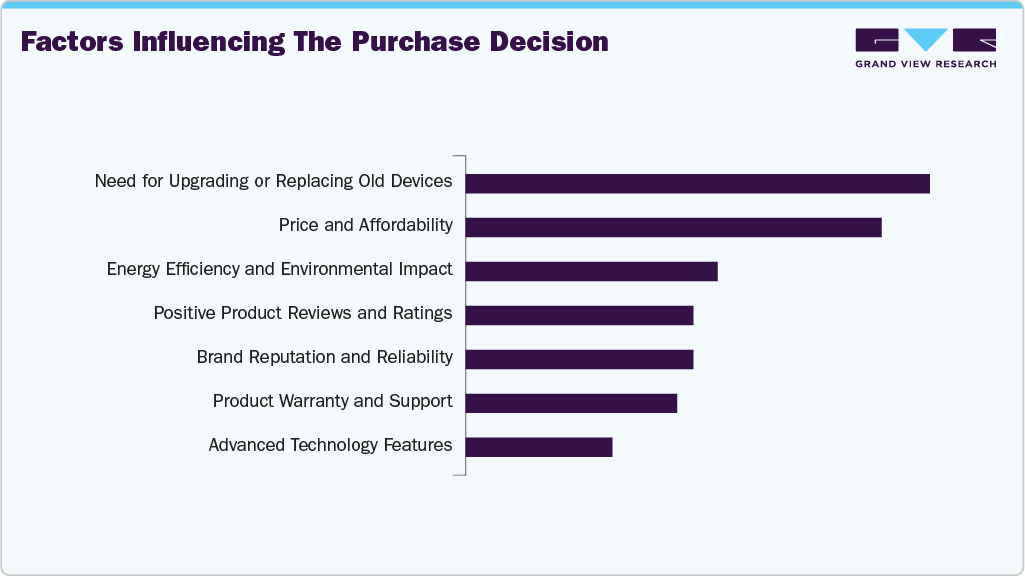
The need to upgrade or replace old devices leads the way, with 59% of planned or general purchases triggered by this factor. This indicates that buyers typically wait until their current washing machine or dryer no longer meets their needs, as these appliances tend to last a long time, with consumers planning to replace them roughly every 10 years. However, price and affordability also play a significant role, with 51% of these purchases driven by the desire to find the best deal. Even for planned purchases, consumers are prioritizing sales, discounts, and offers to lower the price of washing machines and dryers, a growing technology, especially in price-conscious markets.
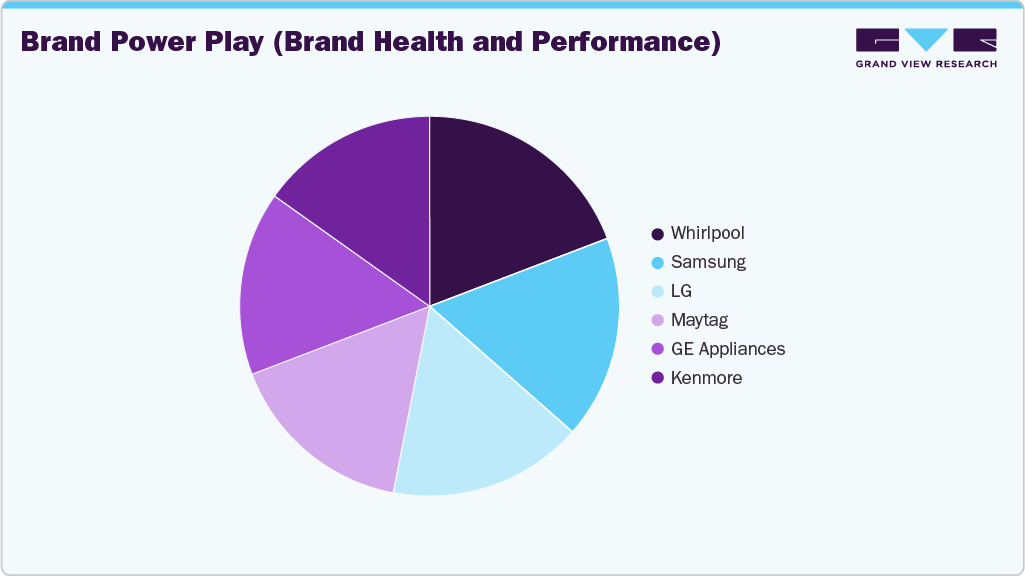
Brand Power Play (Brand Health and Performance)
Some of the popular washing machines/dryers’ brands in the U.S. include Whirlpool, Samsung, LG, Maytag, GE Appliances, and Kenmore. Although the washing machine industry is competitive, Whirlpool dominates the market with an 81% share (by awareness), offering a wide range of products at different entry-level prices.
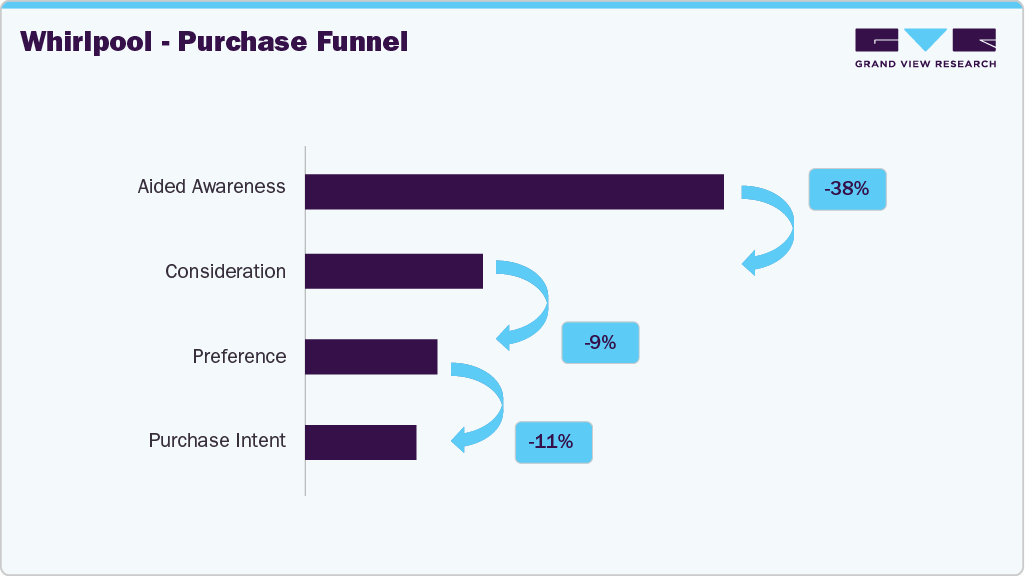
Purchase Funnel
Even with numerous well-known washing machine/dryer manufacturers in the U.S., only a few reach the point of being favored and considered. One of the well-known businesses with a strong purchase funnel is Whirlpool, which experiences a significant drop at the consideration level of the funnel. Still, it maintains its preference and purchase intent. Given that Samsung products have the highest customer satisfaction ratings among the mentioned brands, it may be able to increase the percentage of consumers who move from consideration to purchase by offering discounts or expanding its product line to a wider market. Because their products are more expensive, the buyer is compelled to choose Whirlpool, which offers similar features, making it a reasonably priced option. Well-known brands like Samsung and Whirlpool should focus on maintaining their market leadership by continually assessing quality and pricing. Furthermore, Samsung and LG are strong competitors to Whirlpool in this industry.
While the overall NPS score of the leading brands varies from -1 to 45, Samsung leads the industry with the highest NPS score (45) compared to other prominent brands in the market. People often recommend Samsung for washing machines because of its high-quality, durability, and advanced features, the ease of use and maintenance of the machine, which has a very good customer satisfaction level among users in the U.S.

Talk to an analyst
Tell us what you need. We reply within one working day.
Service Guarantee
-
Insured Buying
This report has a service guarantee. We stand by our report quality.
-
Confidentiality
Your transaction & personal information is safe and secure.
-
Custom research service
Design an exclusive study to serve your research needs.
-
24/5 Research support
Get your queries resolved from an industry expert.