U.S. Watch Consumer Insights - Usage, Attitudes, And Brand Performance Report
Introduction:
As of 2025, the U.S. watch market has experienced significant growth due to shifting consumer behavior, which has increasingly favored luxury, multi-functionality, and in-person experiences. These experiences include having a salesperson for your shopping who helps with the purchase, looks forward to personalization options that suit you, and keeps you in contact even after sales to build trust. Consumers are also looking for brands that provide smartwatches that track their health and fitness. One issue that still stands in the market is the availability of counterfeit watches that look like the original make and are priced less, but do not have similar features to the original. Luxury brands such as Omega and TAG Heuer are incorporating smart features, whereas traditional watchmakers are combining craftsmanship and technology. Here are some of the market trends dominating the U.S. watch market:
-
Smartwatch Dominance: With features like health and fitness tracking, seamless smartphone integration, these smartwatches have had a big impact on the market for affordable watches. Traditional quartz watches, as a result, have experienced a shift in their popularity, especially among younger, tech-savvy consumers. Traditional watchmakers must either innovate, incorporate technology into their designs, or prioritize elegance and craftsmanship to stay competitive as the smartwatch trend grows.
-
Luxury Resilience: High-end mechanical watches priced above $5,000 remain in high demand despite economic fluctuations. Brands such as Rolex, Patek Philippe, Jacob & Co., and Audemars Piguet experience long waitlists for certain models. Luxury timepieces are seen as classic investments that represent exclusivity, workmanship, and luxury. These watches are seen by buyers as valuable possessions, which makes them an appealing replacement for risky investments. Expensive mechanical timepieces continue to be popular and in great demand despite the unstable economic conditions.
-
Experience-Based Retail: With immersive settings that go beyond conventional sales counters, watch boutiques are evolving into experience-based retail spaces. To promote a closer bond with the brand, these locations include lounge areas, service centers, and educational activities. By prioritizing interaction over transaction, these boutiques foster brand loyalty and meet the growing desire for a personalized experience. By emphasizing the workmanship of the items, these immersive stores are reinventing the luxury watch shopping experience.
-
Limited Edition Strategy: Scarcity and exclusivity are used by limited edition watch makers to generate demand, create a feeling of urgency, and draw in consumers. These limited editions, which are created by releasing a limited quantity or collaborating with other brands, frequently sell out rapidly, creating hype and raising the perceived value. Customers feel like they belong to an exclusive group thanks to this strategy, which also increases brand loyalty and draws consumers. In the end, limited editions assist brands in preserving their reputation and generating significant revenue quickly.
Methodology:
The insights covered in this report are drawn from GVR’s ‘Voice of Consumer Survey’ and its periodic updates. The latest survey represents 75,000+ consumer interviews conducted across 20 countries for 100+ product categories. These insights are specifically catered to the brands operating in the watch industry to guide them in their strategic decision-making process. This report provides insights covering category usage & attitude, buying behavior, brand performance metrics, and brand health indicators of leading players in the U.S. watch market.
Chapter 1: Usage and Attitude
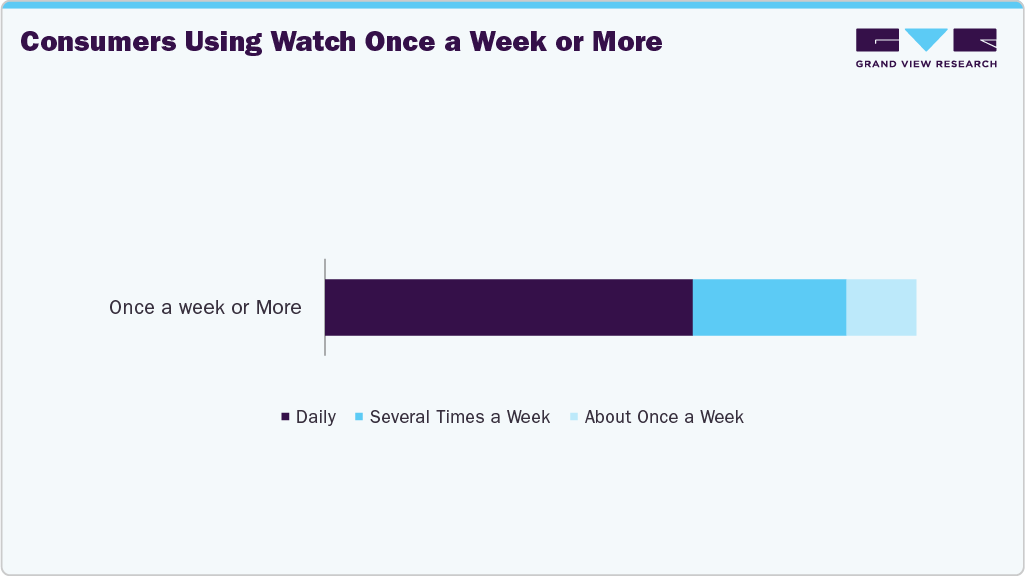
Considering the consumer requirement for trendy, versatile, and digital watches, they are widely used every day. This is supported by the fact that 50% of consumers use their watches once a week or more, of which 31% report using them daily.
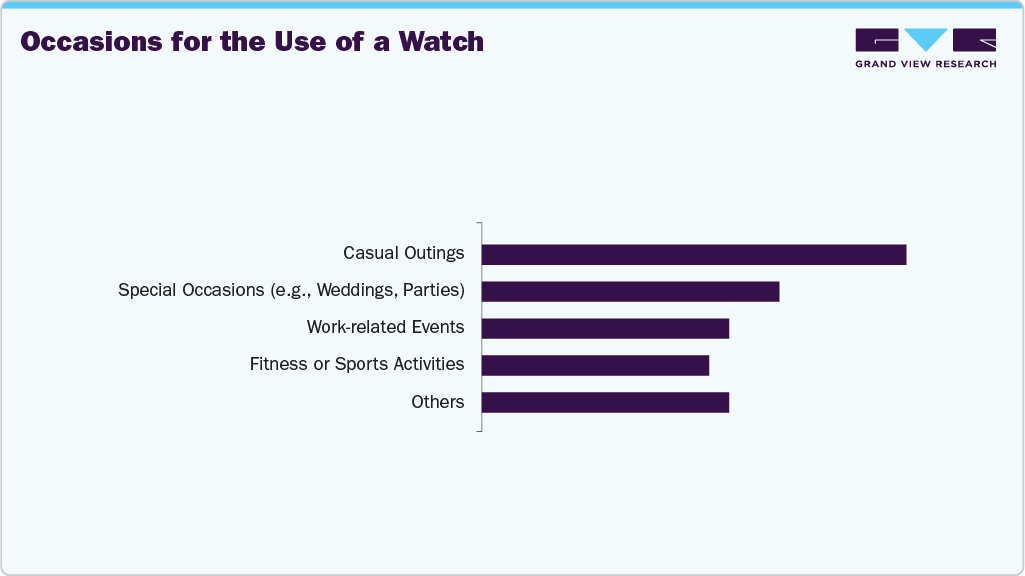
Watches are most commonly worn during casual outings, with around 4 in 10 consumers saying they use them for such occasions. However, there’s a clear opportunity to boost usage during special events, which currently stands at 30%, and work-related occasions, at 25%. Smartwatches are also popular for sports and fitness activities. People often link wearing watches to feeling confident and comfortable. Still, many hesitate to buy premium or designer watches due to their high cost or because certain trendy styles don’t match their taste. However, with the rise of affordable watch brands offering stylish designs at lower price points, more individuals are choosing to invest in a quality timepiece.
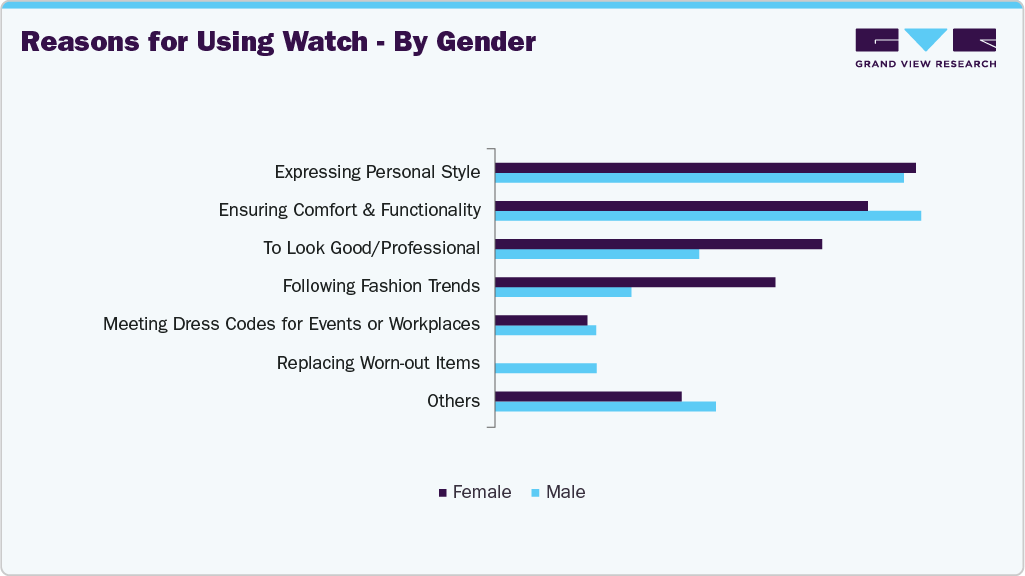
For men, wearing a watch primarily serves as a means to express personal style, while for women, style is secondary to comfort and functionality. Women prioritize the comfort and utility of the watch, whereas for men, these features take a backseat to style. A watch that provides good value for money and is durable makes the purchase more satisfying for both genders. However, issues such as poor craftsmanship can lead to disappointment, and the high cost of quality watches remains a concern for budget-conscious buyers. Brands need to focus on enhancing quality while maintaining reasonable prices to meet these expectations.
Buying Behavior
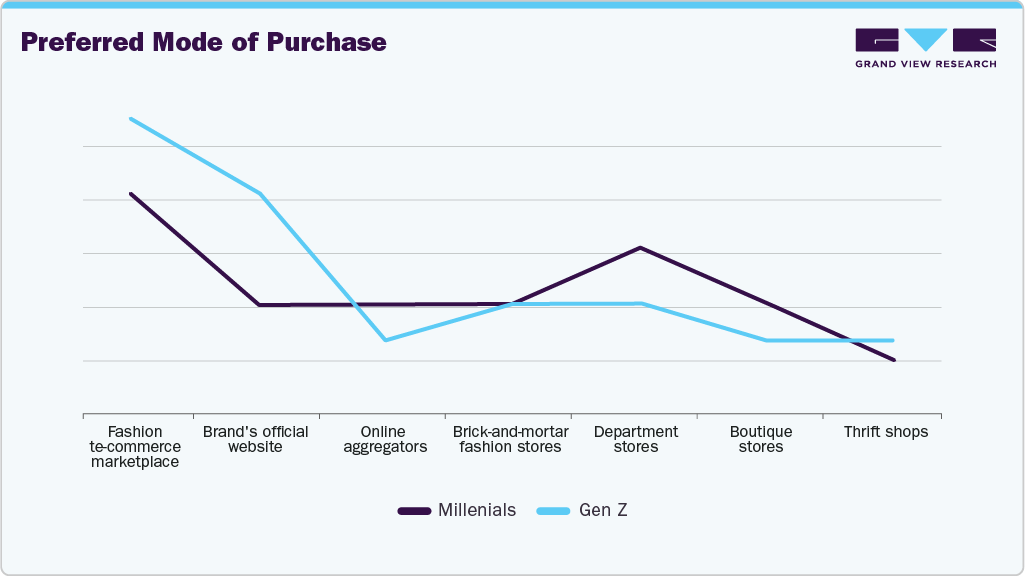
Before buying a watch, customers like to understand a bit about the product and its features. Comfort, fit, price, and value for money are the key factors they consider, especially now, with rising interest in luxury and sustainable options after the pandemic. These watch styles and trends change often; most consumers tend to make a purchase every two years. When it comes to shopping preferences, Millennials and Gen Z strongly favor fashion e-commerce platforms like Amazon. Additionally, Gen Z leans toward department stores, while Millennials also see brand websites as a reliable place to buy watches.
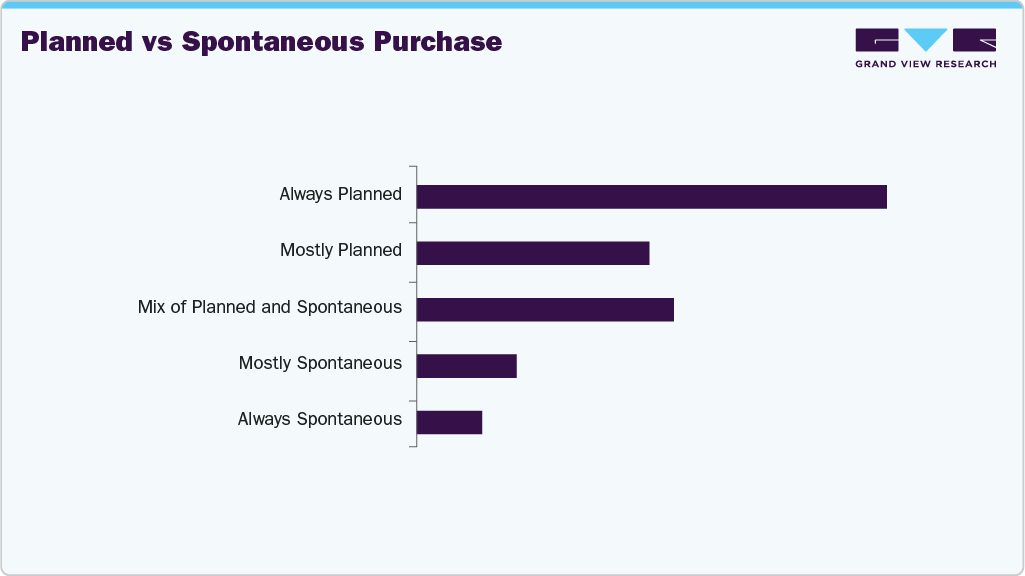
Watches are generally considered a planned purchase, with 6 out of 10 people saying they plan their purchase ahead of time. In fact, 42% of consumers say their watch purchases are always planned. Another 23% may buy either spontaneously or with planning, depending on the situation or available offers. Only around 15% of consumers make completely spontaneous purchases. Even then, most of these impulse buys are driven by seasonal sales and discounts offered by affordable luxury brands, making spontaneous buying relatively rare.
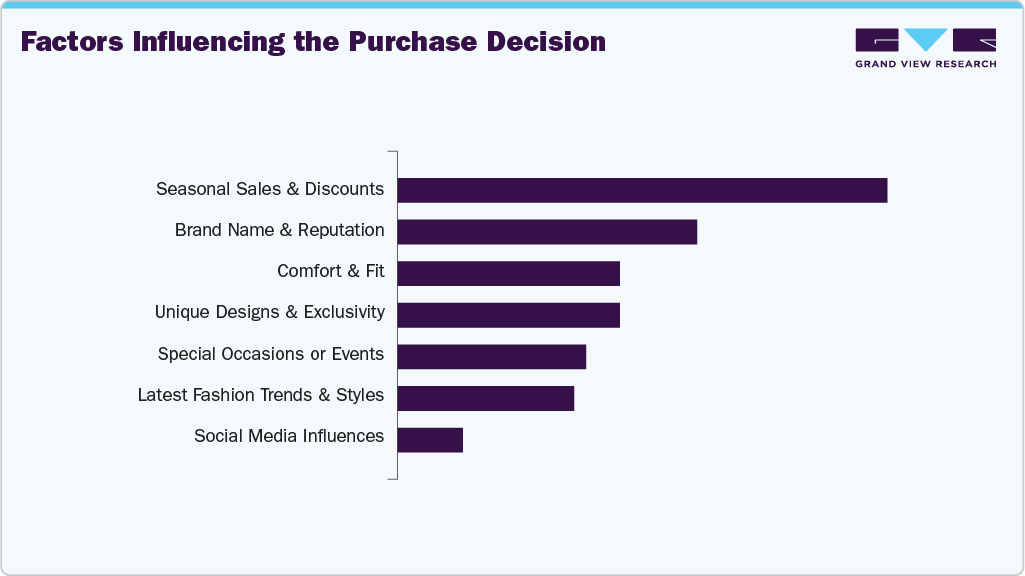
A large number of consumers in the watch market are influenced by brand reputation and seasonal discounts, as they seek trusted quality at a more accessible price. For example, many wait for holiday or clearance sales from established brands to make premium purchases. While social media boosts awareness through influencer campaigns and product showcases, it has a lesser impact in directly converting interest into purchases due to market saturation and brand overload. High prices often deter buyers, especially when the craftsmanship or uniqueness doesn’t justify the cost. Consumers also express dissatisfaction with the lack of inclusive designs, such as limited size ranges or gender-neutral styles. With growing fashion consciousness, 8 out of 10 shoppers now carefully evaluate brands, preferring those that reflect their personal identity, ethics, and style. This brand awareness makes buyers more cautious, often delaying purchases if expectations aren’t met. As a result, brands that offer value, inclusivity, and authenticity stand a better chance in today’s competitive landscape.
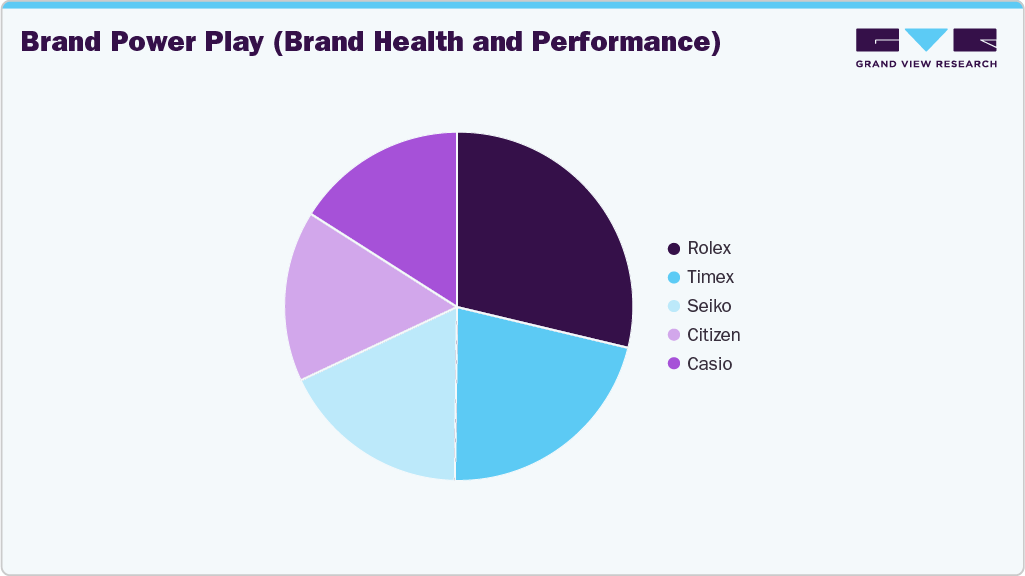
Brand Power Play (Brand Health and Performance)
Though the watch market is very competitive for each price segment, Rolex, Timex, Seiko, Citizen, and Casio have a strong presence and high brand awareness, with Rolex leading in aided brand awareness with 72% share.
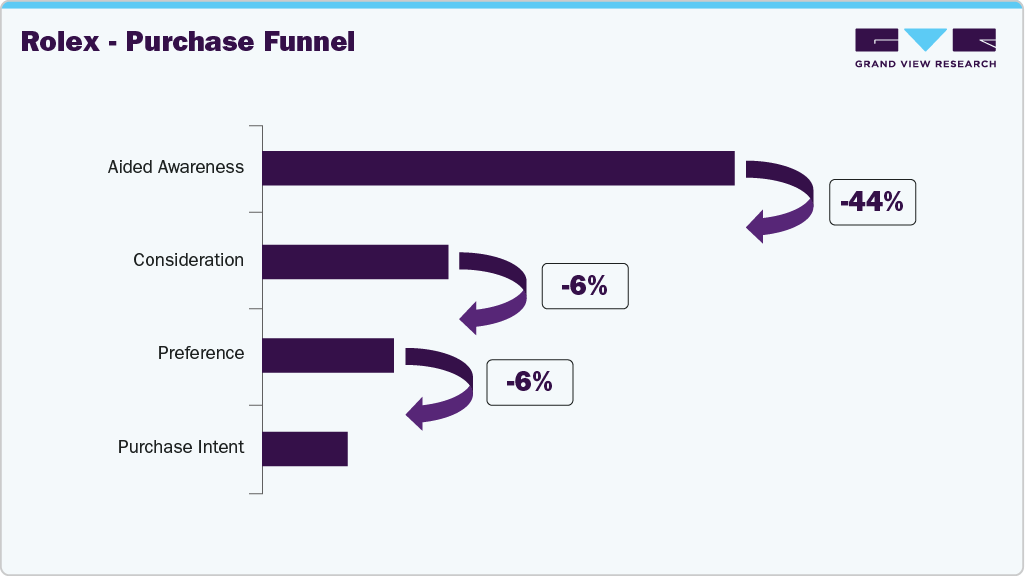
Purchase Funnel
In the U.S. watch market, only a few brands successfully progress through the stages of consumer consideration and preference, despite the presence of many recognized names. Rolex stands out as the market leader, demonstrating strong performance across the entire purchasing funnel, from awareness to actual usage, though there is a slight decline from initial awareness to active consideration. Its dominance is fueled by a powerful brand image, iconic design, consistent quality, and a rich heritage, allowing Rolex to maintain the highest share at each stage of the buyer journey. Timex closely follows Rolex, reflecting a solid presence throughout the funnel, but Rolex maintains an edge, particularly in repeat purchases, which highlights its superior post-use satisfaction and brand loyalty. Among U.S. consumers, Rolex and Timex enjoy far greater recognition and prestige compared to Casio and Citizen. Rolex is widely seen as a symbol of luxury, status, and craftsmanship, while Timex is valued for its affordability and dependability, appealing to practical consumers. In contrast, Casio and Citizen, offering quality and innovation, are often viewed as value-oriented or niche, especially within the digital and rugged watch segments.
The overall Net Promoter Score (NPS) among leading watch brands in the U.S. ranges from 17 to 50. Timex stands out with the highest NPS of 50, showing that it is one of the most recommended brands by consumers.
