U.S. Wipes Products Consumer Insights - Usage, Attitudes And Brand Performance Report
Introduction:
The U.S. wipes market has seen tremendous growth driven by limited water availability, increased concerns around hygiene, and convenient packaging. With the higher emphasis on hygiene and convenience, consumers are demanding a wide range of wipe products for various purposes, from personal care to household cleaning, which in turn is pushing the market towards growth. The rise of e-commerce platforms has made it more convenient to purchase wipes anywhere, and with the growing trend of on-the-go lifestyles, wipes for facial care, baby care, and sanitizing have increased in demand. Here are some of the market trends prevailing in the U.S.:
-
Hygiene and Wellness Awareness: After the COVID-19 pandemic, consumers have become more concerned about hygiene and are looking for gentle skin wipes, which can be ideal for personal use and even used frequently to maintain cleanliness. The trend in wellness products is also in dominance, as consumers are demanding wipes that support health and cleanliness. These wipes include disinfectant wipes for sanitizing surfaces and wipes designed for personal well-being, such as makeup wipes, baby wipes, etc.
-
Sustainable Personal Care Products: The awareness around sustainability has led to the shift to more biodegradable and eco-friendly wipes. These wipes are made from natural fibers and come in recyclable packaging. Many brands are also avoiding harsh chemicals and fragrances to appeal to those who want safer, greener options.
Personal care wipes, especially for makeup removal, facial cleansing, and moisturizing, are becoming a must-have for busy people. As most of the consumers are on-the-go workers and have a busy schedule, they want convenient, skin-loving products with ingredients like Aloe Vera, Vitamin E, and Hyaluronic Acid.
-
Baby and Sensitive Skin Care: Non-irritating, alcohol-free, and gentle baby wipes are so popular because parents are always looking for the best for their babies. These wipes are specially made for sensitive skin and often include soothing ingredients like chamomile and calendula. More and more brands are offering wipes that do more than just clean-some are also great for soothing diaper rashes or wiping hands, making them a versatile choice for busy parents.
-
Men's Grooming Wipes: Men are becoming more interested in skincare and personal hygiene, and grooming wipes are a big part of that trend. Wipes made specifically for men, like facial, body, and intimate care wipes, are growing in popularity. These wipes are designed for convenience and effectiveness. These wipes feature masculine scents, making them the perfect quick grooming solution for busy men.
Methodology:
The insights covered in this report are drawn from GVR’s ‘Voice of Consumer Survey’ and its periodic updates. The latest survey represents 75,000+ consumer interviews conducted across 20 countries for 100+ product categories. These insights are specifically catered to the brands operating in the wipes industry to guide them in their strategic decision-making process. This report provides insights covering category usage & attitude, buying behavior, brand performance metrics, and brand health indicators of leading players in the U.S. wipes market.
Chapter 1: Usage and Attitude
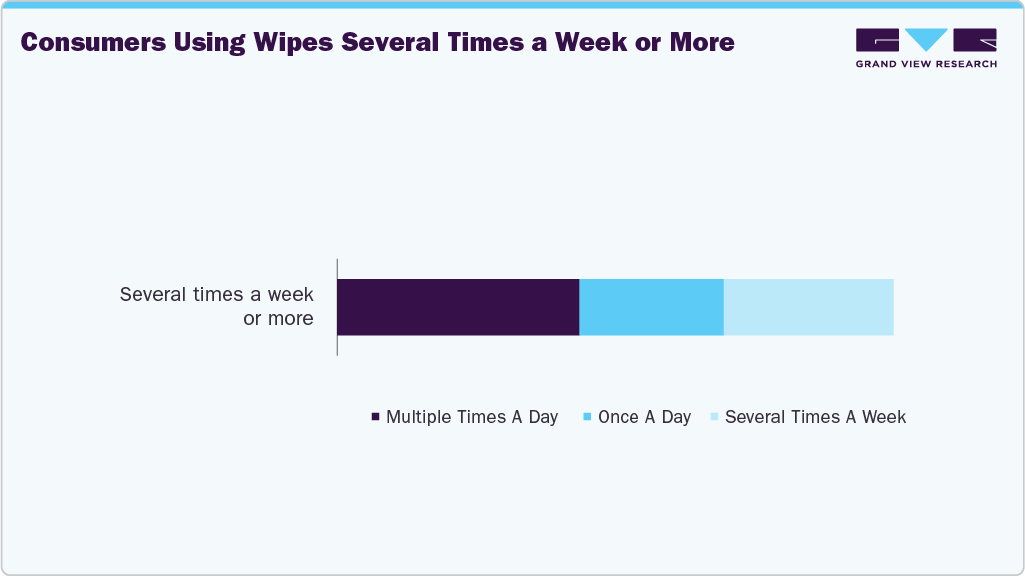
U.S. consumers display a growing awareness of personal care and the importance of maintaining hygiene. This has been linked to increased usage of Wipes, as 69% of consumers use wipes several times a week or more, out of which 30% of consumers say they use wipes multiple times a day.
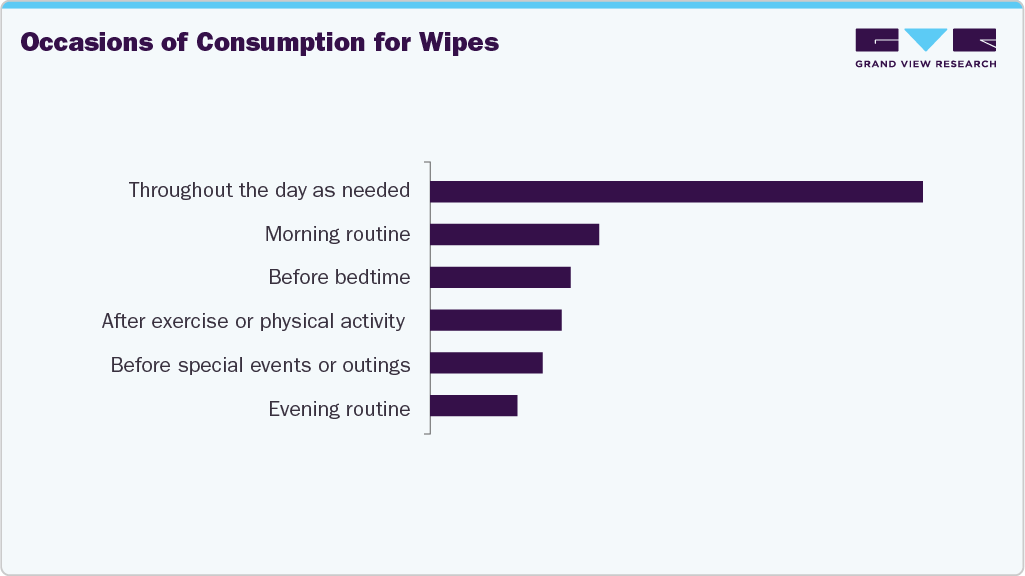
Wipes are mostly used throughout the day as needed, as mentioned by more than 5 out of 10 consumers; however, there is an opportunity to enhance the consumption of wipes by encouraging product usage on other frequencies, like morning routine (current usage 18%) and before bedtime (current usage 15%). Having said that, consumers associate using these products with having some consistency and pattern in their daily routine. They also feel rejuvenated and have enhanced self-care and relaxation due to the easy application of a wipe. However, what might hold them back is the harsh and irritating ingredients in wipes and their high price point.
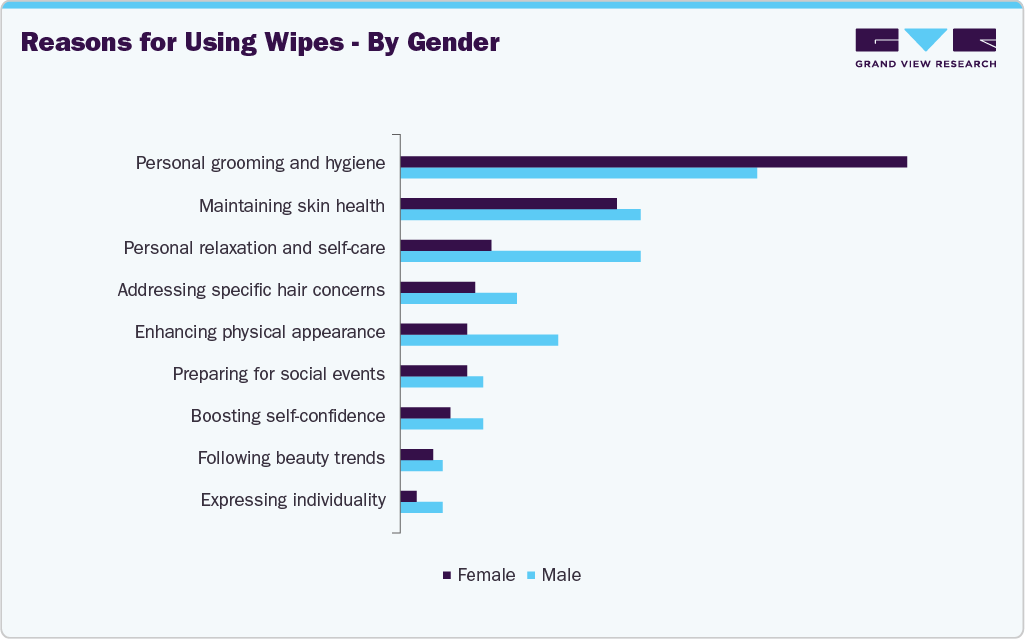
When it comes to reasons for using wipes, personal grooming and hygiene is the most important reason for both females and males, followed by maintaining skin health. Personal relaxation and self-care are the 3rd most significant reasons for using wipes for both genders. And what makes this purchase a delight is the ease of applying the product, its pleasant fragrance, and its skin-friendly ingredients. Brands have a gap to fill when it comes to the presence of any irritating ingredients that might do more harm than good to their skin and the affordability of these products, which leads to dissatisfaction among consumers.
Buying Behavior
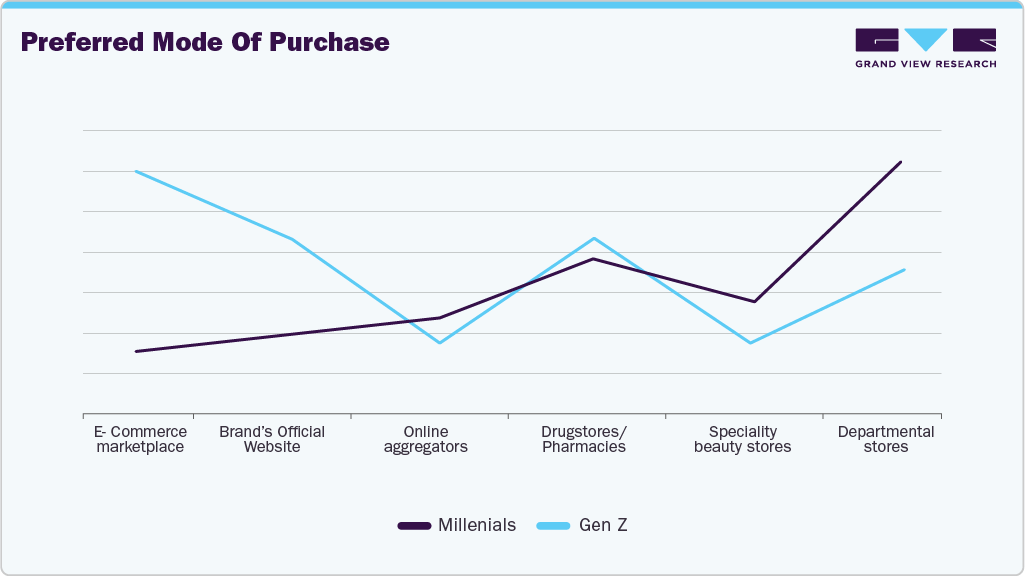
Before purchasing, whether spontaneously or planning it out, consumers prefer to acquire some information. And the most sought-after points are pricing or affordability, given that wipes usually belong to a daily need category for which consumers prefer to be budget-oriented. Next is the quality and effectiveness of the product, followed by brand reputation and trustworthiness. Since wipes generally have a flexible volume offering and last for a shorter duration, consumers prefer to buy them in bulk once a month. And ‘departmental stores’ are the preferred mode of purchasing for Millennials, whereas ‘e-commerce platforms’ are more popular among Gen Z when it comes to preference of mode of purchase for wipes; however, the two generations assign somewhat similar significance to drugstores.
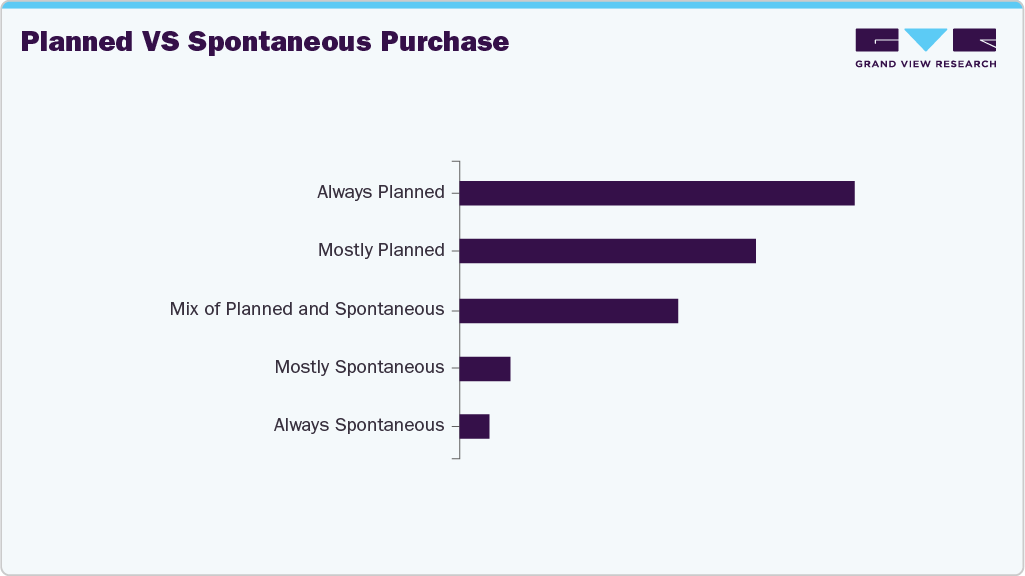
We can confidently state that wipes belong to a more planned purchase category, as 7 out of 10 people say their purchase is planned, whereas 40% of consumers quote it is always planned, and for some of them, the purchase is either planned or spontaneous, depending on the situation. Only about 4% of the population has displayed spontaneity in their purchase behavior. Very few people make spontaneous purchases because wipes are purchased in a single large SKU.
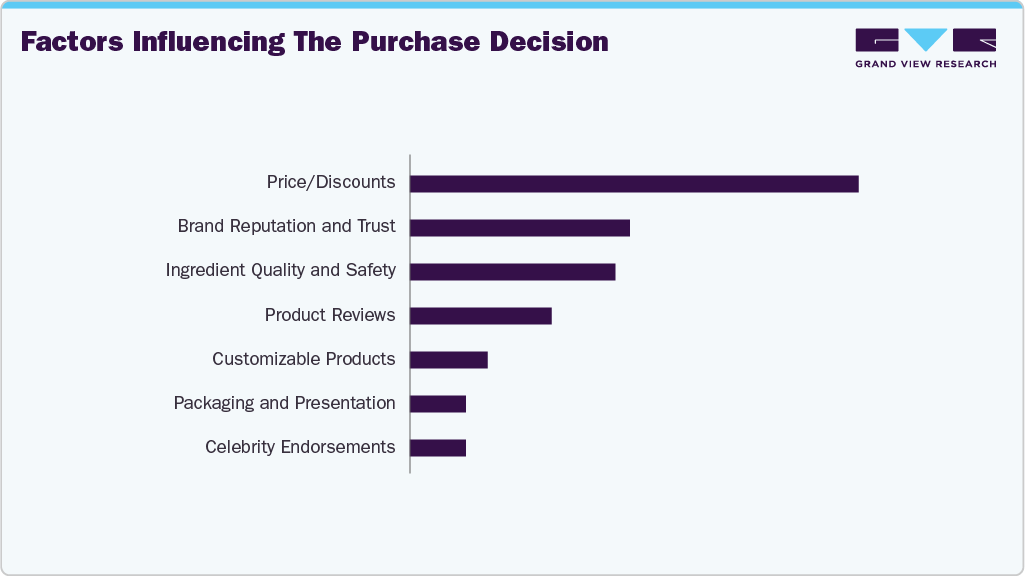
The key factors that influence decisions related to the purchase of wipes are price/discounts and brand reputation/trust, as more than 9 out of 10 people have selected these as the main drivers. Also, while product reviews do help consumers, they play a lesser role in significantly driving a purchase decision. Having said that, with the growing demand, some barriers take place in purchasing a product, such as not being able to identify products without harmful chemicals, products that cause skin irritation, or triggering some allergies. Also, 8 in 10 consumers are moderate to highly conscious about the brand of wipes they use as the awareness levels around clean beauty increase, which can hinder consumers from choosing a product without sustainable packaging or natural ingredients.
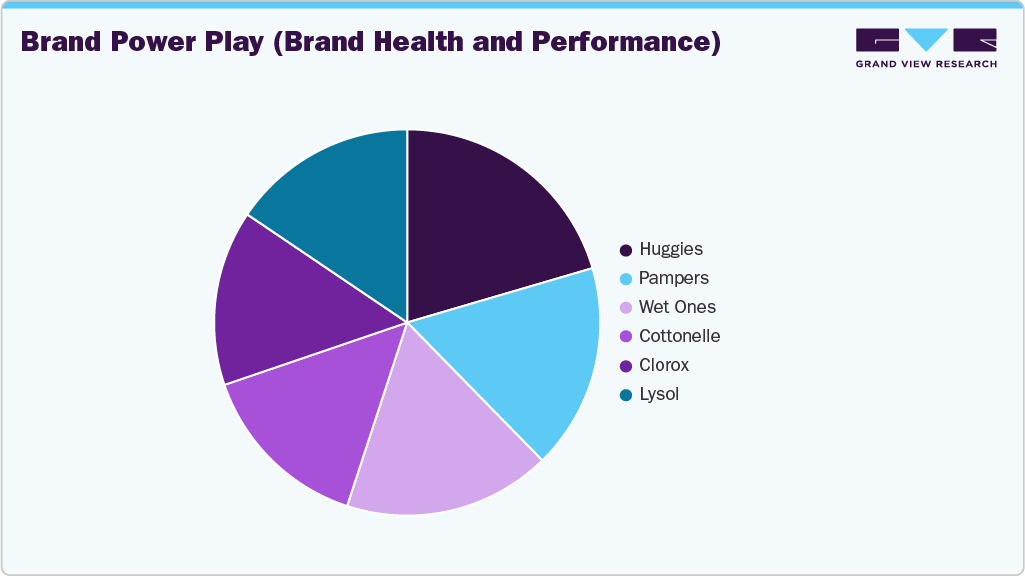
Brand Power Play (Brand Health and Performance)
Some of the popular wipes brands in the U.S. include Huggies, Pampers, Wet Ones, Cottonelle, Clorox, and Lysol. Due to high competition and saturation in the wipes industry, the prominent brands compete on various aspects. However, Huggies mostly dominates the market in terms of awareness.
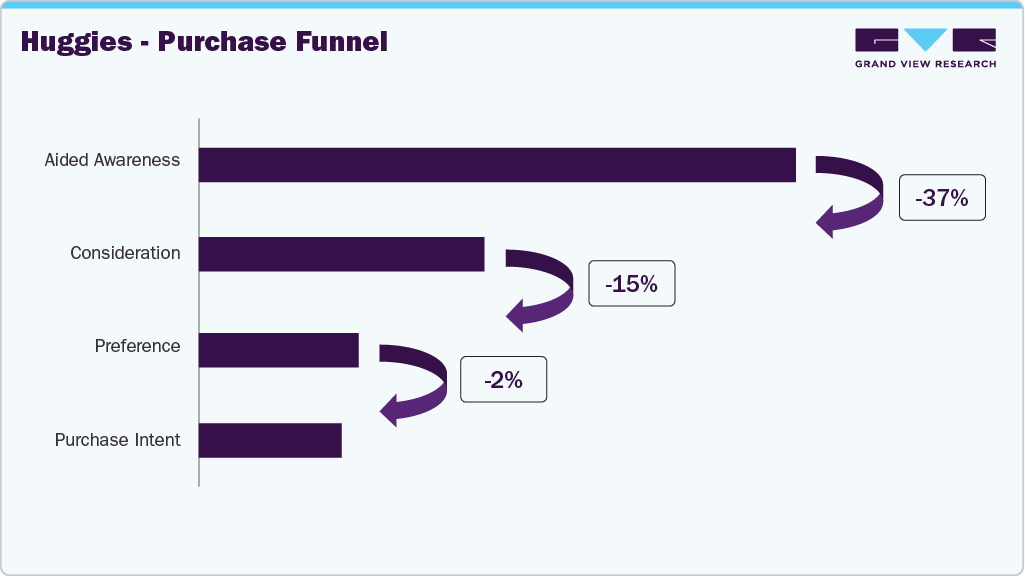
Purchase Funnel
Since the wipes industry is very competitive with multiple brands innovating to attract better traffic, the prominent brands constantly compete for dominance throughout the funnel. Huggies remains at the top for awareness and consideration, whereas Cottonelle emerges as a winner in preference and purchase intent. Now talking about Pampers, although it closely follows Huggies in awareness, it drops down to 4th position for the rest of the funnel. Whereas Wet Ones and Lysol compete for the 2nd and 3rd positions throughout the funnel. Thus, the prominent brands struggle to retain their positions and engage in active competition to stay relevant. Lastly, it is worth noting that Wet Ones and Cottonelle enjoy higher repeat purchase levels as well, due to high satisfaction among consumers, depicting brand loyalty. We also see Clorox as one of the brands slowly gaining traction on all the metrics, displaying potential to provide a good competition to the prominent brands.
The overall NPS score of the leading brands varies from 23 to 65, with Lysol having the highest NPS score (65) compared to other wipes brands in the U.S. market, despite lower awareness, suggesting that among users of the brand, it comes highly recommended, showcasing potential.
