
- Home
- »
- Pharmaceuticals
- »
-
Orphan Drugs Market Size, Share, Growth Report 2026-2033GVR Report cover

Orphan Drugs Market (2026 - 2033)
Size, Share & Trends Analysis Report By Drug Type (Conventional Biologics, Cell Therapies), By Disease Type, By Route of Administration, By Distribution Channel, By Region, And Segment Forecasts
Market Size, 2025
$220.1BMarket Estimate, 2026
$238.1BMarket Forecast, 2033
$434.9BCAGR, 2026–2033
9.0%Orphan Drugs Market Summary
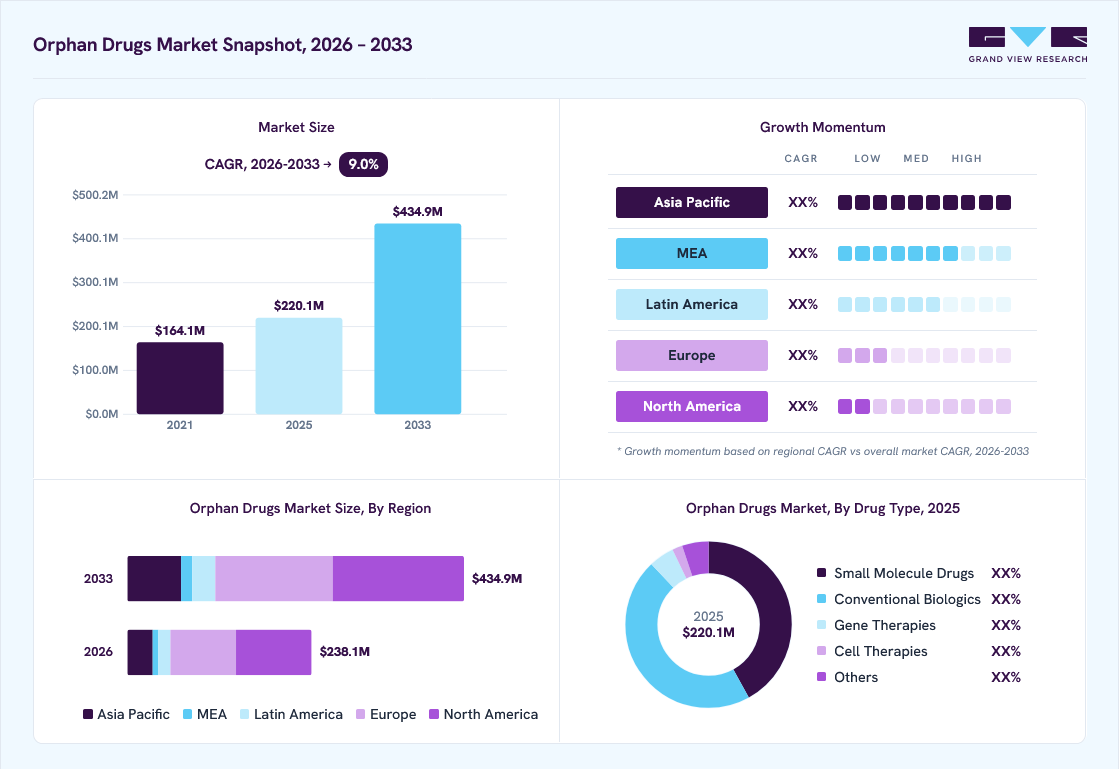
The global orphan drugs market size was valued at USD 220.1 billion in 2025 and is projected to grow from USD 238.1 billion in 2026 to USD 434.9 billion by 2033, at a CAGR of 9.0% from 2026 to 2033. North America dominated the market, accounting for the largest revenue share of 41.2% in 2025. The industry is growing due to the increasing focus on developing treatments for rare diseases, supported by favorable regulatory policies and continuous advances in medical research.
 Source: Grand View Research, IR Documents, Primary Interviews, Paid DatabasesTo learn more about this report,
 Download Free Sample Report
Key Market Trends & Insights
- By drug type: Conventional biologics segment held the highest market share of 45.9% in 2025.
- By disease type: Rare cancers segment held the highest market share of 37.0% in 2025.
- By route of administration: Intravenous segment held the highest market share of 39.0% in 2025.
- By distribution channel: Specialty pharmacies segment held the highest market share in 2025.
Regional Highlights
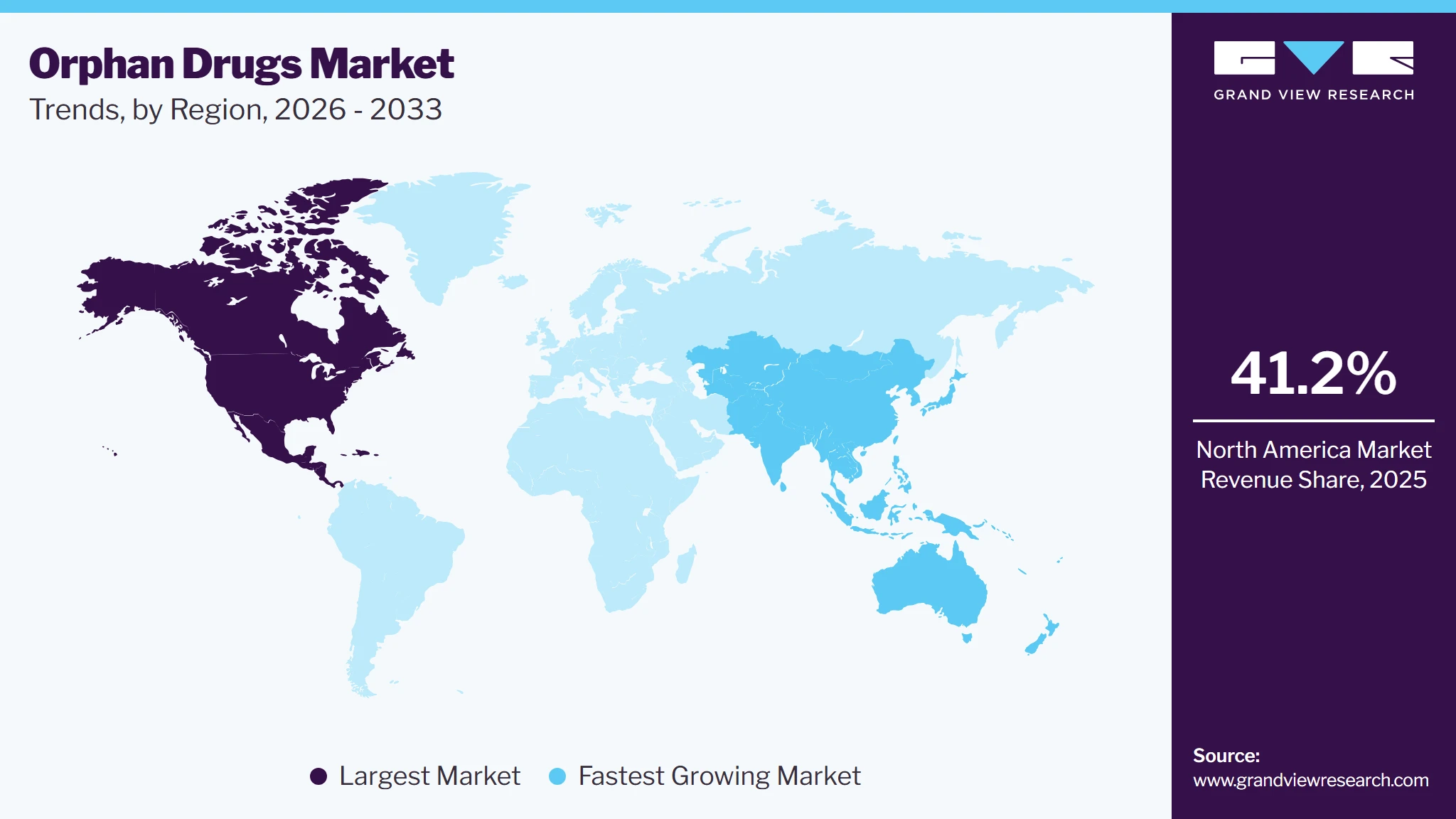
- Largest regional market: North America (41.2% revenue share, 2025)
- Fastest growing regional market: Asia Pacific (highest CAGR, 2026-2033)
- By country: The U.S. held the largest share in 2025.
Market Size & Forecast
- Market Size in 2025: USD 220.1 Billion
- Estimated Market Size in 2026: USD 238.1 Billion
- Projected Market Size in 2033: USD 434.9 Billion
- CAGR (2026-2033): 9.0%
Prism AI by Grand View Research Free to tryAsk a question about the orphan drugs marketTry asking✓Every figure cited from GVR research Prefer the report? Download free sample →
Many rare diseases still have limited or no approved treatment options, creating a strong need for new therapies. Incentives such as market exclusivity, tax benefits, fee reductions, and faster regulatory review encourage pharmaceutical and biotechnology companies to invest in orphan drug development. Progress in genetic research, biologics, gene therapy, and cell therapy has improved the development of targeted treatments for several rare conditions. In addition, better disease awareness, wider use of genetic testing, patient advocacy efforts, and expanded screening programs are helping improve early diagnosis and access to treatment. At the same time, companies continue to face challenges related to high research and development costs, small patient populations, complex manufacturing processes, and pricing pressures. These factors continue to shape investment decisions and competition in the orphan drugs market.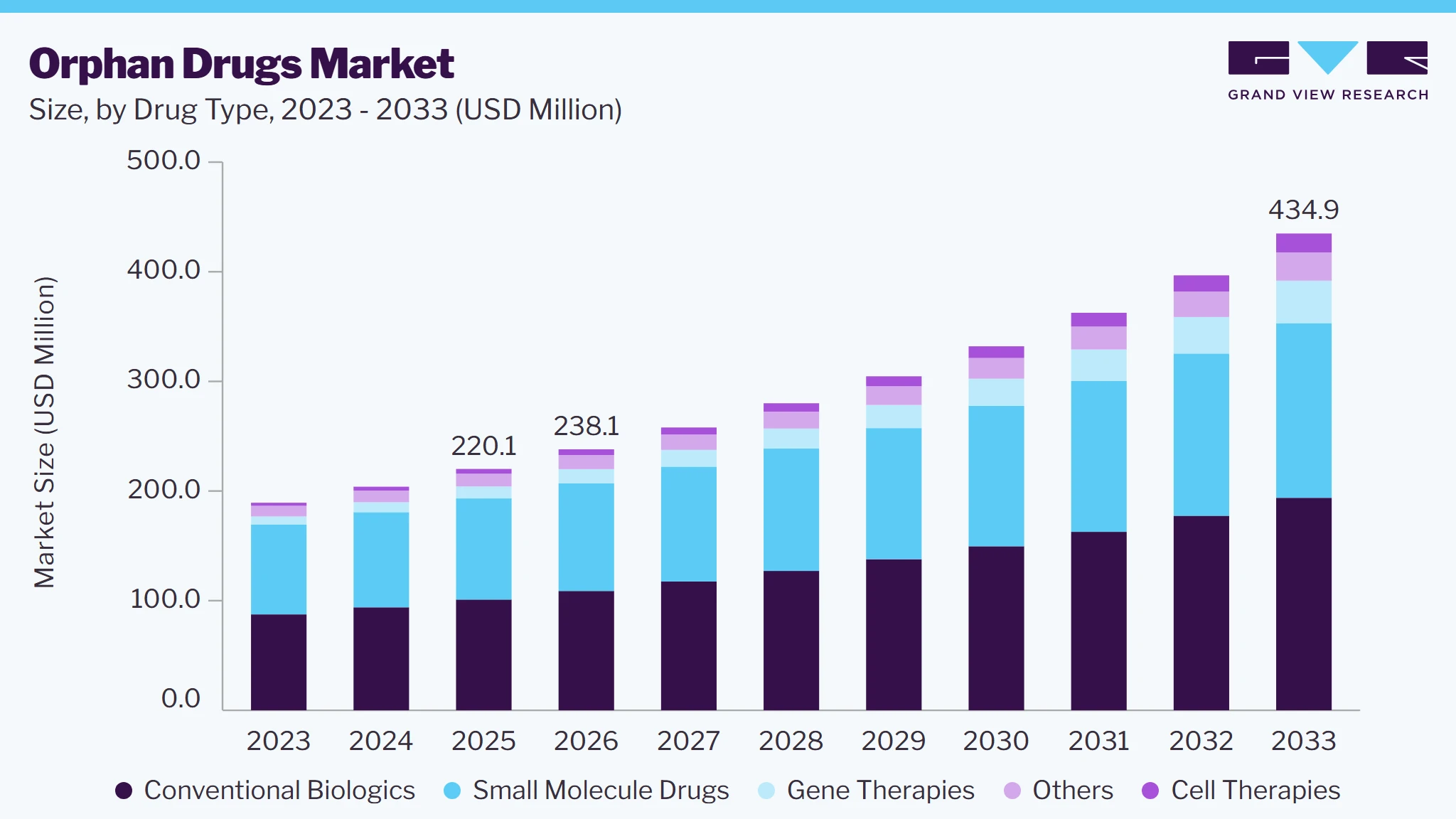 To learn more about this report, Download Free Sample Report
Market Dynamics
The industry is driven by supportive regulatory policies and continued innovation in therapies for rare diseases. Regulatory agencies in major markets provide benefits such as market exclusivity, fee reductions, tax incentives, and accelerated review pathways, encouraging pharmaceutical and biotechnology companies to invest in treatments for small patient populations. At the same time, advances in gene therapy, cell therapy, biologics, and precision medicine have improved the ability to develop targeted treatments for conditions that previously had limited therapeutic options. Growing use of genetic testing and improved disease identification are also helping companies identify eligible patients earlier, supporting treatment adoption. In addition, partnerships between healthcare providers, patient advocacy groups, and industry participants are improving clinical research and expanding access to rare disease therapies. These factors continue to strengthen research activity and product development across multiple therapeutic areas, making orphan drugs an important focus for long-term investment. For instance, in August 2025, Sanofi received U.S. FDA approval for rilzabrutinib for adults with persistent or chronic immune thrombocytopenia, a rare blood disorder, expanding treatment options for patients with limited therapeutic choices.
Developing orphan drugs remains challenging because rare diseases affect small patient populations, making clinical development more complex and expensive. Patient recruitment for clinical trials is often slow due to the limited number of eligible participants and the wide geographic distribution of patients. Many rare diseases also have limited natural history data, creating challenges in selecting clinical endpoints and generating sufficient evidence for regulatory review. Manufacturing advanced therapies such as biologics, gene therapies, and cell therapies requires specialized facilities and strict quality standards, increasing production costs. In addition, companies may face uncertainty regarding pricing negotiations and reimbursement decisions, particularly in healthcare systems that evaluate treatment value against high acquisition costs. Limited physician awareness of some rare diseases and delays in diagnosis can also reduce the number of patients receiving timely treatment. These factors increase development risk, extend commercialization timelines, and require companies to make careful investment decisions before expanding their orphan drug portfolios.
The industry continues to create opportunities through strategic acquisitions that strengthen rare disease pipelines and broaden commercial capabilities. Large pharmaceutical companies are actively acquiring biotechnology firms with approved orphan therapies and late-stage development programs to expand their presence in high-value rare disease segments. These transactions provide access to specialized research expertise, established physician networks, and innovative technologies while reducing development timelines compared with internal discovery programs. The increasing use of precision medicine and targeted biologics also creates opportunities to address rare conditions with high unmet medical needs. As regulatory support for orphan drug development remains favorable, companies are using acquisitions to diversify their portfolios and improve their long-term competitive position. For instance, in July 2025, Sanofi completed the acquisition of Blueprint Medicines, adding the approved rare disease medicine avapritinib for systemic mastocytosis and strengthening its rare immunology pipeline through the integration of Blueprint's development capabilities and commercial expertise.
Market Concentration & Characteristics
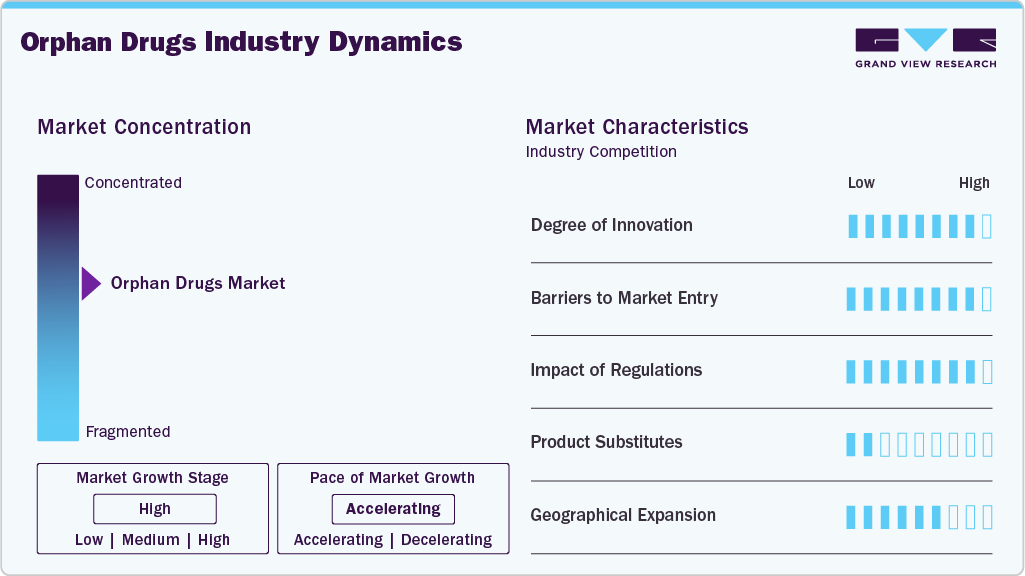
The industry has a high degree of innovation because many rare diseases still lack approved treatment options, creating a need for new therapeutic approaches. Companies continue to invest in gene therapy, cell therapy, RNA-based medicines, biologics, and precision medicine to address diseases with clear genetic causes. Advances in genomic sequencing and biomarker research are improving disease identification and helping developers design targeted therapies. Artificial intelligence and advanced data analytics are also supporting drug discovery and clinical trial planning. Since patient populations are small, companies focus on therapies that provide meaningful clinical benefits and qualify for orphan drug incentives. Continuous scientific research and collaboration between biotechnology companies, pharmaceutical manufacturers, research institutes, and patient organizations support a steady flow of innovation across multiple rare disease indications.
The industry has high barriers to market entry due to the significant investment required for research, clinical development, regulatory approval, and specialized manufacturing. Rare diseases often have limited patient populations, making patient recruitment for clinical trials more difficult and increasing development timelines. Many therapies require advanced technologies such as gene therapy, cell therapy, or biologics, which demand specialized manufacturing facilities and technical expertise. Companies must also generate strong clinical evidence despite limited patient numbers to satisfy regulatory requirements. In addition, building relationships with rare disease treatment centers, physicians, and patient advocacy groups requires time and resources. These factors make it challenging for new companies to compete without strategic partnerships, licensing agreements, or financial support.
 To learn more about this report, Download Free Sample Report
Regulations have a high impact on the industry because they directly influence product development, approval timelines, and commercial opportunities. Regulatory agencies provide incentives such as orphan drug designation, market exclusivity, fee reductions, tax credits, and accelerated review pathways to encourage investment in treatments for rare diseases. These policies reduce some development risks and improve the commercial viability of products intended for small patient populations. At the same time, companies must comply with strict clinical, manufacturing, quality, and post-marketing requirements before and after product approval. Regulatory expectations also vary across regions, requiring companies to adapt their development and commercialization strategies. As a result, regulatory policies remain an important factor shaping competition and long-term investment in this market.
The industry has a low level of product substitutes because many rare diseases have limited or no approved treatment options. Most orphan drugs are developed to target specific disease mechanisms or genetic mutations, making direct therapeutic alternatives unavailable in many cases. For several rare conditions, supportive care or symptom management remains the only option when disease-specific therapies are not available. Even when multiple products exist, they often differ in mechanism of action, patient eligibility, or treatment approach rather than serving as direct substitutes. Strong clinical differentiation and regulatory exclusivity for approved orphan drugs also reduce competitive substitution. These factors help maintain demand for approved therapies across several rare disease categories.
Geographical expansion is moderate to high as companies continue to increase their presence beyond established markets. North America and Europe remain the primary regions for orphan drug development because of supportive regulatory frameworks and well-developed healthcare systems. At the same time, companies are expanding clinical trials, regulatory filings, and commercialization activities across Asia Pacific, Latin America, and the Middle East to improve patient access. Improvements in rare disease diagnosis, genetic testing, and healthcare infrastructure are supporting expansion into these regions. Pharmaceutical companies are also working with local distributors, healthcare providers, and government agencies to improve product availability. These efforts are gradually increasing the global reach of orphan drug therapies.
Analyst Perspective
The industry is supported by continued demand for treatments targeting rare genetic, cancer, hematologic, neurological, and metabolic diseases. Growth is also supported by advances in biologics, gene therapies, and cell therapies. North America remains a key regional market due to established pharmaceutical companies, research capabilities, and specialized treatment centers. Asia Pacific is gaining importance through expanding biotechnology research, improving diagnosis, and greater access to rare disease treatments.
Drug Type Insights
The conventional biologics segment dominated the market, accounting for a 45.9% revenue share in 2025. Its position is supported by the wide use of biologic therapies across rare metabolic, hematologic, neurological, and immune disorders. Established use of recombinant proteins and monoclonal antibodies supports demand across chronic rare diseases. Specialized manufacturing capabilities allow companies to produce complex biological medicines at a commercial scale. Physician familiarity with biologic treatment also supports prescription and treatment continuity. In addition, long-term treatment requirements for several rare diseases support continued use of these therapies. Established distribution networks and specialized treatment centers further support product availability across major markets. Continued research into targeted biological mechanisms is also supporting the development of new orphan therapies within this segment.
The cell therapy segment is the fastest-growing segment in the orphan drugs market, with an expected CAGR of 18.3%. Growth is supported by advances in cell engineering, increasing use of gene-modified cells, and progress in developing treatments for rare genetic and hematologic disorders. Improvements in cell processing and manufacturing are helping companies produce therapies with greater consistency and support broader clinical use. Research into patient-specific treatments is also increasing the use of cell-based approaches for diseases with limited treatment options. Growing clinical experience is helping improve treatment protocols, patient selection, and long-term monitoring. In addition, pharmaceutical and biotechnology companies are increasing investment in cell therapy programs through research partnerships and product development.
Disease Type Insights
The rare cancers segment dominated the market, accounting for a 37.0% share in 2025. Its position is supported by the large number of rare cancer indications requiring disease-specific therapies, continued diagnosis of uncommon tumors, increasing use of molecular testing, growth in targeted treatment approaches, development of biomarker-based medicines, and continued investment in rare oncology research. Pharmaceutical companies are also expanding treatment options for rare tumors through targeted therapies and immunotherapies, supporting product adoption across specialized oncology centers. Improved identification of genetic alterations is helping match patients with therapies designed for specific cancer subtypes. In addition, clinical research is expanding across rare solid tumors and other uncommon malignancies. In May 2026, the U.S. FDA approved zenocutuzumab-zbco for adults with NRG1 fusion-positive cholangiocarcinoma, providing a treatment option for this ultra-rare bile duct cancer.
The rare acquired disorders segment is the fastest-growing segment, with a projected CAGR of 10.2%. Growth is supported by increasing recognition of rare disorders that develop after birth, improved diagnostic testing, wider use of specialized laboratory assessments, greater physician awareness, and expansion of treatment options for patients who previously relied mainly on supportive care. Advances in disease classification are helping identify patients who may benefit from targeted therapies. Pharmaceutical companies are also increasing research into immune-mediated, metabolic, and other acquired rare conditions, creating opportunities for new treatment approaches. Better access to specialist care is supporting diagnosis and treatment across major markets. In addition, growing clinical knowledge is helping physicians identify rare acquired conditions at earlier stages.
Route of Administration Insights
The intravenous segment dominated the market, accounting for a 39.0% share in 2025. Its position is supported by the frequent use of intravenous administration for biologics, enzyme replacement therapies, and advanced therapies used in rare diseases. IV delivery enables direct systemic exposure and is suitable for medicines requiring controlled administration. It is also widely used in hospital-based treatment for severe and chronic rare conditions. Established infusion infrastructure and trained healthcare professionals support regular administration. In addition, intravenous delivery is used for therapies that cannot be effectively absorbed through oral routes. Specialized treatment centers further support access to IV-administered orphan drugs. The continued approval of biologic and gene-based therapies using infusion-based delivery also supports demand for this route.
The intrathecal segment is the fastest-growing segment, with a projected CAGR of 14.5%. Growth is supported by the increasing development of therapies designed to reach the central nervous system directly, where systemic drug delivery can be limited. The route allows medicines to be administered into the cerebrospinal fluid, supporting the treatment of rare neurological and neuromuscular disorders. Rising research activity in genetic neurological diseases is increasing the demand for direct CNS delivery approaches. Advances in drug formulation and delivery devices are also improving the feasibility of repeated intrathecal administration. Growing use of targeted genetic and RNA-based therapies is further supporting this segment. More specialized centers are developing expertise in intrathecal treatment procedures, supporting wider clinical use.
Distribution Channel Insights
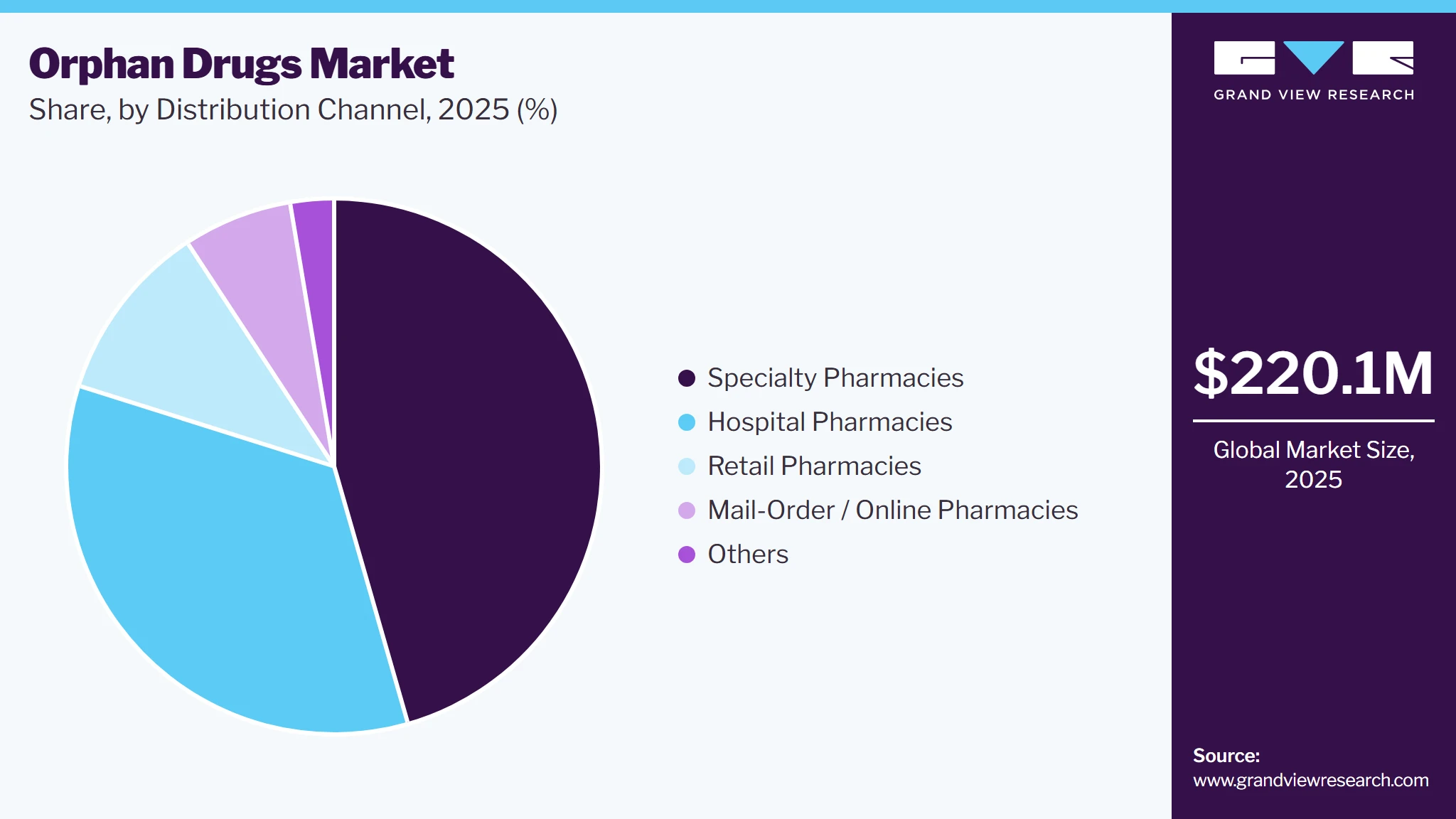
The specialty pharmacies segment dominated the market, accounting for a 45.6% revenue share in 2025. Its position is supported by the complex handling requirements of orphan drugs, the need for patient counseling, specialized distribution, reimbursement assistance, and treatment monitoring. Specialty pharmacies also support the distribution of high-cost therapies and coordinate prescriptions, delivery, and patient services. Their role is important for rare disease medicines that require temperature-controlled storage or specific handling procedures. Established relationships with manufacturers, healthcare providers, and patients further support product distribution. In addition, specialty pharmacies are expanding their capabilities to manage gene and cell therapies that require specialized logistics. These factors support the strong position of specialty pharmacies in the orphan drugs market and help maintain their role in supplying complex rare disease treatments.
 To learn more about this report, Download Free Sample Report
The mail-order/online pharmacies segment is the fastest-growing segment, with a projected CAGR of 11.5%. Growth is supported by increasing use of home delivery, digital prescription management, wider access to specialty medicines outside hospital facilities, and demand for convenient refill services. Mail-order channels can reduce the need for repeated pharmacy visits and support patients who live far from specialized treatment centers. Digital ordering also allows pharmacies to manage prescription verification, delivery schedules, and refill requirements. Improvements in cold-chain logistics are supporting the shipment of temperature-sensitive orphan drugs. Manufacturers and specialty pharmacies are also expanding home-based distribution models for rare disease treatments. Increasing patient preference for digital healthcare services and improvements in online pharmacy infrastructure are further supporting this segment.
Regional Insights
North America dominated the orphan drugs market with revenue share of 41.2% in 2025, is supported by its large pharmaceutical and biotechnology base focused on rare disease therapies. The region has strong research activity across genetic, metabolic, hematologic, and neurological disorders. Advanced genomic testing supports earlier identification of patients with rare diseases and helps guide treatment selection. A large network of specialized hospitals and treatment centers supports the use of complex orphan therapies. Strong clinical research activity also supports the development and approval of new treatments. In addition, established distribution networks help improve access to specialized medicines across the region.
 To learn more about this report, Download Free Sample Report
U.S. Orphan Drugs Market Trends
The orphan drugs market in the U.S. is supported by its large biopharmaceutical industry and strong rare disease research base. The country has many specialized hospitals and academic centers involved in rare disease diagnosis and clinical research. Advanced genetic testing supports the identification of patients with inherited and complex disorders. Pharmaceutical companies continue to develop biologics, gene therapies, and cell therapies for rare conditions. The presence of established specialty pharmacy networks also supports the distribution of complex orphan medicines. In addition, active clinical research across multiple rare disease categories supports the introduction of new treatment options.
Europe Orphan Drugs Market Trends
The orphan drugs market in Europe is supported by its established pharmaceutical industry and strong rare disease research capabilities. The region has specialized treatment centers that support the diagnosis and management of uncommon diseases. Growing use of genetic and molecular testing is improving patient identification across several rare disease categories. Pharmaceutical companies continue to develop biologics, gene therapies, and other targeted treatments for rare conditions. Strong clinical research networks support product development across oncology, hematology, neurology, and metabolic diseases. The presence of established pharmaceutical manufacturing and distribution infrastructure also supports product availability across European countries.
The UK orphan drugs market remains important due to its established life sciences sector and active rare disease research base. Academic institutions and pharmaceutical companies conduct research across genetic, metabolic, neurological, and hematologic disorders. Wider use of genomic testing supports the identification of patients with inherited rare diseases. Specialized treatment centers provide clinical expertise for complex conditions requiring long-term care. Biotechnology companies are also developing targeted and advanced therapies for rare disease indications. Clinical research activity supports access to emerging treatment options and contributes to product development.
The orphan drugs market in Germany is growing due to its established pharmaceutical industry and developed healthcare infrastructure. The country has specialized hospitals and research institutions involved in rare disease diagnosis and treatment. Molecular and genetic testing support the identification of patients with inherited and complex disorders. Pharmaceutical companies continue to invest in biologics, gene therapies, and other treatments for rare conditions. Clinical research activity across oncology, hematology, neurology, and metabolic diseases supports product development. A strong network of pharmacies and healthcare providers also supports the distribution of orphan medicines.
The France orphan drugs market is growing due to its pharmaceutical research base and specialized rare disease care network. The country has established centers that support the diagnosis and treatment of complex rare disorders. Increasing use of genetic testing is helping identify patients with inherited conditions. Pharmaceutical and biotechnology companies continue to conduct research across rare neurological, metabolic, hematologic, and oncology indications. Clinical research programs support the development and introduction of new orphan therapies. Improvements in specialized treatment infrastructure also support access to medicines for patients with rare diseases.
Asia-Pacific Orphan Drugs Market Trends
The orphan drugs market in Asia Pacific is supported by expanding pharmaceutical and biotechnology research across major countries. Increasing awareness of rare diseases is helping improve diagnosis and patient identification. Wider adoption of genetic testing is supporting the detection of inherited and complex disorders. Pharmaceutical companies are increasing clinical research and commercial activities across the region. Improvements in healthcare infrastructure are also expanding access to specialized diagnosis and treatment services. The development of local biotechnology capabilities is supporting research into targeted therapies and advanced treatment technologies.
The Japan orphan drugs market is supported by its established pharmaceutical industry and strong capabilities in medical research. The country has specialized healthcare centers experienced in treating rare genetic, metabolic, and neurological disorders. Increased use of genetic testing is improving the identification of patients with inherited conditions. Pharmaceutical companies continue to develop biologics and advanced therapies for rare diseases. Research institutions are also involved in clinical studies focused on uncommon disorders. Improvements in diagnostic technologies are supporting earlier identification of patients and treatment planning.
The orphan drugs market in China is experiencing growth through the expansion of its pharmaceutical and biotechnology sectors. Domestic companies are increasing research activity focused on rare genetic, metabolic, neurological, and hematologic disorders. Greater use of genomic testing is improving the identification of patients with rare conditions. Healthcare infrastructure is expanding access to specialized diagnostic and treatment services in major cities. International pharmaceutical companies are also increasing clinical research and commercial activities in the country. Growth in biotechnology research is supporting the development of targeted and advanced therapies.
Latin America Orphan Drugs Market Trends
The orphan drugs market in Latin America is developing steadily as healthcare infrastructure and rare disease diagnosis improve across major countries. Greater awareness among physicians is supporting the identification of patients with uncommon conditions. Pharmaceutical companies are expanding product availability through local commercial partnerships and distribution networks. Specialized hospitals are developing greater experience in rare disease diagnosis and treatment. Increased use of genetic and molecular testing is supporting patient identification for inherited disorders. Clinical research activity is also increasing in selected countries, supporting access to new treatment options.
The Brazil orphan drugs market is an important Latin American market due to its large healthcare system and pharmaceutical industry. Major urban centers have specialized hospitals and medical institutions that manage patients with complex rare diseases. Greater use of genetic testing is supporting the diagnosis of inherited disorders. Pharmaceutical companies are expanding the availability of rare disease therapies through established commercial and distribution networks. Biotechnology research is also increasing across selected therapeutic areas. Clinical research activity supports the development and introduction of treatments for rare conditions.
Middle East & Africa Orphan Drugs Market Trends
The orphan drugs market in the Middle East & Africa is developing through improvements in healthcare infrastructure, diagnosis, and access to specialized treatment. Increasing awareness of rare diseases is helping healthcare providers identify patients with uncommon conditions. More hospitals are developing specialist capabilities for genetic, metabolic, hematologic, and neurological disorders. Pharmaceutical companies are expanding their presence through regional partnerships and product distribution networks. Wider use of diagnostic technologies is improving patient identification in selected countries. Clinical research activity is also increasing in some markets, supporting access to new therapies.
The Saudi Arabia orphan drugs market is supported by expanding specialized healthcare services and rare disease diagnosis. Greater use of genetic testing is improving the identification of inherited and metabolic disorders. Major healthcare institutions are developing expertise in rare neurological, hematologic, and genetic conditions. Pharmaceutical companies are expanding product availability through partnerships with local healthcare organizations and distributors. Increased access to specialized treatment centers is supporting the management of patients with complex rare diseases. Improvements in diagnostic infrastructure are also helping physicians identify patients earlier.
Key Orphan Drugs Companies Insights
The orphan drugs market has a moderate level of concentration, with major pharmaceutical companies holding positions across different rare disease categories. Johnson & Johnson, AstraZeneca, Roche, Novartis, Vertex Pharmaceuticals, Sanofi, Amgen, Merck & Co., Bristol Myers Squibb, and Pfizer have marketed products for rare cancers, blood disorders, genetic diseases, metabolic conditions, and neurological disorders. AstraZeneca, Roche, Novartis, and Vertex have a strong focus on rare disease treatments within their portfolios, while Sanofi and Amgen have products across several rare disease areas. Bristol Myers Squibb has a notable presence in rare blood disorders. Johnson & Johnson, Merck & Co., and Pfizer have broader pharmaceutical portfolios, with orphan drugs forming part of their overall businesses. The market remains spread across many disease types, allowing several companies to hold positions across specific indications rather than one company controlling the overall market.
Key Orphan Drugs Companies
The following key companies have been profiled for this study on the orphan drugs market.
-
Johnson & Johnson
-
AstraZeneca
-
Roche
-
Novartis
-
Vertex Pharmaceuticals
-
Sanofi
-
Amgen
-
Merck & Co.
-
Bristol Myers Squibb
-
Pfizer
Competitive Benchmarking
Operating Strategies
Competitive Edge
Weaknesses
Mature Player: Sanofi
- Mature players focus on expanding rare disease portfolios through internal research, acquisitions, licensing agreements, and development of advanced therapies.
- They invest in gene therapy, biologics, cell therapy, and precision medicine while expanding commercial reach across major markets.
- These companies also use established clinical research networks and specialized manufacturing capabilities to support product development and launches.
- Mature players benefit from established rare disease portfolios, broad distribution networks, strong research capabilities, and experience in regulatory processes.
- Their financial resources support long clinical development programs and acquisitions of companies with specialized rare disease assets.
- Established relationships with healthcare providers and research institutions also support patient identification and product access.
- Mature players face high research and development costs, complex clinical trials involving small patient populations, and manufacturing requirements for advanced therapies.
- Large organizational structures can also make decision-making slower when compared with smaller biotechnology companies.
- Product concentration in specific rare disease categories may create exposure to competition from new therapies.
Emerging Player: Bristol Myers Squibb Company
- Emerging players are strengthening their presence in orphan drugs through product development, acquisitions, licensing agreements, and expansion into selected rare disease areas.
- Their strategies focus on building positions in specific therapeutic categories such as rare cancers, blood disorders, genetic diseases, and neurological conditions.
- Companies are also adding rare disease products to existing portfolios and using partnerships to access new technologies.
- Investment in targeted therapies, genetic medicines, and advanced treatment approaches supports their efforts to expand their rare disease business.
- Emerging players benefit from focused rare disease expertise, specialized product portfolios, and experience in selected therapeutic areas.
- Their concentration on specific disease categories can support faster resource allocation toward products with clear clinical needs.
- Advanced technologies such as gene editing, cell therapy, and targeted biologics provide opportunities to develop differentiated treatments.
- Emerging players face competition from large pharmaceutical companies with broader financial resources, established distribution networks, and larger commercial teams.
- Some companies also have greater dependence on a limited number of products or therapeutic areas, increasing exposure to clinical and commercial risks. Advanced therapy manufacturing can require specialized facilities and technical expertise.
Recent Developments
-
In November 2025, Novartis received U.S. FDA approval for onasemnogene abeparvovec as a gene replacement therapy for children aged 2 years and older, adolescents, and adults with spinal muscular atrophy.
-
In May 2025, AstraZeneca completed the acquisition of EsoBiotec, adding an in vivo cell therapy platform that can genetically modify immune cells for cancer and immune-mediated diseases, including potential applications in rare diseases.
-
In April 2025, Johnson & Johnson received U.S. FDA approval for nipocalimab for the treatment of generalized myasthenia gravis in adults and pediatric patients aged 12 years and older who are positive for AChR or MuSK antibodies.
Orphan Drugs Market Report Scope
Report Attribute
Details
Market size value in 2025
USD 220.1 billion
Estimated market size in 2026
USD 238.1 billion
Revenue forecast in 2033
USD 434.9 billion
Growth rate
CAGR of 9.0% from 2026 to 2033
Base year for estimation
2025
Historical data
2021 - 2024
Forecast period
2026 - 2033
Quantitative units
Revenue in USD billion and CAGR from 2026 to 2033
Report coverage
Revenue forecast, company ranking, competitive landscape, growth factors, trends
Segments covered
Drug type, disease type, route of administration, distribution channel, region
Regional scope
North America; Europe; Asia Pacific; Latin America; Middle East & Africa
Country scope
U.S., Canada, Mexico, UK, Germany, France, Italy, Spain, Denmark, Sweden, Norway, China, Japan, India, Australia, South Korea, Thailand, Brazil, Argentina, South Africa, Saudi Arabia, UAE, Kuwait
Key company profiled
Johnson & Johnson; AstraZeneca; Roche; Novartis; Vertex Pharmaceuticals; Sanofi; Amgen; Merck & Co.; Bristol Myers Squibb; Pfizer
Customization scope
Free report customization (equivalent up to 8 analysts working days) with purchase. Addition or alteration to country, regional & segment scope.
Pricing and purchase options
Avail customized purchase options to meet your exact research needs. Explore purchase options
Global Orphan Drugs Market Report Segmentation
This report forecasts revenue growth at global, regional, and country levels and provides an analysis of the latest industry trends in each of the sub-segments from 2021 to 2033. For this study, Grand View Research has segmented the global orphan drugs market report based on drug type, disease type, route of administration, distribution channel, and region:
-
Drug Type Outlook (Revenue, USD Billion, 2021 - 2033)
-
Small Molecule Drugs
-
Conventional Biologics
-
Gene Therapies
-
Cell Therapies
-
Others
-
-
Disease Type Outlook (Revenue, USD Billion, 2021 - 2033)
-
Rare Genetic & Inherited Disorders
-
Rare Cancers
-
Rare Congenital & Developmental Disorders
-
Rare Autoimmune & Immune-Mediated Disorders
-
Rare Infectious Diseases Rare Acquired Disorders
-
Rare Acquired Disorders
-
Others
-
-
Route of Administration Outlook (Revenue, USD Billion, 2021 - 2033)
-
Oral
-
Intravenous
-
Subcutaneous
-
Intramuscular
-
Intrathecal
-
Intraocular / Ophthalmic
-
Inhalation
-
Others
-
-
Distribution Channel Outlook (Revenue, USD Billion, 2021 - 2033)
-
Hospital Pharmacies
-
Specialty Pharmacies
-
Retail Pharmacies
-
Mail-Order / Online Pharmacies
-
Others
-
-
Regional Outlook (Revenue, USD Billion, 2021 - 2033)
-
North America
-
U.S.
-
Canada
-
Mexico
-
-
Europe
-
UK
-
Germany
-
France
-
Italy
-
Spain
-
Denmark
-
Sweden
-
Norway
-
-
Asia Pacific
-
Japan
-
China
-
India
-
Australia
-
South Korea
-
Thailand
-
-
Latin America
-
Brazil
-
Argentina
-
-
Middle East & Africa
-
South Africa
-
Saudi Arabia
-
UAE
-
Kuwait
-
-
Research Methodology
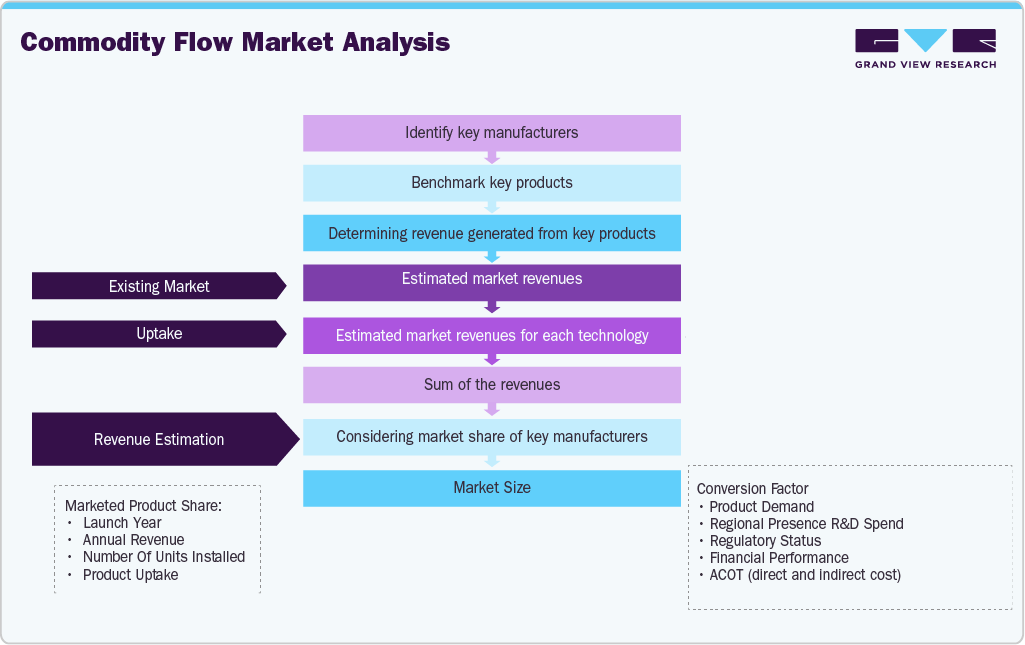
The orphan drugs market figures in this report are based on a proven research process that combines executive interviews with secondary research from proprietary databases, company filings, and recognized regulatory and institutional sources. Market size is built through value-chain sizing - reconciling supply-side and demand-side estimates - and triangulated with bottom-up and top-down approaches. Every estimate passes multiple levels of expert validation before publication, with each orphan drugs segment quantified using the revenue-capture definitions in the table below.
Segment Definition
Segment - Drug Type
Revenue capture definition
Small Molecule Drugs
Small molecule orphan drugs are chemically synthesized medicines used for rare disease indications. This segment includes tablets, capsules, oral liquids, and injectable small molecule medicines and excludes biologics, gene therapies, and cell therapies based on their primary therapeutic structure.
Conventional Biologics
Conventional biologics are orphan drugs produced from biological sources or through biotechnology processes, where the active therapeutic component is a biological substance. This segment includes monoclonal antibodies, recombinant proteins, enzyme replacement therapies, and other protein-based biologics, excluding gene and cell therapies.
Gene Therapies
Gene therapies are orphan drugs that treat rare diseases by introducing, replacing, modifying, or regulating genetic material in a patient's cells. This segment includes gene replacement, gene addition, gene editing, and other genetic material-based therapies where genetic modification is the primary therapeutic mechanism.
Cell Therapies
Cell therapies are orphan drugs in which living cells are administered to a patient to produce the primary therapeutic effect. This segment includes autologous and allogeneic cell-based therapies, including genetically modified cells, where the administered cells are the main therapeutic component.
Others
Other drug types include orphan drugs that do not fall under small molecule drugs, conventional biologics, gene therapies, or cell therapies. This segment includes qualifying orphan medicines based on other therapeutic structures or mechanisms that are not classified within the listed drug types.
Segment - Disease Type
Revenue capture definition
Rare Genetic & Inherited Disorders
Rare genetic and inherited disorders are diseases primarily caused by changes in genetic material and may be passed from parents to children. This segment includes orphan drug indications classified primarily as genetic or inherited disorders, while diseases classified primarily as cancer, congenital, immune-mediated, infectious, or acquired are assigned to those categories.
Rare Cancers
Rare cancers are malignant diseases with low prevalence that qualify for orphan drug treatment. This segment includes rare solid tumors and hematologic malignancies when the primary indication is cancer. Non-malignant blood disorders are excluded and classified under the relevant non-cancer disease category.
Rare Congenital & Developmental Disorders
Rare congenital and developmental disorders are conditions primarily characterized by abnormalities present at birth or disturbances in physical, structural, or functional development. This segment includes orphan drug indications classified primarily as congenital or developmental, even when a genetic cause is also present.
Rare Autoimmune & Immune-Mediated Disorders
Rare autoimmune and immune-mediated disorders are diseases in which abnormal immune activity is the primary cause or major disease mechanism. This segment includes orphan drug indications classified primarily as autoimmune or immune-mediated disorders and excludes conditions primarily classified as cancer, infection, or genetic disease.
Rare Infectious Diseases
Rare infectious diseases are uncommon diseases primarily caused by pathogenic bacteria, viruses, fungi, parasites, or other infectious agents. This segment includes orphan drug indications where infection is the primary cause of disease and excludes immune-mediated conditions that are not directly caused by an infectious agent.
Rare Acquired Disorders
Rare acquired disorders are uncommon diseases that develop after birth and are primarily classified as acquired conditions rather than genetic, congenital, developmental, cancerous, autoimmune, immune-mediated, or infectious diseases. This segment includes orphan drug indications caused by other biological or environmental processes.
Others
Other rare disease types include orphan drug indications that do not fall under genetic and inherited disorders, rare cancers, congenital and developmental disorders, autoimmune and immune-mediated disorders, infectious diseases, or acquired disorders. This segment captures remaining qualifying rare disease indications.
Segment - Route of Administration
Revenue capture definition
Oral
Oral orphan drugs are medicines administered through the mouth for the treatment of a rare disease. This segment includes tablets, capsules, oral solutions, suspensions, and other oral dosage forms where oral administration is the primary marketed route.
Intravenous
Intravenous orphan drugs are medicines administered directly into a vein for the treatment of a rare disease. This segment includes products delivered through intravenous injection or infusion where intravenous administration is the primary marketed route.
Subcutaneous
Subcutaneous orphan drugs are medicines administered into the tissue beneath the skin for the treatment of a rare disease. This segment includes products delivered through subcutaneous injection or infusion where subcutaneous administration is the primary marketed route.
Intramuscular
Intramuscular orphan drugs are medicines administered into muscle tissue for the treatment of a rare disease. This segment includes products delivered through intramuscular injection where this is the primary marketed route of administration.
Intrathecal
Intrathecal orphan drugs are medicines administered directly into the cerebrospinal fluid through the spinal canal for the treatment of a rare disease. This segment includes products where intrathecal injection or infusion is the primary marketed route.
Intraocular / Ophthalmic
Intraocular / ophthalmic orphan drugs are medicines administered directly to the eye or ocular structures for the treatment of a rare eye disease. This segment includes intraocular injections, implants, and ophthalmic formulations where ocular administration is the primary marketed route.
Inhalation
Inhalation orphan drugs are medicines delivered through the respiratory tract for the treatment of a rare disease. This segment includes inhaled solutions, suspensions, powders, and other formulations administered through breathing where inhalation is the primary marketed route.
Others
Other routes of administration include orphan drugs administered through routes other than oral, intravenous, subcutaneous, intramuscular, intrathecal, intraocular/ophthalmic, or inhalation. This segment includes topical, transdermal, intranasal, rectal, and other qualifying administration routes.
Segment - Distribution Channel
Revenue capture definition
Hospital Pharmacies
Hospital pharmacies include orphan drugs purchased, stored, dispensed, or administered through hospital-based pharmacy operations. This segment covers medicines supplied through inpatient and outpatient hospital pharmacy services where the hospital pharmacy is the primary distribution channel.
Specialty Pharmacies
Specialty pharmacies include orphan drugs dispensed through pharmacies that provide specialized handling, patient support, monitoring, or care coordination. This segment covers specialty pharmacy operations where the specialty pharmacy is the primary channel supplying the orphan drug to the patient.
Retail Pharmacies
Retail pharmacies include orphan drugs dispensed through physical community pharmacy locations to patients based on prescriptions. This segment covers retail pharmacy distribution outside hospital and specialty pharmacy channels and excludes products primarily supplied through online or mail-order services.
Mail-Order / Online Pharmacies
Mail-order / online pharmacies include orphan drugs ordered through digital pharmacy platforms or mail-order services and delivered to patients or designated locations. This segment covers authorized remote pharmacy services where electronic ordering or mail-based fulfillment is the primary distribution method.
Others
Other distribution channels include orphan drugs supplied through authorized channels that do not fall under hospital pharmacies, specialty pharmacies, retail pharmacies, or mail-order/online pharmacies. This segment includes manufacturer-direct distribution, clinics, specialty distributors, and other direct supply arrangements.
Estimation Model
 To learn more about this report, Download Free Sample Report
Delivered Customizations
This report has been delivered with the following In-depth customizations
Client Request
Customization Delivered
Value Adds
Global Orphan Drugs Market Opportunity Assessment (U.S., Europe & Asia Pacific)
Conducted a detailed assessment of orphan drug adoption across key markets, covering rare disease prevalence, diagnosis rates, treatment availability, orphan drug approvals, pricing patterns, reimbursement structures, and distribution channels. The study evaluated market opportunities across major therapeutic areas and assessed regional differences in rare disease treatment access and product availability.
Helped the client identify high-growth rare disease segments, assess product opportunities, evaluate pricing and reimbursement potential, and strengthen market entry planning. The study also supported portfolio decisions by identifying areas with limited treatment options, improving regional expansion planning, and assessing commercial opportunities across established and developing markets.
Orphan Drugs Therapeutic Pipeline & Competitive Benchmarking
Delivered a benchmarking analysis of orphan drug portfolios and development programs. The assessment covered marketed therapies, clinical-stage products, product approvals, licensing activities, acquisitions, therapeutic technologies, and company positioning across genetic, metabolic, hematologic, neurological, and rare autoimmune diseases.
Enabled the client to identify portfolio expansion opportunities, assess competing therapies, and prioritize investments in rare disease areas. The analysis also supported pipeline planning, partnership evaluation, competitor assessment, and product development decisions across key orphan drug categories.
Emerging Market Orphan Drugs Access & Market Feasibility Study
Conducted a country-level feasibility assessment for orphan drug access across selected emerging markets. The study analyzed rare disease diagnosis, healthcare infrastructure, availability of specialized treatment centers, genetic testing adoption, regulatory processes, pricing structures, reimbursement conditions, distribution channels, and patient access challenges.
Supported healthcare and commercial planning by identifying regions with unmet treatment needs, diagnosis gaps, access barriers, and partnership opportunities. The study also supported market entry strategies, resource allocation, distribution planning, and long-term expansion opportunities for orphan drug manufacturers in emerging markets.
Frequently Asked Questions About This Report
The global orphan drugs market size was valued at USD 220.1 billion in 2025 and is estimated at USD 238.1 billion for 2026.
The global orphan drugs market is expected to grow at a CAGR of 9.0% from 2026 to 2033, reaching USD 434.9 billion.
Key factors include supportive regulatory incentives, increasing investment in rare disease therapies, advances in biologics, gene and cell therapies, growing use of genetic testing, improved disease diagnosis, and increasing demand for treatments for rare conditions with limited therapeutic options.
North America dominated the orphan drugs market with a 41.2% revenue share in 2025.
Asia Pacific is the fastest-growing regional market, with a projected CAGR of 11.3% over the forecast period.
The conventional biologics segment led the orphan drugs market with a 45.9% revenue share in 2025, while cell therapies are the fastest-growing segment, with a CAGR of 18.3%.
Rare cancers held the largest revenue share at 37.0% in 2025, while rare acquired disorders are the fastest-growing disease type, with a CAGR of 10.2%.
Intravenous administration held the largest share at 39.0% in 2025, while specialty pharmacies led distribution with a 45.6% revenue share. Intrathecal administration and mail-order/online pharmacies are the fastest-growing segments, with CAGRs of 14.5% and 11.5%, respectively.
Key players include Johnson & Johnson, AstraZeneca, Roche, Novartis, Vertex Pharmaceuticals, Sanofi, Amgen, Merck & Co., Bristol Myers Squibb, and Pfizer.
About the Author(s)
Pharmaceuticals Research Team
Healthcare · PharmaceuticalsThis report was authored by the pharmaceuticals research team at Grand View Research - comprising two research analysts, one senior research analyst, and one industry expert - with specialized expertise in the pharmaceuticals segment of the healthcare industry. All findings are based on proprietary healthcare databases, executive interviews, and regulatory analysis, subject to internal peer review prior to publication.
Last Updated:
Speak to Analyst

Customize this report to your needs - add regions, segments, or data points, with 20% free customization.
Or view our licence options:


ISO 9001:2015 & 27001:2022 Certified
We are GDPR and CCPA compliant! Your transaction & personal information is safe and secure. For more details, please read our privacy policy.


